What are adaptogens?
Adaptogens are natural substances, usually of plant origin, that support the body in coping with stress. They contribute to both physical and mental resilience by adapting to the body's specific needs.
This is what makes adaptogens special: they help regulate different body systems based on what is needed at that moment.
Mnemonic : The word "adaptogen" comes from the Latin word "adaptare", which means "to adapt".
What do adaptogens do?
This means that adaptogens can have different effects in different situations. For example:
Stimulating : Some adaptogens can help with fatigue or concentration problems.
Relaxing : Others can contribute to relaxation and better sleep.
Adaptogenic herbs
Some common adaptogens include:
Ginseng
Ginseng has been used in Asia for over 5,000 years and is one of the most well-known adaptogenic herbs. In the past, ginseng root was even more valuable than gold and was used exclusively by the elite, leading to its nickname, "royal herb."
The roots of the plant contain the active ingredients, ginsenoids.
Rhodiola Rosea
Rhodiola rosea, also known as pink root, is a commonly used adaptogenic herb. This succulent is native to cold, mountainous regions such as North America and Northern Europe.
Important active ingredients in Rhodiola are Salidroside and Rosavin, in addition to flavonoids and antioxidants.
Ashwagandha
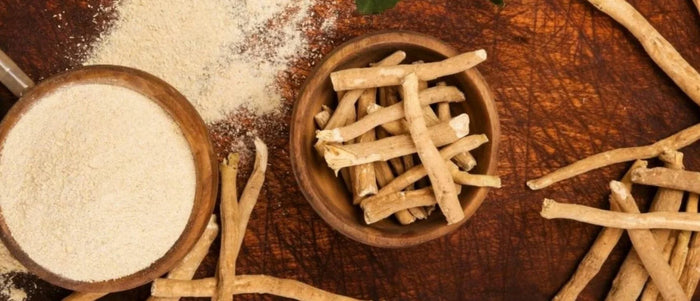
Ashwagandha (Withania somnifera) is a traditional Indian herb, also known as Indian ginseng or winter cherry. It is known for its wide-ranging benefits for body and mind.
Ashwagandha root contains important compounds called withanolides, which are found primarily in plants from the nightshade family. Ashwagandha has the greatest diversity of these withanolides, likely contributing to the herb's wide range of applications.
Our #1 Supplement with two adaptogenic herbs
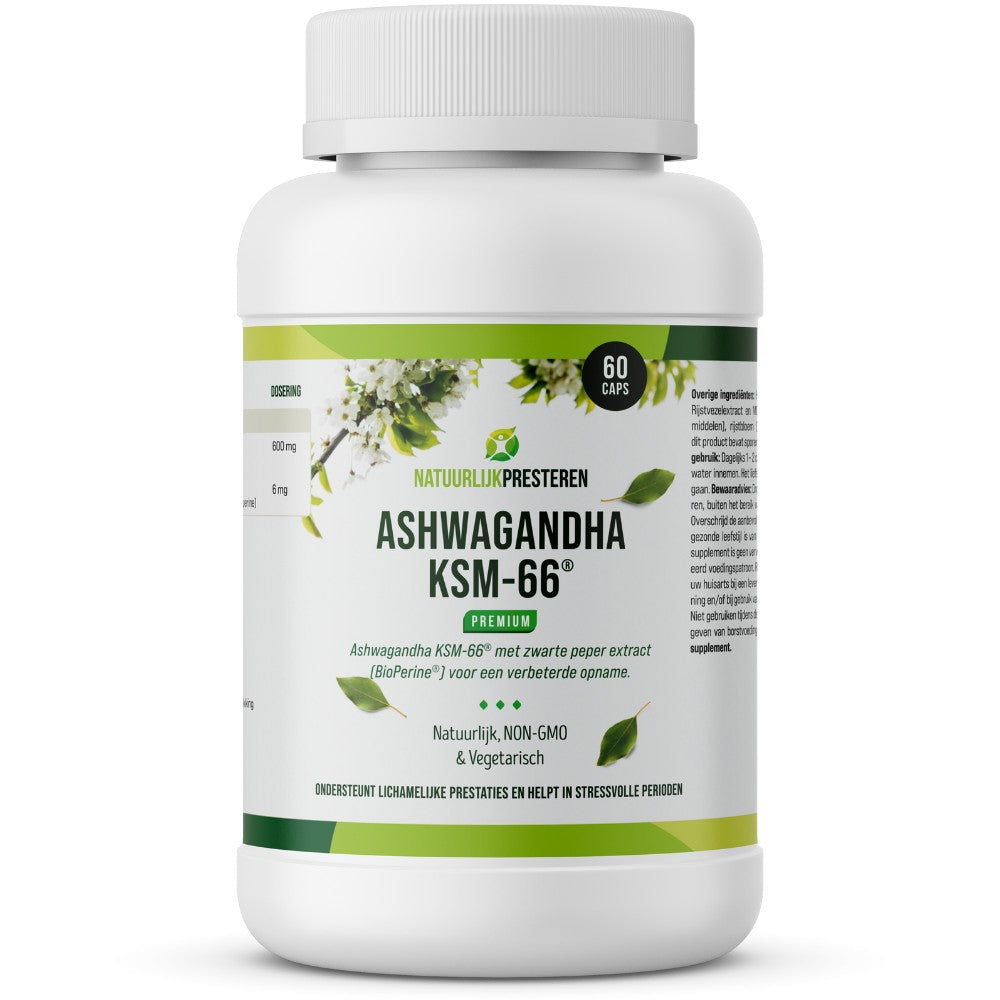
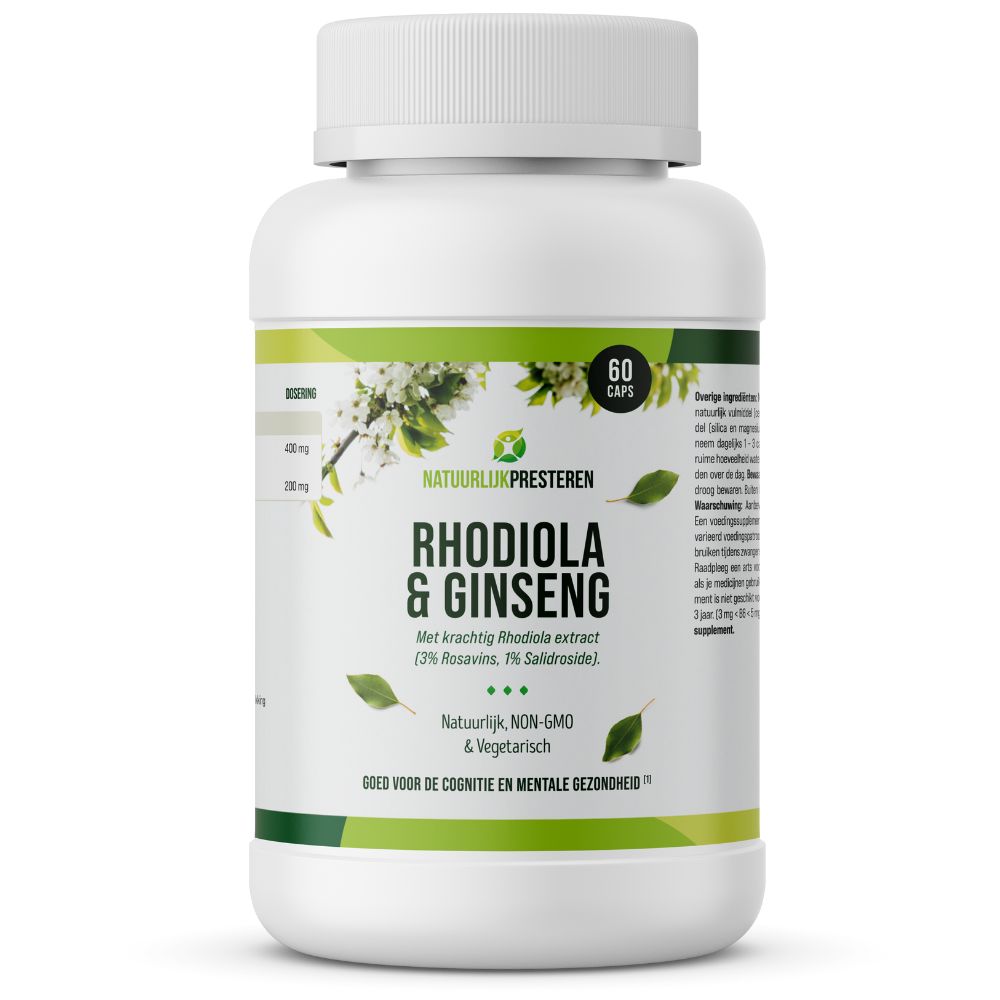
In Rhodiola & Ginseng, we've combined the best adaptogenic herbs in one powerful capsule. We use Siberian ginseng (200 mg per 2 capsules) along with a standardized extract of Rhodiola Rosea (400 mg per 2 capsules). These two adaptogenic herbs complement and enhance each other.
- Good for resistance to stress
- Supports mental balance during stressful periods
- Good for the mood - mood and energy levels
Gerelateerde blogartikelen
KSM-66 Ashwagandha: What Is It and What Are Its Benefits?
KSM-66 ashwagandha is the best-known, best-practice, and most-researched ashwagandha extract in the world. But what makes this extract so special, and what are its benefits? In this article, we'll tell you more about KSM-66 ashwagandha in general and when it's best to use it. But to understand what makes this patented KSM-66 ashwagandha extract so special, we'll first tell you a little more about ashwagandha in general. KSM-66 Ashwagandha Effect: Supports relaxation, testosterone levels, physical performance, mental balance, blood sugar levels, cognitive functions and sleep. Applications: : Widely used during busy or demanding periods, for example around sports, focus moments or to support a soothing evening routine. Unique features: Full-spectrum root extract with 5% withanolides, produced using green chemistry for maximum quality and effectiveness. Table of contents Ashwagandha and Ayurveda KSM-66 Ashwagandha Benefits of Ashwagandha KSM-66 1. Helps relax during stressful periods 2. Good for testosterone levels 3. Supports physical performance 4. Supports mental balance 5. For maintaining healthy blood sugar levels 6. Good for cognitive performance 7. Supports sleep Ashwagandha and Ayurveda Ashwagandha has been used for thousands of years and is one of the most important herbs in Ayurveda. Ayurveda is a form of alternative medicine based on plant extracts, originating from India. In Ayurveda, ashwagandha has been used for thousands of years during stressful periods, to support focus, and to boost energy levels during fatigue. It also plays a role in muscle strength and is beneficial for testosterone levels in men. Today, Ashwagandha is used as an adaptogen. Adaptogenic herbs have a stimulating effect on fatigue and a calming effect during stressful periods. You can consider an adaptogen a natural way to maintain balance. The primary active ingredients in ashwagandha are steroid lactones (withanolides) and natural akaloids (withaferins, somniferins, and tropines). It is also rich in vitamins and minerals. Most of the active ingredients are found in the plant's root. KSM-66 Ashwagandha KSM-66 Ashwagandha is a so-called full-spectrum extract of the ashwagandha root, with the highest concentration of active ingredient in the world. It contains the complete spectrum of active ingredients identical to the composition found in the root. Even though the plant's leaves are 15 times cheaper than the root, the developers deliberately chose to use only the root. This way, you get a superior product with the very best properties. Developing and perfecting KSM-66® Ashwagandha took 14 years. The extraction of the active ingredients follows the "green chemistry" principle, using no alcohol or other synthetic solvents. The active ingredients are currently extracted from the root using milk, as this allows them to extract both fat-soluble and water-soluble components from the ashwagandha root. The KSM-66® extract is a so-called standardized extract with 5% withanolides. This means that every batch is tested and must contain at least 5% withanolides. This ensures consistent quality and reproducibility of the results from clinical studies. Benefits of Ashwagandha KSM-66 Ashwagandha KSM-66 is the most researched ashwagandha extract in the world. Its effectiveness has been investigated and confirmed in numerous clinical studies. We've listed the key benefits of this extract for you. 1. Helps you relax during stressful periods Ashwagandha is one of the most effective plant extracts during times of stress. It helps maintain healthy cortisol levels (the stress hormone) and has a calming effect on the HPA axis in the body. The HPA axis is the system in your body that regulates the stress response. It's an American abbreviation and stands for "Hypothalamic-pituitary-adrenal axis" in Dutch. 2. Good for testosterone levels Using KSM-66 Ashwagandha is also beneficial for testosterone production. It supports the production of DHEA-S, a hormone used in testosterone production. For this reason, we also use KSM-66® Ashwagandha in our natural Testosterone Booster. Our testosterone booster has been voted one of the best in the Netherlands by the independent fitness website infofitness.nl. 3. Supports physical performance Physical performance depends on the maximum amount of oxygen that can be transported through your blood. This is abbreviated as VO2max. The higher your VO2max, the more oxygen your blood can carry. This allows you to perform better physically than someone with a lower VO2max. Ashwagandha KSM-66® has been shown in clinical studies to be beneficial for VO2max and is therefore used by athletes to support physical performance. In both endurance and strength sports, a higher VO2max is beneficial for performance, allowing you to keep going for longer and train harder. A higher VO2max is associated with a longer life expectancy, while a low VO2max increases the risk of chronic diseases. 4. Supports mental balance Besides its physical benefits, ashwagandha KSM-66 also has mental benefits. It helps support mental balance and is good for mood and well-being. This is of course partly due to the fact that ashwagandha helps you relax during stressful periods. In clinical studies, this plant extract has been shown to have a significant effect on mood compared to a placebo. 5. To maintain healthy blood sugar levels As a “by-catch,” clinical studies have shown that ashwagandha is good for maintaining healthy blood sugar levels. It also had a beneficial effect on cholesterol levels and helped maintain healthy insulin levels. It is believed that the group of compounds “Whithaferines” in Ashwagandha KSM-66 is responsible for these benefits. More research into this phenomenon is still needed, but initial results look promising. 6. Good for cognitive performance In a study, they investigated the influence of Ashwagandha KSM-66 on cognitive skills. This showed that taking 600 mg of Ashwagandha for 8 weeks has a supportive effect on focus, memory and reaction time. This could be related to the strong antioxidants in Ashwagandha, which are good for the functioning and blood flow of the brain. 7. Supports sleep Finally, using KSM-66 Ashwagandha is also good for sleep. This is, of course, due to its relaxing effect. The strong antioxidants in this extract are also good for blood circulation in the brain, which is good for a good night's sleep. All in all, Ashwagandha KSM-66 is a very versatile nutritional supplement with endless benefits. Jochum Smid Jochum Smid is a biobased chemist specializing in orthomolecular nutrition. He develops and selects the nutritional supplements at Natuurlijk Presteren and has a passion for biohacking, science, and healthy eating. Read more
Lees meer
Buying the best ashwagandha? Here's what to look for.
Curious about ashwagandha? Wondering what to look for when buying ashwagandha as a supplement? I looked into it for you. Find out here which ashwagandha I recommend and what exactly to look for in a good ashwagandha supplement. Choose KSM-66® Ashwagandha extract, the most researched extract with a standardized concentration of 5% withanolides for maximum effectiveness. Combine Ashwagandha with Bioperine®, a black pepper extract that enhances absorption and provides increased bioavailability. A dosage of 600 mg per day, divided into two doses, is recommended for optimal effects on stress, sleep, and physical performance. Table of contents What to look for when buying the best ashwagandha? The 5 best ashwagandhas Learn more about ashwagandha 1. The patented ashwagandha KSM-66® extract 2. Why black pepper with ashwagandha? 3. How much ashwagandha per day? 4. Choose ashwagandha without unnecessary additives 5. About ashwagandha 6. Ashwagandha effects: What does ashwagandha do? 7. Warnings when using ashwagandha 8. Ashwagandha experiences: What users say about our supplement 9. Is ashwagandha addictive? 10. The best time to take ashwagandha Here's what to look out for when buying Ashwagandha Ashwagandha is becoming increasingly popular and so more and more products are coming onto the market claiming to be the best. To ensure you purchase a high-quality and effective product, I recommend looking for the following features for the very best ashwagandha: Contains patented KSM-66® extract – This is the best ashwagandha extract with consistent effectiveness. Black pepper extract has been added to enhance the absorption of ashwagandha KSM- 66® – just like the patented piperine extract Bioperine® A good dosage of Ashwagandha KSM-66® - You need 300 mg of ashwagandha KSM- 66® daily to experience the benefits. It's free of unnecessary additives – this speaks to the product's purity. Look for ashwagandha with a Clean label to ensure only natural ingredients have been used. The top 3 best ashwagandha supplements #1. Ashwagandha KSM-66® - Natural Performance Ashwagandha KSM-66 ® is Natuurlijk Presteren's natural ashwagandha product, with added BioPerine extract ® . It is produced completely clean-label, which means it only contains natural additives. The benefits: Contains 600 mg Ashwagandha KSM-66® per serving (2 caps) Contains black pepper extract (Bioperine®) to support the effect of ashwagandha. Standardized to 5% withanolides, meaning the concentration is consistent. Contains only natural additives. Easy to swallow capsule. More information Natuurlijk Presteren's Ashwagandha KSM-66 takes first place because, in addition to a good dosage (600 mg) of Ashwagandha KSM- 66® , it also contains Bioperine® for optimal ashwagandha functioning. Furthermore, the clean label production is a big plus compared to the other products in this comparison. #2. Ashwagandha KSM-66® - Vita herb Ashwagandha KSM- 66® from Vitakruid also contains a good dosage per capsule and here too the BioPerine® extract has been added. The benefits: Contains 600 mg Ashwagandha KSM-66® per serving (2 caps) Contains black pepper extract (Bioperine®) to support the effect of ashwagandha. Standardized to 5% withanolides, meaning the concentration is consistent. The disadvantage Not produced clean-label. Ashwagandha KSM- 66® deserves the second place because it contains an effective dosage and has a high-quality black pepper extract added to it. Unfortunately, it is not produced clean label. #3. Ashwagandha KSM-66© - VItals Ashwagandha KSM- 66® from Vitals stands out because of its organic certification. Like ours, numbers 1 and 2, it contains a good dose of ashwagandha. The benefits: Contains 600 mg Ashwagandha KSM-66® per serving (2 caps) Standardized to 5% withanolides, meaning the concentration is consistent. Disadvantages No black pepper (peperine) extract has been added. The biggest plus of our number 3 is that it is organically certified. But what is a pity is that the black pepper extract is missing. 1. What is the patented ashwagandha KSM-66® extract? KSM-66® is the finest ashwagandha extract available. It is a full-spectrum extract of the root, which means that all the important substances are retained in their natural balance. What makes KSM-66® so special? It is identical to the composition of the root. Only the root is used, which ensures an optimal balance between effectiveness and safety. It contains 5% standardized withanolides, for reliable and consistent results. It is produced in an environmentally friendly way without synthetic solvents. After 14 years of development, it has won several prestigious awards. It has GRAS status, which means it has been deemed safe by the US FDA based on scientific evidence. 2. Why black pepper with ashwagandha? The best ashwagandha products contain black pepper extract. Piperine, the active ingredient in black pepper, helps the body absorb active ingredients.(1) This ensures higher bioavailability, which means that the substances are absorbed more efficiently by the body. So you get more out of your ashwagandha supplement with black pepper! The BioPerine® extract BioPerine® is a patented, high-quality extract of black pepper (Piper nigrum), containing 95-98% piperine. What makes BioPerine® unique? It supports the bioavailability of ashwagandha, so your body can absorb it better. It is the only piperine extract with patented status, thanks to proven purity, safety and effectiveness. It is produced from carefully harvested black pepper from South India, where the berries dry naturally in the sun. 3. How much ashwagandha per day? Most studies indicate that 250-600 mg per day of ashwagandha can be effective when used for at least 1 to 2 months. At a dose of 600 mg per day, divided into two doses (for example, morning and evening), the benefits appear to be greater.(2) Shorter periods of 1200 mg per day may also be safe according to some studies, but it is important to see how your body responds.(3)(4) However, we recommend a maximum of 600 mg of ashwagandha KSM-66 per day, divided over two doses. The product below contains exactly this dosage. More information 4. Choose ashwagandha without unnecessary additives If you want to buy an ashwagandha supplement, it is important to choose a product without unnecessary, artificial additives. But how do you know if you're making the right choice? Here are some important tips to ensure you choose the best ashwagandha supplement that is pure and natural: Read the label carefully - Check the ingredients list and look for additives such as colors, flavors, preservatives, and binders. Natural supplements often have a shorter ingredient list without synthetics. Choose brands with a good reputation - Well-known and reliable brands in the Netherlands often have strict quality control and clearly indicate which additives are or are not in their products. Look for brands that are transparent about their production processes and ingredients. Quality marks and certificates - Look for quality marks like Clean Label. This label indicates that the product uses only natural ingredients. Consult a specialist - A doctor, pharmacist, or nutritionist can often advise you on which supplements are suitable and which are unlikely to contain unnecessary additives. 5. About ashwagandha Ashwagandha ( Withania somnifera ) is a plant that has played an important role in Ayurveda, a traditional Indian medicine based on plant extracts, for thousands of years. The plant has green leaves and produces small, red berries. However, the root is particularly valued for its active compounds, such as withanolides and alkaloids, which are considered the main active ingredients. Fun fact: The name "ashwagandha" comes from Sanskrit and means "horse scent." This refers to the root's aroma, which is reminiscent of a horse's aroma and symbolizes the strength and vitality associated with the herb. 6. What is the effect of Ashwagandha? Ashwagandha is often seen as a natural way to maintain balance because of its adaptogen effect. An adaptogen is a natural substance or herb that helps the body adapt to stress and support the recovery process. Health benefits of ashwagandha: Ashwagandha, particularly in the form of KSM-66®, is a versatile herbal extract that has shown promising results in several studies: Helps to relax in stressful situations * Support for mental balance and cognitive functions (memory and concentration) * Contributes to a healthy night's sleep * Helps with physical performance (especially in endurance and strength sports, by contributing to oxygen uptake) * Supports the immune system * Support for fatigue * May contribute to improved male fertility (testosterone) * Antioxidant effect * Skin and respiratory support *(2)(3)(4) Please note: (*) The claims about the health benefits of ashwagandha are currently being assessed by the European Commission and more research is needed to confirm effectiveness. 7. Warnings when using ashwagandha Ashwagandha is generally considered safe for humans, with some exceptions. However, it is important to know that, like other herbs, ashwagandha can interact with certain medications . Although the Lareb side effects center has only received four reports about ashwagandha in the past 23 years, it is good to be extra careful when using thyroid medications and antidepressants . It is also recommended not to use it if you have liver disease. In addition, use during pregnancy and breastfeeding is not recommended as a precaution, just like all other herbal supplements. More information
Lees meer taurine
Rhodiola rosea: werking, voordelen en dosering
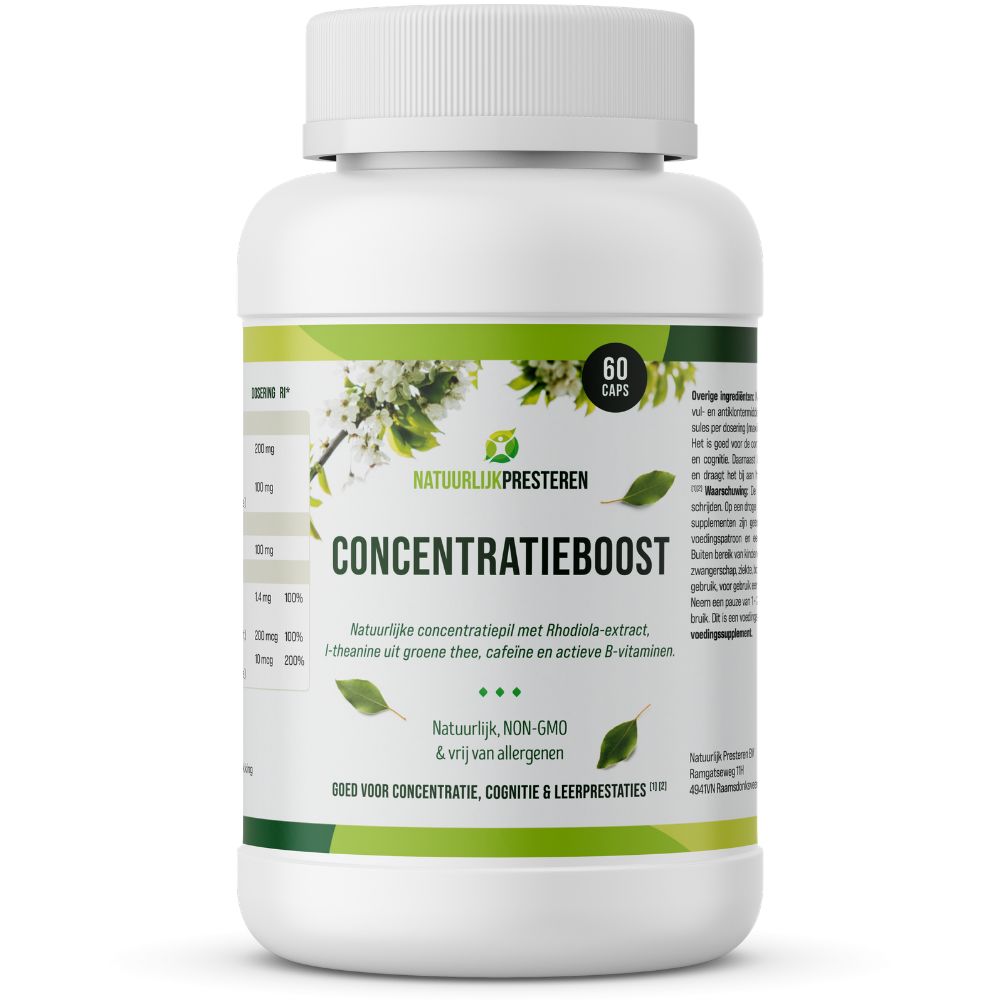
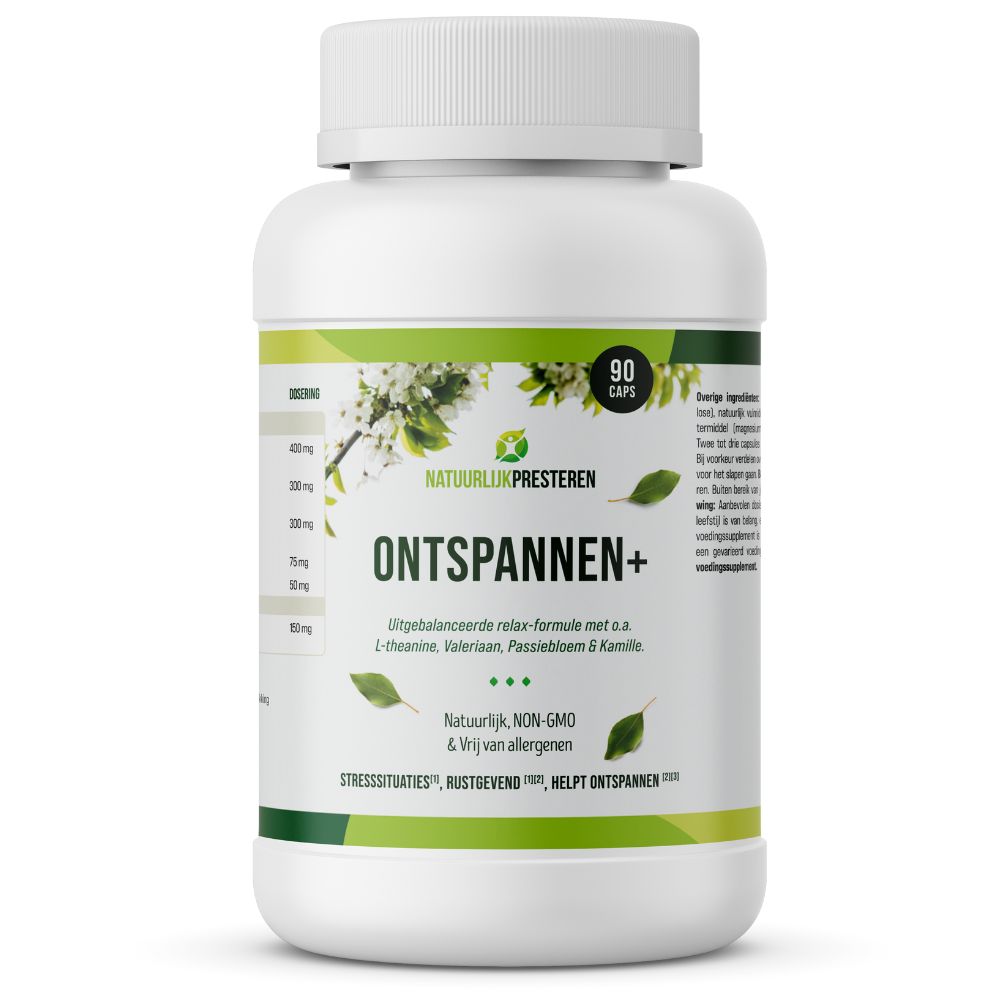
In een tijd waarin prikkels en drukte zich blijven opstapelen, zoeken veel mensen naar manieren om hun balans te bewaren. Misschien ben je daarom uitgekomen bij rhodiola rosea. Je ziet het steeds vaker voorbijkomen. Maar wat is het precies? En wat kun je er wel (en niet) van verwachten? In dit artikel neem ik je stap voor stap mee. Zo krijg je een helder en eerlijk beeld van wat rhodiola rosea is, hoe het werkt en hoe je het kunt gebruiken. Rhodiola rosea wordt vaak genoemd in de context van stress, mentale druk en vermoeidheid, maar effecten kunnen verschillen per persoon en per extract. Een gestandaardiseerd extract met rosavinen en salidroside maakt de samenstelling inzichtelijker en zorgt voor meer consistentie tussen producten. Begin bij voorkeur laag, neem rhodiola vroeg op de dag en overleg bij zwangerschap, borstvoeding of antidepressivagebruik. Inhoudsopgave Wat is rhodiola rosea? Hoe werkt rhodiola rosea? Rosavinen Salidroside Wat kun je merken van rhodiola rosea? Bij stress en mentale druk Bij vermoeidheid Bij concentratie Bij sport en herstel Antioxidanten Rhodiola rosea en stress: hoe werkt dat? Dosering: hoeveel rhodiola rosea per dag? Hoe en wanneer neem je rhodiola supplementen? Rhodiola en ginseng: waarom combineren? Rhodiola en ashwagandha Bijwerkingen en veiligheid Wanneer moet je extra opletten? Welke rhodiola kies je? Gebruik deze checklist Rhodiola rosea kopen: welke supplementen zijn er? 1. Rhodiola & Ginseng 2. Concentratieboost 3. Ontspannen plus Ervaringen: wat kun je verwachten? Veel gestelde vragen over Rhodiola rosea 1. Wat is rhodiola rosea? 2. Hoe verschilt het van ashwagandha? 3. Hoe snel werkt het? 4. Mag je het combineren met antidepressiva? 5. Hoeveel moet je nemen? 6. Is het veilig op lange termijn? Tot slot Wat is rhodiola rosea? Rhodiola rosea, ook wel rozenwortel genoemd, is een plant die groeit in koude, bergachtige gebieden op grote hoogte, zoals Siberië, Scandinavië en delen van de Himalaya (waaronder Tibet). Door deze omstandigheden ontwikkelt de plant een sterk aanpassingsvermogen. Vooral de wortel wordt gebruikt. Als je die doorsnijdt, komt er een lichte rozengeur vrij. Daar komt de naam vandaan. Traditioneel werd rhodiola gebruikt in situaties waarin veel gevraagd werd van het lichaam, zoals bij fysieke inspanning en mentale belasting. Om die reden valt rhodiola onder de zogenoemde adaptogenen. Dit zijn planten die worden onderzocht vanwege hun mogelijke rol in hoe het lichaam zich aanpast aan stress (1, 2). Hoe werkt rhodiola rosea? De werking van rhodiola hangt samen met stoffen die van nature in de wortel voorkomen. De twee belangrijkste groepen zijn: rosavinen salidroside Deze stoffen worden gebruikt om extracten te standaardiseren. Dat betekent dat een supplement met zo´n extract een vaste hoeveelheid van deze bestanddelen bevat (1). Praktisch: kies bij voorkeur een gestandaardiseerd extract waarin zowel rosavinen als salidroside aanwezig zijn. Zo weet je dat je een consistente samenstelling gebruikt. Rosavinen Rosavinen zijn een groep stoffen (rosavin, rosine en rosarin) die specifiek voorkomen in rhodiola rosea (en dus niet in andere rhodiola varianten). Ze worden vaak gebruikt als maat voor de kwaliteit van een extract. In onderzoek wordt gekeken naar de rol van rosavinen in hoe het lichaam reageert op verschillende vormen van belasting.* De resultaten zijn wisselend en lijken onder andere afhankelijk van dosering en samenstelling van het extract. Goede supplementen zijn meestal gestandaardiseerd op ongeveer 3% rosavinen (3). Salidroside Salidroside is een andere belangrijke stof die van nature voorkomt in rhodiola rosea. In onderzoek wordt salidroside onder andere bekeken in relatie tot processen in het zenuwstelsel. Dit gebeurt vooral in laboratorium- en dierstudies, en in mindere mate bij mensen. De resultaten zijn wisselend en afhankelijk van factoren zoals dosering, type extract en de context waarin het wordt gebruikt. Een kwalitatief rhodiola-extract bevat meestal rond de 1% salidroside (4). (*) Goed om te weten: deze claim wordt op dit moment nog beoordeeld door de EFSA. Hij is dus nog niet goedgekeurd, maar ook niet afgekeurd. Wat kun je merken van rhodiola rosea? Rhodiola wordt vaak gebruikt in periodes waarin je veel vraagt van jezelf. Denk aan drukte, stress of momenten waarop je merkt dat je energie of focus minder wordt. Goed om te weten: wat je merkt kan per persoon verschillen en hangt onder andere af van de dosering, het type extract en je persoonlijke situatie. Hieronder zie je in welke situaties rhodiola vaak wordt gebruikt: Bij stress en mentale druk Merk je dat je snel overprikkeld raakt of dat je hoofd blijft doorgaan? Rhodiola wordt vaak gebruikt in periodes van stress en mentale druk.* Sommige mensen ervaren dat ze zich wat veerkrachtiger voelen en rustiger blijven, ook als het druk is (5, 6). Bij vermoeidheid Voel je je vaak moe, ook als je genoeg slaapt? Rhodiola wordt vaak gebruikt bij aanhoudende vermoeidheid.* Sommige mensen gebruiken het wanneer hun energie laag is, bijvoorbeeld na drukke of intensieve periodes (7). In plaats van een korte, snelle boost zoals bij koffie, kiezen mensen rhodiola vaker wanneer ze zich langere tijd moe voelen. Bij concentratie Heb je moeite om je aandacht erbij te houden als het druk is? Rhodiola wordt vaak gebruikt op momenten waarop je langdurig moet focussen.* Sommige mensen gebruiken het bijvoorbeeld tijdens drukke werkdagen of wanneer ze veel moeten nadenken (8, 9). Bij sport en herstel Vraag je veel van je lichaam, bijvoorbeeld met sporten of fysiek werk? Rhodiola wordt ook gebruikt in periodes van intensieve fysieke belasting.* In onderzoek wordt gekeken naar het effect van rhodiola op prestaties en hoe het lichaam omgaat met inspanning en herstel. De resultaten laten een wisselend beeld zien (10, 11, 12, 13). Antioxidanten Rhodiola bevat naast rosavinen en salidroside ook andere natuurlijke stoffen, zoals flavonoïden. Deze stoffen staan bekend om hun antioxidatieve eigenschappen (14).. (*) Goed om te weten: deze claim wordt op dit moment nog beoordeeld door de EFSA. Hij is dus nog niet goedgekeurd, maar ook niet afgekeurd. Rhodiola rosea en stress: hoe werkt dat? Wil je beter begrijpen wat er in je lichaam gebeurt bij stress en welke rol rhodiola daarin speelt? Zo zit het: In je lichaam speelt de zogenoemde HPA-as een belangrijke rol. Dit is een samenwerking tussen de hypothalamus, hypofyse en bijnieren, drie systemen die samen je stressreactie aansturen. Wanneer je stress ervaart, geeft dit systeem signalen door waardoor je lichaam in actie komt. Zo worden er stresshormonen vrijgemaakt, zoals cortisol. Soms blijft dit systeem langer actief dan nodig. Je lichaam blijft dan als het ware “aan” staan, ook als de prikkel al voorbij is. Dat kan ervoor zorgen dat je moeilijker tot rust komt. Rhodiola wordt onderzocht in relatie tot dit systeem. Daarbij kijken onderzoekers onder andere naar hoe het lichaam met stress omgaat en hoe het daarna weer terugkeert naar een meer ontspannen balans. Goed om te weten: dit soort processen worden deels onderzocht in laboratorium- en dierstudies. Onderzoek bij mensen laat een wisselend beeld zien. Dosering: hoeveel rhodiola rosea per dag? De meeste supplementen liggen tussen de 100 en 600 mg extract per dag. De exacte hoeveelheid hangt samen met de concentratie en standaardisatie van het extract. Let daarbij goed op de vorm die wordt gebruikt: poeder of extract. Dit maakt namelijk een groot verschil in dosering. Gestandaardiseerd extract – is geconcentreerd en bevat een vaste hoeveelheid werkzame stoffen (zoals rosavinen en salidroside). Gedroogd poeder – is de gemalen wortel, waarbij de hoeveelheid werkzame stoffen kan variëren. Een extract is geconcentreerder dan poeder. Daardoor heb je er meestal minder van nodig om tot een vergelijkbare inname te komen. Hoe en wanneer neem je rhodiola supplementen? Hoe je rhodiola gebruikt, draait vooral om twee dingen: de dosering en het moment van innemen. Beide kunnen invloed hebben op hoe je rhodiola ervaart. Dosering opbouwen – begin rustig, zodat je kunt aanvoelen wat bij je past. Start met een lage dosering (bijvoorbeeld 100–200 mg per dag) en kijk hoe je reageert. Verhoog dit eventueel stap voor stap. Moment van innemen – neem rhodiola bij voorkeur in de ochtend of vroege middag. Sommige mensen ervaren het als licht activerend, waardoor innemen later op de dag minder prettig kan zijn. Vanuit daar kun je eventueel ook kijken naar andere vormen of combinaties. Rhodiola wordt bijvoorbeeld vaak gecombineerd met kruiden zoals ginseng of ashwagandha. Rhodiola en ginseng: waarom combineren? Rhodiola en ginseng worden vaak samen gebruikt, omdat ze elk op hun eigen manier passen binnen momenten waarop je veel van jezelf vraagt. In combinatie zie je ze daarom vaak terug in één formule, zodat je niet hoeft te kiezen en ze eenvoudig samen kunt gebruiken: Rhodiola – kies je bijvoorbeeld wanneer je veel van jezelf vraagt en overdag scherp wilt blijven. Ginseng – wordt vaker gebruikt op momenten waarop energie en vitaliteit meer op de voorgrond staan. Zo kun je met één combinatie inspelen op verschillende momenten in je dag, zonder meerdere losse supplementen te gebruiken. Rhodiola en ashwagandha Naast ginseng wordt rhodiola ook vaak genoemd in combinatie met ashwagandha. Ashwagandha is, net als rhodiola, een kruid dat vaak wordt ingedeeld bij de zogenoemde adaptogenen. Ze worden soms gecombineerd in supplementen, maar worden ook vaak los van elkaar gebruikt, afhankelijk van het moment en waar je behoefte ligt. Rhodiola – vaak gekozen in periodes waarin je veel van jezelf vraagt, bijvoorbeeld wanneer je overdag scherp en actief wilt blijven. Ashwagandha – vaker gebruikt op momenten waarop ontspanning en rust meer op de voorgrond staan. Vraag jezelf dus eerst af: wil je vooral overdag scherp blijven? Of merk je juist dat je behoefte hebt aan meer rust en ontspanning? Persoonlijk kies ik er bijvoorbeeld voor om rhodiola met ginseng in de ochtend te gebruiken en ashwagandha los in de avond. Wat voor jou prettig werkt, kan natuurlijk anders zijn, het is vooral iets om zelf te ontdekken. Bijwerkingen en veiligheid In de meeste studies wordt rhodiola gebruikt in doseringen van ongeveer 100 tot 600 mg extract per dag. Binnen deze range wordt het over het algemeen goed verdragen. Soms worden milde klachten gemeld, zoals: een droge mond een licht gevoel in het hoofd Dit lijkt vaker voor te komen bij hogere doseringen, maar de resultaten uit studies zijn niet volledig eenduidig. Goed om te weten: wat je merkt, verschilt per persoon. Je gevoeligheid, leefstijl en het type extract spelen daarbij een rol. Het advies blijft dus: begin met een lage dosering, kijk hoe je reageert en bouw eventueel op in dosering. Wanneer moet je extra opletten? In deze situaties is het verstandig om extra advies in te winnen: Zwangerschap of borstvoeding – overleg met je verloskundige of arts. Er is op dit moment te weinig onderzoek om het gebruik goed te kunnen beoordelen. Gebruik van antidepressiva – overleg ook dan met je arts, vooral bij middelen zoals MAO-remmers. Welke rhodiola kies je? Gebruik deze checklist Sta je op het punt om rhodiola te proberen? Dan helpen deze punten je om een keuze te maken: Dosering – kies een product waarmee je rond de 100–600 mg extract per dag kunt doseren, zodat je flexibel kunt opbouwen. Gestandaardiseerd extract – hiermee weet je dat de samenstelling per capsule of dosering gelijk is. Werkzame stoffen (bijv. 3% rosavinen / 1% salidroside) – dit zijn veelgebruikte verhoudingen bij kwalitatieve extracten. Zuiverheid en transparantie – kijk of de dosering en samenstelling duidelijk op het etiket staan en of het merk informatie geeft over herkomst of testen. Geen onnodige toevoegingen – kies bij voorkeur een product met een korte ingrediëntenlijst, zonder onnodige vulstoffen. Vorm (capsule of druppel) – capsules zijn makkelijk en precies, terwijl druppels meer flexibiliteit geven in dosering. Samenstelling – kies je voor rhodiola los, of voor een combinatie met bijvoorbeeld ginseng of ashwagandha? Wat bij je past, hangt af van je voorkeur en situatie. Rhodiola rosea kopen: welke supplementen zijn er? Overweeg je een rhodiola rosea supplement of een gestandaardiseerd rhodiola extract? Dan kom je al snel verschillende formules tegen. Binnen onze collectie rhodiola supplementen vind je varianten met elk een andere samenstelling, zodat je kunt kiezen wat het beste past bij jouw moment en voorkeur. 1. Rhodiola & Ginseng Een combinatie van rhodiola rosea extract en Siberische ginseng in één formule. Deze combinatie wordt vaak gekozen door mensen die beide kruiden in één supplement willen gebruiken. gestandaardiseerd rhodiola-extract (3% rosavinen, 1% salidroside) – 400 mg per dagdosering gecombineerd met Siberische ginseng – 200 mg per dagdosering eenvoudige samenstelling 2. Concentratieboost Een formule met rhodiola rosea, gecombineerd met ingrediënten die vaak worden gebruikt op momenten waarop je langdurig geconcentreerd wilt blijven. gestandaardiseerd rhodiola-extract (3% rosavinen, 1% salidroside) – 100 mg per dagdosering combinatie met L-theanine en cafeïne (100 mg cafeïne en 200 mg L-theanine) aangevuld met vitamine B6 en B12 3. Ontspannen plus Een bredere formule met rhodiola rosea en verschillende plantenextracten. Deze combinatie wordt vaak gekozen als je merkt dat je meer behoefte hebt aan rust, bijvoorbeeld in de avond of na een drukke dag. gestandaardiseerd rhodiola-extract (3% rosavinen, 1% salidroside) – 300 mg per dagdosering aangevuld met kruidenextracten zoals valeriaan, passiebloem, kamille en hop brede samenstelling Ervaringen: wat kun je verwachten? Rhodiola is geen snelle oplossing. Als je iets merkt, gebeurt dat meestal pas na een paar weken en bij consistent gebruik. Tegelijk geldt: niet iedereen merkt verschil. Hoe het voor jou uitpakt, hangt af van je situatie, leefstijl en hoe je lichaam reageert. Zie het daarom vooral als een mogelijke aanvulling op de basis, zoals voldoende slaap, goede voeding en een duidelijke dagstructuur. Veel gestelde vragen over Rhodiola rosea 1. Wat is rhodiola rosea? Rhodiola rosea is een plant die groeit in koude, bergachtige gebieden. De wortel wordt gebruikt in supplementen en vaak ingedeeld bij de zogenoemde adaptogenen. Onderzoek richt zich vooral op stress, vermoeidheid en mentale belasting. 2. Hoe verschilt het van ashwagandha? Rhodiola wordt vaak gekozen in situaties waarin je energie en focus onder druk staan. Ashwagandha wordt juist vaker gebruikt wanneer ontspanning en rust meer centraal staan. 3. Hoe snel werkt het? Dat verschilt per persoon. Als je iets merkt, gebeurt dat meestal na een paar weken en bij consistent gebruik. 4. Mag je het combineren met antidepressiva? Overleg dit altijd eerst met je arts, vooral als je medicatie gebruikt zoals MAO-remmers. 5. Hoeveel moet je nemen? De dosering ligt meestal tussen de 100 en 600 mg extract per dag, afhankelijk van het product en de samenstelling. 6. Is het veilig op lange termijn? Binnen gangbare doseringen wordt rhodiola over het algemeen goed verdragen. Over langdurig gebruik is nog niet alles bekend, dus het is verstandig om het bewust en afgestemd te gebruiken. Tot slot Voel je je vaak moe, zelfs als je voldoende slaapt? Of heb je het idee dat je hoofd maar blijft doorgaan? Misschien is rhodiola rosea iets om je eens in te verdiepen. Niet als snelle oplossing, maar als een mogelijke aanvulling naast de basis: rust, voeding en een ritme dat bij je past. Wil je ermee beginnen? Houd het dan simpel. Je kunt starten met een enkelvoudig rhodiola-supplement of kiezen voor een combinatie, zoals met ginseng. Vanaf daaruit kun je verder kijken wat bij jou past. Ebrina van der Bijl Ebrina is voedingsdeskundige met een diepe toewijding aan gezonde voeding en een duurzame levensstijl, gevestigd in het prachtige Portugal. Haar passie voor natuurlijke en biologische producten vormt de kern van haar werk. Met een achtergrond in Voeding & Diëtetiek en ervaring in productontwikkeling en tekstschrijven, vertaalt ze complexe wetenschappelijke informatie naar praktische adviezen voor een gebalanceerde levensstijl. Lees meer Gebruikte bronnen Panossian, A., & Wikman, G. (2010). Effects of Adaptogens on the Central Nervous System and the Molecular Mechanisms Associated with Their Stress—Protective Activity. Pharmaceuticals, 3(1), 188–224. https://doi.org/10.3390/ph3010188 Todorova, V., Ivanov, K., Delattre, C., Nalbantova, V., Karcheva-Bahchevanska, D., & Ivanova, S. (2021). Plant Adaptogens—History and Future Perspectives. Nutrients, 13(8), 2861. https://doi.org/10.3390/nu13082861 Wang, S., Feng, Y., Zheng, L., He, P., Tan, J., Cai, J., Wu, M., & Ye, X. (2023). Rosavin: Research Advances in Extraction and Synthesis, Pharmacological Activities and Therapeutic Effects on Diseases of the Characteristic Active Ingredients of Rhodiola rosea L. Molecules, 28(21), 7412. https://doi.org/10.3390/molecules28217412 Zhang, N., Nao, J., & Dong, X. (2023). Neuroprotective Mechanisms of Salidroside in Alzheimer’s Disease: A Systematic Review and Meta-analysis of Preclinical Studies. Journal Of Agricultural And Food Chemistry, 71(46), 17597–17614. https://doi.org/10.1021/acs.jafc.3c06672 Panossian, A., Wikman, G., & Sarris, J. (2010). Rosenroot (Rhodiola rosea): Traditional use, chemical composition, pharmacology and clinical efficacy. Phytomedicine, 17(7), 481–493. https://doi.org/10.1016/j.phymed.2010.02.002 Stojcheva, E. I., & Quintela, J. C. (2022). The Effectiveness of Rhodiola rosea L. Preparations in Alleviating Various Aspects of Life-Stress Symptoms and Stress-Induced Conditions—Encouraging Clinical Evidence. Molecules, 27(12), 3902. https://doi.org/10.3390/molecules27123902 Ishaque, S., Shamseer, L., Bukutu, C., & Vohra, S. (2012b). Rhodiola rosea for physical and mental fatigue: a systematic review. BMC Complementary And Alternative Medicine, 12(1), 70. https://doi.org/10.1186/1472-6882-12-70 Mueller, J. K., & Müller, W. E. (2024). Multi-target drugs for the treatment of cognitive impairment and fatigue in post-COVID syndrome: focus on Ginkgo biloba and Rhodiola rosea. Journal Of Neural Transmission, 131(3), 203–212. https://doi.org/10.1007/s00702-024-02749-3 Dou, Y., Wang, Y., Zhang, W., Jiang, Y., Zhang, J., Yang, T., Han, Z., Li, Y., Liu, C., & Ren, D. (2026). Effects of Rhodiola rosea on Physical and Decision-Making Performance in Football Players: A Randomised Controlled Trial. Nutrients, 18(5), 724. https://doi.org/10.3390/nu18050724 Wang, X., Yang, X., Gao, Z., Zeng, J., & Liu, Y. (2025). The effect of Rhodiola rosea supplementation on endurance performance and related biomarkers: a systematic review and meta-analysis. Frontiers in Nutrition, 12, 1645346. https://doi.org/10.3389/fnut.2025.1645346 Koozehchian, M. S., Newton, A. T., Mabrey, G., Bonness, F. M., Rafajlovska, R., & Naderi, A. (2025). Dose–Response Effects of Short-Term Rhodiola rosea (Golden Root Extract) Supplementation on Anaerobic Exercise Performance and Cognitive Function in Resistance-Trained Athletes: A Randomized, Crossover, Double-Blind, and Placebo-Controlled Study. Nutrients, 17(23), 3736. https://doi.org/10.3390/nu17233736 Tinsley, G. M., Jagim, A. R., Potter, G. D. M., Garner, D., & Galpin, A. J. (2023). Rhodiola rosea as an adaptogen to enhance exercise performance: a review of the literature. British Journal Of Nutrition, 131(3), 461–473. https://doi.org/10.1017/s0007114523001988 Marcos-Frutos, D., Leban, Ž., Li, Z., Zhang, X., Lara, P. M., Alix-Fages, C., Jiménez-Martínez, P., Zebboudji, N., Caillet, A., Redondo, B., Vera, J., Janicijevic, D., & García-Ramos, A. (2025). The Impact of Rhodiola Rosea Extract on Strength Performance in Alternative Bench-Press and Bench-Pull Exercises Under Resting and Mental Fatigue Conditions: A Randomized, Triple-Blinded, Placebo-Controlled, Crossover Trial. Nutrients, 17(6), 940. https://doi.org/10.3390/nu17060940 Zhang, S., Jiang, S., Deng, N., Zheng, B., Li, T., & Liu, R. H. (2022). Phytochemical Profiles, Antioxidant Activity and Antiproliferative Mechanism of Rhodiola rosea L. Phenolic Extract. Nutrients, 14(17), 3602. https://doi.org/10.3390/nu14173602
Lees meer