What are resistance supplements?
Immune system supplements are designed to support your immune system. They often contain vitamins, minerals, herbs, or other nutrients that contribute to your natural defenses.
What is resistance and how does it work?
Immunity is your body's ability to defend itself against harmful external influences, such as pathogens. How well your body performs this defense depends on your immune system. This system is responsible for recognizing and fighting bacteria, viruses, and other harmful substances.
When your immune system is functioning properly, your body can respond to these threats faster and more effectively, making you better protected against disease.
Why are resistance supplements useful?
There are several factors that can weaken your immune system, such as poor sleep, unhealthy diet and stress.
Immune system supplements can help by naturally supporting your immune system. They provide your body with the essential nutrients it needs for proper immune function.
Active ingredients in tablets for resistance
These ingredients support immunity in our collection of immune supplements. Together with other powerful ingredients, they form unique formulas:
Herbs and Plant Extracts
-
Quercetin is one of nature's most powerful antioxidants. You can find it in Maximmuun, for example. , in which we use the most absorbable form of Quercetin, obtained from the natural extract: Quercetin Anhydrate.
-
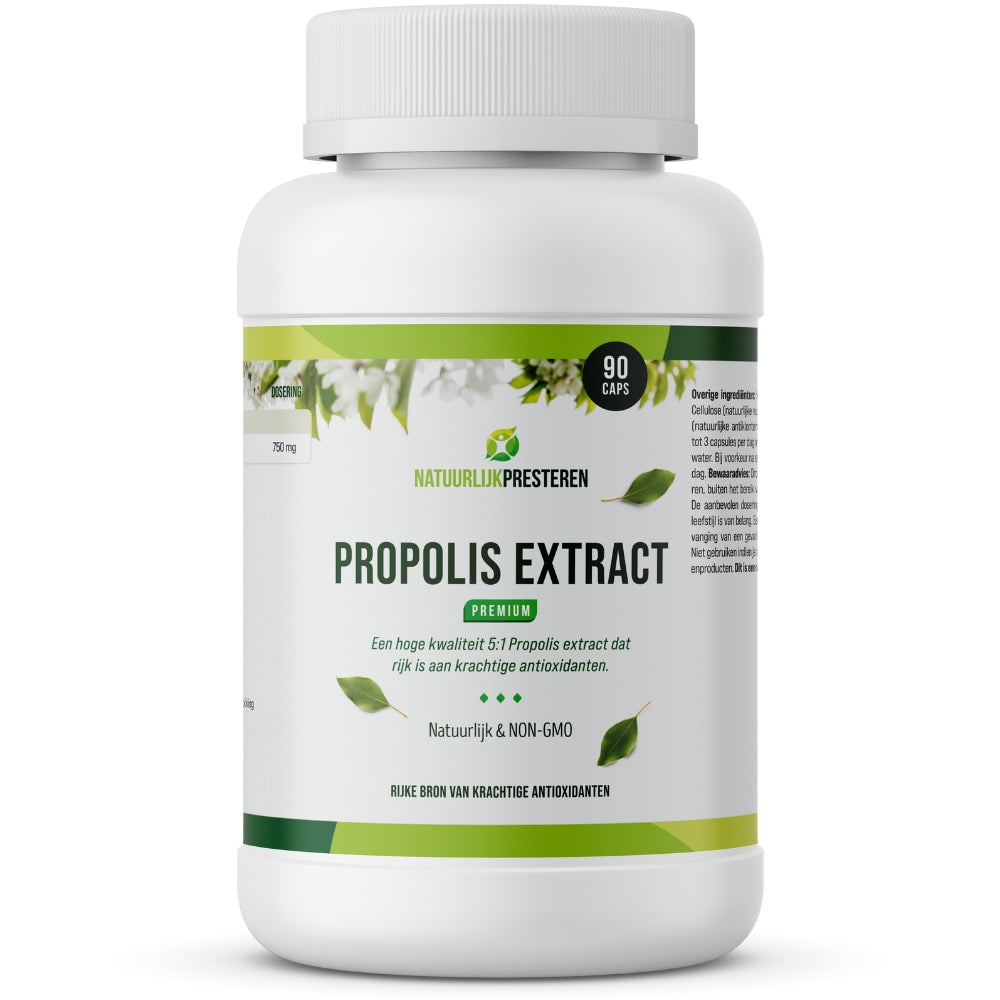
Propolis extract - An antibacterial substance made by honeybees and naturally extracted in our resistance supplement Propolis extract .
-
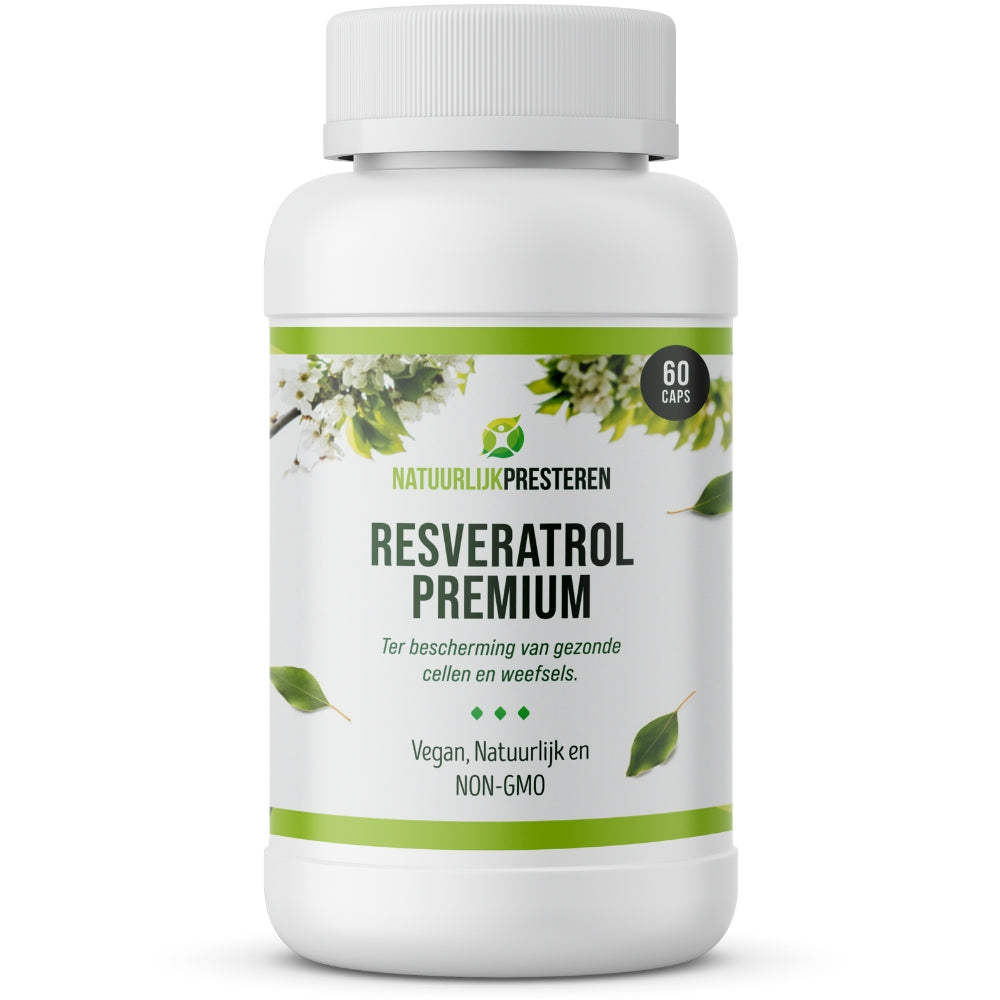
Resveratrol is a natural compound found in plants like grapes, blueberries, and peanuts, and is best known from red wine. It's often used in anti-aging products and health supplements. Our high-quality Resveratol supplement contains trans-resveratrol (the most absorbable, biologically active form) from a natural source.
-
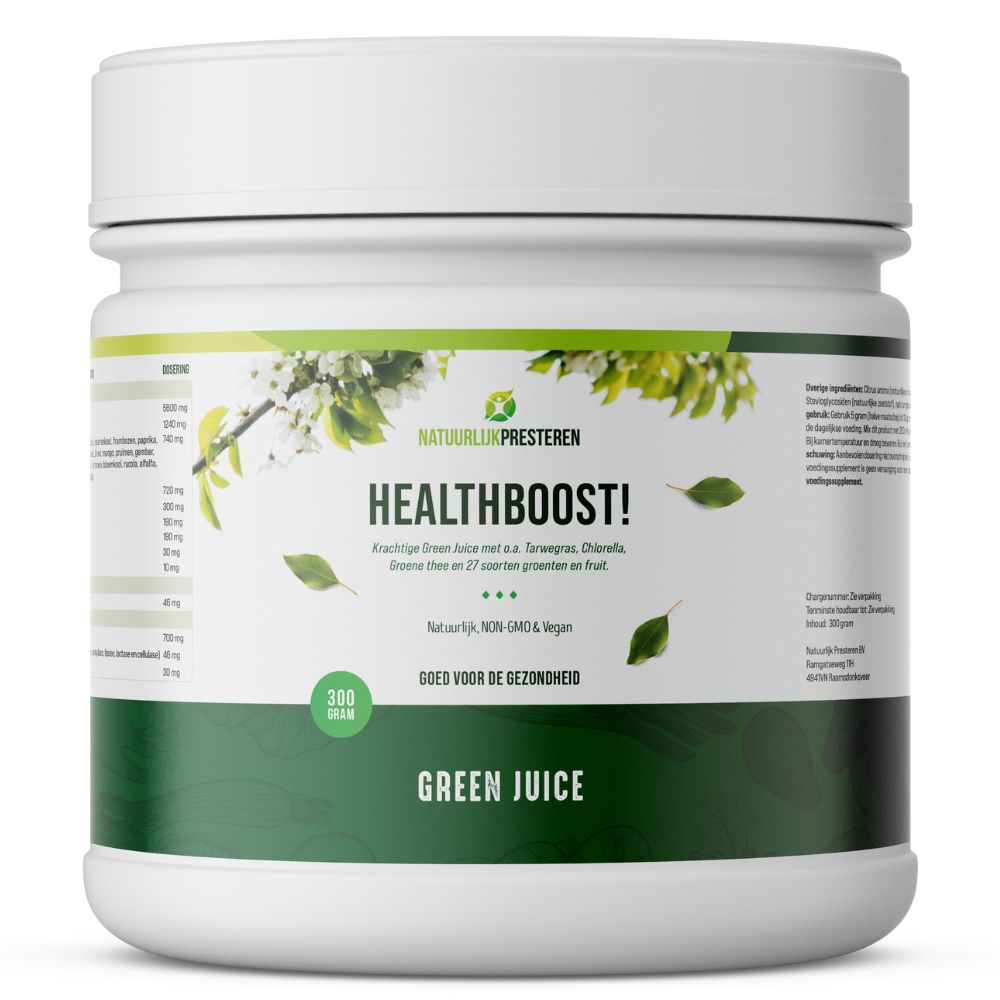
Ginseng , especially Siberian ginseng, is rich in antioxidants, vitamins and minerals and is found in our Superfood juice Healthboost .
Vitamins
-
Vitamin C is an important antioxidant that plays a crucial role in supporting the immune system:
-
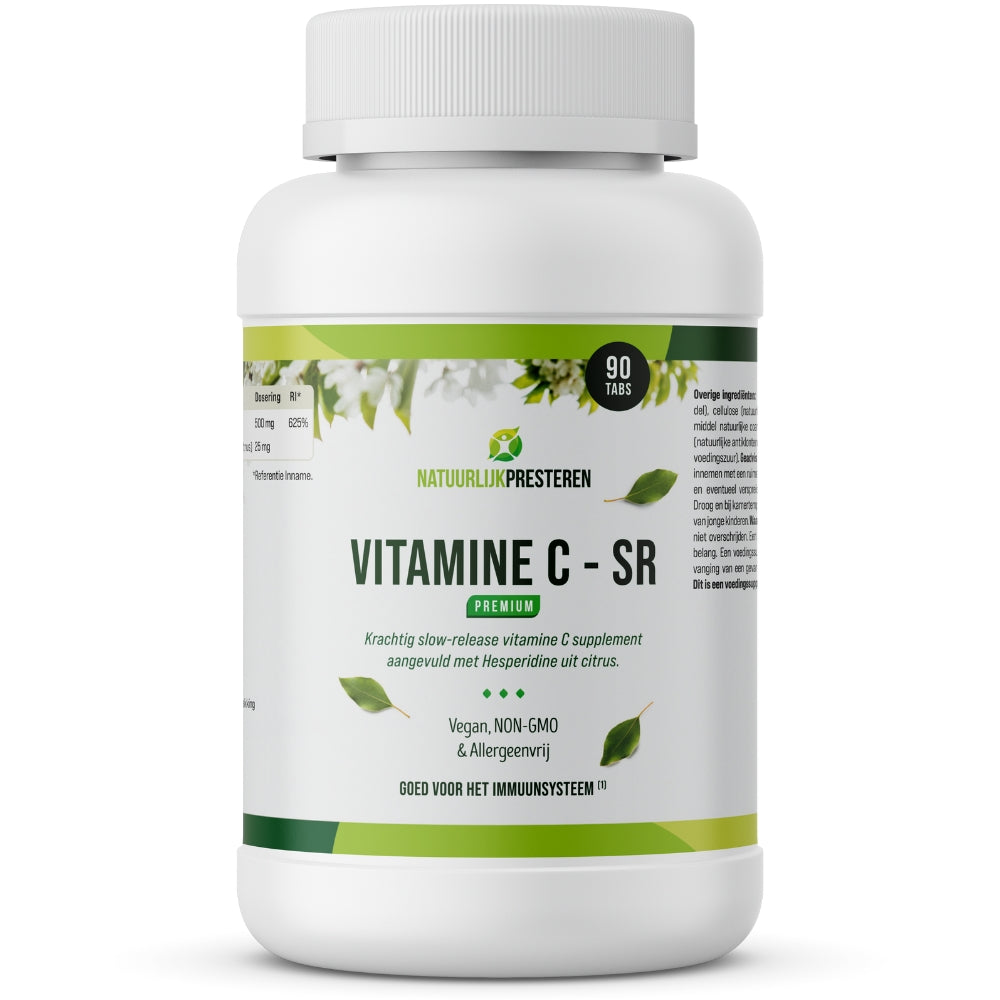
Vitamin C Slow Release is an advanced nutritional supplement containing a powerful combination of vitamin C and hesperidin from citrus. Thanks to the delayed release of these ingredients, you benefit from a long-lasting effect, which ensures optimal absorption and is gentler on the stomach.
-
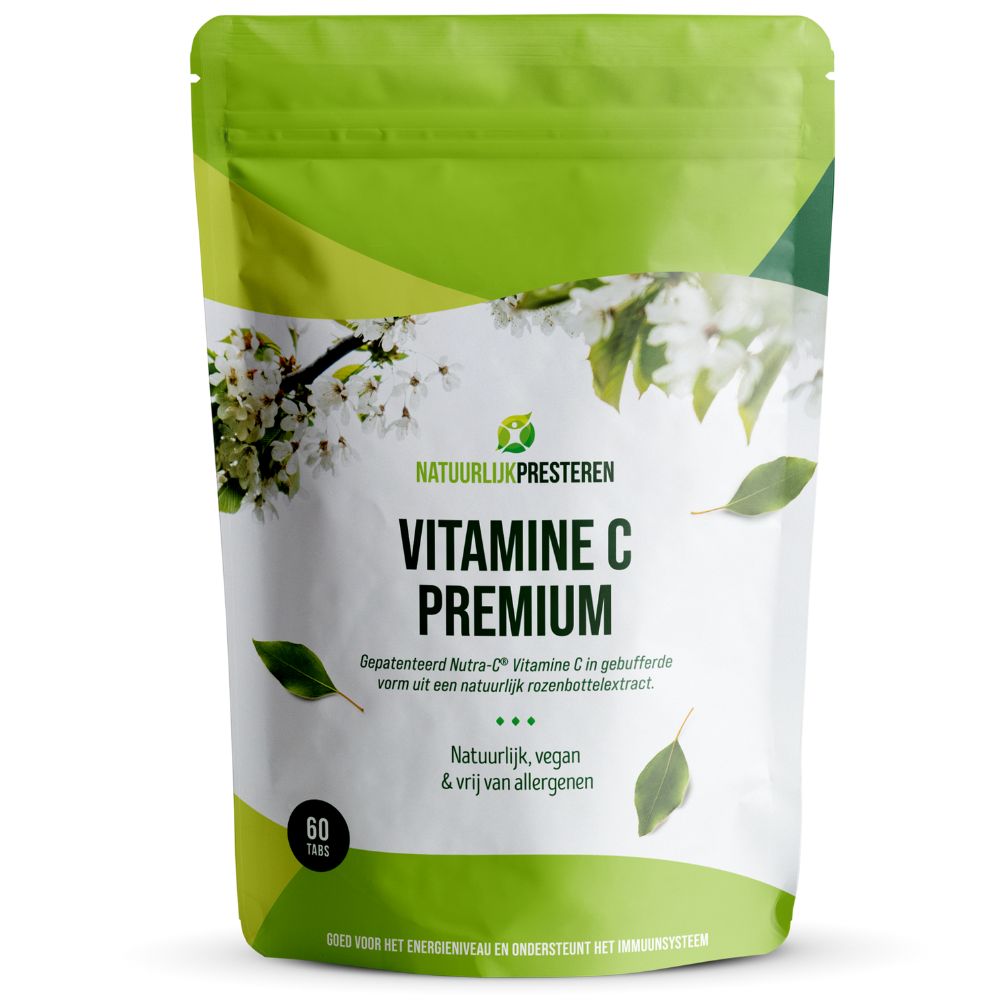
Our product Vitamin C Premium Takes vitamin C to the next level with Nutra-C® Vitamin C. This is an advanced, buffered form of vitamin C derived from rosehip extract.
-
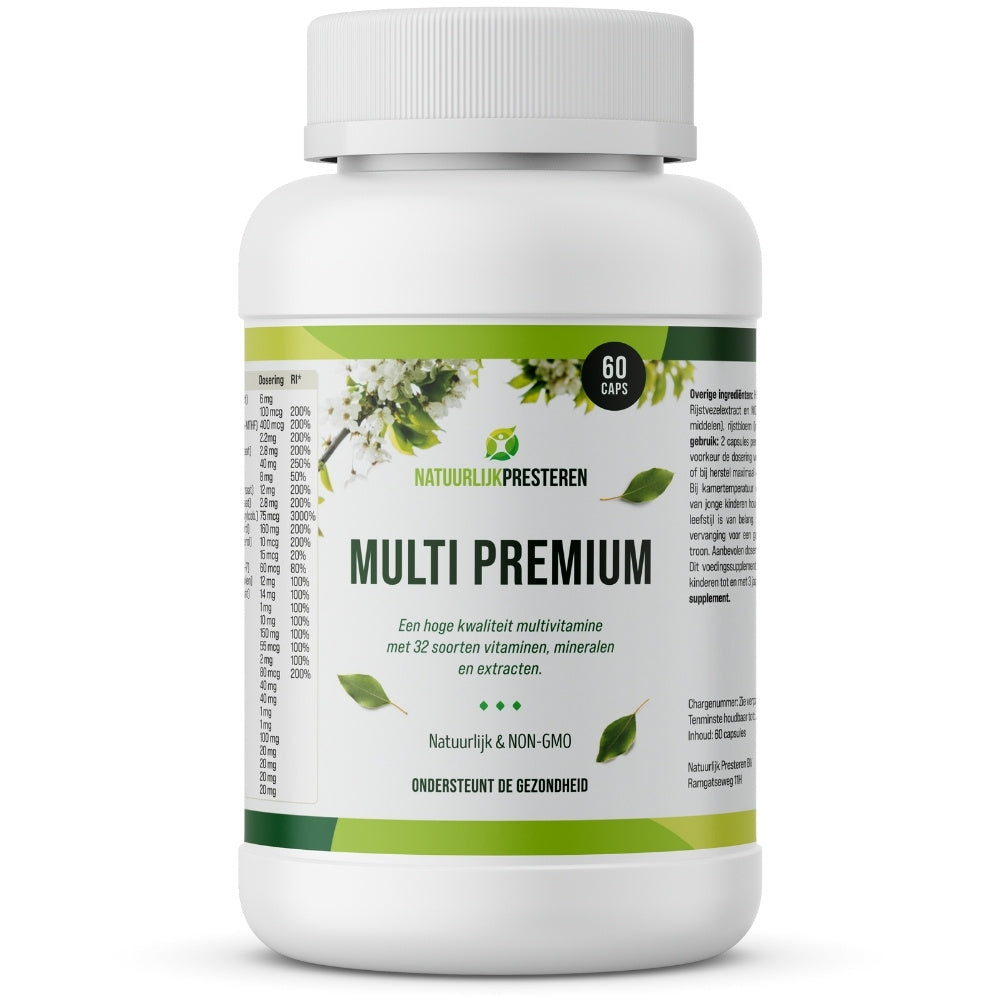
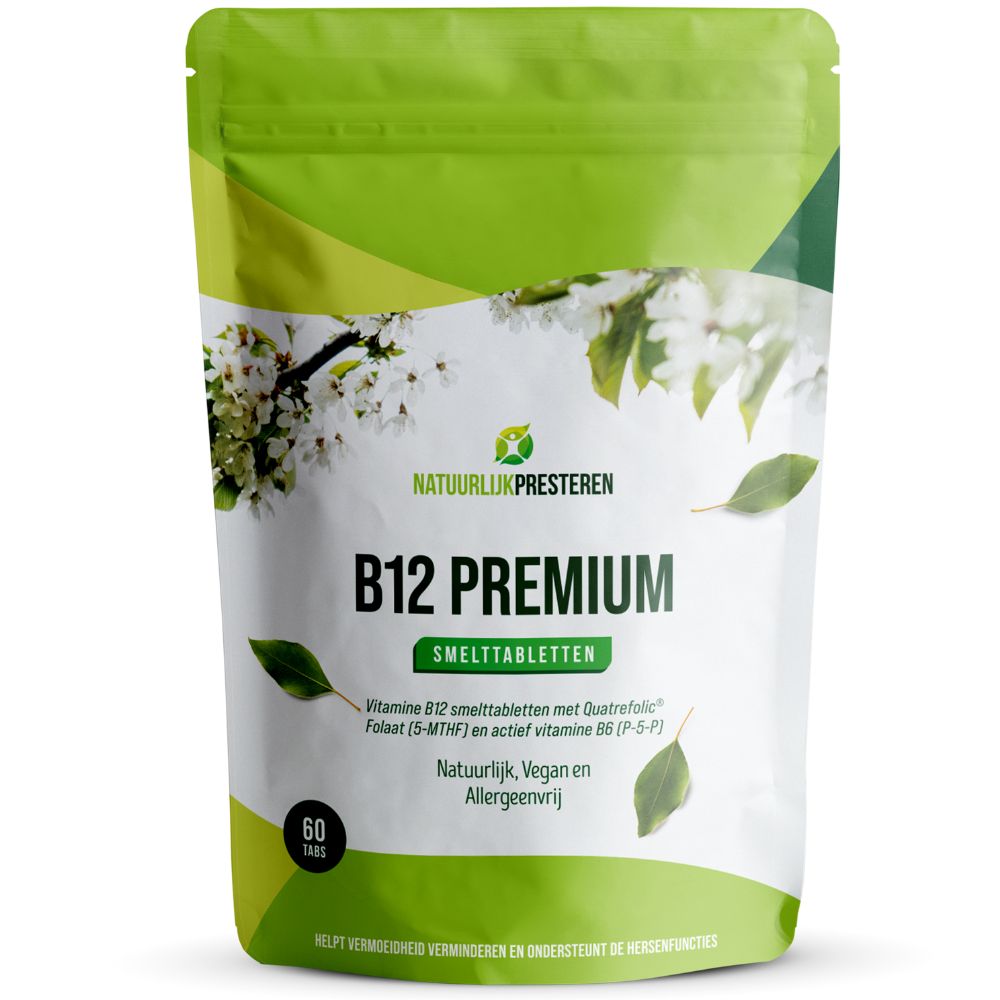
Multi Premium contains a comprehensive blend of 28 nutrients, including vitamin A (from natural algae), C, E, K2 (MK-7), and all B vitamins (B1, B2, B3, B5, B6, B8, B12, and Quatrefolic® Folate).
Minerals
-
Selenium is an essential mineral that benefits the immune system and plays a key role in healthy thyroid function. We use the most absorbable form of selenium: selenium methionine, which is found in supplements like Multi Premium. and Maximmuun .
-
Zinc is an essential mineral involved in the immune system. Naturally Performing supplements (for example, Multi Premium and Maximmuun ) only the most absorbable form of zinc is used, which your body absorbs very quickly.
Antioxidants
-
Powerful antioxidants like zeaxanthin and lutein from Tagetes erecta extract help protect cells and tissues from oxidative damage. We've added the very best antioxidants from natural sources: citrus bioflavonoids and a 95% OPC grape seed extract. We've also added broccoli extract, rich in sulfurophane. You'll find all of these in the Multi Premium formula .
Probiotics & Fiber
-
Probiotics and fiber contribute to healthy intestinal flora, which is the cornerstone of a well-functioning immune system. (1) That's why our Superfood juice Healthboost contains natural fibers: Apple fiber, Acacia Arabica & Wheatgrass and patented enzymes and probiotics: Lactospore® and Digeszyme®.
Sources Used
1. Wu, H. J., & Wu, E. (2012). The role of gut microbiota in immune homeostasis and autoimmunity. Gut Microbes, 3(1), 4–14. https://doi.org/10.4161/gmic.19320
Gerelateerde blogartikelen

13 Scientifically Proven Benefits of Vitamin C
Vitamin C is one of the most well-known vitamins. It's a water-soluble, essential vitamin. This means your body can't produce it on its own, so you must get it from food or a supplement. Vitamin C is best known for its antioxidant properties, safety, and low price. It's often used, among other things, to treat cold symptoms. An antioxidant protects your body against damage caused by free radicals (such as UV radiation or air pollution). But what types of vitamin C are there? And what are its benefits? In this article, I'll explain the different types of vitamin C and its 13 scientifically proven benefits ! Vitamin C is an essential, water-soluble antioxidant that your body cannot produce itself. It supports the immune system, heart, bones, iron absorption and mental functions thanks to the production of collagen and antioxidant protection. Different forms (L-ascorbic acid, mineral ascorbates, Ester-C) offer the same benefits but differ in absorption and stomach friendliness. Table of contents Types of Vitamin C L-ascorbic acid Mineral ascorbates Ester-C Scientifically proven benefits of vitamin C 1. Vitamin C protects against oxidative damage 2. Vitamin C is good for your blood vessels 3. Vitamin C is good for your bones 4. Vitamin C is good for your cartilage 5. Vitamin C is good for iron levels in your blood 6. Vitamin C is good for your immune system 7. Vitamin C is good for your skin 8. Vitamin C is good for your psychological function 9. Vitamin C is good for your mouth and teeth 10. Vitamin C is good for the regeneration of vitamin E 11. Vitamin C is good for your nervous system 12. Vitamin C supports your energy levels 13. Vitamin C helps with fatigue Vitamin C is a versatile supplement Types of Vitamin C Because vitamin C is an essential vitamin, your body cannot produce it on its own. Therefore, it's important to eat plenty of foods rich in vitamin C, such as kiwis or oranges. You can also choose to take a vitamin C supplement. There are currently three generations of vitamin C on the market: L-ascorbic acid L-ascorbic acid is the natural form of vitamin C and is the least expensive compared to the other forms. It is a very weak acid and is well tolerated by most people, except those who are acid-sensitive. Mineral ascorbates Examples of mineral ascorbates include calcium ascorbate, sodium ascorbate, and magnesium ascorbate. In these supplements, vitamin C is bound to a mineral, which reduces the acidity of the vitamin C. Mineral ascorbates are a good choice for anyone looking for vitamin C that is less harsh on the stomach than L-ascorbic acid. Ester-C Ester-C is a complex of calcium ascorbate and vitamin C metabolites with higher bioavailability. This means it's a version of vitamin C that's better absorbed by your body. This is the newest and most absorbable version of L-ascorbic acid. All three different vitamin C supplements offer the same health benefits for your body. In recent years, extensive research has been conducted into these benefits. Did you know? Brussels sprouts and red bell peppers contain more vitamin C than oranges. Scientifically proven benefits of vitamin C Below you will find 13 benefits of vitamin C, along with various scientific studies that support this: 1. Vitamin C protects against oxidative damage Vitamin C is primarily known as an antioxidant, meaning it helps combat free radicals in the body. These free radical compounds can cause damage when you have too much of them in your body. Your body uses antioxidants to keep these free radicals under control. Vitamin C contributes to protection against free radicals and external influences. This is good for maintaining healthy cells and tissues. (1) 2. Vitamin C is good for your blood vessels Healthy cardiovascular systems are important for everyone. All your organs depend on the blood supply. Unhealthy blood vessels can prevent various vital organs from receiving enough blood. Vitamin C contributes to the production of collagen in your body. Collagen is important for maintaining supple veins and strong blood vessel walls, among other things. A collagen deficiency is detrimental to your blood vessels. In fact, vitamin C is important for the health of your blood vessels, because collagen formation is essential for the proper functioning of the blood vessels. This has been shown in a study of obese children. (2) 3. Vitamin C is good for your bones Vitamin C is not only important for your blood vessels but also for normal bone function. For example, vitamin C contributes to the maintenance of strong bones and plays a role in bone formation. A study has shown that vitamin C is good for maintaining strong bones. No adverse effects have been reported, which suggests that vitamin C is safe to use. (3) A vitamin C deficiency affects collagen production. And collagen contributes to the maintenance of strong bones. Taking a vitamin C supplement is therefore good for your bones. This is measured based on bone mineral density. (4) 4. Vitamin C is good for your cartilage Healthy bones and healthy cartilage. Who wouldn't want that? Because vitamin C contributes to collagen production in your body, it's good for the production of cartilage in joints. Vitamin C is also good for maintaining healthy cartilage. Its antioxidant properties offer protection against inflammation in your joints. This has been shown in a study of the effect of vitamin C on cartilage health. (5) This is because the vitamin is water soluble and can therefore react with various aqueous free radicals and reactive forms of oxygen. A vitamin C deficiency can therefore lead to reduced collagen production. Joints contain a lot of collagen-rich connective tissue, which means a collagen deficiency could cause problems. Many studies have been done on the cause of joint problems related to collagen deficiency. (6) 5. Vitamin C is good for the iron levels in your blood Iron is an important mineral that plays a variety of roles in your body. For example, iron is essential for the production of red blood cells and the transport of oxygen. Vitamin C increases the absorption of iron from food by your body. In fact, 100mg of vitamin C has been shown to increase iron absorption by 67%. (7) Essentially, the vitamin provides your body with extra iron. This is very beneficial for people prone to iron deficiency, as it can help reduce the risk of anemia. An iron deficiency can lead to reduced red blood cell production, which causes anemia. Do you have low iron levels in your blood? Then vitamin C can help improve your iron absorption. (8) 6. Vitamin C is good for your immune system A strong immune system is important for staying healthy. This is also why most people take a vitamin C supplement. Vitamin C supports your immune system. Your immune system works with white blood cells, also called lymphocytes and phagocytes. They help protect your body and ensure the normal functioning of your immune system. (9) Because vitamin C is an antioxidant, it helps your white blood cells function better by protecting them from free radical damage. (10) Finally, vitamin C helps protect your body after strenuous physical exertion. Your immune system is weakened because your body is busy recovering. The protective effect of vitamin C provides support in this process. A vitamin C deficiency has been linked to poorer resistance, which helps protect your body. (11) Curious about ways to boost your immune system? Then be sure to read our article on natural ways to strengthen your immune system . This article contains 6 helpful methods for a stronger immune system. 7. Vitamin C is good for your skin Healthy skin gives you a well-groomed appearance. For this, it's important that you produce enough collagen. Vitamin C contributes to collagen production and thus to maintaining healthy skin. Vitamin C is a very important part of your skin's immune system. It's transported to your skin, where it can act as an antioxidant. This helps strengthen your skin from within. (12) Healthy skin contains a lot of vitamin C, especially in the outer layer of the skin. Vitamin C keeps your skin healthy by protecting it from oxidative damage caused by UV radiation and exposure to pollutants like cigarette smoke or ozone. (13) 8. Vitamin C is good for your psychological function Vitamin C is a powerful antioxidant that promotes mental resilience and a clear mind. It even has several benefits for your psychological function, such as improving your mood, learning performance, concentration, and memory. Vitamin C deficiency is involved in your memory and thinking ability. In addition, a high vitamin C intake has been shown to have a protective effect on your thinking and memory as you age. (14) It has also been shown that people with good mental balance and normal concentration have higher concentrations of vitamin C in their bodies compared to other people. (15) 9. Vitamin C is good for your mouth and teeth Beautiful, healthy teeth: that's something everyone wants. And vitamin C can definitely help! It contributes to collagen formation, which is good for maintaining strong teeth. Collagen can help heal wounds in your mouth. In addition, too little collagen has been linked to tooth loss. This is because collagen is made up of fibers found in the tissues that make up teeth and bones. (16) A collagen deficiency can cause weakened gums, which can lead to bleeding. A vitamin C supplement can help stimulate collagen production. (17) 10. Vitamin C is good for the regeneration of vitamin E Vitamin E is a fat-soluble vitamin that also functions as an antioxidant. This vitamin doesn't dissolve in water, unlike vitamin C. Vitamin E plays a role in regulating cellular metabolism, among other things. Vitamin C can help maintain the activity of vitamin E by returning vitamin E to its active form. (18) I'll try to explain it simply for you... Vitamin C and vitamin E are both antioxidants, meaning they protect your body from free radical damage. Vitamin C scavenges water-soluble free radicals (outside your cells), while vitamin E scavenges free radicals within your membranes (inside your cells). When vitamin E attacks free radicals within your membranes, the vitamin binds to them. Vitamin C regenerates vitamin E by essentially taking over these free radicals from vitamin E, so they have a place to fight new free radicals in your cells. This even happens through your membranes, so vitamin C doesn't have to enter your cells for this. (19) 11. Vitamin C is good for your nervous system Your nervous system is essentially a network of nerves that receive information from your senses and transmit it to your brain. Your brain also sends signals to the rest of your body via your nervous system. In fact, your nervous system ensures that your entire body is connected. Your brain and spinal cord form the central part of your nervous system. The connections from there to your muscles and organs form the peripheral part of your nervous system. These two parts work together to keep your body functioning optimally. Vitamin C contributes to the normal functioning of your nervous system. This means it plays an important role in the functioning of your nerves. This is because it is an important antioxidant and therefore participates in many different cellular functions. (20) 12. Vitamin C supports your energy levels Your body produces energy in the form of ATP. This molecule is comparable to gasoline, which powers your car. ATP is produced in your mitochondria. This is one of the organelles in your body's cells, just as the engine is a component of your car. Mitochondria produce energy. Some cells that use a lot of energy (like muscles) have thousands of mitochondria, while other cells have only a few hundred. In your mitochondria, proteins, fats, and carbohydrates are converted into energy in the form of ATP. (21) Energy production in your mitochondria is vital to life and plays a role in many bodily processes, such as your physical strength and endurance. Mitochondria can be damaged and even die when exposed to free radicals. Vitamin C contributes to normal energy-yielding metabolism because it helps protect your body against these free radicals and promotes your energy metabolism. (22) 13. Vitamin C helps with fatigue Fatigue can have many different causes. It's not always immediately clear why you're so tired all the time. However, vitamin C has been proven to help reduce fatigue. As previously discussed, vitamin C is good for your blood iron levels. This iron level is responsible for healthy oxygen transport in your blood. Too little oxygen to your body's cells can, in turn, lead to fatigue. (23) One of the first signs of a vitamin C deficiency is fatigue. Fatigue can even occur before a complete deficiency develops. A vitamin C supplement can help counteract these symptoms after just a few days of moderate intake or within 24 hours of a high dose of vitamin C. (24) Vitamin C is a versatile supplement In this article, we've outlined 13 scientifically proven benefits of vitamin C. If you're considering taking a vitamin C supplement to supplement your diet, there are several important things to know. The general maintenance dose of vitamin C for adults is 1-2 grams per day. It's best to use vitamin C in combination with other antioxidants. This creates a strong interaction because they essentially "recycle" each other. Also, always make sure you use a high-quality vitamin C supplement! Lars Keijzers Lars is a biobased chemist with an insatiable interest in nutrition and science. He also enjoys exploring personal development and can be found regularly at the local gym. Read more
Lees meer
Zinc in Food and Supplements: The Complete Guide!
In this comprehensive article, you will learn everything about zinc in food & supplements and what exactly it does in your body. You'll also learn what you can do about a zinc deficiency and which foods can help you supplement it. Let's start at the beginning: Zinc supports the immune system, cell division, skin health, fertility and metabolism, and plays a crucial role in enzymatic processes. A zinc deficiency can lead to stunted growth, skin problems, reduced immunity and loss of taste, while too much zinc causes a copper deficiency. Zinc-rich foods include oysters, meat, nuts, and dairy, while supplements are useful for deficiencies due to diet or medical conditions. Table of contents What is zinc? What is zinc good for? Types of zinc Which type of zinc is best? Symptoms of a zinc deficiency? Causes of a zinc deficiency Interactions (interference) with other nutrients How much zinc do you need? Which foods contain a lot of zinc? Side effects of too much zinc Consequences of too much zinc When is there too much zinc? Zinc and fertility In men In women What is zinc? Zinc is an essential mineral for every cell in your body. It plays a significant role in the structure, function, and health of our cells. For example, zinc is essential for enzymes that support protein synthesis, tissue growth and renewal, and metabolism. It also plays a crucial role in the functioning of the immune system. What is zinc good for? Zinc is a mineral with numerous functions in the human body. Zinc is good for: The skeleton Building (body) protein Keeping the skin healthy The sense of sight The nails The cell division process Memory and concentration Zinc also contributes to: The normal functioning of the immune system Normal DNA synthesis Normal metabolism of vitamin A, carbohydrates, fat and proteins The maintenance of normal testosterone levels in the blood The production of sperm cells The protection of cells against oxidative damage Types of Zinc There are two types of zinc: organic and inorganic. Organic zinc is better absorbed. through the body and is therefore the more bioavailable form of zinc. [1] [2] To understand the difference between the two forms of zinc, it's important to know that zinc is always bound to another molecule. The type of molecule to which zinc is bound affects its absorption in the small intestine (where receptors compete with other minerals for entry into the bloodstream). In other words: How effectively zinc is absorbed depends on how well the zinc compound is recognized by your body (by those receptors). And that's what matters to you if you want to know which type of zinc is best. Which type of zinc is best? The best type of zinc is the one that is best absorbed in your small intestine. Organic zinc is better absorbed than the inorganic form and is therefore the better choice. Organic zinc: Bound to organic molecules such as amino acids and organic acids . Because of the organic compound, our body can recognize this type better than the inorganic form. This is beneficial for intestinal absorption. This type of zinc occurs naturally in our food , especially in products of animal origin such as meat, fish, eggs and dairy. These are the organic zinc compounds used in supplements : Zinc bisglycinate Zinc citrate Zinc methionine Zinc picolinate Inorganic zinc - Bound to inorganic molecules such as oxides, sulfates, and carbonates . Inorganic zinc does not occur naturally in food . These forms of inorganic zinc are often found in supplements or zinc-enriched foods: Zinc oxide Zinc sulfate Zinc carbonate Symptoms of a zinc deficiency? According to the leading scientific journal Nature, zinc deficiency is relatively common. On average, 17.3% of people have a zinc deficiency. [15] When your body doesn't have enough zinc, it's less able to regulate certain cell functions. These are some of the symptoms you can recognize as a zinc deficiency. Skin problems, mucosal inflammation and skeletal abnormalities Altered sense of smell and taste due to poorly functioning receptors Growth retardation and delayed sexual development Weakened immune response and difficulty seeing in the dark (night blindness) [3] Causes of a Zinc Deficiency There are several possible causes of zinc deficiency, including: Malnutrition – A lack of zinc-rich food (think of one-sided diets as an example) can lead to a deficiency. Poor absorption – Some conditions, such as gluten allergy or Crohn's disease, can reduce the absorption of nutrients, including zinc. Vegetarian or vegan diet – Plant sources of zinc are less well absorbed than animal sources. [4] Illness, stress and excessive alcohol use – Serious illness, injury, surgery or prolonged stress can affect zinc metabolism and increase zinc requirements. Pregnancy and Breastfeeding – Pregnant women have an increased need for zinc because of its role in fetal growth and development. During breastfeeding, a woman may also need more zinc to meet her baby's needs. [5] Interactions (interference) with other nutrients - Some nutrients can reduce zinc absorption, such as phytic acid, calcium and phosphates. To prevent a deficiency, it is always important to first identify the underlying cause before correcting it with supplements. Interactions (interferences) with other nutrients Phytates - These naturally occurring compounds are found in grains, legumes, nuts, and seeds. They can bind to zinc and reduce its absorption in the intestines. Calcium - When calcium is present in a meal high in phytates, calcium can enhance the binding of phytates to zinc, further reducing zinc absorption. [6] Iron - As long as you eat a balanced diet, iron and zinc shouldn't interfere with each other. However, if you take too much iron (supplements), the zinc-to-iron ratio will become unbalanced and this will negatively affect zinc absorption. [7] Here's what you can do to increase your zinc intake: Eat more zinc-rich foods (see Chapter 6) Soak, ferment, or sprout phytate-rich foods to reduce phytate levels. Eat calcium-rich foods (such as dairy products) separately from phytate-rich meals. Take high-dose iron and zinc supplements 2 hours apart. Normally, these interactions don't cause serious problems for people with a varied diet. However, in people with already low zinc levels or a diet that is naturally low in zinc, these factors can contribute to zinc deficiency. How much zinc do you need? How much zinc you need daily depends on your age and individual needs. These are the guidelines according to the Health Council: Age / need Quantity [8] Children (6-23 months) 5 mg per day Children (2-5 years) 6 mg per day Children (6-9 years) 7 mg per day Boys (10-13 years) 11 mg per day Boys (14-17 years) 12 mg per day Men (18 years and older) 9 mg per day Girls (10-13 years) 8 mg per day Girls (14-17 years) 9 mg per day Women (18 years and older) 7 mg per day Pregnant women 9.1 mg per day Women who are breastfeeding 11 mg per day Source: Nutrition Center Which foods contain a lot of zinc? Zinc-rich foods include shellfish, organ meats, nuts, dairy, and poultry. Although zinc is also found in grains and plant foods, its absorption is hampered by phytate (a substance found in grains, among other things). Some examples of foods rich in zinc: Food Zinc per 100 grams Oysters 59.2 mg Hemp seed 9.9 mg Pumpkin seeds 7.9 mg Beef 6.8 mg Sesame seeds 5.8 mg Cashew nuts 5.8 mg Lentils (brown/green) dried 3.9 mg Gouda Cheese 48+ 3.5 mg Lamb 3.2 mg Quinoa 3.1 mg Source: Nevo table online, 2023 Side effects of too much zinc Only when you take zinc supplements are there a chance that you will experience side effects from too much zinc.[1] So you don't have to worry about burdening your body with too much zinc through what you eat. This is because: Zinc occurs only in small amounts in food . Your body can store zinc : About 85% of zinc is found in muscles and bones. In addition, about 11% of zinc is found in the skin and liver. The remaining 4% is distributed throughout other tissues. [9] Zinc is also excreted through urine and feces . Consequences of too much zinc Too much zinc can be dangerous for your health. Here are the consequences of a chronic zinc excess: Copper deficiency - One of the consequences of too much zinc is that it can lead to a copper deficiency. Higher zinc concentrations interfere with the absorption of other essential trace elements, especially copper. Furthermore, high zinc levels can inhibit immune function. [10] Nausea and abdominal pain - Additionally, you may experience nausea and abdominal pain when taking supplements with dosages above 150 milligrams per day . [11][2] When is there too much zinc? Although it is rare to get too much zinc from your diet, the European Food Safety Authority (EFSA) has set a limit for the maximum amount of zinc that can be safely consumed: Age Upper limit Zinc [ 12] Children (1-3 years) 7 mg per day Children (4-6 years) 10 mg per day Children (7-10 years) 13 mg per day Children (11-14 years) 18 mg per day Young people (15-17 years) 22 mg per day Adults (18 years and older) 25 mg per day Source: Nutrition Center Zinc and fertility Zinc is essential for normal fertility. The reason for this is now known in men, but more research is needed in women. In men Zinc contributes to the maintenance of normal testosterone levels in the blood and is good for sperm quality. This has been shown in research. [13] It recently became clear that zinc is present in semen and that an optimal concentration is necessary for normal function. Zinc is said to be beneficial for sperm motility. If you get enough zinc through your diet, taking extra zinc will not enhance your sperm health. Therefore, make sure you get enough according to the guidelines of the Nutrition Center. Tip: If you don't get enough zinc from your diet, you could supplement with a dietary supplement. The natural male fertility supplement contains zinc and various other nutritional supplements that are beneficial for male fertility. In women Zinc contributes to normal fertility in both men and women. Recent research has shown that zinc helps regulate processes related to female fertility. However, more research is needed to substantiate its precise mechanism of action. [14] Ebrina van der Bijl Ebrina is a nutritionist with a deep commitment to healthy eating and a sustainable lifestyle, based in beautiful Portugal. Her passion for natural and organic products is at the heart of her work. With a background in Nutrition & Dietetics and experience in product development and writing, she translates complex scientific information into practical advice for a balanced lifestyle. Read more Sources used (1) https://www.ncbi.nlm.nih.gov/pmc/articles/PMC7146416/ (2) https://pubmed.ncbi.nlm.nih.gov/37733217/ (3) https://www.voedingscentrum.nl/encyclopedie/zink.aspx# : (4) https://www.ncbi.nlm.nih.gov/pmc/articles/PMC7146416/ (6) https://www.ncbi.nlm.nih.gov/books/NBK493231/ (7) https://www.sciencedirect.com/science/article/pii/S0022316622140927 (8) https://www.voedingscentrum.nl/encyclopedie/zink. (9) https://www.ncbi.nlm.nih.gov/pmc/articles/PMC6722515/ (10) https://www.ncbi.nlm.nih.gov/pmc/articles/PMC10761908/ (11) https://www.ivg-info.nl/voedingssupplementen/mineralen/zink/ (12) https://www.voedingscentrum.nl/encyclopedie/zink.aspx# : (13) https://www.ncbi.nlm.nih.gov/pmc/articles/PMC7589359/ (14) https://www.ncbi.nlm.nih.gov/pmc/articles/PMC8599883/ (15) https://www.nature.com/articles/s41598-024-53202-0#
Lees meer
6 Natural Ways to Boost Your Immune System!
A strong immune system is essential for staying healthy. Your immune system protects your body's health. You may have a weak immune system and therefore be more susceptible to illness. If so, it's important to strengthen your immune system! Strengthening your immune system is easier said than done. It's important to make several changes to your diet and lifestyle. But what exactly do you need to do to naturally strengthen your immune system? I'll explain it in this article! Why you feel so tired during menopause and what you can do to get more energy. Eat more plant-based and fermented foods, take probiotics to support your intestinal flora and immune system. Get enough sleep, moderate exercise, and adequate water intake to keep your immune system functioning optimally. Reduce stress through mindfulness and meditation, so that your immune system remains resilient to infections and diseases. Table of contents 1 - Eat more plant foods 2 - Get enough sleep 3 - Eat more fermented foods 4 - Get enough exercise 5 - Minimize stress 6 - Drink enough water Boost your immune system naturally Frequently Asked Questions 1 - Eat more plant foods Plant foods like fruits, vegetables, nuts, seeds, and legumes are rich in important nutrients and antioxidants. These nutrients can strengthen your immune system and protect against harmful pathogens. The antioxidants in these foods combat unstable compounds in your body, also known as free radicals. In addition, the fiber in plant foods helps maintain healthy gut bacteria. Finally, fruits and vegetables are rich in nutrients like vitamin C , which is also a very powerful antioxidant. One of the most important benefits of vitamin C is its immune-boosting properties. 2 - Get enough sleep Sleep and immunity are closely linked. Too little sleep and poor sleep quality are associated with a lowered immune system. A study of healthy adults found that those who slept less than 6 hours per night were more likely to catch a cold than those who slept 6 hours or more each night.(1) Getting enough rest strengthens your immune system. Adults should aim for 7 or more hours of sleep per night. Teenagers need 8 to 10 hours of sleep, and younger children need up to 14 hours. 3 - Eat more fermented foods Fermented foods are rich in beneficial bacteria. These bacteria are already present in your intestines and are also called probiotics. Examples of fermented foods include sauerkraut, natto, yogurt, and kimchi. Research has shown that good gut flora can help your immune system distinguish between healthy cells and harmful cells.(2) If you don't like fermented foods, you can also take probiotic supplements. These can also strengthen your immune system by identifying and addressing threats to your body. 4 - Get enough exercise Even if you don't exercise at all, physical activity can help strengthen your immune system. However, strenuous, prolonged exercise can have the opposite effect. So stick to light to moderate activity. To strengthen your immune system, you can walk, cycle, or swim. Try to exercise lightly to moderately for at least 30 minutes every day. Regular exercise helps restore your immune cells. I personally love taking a nice walk after dinner. In the article " Benefits of Walking After Dinner, " my colleague explains the health benefits of a post-meal walk. 5 - Minimize stress Stress is very bad for your immune system. To strengthen your immune system, it's crucial to reduce stress as much as possible. Long-term stress, in particular, has a major impact on your immunity. To reduce your stress, you can meditate , do mindfulness exercises, or start yoga. Exercise is also a way to relieve stress. By lowering your stress levels, your immune system can continue to function properly. Besides the fact that meditation helps to reduce stress, regular meditation has many more benefits that are good for body and mind. 6 - Drink enough water It's generally very important to stay well hydrated. Dehydration can cause a number of symptoms, such as a decline in physical performance, focus, and mood. Hydration also affects your digestion, heart function, and kidney function. All these complications lead to a weakened immune system. To strengthen your immune system, it's therefore important to stay hydrated. Water is the best choice because it doesn't contain calories like soft drinks with added sugars. Tip: Always drink when you're thirsty and don't stop until you're no longer thirsty. You often need more fluid than you think. Strengthen your immune system naturally In summary, it's especially important to make changes to your diet and lifestyle. Eating more plant-based and fermented foods can strengthen your immune system. Sleep, exercise, and stress also have a significant impact on your immune system. Finally, it's important to drink plenty of fluids if you want to boost your immune system. Lars Keijzers Lars is a biobased chemist with an insatiable interest in nutrition and science. He also enjoys exploring personal development and can be found regularly at the local gym. Read more
Lees meer