What are cholesterol supplements?
Cholesterol supplements are dietary supplements that help maintain healthy blood cholesterol levels. They can contribute to a healthy balance between "good" cholesterol and "bad" cholesterol. This is important, because high cholesterol is a risk factor in the development of coronary heart disease. (1)
About cholesterol
Cholesterol often gets a bad rap, but it plays an important role in various bodily functions. It's a fatty substance that helps form cells, produce hormones, and produce bile and vitamin D. (2)
What types of cholesterol are there?
Many people know that cholesterol comes from our diet, but did you know that your body also produces cholesterol itself?
The liver regulates the amount of cholesterol in your blood. It ensures that the balance between the different types of cholesterol remains healthy.
LDL cholesterol (“bad” cholesterol): Can build up on the walls of blood vessels.
HDL cholesterol (“good” cholesterol): Removes LDL cholesterol from the blood and carries it to the liver for breakdown.
Remember: Healthy cholesterol levels depend on a balance between two important types of cholesterol: LDL and HDL. Aim for low LDL levels in your blood and ensure you have sufficient HDL.
Active ingredients in cholesterol supplements.
Natural cholesterol supplements often combine various herbs and plant extracts. Many of these nutrients have scientifically proven effects on maintaining or lowering cholesterol levels, such as:
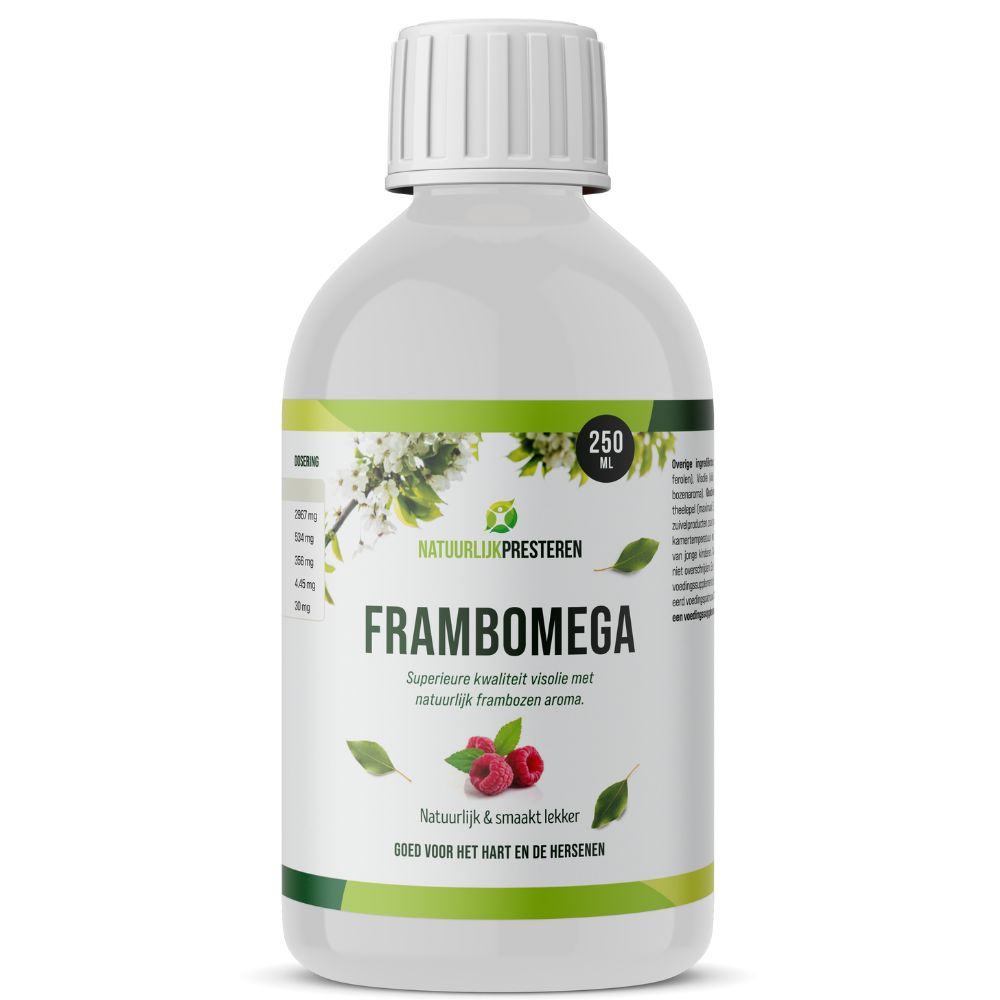
Omega-3
EPA and DHA are the most important omega-3 fatty acids and are mainly found in oily fish. They are both good for the heart and contribute to maintenance of normal blood fat levels.
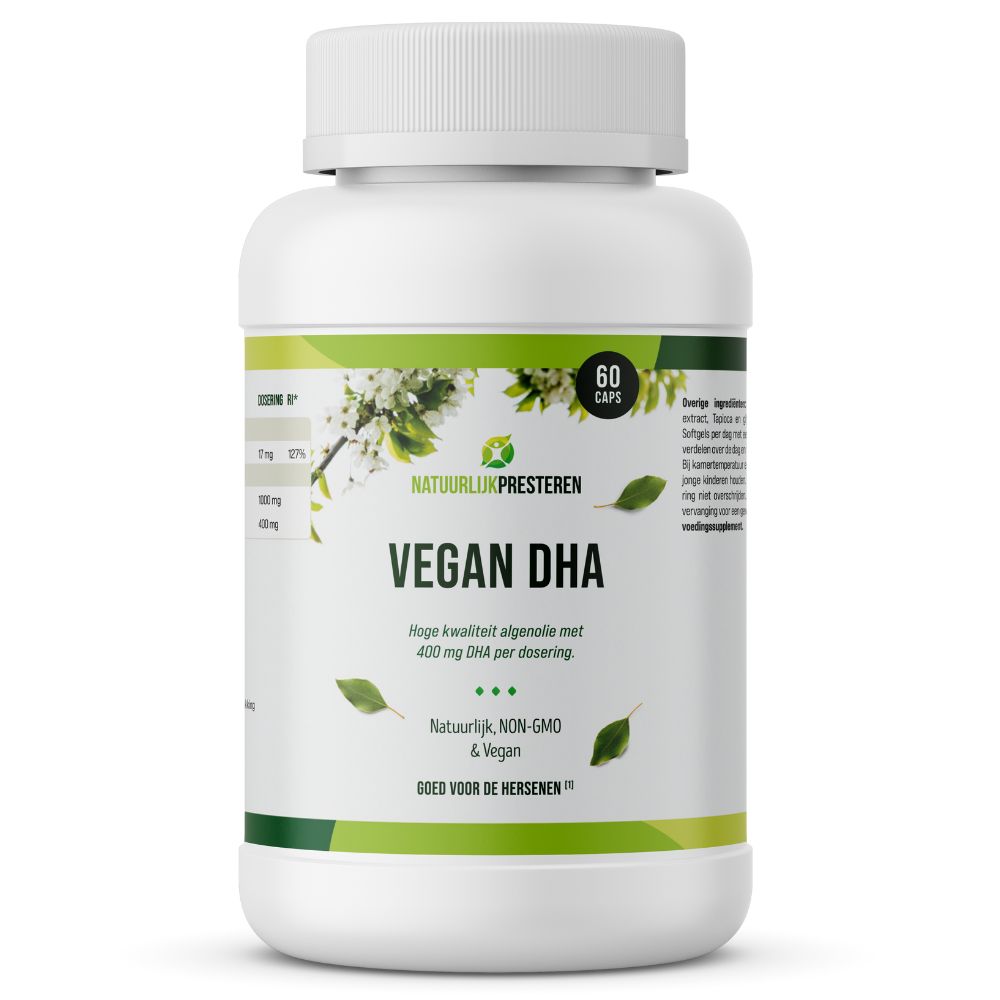
Do you have a vegetarian or vegan lifestyle? Then you can choose our Vegan DHA oil . The omega-3 fatty acids in this product are derived from sustainably farmed algae and are therefore suitable for a plant-based diet.
ALA , or alpha-linolenic acid, the omega-3 fatty acid found in plant foods, helps maintain healthy cholesterol levels (ALA can be converted to EPA and then to DHA in the body, but this conversion is often limited).
Fibres
Dietary fiber, especially soluble fiber, binds to cholesterol in the intestines, which can help block cholesterol absorption. (3)
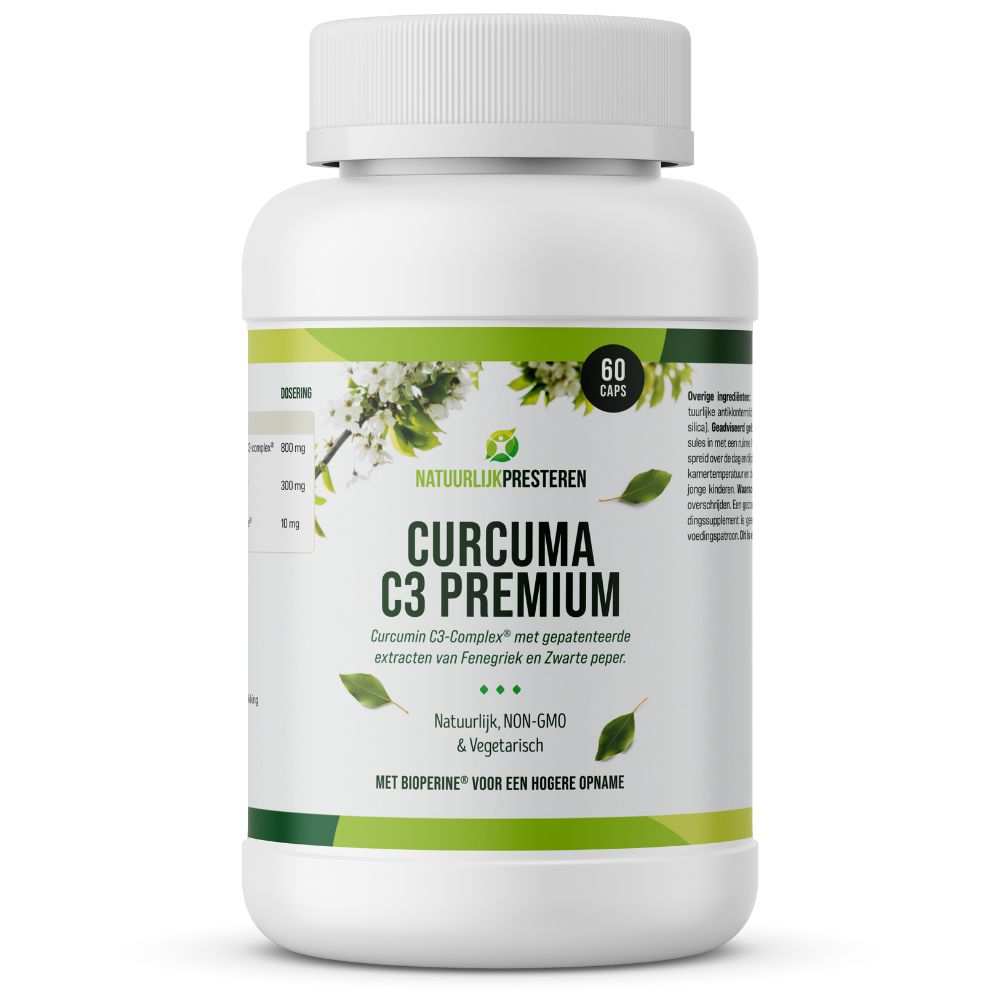
In our Curcumin C3 complex we combine several powerful ingredients, including:
- The patented FenuFibers® , with fiber from fenugreek seeds that helps maintain healthy blood sugar levels*
- Curcumin , which supports the heart and blood vessels. * The Curcumin C3 complex is an extract of turmeric root with at least 95% active curcuminoids.
Berberine
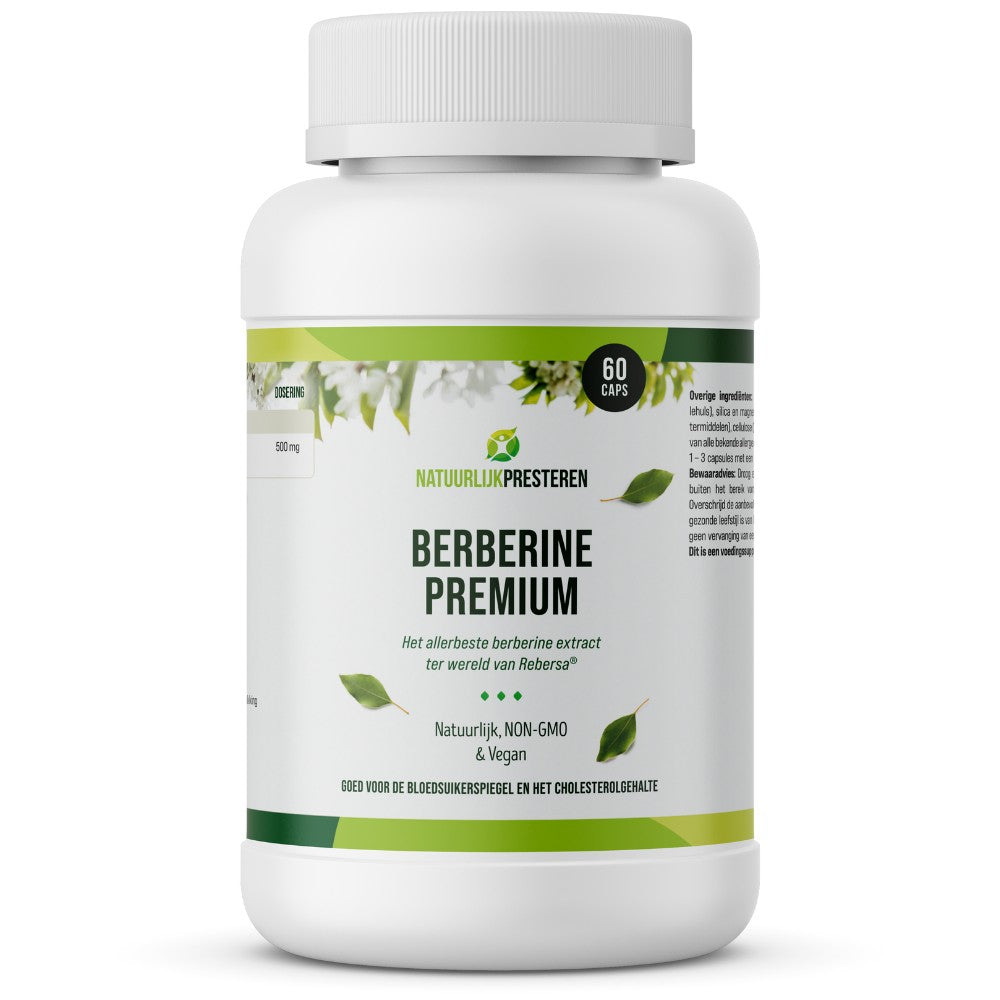
Berberine is a substance that is beneficial for cholesterol levels. * It is found in high concentrations in the roots, stems, bark, and berries of the barberry, which belongs to the Berberis genus.
In recent decades, berberine has become increasingly well-known in the West and the number of scientific studies on this bioactive substance is increasing rapidly. (4)
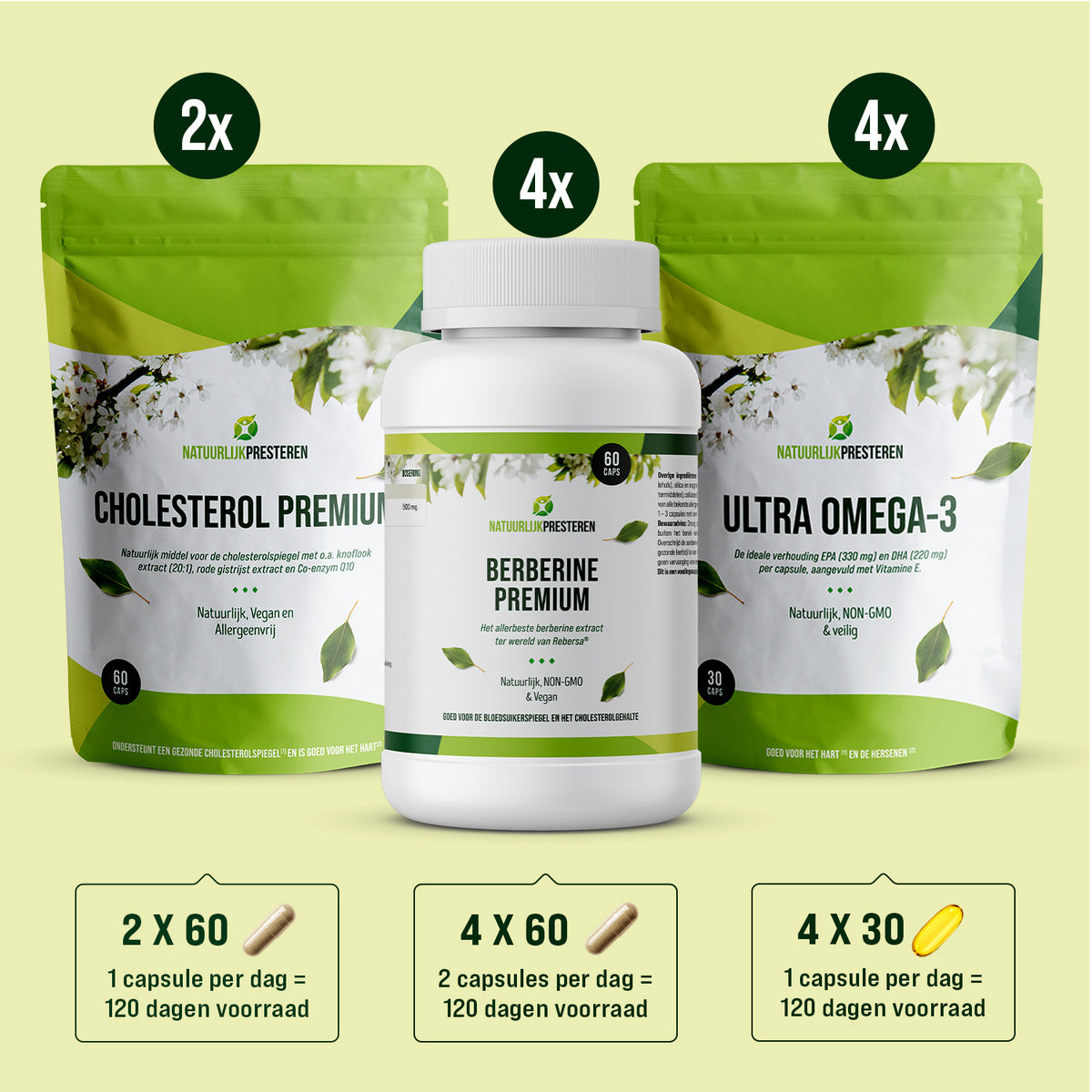
In Berberine Premium We use the world's finest berberine extract from Rebersa®, with 500 mg of Rebersa® Berberine per dose.
Please note : Claims marked with (*) are health claims awaiting European approval.
Plant sterols
Plant sterols are substances that occur naturally in plants and resemble cholesterol. These substances are found in vegetable oils, nuts, seeds, and whole grains, among other foods.
Plant sterols and plant stanol esters have been shown to lower blood cholesterol. (1)
Cholesterol nutrition tips
In addition to natural supplements, you can also contribute to healthy cholesterol levels with the right nutrition.
Eat the following scientifically proven nutrients regularly: (1)
- Flavonols in cocoa help maintain the elasticity of blood vessels, which contributes to normal blood circulation.
- Vitamin C contributes to the formation of collagen, which is important for blood vessels.
- Walnuts contribute to improving the elasticity of blood vessels.
- Thiamine (vitamin B1) has a beneficial effect on the heart.
- The omega fatty acids EPA and DHA (found in oily fish, for example) contribute to the normal functioning of the heart.
Sources Used
- Inspection Council. (n.d.). The Inspection Council specializes in health advertising. - Inspection Council . https://keuringsraad.nl/claims-database/
Gerelateerde blogartikelen
 bloggle
Buying red yeast rice pills? Here's what to look for.
Red yeast rice (also called red rice yeast) is fermented white rice with a striking reddish-purple color. During fermentation with the yeast Monascus purpureus , monacolin K , a natural substance similar to compounds from cholesterol-lowering drugs, is produced. Many people choose these red rice yeast pills as a natural support for their fat metabolism. However, it's important to know that not every supplement is equally safe or effective. The composition and quality can vary considerably. This article explains what to look for when buying red yeast rice and why the correct dosage and purity are so important. Fermented red rice with monacolin K naturally supports fat metabolism. Composition and safety may vary per product. Not suitable for pregnant women, statin users, people with liver or kidney problems, children (under 18 years), and the elderly (over 70 years). Use a maximum of 3 mg per day. The EFSA recommends a daily dose of 10 mg as an effective and safe dose. However, for safety reasons, red yeast rice pills may only contain 3 mg. Table of contents Criteria for good red yeast rice pills 1. Maximum 3 mg monacolin K per daily dose 2. Tested for citrinin 3. Contains coenzyme Q10 4. With supporting ingredients 5. No unnecessary additives The best red yeast rice pills The benefits of red yeast rice Who are red yeast rice pills not suitable for? Conclusion Criteria for good red yeast rice pills Here are the main points to pay attention to: 1. Maximum 3 mg monacolin K per daily dose Since 2022, a limit of 3 mg monacolin K per day has been in effect in Europe in red yeast rice supplements (according to the EFSA). This amount is considered a safe limit, intended to limit the risk of side effects. Higher doses, such as those previously used (10 mg), are no longer permitted in supplements because they may cause muscle pain or liver problems. The 3 mg limit is therefore considered a safe, mild dose for use in dietary supplements. (1) 2. Tested for citrinin Citrinin is a natural toxin (mycotoxin) that can develop when red yeast rice ferments incorrectly. This substance can be harmful to your kidneys, among other things, and therefore two important limits apply in Europe. The maximum safe intake is set at 2 micrograms per kilogram of body weight per day . For a person weighing 70 kilograms, this amounts to 140 micrograms per day. For supplements, there is a limit of a maximum of 100 micrograms of citrinin per kilo of product . (2) A good supplement has been tested for this and either contains no citrinin at all, or only trace amounts well below this limit. Reliable brands will state this on the label or share a certificate of analysis. Look for these claims on the label: Tested for citrinin “Free of citrinin” Citrinin < 100 µg/kg “Not detected” or “< LOD” (below the detection limit) “100% safe content, complies with EU standard” Good to know : These kinds of claims are only reliable if they are supported by a certificate of analysis from an independent laboratory. 3. Contains Coenzyme Q10 Red yeast rice with coenzyme Q10 is a logical combination that you see in many quality products. When using statins (medication), Q10 levels in your body can decrease. Because monacolin K works in a similar way, red yeast rice is often combined with Q10. (3) Co-enzyme Q10 is a substance that your body produces itself and that is involved in energy production in your cells Monacolin K , the active ingredient in red yeast rice, is very similar to lovastatin, a commonly used statin (cholesterol-lowering drug) 4. With supporting ingredients Some supplements contain additional ingredients like garlic extract or antioxidants . These can support the formula and fit well within a broader approach to your fat metabolism. Preferably choose a formula that clearly lists these additives, including the amount per dose . This says a lot about the product's quality. Garlic extract (20:1) - 600 to 1500 mg (4) Grape seed extract - 100 to 300 mg (5) 5. No unnecessary additives When purchasing red yeast rice pills, always choose a product without unnecessary fillers, artificial colors, or cheap binders. A short, clear ingredients list is often a good sign. This means the supplement is pure and carefully formulated. This way, you can be sure you're getting only what you need. The best red yeast rice pills Cholesterol Premium is a good example of a high-quality supplement based on red yeast rice, because it meets all the important quality criteria: Contains a maximum of 3 mg monacolin K per daily dose - Fully in line with the legal safety limit Tested for citrinin - To ensure the product is free from this potentially harmful substance Enriched with coenzyme Q10 - A useful addition as monacolin K (the active ingredient in red rice yeast) can lower the body's natural Q10 levels in a statin-like manner With high-quality garlic extract (20:1)* as a supporting ingredient - Don't worry, this is an odorless addition, so you get the benefits of garlic without the typical garlic smell No unnecessary additives - The formula is free from unnecessary fillers and artificial additives, which benefits the purity of the product Good to know : (*) The best garlic extract has a 20:1 ratio. This means the extract is 20 times more concentrated than fresh garlic. This ensures that you get a lot of the active ingredients found in fresh garlic with a small amount of extract. The benefits of red yeast rice This is what makes red rice yeast interesting: Helps maintain healthy cholesterol levels* - It was previously known that at least 10 mg of monacolin K per day can help maintain normal cholesterol. Due to safety concerns, the permitted dosage has now been lowered to a maximum of 3 mg, so this claim cannot be used until there is more clarity on the safety and effectiveness. (6) Supports heart and blood vessels* - Red rice yeast is often used as part of a healthy lifestyle for heart and blood vessels. This claim is also temporarily on hold under European regulations. (7) Please note : (*) The European Food Safety Authority (EFSA) assesses health claims on supplements. A claim that is "on hold" may be temporarily suspended for safety or research reasons. This doesn't mean red yeast rice supplements are unsafe, but it's important to choose supplements that have been tested for purity and adhere to the maximum dosage. Want to know more about the reason for the debate surrounding Monacolin K and red yeast rice pills? Then read my article about the effects of Monacolin K on your cholesterol levels , where I explain it step by step. Who should not take red yeast rice pills? Red rice yeast contains substances that closely resemble medications. This may make it less safe to use with certain medications. Furthermore, little research has been conducted on the effects in certain groups. Therefore, it's important to know who shouldn't use red yeast rice pills. Do not use red yeast rice if you: Are pregnant or breastfeeding Other cholesterol-lowering drugs used, such as statins Have liver and/or kidney problems Are younger than 18 years old Are older than 70 years Please note : Never exceed the maximum dose of 3 mg monacolin K per day, even if you do not recognise yourself in the above groups. Conclusion Red yeast rice is a popular natural supplement, mainly because of the active ingredient monacolin K, which has received a lot of attention in science because it is very similar to statins. There's much debate about the correct dosage. While the EFSA previously confirmed that 10 mg is an effective and safe dosage, red yeast rice pills are now only permitted to contain 3 mg. This allows for a wide safety margin until more is known about potential side effects. It is suspected that the side effects that gave rise to this discussion are not so much due to the dosage, but rather to the purity of the product. That is why it is important to always choose quality supplements that have been tested for purity and dosage. In addition, caution is advised in certain groups, such as pregnant women and people who use medication. If in doubt, always consult a doctor before starting red rice yeast. This way, you can safely and consciously benefit from the potential advantages. Ebrina van der Bijl Ebrina is a nutritionist with a deep commitment to healthy eating and a sustainable lifestyle, based in beautiful Portugal. Her passion for natural and organic products is at the heart of her work. With a background in Nutrition & Dietetics and experience in product development and writing, she translates complex scientific information into practical advice for a balanced lifestyle. Read more Sources used Norata, G. D., & Banach, M. (2024). The Impact of Red Yeast Rice Extract Use on the Occurrence of Muscle Symptoms and Liver Dysfunction: An Update from the Adverse Event Reporting Systems and Available Meta-Analyses. Nutrients, 16(3), 444. https://doi.org/10.3390/nu16030444 Regulation - 2019/1901 - EN - EUR-LEX. (nd). https://eur-lex.europa.eu/eli/reg/2019/1901/oj/eng Qu, H., Guo, M., Chai, H., Wang, W., Gao, Z., & Shi, D. (2018). Effects of Coenzyme Q10 on Statin‐Induced Myopathy: An Updated Meta‐Analysis of Randomized Controlled Trials. Journal Of The American Heart Association, 7(19). https://doi.org/10.1161/jaha.118.009835 Ried, K., Toben, C., & Fakler, P. (2013). Effect of garlic on serum lipids: an updated meta-analysis. Nutrition Reviews, 71(5), 282–299. https://doi.org/10.1111/nure.12012 Anjom-Shoae, J., Milajerdi, A., Larijani, B., & Esmaillzadeh, A. (2020). Effects of grape seed extract on dyslipidaemia: a systematic review and dose–response meta-analysis of randomized controlled trials. British Journal Of Nutrition, 124(2), 121–134. https://doi.org/10.1017/s0007114520000902 Li, Y., Jiang, L., Jia, Z., Xin, W., Yang, S., Yang, Q., & Wang, L. (2014). A Meta-Analysis of Red Yeast Rice: An Effective and Relatively Safe Alternative Approach for Dyslipidemia. PLoS ONE, 9(6), e98611. https://doi.org/10.1371/journal.pone.0098611 Fogacci, F., Banach, M., Mikhailidis, D.P., Bruckert, E., Toth, P.P., Watts, G.F., Reiner, Ž., Mancini, J., Rizzo, M., Mitchenko, O., Pella, D., Fras, Z., Sahebkar, A., Vrablik, M., & Cicero, A.F. (2019). Safety of red yeast rice supplementation: A systematic review and meta-analysis of randomized controlled trials. Pharmacological Research, 143, 1–16. https://doi.org/10.1016/j.phrs.2019.02.028
Lees meer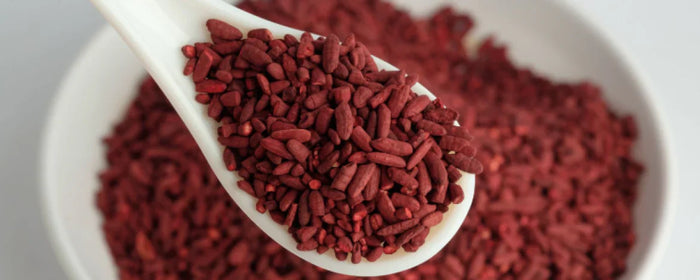
What is Monacoline K and how does it affect cholesterol levels?
Monacolin K, a substance found in red yeast rice, is gaining popularity as a natural supplement to lower cholesterol. But what exactly is monacolin K? How does it work? And is it a safe alternative to statins? This article tells you everything you need to know about the benefits and risks of red yeast rice. Monacolin K from red yeast rice lowers cholesterol in a statin-like manner, but is legally limited to 3 mg. Above 3 mg, statin-like side effects, muscle pain, and citrinin contamination may occur, so test results are essential. Use in high-risk groups (pregnant, on medication, or with liver problems) is not recommended; always consult a professional for safe use. Table of contents What is Monacolin K? What is Red Yeast Rice? What are Statins? What is Red Yeast Rice Good for? Why is Monacolin K Debated? 1. Drug or Supplement 2. Health Risks 3. Safe Dose Are Red Yeast Rice Tablets Safe? When to Avoid Monacolin K? Red Yeast Rice Side Effects TIP: Take CoQ10 and Vitamin D Along with Monacolin K Scientific Research 1. Meta-Analysis 1 – 2014 2. Meta-Analysis 2 – 2015 3. Meta-Analysis 3 – 2019 4. Meta-Analysis 4 – 2022 Summary What is Monacoline K? Monacolin K is a naturally occurring substance found in red yeast rice. Monacolin K is chemically identical to lovastatin, a statin used to lower cholesterol. At least 10 different monacolins may be present in red rice, with monacolin K occurring in the highest concentration. What is Red Rice Yeast? Red rice yeast is a traditional Chinese medicinal ingredient used as both a flavoring and coloring agent in dishes. It is also called red koji. It is produced by fermenting rice (Oryza sativa) with the fungus Monascus purpureus , which gives the rice its deep red color. During this fermentation process, several active substances are formed, including monacolin K. In Europe, red yeast rice has become popular as a dietary supplement because the monacolin K from red yeast rice works in a similar way to statins. What are Statins? Statins are medications prescribed to lower cholesterol levels and possibly reduce the risk of cardiovascular disease. They work by inhibiting an enzyme (HMG-CoA reductase) that plays a key role in the production of cholesterol in the liver. Although lovastatin is not a registered medicine in the Netherlands, other statins such as atorvastatin, fluvastatin, pravastatin, rosuvastatin and simvastatin are. In short : Red rice yeast is fermented rice, which produces monacolin K during fermentation. This substance works in the same way as statins, medications used to lower cholesterol. What is red yeast rice good for? Red yeast rice has several health benefits, largely due to monacolin K. These are the benefits of red yeast rice: According to scientific research, monacolin K from red yeast rice can contribute to the maintenance of normal cholesterol levels in the blood Research shows that red yeast rice is well tolerated . (1) In addition, there are indications that it could support heart health , but more research is needed to confirm this effect. While there is a lot of evidence about most of these health benefits, there are also concerns about the safety of red yeast rice supplements. Why is there debate about Monacoline K? There is debate about red yeast rice for 3 different reasons: 1. Medicine or supplement Because monacolin K in red yeast rice has the same effect as the medicinal statin lovastatin, there is discussion about whether the supplement should fall under medicines legislation. In the United States, the FDA has determined that products containing high concentrations of monacolin K are considered drugs, meaning they cannot be sold without approval. In Europe, supplements up to 3 mg of monacolin K are considered safe. Above that level, these substances are classified as medications. 2. Health risks Red yeast rice, in high doses, can, like statins, have side effects such as muscle pain and possibly kidney and liver problems. There is also a risk of contamination with citrinin, a toxic mycotoxin produced by certain fungi under unfavorable production conditions and particularly harmful to the kidneys. European legislation sets a limit of 2 micrograms per kilogram to ensure safety. Reliable brands perform quality controls and often provide test certificates proving their product is free from harmful substances such as citrinin. 3. Safe dose Because of these health risks, regulations have recently been changed to a maximum daily dose of 3 mg in supplements. This is controversial, as a significant cholesterol reduction requires a dose of at least 10 mg , according to the European Food Safety Authority .(2) This dosage is based on the proven effective amounts of medicinal statins, which range from 10 to 80 mg per day.(3)(4) In short : In the Netherlands, you can still buy red yeast rice as a supplement, but stricter regulations regarding dosage and use have recently been introduced. Make sure the product has been tested for citrinin and does not exceed the recommended limit. What does that mean? Is it safe or not to take monacolin K or red yeast rice? Are red rice yeast tablets safe? Yes, red yeast rice supplements are generally considered a safe alternative to statins, which are often prescribed to lower cholesterol. According to recent European legislation (June 22, 2022), red yeast rice has been assessed as safe provided that the daily dose contains a maximum of 3 mg of monacolins. (4) In addition, the product must be clearly tested for the presence of the mycotoxin citrinin . Ideally, no citrinin is found at all. If it is, multiply the amount by your body weight (kg). You should consume a maximum of 2 mcg per kg. When should you not use red yeast rice (monacolin K)? It is not advisable to use monacolin K or red yeast rice supplements if you: Cholesterol-lowering medications such as statins are used because they enhance each other's effects. Have liver or kidney problems Are pregnant or breastfeeding (there is insufficient evidence that this is safe for your baby) You are younger than 18 years old or older than 70 years old (not enough is known about safety here either)(3)(4) Talk to your doctor before taking red yeast rice supplements if you have: Diabetes An iron deficiency Gastrointestinal complaints Red Yeast Rice Side Effects Doses up to 3 mg are safe , above which you may experience side effects. I mentioned earlier that complaints such as muscle pain and liver problems have been reported. These are all the side effects of red yeast rice known so far: Muscle pain Stomach and intestinal complaints Mild headache Reduced iron levels Decreased memory Muscle breakdown Pancreatitis Liver problems(3)(4)(5) Why take Coenzyme Q10 together with Red Yeast Rice? Although more research is needed to fully determine their effectiveness, Coenzyme Q10 (CoQ10) and vitamin D may be useful additions for muscle-related side effects. These supplements help support your muscles while taking red yeast rice supplements. CoQ10 - Statins in red yeast rice can decrease CoQ10 production, which is important for energy in muscle cells. So, by adding CoQ10 to red yeast rice supplements, you can support energy production in muscle cells.(6) Vitamin D - This vitamin contributes to overall muscle health and could therefore possibly help with muscle complaints while using red yeast rice. Please note : Make sure you stick to the recommended safe dosage of both supplements. Scientific research on red yeast rice (Monacolin K) Much research has been done on red yeast rice and the effects of monacolin K. And although the conclusion of the European legislation is clear about the maximum dosage of red yeast rice, I was curious about what science has been able to establish so far about its effects. I found these 4 meta-analyses that link the most recent studies: 2014 meta-analysis (13 studies, 804 participants) : showed changes in total cholesterol, LDL and triglycerides, without serious adverse events. (7) 2015 meta-analysis (20 studies) : found a reduction in LDL (1.02 mmol/L), comparable to statins, with a low incidence (0-5%) for kidney/liver. (1) 2019 meta-analysis (53 studies, 8,500 participants) : no increased risk of muscle problems and possibly fewer other side effects. (8) 2022 meta-analysis (15 studies, 1012 participants) : suggests beneficial effects on cholesterol levels; further research is recommended. (9) Summary Red yeast rice is a commonly used supplement in the Netherlands for lowering total and LDL cholesterol and is a natural alternative to statins for most people. However, people in high-risk groups should exercise caution and discuss its use with their healthcare provider. Studies show that red yeast rice supplements have similar effects to statins, but are better tolerated. Legislation limits the daily dose to 3 mg, while the EFSA recommends a dose of 10 mg for significant cholesterol reduction. Therefore, start with a lower dose and carefully monitor its effect on your cholesterol and any side effects. Before purchasing a monacolin K or red yeast rice supplement, check whether it has been tested for citrinin. A reputable product is citrinin-free and provides clear test results. Ebrina van der Bijl Ebrina is a nutritionist with a deep commitment to healthy eating and a sustainable lifestyle, based in beautiful Portugal. Her passion for natural and organic products is at the heart of her work. With a background in Nutrition & Dietetics and experience in product development and writing, she translates complex scientific information into practical advice for a balanced lifestyle. Read more Sources used Gerards, MC, Terlou, RJ, Yu, H., Koks, C., & Gerdes, V. (2015). Traditional Chinese lipid-lowering agent red yeast rice results in significant LDL reduction but safety is uncertain – A systematic review and meta-analysis. Atherosclerosis , 240 (2), 415–423. https://doi.org/10.1016/j.atherosclerosis.2015.04.004 European Food Safety Authority. (2011, July 28). Monacolin K from red yeast rice related health claims . https://www.efsa.europa.eu/en/efsajournal/pub/2304 Jeurissen, SMF & NATIONAL INSTITUTE FOR PUBLIC HEALTH AND THE ENVIRONMENT. (2009). ASSESSMENT OF RED RICE (RED YEAST RICE) (Ms. Pronk & W.C. Mennes, Editors). https://www.rivm.nl/sites/default/files/2021-06/Beoordeling%20Rode_Rijst%20%28Red%20yeast%20rice%29.pdf Regulation - 2022/860 - EN - EUR-LEX . (nd). http://data.europa.eu/eli/reg/2022/860/oj Maximum for monacolins in red yeast rice . (n.d.) Lareb. https://www.lareb.nl/news/maximum-voor-monacolinen-in-rode-gist-rijst Cicero, A.F., Morbini, M., Rosticci, M., D''Addato, S., Grandi, E., & Borghi, C. (2016). Middle-Term Dietary Supplementation with Red Yeast Rice Plus Coenzyme Q10 Improves Lipid Pattern, Endothelial Reactivity and Arterial Stiffness in Moderately Hypercholesterolemic Subjects. Annals Of Nutrition And Metabolism , 68 (3), 213–219. https://doi.org/10.1159/000445359 Li, Y., Jiang, L., Jia, Z., Xin, W., Yang, S., Yang, Q., & Wang, L. (2014). A Meta-Analysis of Red Yeast Rice: An Effective and Relatively Safe Alternative Approach for Dyslipidemia. PLoS ONE , 9 (6), e98611. https://doi.org/10.1371/journal.pone.0098611 Fogacci, F., Banach, M., Mikhailidis, D.P., Bruckert, E., Toth, P.P., Watts, G.F., Reiner, Ž., Mancini, J., Rizzo, M., Mitchenko, O., Pella, D., Fras, Z., Sahebkar, A., Vrablik, M., & Cicero, A.F. (2019). Safety of red yeast rice supplementation: A systematic review and meta-analysis of randomized controlled trials. Pharmacological Research , 143 , 1–16. https://doi.org/10.1016/j.phrs.2019.02.028 Li, P., Wang, Q., Chen, K., Zou, S., Shu, S., Lu, C., Wang, S., Jiang, Y., Fan, C., & Luo, Y. (2022). Red Yeast Rice for Hyperlipidemia: A Meta-Analysis of 15 High-Quality Randomized Controlled Trials. Frontiers in Pharmacology , 12 . https://doi.org/10.3389/fphar.2021.819482
Lees meer
Buying the best cholesterol supplement? Pay attention to these 6 criteria.
I always find it fascinating how nature has answers to so many questions. Take cholesterol, for example. LDL cholesterol, which is produced in our liver, is particularly undesirable when it becomes unbalanced with HDL, the "good" cholesterol. Fortunately, we find substances in nature that can support this balance, such as certain plant extracts and nutrients. These are therefore often used in supplements aimed at your cholesterol levels. But not every supplement is created equal. The composition, dosage, and quality vary enormously. In this article, you'll discover the 6 most important criteria for choosing the best cholesterol supplement. This way, you'll know what to look for to find a safe and high-quality product. Natural supplements containing red yeast rice, garlic extract, and vitamins can help balance cholesterol, provided safe dosages and high quality are chosen. When purchasing, look for purity, standardized extracts, and a short ingredients list without unnecessary additives, so you know exactly what you're getting. In addition to supplements, healthy lifestyle choices such as eating a varied diet, getting enough exercise, quitting smoking and drinking alcohol in moderation remain essential for naturally supporting cholesterol. Table of contents Pay attention to these 6 points when buying your cholesterol supplement 1. Source of Monacolin K (but not more than 3 mg) 2. Check if it contains garlic extract 3. Supporting vitamins 4. Check if you can use it 5. Ingredients in extract form 6. No unnecessary ingredients My top 3 cholesterol supplements 1. Cholesterol Premium - Natural Performance 2. Cholesterol Complex - Pure Mieke 3. Red Yeast Rice Complex - Mattisson How can you lower your cholesterol without medication? Pay attention to these 6 points when buying your cholesterol supplement Want to get the most out of your supplement? Then pay attention to the following points: 1. Source of Monacolin K (but not more than 3 mg) Monacolin K, often derived from red yeast rice, is one of the most studied natural substances for maintaining normal cholesterol levels. (1) (2) Only choose supplements that clearly state how much Monacoline K they contain, and make sure that this remains within the European standard of a maximum of 3 mg per daily dose . Please note : Higher doses are not permitted and may also cause side effects similar to those of statins. 2. Check if it contains garlic extract Garlic extract is more powerful than regular garlic from the kitchen because it is concentrated. Preferably choose a supplement with standardized garlic extract . This means the amount of active ingredients, such as allicin, is the same in every dosage. In studies, a beneficial effect has been seen primarily with a daily intake of 600 to 1200 mg of dried garlic powder or 2 to 5 mg of allicin. (3) (4) So you want your supplement to contain this dosage. Good to know : There is often an odorless variant available in supplement form, which is more pleasant to use. 3. Supporting vitamins Some vitamins play a supporting role in maintaining normal cholesterol levels or in processes related to it. Think of vitamin B1 (thiamine), which contributes to normal heart function, or vitamin B3 (niacin), which is involved in energy metabolism. These additions can make a supplement more complete. 4. Check if you are allowed to use it Not every cholesterol supplement is suitable for everyone. Some ingredients should not be taken with medications such as statins or blood thinners. Use is also often discouraged during pregnancy and breastfeeding. Therefore, always read the instructions for use and consult your doctor if you have any doubts or are taking medication. 5. Ingredients in extract form Choose supplements with ingredients in extract form. An extract is concentrated , so you get more active ingredients in a smaller amount. In addition, good extracts are standardized . This means that the exact concentration of the most important active ingredients is stated on the label, ensuring you receive the same amount every time. This increases the quality, reliability, and predictability of the supplement. With loose powders or non-standardized forms, the amount of active ingredient can vary significantly, making the effect more difficult to control. 6. No unnecessary ingredients A good cholesterol supplement has a short and clear ingredients list. The fewer additives, the better. Avoid products with unnecessary fillers, artificial colors, sweeteners, or flavors. How to recognize a pure, clean label supplement: Check the ingredients list – You should recognize all the names or be able to easily look them up. Look for “Clean Label” – This usually means free of artificial additives. Transparency – Manufacturers who prioritize purity will communicate this clearly. For example, look for independent lab tests, often listed on the label or website. Compare brands – If one product has five ingredients and another has fifteen, choose the shortest list (assuming the active ingredients are the same). The purer the product, the smaller the chance of unnecessary strain on your body and the better you know what you are consuming. My top 3 cholesterol supplements Don't feel like comparing all the labels and formulas yourself? Understandable. That's why I've done the research for you. These three cholesterol supplements meet all of the previously mentioned criteria and are therefore strong choices. 1. Cholesterol Premium - Natural Performance This carefully composed formula contains high quality extracts in exactly the right dosages. The benefits: Contains extracts of garlic and red yeast rice Safe, yet effective dosages: 60 mg garlic extract per capsule (equivalent to 1200 mg garlic) and 2.99 mg Monacoline K from red yeast rice Odorless garlic extract Additional support through Co-enzyme Q10, vitamin B1 and vitamin B3 Clean Label production More information 2. Cholesterol Complex - Pure Mieke You can also buy a good cholesterol supplement at Puur Mieke. A high-quality formula with powerful extracts and a wonderful composition. The benefits: Contains standardized extracts of garlic and red yeast rice Safe, yet effective dosages: 165 mg garlic extract per serving (2 capsules) and 2.7 mg Monacoline K from red yeast rice Supportive plant extracts such as fenugreek, green tea, ginger and cinnamon Clean Label production The disadvantages: No supporting vitamins The garlic extract is not odorless 3. Red Yeast Rice Complex - Mattisson A clear and effective formula with high-quality ingredients and well-balanced dosages. The benefits: Contains extracts of garlic and red yeast rice Safe dosages: 2.9 mg Monacoline K from red yeast rice and 10 mg garlic extract (2:1) With support from Co-enzyme Q10 No artificial colours, fragrances or flavours Free from unnecessary fillers The disadvantages: No supporting vitamins Garlic dosage is a bit on the low side How can you lower your cholesterol without medication? Supporting your cholesterol naturally is possible, but it requires a combination of healthy habits and consistency. Natural options are not a substitute for medical treatment, but can be a valuable addition to a healthy lifestyle when consulted with a doctor. It starts with lifestyle changes: Eat a varied diet with lots of vegetables, fruit, whole grains and unsaturated fats, and limit saturated and trans fats. (5) Sufficient exercise (at least 150 minutes of moderate intensity per week) helps your body process fats better. (6) Quitting smoking and drinking alcohol in moderation are also important steps. (7) In addition, certain nutrients can help maintain normal blood cholesterol levels. You can read more about this in my article on Lowering Cholesterol with Diet? Here's How to Do It. [1] Good to know : Never replace prescribed medication on your own initiative and have your cholesterol levels checked regularly. This way, you'll know if the changes are effective and your doctor can assess whether additional support is needed. Ebrina van der Bijl Ebrina is a nutritionist with a deep commitment to healthy eating and a sustainable lifestyle, based in beautiful Portugal. Her passion for natural and organic products is at the heart of her work. With a background in Nutrition & Dietetics and experience in product development and writing, she translates complex scientific information into practical advice for a balanced lifestyle. Read more Sources used Gerards, MC, Terlou, RJ, Yu, H., Koks, C., & Gerdes, V. (2015). Traditional Chinese lipid-lowering agent red yeast rice results in significant LDL reduction but safety is uncertain – A systematic review and meta-analysis. Atherosclerosis, 240(2), 415–423. https://doi.org/10.1016/j.atherosclerosis.2015.04.004 Li, P., Wang, Q., Chen, K., Zou, S., Shu, S., Lu, C., Wang, S., Jiang, Y., Fan, C., & Luo, Y. (2022). Red Yeast Rice for Hyperlipidemia: A Meta-Analysis of 15 High-Quality Randomized Controlled Trials. Frontiers in Pharmacology, 12. https://doi.org/10.3389/fphar.2021.819482 Zeng, T., Guo, F., Zhang, C., Song, F., Zhao, X., & Xie, K. (2012). A meta‐analysis of randomized, double‐blind, placebo‐controlled trials for the effects of garlic on serum lipid profiles. Journal Of The Science Of Food And Agriculture, 92(9), 1892–1902. https://doi.org/10.1002/jsfa.5557 Ried, K., Toben, C., & Fakler, P. (2013). Effect of garlic on serum lipids: an updated meta-analysis. Nutrition Reviews, 71(5), 282–299. https://doi.org/10.1111/nure.12012 Schoeneck, M., & Iggman, D. (2021). The effects of foods on LDL cholesterol levels: A systematic review of the accumulated evidence from systematic reviews and meta-analyses of randomized controlled trials. Nutrition Metabolism And Cardiovascular Diseases, 31(5), 1325–1338. https://doi.org/10.1016/j.numecd.2020.12.032 Mann, S., Beedie, C., & Jimenez, A. (2013). Differential Effects of Aerobic Exercise, Resistance Training and Combined Exercise Modalities on Cholesterol and the Lipid Profile: Review, Synthesis and Recommendations. Sports Medicine, 44(2), 211–221. https://doi.org/10.1007/s40279-013-0110-5 Van Der Plas, A., Antunes, M., Pouly, S., De La Bourdonnaye, G., Hankins, M., & Heremans, A. (2023). Meta-analysis of the effects of smoking and smoking cessation on triglyceride levels. Toxicology Reports, 10, 367–375. https://doi.org/10.1016/j.toxrep.2023.03.001
Lees meer