Concentration supplements for children
Good concentration is important for children. If a child can concentrate well at school, they can more easily absorb and understand the material.
This makes it easier for a child to achieve good results at school and prevents a lot of frustration. Nutrition and supplements can help support a child's concentration, learning performance, and overall mental balance.
How can a child concentrate better?
Many factors determine whether a child can concentrate well. Some are within your control, and others are genetic. We focus primarily on the factors you can influence, because that's precisely where the benefits can be achieved.
Adequate sleep and plenty of exercise are two factors that can help improve your child's ability to concentrate. But in our opinion, nutrients are the most important factor for healthy concentration.
A child's brain is still developing and needs the right nutrients for that. The brain also needs nutrients to function properly: to concentrate, process information, remember, and, above all, learn a great deal. But how do you ensure your child gets the right nutrients?
Food to improve child's concentration
It all starts with variety. Think lots of fruits and vegetables, along with some protein-rich foods like beans, eggs, and occasionally fish or meat. Eggs and oily fish, in particular, are real boosters for a child's concentration, but also for adults. We'll explain why.
Eggs
Eggs are packed with healthy nutrients, such as healthy fats, iron, choline, vitamins D, A, E, and B12. These are important for brain function and development.
Fatty fish
Oily fish are rich in omega-3 fatty acids. These fatty acids play a major role in brain development and function. Oily fish is also a source of minerals such as iron, magnesium, and zinc.
Supplements for a child's concentration
Supplements can help support a child's concentration and learning performance. Not all supplements are suitable for children, so you should be careful about what you give your child.
Some dosages in nutritional supplements are too high for children. We offer several supplements that can help improve a child's concentration.
1. Alfa Focus
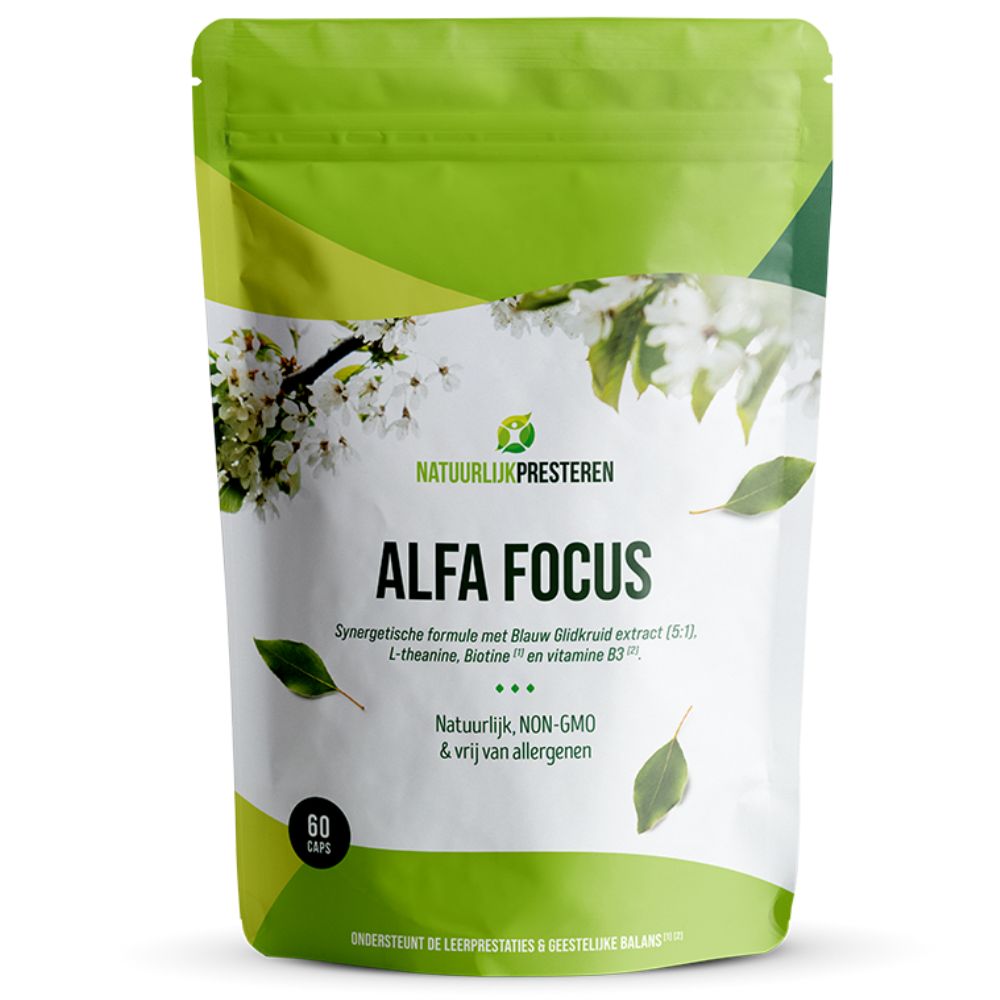
Alfa Focus is a supplement based on Skullcap and L-theanine, along with vitamin B3 and biotin. This supplement is safe for children ages 4 and up and comes in a vegetarian capsule. If your child has difficulty swallowing capsules, you can also break open the capsule and mix it with some juice, orange juice, or a spoonful of custard or porridge.
Alfa Focus has the following advantages:
• Helps support learning performance
• Is good for concentration
• Supports mental balance
2. Fish oil
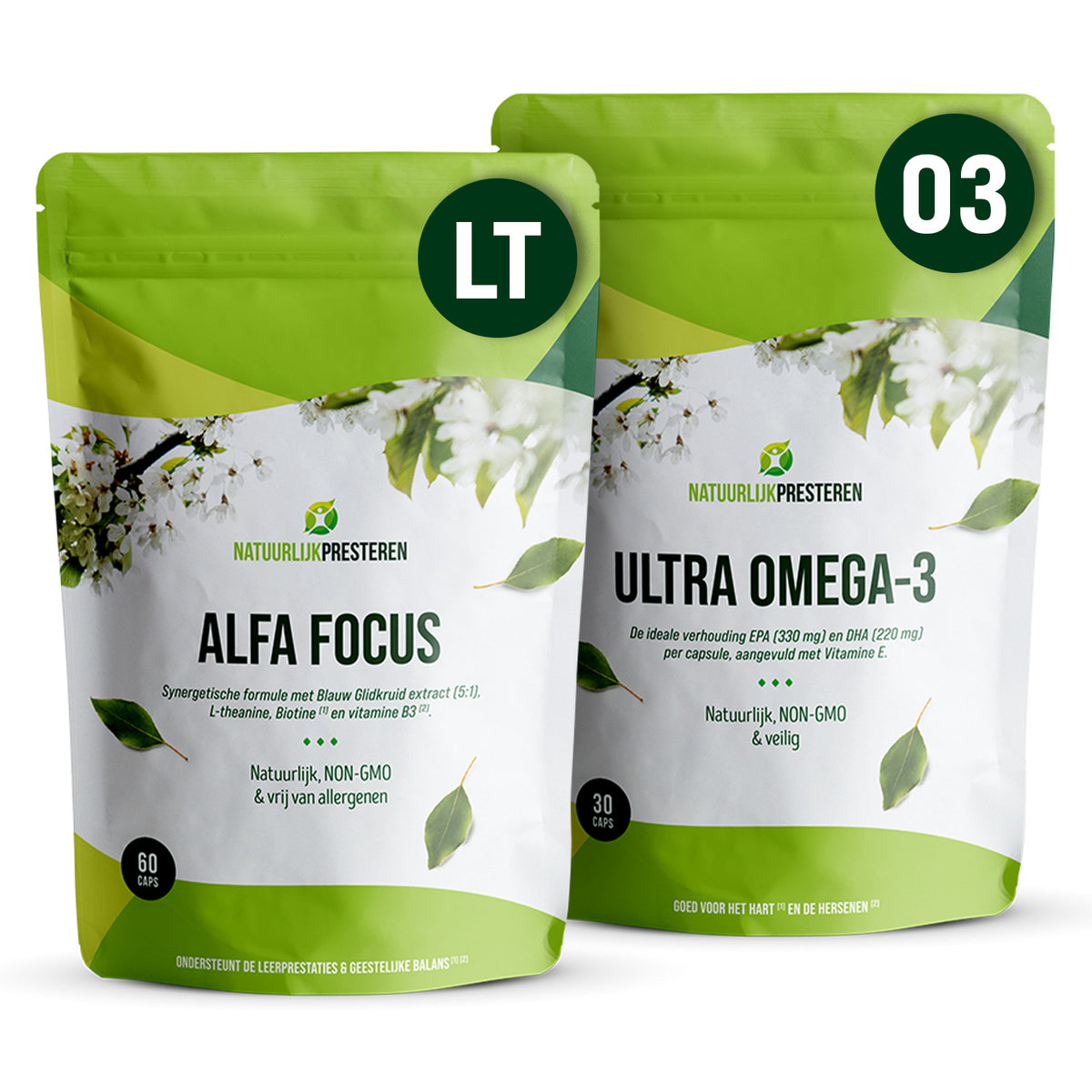
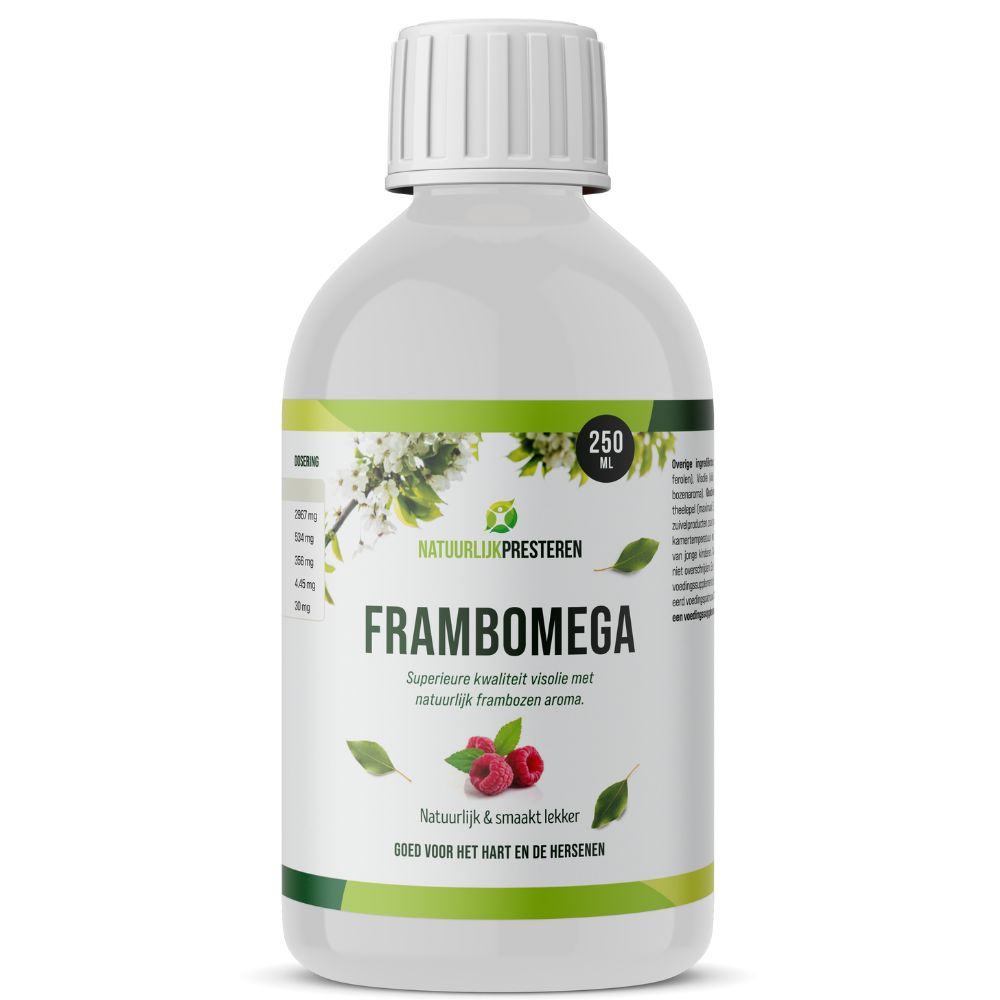
We also offer two fish oil supplements: Ultra Omega-3 and Omega-3 Liquid. Ultra Omega-3 is in a capsule, while the other is a liquid with a pleasant raspberry flavor. Many parents choose the Omega-3 liquid because children often find capsules difficult to swallow and it has a pleasant taste.
Omega-3 supplements have the following benefits:
• Is good for brain development
• Helps the brain function properly
• Keeps heart and blood vessels healthy
3. L-Theanine, Omega-3 and Skullcap
This is a value pack that combines Alfa Focus with Ultra Omega-3. This pack is our most popular choice, and we recommend using it. It provides optimal support for your child's concentration and learning performance. Does your child have trouble swallowing capsules? Then combine the liquid Omega-3 with Alfa Focus.
Gerelateerde blogartikelen
 bloggle
Best Omega 3 for Kids: Fish Oil for Optimal Growth
DHA, a fatty acid from omega-3, supports the normal development of vision and the brain, provided your child gets enough daily (250 mg DHA per day). But because many children don't like fish or its smell, this isn't always possible. Do you still want to be sure your child gets enough of these healthy fatty acids? Then it's wise to give omega-3 supplements. It's important to choose a product with the correct composition and dosage. Not every omega-3 oil meets children's needs. In this article you can read what to look for when buying a good omega-3 for children. Omega-3 with sufficient DHA (≥250 mg) and EPA (≥100 mg ) supports brain development, vision and heart health in children. Choose liquid oil with a low Totox value (<10) and natural flavors. Avoid capsules for easier administration. Keep refrigerated, mix into yogurt or smoothies and serve with meals for optimal absorption and fewer side effects. Table of contents Benefits of Omega-3 for Children Criteria for buying Omega-3 for children 1. Liquid form (no capsules) 2. A low Totox value 3. An added flavouring 4. The dosage EPA and DHA Which types of Omega-3 are best for children EPA and DHA – the direct, active forms (from fish or algae) ALA – the indirect, vegetable form (from seeds and nuts) Tips for incorporating liquid fish oil for children into food Tip 1: Mix the oil with food Tip 2: Avoid mixing with hot or acidic drinks and dishes Tip 3: Let children choose what to put the Omega-3 in Tip 4: Store Omega-3 oil in the refrigerator Omega-3 rich foods for children (my top 5) Side effects of Omega-3 Buy liquid Omega-3? Benefits of Omega-3 for Children Omega-3 (or fish oil) is good for your child, but only if the supplement contains enough DHA (and sometimes EPA). These are the proven benefits of fish oil (0mega-3) in the right amount: DHA contributes to normal brain development - From 250 mg DHA per day DHA supports the vision of young children - From 100 mg DHA per day DHA and EPA together contribute to a healthy heart - From 250 mg DHA + EPA per day Does your child eat little oily fish? Then a good omega-3 supplement can help them get these benefits. Good to know: Liquid omega-3 for children is available as algae oil or special fish oil for children. The dosage and flavor are tailored to your child's needs. Criteria for buying omega-3 for children But be careful, because not every omega-3 oil is suitable for children. Some products have an unpleasant fishy taste, contain too few active ingredients, or are difficult to take. Therefore, pay attention to the following points when looking for a good algae oil or fish oil for your child: 1. Liquid form (not capsules) Most children find swallowing large capsules difficult. A liquid omega-3 oil is easier to administer , such as on a spoon, mixed with yogurt, or in a smoothie. This way, taking a supplement doesn't become a battle at the table. 2. A low Totox value Choose an oil with a low Totox value (preferably below 10). (1) The Totox value indicates the degree of oxidation of the oil. The lower the value, the fresher the oil and the less fishy it tastes and smells. Conversely, a high oxidation level can intensify the odor and flavor, which children often find unpleasant. 3. An added aroma Children are sensitive to smell and taste. A natural flavoring , such as strawberry, lemon, or raspberry, helps mask the typical fishy taste. Please note that this is a natural flavour, without artificial additives or sweeteners. 4. The dosage of EPA and DHA The amount of active ingredients is crucial in omega-3 supplements for children. From age 4, a dosage of 500 to 1000 mg EPA + DHA per day is a good guideline. (2) Which types of omega-3 are best for children? Omega-3 is a collective name for various fatty acids, of which DHA and EPA are the most important for children. These are mainly found in oily fish , fish oil and algae oil . EPA and DHA – the direct, active forms (from fish or algae) EPA and DHA are the forms the body can use directly. They don't need to be converted first and are easily absorbed. These fatty acids are found in animal sources such as oily fish and krill, but also in algae – a plant-based alternative for those who prefer not to use animal products. DHA and EPA from algae or fish oil are good for: DHA in particular plays a role in the development of vision and the brain (but only with a sufficient daily intake) EPA , together with DHA, supports the normal functioning of the heart if your child gets enough of it ALA – the indirect, plant-based form (from seeds and nuts) ALA (alpha-linolenic acid) is a plant-based omega-3 fatty acid found in, among other things, flaxseed, chia seeds and walnuts. While ALA is healthy, it doesn't provide the same benefits as EPA and DHA. The body must first convert ALA, and this only happens in very small amounts: often less than 10%, and probably even less in children. (3) (4) In short: For proven health effects, it is better to choose a supplement with EPA and DHA. Tips for incorporating liquid fish oil into children's diets Even with strawberry or lemon flavors, some children still find fish oil disgusting. Picky eaters, in particular, can taste the oil in everything. Fortunately, it's easy to hide in food (if you're clever about it). Tip 1: Mix the oil with food Hiding liquid fish oil in children's food works best in cold or lukewarm dishes with a mild flavor. Consider: (Vegetable) yoghurt, custard or quark Smoothies – especially with banana, mango, pear or strawberry Oatmeal porridge – cooled or lukewarm Applesauce or pearsauce Peanut butter or nut paste – mix and spread on bread or crackers Tip 2: Avoid mixing with hot or acidic drinks and dishes Heat can break down the omega-3 fatty acids, making them less effective Sour juices such as orange juice actually enhance the fishy taste Tip 3: Let children choose where to put the omega-3 When children feel controlled, they're often less resistant. For example, my kids prefer not to have fish oil hidden, but simply pure on a spoon. We joke about it: we call it "DIRTY oil." They also love putting drops on the spoon and counting (the number of drops) (especially the youngest ones). Tip 4: Store omega-3 oil in the refrigerator Did you know that cold fish oil has a less strong smell and taste? So, keep the bottle in the refrigerator. Added benefit: Cold helps slow oxidation, keeping the oil fresher longer and less likely to go rancid. This applies to both algae and fish oil. (5) (6) Omega-3 Rich Foods for Kids (My Top 5) It's certainly great if your child gets enough (or at least a large portion) of their omega-3 needs from food. And that's perfectly fine. There are plenty of nutritious and child-friendly options that are easy to incorporate into their daily diet. These are my favorite resources (but especially the kids'): Salmon (preferably wild) - Rich in both EPA and DHA. Easy to use in wraps or as a salmon burger. Choose wild salmon, as it often contains slightly more omega-3 than farmed salmon. (7) Mackerel or herring - Very high in omega-3s, but with a distinctive flavor. You can make a herring spread, and mackerel makes a delicious pasta sauce. A favorite of my children. Sardines - Small but mighty. Sardines on pizza or toast are a hit here. Because of the salt content, it's best not to give sardines too often (once a week is fine). Eggs - Some eggs are enriched because the chicken was fed omega-3-rich food. This is useful if your child doesn't like fish. To see if the eggs are enriched, check the box; it should indicate whether the chicken was fed omega-3-rich food. Ground flaxseed - Contains ALA and therefore not a direct source of DHA/EPA. However, flaxseed is a great plant-based supplement. Sprinkle some ground flaxseed or ground flaxseed powder over yogurt. It also works very well in oatmeal. Side effects of omega-3 Omega-3 supplements are safe for children when used according to the recommended dosage. Generally, side effects are not known. In some cases these complaints were reported: Mild abdominal discomfort - Some children may experience mild nausea, bloating, or gas. This is more common with higher doses (>1 gram per day) and is reduced when the oil is taken with a meal. (8) Fishy burps - Especially in liquid form or during oxidation. Less common in refrigerated oils or products with a mild aroma. Lighter or looser stools - At higher doses (>1–2 grams/day), omega-3 oil may affect bowel movements. This effect is usually mild and temporary. (8) Want to buy liquid omega-3? Our omega-3 liquid raspberry (Frambomega) is specially developed for children: Rich in DHA and EPA, mild in taste and easy to take. With 750 mg DHA and 250 mg EPA per teaspoon, your child will get the dosage right straight away. Thanks to the natural raspberry flavour , most children cannot taste fish, making it ideal for fussy eaters. Good to know : The oil is sourced from sustainable fishing (certified) and has an extra low Totox value (maximum freshness and minimal oxidation). A reliable and child-friendly choice for every day. Ebrina van der Bijl Ebrina is a nutritionist with a deep commitment to healthy eating and a sustainable lifestyle, based in beautiful Portugal. Her passion for natural and organic products is at the heart of her work. With a background in Nutrition & Dietetics and experience in product development and writing, she translates complex scientific information into practical advice for a balanced lifestyle. Read more Sources used Jairoun, A. A., Shahwan, M., & Zyoud, S. H. (2020). Fish oil supplements, oxidative status, and compliance behavior: Regulatory challenges and opportunities. PLoS ONE, 15(12), e0244688. https://doi.org/10.1371/journal.pone.0244688 European Food Safety Authority. (2012b, July 27). Tolerable Upper Intake Level of EPA, DHA and DPA. https://www.efsa.europa.eu/en/efsajournal/pub/2815 Takić, M., Ranković, S., Girek, Z., Pavlović, S., Jovanović, P., Jovanović, V., & Šarac, I. (2024). Current Insights into the Effects of Dietary α-Linolenic Acid Focusing on Alterations of Polyunsaturated Fatty Acid Profiles in Metabolic Syndrome. International Journal Of Molecular Sciences, 25(9), 4909. https://doi.org/10.3390/ijms25094909 Turck, D., Bohn, T., Castenmiller, J., De Henauw, S., Hirsch‐Ernst, KI, Knutsen, HK, Maciuk, A., Mangelsdorf, I., McArdle, HJ, Naska, A., Peláez, C., Pentieva, K., Thies, F., Tsabouri, S., Vinceti, M., Bresson, J., & Siani, A. (2022). Scientific advice related to nutrient profiling for the development of harmonized mandatory front‐of‐pack nutrition labeling and the setting of nutrient profiles for restricting nutrition and health claims on foods. EFSA Journal, 20(4). https://doi.org/10.2903/j.efsa.2022.7259 Ismail, A., Bannenberg, G., Rice, H. B., Schutt, E., & MacKay, D. (2016). Oxidation in EPA‐ and DHA‐rich oils: an overview. Lipid Technology, 28(3–4), 55–59. https://doi.org/10.1002/lite.201600013 Boran, G., Karaçam, H., & Boran, M. (2005). Changes in the quality of fish oils due to storage temperature and time. Food Chemistry, 98(4), 693–698. https://doi.org/10.1016/j.foodchem.2005.06.041 Molversmyr, E., Devle, HM, Naess‐Andresen, CF, & Ekeberg, D. (2022). Identification and quantification of lipids in wild and farmed Atlantic salmon (Salmo salar), and salmon fed by GC‐MS. Food Science & Nutrition, 10(9), 3117–3127. https://doi.org/10.1002/fsn3.2911 European Food Safety Authority. (2012, July 27). Tolerable Upper Intake Level of EPA, DHA and DPA. https://www.efsa.europa.eu/en/efsajournal/pub/2815
Lees meer
Want to improve your memory? These 14 tips will help you quickly.
Improving memory might seem like something you'd consider complicated or demanding. The brain is arguably the most complex organ in the human body. It consists of a vast network of billions of interconnected nerve cells. The cells communicate with each other via electrical signals, which allow you to think, feel, and remember things. Memory is an important part of the brain. There are three types of memory: the sensory memory - which processes everything you perceive with your senses. the short-term memory - in which very recent information is briefly stored. the long-term memory - in which all important facts and experiences are stored for a long time Keeping your brain cells healthy is, of course, crucial. This means preventing inflammation and ensuring good blood flow to the brain. Your brain also needs sufficient nutrients. If you want a well-functioning memory, it's important to pay attention to these things. With the 14 tips below, you can improve your memory and keep your brain in top condition. Limit sugar and alcohol, eat anti-inflammatory foods, enjoy dark chocolate daily and get 7-9 hours of sleep. Meditate, read, train your memory, and learn new skills to strengthen brain connections. Do strength training, stay socially active, and get enough vitamins for healthy brain function. Table of contents 1 - Limit refined sugar 2 - Meditate daily 3 - Avoid nutritional deficiencies 4 - Read more for better memory 5 - Get enough sleep 6 - Lose excess weight 7 - Improve your memory by continuing to learn 8 - Limit alcohol 9 - Do a daily "brain dump" 10 - Take advantage of social contacts 11 - Train your memory 12 - Do weight training 13 - Eat anti-inflammatory foods 14 - Improve your memory with 85% dark chocolate 1 - Limit refined sugar It's a well-known fact that sugar is unhealthy. But not everyone realizes that it also has a negative effect on the brain. Sugar can damage your memory, impair your learning ability, and increase the risk of brain disorders like Alzheimer's and dementia. Research shows that a diet high in sugars can lead to poorer memory and a decrease in brain volume, the latter of which has a negative effect on the area of the brain used for short-term memory [1] . If you want to keep your brain healthy, it's important to limit your refined sugar intake. Also, limit carbohydrates in general if you're less active. 2 - Meditate every day Meditating daily is also a good way to improve your memory. Meditation isn't just relaxing (it can help lower blood pressure and reduce stress). While these effects are also beneficial, it appears that meditation can increase gray matter in the brain. Gray matter contains the cell bodies of neurons. As you age, the amount of gray matter decreases, which causes your memory to decline. Meditation and other relaxation techniques can contribute to healthy memory. Meditation has a positive effect on short-term memory in both young and old people. There are many different ways to meditate, so there's sure to be one that suits you. You can practice mindfulness meditation, focus on your breathing, or do a body scan. You can even meditate while moving, like while walking or dancing. Choose a form that works for you and make time for it every day. 3 - No nutrient deficiencies Human memory is incredibly complex. For your memory to function normally, you also need the right nutrients. Even if you eat a varied diet, you may still not get enough of some nutrients. For example, if you eat few animal products, you're at risk for zinc, iron, and B12 deficiencies . Conversely, you may have deficiencies in other vitamins if you eat too few fruits and vegetables. If you suspect that you are not eating a varied diet, a good quality multivitamin can help you get all the important vitamins and minerals in their active form. 4 - Read more often for a better memory Reading isn't such a popular activity these days, which is a shame. Because reading can have a positive effect on your brain, and especially your memory. Using MRI scans, scientists have discovered that reading involves a complex network of nerve cells. The more often you read and the better you become at reading, the more powerful and developed these networks become. Reading therefore creates more connections between brain cells, making it easier to recall stored information. Reading can prevent cognitive decline and memory loss with age. Did you know? When you read, you use much more than just your memory. To be able to read, you also need phonetic awareness, understanding connections, vocabulary, and your brain processes visual stimuli. So reading is a good way to keep your brain active. 5 - Adequate sleep Your sleep also affects your memory. A lack of sleep or disturbed sleep can cause poorer memory. This is because a good night's sleep is important for permanently storing information in long-term memory (a process called consolidation). Deep sleep is particularly important for this process. Therefore, if you often sleep poorly, it can negatively impact your memory. If you want to improve your memory, try to get 7 to 9 hours of sleep every night. Also, make sure you don't eat for at least 3 hours before bedtime so your deep sleep phase isn't disrupted by digestion. Also read our tips to improve your bedroom and what the causes of poor sleep can be. 6 - Lose excess pounds Research shows that being overweight affects your brain. Obesity is linked to an increased risk of cognitive impairment, primarily manifesting as impaired memory and concentration. An analysis of several studies found that when overweight people lost weight, it had a positive effect on their brains. Their memory and concentration improved, and there were also improvements in language and task performance [2] . So losing weight is a good idea if you want to improve your memory. However, do it in a healthy way. Avoid crash diets; they're unhealthy and almost always cause the yo-yo effect. Take your time losing weight and choose a healthy diet, consuming a maximum of 500 to 700 fewer calories per day. 7 - Improve your memory by continuing to learn Memory forms a network of connections in the brain. When you use your memory, different parts of this network are active, in both hemispheres of the brain. That's why it's important to keep learning, regardless of your age. By learning new things, your brain creates new connections and strengthens existing ones. If you don't use certain connections often, they weaken and eventually disappear. This is called brain plasticity. As we age, brain plasticity declines. That's why learning new skills later in life requires more energy. However, it's important to stay mentally active. By learning new things, you stimulate the brain and, in turn, its plasticity [3] . This may help improve your brain health and reduce the risk of brain damage. Learning is always possible, even as you get older. And there are plenty of interesting things to challenge you. Take advantage of the internet, where you'll find many great courses. For example, check out udemy.com, where you can find a course or training for just €10 to €20. 8 - Limit alcohol If you want to improve your memory, it's advisable to limit your alcohol consumption. Many people know that alcohol is unhealthy, but did you know it's one of the most damaging substances for the brain? Scientists recently discovered that even small amounts of alcohol are harmful to the brain. Just one drink a day is enough to cause brain shrinkage. This is because alcohol reduces the amount of gray and white matter in the brain. This makes it more difficult for the different parts of the brain to communicate with each other, which in turn causes both your memory and concentration to deteriorate. Therefore, try to limit your alcohol consumption. Save it for special occasions, for example, or only have a drink on the weekend. 9 - Daily "brain dumping" Are you familiar with the brain dumping technique? It's a very simple way to clear your head. When you have to work or study, you often have all sorts of distracting thoughts pop into your head, such as other tasks you still have to complete. It certainly makes it difficult for you to concentrate. If that's the case, do a brain dump. Take a pen and paper and write down everything that comes to mind. There's no censorship; you write down absolutely everything. By doing this, you free up space in your mind: you know you've put everything important on paper. As a result, these things won't bother you anymore. Your mind is less cluttered, and you have more capacity for optimal memory function. You can concentrate better and therefore absorb information effectively again. 10 - Take advantage of social contacts It might not be something you immediately think of, but social connections have a significant impact on maintaining a healthy brain and therefore on your memory. Maintaining social connections, especially later in life, can protect against cognitive decline. This is also evident from research on mice. Mice kept in groups showed less inflammation in their brains compared to mice living alone. As a result, the brains of the social mice appeared less aged. If you want to improve your memory, it's advisable to engage in regular social activities. Join a club (read books, go for a walk, play cards), exercise together, sing, or dance. Doing activities together helps you relax, reduce stress, and keep your brain young. 11 - Memory training Memory training is a fun and effective way to keep your memory sharp. The more you work on your memory, the stronger the connections between brain cells and areas within the brain become. Memory training can improve your mental performance, attention, and concentration. There are many different ways to train your memory. You can regularly try to remember all sorts of things. Think about which movies you've recently seen and which actors starred in them. Try to recall past events. What year was it, where were you, and what were you doing? This can help keep your brain sharp. But you can also use modern technology. You can download fun memory games via your smartphone or computer. Check Google Play or the Apple Store, or search online for games. 12 - Weight Training Regularly doing a muscle-strengthening workout also has positive effects on your memory. So you not only develop stronger muscles but also a better memory. Researchers at the University of Sydney conducted a study with a group of people aged 55 to 68. They had mild memory complaints. The study showed that strengthening the muscles was associated with an improvement in memory [4] . If you also want to benefit from this effect, it's important to train regularly, at least twice a week. The training should be sufficiently strenuous, at 80% of your maximum capacity. 13 - Eat anti-inflammatory foods Chronic inflammation can be linked to the development of brain disorders, such as depression and Alzheimer's disease. Several studies have shown that certain components in food and beverages have anti-inflammatory properties. Regularly including these foods in your diet can help reduce inflammation and thus reduce the risk of chronic illness and memory problems. The list of healthy foods includes: Blueberries Strawberries Eggs Green tea Coffee Green leafy vegetables, nuts, and olive oil can also be good for memory. All these foods are rich in antioxidants and polyphenols, substances that can help protect the body. So make sure you regularly include healthy fruit, nuts, vegetables, green tea or coffee on the menu. Did you know? The Mediterranean diet is a diet rich in anti-inflammatory foods. It's not so much a weight-loss diet, but rather a diet designed to support your overall health. 14 - Improve memory with 85% dark chocolate And finally, a tip that will make everyone happy: regularly eat chocolate with a cocoa content of 85% or more. Cocoa contains cocoa flavonols, substances that occur naturally in the cocoa bean. It has been scientifically proven that flavonols promote blood flow to the brain. They therefore have a positive effect on the brain, particularly on cognition, attention, information processing speed, and memory. If you love dark chocolate, you're in luck. You can enjoy a delicious piece of dark chocolate (85% or higher) every day to support your brain health. Just be aware that if you eat chocolate with a lower cacao percentage, you won't reap these health benefits. Miriam Mirjam felt a connection with nature from a young age. This has led to a deep passion for health, natural remedies, and healthy eating. She also loves reading, yoga, and writing. When the weather is nice, she enjoys exploring new hiking trails. Read more
Lees meer
Want to study faster? 15 tips to improve your learning!
Who wouldn't want to study faster? Working, learning, and absorbing information more quickly has many advantages. Not only can you achieve better results, you'll also have more time for fun things and increase your chances of pursuing higher education. Want to study faster? We've compiled 15 handy tips for you. Think about putting your phone away from the room, taking regular breaks, and testing yourself effectively. These 15 tips will give you the tools you need to study faster. Test your knowledge by asking yourself questions, summarizing the material in your own words, quizzing yourself, and explaining the material to others. Use pen and paper, visual aids and a quiet learning environment, and take regular short breaks to improve concentration. Make sure you get enough exercise, have a healthy sleep pattern and limit alcohol and caffeine to optimize your study performance. Table of contents 1 - Ask yourself questions about the material 2 - Study faster: summarize in your own words 3 - Write with pen and paper 4 - Study aloud 5 - Use pictures 6 - Test yourself regularly 7 - Take a 5-minute break every hour 8 - Explain information to someone else 9 - Use mnemonics 10 - Avoid alcohol 11 - Divide your study hours 12 - Put your phone on silent 13 - Study in a low-stimulus environment 14 - Do strength training before studying 15 - Sleep well after your study session 1 - Ask yourself questions about the material Most people study the material they need to know by reading it as often as possible. This way, you always see the text and the information in the same way. A good tip to help you study faster is to ask yourself questions about the material. This will help you look at the information differently and present it in your own words. You'll also learn to see more connections between different paragraphs and chapters. You'll look for solutions and answers that are important to the topic. By asking yourself questions, you actively engage with the material, which means you will remember it much better. 2 - Study faster: summarizing in your own words Similar to the tip above, summarizing in your own words is also a good way to get a better grasp on the material. You can easily skim through everything without fully understanding what you've read. By summarizing the information in your own words, you process it at a deeper level. This technique also involves actively engaging with the material. You'll structure it, reorganize it, and make connections. Keep your summary concise and simple. A summary provides the main points, so don't go into details. 3 - Write with pen and paper Many people use computers and laptops while studying. Typing and reading online is fast, but the information usually doesn't stick for long. If you want to ensure that what you're learning actually stays in your memory for a longer period of time, write with pen and paper, not on a computer. Research shows that information we write by hand is retained much better and longer than information we retain when we type it [1] . This is probably because different areas of the brain are involved when writing by hand. All the information stored while writing by hand gives your brain more tools to retrieve it later. It might take more time, but you'll gain that time back in the end, because you'll retain what you learn more effectively. Write your notes while reading or listening and review them afterward to help you remember everything. This way, you'll ultimately study faster. 4 - Learning aloud Anyone who wants to study effectively is well-advised to study aloud. If you read the key points of the material aloud to yourself, the information will come through multiple channels. This information is then stored not only in visual memory, but also in verbal and auditory memory. And the more places something is stored, the easier it is to remember and retrieve. Research has also been conducted on this. McLeod and Forrin studied 100 Canadian students. They had to learn 80 words, choosing between four ways to remember them: Reading in silence Listening to someone else Listening to a recording of oneself Read aloud They were then tested, and after two weeks, they were given a list of new words and had to indicate which of the words was already on the first list they had learned. Those who had read aloud performed best [2] . While reading aloud is a good way to learn, combining all four methods seems to yield the best results. So, alternate between the different methods to learn faster. 5 - Use images Using images can be a great way to absorb information more effectively and quickly. Draw a picture of what you've read, or try processing information in graphs or charts. Your brain can process images 60,000 times faster than words. Therefore, using images can dramatically accelerate the learning process. Presenting information visually can help you grasp new, complex concepts more quickly and connect topics. It also helps you remember your material better. If you first read something in text and then see it as an image, your brain stores the information in different places. It's not for nothing that we say a picture can tell a thousand words! So, harness the power of images while studying. 6 - Test yourself regularly A good way to learn faster is to test yourself. Once you've worked through the material, create a test for yourself. Use open-ended or multiple-choice questions, ask yourself to summarize something, or write down keyword definitions. Then close your books (or turn off the internet) and take your own test. Of course, do this without cheating. Afterward, review what you did well and what you didn't. This will quickly show you where your weaknesses are and where you need to spend more time. This will allow you to study faster and more effectively. 7 - 5 minutes break per hour It's important to give your brain regular breaks. This prevents mental exhaustion and keeps you sharp. A constant stream of information can prevent your brain from processing. A 5-minute break every hour is enough to help you unwind. Leave your work for a moment, get up, and do something else. Make sure you're not doing anything that requires you to process new information. So, don't watch TV, YouTube, or browse social media. This keeps your brain active and isn't a restful activity. Take a walk (without music or a podcast), look out the window, and drift off for a moment. You could also do some gentle physical exercise, like yoga or stretching. After this relaxing break, you'll find you can concentrate well again and have renewed energy for your studies. 8 - Explaining information to someone else Explaining what you've learned to someone else also helps you study effectively. Ask a friend to listen to you and try to explain what you've been learning. Try to do this in a clear and concise manner. Explain everything in a way they can understand. Ask the other person if they understood everything or if you need to explain something further. To explain a topic to someone, you need to be thoroughly familiar with the material and be able to recall all the key points. This way, you'll actively engage with the material and master it faster. You'll also get a clear picture of what you already know well and what you don't. If you don't have anyone to discuss your study material with, try writing down what you would tell someone else. 9 - Mnemonics Mnemonics are useful tools for remembering information more easily and studying faster. You can combine the first letters of words and sentences to easily memorize complex information. Or create a song, rhyme, or abbreviation for what you need to remember. This gives your brain more tools to store information, making it easier to retrieve. The information is also usually simpler, allowing you to learn it faster. Examples of mnemonics: The formula ab + c = E I'm Always Eating Cake Or to make it easier to remember the order of the animal kingdom, use the sentence: When Little Otters Go Steal Bicycles Department Class Order Family Gender Kind 10 - Avoid alcohol Studying hard for a test or quiz? Put alcohol aside for a while. Alcohol promotes neuroinflammation, which means it causes low-grade inflammation in the brain [3] . This can cause your brain to function less effectively, which you may notice as poorer concentration and reduced information retention. So it's a good idea to avoid alcohol on the days you have to study. This way, you ensure your brain can function optimally when you need to perform. Did you know? Alcohol not only negatively impacts your learning ability, but also the development of teenagers' brains. The brain continues to develop until the age of 26 (for men) and 24 (for women). Therefore, alcohol consumption can be harmful to your brain! 11 - Divide your study hours It's wise to distribute your study time throughout the day. You'll be able to store information better in your long-term memory if you practice regularly for short periods, ultimately allowing you to study faster. It's better to study five times for one hour than one time for eight hours straight. So, prolonged cramming isn't actually all that effective. Your brain becomes overloaded with information and doesn't absorb as much. Spread your studying over shorter periods; this is more efficient and helps you retain the material better. 12 - Put your phone on silent If you want to study faster, it's recommended to silence your phone and put it in a different room. Your phone is a major distraction, and many people are easily distracted if they leave it nearby. They want to check regularly to make sure they haven't missed anything, which interrupts their work. Research shows that your concentration is significantly reduced when your phone is in plain sight, even if it's turned off. Every interruption disrupts your focus and makes it harder to reengage with your studies. So make it easy on yourself, put your smartphone away, and enjoy the peace and quiet. Once you're done studying, you'll have plenty of time to catch up on what you missed (or didn't miss). 13 - Study in a low-stimulus environment We've already discussed disrupting your concentration. Studying works best in a low-stimulus environment. If possible, work in a space with minimal distractions. If your own study space isn't quiet enough, find a spot at school or in the library. The fewer distractions (think housemates, music, street noise, television, or computer), the better you can focus on your studies and absorb information. Choosing the right study space can significantly impact your performance. 14 - Strength Training Before Studying Physical exertion is also a very effective method for learning faster, especially if you do strength training. Doing muscle-strengthening exercises before studying increases the concentration of dopamine and acetylcholine in your blood. These neurotransmitters sharpen your concentration and help you remember what you learn better. So, exercise for an hour before you start studying: work out with dumbbells, kettlebells, a barbell, or your own body weight—there are many exercises you can do. Did you know? Strength training isn't just good for your muscles and mental performance. It also has a positive effect on your mood. That will definitely help you study faster! 15 - Sleep well after your study session Are you so happy you're done studying that you want to go out for a good night's sleep or have a long movie night? That's probably going to make for a short night, and unfortunately, that's not a good idea. While you sleep, your brain is busy processing and organizing all the information you've just absorbed. Especially if you get a good night's sleep (at least 8 hours), you'll remember what you've learned. Postpone the partying for a while and treat yourself to a good night's sleep. Make sure your bedroom is quiet, dark, and comfortable, so you can sleep undisturbed and your hard work during the day won't be in vain. Miriam Mirjam felt a connection with nature from a young age. This has led to a deep passion for health, natural remedies, and healthy eating. She also loves reading, yoga, and writing. When the weather is nice, she enjoys exploring new hiking trails. Read more
Lees meer