As we age, our hormone levels change and muscle mass decreases. This can lead to lower bone density and ultimately to brittle bones (osteoporosis).
Muscles support the bones and provide stability. When muscle mass decreases, the bones are subjected to increased strain.
That is why it is important to actively support bone health, especially in later life.
What are bone supplements?
Bone supplements are products that provide additional nutrients important for your bone health.
These supplements often contain a combination of minerals, vitamins and other natural ingredients that help strengthen and maintain strong bones.
Vitamins and minerals for your bones
The main ingredients in bone supplements are usually minerals and vitamins that contribute to strong and healthy bones:
- Calcium - Contributes to the development and maintenance of strong bones.
- Magnesium - Plays a crucial role in the formation of bone matrix and the absorption of calcium, which is good for bone density and strength.
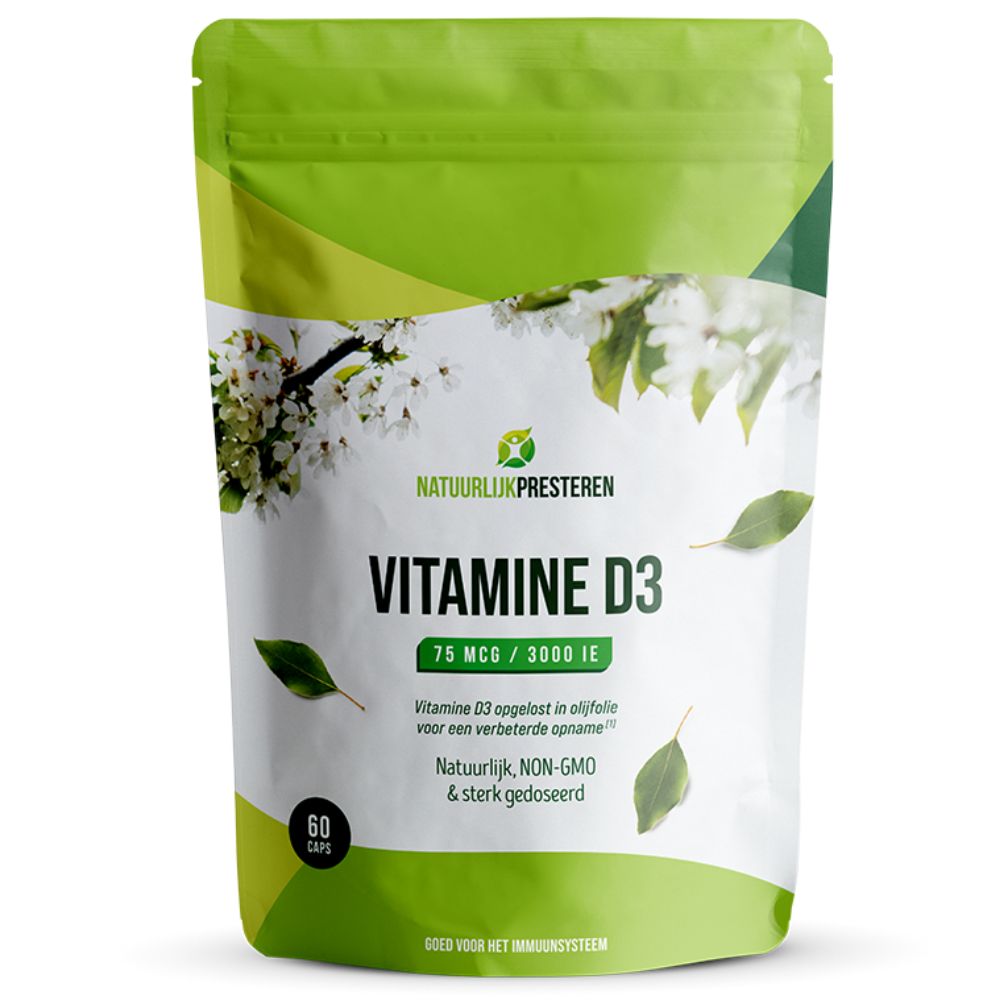
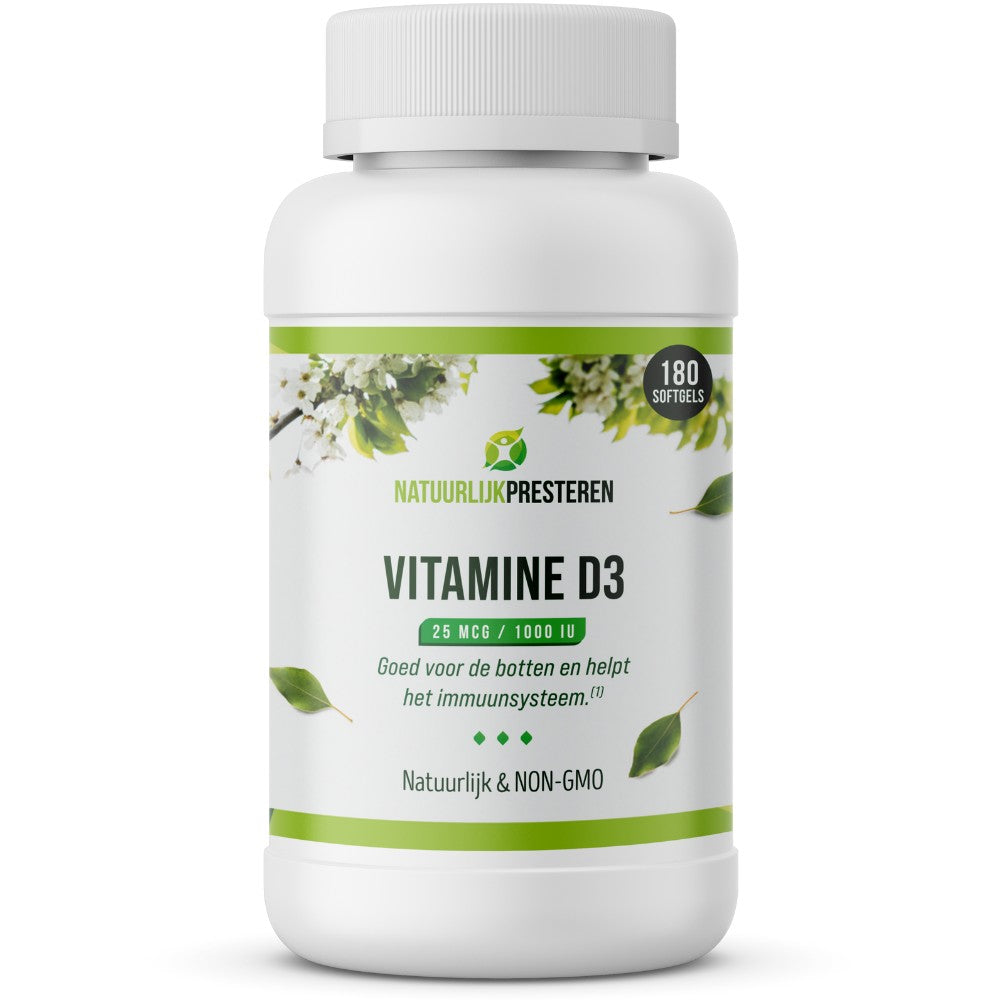
- Vitamin D3 - Good for the absorption of calcium in the bones.
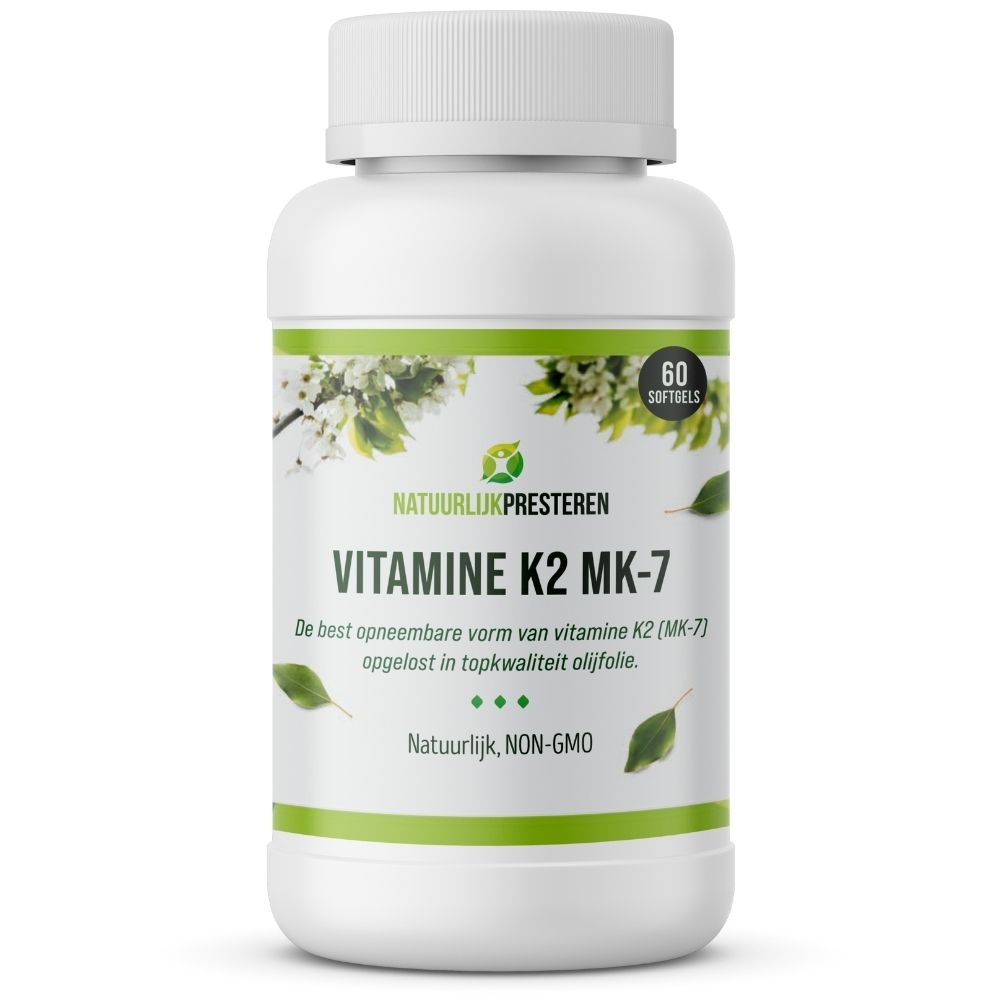
- Vitamin K2 - Contributes to the maintenance of strong bones.
- Zinc - Essential for the function of many enzymes involved in bone metabolism.
- Manganese - Important for the formation of healthy cartilage and bone .
Collagen – an essential component of your bones
About one-third of bone mass is made up of collagen, which provides the structural integrity of your bones.
It acts as a kind of “framework” or base on which minerals such as calcium can attach, keeping bones both strong and flexible.
Without enough collagen, bones can become more brittle and fragile, increasing the risk of fractures.
So, when you buy supplements for your bones, make sure they contain collagen!
Substances needed for the production of collagen
Collagen is a protein your body can produce itself. But it needs several substances to do so:
-
Silicon (from bamboo extract)
Silicon is a mineral essential for the strength and structure of collagen in bones. It helps form collagen fibers and supports the stability of bone tissue. -
Vitamin C
Vitamin C is essential for collagen production. It helps convert the amino acids proline and lysine into collagen. Without sufficient vitamin C, the body cannot build collagen, which can lead to weaker bones and connective tissue.
Together, collagen, silicon and vitamin C ensure that bones remain strong and are more resistant to fractures or damage.
By supplementing these substances through diet or supplements, you can contribute to a healthy bone structure and the maintenance of bone density as you age.
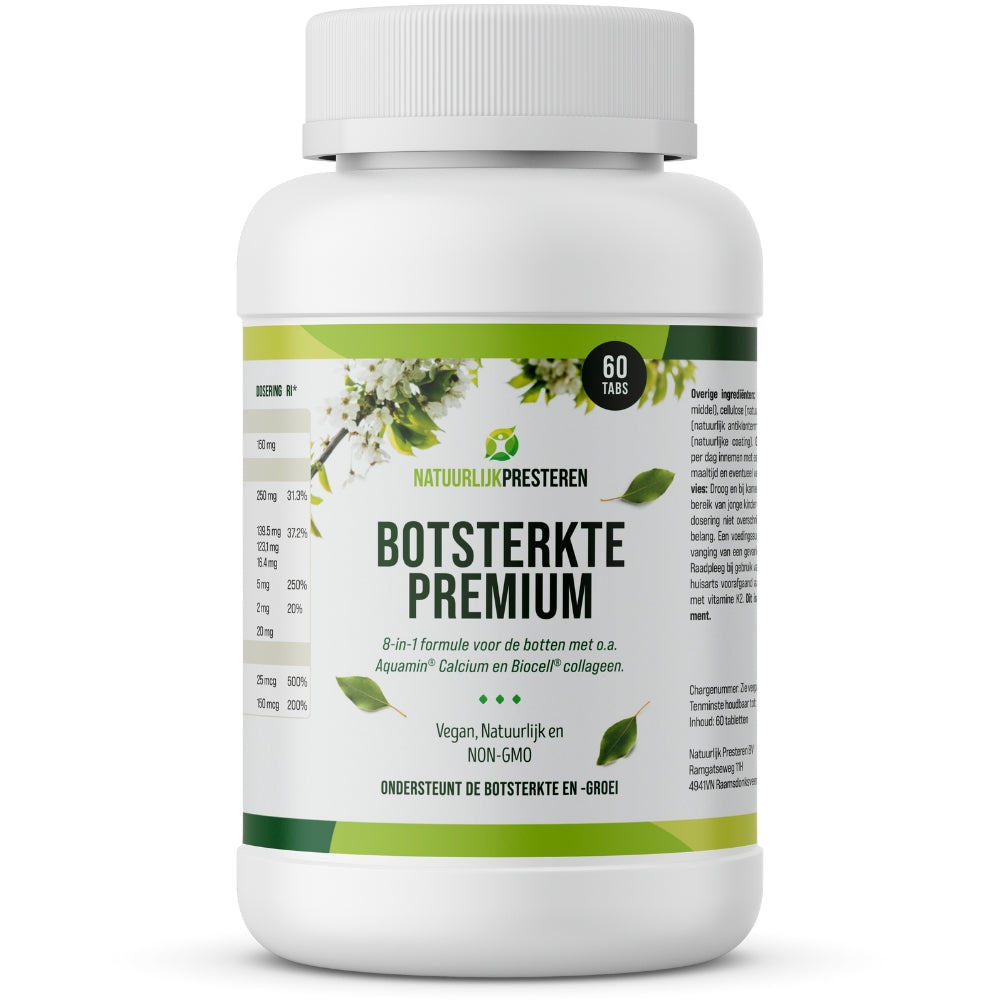
Bone Strength Premium - Complete 8-in-1 Bone Formula
Bone Strength Premium is a high-quality formula containing 8 powerful, natural ingredients in their most absorbable forms.
These ingredients work together to optimally support the health and strength of your bones:
- Biocell® Collagen Type 2 : A unique, high-quality form of collagen, specifically Type 2.
- Aquamin® Calcium : Unique, plant-based source of calcium from seaweed that is more easily absorbed by the body than other types of calcium.
- Magnesium Citrate : One of the most absorbable forms of magnesium.
- Manganese citrate : Easily absorbable manganese.
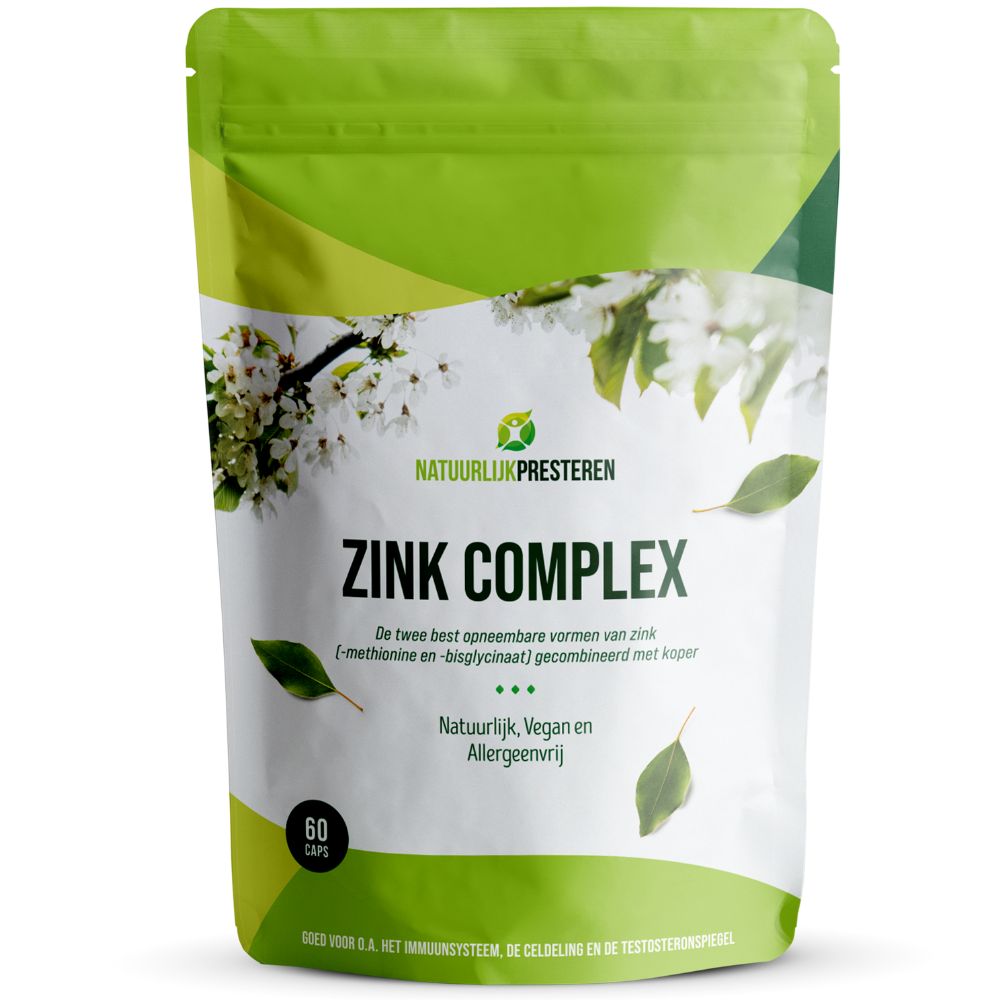
- Zinc methionine : Zinc bound to methionine, which ensures excellent absorption and efficient functioning in the body.
- Silicon from Bamboo Extract : Bamboo extract contains a bioavailable form of silicon.
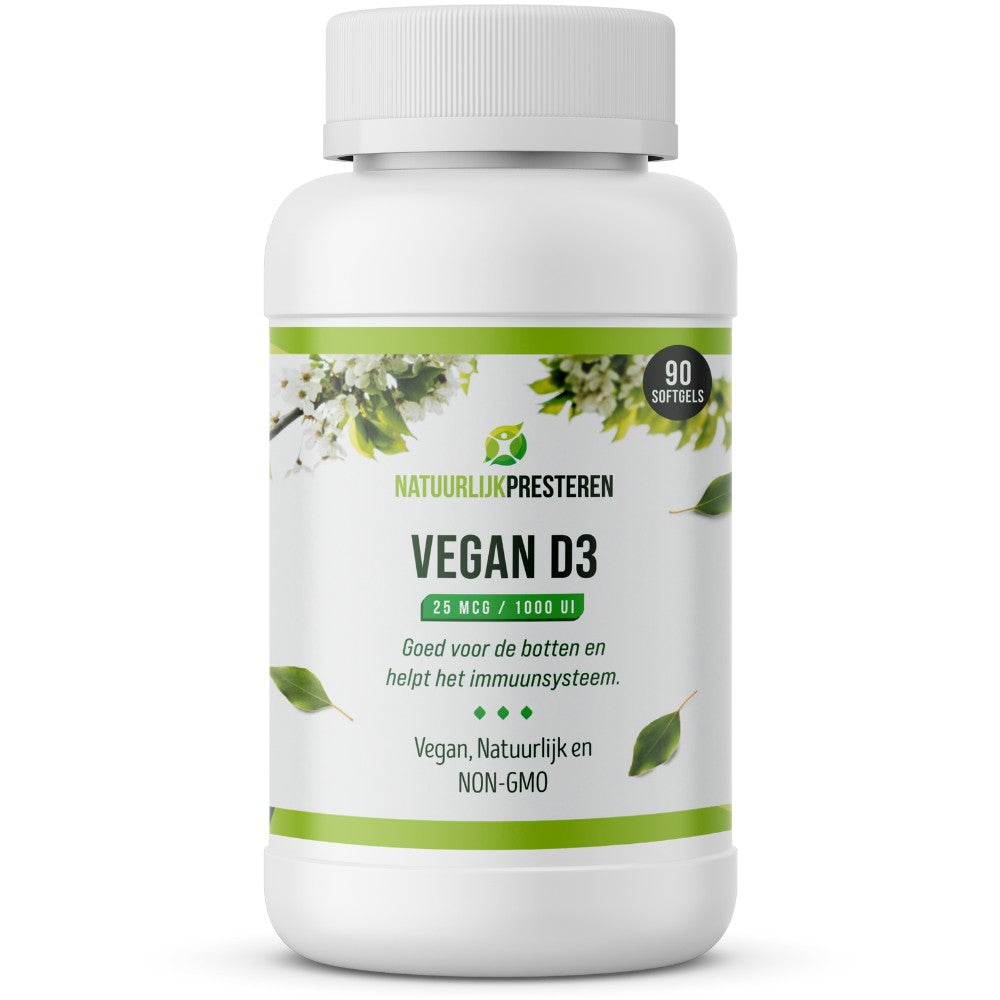
- Vitamin D3 : Crucial for the absorption of calcium into the bones.
- Vitamin K2 MK-7 : A special form of vitamin K2 that is better absorbed and remains active in the body for longer.
This powerful combination provides everything your bones need for optimal health and strength.
Keep moving to prevent brittle bones
Supplements can be a great addition to supporting your bone health, but it's essential that you also get plenty of exercise.
Recent studies show that exercise has a powerful effect on your bones. Combination exercises, strength training, aerobics, and mind-body exercises, such as yoga or tai chi, have all been shown to contribute to better bone density, especially in the lower back and hips. (1)
Sources used
- Zhang, S., Huang, X., Zhao, X., Li, B., Cai, Y., Liang, X., & Wan, Q. (2021). Effect of exercise on bone mineral density among patients with osteoporosis and osteopenia: A systematic review and network meta‐analysis. Journal Of Clinical Nursing , 31 (15–16), 2100–2111. https://doi.org/10.1111/jocn.16101
Gerelateerde blogartikelen

Calcium in Supplements and Food: The Complete Guide
Calcium is a nutrient that is essential for healthy bones, teeth and various bodily functions. In this blog article, you will learn about the benefits of calcium, how to get enough of it, and how to recognize and resolve a potential calcium deficiency. Calcium is essential for strong bones, teeth, muscle function, nervous system, blood clotting and plays a role in metabolism. Dietary sources include dairy, leafy greens, nuts, and fish; calcium carbonate and calcium citrate are common supplement forms with varying absorption properties. A deficiency increases the risk of osteoporosis and muscle cramps, while an excess can cause kidney stones and heart arrhythmias. Table of contents What is calcium? What is calcium good for? Types of calcium What is better: calcium carbonate or calcium citrate? Absorption Stomach acid and calcium Elemental calcium concentration Natural calcium supplements Calcium storage in the body How much calcium per day? What are calcium deficiency symptoms? Symptoms in children Symptoms in women (50+ years) and men (70+ years) When are you at risk of a calcium deficiency? Food interactions and calcium absorption What contains (a lot of) calcium? Calcium too high (hypercalcemia) Tolerable upper intake level Symptoms of high calcium Causes of high calcium What to do about high calcium Calcium tablets with vitamin D3 and K2 Why would you take D3 and K2 together with calcium? What does vitamin D do with calcium? The best calcium supplement What is calcium? Calcium is a mineral that plays a fundamental role in the structure and strength of your bones and teeth. It also helps your muscles and nerves function properly and plays a role in your body's metabolism. What is Calcium good for? Calcium is a very versatile mineral that has several benefits for the human body. Supports bones and teeth: Calcium contributes to strong teeth and the maintenance of strong bones; In women, it helps reduce bone mineral loss during menopause (low bone mineral density is a risk factor for osteoporotic fractures); and In children, calcium is needed for normal growth and development of bones Good for body cells and blood: In addition, calcium plays a role in the process of cell division and differentiation; and Supports blood clotting Supports energy levels and muscles: Calcium contributes to normal muscle function and heart muscle function; and Activates your natural energy in the body Good for digestion and the nervous system: Calcium supports digestion and; Is important for the nervous system Types of Calcium When you get calcium from supplements or food, it's usually bound to other substances, such as calcium phosphate (especially in dairy), calcium carbonate , and calcium citrate (especially in supplements). These calcium compounds consist of: The pure amount of calcium available to your body ( elemental calcium ) Another substance (such as phosphate , carbonate , or citrate ) Calcium supplements are often available in the forms of calcium carbonate and calcium citrate. What is better: calcium carbonate or calcium citrate? Both types of calcium have advantages and disadvantages. The best type depends on your personal situation and the properties that are important to you. This table shows the main differences between calcium carbonate and calcium citrate so you can compare them properly: Calcium citrate Calcium carbonate Recordability (older data) 27% 22% [1] Recordability (new data) 24% 24% [2] Stomach acid required for absorption No Yes Amount of elemental calcium 21% 40% [3] [4] Natural origin Naturally found in eggshells, crustacean shells, and dark leafy greens, broccoli, and kale [5] Can be found in citrus, but often produced synthetically. Price Relatively expensive Less expensive Absorbability A 1999 meta-analysis found that calcium citrate (27%) is absorbed slightly more easily by the body than calcium carbonate (22%). However, a recent study (2022) found that both calcium carbonate and calcium citrate are absorbed about equally well (around 24%). Stomach acid and calcium It is important to take calcium carbonate supplements with meals, as this helps them to be better absorbed. Calcium citrate, on the other hand, is well absorbed both with and without food. This makes this form of calcium suitable for people with reduced stomach acid production, for example. Concentration of elemental calcium Elemental calcium is the pure amount of calcium available to your body. You could also call it the unbound form of calcium. Calcium carbonate contains a high concentration of elemental calcium (about 40%) compared to calcium citrate (21%) and other salts. It's important to know how much elemental calcium you're taking, because this is the actual amount of calcium your body uses. For example, a 500 mg calcium carbonate tablet contains approximately 200 mg of elemental calcium. Natural calcium supplements It's best to consume nutrients in their natural form . Synthetic forms, which are created entirely in laboratories, are generally less well absorbed by your body. So, if you're looking for a calcium supplement, choose one that contains calcium from a natural source. This ensures optimal absorption and the supplement is most effective. Aquamin® Calcium is a good example. This natural calcium supplement is extracted from red algae. The benefits of calcium from red algae are: In addition to calcium, it also contains other minerals (such as trace elements) Natural origin High bioavailability Calcium storage in the body Calcium is found in the body in the bones (99%) and in the serum (the liquid part of blood that remains after the blood cells have been removed). In the bones In the storage form of calcium, hydroxyapatite Provides strength to the skeleton and serves as a reservoir for calcium in the blood serum Three forms of calcium occur in the serum : Bound to proteins – 40%, unavailable for use by tissues Ionized (free) – 51%, essential for body functions Chelated – 9%, helps with calcium absorption and transport[6] Ionized calcium is considered the best form because it is immediately available and active in the body. How much calcium per day? How much calcium you need daily depends on your age and individual needs. These are the guidelines according to the Health Council and the Nutrition Centre: Age / need Recommended per day [7] Babies (6-11 months) 450 mg Children (1-3 years) 500 mg Children (4-8 years) 700 mg Boys (9-17 years) 1200 mg Men (18-24 years) 1000 mg Men (25-69 years) 950 mg Men (over 70 years old) 1200 mg Girls (9-17 years) 1100 mg Women (18-50 years) 950 mg Women (51-69 years) 1100 mg Women (over 70 years old) 1200 mg Pregnant women (18-24 years) 1000 mg Pregnant women up to the 20th week (over 25 years old) 950 mg Pregnant women from the 20th week (older than 25 years) 1000 mg Women who are breastfeeding 1000 mg Source: Nutrition Center What are calcium deficiency symptoms? Calcium deficiency can occur in various at-risk groups, including children, women aged 50 and older, and men aged 70 and older. It is also relatively common among vegans. Symptoms Children If children have a calcium deficiency of less than 125 milligrams per day, these symptoms may occur: Incomplete bone formation, resulting in skeletal deformities (rickets) Muscle cramps Symptoms in women (50+ years) and men (70+ years) Due to reduced calcium absorption in this group, calcium deficiency can lead to: Slow decalcification of bones , which can lead to an increased risk of bone fractures Faster bone loss in postmenopausal women [8] Muscle cramps When are you at risk for a calcium deficiency? Whether you are at risk of developing a calcium deficiency depends on factors such as your diet, absorption and changing needs. Elderly – With increasing age, the efficiency of calcium absorption decreases Women during and after menopause – Hormonal changes reduce calcium absorption and increase bone loss Not eating dairy , due to veganism, lactose allergy or cow's milk allergy People with certain medical conditions - Conditions such as celiac disease, inflammatory bowel disease (e.g., Crohn's disease), and cystic fibrosis can interfere with calcium absorption in the intestines [9] Dietary interactions and calcium absorption Calcium works with other nutrients, such as vitamin D. They aid in the absorption and activation of calcium in the body, which is beneficial for bone health. Other substances, however, inhibit this absorption. These are the main interactions: Vitamin D plays a crucial role in the absorption of calcium in the intestines and in the storage of calcium in the bones. Oxalic acid and phytic acid , found in certain vegetables and grains, can reduce calcium absorption . However, consuming these products is not a problem as long as your diet contains sufficient calcium and you eat a varied diet. What contains (a lot of) calcium? Calcium is found in various products. Dairy products, such as milk, cheese, and yogurt, are rich in calcium. Leafy greens, legumes, nuts, seeds, and certain types of fish are also good sources of dietary calcium. Here are some examples of foods containing calcium: Food Amount of calcium per 100 grams Poppy seeds 1740 mg Cheese (Gouda, 48+) 819 mg Sardines (canned) 500 mg Almonds (unsalted, with skin) 248 mg Kale (raw) 180 mg Milk (whole) 124 mg Yogurt (Greek) 118 mg Tofu 100 mg Spinach (raw) 105 mg Swiss chard (raw) 90 mg Soybeans (cooked) 70 mg Brown beans (cooked) 44 mg Broccoli 33 mg Source: Nevo table online, 2023 Calcium too high (hypercalcemia) When the concentration of calcium in the blood is too high, it's called hypercalcemia. Your kidneys can no longer properly process the large amount of calcium and excrete it through your urine. This can lead to the formation of kidney stones. Calcification of the kidneys and blood vessel walls can also occur [10] . If you consume more than 2500 milligrams of calcium per day for an extended period, your kidneys will be under strain. And that's more than double the RDA for the group with the highest need (1200 mg for men and women over 70)! Acceptable upper limit For calcium, the tolerable upper limit has been set at 2500 mg (2.5 grams) per day for adults [11] . You're unlikely to exceed 2500 mg through diet. But with supplements, be careful not to get more calcium than you need! Symptoms of high calcium Too much calcium in the blood can cause the following symptoms: Fatigue Muscle weakness Nausea Decreased appetite Yield Constipation Cardiac arrhythmias Calcium deposition in soft tissues Weight loss High blood calcium levels can cause too much calcium to enter the urine, which can lead to: Kidney stones Kidney function problems [12] Causes of high calcium Besides taking too many calcium supplements, there are a number of other possible causes of high calcium. In adults, vitamin D and the parathyroid hormones regulate calcium balance: Too much vitamin D - Excessive vitamin D intake can lead to high calcium levels in the blood. This can only occur with prolonged excessive supplementation (at doses of 100+ mcg/day). You don't run the risk of vitamin D overdose through diet or prolonged exposure to sunlight. Parathyroid Problems – The parathyroid gland produces a number of hormones that regulate the amount of calcium in your body. If there are problems in this gland, this mechanism does not work properly and too much calcium can enter the blood [13] . What to do about high calcium levels Here's what you can do to lower calcium levels: Drinking Water - Drinking enough water helps both prevent the first kidney stone and reduce the risk of recurring stones [14] Eat foods rich in phytic acid (grains, nuts, seeds, etc.) and oxalic acid (spinach, beets, rhubarb, etc.) – These substances inhibit the absorption of calcium Stop high-dose vitamin D – above 100 mcg per day. Eat less dairy - dairy is rich in calcium Calcium tablets with vitamin D3 and K2 Vitamins D3 and K2 are important for calcium metabolism . They work together to ensure that calcium is efficiently absorbed from food. Why would you take D3 and K2 with calcium? When you take calcium tablets with vitamin D3 and K2, you help your body with: Better absorption of calcium from food Transporting calcium to the right places in your body Improving vessel elasticity (at optimal levels of both vitamin D and vitamin K) [15] The majority of studies found that taking both vitamin D and vitamin K promotes optimal bone health. This combined effect was stronger than when the vitamins were taken separately [16] Helpful Tip: This calcium supplement contains a natural form of calcium from seaweed along with vitamin D3, vitamin K2 MK-7, and bone-supporting supplements. What does vitamin D do with calcium? To properly absorb calcium from food, you need enough vitamin D3 (cholecalciferol). Without enough vitamin D, your body only absorbs a small amount (10-15%) of calcium, but with sufficient vitamin D, your body absorbs much more calcium (30-40%). Vitamin D is therefore essential for effective calcium absorption! [17] The best Calcium supplement Calcium is primarily used to support bone health. However, you also need additional minerals and vitamins. The calcium supplement Bone Strength Premium contains everything you need to support healthy bones. It contains, among other things, a natural form of calcium extracted from seaweed, together with Biocell® Collagen, Zinc, Magnesium, Vitamin D3 and Vitamin K2-MK7. Of all these ingredients, the most absorbable forms have been selected, which the body can use immediately. Ebrina van der Bijl Ebrina is a nutritionist with a deep commitment to healthy eating and a sustainable lifestyle, based in beautiful Portugal. Her passion for natural and organic products is at the heart of her work. With a background in Nutrition & Dietetics and experience in product development and writing, she translates complex scientific information into practical advice for a balanced lifestyle. Read more Reference list https://pubmed.ncbi.nlm.nih.gov/11329115/ https://pubmed.ncbi.nlm.nih.gov/11329115/ https://ods.od.nih.gov/factsheets/Calcium/HealthProfessional/ https://www.ncbi.nlm.nih.gov/pmc/articles/PMC8746734/ https://www.ncbi.nlm.nih.gov/books/NBK562303/ https://www.ncbi.nlm.nih.gov/books/NBK482128/ https://www.voedingscentrum.nl/encyclopedie/calcium.aspx)#blokwaarvoor-heb-je-calcium-nodig ? https://www.voedingscentrum.nl/encyclopedie/calcium.aspx)#blokwaarvoor-heb-je-calcium-nodig ? https://pubmed.ncbi.nlm.nih.gov/33491051/ https://www.voedingscentrum.nl/encyclopedie/calcium.aspx)#blokwat-zijn-de-gevolgen-van-te-veel-calcium ? https://www.voedingscentrum.nl/encyclopedie/calcium.aspx)#blokwat-zijn-de-gevolgen-van-te-veel-calcium ? https://voedingscentrum.nl/ https://www.ncbi.nlm.nih.gov/books/NBK430714/ https://www.mdpi.com/2571550 https://edepot.wur.nl/440347 https://edepot.wur.nl/440347 https://www.ncbi.nlm.nih.gov/pmc/articles/PMC2669834/
Lees meer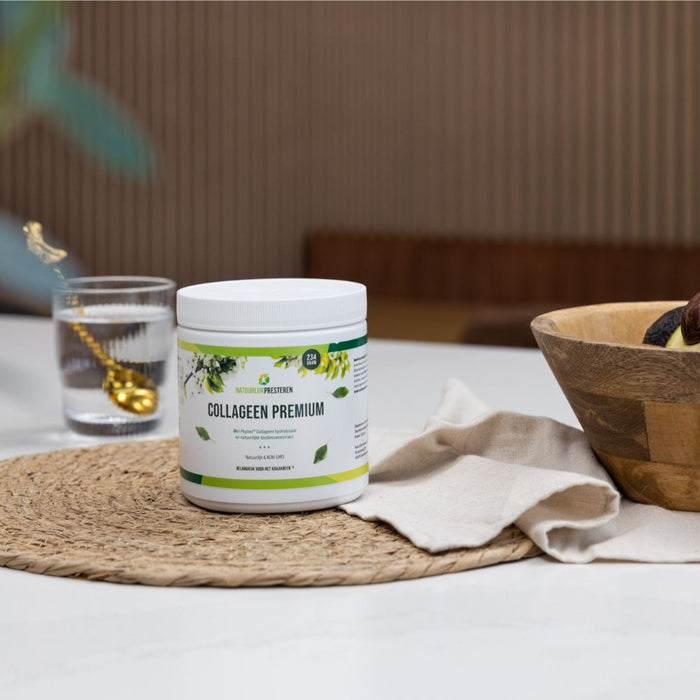
The best collagen powder? Check out these 3 supplements.
Collagen is a protein that occurs naturally in your body and provides strength and elasticity to your skin, joints, bones and other tissues. As we age, collagen production decreases, leading to wrinkles, less elastic skin and painful joints. A good collagen supplement can help you replenish your body's own collagen. But what should you look out for? In this article I will explain everything to you and give you my top 3 best collagen powders of the moment. Choose a hydrolyzed collagen supplement with vitamin C for better absorption and peptides such as Peptan® or Solugel® for optimal quality. Marine and bovine collagen are the best options, with bovine collagen (grass-fed) being versatile and fish collagen being absorbed faster. Avoid artificial additives and opt for natural ingredients, such as hyaluronic acid and biotin, which enhance the effect of collagen. Table of contents What to look for when buying collagen powder? The 5 best collagen powder supplements More about the best collagen powder 1. Hydrolyzed collagen or not? 2. The quality of the collagen peptides 3. Ingredients that support the function of collagen 4. The solubility of the collagen powder 5. Unnecessary additives in collagen supplements 6. The taste (and flavorings) in collagen powder 7. What is collagen powder good for? 8. What types of collagen are there? 9. What is collagen powder made of? 10. Is there plant-based or vegetarian collagen powder? 11. What is the best collagen powder? What should you pay attention to when buying collagen powder? If you're looking for the best collagen powder supplement, I advise you to pay attention to the following criteria: The best collagen supplement contains: Hydrolyzed collagen – this is the most absorbable form and is also the most effective. A patented form of collagen – these are standardized so the quality is consistent: peptan® and solugel® Vitamin C as a supplement - this is good for the body's own production of collagen. Sustainable Collagen - Collagen from grass-fed cattle or cold-water fish Natural flavors – many brands use cheap synthetic fragrances, colors, and flavors. The 3 best collagen powder supplements #1. Collagen Premium - Natural Performance Naturally Performing Collagen Premium offers hydrolyzed collagen from patented Peptan®. With added vitamin C, hyaluronic acid, allergen-free glucosamine from fermented corn and natural berry flavour. Collagen Premium stands out for its sustainable and high-quality collagen source. Its complete and well-thought-out composition makes it a favorite among collagen supplements. Our collagen has also been rated as one of the best collagen products in the Netherlands by leefpuurnatuur.nl #2. Beauty Collagen - Vitals Protein Vitals Protein Beauty Collagen is also hydrolyzed, but the peptides are not from a patented brand. The product contains biotin in addition to hyaluronic acid. The benefits: Hydrolyzed Collagen Contains Hyaluronic Acid Contains Biotin With natural aromas Disadvantages: No vitamin C No Glucosamine Not sustainably produced Peptides are not patented This product is available at Bol.com, among others. Beauty Collagen earns the second spot in my top 3 thanks to its powerful combination of collagen, hyaluronic acid, and biotin. These ingredients work together to support healthy skin and hair. #3. Marine Collagen Blend - Mattisson Mattisson's Marine Collagen Blend is perfect for those who want to avoid beef and beef products. This collagen powder, derived from fish skin and scales, offers a unique amino acid composition and is also patented. The benefits: Hydrolyzed Collagen from patented Peptan® Marine collagen is often perceived as easier to digest than bovine collagen Contains Vitamin C Contains Hyaluronic Acid Disadvantages The smell is perceived as unpleasant by some users This product is available at Bol.com, among others. Mattisson's Marine Collagen Blend rightfully earns a top spot because of its high-quality fish collagen source. Thanks to its unique amino acid composition, this collagen is ideal for those who do not want or cannot eat beef (beef products). 1. Hydrolyzed collagen or normal collagen? Hydrolyzing collagen causes the collagen protein to be cut into smaller pieces by enzymes. The smaller pieces of collagen dissolve more easily in water and are better absorbed by your body. When collagen is fully hydrolyzed, you get so-called collagen peptides, also called the building blocks of collagen. Raw collagen is not hydrolyzed and therefore does not dissolve well in water and is also less well absorbed by your body, because it must first be broken down. So if you want to start using a collagen supplement, I always recommend using a product with hydrolyzed collagen (collagen peptides). 2. The quality of the collagen peptides The quality of collagen peptides (the cut-up pieces of collagen) determines how well your body can use the collagen. How to recognize a high-quality collagen supplement: Source - Consider the type of collagen you're using. Ideally, you want collagen from legitimate manufacturers like Peptan® or Solugel®. Sustainably grown – choose a brand that is environmentally friendly: Peptan® and Solugel® are also good examples. Contains collagen peptides - Smaller peptides are better absorbed by your body. The smaller, the more effective. Hydrolysis Process - Good products also specify the method of hydrolysis (e.g., enzymatic hydrolysis) to indicate that the process is well controlled. Amino Acids - A quality supplement contains the following 3 amino acids: Glycine (20-30%), Proline (10-20%) and Lysine (2-4%). 3. Ingredients that support collagen function The best collagen powders also contain ingredients that support collagen function, so you can get more out of your supplement. The most effective and well-known is vitamin C: Vitamin C – supports collagen formation. It helps repair and rejuvenate the skin by fighting damage and repairing damaged cells. Ideally, a collagen supplement should contain at least 50 mg of vitamin C, so you can supplement the recommended 75 mg daily with a healthy diet. (2) (3) (4) In addition, there are also some other additions that can be valuable in a good collagen powder: Hyaluronic acid – helps the skin retain moisture, which can contribute to hydration and elasticity, and can therefore support the function of collagen. Glucosamine - is an important building block of cartilage. Zinc - plays a role in the production and maintenance of collagen. Biotin - Supports healthy skin, hair and nails and may contribute to proper collagen absorption. 4. The solubility of the collagen powder Collagen powder that has been hydrolyzed (also known as collagen hydrolysate) is more soluble in water than raw collagen, even in cold liquids. This is due to the hydrolysis process, which breaks down the long collagen chains into small pieces that dissolve more easily. And that is very practical, because lumps in your drink are of course not tasty. Good to know: Some collagen powders contain lecithin (from soy or sunflower) to prevent clumping, but this is usually unnecessary, as hydrolyzed collagen dissolves well in cold water. This additive often comes from genetically modified soy, especially in non-organic products. 5. Unnecessary additives in collagen supplements If you want to take good care of your body, go for a collagen supplement that is free from unnecessary additives, such as: Added sugars , fructose, glucose, and artificial sweeteners such as sucralose or aspartame Artificial flavors Fillers and binders (maltodextrin, silicone dioxide, magnesium stearate) 6. The taste (and flavorings) in collagen powder Choose collagen powder with a natural flavoring to enhance the taste. Pure collagen powder often has an unpleasant taste, which can range from fishy or meaty to "chemical" or "grassy," especially with lower quality or poorly mixed powder. If the collagen powder has glucosamine from shellfish added, that can also leave an unpleasant aftertaste. Look for collagen powder with glucosamine from fermented corn, which usually has a more neutral flavor! 7. What is collagen powder good for? Much research is being done into the effects of collagen on health and more and more is becoming clear. There are currently indications that collagen can contribute to: Maintaining the normal structure, elasticity and appearance of the skin.* (5) (6) Supporting the formation of cartilage in the joints.* (7) Is good for the blood vessels, because collagen plays a role in the strength of the blood vessel walls. 8. What types of collagen are there? Collagen comes in different types, each with its own functions and applications. But the most important is Type I. Five types of collagen are found in our bodies: Type I collagen - In our body, this type makes up 90% of all collagen in our body, especially in the skin, bones, tendons and connective tissues. Type II collagen - Found primarily in elastic cartilage and plays a role in joint health. This type is often used to support cartilage. Type III collagen - Found in the skin, blood vessels, and organs. It is often present in tissues that require high levels of stretch and elasticity, such as the skin. Type IV collagen - It is a key component of the basement membrane, a thin layer that surrounds and supports the cells of various tissues. This type is best visualized as a network structure. Type V collagen - This type of collagen is found in the placenta, the strata of the skin, hair, and the outer layers of the cornea (eye). It supports the structure and function of these tissues. 9. What is collagen powder made of? Because collagen occurs naturally in the skin, bones, tendons, and cartilage of animals, collagen powder is always made from animal sources such as cattle, pigs, and fish. Bovine collagen Made from cattle. Always choose grass-fed collagen, as it's less exposed to pesticides and more animal-friendly. Type - mainly type 1 with sometimes type 3 included. Benefits – perfectly absorbable for humans and high quality amino acids. Marine collagen Collagen powder derived from the skin or scales of fish, such as cod or halibut. Type - Predominantly type I, but some type II may be present. Benefits - Often praised for its high bioavailability, as it is absorbed by the body faster than bovine or porcine collagen. Pig collagen Made from pig bones and/or skin. Type - Usually type I and type III. Benefits - Supports skin, joints, and tendons. Often used in powders and supplements for general health. Chicken collagen This type of collagen is primarily derived from chicken cartilage and is often used for joint support. Type - Predominantly Type II. Benefits - Helps support joint health. Eggshell collagen This collagen comes from the eggshell. Type - Mixture of type I, II, and V collagen, as well as other building blocks such as hyaluronic acid. Benefits - Supports joint health and may help with joint pain and joint flexibility. 10. Is there plant-based or vegetarian collagen powder? No, plant-based collagen does not exist, because collagen is a protein that only occurs naturally in animals. Plants do not contain collagen, but there are herbal supplements that contain substances that can support collagen production in the body. Vitamin C – good for collagen production Proline - supports collagen production Glycine - supports collagen production 11. What is the best collagen powder? The best type of collagen powder for you depends on your goal: Skin and general support - Choose hydrolyzed collagen, usually type I. This supports the health of your skin, hair, and nails. Joints and cartilage - Choose type II collagen. This type is ideal for supporting supple joints and cartilage. The best sources of collagen are: Grass-fed bovine collagen (types I and III) - This is the best choice if you want to benefit from the advantages of different collagen types. Grass-fed bovine collagen also contains these essential amino acids and is therefore a high-quality source of collagen. Fish collagen (type I, sometimes also II) - Works just as well as bovine collagen. This is because it is rich in the three essential amino acids essential for collagen formation. Fish collagen is also quickly absorbed, ensuring its effectiveness. Additionally, fish collagen often has a higher bioavailability, meaning it is absorbed by the body faster and more efficiently. (6) Ebrina van der Bijl Ebrina is a nutritionist with a deep commitment to healthy eating and a sustainable lifestyle, based in beautiful Portugal. Her passion for natural and organic products is at the heart of her work. With a background in Nutrition & Dietetics and experience in product development and writing, she translates complex scientific information into practical advice for a balanced lifestyle. Read more Sources Used Khatri, M., Naughton, R. J., Clifford, T., Harper, L. D., & Corr, L. (2021). The effects of collagen peptide supplementation on body composition, collagen synthesis, and recovery from joint injury and exercise: a systematic review. Amino Acids , 53 (10), 1493–1506. https://doi.org/10.1007/s00726-021-03072-x Rocha, MS, De Aquino, LL, Barbosa, LL, De Souza, IL, De Carvalho, EM, Brítez, LEO, De Oliveira Gonçalves, G., Lopes, VB, & Silva, JNF (2024). Clinical studies and meta-analysis on the effects of collagen, vitamin, and nutrient supplementation for the rejuvenation of collagenic fibers: a systematic review. International Journal Of Nutrology , 17 (1). https://doi.org/10.54448/ijn24102 DePhillipo, N. N., Aman, Z. S., Kennedy, M. I., Begley, J., Moatshe, G., & LaPrade, R. F. (2018). Efficacy of Vitamin C Supplementation on Collagen Synthesis and Oxidative Stress After Musculoskeletal Injuries: A Systematic Review. Orthopedic Journal Of Sports Medicine , 6 (10), 232596711880454. https://doi.org/10.1177/2325967118804544 Hujoel, P. P., & La Hujoel, M. (2021). Vitamin C and scar strength: analysis of a historical trial and implications for collagen-related pathologies. American Journal Of Clinical Nutrition , 115 (1), 8–17. https://doi.org/10.1093/ajcn/nqab262 De Miranda, R.B., Weimer, P., & Rossi, R.C. (2021b). Effects of hydrolyzed collagen supplementation on skin aging: a systematic review and meta‐analysis. International Journal Of Dermatology , 60 (12), 1449–1461. https://doi.org/10.1111/ijd.15518 Pu, S., Huang, Y., Pu, C., Kang, Y., Hoang, K. D., Chen, K., & Chen, C. (2023). Effects of Oral Collagen for Skin Anti-Aging: A Systematic Review and Meta-Analysis. Nutrients , 15 (9), 2080. https://doi.org/10.3390/nu15092080 García-Coronado, J.M., Martínez-Olvera, L., Elizondo-Omaña, R.E., Acosta-Olivo, C.A., Vilchez-Cavazos, F., Simental-Mendía, L.E., & Simental-Mendía, M. (2018). Effect of collagen supplementation on osteoarthritis symptoms: a meta-analysis of randomized placebo-controlled trials. International Orthopedics , 43 (3), 531–538. https://doi.org/10.1007/s00264-018-4211-5
Lees meer
Vitamin D: What is it and how do you recognize a deficiency?
Vitamin D is an important, well-known vitamin (hormone) that many people are deficient in. In this article, you'll learn about the benefits of vitamin D, how to recognize a deficiency, and how to prevent it. You will also learn which foods contain the most vitamin D and which supplements are suitable for various situations. Vitamin D supports bones, muscles and the immune system; it is produced by sunlight and is found in oily fish, eggs and dairy products. Vitamin D deficiency causes fatigue, muscle weakness, and bone problems; groups at risk include the elderly, overweight individuals, and those with limited sun exposure. Vitamin D3 supplements are more effective than D2, especially in the fat-soluble form; recommended dosage varies by age and health situation. Table of contents What is vitamin D? What does vitamin D do? Difference between vitamin D2 and D3 How much vitamin D do you need per day? How do you get enough vitamin D from sunlight? Bonus: how your body makes vitamin D3 from sunlight How do you get vitamin D from food? Symptoms of a vitamin D deficiency Is a vitamin D deficiency dangerous? Causes of a vitamin D deficiency Too little sunlight Too little vitamin D from food Dark/tinted skin A magnesium deficiency Being overweight Reduced absorption in the intestines Liver disease Kidney disease What is too much vitamin D? What are the best vitamin D supplements? 1. The best vitamin D for seniors 2. The best vitamin D for adults 3. The best vitamin D for children 4. The best vitamin D for vegetarians and vegans What is vitamin D? Vitamin D is called a fat-soluble vitamin, but it's officially a hormone. The body can produce it itself with the help of sunlight. You can also get it from certain foods (oily fish, eggs, cheese, butter), but only to a limited extent. Vitamin D plays an important role in the body, including supporting bone health and the immune system. Research shows that 9 out of 10 people in the Netherlands do not get enough vitamin D[1] What does vitamin D do? Vitamins are important supplements for various bodily functions. These are listed below. Vitamin D… Contributes to normal calcium levels in the blood Supports normal growth and development of children's bones Contributes to the maintenance of normal bones Contributes to the normal absorption of calcium and phosphorus Plays a role in the cell division process Contributes to the normal functioning of the immune system Contributes to the maintenance of normal teeth Helps to reduce the risk of falls associated with postural instability and muscle weakness Contributes to normal muscle function Difference between vitamin D2 and D3 Vitamin D2 and vitamin D3 are the most common forms of vitamin D in supplements. Vitamin D3 (cholecalciferol) - This form is naturally produced in the skin when exposed to sunlight and is often used in supplements because of its efficiency and effectiveness in increasing vitamin D levels in the blood. Vitamin D2 (ergocalciferol) – This form is produced in plants and fungi when exposed to UV light. It is often used in fortified foods and some supplements, but is generally considered less effective than vitamin D3. Vitamin D3 also works best when dissolved in fat, as it is better absorbed. This product uses extra virgin olive oil for optimal absorption: How much vitamin D do you need per day? The amount of vitamin D you need varies by age and individual needs. However, there are guidelines for the daily amount. Age/Needs Amount of vitamin D per day Infants (0-12 months) 10 microgram Children (1-18 years) 10-20 micrograms per day Adults (18-70 years) 15-20 micrograms per day Adults (70+ years) 20 micrograms per day Pregnant and breastfeeding women. 15 micrograms per day How do you get enough vitamin D from sunlight? To get enough vitamin D, it is important to spend enough time outside. Incidentally, vitamin D3 isn't found in sunlight. Your body uses UVB rays from sunlight to produce vitamin D. So it works a little differently than you might think. The strength of sunlight also plays a significant role in your vitamin D production. This also varies seasonally, so we've put together some tips to help you ensure you have sufficient vitamin D in your body throughout the year. Autumn and spring - 30 minutes of daily sunlight exposure between 11:00 AM and 3:00 PM, covering your hands and head, is often enough to produce sufficient vitamin D. Summer - sunlight is often very intense, making other times of the day (besides 11:00 AM - 3:00 PM) also ideal for producing sufficient vitamin D. Be careful not to burn during midday! Winter – it's (almost) impossible to produce enough vitamin D. The sunlight is too weak, and you often wear covering clothing, preventing sunlight from reaching your skin. A vitamin D supplement is necessary to prevent deficiencies. Bonus: This is how your body makes vitamin D3 from sunlight When the skin is exposed to sunlight, especially UVB radiation, a process starts in the body that leads to the production of vitamin D3. This process works as follows: Step 1: UVB Ray Absorption - The skin absorbs the UVB rays from sunlight. Step 2: Building block for vitamin D3 (7-dehydrocholesterol) is converted - The UVB radiation helps to convert the building block into previtamin D3, which is the precursor of vitamin D3. Step 3: Formation of vitamin D3 - Previtamin D3 is unstable and is converted spontaneously into vitamin D3 (cholecalciferol) by the heat of the skin. Step 4: Transport to the liver and kidneys - Here, vitamin D3 is converted into the active form (1,25-dihydroxyvitamin D3) so that it can be used in the body. How do you get vitamin D from food? It's often thought that you can only get vitamin D from sunlight. However, this isn't the case, as food also contains vitamin D. Below are 20 important sources. Food Amount per 100 grams Cod liver oil 250 microgram Cod liver oil 250 microgram Trout 15 microgram Herring 14 microgram Fatty fish (salmon, mackerel, tuna) 10-20 microgram Sardines 8 microgram Oysters 5-8 microgram Caviar 2-5 microgram Duck egg 4 microgram Fortified dairy products (milk, yogurt) 1-2 microgram Fortified breakfast cereals 1-2 microgram Enriched soy milk 1-2 microgram Ground beef 1-2 microgram Egg yolk 1-2 microgram Butter 1-2 microgram Cheese (cheddar, mozzarella) 0.1-0.3 microgram Liver (beef, chicken) 0.3-1 microgram Mushrooms (shiitake, maitake) 0.1-2 micrograms Important: If you eat little or no oily fish, it's very difficult to get enough vitamin D through food. It's especially important to get enough outside so your body can produce enough vitamin D. During the winter months, it's important to take a vitamin D supplement. Symptoms of a vitamin D deficiency A vitamin D deficiency can occur, for example, in winter, when there's little sun. Certain age groups, such as the elderly, are also more likely to develop a deficiency. This can lead to various symptoms. Some symptoms of a vitamin D deficiency are: Fatigue and weakness - A vitamin D deficiency can lead to general fatigue and weakness. People with a deficiency often feel lethargic and have less energy. Muscle pain and weakness - Vitamin D contributes to healthy muscle function. Muscle pain and weakness can therefore occur if you have a deficiency. Bone problems - Vitamin D contributes to calcium absorption and the maintenance of strong bones. A deficiency can therefore be detrimental to bone health. Reduced immunity - Vitamin D contributes to the normal functioning of the immune system. A weakened immune system is associated with reduced immunity. Vitamin D3 also works best when dissolved in fat, as it is better absorbed. This product uses extra virgin olive oil for optimal absorption: Is a vitamin D deficiency dangerous? A vitamin D deficiency isn't acutely dangerous. However, it can negatively impact your health, as you've seen in the list above. Therefore, it's a good idea to address a deficiency. This can be done by spending more time in the sun or taking a supplement. Causes of Vitamin D Deficiency A vitamin D deficiency can have several causes. A lack of sunlight is an obvious one, but there are other reasons. 1. Too little sunlight Let's start with this reason: you're not getting enough sunlight. This is the cause of the deficiency in most cases. Not getting enough sunlight can occur in winter or autumn, when the sunlight is less intense. Another reason you might not get enough sunlight is that you always wear covering clothing or spend a lot of time indoors. Your body then can't produce the amount of vitamin D it needs. 2. Too little vitamin D from food If you don't get enough vitamin D from the sun, you could get it from food. See the table under "How do you get vitamin D from food?" If this doesn't happen, you'll still have a deficiency. 3. A dark/tinted skin tone Dark or tinted skin produces less vitamin D than light skin. This is because the pigment in the skin blocks UV radiation. Therefore, much more sunlight is needed to produce vitamin D. 4. A magnesium deficiency Magnesium plays an important role in the production of vitamin D [2]. Without magnesium, it's harder to produce vitamin D, so you need to get enough of it. 5. Overweight Overweight people are more likely to have a vitamin D deficiency [3] . Vitamin D is stored in fat. When a body has more fat, it also needs more vitamin D to maintain healthy levels. 6. Reduced absorption in the intestines Vitamin D is absorbed in the intestines when it comes from food. When this doesn't work properly due to intestinal conditions such as IBD[4], celiac disease (gluten allergy), or gastric bypass[5], this can lead to a deficiency. 7. Liver diseases A liver problem can cause a deficiency of the enzyme 25-hydroxylase. This is an enzyme that is necessary for the production of vitamin D[6]. 8. Kidney diseases Roughly the same applies to the kidneys. The kidneys normally produce the enzyme 1-alpha-hydroxylase. This enzyme is necessary for the production of vitamin D[7]. What is too much vitamin D? An excess of vitamin D can occur if you take too many vitamin D supplements for a long period of time. The tolerable upper limit of vitamin D is as follows[8]. Age Acceptable upper limit Up to 1 year 25 microgram 1 to 10 years 50 microgram 11 years and older 100 microgram However, these upper limits are still very low, because you really have to take 10 times this dose per day for months to get too much vitamin D. Symptoms of too much vitamin D may include: Calcium deposits in the body Damage to the kidneys Nausea Decreased appetite Fatigue What are the best vitamin D supplements? In principle, vitamin D3 is the best form to take as a supplement because it works more effectively. You also want a vitamin D supplement that's dissolved in fat for better absorption. The best dosage and source of vitamin D depends on the individual situation and preferences. These are listed below. 1. The best vitamin D for seniors Due to their age, older people are more likely to have a D deficiency. Therefore, vitamin D3 in 75 micrograms is the best option. If you get enough time outside (at least 30 minutes a day between 11am and 3pm), we recommend a lower dose vitamin D3 supplement of 25 mcg. 2. The best vitamin D for adults If you're an adult looking for regular vitamin D support, 25 micrograms of vitamin D3 is a good option. This is the most common dosage for an average adult. Personally, I take a 75 mcg capsule daily, as I am prone to vitamin D deficiency. 3. The best vitamin D for children A daily dose of 25 mcg of vitamin D3 is also a good maintenance dose for children. Children should not exceed 50 mcg per day, so 25 mcg per day is an excellent maintenance dose. If you prefer a slightly lower dosage, you can also choose to give your child a 25 mcg vitamin D capsule three times a week. 4. The Best Vitamin D for Vegetarians and Vegans If you follow a vegetarian or vegan lifestyle, we recommend vegan vitamin D. We offer this in our webshop as vegan vitamin D3 in 25 micrograms. Vegan vitamin D is extracted from algae and is therefore completely plant-based, making it suitable for vegetarians and vegans. Jochum Smid Jochum Smid is a biobased chemist specializing in orthomolecular nutrition. He develops and selects the nutritional supplements at Natuurlijk Presteren and has a passion for biohacking, science, and healthy eating. Read more Sources https://www.ivg-info.nl/nieuws/9-op-de-10-nederlanders-krijgt-te-weinig-vitamine-d-binnen/ https://pubmed.ncbi.nlm.nih.gov/29480918/ https://www.tandfonline.com/doi/full/10.1080/07315724.2018.1538828 https://www.ncbi.nlm.nih.gov/pmc/articles/PMC6566188/ https://www.ncbi.nlm.nih.gov/pmc/articles/PMC1570540 https://www.ncbi.nlm.nih.gov/pmc/articles/PMC5946281/ https://www.ncbi.nlm.nih.gov/pmc/articles/PMC5946281/ https://www.voedingscentrum.nl/encyclopedie/vitamine-d.aspx#blokhoeveel-vitamine-d-heb-je-per-dag-nodig
Lees meer