
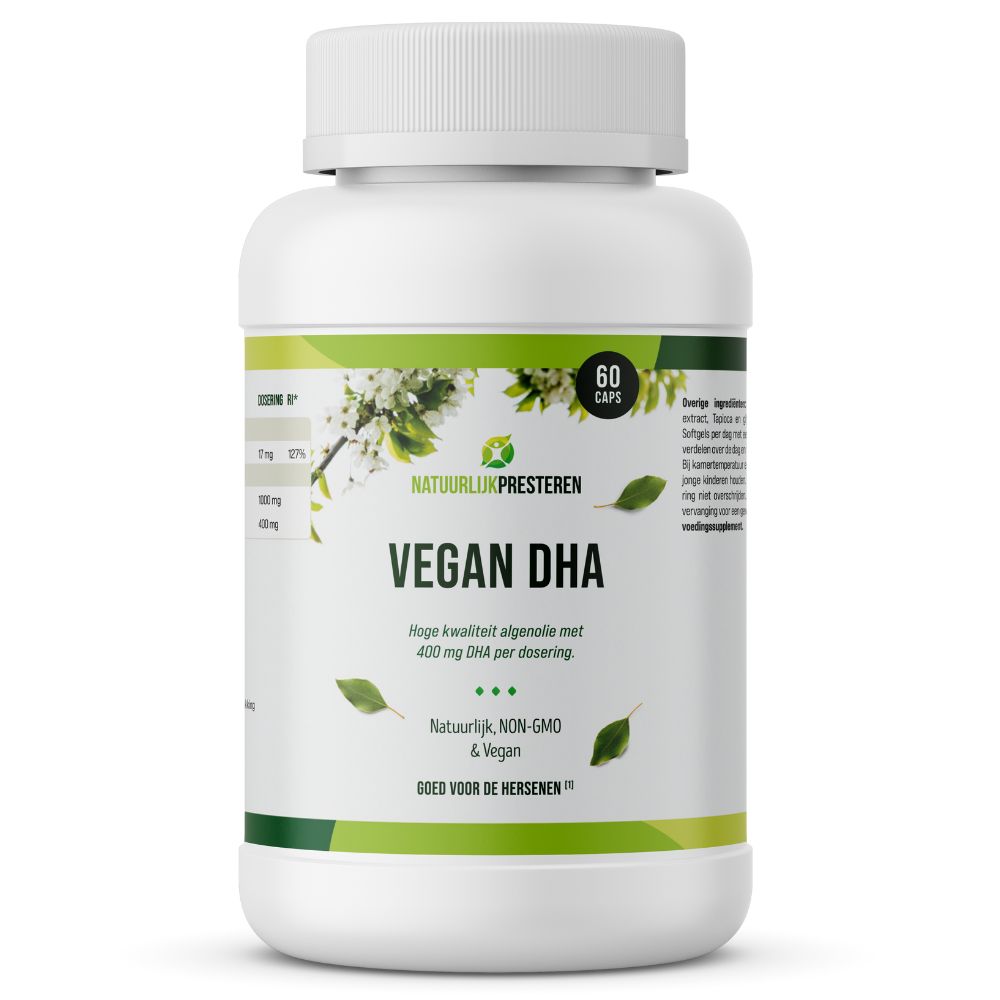
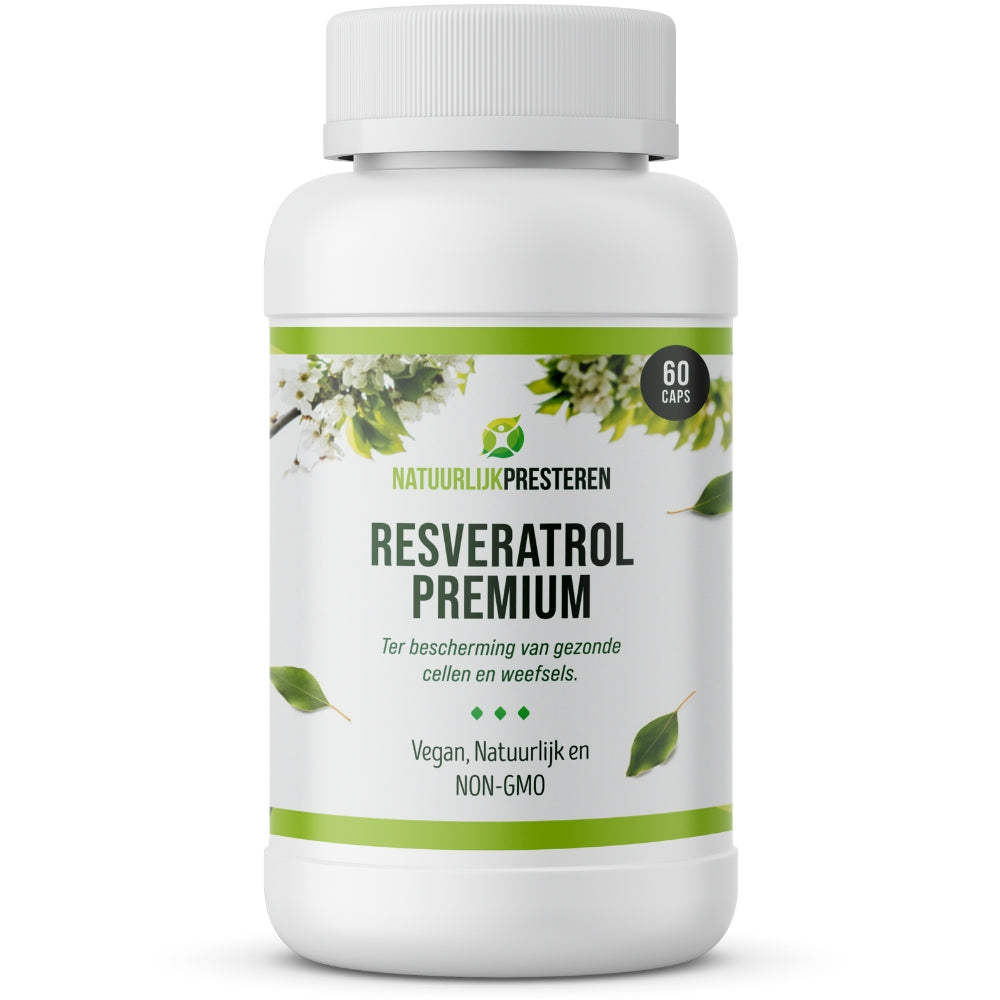
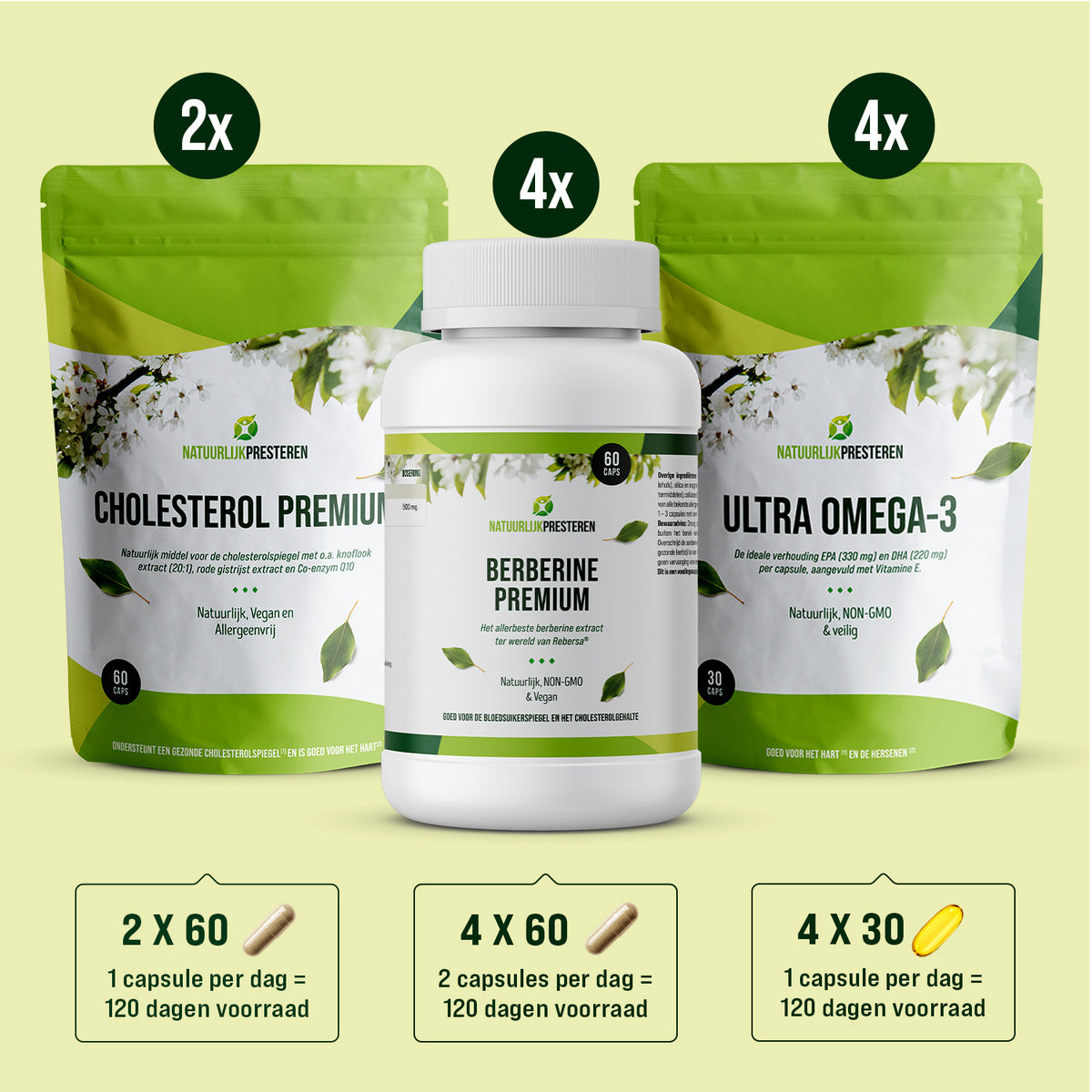
What are cardiovascular supplements?
Heart and vascular supplements are designed to support your cardiovascular health. They can help regulate blood pressure, cholesterol levels, and blood flow.
What types of supplements are there for heart and blood vessels?
Heart and blood vessel supplements can be classified based on their specific effects.
Each type of supplement plays a unique role in supporting healthy cardiovascular function:
1. Blood pressure regulating supplements
They are good for the blood vessels and support the production of nitric oxide. Nitric oxide is a substance in our body that plays an important role in relaxing blood vessels and determining how much oxygen cells consume. (1)
2. Cholesterol-regulating supplements
Are good for cholesterol levels. They help balance the balance between LDL (bad) and HDL (good) cholesterol, which contributes to healthy blood vessels. (2)
3. Circulation Support Supplements
Supports blood circulation throughout the body. Healthy circulation ensures that cells receive sufficient oxygen and that waste products are effectively removed through the blood. Furthermore, healthy blood flow can help protect blood vessels. (3)
The convenient all-in-one blood pressure package
Our blood pressure package helps you naturally maintain healthy blood pressure, supports blood circulation and is good for the heart and blood vessels.
The 4-in-1 package for maintaining healthy blood pressure and circulation consists of:
-
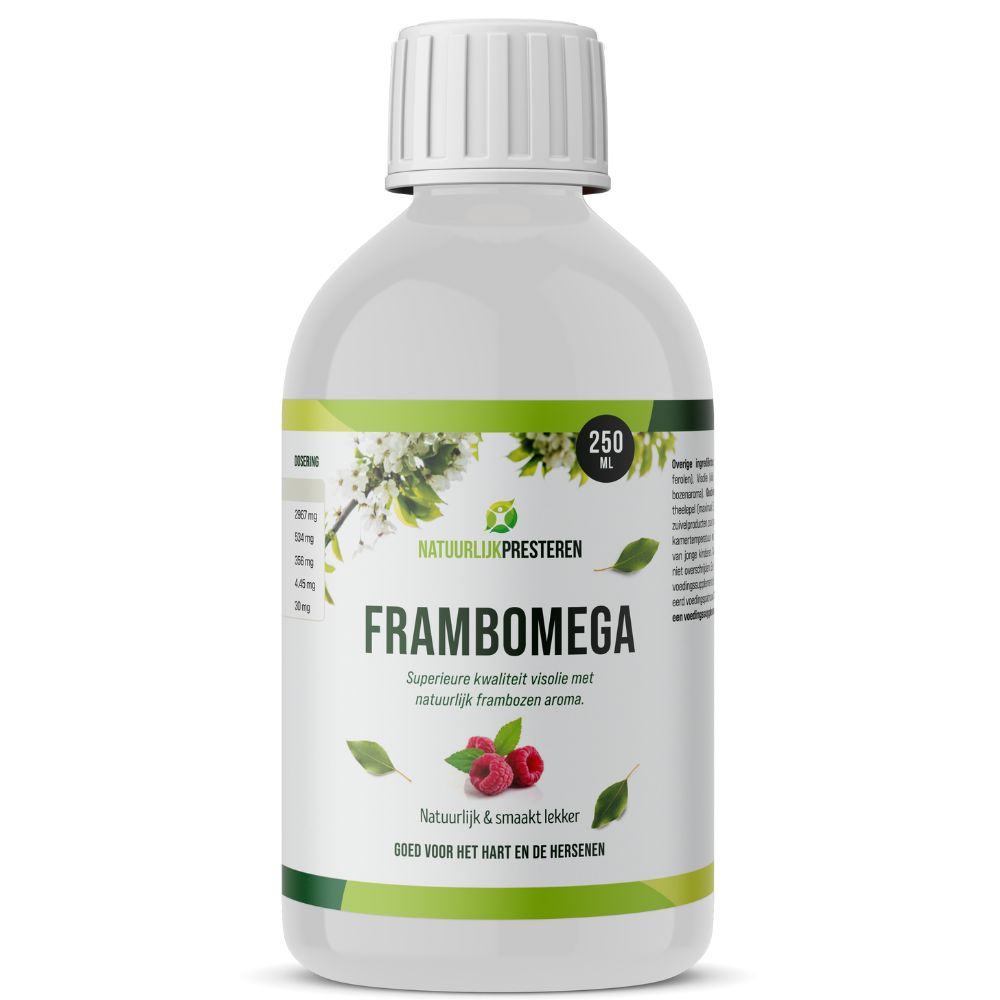
Frambomega (250 ml) – Liquid fish oil with raspberry flavor. The high dose of omega-3 in this formula helps maintain healthy blood pressure.
-
Curcuma C3 Premium (30 caps) – With the very best curcumin extract in the world (curcumin C3-complex®), which supports blood circulation and is good for the heart and blood vessels.
-
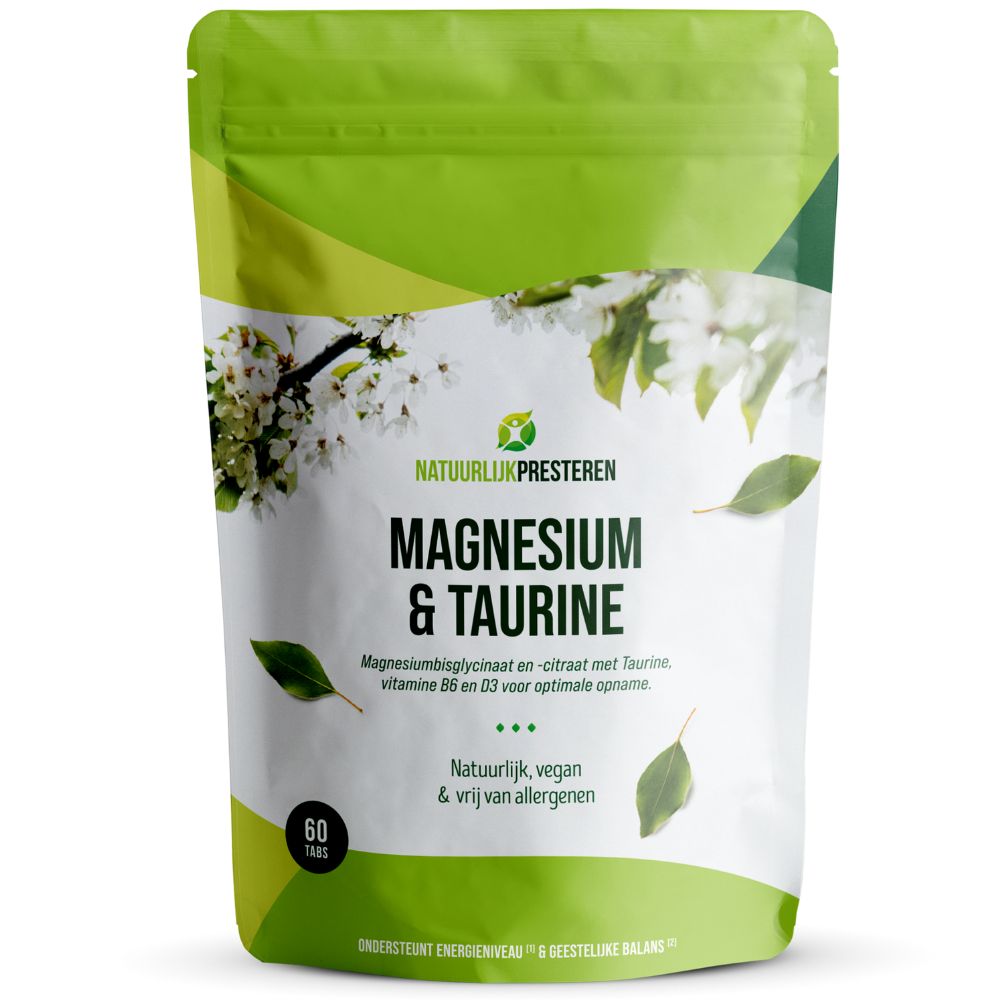
Magnesium & Taurine (60 tablets) – Top-quality magnesium supplement with magnesium bisglycinate and citrate. Magnesium helps with serotonin production, promotes sleep, and helps during times of stress.
-
Vitamin D3 75 mcg (60 caps) - This vitamin plays a role in the day and night rhythm and the functioning of the immune system.
This package was compiled by our in-house specialist and biobased chemist. You can find more information about this supplement package under the headings "Ingredients," "Use," and "Reviews." You can also visit the individual product pages for these products.
3 Lifestyle tips for heart and blood vessels
In addition to using supplements, the following lifestyle tips can have a significant impact on your cardiovascular well-being:
-
Stress management – Stress and your heart health don't mix well, so it's important to find ways to manage your stress levels. Integrate relaxation techniques like deep breathing exercises into your daily routine. Also, try activities you find relaxing, such as reading, walking in nature, or listening to music.
-
Regular health checkups - Have your blood pressure, cholesterol levels, and general health checked regularly by your doctor. This helps detect potential problems early and allows you to take timely action.
-
Quit smoking - If you smoke, seek help quitting through your doctor, quitting programs, or aids like nicotine patches or gum. This is one of the most effective steps you can take!
Sources Used
-
Chen, K., Pittman, R. N., & Popel, A. S. (2008). Nitric Oxide in the Vasculature: Where Does It Come From and Where Does It Go? A Quantitative Perspective. Antioxidants And Redox Signaling, 10(7), 1185–1198. https://doi.org/10.1089/ars.2007.1959
-
Lemieux, I., Lamarche, B., Couillard, C., Pascot, A., Cantin, B., Bergeron, J., Dagenais, G., R., & Després, J. (2001). Total Cholesterol/HDL Cholesterol Ratio vs LDL Cholesterol/HDL Cholesterol Ratio as Indices of Ischemic Heart Disease Risk in Men. Archives Of Internal Medicine, 161(22), 2685. https://doi.org/10.1001/archinte.161.22.2685
-
Matienzo, D., & Bordoni, B. (2023, July 25). Anatomy, blood flow. StatPearls - NCBI Bookshelf. https://www.ncbi.nlm.nih.gov/books/NBK554457/
Gerelateerde blogartikelen
 bloggle
What is omega-3 algae oil and what are its benefits?
Omega-3 algae oil is becoming increasingly popular—and for good reason. It's the plant-based solution for anyone who wants the benefits of omega-3 without fish oil. Sustainable, pure, and just as effective. Instead of using fish, we extract the healthy fatty acids directly from algae, the original source. This way, you get all the health benefits without impacting the ocean. Are you considering switching to algal oil? This article explains everything you need to know about this vegan form of omega-3. Omega-3 algal oil is a plant-based source of DHA/EPA, as effective as fish oil. It is more sustainable and free of heavy metals, with less impact on the oceans than fish oil. Possible side effects are mild; sometimes stomach upset or a slight fishy taste, but generally well tolerated for daily use. Table of contents What exactly is omega-3 algal oil? Benefits of omega-3 algal oil Algal oil (vegetable omega-3) or fish oil? Algal oil Fish oil Production of omega-3 algal oil Side effects of algal oil Is omega-3 algal oil completely vegan? Buy omega-3 algal oil capsules What exactly is omega-3 algae oil? Omega-3 algal oil is a plant-based oil packed with essential fatty acids such as DHA (docosahexaenoic acid) and EPA (eicosapentaenoic acid). For this reason, it's also called vegan omega-3 or vegan DHA. As the name suggests, the oil comes from algae, the source from which fish naturally obtain their omega-3. If you don't want to eat fish, you can also get these important fatty acids directly from the source. The result? A pure oil, packed with omega-3, that's just as effective as fish oil. (1) (2) Benefits of Omega-3 Algal Oil Algal oil not only has the same health benefits as fish oil, but offers even more advantages. These are the main benefits: Better for the environment – Algal oil production has no negative impact on the oceans. Overfishing threatens many fish species and decreases biodiversity. Because algal oil doesn't require fish, you contribute to the restoration of marine ecosystems. Sustainable production chain – Algae farming uses fewer natural resources than fishing. It requires less water, feed, and energy, and produces less waste. This makes algae oil a more efficient and environmentally friendly option. Higher in the food chain, lower emissions – Algae are lower in the food chain, meaning their production is more efficient and produces less CO2 emissions than the fishing and fish oil industries. No Contaminants – Algae grows in controlled conditions, making the oil free of heavy metals and other harmful substances that can be found in fish oil. (3) No fishy aftertaste – Many people do not experience burping or an unpleasant odor as they do with fish oil capsules. Algal oil (vegetable omega-3) or fish oil? So, what's the best choice: algae oil or fish oil? Both contain the essential omega-3 fatty acids DHA and EPA, but algae oil offers several clear advantages: Algal oil It's more sustainable, cleaner, and better for the environment . Moreover, with algae oil, vegetarians and vegans get a complete alternative without animal products. Want omega-3 without the aftertaste and without polluting the oceans? Then this plant-based omega-3 is the smart choice! Fish oil However, fish oil can be an attractive option in some situations. It's often easier to obtain and generally cheaper . Additionally, some fish oil supplements naturally contain higher concentrations of DHA and EPA per capsule or serving, potentially giving you more omega-3 for a lower price. Production of omega-3 algal oil Our vegan omega-3 algae oil is extracted from the Schizochytrium algae species, which is grown in a controlled environment. This means that factors such as temperature, nutrition and CO2 are carefully monitored, ensuring clean, high-quality oil. After the algae grow, they are fermented, a process similar to making beer or kombucha. This allows the omega-3 fatty acids, such as DHA, to be extracted from the algae. The algae oil and DHA are then filtered out through fragmentation and centrifugation. The final oil contains 40% DHA, 500 mg of which is used per capsule in our products. Side effects of algal oil Algal oil is generally well tolerated, but as with any supplement, side effects may occur in some people. The possible side effects of algal oil are usually mild: Stomach discomfort – Some people may experience bloating, gas, or mild stomach pain. This is more common when starting omega-3 supplements, but usually disappears over time. Fishy aftertaste – Although algal oil often has less of a fishy aftertaste than fish oil, some people may still experience a slight aftertaste after consuming it. The "fishy taste" in fish is caused by omega-3 fats. Blood thinning – Because omega-3 fatty acids have blood-thinning properties, using algae oil may increase the risk of bleeding in people already taking blood thinners. It's important to consult a doctor if you're taking blood-thinning medication. Allergies – In rare cases, people may have an allergic reaction to algae oil, especially if they are sensitive to algae or seafood. Is omega-3 algae oil completely vegan? Yes, omega-3 algae oil is completely plant-based (vegan), because it is extracted directly from algae and contains no animal products. Buy Omega-3 Algal Oil capsules When choosing an omega-3 algae oil supplement, it's important to consider a number of factors to get the most out of your supplement. The concentration of DHA and EPA - A good dosage of DHA is usually between 250-500 mg per day, depending on your personal needs and health. Capsules or oil - Omega-3 algae oil is available in capsules or as an oil. Algae oil capsules ensure you always get the same dose, while the oil can easily be added to a smoothie, salad dressing, or granola. Choose what works best for you. Purity and Origin - Also pay attention to the purity and origin of the algae oil. Good algae oil should be free of contaminants such as heavy metals. You can often see this from certificates on the website and quality labels. Looking for high-quality, plant-based algae oil capsules? Our vegan DHA algae oil offers exactly what you need: a pure and effective source of omega-3, with 400 mg DHA per serving (2 capsules). Ebrina van der Bijl Ebrina is a nutritionist with a deep commitment to healthy eating and a sustainable lifestyle, based in beautiful Portugal. Her passion for natural and organic products is at the heart of her work. With a background in Nutrition & Dietetics and experience in product development and writing, she translates complex scientific information into practical advice for a balanced lifestyle. Read more Sources used Lane, K.E., Wilson, M., Hellon, T.G., & Davies, I.G. (2021b). Bioavailability and conversion of plant based sources of omega-3 fatty acids – a scoping review to update supplementation options for vegetarians and vegans. Critical Reviews in Food Science And Nutrition, 62(18), 4982–4997. https://doi.org/10.1080/10408398.2021.1880364 Ryan, L., & Symington, A. M. (2014). Algal-oil supplements are a viable alternative to fish-oil supplements in terms of docosahexaenoic acid (22:6n-3; DHA). Journal Of Functional Foods, 19, 852–858. https://doi.org/10.1016/j.jff.2014.06.023 Ji, X., Ren, L., & Huang, H. (2015). Omega-3 Biotechnology: A Green and Sustainable Process for Omega-3 Fatty Acids Production. Frontiers in Bioengineering And Biotechnology, 3. https://doi.org/10.3389/fbioe.2015.00158
Lees meer omega 3 in plantaardige voeding
Beste plantaardige omega-3 bronnen
Omega-3-vetzuren zijn belangrijk voor je gezondheid, maar niet iedereen wil of kan vis eten. Misschien eet je plantaardig, vind je duurzaamheid belangrijk of zoek je simpelweg naar alternatieven. Gelukkig zijn er verschillende plantaardige omega-3-bronnen. Al is het goed om te weten dat ze niet allemaal hetzelfde doen in je lichaam. In dit artikel neem ik je stap voor stap mee langs de beste plantaardige omega-3-bronnen, wat ze je lichaam kunnen bieden en wanneer aanvulling met algenolie zinvol is. Plantaardige voeding levert vooral ALA, terwijl de belangrijkste gezondheidseffecten gekoppeld zijn aan EPA en DHA, die je lichaam maar beperkt uit ALA kan omzetten. Belangrijke plantaardige omega-3-bronnen zijn lijnzaad(olie), chiazaad, walnoten, hennepzaad en raapzaadolie, waarmee je bij gevarieerd gebruik meestal eenvoudig aan je dagelijkse ALA-behoefte komt. Voor wie geen vis eet of extra DHA nodig heeft, is algenolie een volwaardige plantaardige bron van direct opneembare DHA (en soms EPA). Inhoudsopgave De belangrijkste punten op een rij Wat is plantaardige omega-3 precies? De beste plantaardige omega-3-bronnen uit voeding 1. Lijnzaad (en lijnzaadolie) 2. Chiazaad 3. Walnoten 4. Hennepzaad 5. Raapzaadolie (koolzaadolie) Hoeveel ALA heb je per dag nodig? En hoe zit het met EPA en DHA? Wat betekent dit concreet voor omega-3 uit plantaardige bronnen? Algenolie: de meest complete plantaardige omega-3 Wanneer is alleen plantaardige voeding voldoende? Kun je de omzetting van ALA verbeteren? De belangrijkste punten op een rij Geen tijd om deze blog tot het einde te lezen? Geen probleem, dit is waar het om gaat: Plantaardige voeding levert vooral het omega-3-vetzuur ALA. De andere twee belangrijke omega-3-vetzuren EPA en DHA komen in de voeding vrijwel alleen rechtstreeks uit algen (en via de voedselketen in vis). Uit plantaardige producten krijg je deze twee vetzuren doorgaans niet of nauwelijks direct binnen. Je lichaam kan ALA wel omzetten naar EPA en DHA, maar die omzetting is meestal laag. Daarom krijg je met plantaardige voeding vaak wel voldoende ALA, maar niet altijd genoeg DHA (en EPA) voor de effecten die aan deze vetzuren zijn gekoppeld. Zoek je een volledig plantaardige, directe bron van DHA (en soms ook EPA)? Dan is algenolie de logische keuze. Wat is plantaardige omega-3 precies? Omega-3 is een verzamelnaam voor verschillende vetzuren. De belangrijkste drie die je moet onthouden zijn: ALA – alfa-linoleenzuur (alpha-linolenic acid) DHA – docosahexaeenzuur (docosahexaenoic acid) EPA – eicosapentaeenzuur (eicosapentaenoic acid) In plantaardige voeding gaat het vrijwel altijd om ALA (alfa-linoleenzuur). Dit is een essentieel vetzuur: je lichaam kan het niet zelf aanmaken. Je lichaam kan ALA deels omzetten in EPA en DHA, maar dit proces is inefficiënt. Gemiddeld wordt: minder dan 10% omgezet naar EPA slechts 1–5% naar DHA (1) Daarom is het belangrijk om niet alleen te kijken of je omega-3 binnenkrijgt, maar ook welke vorm. De beste plantaardige omega-3-bronnen uit voeding Je kunt plantaardige omega-3 in de eerste plaats binnenkrijgen via je voeding. Dit zijn de beste plantaardige bronnen van omega-3 uit voeding: 1. Lijnzaad (en lijnzaadolie) Lijnzaad is een van de rijkste plantaardige bronnen van ALA (alfa-linoleenzuur), vooral gemalen lijnzaad (2, 3). 1 volle eetlepel gemalen lijnzaad (10 g) levert ongeveer 2,3 g ALA 1 volle eetlepel lijnzaadolie (15 ml) levert ongeveer 7 g ALA lijnzaad is ook rijk aan vezels gemalen lijnzaad wordt beter verteerd, waardoor je lichaam de omega-3-vetzuren (ALA) daadwerkelijk kan opnemen hele lijnzaadjes leveren deze voordelen veel minder effectief Let op: lijnzaadolie is zeer gevoelig voor oxidatie. Bewaar het daarom altijd koel en donker. 2. Chiazaad Chiazaad levert eveneens ALA en is makkelijk toe te voegen aan je voeding (4). 1 eetlepel chiazaad (ongeveer 12 g) levert circa 2,1 g ALA het is een goede plantaardige omega-3-bron chiazaad heeft een neutrale smaak hierdoor is het makkelijk te mengen in bijvoorbeeld je ontbijt, salade of smoothie 3. Walnoten Walnoten zijn uniek onder noten vanwege hun omega-3 gehalte (5). 1 handje walnoten (ongeveer 30 g) levert circa 2,5 g ALA walnoten eet je makkelijk als tussendoortje of verwerkt in een salade bijvoorbeeld 4. Hennepzaad Hennepzaad bevat ALA en omega-6 in een gunstige verhouding (6). 1 eetlepel hennepzaad (ongeveer 10 g) levert circa 0,9 g ALA hennepzaad heeft een licht nootachtige smaak is geschikt voor onder andere salades en yoghurt hoewel hennepzaad lager is in ALA dan lijnzaad, heeft het wel een gunstige vetzuurverhouding 5. Raapzaadolie (koolzaadolie) Een vaak onderschatte, maar praktische bron van plantaardige omega-3 (7). 1 eetlepel (ongeveer 15 ml) levert circa 1,4 g ALA Raapzaadolie is geschikt voor koude en warme bereiding hoewel het een goede bron van ALA is, bevat het per portie wel minder omega-3 dan zaden Hoeveel ALA heb je per dag nodig? Hoeveel gram ALA je per dag nodig hebt, hangt af van hoeveel je per dag eet. De EFSA (European Food Safety Authority) geeft als richtwaarde 0,5% van je energie-inname. Bij 2000 kcal is dat dus ongeveer 1,1 g ALA per dag (8). Daar kom je dus eenvoudig aan met een halve eetlepel gemalen chiazaad of gebroken lijnzaad. Goed om te weten: de ALA-waarden per voedingsproduct en per portie kunnen variëren door teelt, oogst en verwerking (9, 10). En hoe zit het met EPA en DHA? Hier wordt het belangrijk: ALA uit plantaardige voeding levert wel omega-3, maar de bekende gezondheidseffecten zijn gekoppeld aan EPA en DHA. EPA en DHA dragen bij aan de normale werking van het hart. Het gunstige effect wordt verkregen bij een dagelijkse inname van 250 mg EPA+DHA. DHA draagt bij aan de instandhouding van een normale hersenfunctie en een normaal gezichtsvermogen. Het gunstige effect wordt verkregen bij een dagelijkse inname van 250 mg DHA. Voor ALA geldt een aparte toegestane claim: ALA draagt bij tot de instandhouding van normale cholesterolgehalten in het bloed bij een inname van 2 g ALA per dag. Daarom is het dus belangrijk dat je niet alleen voldoende ALA binnenkrijgt, maar ook EPA en DHA. Wat betekent dit concreet voor omega-3 uit plantaardige bronnen? Je kunt DHA en EPA direct binnenkrijgen (zoals uit vis), of via de omzetting van ALA naar EPA/DHA (uit plantaardige voeding, als je geen vis eet). Maar zoals ik al eerder benoemde: van de ingenomen ALA wordt gemiddeld minder dan 10% omgezet naar EPA en vaak slechts 1–5% naar DHA. Dat ziet er zo uit: als je bijvoorbeeld 2 g ALA uit lijnzaad binnenkrijgt, kan dit in de praktijk neerkomen op ongeveer 0,02–0,2 g EPA en minder dan 0,01–0,1 g DHA, terwijl voor de EFSA-goedgekeurde effecten op de hartfunctie een inname van 250 mg EPA+DHA per dag nodig is. Dit verklaart waarom plantaardige voeding wel ALA levert, maar in de praktijk vaak onvoldoende DHA (en EPA). En juist die twee vetzuren zijn zo belangrijk. Daarom adviseer ik mensen die voornamelijk plantaardig eten vaak om ook te kijken naar een aanvulling met omega-3-vetzuren die DHA (en soms EPA) direct leveren, zoals algenolie (11). Kortom: plantaardige bronnen leveren vooral ALA (cholesterol: 2 g/dag), terwijl effecten op hart (≥250 mg EPA+DHA/dag) en hersenen/zicht (≥250 mg DHA/dag) aan EPA/DHA zijn gekoppeld. Eet ALA-rijk (lijnzaad/olie, chia, walnoten) en als je geen vis eet, overweeg algenolie als directe EPA/DHA-bron. Algenolie: de meest complete plantaardige omega-3 Algen zijn de oorspronkelijke bron van EPA en DHA in de voedselketen. Vissen krijgen hun omega-3 namelijk binnen doordat ze algen eten. Algenolie: bevat DHA, en soms ook EPA is volledig plantaardig is geschikt voor veganisten en vegetariërs wordt doorgaans goed opgenomen* (*) Uit onderzoeken blijkt dat de beschikbaarheid van DHA/EPA uit algenolie vergelijkbaar kan zijn met die uit visolie bij gelijke doseringen en productkwaliteit. Voor mensen die geen vis eten, is algenolie daarom de meest directe en effectieve plantaardige omega-3-bron (12, 13). Wanneer is alleen plantaardige voeding voldoende? Plantaardige omega-3 uit voeding kan voldoende zijn: als je gevarieerd eet als je geen verhoogde behoefte hebt als je vooral focust op algemene voedingskwaliteit Aanvulling met algenolie is zinvol: bij een volledig plantaardig dieet bij zwangerschap of borstvoeding* bij weinig omzetting van ALA wanneer je zeker wilt zijn van voldoende DHA (*) Tijdens zwangerschap en borstvoeding helpt DHA van de moeder bij de normale ontwikkeling van hersenen en ogen van de baby. Dit effect krijg je bij 200 mg extra DHA per dag, naast de 250 mg EPA+DHA voor volwassenen. Overleg supplementen met je verloskundige/arts. Kun je de omzetting van ALA verbeteren? Je kunt de omzetting van ALA (alfa-linoleenzuur) naar EPA (eicosapentaeenzuur) en DHA (docosahexaeenzuur) in beperkte mate ondersteunen, maar niet volledig optimaliseren. Dit zijn de belangrijkste factoren die invloed hebben: Beperk omega-6-vetzuren – een hoge inname van omega 6 (zoals uit zonnebloem-, maïs- en sojaolie) remt de omzetting van ALA. Kies vaker voor olijfolie of raapzaadolie. Zorg voor voldoende micronutriënten – mineralen en vitamines zoals zink, ijzer, magnesium en vitamine B6 zijn nodig voor de enzymen die ALA omzetten. Houd je voeding in balans – extreem vetarme of sterk caloriebeperkte diëten kunnen de omzetting verminderen. Leefstijl speelt mee – roken en overmatig alcoholgebruik kunnen de omzetting verder beperken. Vrouwen zetten iets efficiënter om dan mannen – door hormonale factoren is de omzetting bij vrouwen gemiddeld iets hoger, al blijft de vorming van DHA ook dan beperkt. Maar het is belangrijk om daaraan toe te voegen dat zelfs onder gunstige omstandigheden de omzetting van ALA naar DHA bij de meeste mensen laag is. Daarom kiezen veel mensen met een plantaardig voedingspatroon voor algenolie als directe plantaardige bron van DHA (en soms EPA) (14). Ebrina van der Bijl Ebrina is voedingsdeskundige met een diepe toewijding aan gezonde voeding en een duurzame levensstijl, gevestigd in het prachtige Portugal. Haar passie voor natuurlijke en biologische producten vormt de kern van haar werk. Met een achtergrond in Voeding & Diëtetiek en ervaring in productontwikkeling en tekstschrijven, vertaalt ze complexe wetenschappelijke informatie naar praktische adviezen voor een gebalanceerde levensstijl. Lees meer Gebruikte bronnen Brenna, J. T., Salem, N., Sinclair, A. J., & Cunnane, S. C. (2009). α-Linolenic acid supplementation and conversion to n-3 long-chain polyunsaturated fatty acids in humans. Prostaglandins Leukotrienes And Essential Fatty Acids, 80(2–3), 85–91. https://doi.org/10.1016/j.plefa.2009.01.004 Austria, J. A., Richard, M. N., Chahine, M. N., Edel, A. L., Malcolmson, L. J., Dupasquier, C. M., & Pierce, G. N. (2008). Bioavailability of Alpha-Linolenic Acid in Subjects after Ingestion of Three Different Forms of Flaxseed. Journal Of The American College Of Nutrition, 27(2), 214–221. https://doi.org/10.1080/07315724.2008.10719693 Al-Madhagy, S., Ashmawy, N. S., Mamdouh, A., Eldahshan, O. A., & Farag, M. A. (2023). A comprehensive review of the health benefits of flaxseed oil in relation to its chemical composition and comparison with other omega-3-rich oils. European Journal Of Medical Research, 28(1), 240. https://doi.org/10.1186/s40001-023-01203-6 Muñoz, L. A., Cobos, A., Diaz, O., & Aguilera, J. M. (2013). Chia Seed (Salvia hispanica): An Ancient Grain and a New Functional Food. Food Reviews International, 29(4), 394–408. https://doi.org/10.1080/87559129.2013.818014 Petrović-Oggiano, G., Debeljak-Martačić, J., Ranković, S., Pokimica, B., Mirić, A., Glibetić, M., & Popović, T. (2020). The effect of walnut consumption on n-3 fatty acid profile of healthy people living in a non-Mediterranean West Balkan country: A small-scale randomized study. Nutrients, 12(1), 192. https://doi.org/10.3390/nu12010192 Callaway, J. C. (2004). Hempseed as a nutritional resource: An overview. Euphytica, 140(1–2), 65–72. https://doi.org/10.1007/s10681-004-4811-6 Lin, L., Allemekinders, H., Dansby, A., Campbell, L., Durance-Tod, S., Berger, A., & Jones, P. J. (2013). Evidence of health benefits of canola oil. Nutrition Reviews, 71(6), 370–385. https://doi.org/10.1111/nure.12033 Allergies, E. P. O. D. P. N. A. (2010). Scientific Opinion on Dietary Reference Values for fats, including saturated fatty acids, polyunsaturated fatty acids, monounsaturated fatty acids, trans fatty acids, and cholesterol. EFSA Journal, 8(3). https://doi.org/10.2903/j.efsa.2010.1461 RIVM. (2021). NEVO-online: Nederlands Voedingsstoffenbestand. Rijksinstituut voor Volksgezondheid en Milieu. https://nevo-online.rivm.nl USDA FoodData Central. (z.d.). https://fdc.nal.usda.gov/ Dempsey, M., Rockwell, M. S., & Wentz, L. M. (2023b). The influence of dietary and supplemental omega-3 fatty acids on the omega-3 index: A scoping review. Frontiers in Nutrition, 10, 1072653. https://doi.org/10.3389/fnut.2023.1072653 Liu, Y., Ren, X., Fan, C., Wu, W., Zhang, W., & Wang, Y. (2022c). Health Benefits, Food Applications, and Sustainability of Microalgae-Derived N-3 PUFA. Foods, 11(13), 1883. https://doi.org/10.3390/foods11131883 Bailey, E., Wojcik, J., Rahn, M., Roos, F., Spooren, A., & Koshibu, K. (2025b). Comparative Bioavailability of DHA and EPA from Microalgal and Fish Oil in Adults. International Journal Of Molecular Sciences, 26(19), 9343. https://doi.org/10.3390/ijms26199343 Plourde, M., & Cunnane, S. C. (2007). Extremely limited synthesis of long chain polyunsaturates in adults: implications for their dietary essentiality and use as supplements. Applied Physiology Nutrition And Metabolism, 32(4), 619–634. https://doi.org/10.1139/h07-034
Lees meer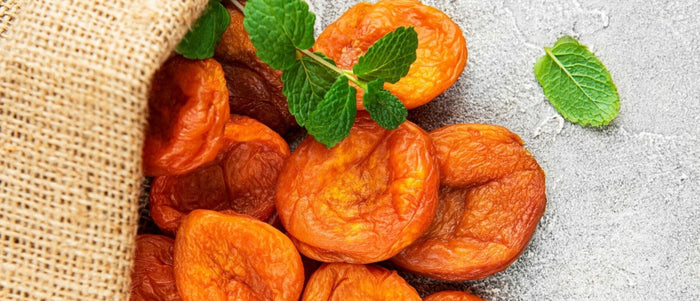
Potassium in Supplements and Food: The Complete Guide
Potassium is important for our health, from blood pressure regulation to muscle and nerve function. In this blog post, discover everything about potassium, from its essential role in your body to how to get the most out of your diet. We'll also discuss the benefits of potassium and what factors can cause a deficiency or excess. Potassium regulates blood pressure, supports muscle and nerve function, and helps maintain fluid balance. Potassium is ingested through food or supplements. A potassium deficiency can cause muscle weakness, fatigue, heart rhythm disturbances and high blood pressure, while an excess can be harmful. Foods like coconut water, nuts, vegetables, and meat are high in potassium; a supplement is usually only needed if you are deficient. Table of contents What is Potassium? What is Potassium good for? Blood pressure Muscles Nerves Types of Potassium Similarities and Differences What is the best type of Potassium? How much Potassium per day? Where does (a lot of) Potassium come from? How is Potassium absorbed? Potassium too low Symptoms of low potassium Causes of low potassium What to do if you have low potassium? Potassium too high Up to 3 grams of extra Potassium per day is safe Symptoms of high potassium Causes of high potassium What to do if you have high potassium? Potassium and blood pressure Balance between Potassium and Sodium What is Potassium salt (diet salt)? Why choose potassium salt? Buying the best diet salt The best way to get more Potassium What is Potassium? Potassium is an essential mineral for regulating blood pressure and supporting muscle and nerve function. As an electrolyte, potassium works with sodium to regulate the fluid balance in your cells. Your body doesn't produce potassium itself, so it must be obtained through food or supplements. Foods like cocoa, vegetables, fruits, meat, and nuts are good sources of potassium. What is Potassium good for? The blood pressure Potassium has a beneficial effect on blood pressure . This is because potassium works together with sodium: The salt you eat is made up of sodium and chloride. Sodium is a component of salt and can raise blood pressure by retaining fluid. In response (to protect your body), potassium helps remove the sodium through your urine, lowering your blood pressure. Good to know: Eating more potassium from food and less sodium (salt) helps lower your blood pressure. The muscles Potassium plays a role in maintaining strong and supple muscles . This mineral ensures that your muscles receive the correct signals to move. It also helps supply energy to the muscle cells. This is important to prevent muscle cramps and your muscles can function properly. The nerves Potassium has a positive effect on the functioning of the nervous system . Nerves communicate through electrical signals. Potassium helps generate and transmit these signals. Among other things, it ensures that nerve cells have the right balance of substances to function properly. Types of Potassium Although it is preferable to get potassium through your diet, in certain situations it may be necessary to take potassium supplements. Different types of potassium are used in potassium supplements: Potassium citrate Potassium chloride (also called dietary salt, flavoring) Potassium phosphate Potassium bicarbonate Potassium gluconate Similarities and Differences Most forms of potassium are well absorbed and are effective in treating potassium deficiency. The main difference is in the chemical compounds: Organic compounds - Potassium citrate and potassium gluconate Inorganic compounds - Potassium chloride, potassium phosphate and potassium bicarbonate Remember: Organic potassium compounds are generally better tolerated than inorganic forms. This can make them somewhat milder on your stomach. Choose the right form of potassium based on your specific needs and circumstances. This information can help you choose the right form of potassium depending on your specific needs and circumstances: Intake Connection Advantage Potassium citrate Very good Organic Best recorded. Potassium chloride Good Inorganic Effective in quickly increasing potassium Potassium phosphate Good Inorganic Increases both potassium and phosphate levels in the body Potassium bicarbonate Good Inorganic Regulates the body's pH value Potassium gluconate Good Organic More gentle on the stomach and therefore suitable for longer use What is the best type of Potassium? Potassium citrate and potassium chloride are considered the best forms because of their high bioavailability and effectiveness in correcting potassium deficiencies. Potassium citrate has the added benefit of making urine less acidic, which can contribute to a healthier urinary system. Potassium gluconate is also easily absorbed and gentler on the stomach, making it a good choice for people with sensitive stomachs or who need to take supplements long-term. Good to know: The easiest way to get potassium is through food. A supplement is (often) not necessary. If you think you have a potassium deficiency, you can discuss this with a medical specialist. How much potassium per day? How much potassium you need per day depends on your age and individual factors: Age / need Recommended Daily Amount Babies (6-11 months) 1100 mg Babies (12-23 months) 1400 mg Children (2-5 years) 1800 mg Children (6-9 years) 2000 mg Boys (10-13 years) 3300 mg Boys (14-17 years) 3500 mg Men (18 years and older) 3500 mg Girls (10-13 years) 2900 mg Girls (14-17 years) 3100 mg Women (18 years and older) 3500 mg Pregnant women 3500 mg Women who are breastfeeding 3100 mg Source: Nutrition Center (1) What contains (a lot of) Potassium? Potassium is a mineral found in many different types of food. These are foods that are particularly high in potassium: Food Potassium per 100 grams Cocoa powder 1500 mg Apricots (dried) 1500 mg Pistachios 871 mg Almonds 668 mg Lentils (brown and green, cooked) 657 mg Steak 561 mg Spinach (raw) 539 mg Salmon 489 mg Avocado 429 mg Broccoli 399 mg Banana 374 mg Whole wheat bread (with seeds) 351 mg Boiled potatoes 340 mg Coconut water 250 mg Source: Nevo table online, 2023 How is Potassium absorbed? Most of the potassium we ingest is absorbed in the small intestine. The kidneys then regulate the amount of potassium in the body, keeping potassium levels stable in the blood and body cells. Then, most of the potassium is excreted through your urine, while a small portion is excreted through your feces and an even smaller portion is excreted through your skin through sweating. Potassium too low If you do not get enough potassium for a longer period of time or suffer from certain health problems (see "causes of low potassium"), this can have long-term effects on your health. When you have a potassium deficiency, it is also called hypokalemia . Symptoms of low potassium You can recognize a potassium deficiency by these symptoms: Muscle weakness Fatigue/Listenliness Complaints in your stomach and intestines (nausea) Cardiac arrhythmias (in severe cases)[2] High blood pressure Causes of low potassium Potassium deficiency is uncommon in a normal person. The mineral potassium is found in many different foods, and your body controls its own balance. However, a deficiency can arise from various causes. These are the most common: Kidney diseases Eating disorders Mediation (diuretics / water tablets / ACE inhibitors) Severe diarrhea and/or excessive vomiting Disrupted diabetes Excessive alcohol use / alcoholism What to do if you have too little potassium? In that case, it's best to start eating more potassium-rich foods. If that's not enough, consider taking potassium supplements in consultation with a nutritionist or doctor. In addition , the balance between potassium and sodium is very important. We'll tell you more about this in Chapter 8. My favorite way: A varied diet naturally provides you with enough potassium. One of my favorite ways to get more potassium through food is drinking coconut water. A pint of coconut water is relatively inexpensive and contains 1250 mg of potassium. It's also rich in magnesium, B vitamins, zinc, and vitamin C, among other nutrients. Potassium too high Potassium overload is rare in healthy individuals. Even if you eat more potassium than your body can use, you'll simply pee it out! That's why there's no official tolerable upper intake level. There are, however, situations (medical conditions) in which your potassium can be too high. We will tell you more about this under "causes of potassium being too high". Up to 3 grams of extra potassium per day is safe To get an idea of what a safe dose of potassium is (to take extra), many studies have been conducted, which show that 2.5-3 grams of potassium (as a supplement) per day has no adverse effects on health in healthy people: In 2015, Wageningen University & Research conducted a study on the effects of long-term use of potassium supplements. They examined 22 studies with a total of 1,086 participants. It turned out that taking extra potassium, an average of 2.5 grams per day for about four weeks, has no noticeable effect on heart rate[3]. The Nutrition Center even states that: 'With long-term use of 3 grams of potassium chloride as a supplement in addition to a normal diet, no adverse effects on health have been found in healthy people[4]. Symptoms of high potassium If you take more than 5-7 grams of extra potassium every day, it can result in unpleasant symptoms. It is known that from this amount onwards you are likely to experience the following symptoms: Short of breath Tingling Numbness A weak feeling Ingesting 18 grams at a time and not being able to urinate out the excess potassium can lead to potassium poisoning . The consequences are much more serious. Please note: If the potassium level is too high, heart rhythm disturbances or, in extreme cases, cardiac arrest may occur! Causes of Potassium Too High Besides overdosing on potassium supplements, there are a number of other reasons why potassium levels in your body can become too high. Too much potassium in the body, also called hyperkalemia , can be caused by: Kidney Problems - Because the kidneys regulate the amount of potassium in the body, decreased kidney function can lead to potassium buildup. Medications - Certain medications, commonly prescribed for diabetics and/or for high blood pressure, can decrease potassium excretion, contributing to elevated blood potassium levels. Insulin deficiency - In the absence of insulin, such as in untreated type 1 diabetes, potassium cannot be effectively transported into the cells, resulting in it remaining in the blood. (Diabetic) acidosis - Acidosis is a condition in which the blood or other body fluids become too acidic, such as in diabetes. This can cause elevated potassium levels in the blood.[5] What to do if potassium is too high? Do you suspect you have too much potassium in your blood? Consult a doctor or specialist first to determine the cause. Please note: It is important to determine the cause of hyperkalemia and seek medical attention if necessary, as high potassium levels can cause serious health problems. Potassium and blood pressure Potassium and sodium work against each other in many ways to maintain balance: A high sodium intake can lead to increased blood pressure, but an adequate potassium intake can help counteract this effect . This happens because potassium stimulates the kidneys to excrete more sodium, which helps lower blood pressure. Balance between Potassium and Sodium So the balance between the two minerals is what counts! Eating too much salt (which is high in sodium) can raise your blood pressure because it causes your body to retain more fluid. Eating plenty of potassium can actually lower your blood pressure . Potassium helps your body excrete more sodium in your urine and helps your blood vessels relax. In the Netherlands, our potassium intake is good. Both men and women eat an average of more than 3,500 mg of potassium (the RDA). However, we eat too much salt. The latest report from the National Institute for Public Health and the Environment (RIVM) shows that we eat between 8 and 11 grams of salt per day. That's almost twice as much as the maximum amount of 6 grams per day![6] My tip: The salt you consume (usually) doesn't come from the salt container on the table, but rather from the salt added to food by manufacturers. Therefore, avoid prepackaged foods as much as possible and choose unprocessed foods more often, preparing them yourself. This can help you better manage your salt intake. What is Potassium Salt (Diet Salt)? Potassium salt, also called diet salt, is a seasoning based on potassium chloride instead of sodium chloride. It has a slightly different flavor than the salt you're used to, but it also enhances the taste. This alternative form of salt therefore only contains potassium and no sodium. Why choose potassium salt? Potassium salt can help you reduce your table salt (sodium chloride) intake. This can help maintain healthy blood pressure and increase your potassium intake. Buy the best diet salt A good diet salt is a product that is very low in sodium. According to the law, a product label may only say " Very low sodium or salt content " if it contains less than 0.1 gram of salt or 0.04 gram of sodium per 100 grams . But be careful: Discuss the use of potassium salt with your doctor first if you have kidney problems or are taking medications such as diuretics or ACE inhibitors. You are then at a higher risk of high potassium levels! The best way to get more potassium It's best to get potassium primarily through your diet. Foods like coconut water, green leafy vegetables, nuts, seeds, various fruits, and boiled potatoes are excellent sources of potassium. Taking a potassium supplement is often unnecessary. If you suspect a potassium deficiency, discuss it first with your doctor and/or a medical specialist. Ebrina van der Bijl Ebrina is a nutritionist with a deep commitment to healthy eating and a sustainable lifestyle, based in beautiful Portugal. Her passion for natural and organic products is at the heart of her work. With a background in Nutrition & Dietetics and experience in product development and writing, she translates complex scientific information into practical advice for a balanced lifestyle. Read more Sources used https://www.voedingscentrum.nl/encyclopedie/kalium.aspx https://www.voedingscentrum.nl/encyclopedie/kalium.aspx#blokwaar-zit-kalium-in ? https://pubmed.ncbi.nlm.nih.gov/27289164/ https://www.voedingscentrum.nl/encyclopedie/kalium.aspx#blokwaar-zit-kalium-in ? https://www.ncbi.nlm.nih.gov/books/NBK560723/ National Institute for Public Health and the Environment (RIVM). Food Consumption Survey: Nutritional Status Survey - Salt and Potassium
Lees meer