2 products
Sort by
Sort by
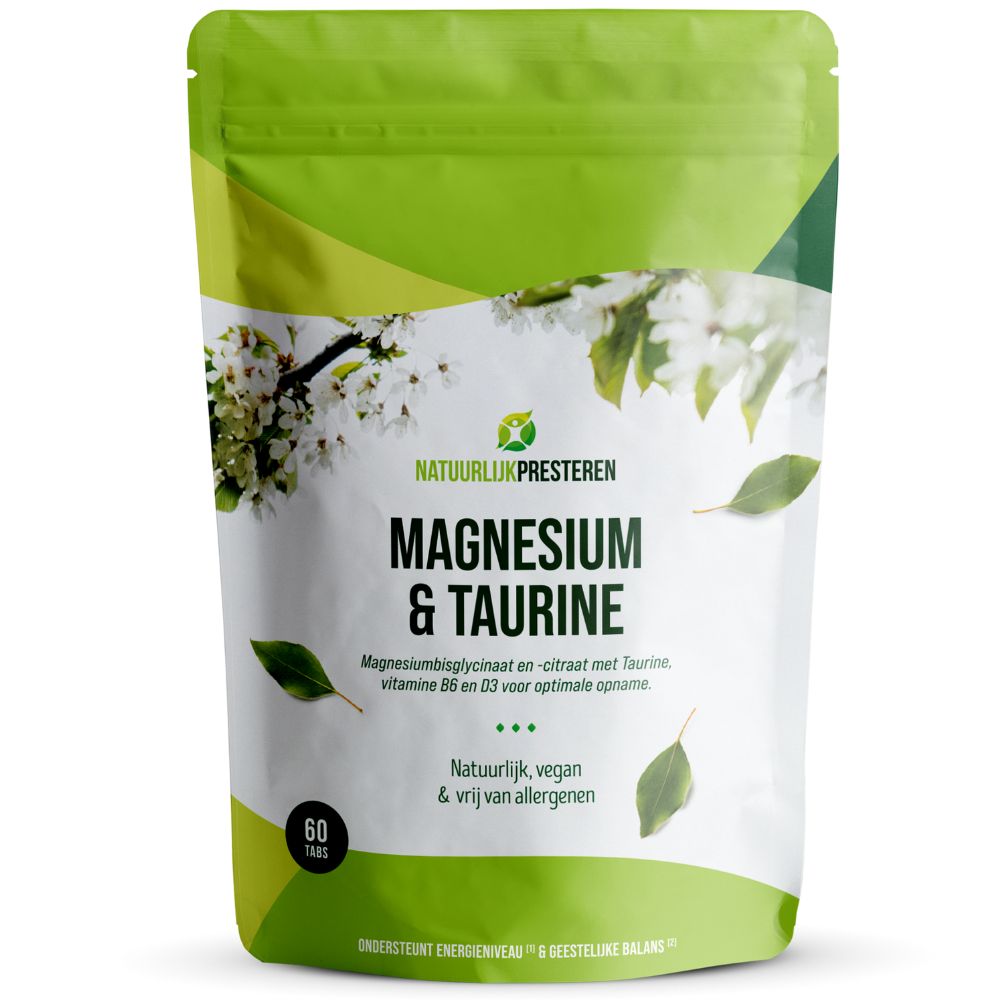
Magnesium & Taurine - Natuurlijk Presteren
Magnesium & Taurine Magnesium Bisglycinate & Citrate
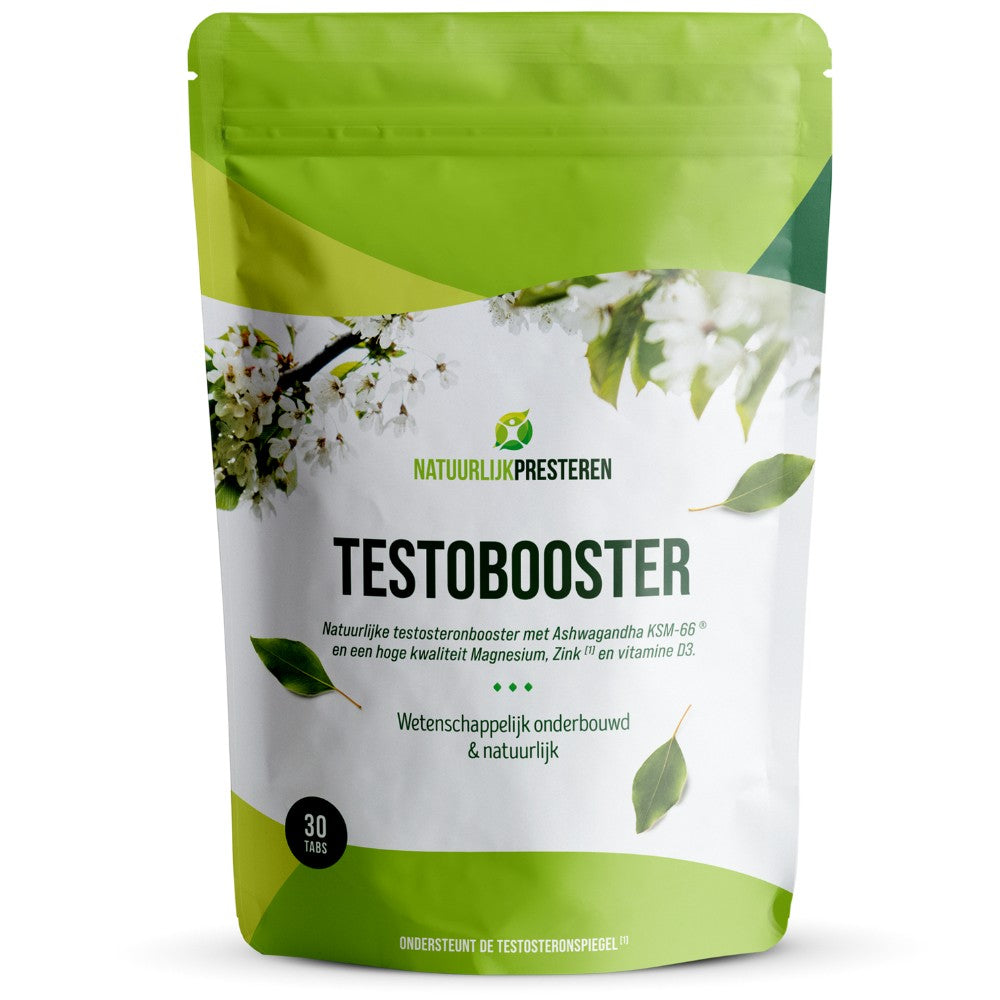
Testo booster
Testo booster Supports male hormone

What are muscle supplements?

Muscle supplements are intended for athletes and those looking to support their physical performance. They often contain ingredients like proteins, vitamins, minerals, and herbs that can contribute to muscle growth and recovery.

By providing your body with specific nutrients after physical exertion, you help your muscles relax and recover after exercise.

Natural muscle supplements

A natural muscle supplement contains only naturally occurring ingredients. Your body can easily recognize and utilize these ingredients, such as vitamins and minerals.

A healthy diet generally provides the nutrients your body needs to fuel its workouts. But sometimes supplementing your muscles can be helpful. When you exercise frequently, your body needs not only more fuel but also specific nutrients that play a role in muscle maintenance and recovery.

Types of supplements for muscles?

When choosing a supplement, I recommend keeping your personal needs and goals in mind.

Natural muscle supplements can contribute to your performance in several ways:

1. Muscle function

These nutrients play a role in maintaining supple and strong muscles:

  • Calcium
  • Potassium
  • Magnesium
  • Vitamin D

2. Muscle recovery

After exercise, your muscles experience minor damage. To repair them, you can focus on the following in your diet and muscle supplements:

  • Proteins to support rapid muscle recovery after exercise.
  • Carbohydrates that contribute to the recovery of normal muscle function (contraction) after very intensive and/or long lasting physical exercise leading to muscle fatigue and depletion of glycogen stores in skeletal muscle.

3. Muscle growth

Is your goal to build more muscle mass? Then choose:

  • Proteins that contribute to the growth of muscle mass
  • Ashwagandha KSM-66 , good for muscle mass growth. *

4. Endurance

Do you have a long training session or competition planned? Then supplements containing certain herbs can help with your endurance, such as:

  • Ginseng , good for endurance in athletes *

5. Protecting healthy tissues and cells

Antioxidants protect the body by neutralizing free radicals before they can cause damage. Examples of powerful antioxidants are quercetin , found in red, green, and purple plants, and resveratrol , found primarily in grapes, apples, and berries.

Although exercise temporarily causes oxidative stress, it strengthens your body's antioxidant defense mechanisms in the long run. (1) Regular exercise therefore contributes to better balance and helps protect healthy cells and tissues.

Claims marked with (*) are health claims awaiting European approval.

How do you choose the right supplement?

So the best natural muscle supplement depends mainly on your specific goals.

In addition, I advise you to ensure that the nutrients are present in an easily absorbable form , so that your body can utilise them optimally.

For optimal results, follow the recommended dosage and directions for use to achieve optimal results and minimize side effects.

Sources Used

  1. Simioni, C., Zauli, G., Martelli, A. M., Vitale, M., Sacchetti, G., Gonelli, A., & Neri, L. M. (2018). Oxidative stress: role of physical exercise and antioxidant nutraceuticals in adulthood and aging. Oncotarget , 9 (24), 17181–17198. https://doi.org/10.18632/oncotarget.24729

Gerelateerde blogartikelen

Hoe kun je spiermassa opbouwen?
Dec 16, 20247 min read

How can you build muscle mass?

To build muscle, you need a positive energy balance. This means you need to eat more calories than you burn. It takes about 300-500 more calories per day than your daily needs to build muscle mass. This is usually to support protein turnover, which can be accelerated by exercise. Your body can only build about 227 grams of muscle per week. If you eat too many extra calories to gain muscle, you'll also gain fat. It's therefore recommended to eat 300 to 500 more calories each day. If you're having trouble gaining weight, aim for the higher range. Finding the right number of extra calories to build muscle and stay lean will take some trial and error. Research also shows that eating lean protein 15 to 20 minutes before, during, and in the hour after a workout can help you build muscle mass. Since you probably won't be eating steak or chicken breast at the gym, protein powder or another supplement right before, during, or after a workout can be helpful, but it's not essential. However, protein isn't everything. It involves eating many small meals that add up to the number of calories you burn. These meals provide you with the nutrients you need as part of a healthy, balanced diet. This diet will help you build muscle, lose fat, and become stronger. Muscle Building Foods: Eat 300-500 extra calories of protein-rich foods at each meal, lots of vegetables, healthy fats, and whole grain carbs. Workout Routine: Focus on strength training 2-3 times per week, working all muscle groups and prioritizing adequate rest and recovery. Recovery and growth: Muscle growth occurs through intense training, protein synthesis, and rest; growth hormones promote muscle recovery and strengthening. Table of contents Eat your breakfast Eat every three hours Eat protein with every meal to build more muscle Eat fruits and vegetables Eat only carbohydrates after exercising Eat healthy fats and stay hydrated Eat whole foods How to grow your muscles Why you should rest while training your muscles Eat your breakfast Breakfast gives you an instant boost of energy and helps you stay full until your next meal or snack. Starting your day with a hearty and nutritious breakfast makes you more likely to make healthier food choices throughout the day. Omelettes, smoothies, and cottage cheese are some of the best options if you're looking for some protein while dieting. Eat every three hours You need to eat the right things at the right time to build muscle. The easiest way is to eat your usual breakfast, lunch, and dinner, with two snacks in between. You can also eat a meal after exercising and a meal before bed. If you keep eating, you'll feel less hungry because eating smaller meals more often makes your stomach smaller than eating a few large meals. You'll feel full faster, and your waistline will shrink. You'll also want to eat less. If you don't eat for a long time, you might overeat at your next meal or grab unhealthy snacks from the vending machine. If you eat at the same time every day, your body will get hungry at those times and you won't want to eat anything else. Eat protein with every meal to build more muscle To build and maintain muscle, you need protein. To achieve this, you need to eat at least 1g for every 454g of your body weight. If you weigh 91kg, that's 200g per day. To reach this amount, it's easiest to eat a whole protein source at every meal. Eat fruits and vegetables Most are low in calories, but not all. You can eat as much as you want without gaining or gaining weight. Fruits and vegetables are also packed with vitamins, minerals, antioxidants, and fiber, which helps your body digest food. Be sure to check the sugar content of some fruits before eating them. Eat only carbohydrates after exercise Although carbohydrates provide energy, most people eat more than they need. You should only eat carbohydrates after exercising. Eat fruits and vegetables with every meal. With the exception of corn, carrots, and raisins, these foods are lower in carbohydrates than whole grains. These include rice, noodles, bread, potatoes, quinoa, oats, and other foods. Eat whole grains instead of white carbohydrates. Eat healthy fats and stay hydrated Healthy fats help you lose weight and stay healthy because they break down slowly. Ensure a balanced fat intake, eat healthy fats with every meal, and avoid margarine and artificial trans fats. Strength training makes you sweat, which can slow muscle recovery. This means you'll build muscle more slowly. Drinking water helps you quench your thirst and prevent hunger pangs. This feeling is normal when your stomach is empty. Eat whole foods 90 percent of your diet should be whole foods. This is recommended if you want to achieve the desired results and truly build muscle mass. Whole foods are foods that haven't been processed or highly refined. Examples include fresh meat, fish, poultry, eggs, vegetables, legumes, fruit, rice, oats, and quinoa. Added sugars, trans fats, nitrates, corn syrup, sodium , and other chemicals are often found in processed foods. Examples include bagels, fruit bars, breakfast cereals, pizza, cookies, sausages, frozen meals, and supplements. How to grow your muscles The most flexible tissue in your body is the muscle in your bones. When you exercise intensely, such as weightlifting, your muscle fibers become injured. This is called a "muscle injury." When your muscles are sore in this way, satellite cells on the outside of the muscle fibers become active. They try to repair the damage by combining, causing the muscle fibers to grow. Your body's pituitary gland releases growth hormone when you perform movements that involve working against resistance. The amount released depends on how hard you've trained. Growth hormones speed up your metabolism and help your body convert amino acids into proteins, increasing muscle mass. You don't have to spend all day at the gym to build muscle. Lifting weights for 20 to 30 minutes, two or three times a week, is enough to see results. During your weekly workouts, you should try to train all your major muscle groups at least twice. Even a single strength training session can help your muscles grow, even if you don't see results right away. In the 2 to 4 hours after you finish your workout, your body does something called protein synthesis. These levels can remain elevated for up to a day. Why you should rest while training your muscles Muscles in men and women are built differently. This is because testosterone is a crucial component of muscle building. While both men and women have testosterone, men possess more. Studies have shown that strength training has the same effect on men and women. When you begin a strength training program, it's important to give your body plenty of rest. If you don't take time off, you could sustain injuries that will force you to stop exercising for a while. This will slow your progress. Experts advise against training the same muscle group two days in a row. Hein van Kuijck Hein has a deep interest in the effects of nutrition, lifestyle, and nutritional supplements on the human body. He conducts extensive research on this topic and enjoys sharing his knowledge with others. Read more

Lees meer
Een full body workout schema, waarom het proberen waard?
Dec 16, 20246 min read

A full body workout schedule, why is it worth trying?

Following a full-body workout routine can offer several benefits for both beginners and advanced athletes. Unlike split routines, which train different muscle groups on different days, a full-body workout focuses on training the entire body during a single session. This article will explore the benefits of following a full body workout plan, cover different types of plans, and discuss the pros and cons of each type in detail. A full body workout trains the entire body per session, promotes efficiency, muscle recovery and functional strength, and requires fewer training days. There are different programs such as linear or circuit training, where compound and isolation exercises provide muscle growth, strength and endurance. For optimal results, train 2-3 times per week, apply progressive overload and vary exercises to prevent stagnation. Table of contents Benefits of a Full Body Workout Routine Linear Full Body Workout Routine Exercises Benefits Drawbacks Circuit Full Body Workout Routine Circuit Benefits Drawbacks How many times per week should you train with a full body routine? How to choose the right exercises? Conclusion Benefits of a full body workout routine Below you can read about the various benefits of following a full body workout schedule. Efficiency - With a full-body workout plan, you don't have to go to the gym every day. You can train your entire body in just a few sessions a week, making it ideal for those with busy schedules. Muscle Recovery - Because muscle groups are worked less frequently than with split routines, they have more time to recover between training sessions. This can lead to better muscle recovery and growth. So, you can train multiple times per week. The rule of thumb is to train each muscle group at least twice per week[ 1 ]. A full-body workout schedule of two days a week can already achieve this. Training all the small muscles - By training the entire body in a single session, you also train all the small muscles necessary for balance. This can, in turn, lead to improved functional strength in daily life. Think of carrying two uneven shopping bags, a bag of potting soil, or moving a sofa or desk. Linear full body workout schedule This routine involves performing several basic full-body exercises in a single workout. The focus, logically, is on progressive overload. Here's an example of a linear full-body workout routine: Exercises Squats Deadlifts Bench Press Pull-Ups Shoulder Press Lunges Advantages Easy to follow for beginners. Promotes overall strength and muscle growth. Trains all kinds of small muscles that are important for balance. Disadvantages Can become repetitive for advanced athletes. Less focus on specific muscle groups as there are no isolation exercises. Circuit full body workout schedule This routine involves performing a series of exercises in a circuit format, alternating rapidly between different muscle groups without rest. Here's a sample circuit full-body workout routine: Circuit Squats - 10 reps Push-Ups - 10 repetitions Lunges - 10 repetitions per leg Pull-Ups - 10 repetitions Planks - 30 seconds Advantages Increases both strength and endurance. Effective for fat loss due to high intensity. Disadvantages Requires a good basic fitness and technique to prevent injuries. Less suitable for muscle building due to lower resistance. How many times per week should I train with a full body routine? The number of times per week you should follow a full-body workout plan depends on several factors, such as your training goals, training level, recovery capacity, and available time. It's generally recommended to perform a full-body workout at least two to three times a week for optimal results. This provides sufficient stimulus for muscle growth and strength development, while also allowing for adequate rest and recovery between training sessions. For beginners, starting with twice a week may be enough to allow the body to adjust to the new training stimuli. More advanced athletes, on the other hand, may benefit from training three or even four times a week, depending on their recovery capacity. However, it's important to listen to your body and recognize the symptoms of overtraining. Examples of these symptoms of overtraining include fatigue, decreased performance, and increased risk of injury[ 2 ]. Therefore, ensure sufficient rest days between training sessions and adjust the number of training days if necessary, based on your individual needs and response to training. How do you choose the right exercises? Choosing the right exercises is, of course, a key factor in creating an effective full-body workout plan. Exercise selection should focus on activating multiple muscle groups simultaneously, achieving maximum efficiency and effectiveness. Here are some important considerations when selecting exercises for a full-body workout. Compound exercises - Compound exercises are movements that engage multiple joints and muscle groups simultaneously. These exercises are ideal for a full-body workout because they activate most of the muscles in the body and trigger a significant hormonal response that contributes to muscle growth and strength development. Some examples of compound exercises include squats, deadlifts, bench presses, overhead presses, pull-ups, and rows. Isolation exercises - While compound exercises form the foundation of a full-body workout, isolation exercises can also be useful for targeting specific muscles and addressing weaker areas. Isolation exercises focus on one specific muscle group and can help build muscle definition and correct muscle imbalances. Examples of isolation exercises include bicep curls, tricep extensions, leg curls, and calf raises. It's also important to regularly vary your exercises. This prevents stagnation and keeps them fun. This might mean using different variations of the same exercises, such as different grip widths or foot positions, or introducing new exercises. Additionally, it's important to practice progressive overload, gradually increasing the resistance, intensity, or volume of your exercises as you get stronger. Conclusion A full-body workout routine can be an effective and efficient training method for people with different fitness goals. Whether you're aiming for strength, muscle mass, or fat loss, there's always a variation to meet your needs. It's important to experiment with different routines and listen to your body. This way, you'll find the one that works best for you. Don't forget to always warm up properly and use proper technique to reduce the risk of injury. Good luck with your training! Hein van Kuijck Hein has a deep interest in the effects of nutrition, lifestyle, and nutritional supplements on the human body. He conducts extensive research on this topic and enjoys sharing his knowledge with others. Read more

Lees meer
Creatine voor vrouwen: wat zijn de voordelen?bloggle
Jun 01, 20259 min read

Creatine for women: what are the benefits?

Creatine is known as the go-to supplement for bodybuilders and dedicated athletes. Its image is primarily aimed at men. But it also has a surprising amount to offer women, even if you don't hit the gym every day. In this article you can read what exactly creatine does, why it is also interesting for women, and what you should pay attention to if you want to start using it. Creatine replenishes natural stores, improves short-term exercise and offers benefits during hormonal fluctuations. Creatine supports muscle strength and indirectly bone health, especially effective in strength training and in older women for maintaining muscle mass. Creatine monohydrate is safe to use; the optimal intake is 3–5 grams per day. Table of contents What is creatine? Benefits of creatine for women 1. Stable creatine stores during your cycle 2. Extra muscle strength for women who train 3. Indirectly supports bone health (via the muscles) 4. Supports mental energy during your cycle (not yet proven) What is the best creatine for women? Creatine stores and your cycle: When is it most effective? The luteal phase The early follicular phase Creatine dosage in women Creatine side effects in women What is creatine? Creatine is a naturally occurring substance that helps your muscles quickly release energy. You produce it yourself and get it from food, such as meat and fish. Creatine plays a particularly important role during short, intense bursts of exercise. A supplement helps to replenish your creatine stores, so that you get just that little bit more out of your training. Good to know : With a daily intake of 3 grams, creatine can improve your physical performance during short, intensive efforts such as strength training or sprinting. Benefits of Creatine for Women But there are several other benefits for women. Here's what creatine does for women: 1. Stable creatine stores during your cycle What many women don't know is that your hormones influence your creatine stores. This is because the ratio of estrogen to progesterone changes constantly throughout your cycle. And these two hormones influence how your body produces, absorbs, and uses creatine. This makes creatine a very attractive option for women. Research shows that your supply is often lower around your period. Creatine supplements can help you replenish your supply. This helps keep your energy levels and physical performance stable, even when your hormones aren't cooperating. (1) Good to know: Are you pregnant or going through menopause ? Your hormone balance changes significantly. This also has an extra impact on your creatine stores. Especially during these phases, creatine can be even more important for your energy. (2) 2. Extra muscle strength for women who exercise On average, women have less muscle mass . This doesn't necessarily make creatine more effective for women, but the benefit can be greater, especially if you also do strength training. In older women , creatine in combination with strength training clearly appears to help increase muscle strength, especially when used long-term (24 weeks or longer). (3) In young, active women, the effects are variable. This doesn't mean it's less effective, but it means that many of these studies don't take hormonal differences into account. (4) More research is therefore needed. In short : Creatine does not seem to be extra effective purely because women have less muscle mass, but they can benefit significantly from it, especially with strength training or muscle retention later in life. 3. Indirectly supports bone health (via the muscles) Keeping your bones strong becomes increasingly important as you age. This is especially true for women, who lose bone mass more quickly after menopause . What helps? Strength training and strong muscles. (5) And that's where creatine comes in. Creatine supports your muscle strength, making strength training more effective. A direct effect of creatine on bone density has not yet been demonstrated. However, a two-year study of 237 postmenopausal women found indications that creatine may influence bone structure. And that can contribute to the strength of your bones. (6) In short : Creatine doesn't have a direct effect on your bone density. However, by supporting muscle strength and potentially contributing to bone structure, it can indirectly contribute to strong bones. This is especially true for women who do strength training. 4. Support of mental energy during your cycle (not yet proven) Your brain, like your muscles, uses creatine to quickly release energy. And that energy plays a role in thinking, concentration, and information processing. There is growing scientific research in this area. For example, a recent meta-analysis suggests that creatine supplementation may influence cognitive functions such as memory, attention, and processing speed, particularly in women. (7) In addition, researchers describe that creatine shows promise in treating fatigue complaints around menstruation, especially in the early follicular and luteal phase. (8) In short : Please note: These effects have not yet been officially recognized. These are early research results that require further evidence. However, creatine is a very safe dietary supplement. You could certainly try it to see what effect it has on you. What is the best creatine for women? Don't be distracted by all the fancy names on the label, the best choice is simply creatine monohydrate . It's the most researched form, proven effective and safe . Moreover, it's often the cheapest option. Other forms, such as creatine ethyl ester (CEE) or creatine hydrochloride (HCl) sound interesting, but in practice offer no clear advantages over monohydrate. (9) Creatine Stores and Your Cycle: When Is It Most Effective? The biggest difference in creatine use between men and women is hormonal fluctuations. These influence your creatine stores and how well you recover from exertion (such as sports). Creatine appears to be most effective in the week before your period and in the first few days after your period. The luteal phase In the week before your period (the luteal phase), your creatine stores are at their lowest. Creatine can provide additional support during this time, as your body releases energy less efficiently. Research has found that women in this phase experience less fatigue with repeated exertion when they use creatine. (10) The early follicular phase You can also benefit from creatine in the first days after your period (the early follicular phase). During this phase, both estrogen andprogesterone are low, a hormonal resting state that can make you more susceptible to muscle damage and loss of strength after training. Creatine could therefore help with recovery and strength maintenance during this phase. (11) Good to know : There are even indications that creatine in the first half of your cycle (i.e. the two weeks after the last day of your period) can also contribute to mental clarity and stress resistance, although this has not yet been officially proven. Creatine dosage in women In general, women have less muscle mass than men, and therefore usually need slightly less creatine . A daily dose of 3 grams of creatine is sufficient for most women. You can increase this to a maximum of 5 grams per day, for example, if you train intensively. (3) A loading phase (such as 20 grams per day for the first week) is n't necessary . Only if you want to achieve a quick effect for a specific goal, such as a sports event, can such a phase be useful. Good to know : It is important for women to be consistent in their use of creatine supplements and to combine this with an appropriate training program for maximum benefits. Creatine side effects in women Creatine monohydrate is safe for women, even in the long term. The most common complaints were mild and limited to gastrointestinal upset , such as bloating or mild nausea, but usually at high doses. However, the researchers call for more studies specifically aimed at women, with clear reporting of side effects. (12) Ebrina van der Bijl Ebrina is a nutritionist with a deep commitment to healthy eating and a sustainable lifestyle, based in beautiful Portugal. Her passion for natural and organic products is at the heart of her work. With a background in Nutrition & Dietetics and experience in product development and writing, she translates complex scientific information into practical advice for a balanced lifestyle. Read more Sources used Smith-Ryan, A. E., Cabre, H. E., Eckerson, J. M., & Candow, D. G. (2021). Creatine Supplementation in Women's Health: A Lifespan perspective. Nutrients, 13(3), 877. https://doi.org/10.3390/nu13030877 Ellery, S. J., Walker, D. W., & Dickinson, H. (2016). Creatine for women: a review of the relationship between creatine and the reproductive cycle and female-specific benefits of creatine therapy. Amino Acids, 48(8), 1807–1817. https://doi.org/10.1007/s00726-016-2199-y Santos, EEPD, De Araújo, RC, Candow, DG, Forbes, SC, Guijo, JA, De Almeida Santana, CC, Prado, WLD, & Botero, JP (2021). Efficacy of Creatine Supplementation Combined with Resistance Training on Muscle Strength and Muscle Mass in Older Females: A Systematic Review and Meta-Analysis. Nutrients, 13(11), 3757. https://doi.org/10.3390/nu13113757 Tam, R., Mitchell, L., & Forsyth, A. (2025). Does creatine supplementation enhance performance in active females? A systematic review. Nutrients, 17(2), 238. https://doi.org/10.3390/nu17020238 Forbes, S. C., Chilibeck, P. D., & Candow, D. G. (2018). Creatine Supplementation During Resistance Training Does Not Lead to Greater Bone Mineral Density in Older Humans: A Brief Meta-Analysis. Frontiers in Nutrition, 5. https://doi.org/10.3389/fnut.2018.00027 Candow, D., & Chilibeck, P. (2010). Potential of creatine supplementation for improving aging bone health. The Journal Of Nutrition Health & Aging, 14(2), 149–153. https://doi.org/10.1007/s12603-009-0224-5 Xu, C., Bi, S., Zhang, W., & Luo, L. (2024). The effects of creatine supplementation on cognitive function in adults: a systematic review and meta-analysis. Frontiers in Nutrition, 11. https://doi.org/10.3389/fnut.2024.1424972 Gutiérrez-Hellín, J., Del Coso, J., Franco-Andrés, A., Gamonales, J. M., Espada, M. C., González-García, J., López-Moreno, M., & Varillas-Delgado, D. (2024). Creatine Supplementation Beyond Athletics: Benefits of Different Types of Creatine for Women, Vegans, and Clinical Populations—A Narrative Review. Nutrients, 17(1), 95. https://doi.org/10.3390/nu17010095 Fazio, C., Elder, CL, & Harris, M. M. (2021). Efficacy of Alternative Forms of Creatine Supplementation on Improving Performance and Body Composition in Healthy Subjects: A Systematic Review. The Journal Of Strength And Conditioning Research, 36(9), 2663–2670. https://doi.org/10.1519/jsc.0000000000003873 Gordon, AN, Moore, SR, Patterson, ND, Hostetter, ME, Cabre, HE, Hirsch, KR, Hackney, AC, & Smith-Ryan, AE (2023). The Effects of Creatine Monohydrate Loading on Exercise Recovery in Active Women throughout the Menstrual Cycle. Nutrients, 15(16), 3567. https://doi.org/10.3390/nu15163567 Romero-Parra, N., Cupeiro, R., Alfaro-Magallanes, V. M., Rael, B., Rubio-Arias, J. Á., Peinado, A. B., & Benito, P. J. (2020). Exercise-Induced Muscle Damage During the Menstrual Cycle: A Systematic Review and Meta-Analysis. The Journal Of Strength And Conditioning Research, 35(2), 549–561. https://doi.org/10.1519/jsc.0000000000003878 De Guingand, DL, Palmer, KR, Snow, RJ, Davies-Tuck, ML, & Ellery, SJ (2020). Risk of Adverse Outcomes in Females Taking Oral Creatine Monohydrate: A Systematic Review and Meta-Analysis. Nutrients, 12(6), 1780. https://doi.org/10.3390/nu12061780

Lees meer