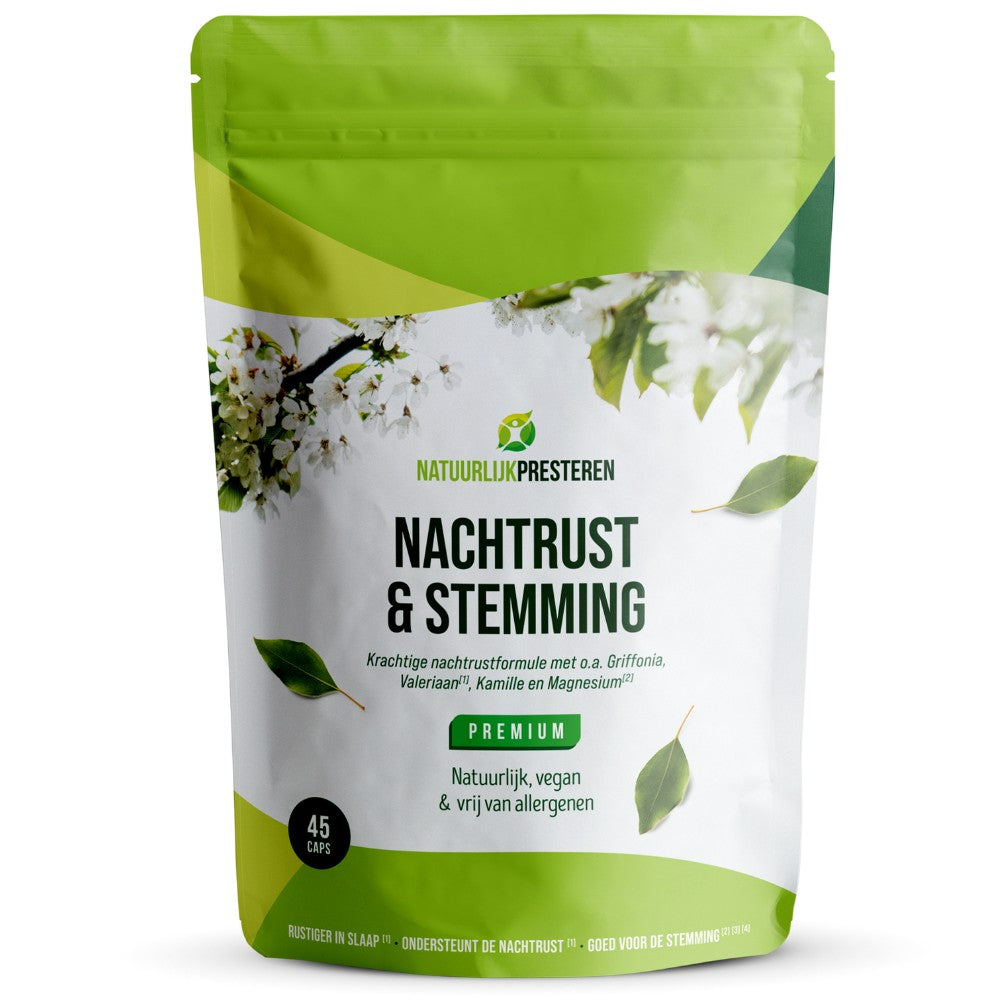
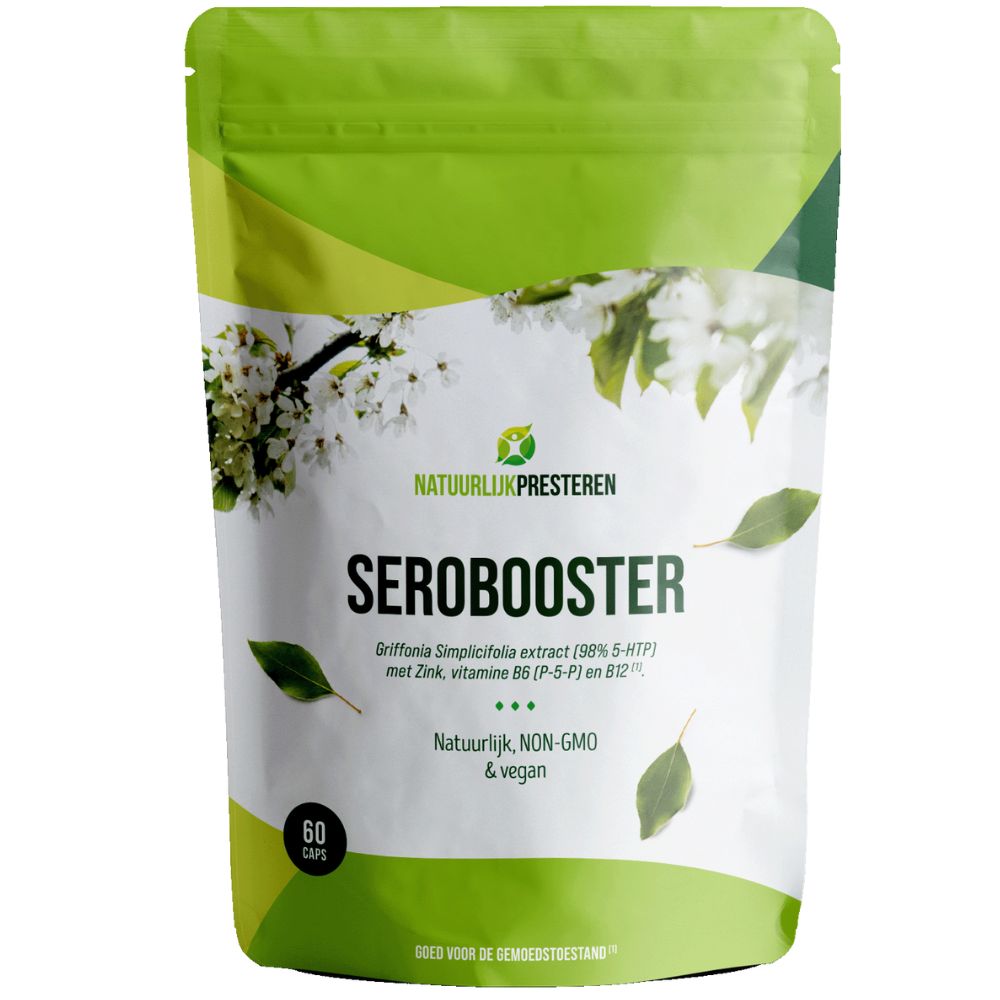
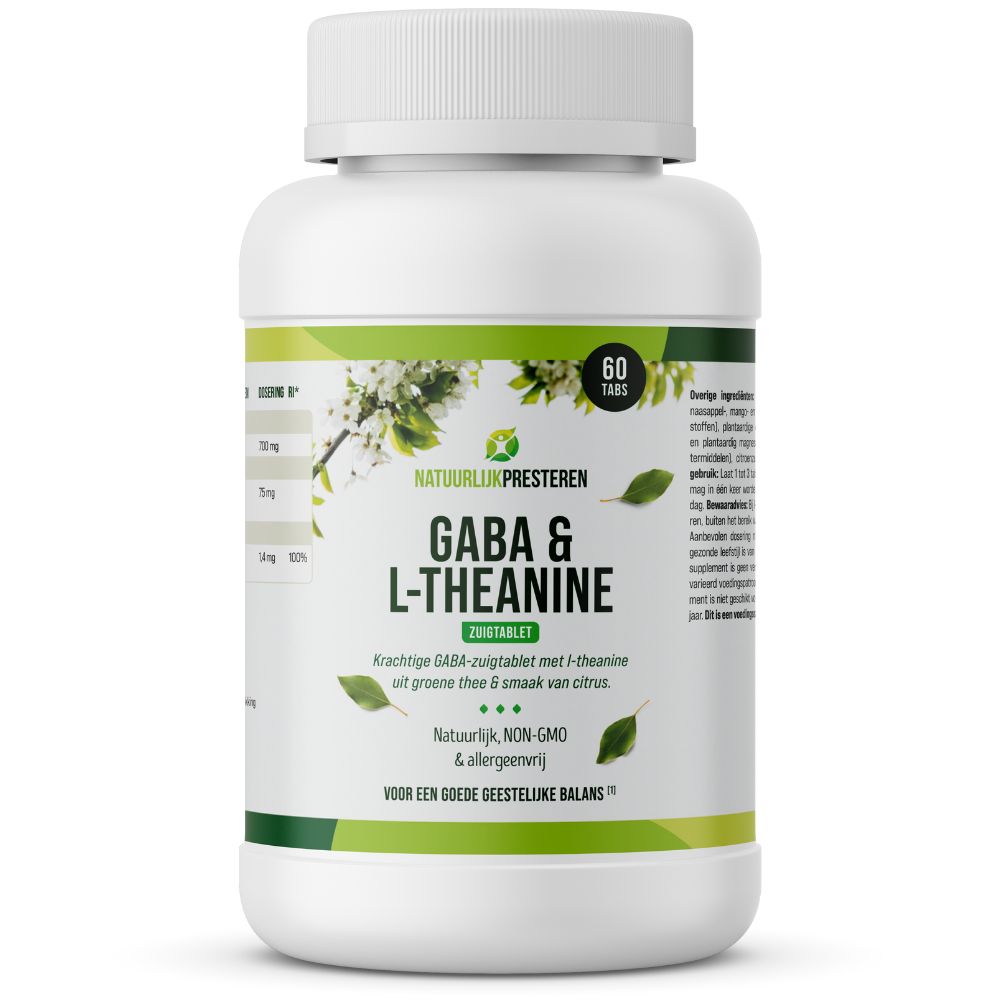
What are mood supplements?
Mood supplements are nutritional supplements containing ingredients that support your mood. They are designed for your emotional well-being and can help with stress, anxiety, and low mood.
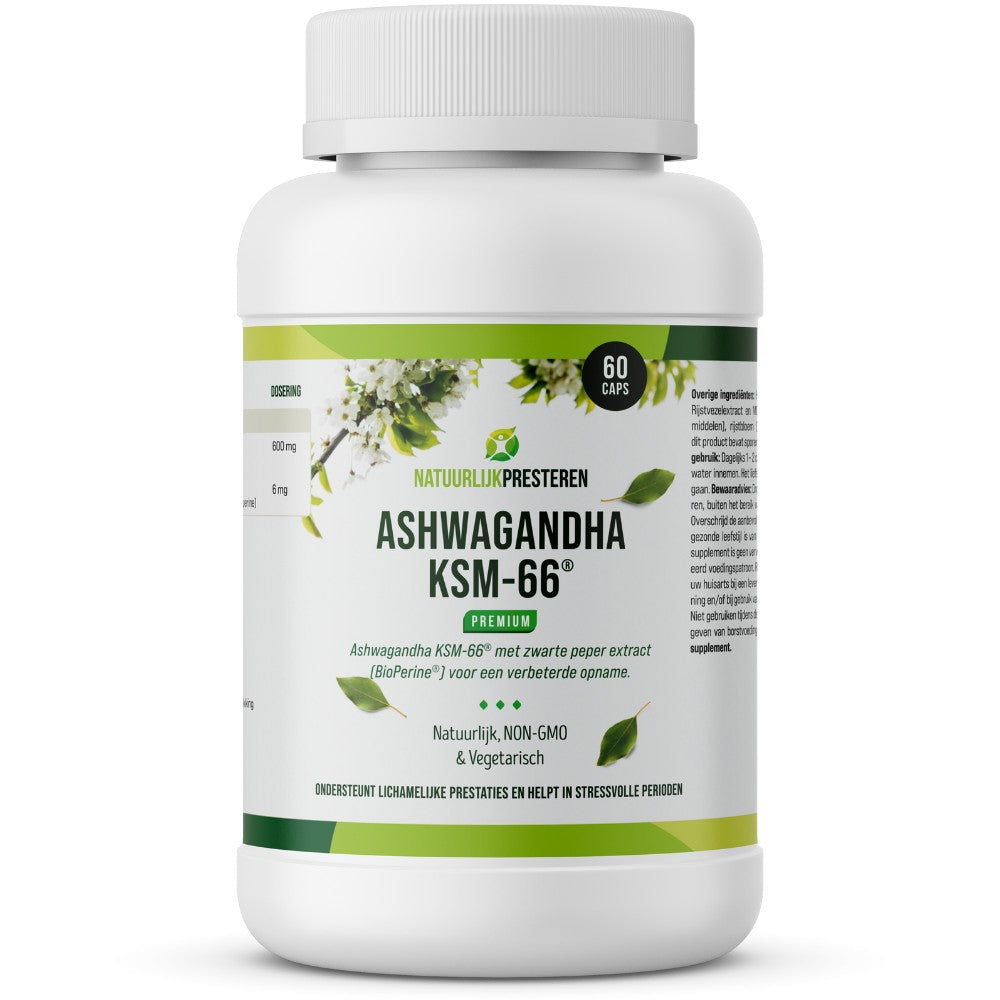
These supplements often use a mix of herbal extracts (such as Ashwagandha), vitamins and minerals.
Good to know : Mood supplements work best when combined with a healthy lifestyle.
Mood meaning
Your mood is a reflection of your emotions at a given moment. Think of it as a colorful palette of feelings—from joy and happiness to sadness and fear. This state can be influenced by everything around you: your environment, your health, and even your daily experiences.
A positive mood can significantly boost your well-being, while a negative one can hold you back. So it's important to pay attention to how you feel!
What is good for your mood?
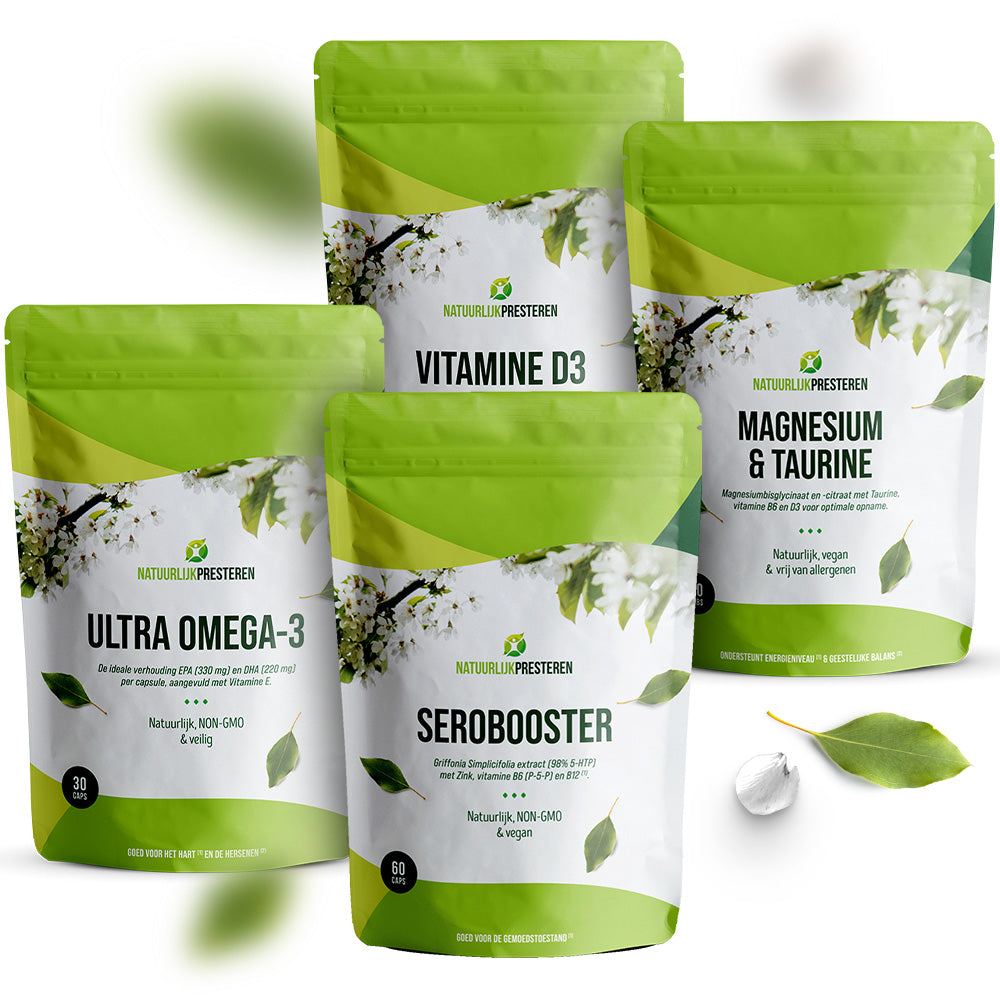
What's good for your mood naturally depends on your goals. Have you been feeling down or dejected for a while? Then you might be deficient in certain nutrients that contribute to the production of your so-called happiness hormone. In that case, serotonin boosters are an excellent choice.
On this collection page, I've compiled all the supplements that can help support your mood. For added convenience, they're organized into different categories, making it easy to find the one that suits you best.
Take a look and discover which supplements can give your mood a positive boost!
Which supplements for mood during menopause?
Due to hormonal changes, such as those experienced during menopause or the menstrual cycle, many women experience mood swings. These fluctuations can affect your mood and make your daily life more challenging.
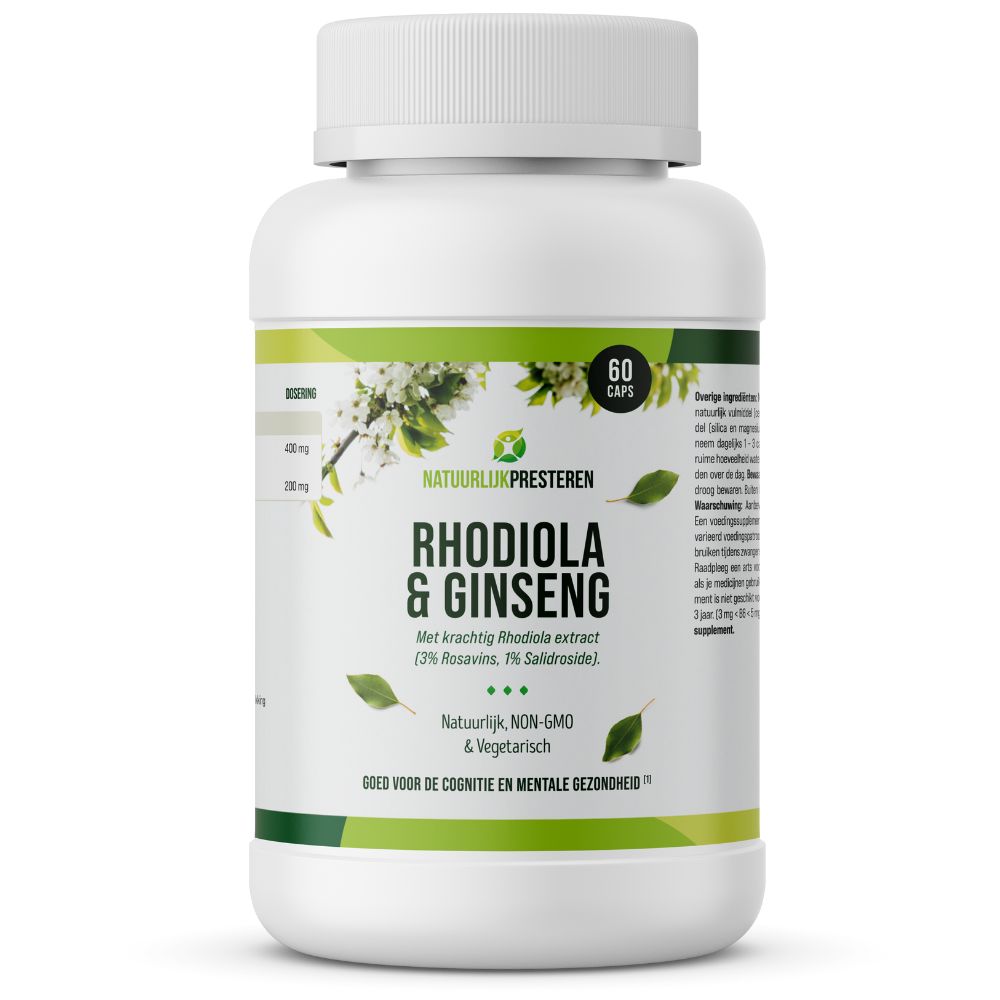
Fortunately, there are mood supplements that can offer support. Think of serotonin boosters and adaptogens. , which can help stabilize your mood and contribute to your energy levels. By adding these supplements to your daily routine, you can make the transition a little more pleasant and better cope with emotional ups and downs .
Practical tips to improve your mood
Are you someone who usually looks on the bright side, or do you see a future full of dark, stormy skies? Research shows that a positive attitude contributes not only to your mood, but also to your physical health. (1)(2)
I'd like to share some practical tips with you that help me strengthen my positive mindset:
- Forgive yourself: Everyone makes mistakes. Learn from what went wrong, but don't dwell on it too much.
- Take time for reflection: Take some time each day to think about what's important to you.
- Practice self-appreciation: Give yourself appreciation for the nice things you do for others every day.
- Focus on the positive: Write down three things you're grateful for every day. This helps you focus on the good moments in life.
By applying these techniques, you can become healthier both mentally and physically. Start cultivating a positive attitude today!
Sources Used
- Positive Emotions and Your Health . (2024, June 17). NIH News in Health. https://newsinhealth.nih.gov/2015/08/positive-emotions-your-health
- Salovey, P., & Birnbaum, D. (1989). Influence of mood on health-relevant cognitions. Journal Of Personality And Social Psychology , 57 (3), 539–551. https://doi.org/10.1037/0022-3514.57.3.539
Gerelateerde blogartikelen

Where is vitamin K2 found and why is it important?
Vitamin K2 is vitamin K1's lesser-known sibling. While K1 is primarily found in green vegetables, K2 is found in fermented products and animal foods. Together, they form the vitamin K family, but each has its own role in the body. In this article I will tell you exactly what vitamin K2 is and in which foods you can find it. Vitamin K2 plays a crucial role in the proper use of calcium, which contributes to strong bones and helps prevent calcification of blood vessels. Important dietary sources include fermented products (such as natto and cheeses) and animal products (such as liver, egg yolks, and butter from grass-fed cows). MK-7 supplements may be useful for the elderly, postmenopausal women, or people who eat a diet low in K2, when consulted with a physician. Table of contents What is Vitamin K2? MK-4 and MK-7: The Most Important Forms of Vitamin K2 Why is K2 Important? Where is Vitamin K2 Found? 1. Fermented Foods 2. Animal Products 3. Your Intestines How Much Vitamin K2 Do You Need? K2 Deficiency: How Do You Know? Supplements: Necessary or Not? Things to Keep in Mind When Taking K2 Supplements: Vitamin K2 MK-7 Premium What is vitamin K2? Vitamin K is actually a collective name for different forms of vitamin K, of which these are the most important: Vitamin K1 (phylloquinone) - This is mainly found in green vegetables like spinach, kale, and broccoli. K1 helps with blood clotting , so your wounds heal well and you don't lose too much blood. Vitamin K2 (menaquinones) - Found in fermented and some animal products. K2 ensures that calcium reaches the right places in your body, such as your bones, and not in your blood vessels. MK-4 and MK-7: The most important forms within vitamin K2 It's good to know that vitamin K2 itself is a collective term. K2 comes in several forms, from MK-4 to MK-13. MK-4 (from meat and dairy) and MK-7 (from fermented products) are particularly important. MK-7 remains in the body longer and is therefore often considered the most effective form . Want to know more? In this article, I'll focus on K2, specifically MK-4 and MK-7. Want to learn more about the other forms? Then you can read more in my complete guide to vitamin K. Why is K2 important? Vitamin K2 helps your body use calcium properly . It activates special proteins in your body that determine where calcium goes. Two of those proteins are particularly interesting: Osteocalcin – This protein helps calcium be stored in your bones and teeth. It contributes to strong bones, which becomes more important as you age. Matrix Gla protein (MGP) – This protein actually helps prevent calcium from building up in places you don't want it, such as in the walls of your blood vessels. (1)(2) What foods contain vitamin K2? You will mainly find vitamin K2 in: 1. Fermented foods These are the richest sources of vitamin K2, especially in the MK-7 form: Natto (fermented soybeans, popular in Japan) is the absolute best: It is very rich in MK-7. (3) Hard cheeses such as Gouda or Edam, and also some soft cheeses such as blue cheese, provide a lot of MK-7 and also some other forms such as MK-8 and MK-9. (4)(5) Fermented vegetables like sauerkraut also contain K2, but in smaller amounts than natto or cheese. (6) 2. Animal products Animal foods mainly provide MK-4, a shorter-acting form of vitamin K2: Liver (especially chicken or goose) is rich in MK-4 Egg yolks , especially from free-range eggs, also contain a good amount of Butter and cream from grass-fed cows contain more MK-4 than dairy from barn-fed cows (7) 3. Your intestines The bacteria in your intestines also make some K2, but your body doesn't absorb it very well . Your intestines contain numerous bacteria that can produce menaquinones (forms of vitamin K2) (such as MK-7, MK-8). However, it is not certain that this intestinal contribution is sufficient to meet your body's needs. (8) Scientific research shows that these bacteria, such as Lactobacillus and Bacteroides, produce K2 in your large intestine, but that location is not ideal for absorption . (9) A recent study suggests that a small portion can be absorbed, but it is usually too little to really rely on . (10) So for enough K2 you need foods like natto, cheese or egg yolks, or possibly a supplement. How much vitamin K2 do you need? A general guideline for adults is approximately 70 micrograms of vitamin K per day . This is a recommendation for all forms of vitamin K combined . There is no separate recommended daily allowance (RDA) for vitamin K2 yet. However, extensive research is underway, particularly on the MK-7 form. These studies show that doses of 70 to 180 micrograms of K2 (MK-7) per day are commonly used. These amounts are considered safe. K2 deficiency: How do you notice it? A serious vitamin K deficiency is rare. If it does occur, it's usually manifested in bleeding symptoms, such as: Bruising easily Nosebleeds Bleeding from minor wounds Severe deficiencies occur primarily in newborns or people with severe absorption problems . Sometimes the use of certain medications can also be the cause. For most people, it's not a real deficiency, but rather a low K2 intake . You won't notice this immediately, but it can have an impact in the long run. For example, researchers see links between low K2 and: Weaker bones Accumulation of calcium in the blood vessels Possible effects on cardiovascular health (11) Are you unsure if you're getting enough, or are you experiencing symptoms such as frequent bruising? Always consult a doctor. Supplements: Necessary or Not? Do you regularly eat hard cheeses or fermented products like natto? Then you're probably already getting a good amount of K2 from your diet. But there are situations where some extra support can be useful: For example , older people and postmenopausal women are more likely to experience bone loss (12)(13). Even if you eat few animal or fermented products , it may be more difficult to get enough K2. In such cases, some people opt for a supplement, often as an addition to their diet. When taking K2 supplements, keep this in mind: Do you think you're not getting enough vitamin K2 from your diet? A supplement might be an option. It's important to keep a few things in mind: Choose MK-7 – This is the most commonly used form in supplements. MK-7 remains active in your body longer than MK-4, making it often the preferred choice. Combine with vitamin D – Vitamin K2 and D work together to help your body use calcium. So make sure you also get enough vitamin D through sunlight, oily fish, or possibly a supplement. (14) Be careful with medications – Are you taking blood thinners? Then a K2 supplement can be dangerous, as it can affect the effectiveness of your medication. Only use it if your doctor explicitly approves it. Dosage – Many supplements contain 70–180 micrograms of MK-7 per day. These are dosages often used in research and are considered safe. Always start with a low dosage so you can get a feel for how your body reacts. Not necessary for everyone – For most people, a varied diet with dairy, cheese or fermented products is sufficient. Vitamin K2 MK-7 Premium A healthy and varied diet remains the foundation. However, a Vitamin K2 MK-7 supplement can be a valuable addition in some situations. This product is designed to support your vitamin K2 intake safely and effectively. It contains the MK-7 form, known for its longer duration of action in the body and good absorption. The combination with high-quality olive oil optimally supports absorption. Ebrina van der Bijl Ebrina is a nutritionist with a deep commitment to healthy eating and a sustainable lifestyle, based in beautiful Portugal. Her passion for natural and organic products is at the heart of her work. With a background in Nutrition & Dietetics and experience in product development and writing, she translates complex scientific information into practical advice for a balanced lifestyle. Read more Sources used Jadhav, N., Ajgaonkar, S., Saha, P., Gurav, P., Pandey, A., Basudkar, V., Gada, Y., Panda, S., Jadhav, S., Mehta, D., & Nair, S. (2022). Molecular Pathways and Roles for Vitamin K2-7 as a Health-Beneficial Nutraceutical: Challenges and Opportunities. Frontiers in Pharmacology, 13. https://doi.org/10.3389/fphar.2022.896920 Yan, Q., Zhang, T., O'Connor, C., Barlow, J. W., Walsh, J., Scalabrino, G., Xu, F., & Sheridan, H. (2023). The biological responses of vitamin K2: A comprehensive review. Food Science & Nutrition, 11(4), 1634–1656. https://doi.org/10.1002/fsn3.3213 Tsukamoto, Y., Ichise, H., Kakuda, H., & Yamaguchi, M. (2000). Intake of fermented soybean ( natto ) increases circulating vitamin K 2 (menaquinone-7) and γ-carboxylated osteocalcin concentration in normal individuals. Journal Of Bone And Mineral Metabolism, 18(4), 216–222. https://doi.org/10.1007/s007740070023 Vermeer, C., Raes, J., Van 't Hoofd, C., Knapen, M. H. J., & Xanthoulea, S. (2018). Menaquinone Content of Cheese. Nutrients, 10(4), 446. https://doi.org/10.3390/nu10040446 Altuncu, V., Kaymaz, A., Filiz, B. E., Demiralay, E. Ç., & Taş, T. K. (2024). Evaluation of MENAQUINONE‐7 and fat‐soluble vitamin production by starter cultures during fermentation in dairy products using RPLC method. Food Science & Nutrition, 12(11), 9822–9833. https://doi.org/10.1002/fsn3.4474 Tarvainen, M., Fabritius, M., & Yang, B. (2018). Determination of vitamin K composition of fermented food. Food Chemistry, 275, 515–522. https://doi.org/10.1016/j.foodchem.2018.09.136 Elder, S. J., Haytowitz, D. B., Howe, J., Peterson, J. W., & Booth, S. L. (2005). Vitamin K Contents of Meat, Dairy, and Fast Food in the US Diet. Journal Of Agricultural And Food Chemistry, 54(2), 463–467. https://doi.org/10.1021/jf052400h Smajdor, J., Jedlińska, K., Porada, R., Górska-Ratusznik, A., Policht, A., Śróttek, M., Więcek, G., Baś, B., & Strus, M. (2023). The impact of gut bacteria producing long chain homologs of vitamin K2 on colorectal carcinogenesis. Cancer Cell International, 23(1). https://doi.org/10.1186/s12935-023-03114-2 Yan, H., Chen, Y., Zhu, H., Huang, W., Cai, X., Li, D., Lv, Y., Si-Zhao, N., Zhou, H., Luo, F., Zhang, W., & Li, The Relationship Among Intestinal Bacteria, Vitamin K and Response of Vitamin K Antagonist: A Review of Evidence and Potential Mechanism. Frontiers in Medicine, 9. https://doi.org/10.3389/fmed.2022.829304 Zhang, T., O'Connor, C., Sheridan, H., & Barlow, J. W. (2024). Vitamin K2 in Health and Disease: A Clinical Perspective. Foods, 13(11), 1646. https://doi.org/10.3390/foods13111646 Zhao, Q., Li, Q., Rashedi, M. H., Sohouli, M., Rohani, P., & Velu, P. (2024). The effect of vitamin K supplementation on cardiovascular risk factors: a systematic review and meta-analysis. Journal Of Nutritional Science, 13. https://doi.org/10.1017/jns.2023.106 Ma, M., Ma, Z., He, Y., Sun, H., Yang, B., Ruan, B., Zhan, W., Li, S., Dong, H., & Wang, Y. (2022). Efficacy of vitamin K2 in the prevention and treatment of postmenopausal osteoporosis: A systematic review and meta-analysis of randomized controlled trials. Frontiers in Public Health, 10. https://doi.org/10.3389/fpubh.2022.979649 Zhou, M., Han, S., Zhang, W., & Wu, D. (2022). Efficacy and safety of vitamin K2 for postmenopausal women with osteoporosis at a long-term follow-up: meta-analysis and systematic review. Journal Of Bone And Mineral Metabolism, 40(5), 763–772. https://doi.org/10.1007/s00774-022-01342-6 Kuang, X., Liu, C., Guo, X., Li, K., Deng, Q., & Li, D. (2020). The combination effect of vitamin K and vitamin D on human bone quality: a meta-analysis of randomized
Lees meer
Vitamin K deficiency? Here's how to recognize it and what you can do about it.
Did you know that almost all babies in the Netherlands receive extra vitamin K because they can't produce it themselves yet? Fortunately, a deficiency is rare in adults, but it can occur in some situations. (1) You only need vitamin K in small amounts, but its role is significant. It helps your blood clot normally and contributes to strong bones. (2) In this article you can read when you need to be extra vigilant, how to recognize a deficiency and what you can do to quickly replenish your vitamin K. Vitamin K deficiency is rare in adults, but can occur with intestinal or liver problems, certain medications, a one-sided diet, or after surgery that affects fat absorption. Signs of deficiency include easy bruising, nosebleeds, bleeding from wounds, and bleeding gums; in the long term, bone weakening may also occur. Babies are routinely given extra vitamin K because they are born with low supplies and breast milk does not contain enough to prevent dangerous bleeding. Table of contents Symptoms of a Vitamin K Deficiency Main Causes of a Vitamin K Deficiency Step- by-step Plan for a Vitamin K Deficiency Vitamin K1 vs K2 (and MK-7) Product Tip How Much Do You Need? Vitamin K for Babies My Personal Advice Symptoms of a Vitamin K Deficiency Vitamin K is a fat-soluble vitamin. Your body can store it in fatty tissue and the liver, making deficiencies less likely to develop than with water-soluble vitamins (such as B and C). Therefore, a deficiency often develops slowly. If you do have a deficiency, you will often notice this in the following ways: Bruising easily Frequent nosebleeds Long-term bleeding from minor wounds Bleeding gums In the long term, a deficiency can also weaken your bones, because important bone proteins don't function properly without vitamin K. (3) Good to know : Without extra vitamin K, newborns can develop a deficiency that leads to vitamin K deficiency bleeding (VKDB). This can cause serious bleeding in the skin, intestines, or even the brain. Therefore, babies in the Netherlands are routinely given extra vitamin K. (1) Main causes of vitamin K deficiency If you're healthy and have a varied diet, a deficiency is almost non-existent. It's especially prevalent in babies and in a few specific situations in adults: Low Stores in Newborns - Babies are born with little vitamin K because little is passed across the placenta. (3) Low Vitamin K in Breast Milk - Breast milk does not contain enough Vitamin K for a baby. (4) Bile duct problems or cholestasis in babies - Liver or biliary diseases make the absorption of fat-soluble vitamins such as K difficult. (5) Bowel diseases in adults (such as celiac disease or Crohn's disease) - In these cases, fat is absorbed less well, and therefore also vitamin K. (6) Long-term use of antibiotics - These also kill the gut bacteria that normally produce K₂. (7) Poor fat absorption - In conditions such as IBD, cystic fibrosis, liver or bile problems, vitamin K is less well absorbed.(8) Bariatric surgery - After gastric bypass or sleeve surgery, the absorption of fat-soluble vitamins is reduced. (8) One-sided diet. Those who eat few green vegetables (K₁) or hardly any fermented/animal products (K₂) can develop deficiencies. (1) Severe liver disease (such as cirrhosis) - The liver plays a key role in processing K. When damaged, this goes wrong. (8) Medicines - Some medicines affect absorption or effect, such as vitamin K antagonists, certain anti-epileptics, painkillers and cholesterol-lowering agents. (9) Eating disorders (such as anorexia or bulimia) - A one-sided diet, vomiting or laxatives can cause a deficiency. (10) Step-by-step plan for a vitamin K deficiency Not sure if you're getting enough vitamin K? Don't worry: You can often get a lot from food or a simple supplement. Safety first - Do you have unexplained bleeding or are you taking blood thinners? Always consult your doctor first. Supplement - A supplement is the fastest way to replenish: 75–100 µg K1 or 90–180 µg K2 (preferably MK-7). Diet - Also eat green vegetables with some fat every day, and occasionally choose cheese, yogurt, eggs or natto. Address the root cause - Does the problem keep recurring, or are you experiencing intestinal or liver problems? Consult a doctor or dietitian for guidance. Vitamin K1 vs. K2 (and MK-7) Vitamin K is a collective name for several substances. The most important are K1 and K2. Both are fat-soluble and contribute to normal blood clotting. K1 is mainly found in green leafy vegetables like spinach and kale. It's absorbed quickly but doesn't stay in your body long. K2 is found in fermented foods like natto and cheese, and in smaller amounts in animal products. This form circulates longer and therefore reaches more tissues. Good to know : Within K2, MK-4 and MK-7 are the most well-known. MK-7 remains active the longest and is therefore the best used. (12) Product tip Our vitamin K supplement contains the potent form of K2, MK-7 , dissolved in high-quality olive oil . This ensures you're getting a highly absorbable form . How much do you need? The recommendation in the Netherlands is approximately 1 microgram of vitamin K per kilogram of body weight per day . For someone weighing 70 kilograms, this amounts to about 70 micrograms. (11) Separate guidelines apply for babies and young children. An upper limit has never been established. This shows that vitamin K is safe with a normal diet or supplementation. Please note : If you are using blood thinners (vitamin K antagonists, such as acenocoumarol or phenprocoumon), you should always consult your doctor or thrombosis service first, because vitamin K can affect their effectiveness. (6) Vitamin K in babies Babies begin life with almost no vitamin K. They receive little through the placenta, and breast milk contains too little. Therefore, all babies in the Netherlands are routinely given vitamin K supplements: Immediately after birth: 1 mg (often as an injection) And breastfed babies then 150 µg per day until 3 months (usually as drops) For bottle-fed babies, extra K is usually not necessary, because bottle feeding is enriched with vitamin K , but it is necessary if your baby gets less than 500 ml of bottle feeding per day (3)(4)(5) My personal advice I personally prefer a supplement that combines vitamin K and vitamin D. This is practical because you take both at once. Vitamin K contributes to normal blood clotting and, like vitamin D, helps keep your bones strong. I also remain a fan of the nutritional foundation : add some green vegetables to your plate (or smoothie) every day and a drizzle of olive oil for better absorption. Add a piece of cheese or an egg every now and then, and you've already got a good mix of K1 and K2. This way you combine the best of both worlds: Healthy food and a smart supplement that does exactly what it should do. Ebrina van der Bijl Ebrina is a nutritionist with a deep commitment to healthy eating and a sustainable lifestyle, based in beautiful Portugal. Her passion for natural and organic products is at the heart of her work. With a background in Nutrition & Dietetics and experience in product development and writing, she translates complex scientific information into practical advice for a balanced lifestyle. Read more Sources used Nutrition Center. (n.d.). Vitamin K for babies (JGZ information and advice). Retrieved August 27, 2025, from https://www.voedingscentrum.nl Nutrition Center. (n.d.). Vitamin K (function, sources, recommendations, and claims). Retrieved August 27, 2025, from https://www.voedingscentrum.nl IJland, MM, Pereira, RR, & Cornelissen, EA (2007). Incidence of late vitamin K deficiency bleeding in newborns in the Netherlands in 2005: evaluation of the current guideline. European Journal Of Pediatrics, 167(2), 165–169. https://doi.org/10.1007/s00431-007-0443-x Van Hasselt, P.M., De Koning, T.J., Kvist, N., De Vries, E., Lundin, C.R., Berger, R., Kimpen, J.L.L., Houwen, R.H.J., Jorgensen, M.H., & Verkade, H.J. (2008). Prevention of Vitamin K Deficiency Bleeding in Breastfed Infants: Lessons From the Dutch and Danish Biliary Atresia Registries. PEDIATRICS, 121(4), e857–e863. https://doi.org/10.1542/peds.2007-1788 Sankar, M. J., Chandrasekaran, A., Kumar, P., Thukral, A., Agarwal, R., & Paul, V. K. (2016). Vitamin K prophylaxis for prevention of vitamin K deficiency bleeding: a systematic review. Journal Of Perinatology, 36(S1), S29–S35. https://doi.org/10.1038/jp.2016.30 Turck, D., Bresson, J., Burlingame, B., Dean, T., Fairweather‐Tait, S., Heinonen, M., Hirsch‐Ernst, K.I., Mangelsdorf, I., McArdle, H.J., Naska, A., Nowicka, G., Pentieva, K., Sanz, Y., Siani, A., Sjödin, A., Stern, M., Tomé, D., Van Loveren, H., Vinceti, M., . . . Neuhäuser‐Berthold, M. (2017). Dietary reference values for vitamin K. EFSA Journal, 15(5). https://doi.org/10.2903/j.efsa.2017.4780 Yan, H., Chen, Y., Zhu, H., Huang, W., Cai, X., Li, D., Lv, Y., Si-Zhao, N., Zhou, H., Luo, F., Zhang, W., & Li, The Relationship Among Intestinal Bacteria, Vitamin K and Response of Vitamin K Antagonist: A Review of Evidence and Potential Mechanism. Frontiers in Medicine, 9. https://doi.org/10.3389/fmed.2022.829304 Eden, R. E., Daley, SF, & Coviello, J. M. (2023, September 8). Vitamin K deficiency. StatPearls - NCBI Bookshelf. https://www.ncbi.nlm.nih.gov/books/NBK536983/ Yan, H., Chen, Y., Zhu, H., Huang, W., Cai, X., Li, D., Lv, Y., Si-Zhao, N., Zhou, H., Luo, F., Zhang, W., & Li, The Relationship Among Intestinal Bacteria, Vitamin K and Response of Vitamin K Antagonist: A Review of Evidence and Potential Mechanism. Frontiers in Medicine, 9. https://doi.org/10.3389/fmed.2022.829304 Urano, T., Shiraki, M., Ouchi, Y., Inoue, S., & Sasaki, T. (2015). Bone turnover and vitamin K status in anorexia nervosa. Clinical Nutrition , 34(3), 443–448. https://doi.org/10.1016/j.clnu.2014.05.002 Health Council (2017). Vitamin K for infants. Retrieved on August 27, 2025, from https://www.healthcouncil.nl/documents/advisory-reports/2017/04/11/vitamin-k-for-infants Sato, T., Schurgers, L. J., & Uenishi, K. (2012). Comparison of menaquinone-4 and menaquinone-7 bioavailability in healthy women. Nutrition Journal, 11(1), 93. https://doi.org/10.1186/1475-2891-11-93
Lees meer bloggle
Buying red yeast rice pills? Here's what to look for.
Red yeast rice (also called red rice yeast) is fermented white rice with a striking reddish-purple color. During fermentation with the yeast Monascus purpureus , monacolin K , a natural substance similar to compounds from cholesterol-lowering drugs, is produced. Many people choose these red rice yeast pills as a natural support for their fat metabolism. However, it's important to know that not every supplement is equally safe or effective. The composition and quality can vary considerably. This article explains what to look for when buying red yeast rice and why the correct dosage and purity are so important. Fermented red rice with monacolin K naturally supports fat metabolism. Composition and safety may vary per product. Not suitable for pregnant women, statin users, people with liver or kidney problems, children (under 18 years), and the elderly (over 70 years). Use a maximum of 3 mg per day. The EFSA recommends a daily dose of 10 mg as an effective and safe dose. However, for safety reasons, red yeast rice pills may only contain 3 mg. Table of contents Criteria for good red yeast rice pills 1. Maximum 3 mg monacolin K per daily dose 2. Tested for citrinin 3. Contains coenzyme Q10 4. With supporting ingredients 5. No unnecessary additives The best red yeast rice pills The benefits of red yeast rice Who are red yeast rice pills not suitable for? Conclusion Criteria for good red yeast rice pills Here are the main points to pay attention to: 1. Maximum 3 mg monacolin K per daily dose Since 2022, a limit of 3 mg monacolin K per day has been in effect in Europe in red yeast rice supplements (according to the EFSA). This amount is considered a safe limit, intended to limit the risk of side effects. Higher doses, such as those previously used (10 mg), are no longer permitted in supplements because they may cause muscle pain or liver problems. The 3 mg limit is therefore considered a safe, mild dose for use in dietary supplements. (1) 2. Tested for citrinin Citrinin is a natural toxin (mycotoxin) that can develop when red yeast rice ferments incorrectly. This substance can be harmful to your kidneys, among other things, and therefore two important limits apply in Europe. The maximum safe intake is set at 2 micrograms per kilogram of body weight per day . For a person weighing 70 kilograms, this amounts to 140 micrograms per day. For supplements, there is a limit of a maximum of 100 micrograms of citrinin per kilo of product . (2) A good supplement has been tested for this and either contains no citrinin at all, or only trace amounts well below this limit. Reliable brands will state this on the label or share a certificate of analysis. Look for these claims on the label: Tested for citrinin “Free of citrinin” Citrinin < 100 µg/kg “Not detected” or “< LOD” (below the detection limit) “100% safe content, complies with EU standard” Good to know : These kinds of claims are only reliable if they are supported by a certificate of analysis from an independent laboratory. 3. Contains Coenzyme Q10 Red yeast rice with coenzyme Q10 is a logical combination that you see in many quality products. When using statins (medication), Q10 levels in your body can decrease. Because monacolin K works in a similar way, red yeast rice is often combined with Q10. (3) Co-enzyme Q10 is a substance that your body produces itself and that is involved in energy production in your cells Monacolin K , the active ingredient in red yeast rice, is very similar to lovastatin, a commonly used statin (cholesterol-lowering drug) 4. With supporting ingredients Some supplements contain additional ingredients like garlic extract or antioxidants . These can support the formula and fit well within a broader approach to your fat metabolism. Preferably choose a formula that clearly lists these additives, including the amount per dose . This says a lot about the product's quality. Garlic extract (20:1) - 600 to 1500 mg (4) Grape seed extract - 100 to 300 mg (5) 5. No unnecessary additives When purchasing red yeast rice pills, always choose a product without unnecessary fillers, artificial colors, or cheap binders. A short, clear ingredients list is often a good sign. This means the supplement is pure and carefully formulated. This way, you can be sure you're getting only what you need. The best red yeast rice pills Cholesterol Premium is a good example of a high-quality supplement based on red yeast rice, because it meets all the important quality criteria: Contains a maximum of 3 mg monacolin K per daily dose - Fully in line with the legal safety limit Tested for citrinin - To ensure the product is free from this potentially harmful substance Enriched with coenzyme Q10 - A useful addition as monacolin K (the active ingredient in red rice yeast) can lower the body's natural Q10 levels in a statin-like manner With high-quality garlic extract (20:1)* as a supporting ingredient - Don't worry, this is an odorless addition, so you get the benefits of garlic without the typical garlic smell No unnecessary additives - The formula is free from unnecessary fillers and artificial additives, which benefits the purity of the product Good to know : (*) The best garlic extract has a 20:1 ratio. This means the extract is 20 times more concentrated than fresh garlic. This ensures that you get a lot of the active ingredients found in fresh garlic with a small amount of extract. The benefits of red yeast rice This is what makes red rice yeast interesting: Helps maintain healthy cholesterol levels* - It was previously known that at least 10 mg of monacolin K per day can help maintain normal cholesterol. Due to safety concerns, the permitted dosage has now been lowered to a maximum of 3 mg, so this claim cannot be used until there is more clarity on the safety and effectiveness. (6) Supports heart and blood vessels* - Red rice yeast is often used as part of a healthy lifestyle for heart and blood vessels. This claim is also temporarily on hold under European regulations. (7) Please note : (*) The European Food Safety Authority (EFSA) assesses health claims on supplements. A claim that is "on hold" may be temporarily suspended for safety or research reasons. This doesn't mean red yeast rice supplements are unsafe, but it's important to choose supplements that have been tested for purity and adhere to the maximum dosage. Want to know more about the reason for the debate surrounding Monacolin K and red yeast rice pills? Then read my article about the effects of Monacolin K on your cholesterol levels , where I explain it step by step. Who should not take red yeast rice pills? Red rice yeast contains substances that closely resemble medications. This may make it less safe to use with certain medications. Furthermore, little research has been conducted on the effects in certain groups. Therefore, it's important to know who shouldn't use red yeast rice pills. Do not use red yeast rice if you: Are pregnant or breastfeeding Other cholesterol-lowering drugs used, such as statins Have liver and/or kidney problems Are younger than 18 years old Are older than 70 years Please note : Never exceed the maximum dose of 3 mg monacolin K per day, even if you do not recognise yourself in the above groups. Conclusion Red yeast rice is a popular natural supplement, mainly because of the active ingredient monacolin K, which has received a lot of attention in science because it is very similar to statins. There's much debate about the correct dosage. While the EFSA previously confirmed that 10 mg is an effective and safe dosage, red yeast rice pills are now only permitted to contain 3 mg. This allows for a wide safety margin until more is known about potential side effects. It is suspected that the side effects that gave rise to this discussion are not so much due to the dosage, but rather to the purity of the product. That is why it is important to always choose quality supplements that have been tested for purity and dosage. In addition, caution is advised in certain groups, such as pregnant women and people who use medication. If in doubt, always consult a doctor before starting red rice yeast. This way, you can safely and consciously benefit from the potential advantages. Ebrina van der Bijl Ebrina is a nutritionist with a deep commitment to healthy eating and a sustainable lifestyle, based in beautiful Portugal. Her passion for natural and organic products is at the heart of her work. With a background in Nutrition & Dietetics and experience in product development and writing, she translates complex scientific information into practical advice for a balanced lifestyle. Read more Sources used Norata, G. D., & Banach, M. (2024). The Impact of Red Yeast Rice Extract Use on the Occurrence of Muscle Symptoms and Liver Dysfunction: An Update from the Adverse Event Reporting Systems and Available Meta-Analyses. Nutrients, 16(3), 444. https://doi.org/10.3390/nu16030444 Regulation - 2019/1901 - EN - EUR-LEX. (nd). https://eur-lex.europa.eu/eli/reg/2019/1901/oj/eng Qu, H., Guo, M., Chai, H., Wang, W., Gao, Z., & Shi, D. (2018). Effects of Coenzyme Q10 on Statin‐Induced Myopathy: An Updated Meta‐Analysis of Randomized Controlled Trials. Journal Of The American Heart Association, 7(19). https://doi.org/10.1161/jaha.118.009835 Ried, K., Toben, C., & Fakler, P. (2013). Effect of garlic on serum lipids: an updated meta-analysis. Nutrition Reviews, 71(5), 282–299. https://doi.org/10.1111/nure.12012 Anjom-Shoae, J., Milajerdi, A., Larijani, B., & Esmaillzadeh, A. (2020). Effects of grape seed extract on dyslipidaemia: a systematic review and dose–response meta-analysis of randomized controlled trials. British Journal Of Nutrition, 124(2), 121–134. https://doi.org/10.1017/s0007114520000902 Li, Y., Jiang, L., Jia, Z., Xin, W., Yang, S., Yang, Q., & Wang, L. (2014). A Meta-Analysis of Red Yeast Rice: An Effective and Relatively Safe Alternative Approach for Dyslipidemia. PLoS ONE, 9(6), e98611. https://doi.org/10.1371/journal.pone.0098611 Fogacci, F., Banach, M., Mikhailidis, D.P., Bruckert, E., Toth, P.P., Watts, G.F., Reiner, Ž., Mancini, J., Rizzo, M., Mitchenko, O., Pella, D., Fras, Z., Sahebkar, A., Vrablik, M., & Cicero, A.F. (2019). Safety of red yeast rice supplementation: A systematic review and meta-analysis of randomized controlled trials. Pharmacological Research, 143, 1–16. https://doi.org/10.1016/j.phrs.2019.02.028
Lees meer