What are chrome tablets?
Chromium tablets are supplements that contain the essential mineral chromium.
Chromium plays an important role in supporting your metabolism and stable blood sugar levels.
Because the body cannot produce chromium itself, it is important to obtain this mineral through food or supplements.
Chromium occurs naturally in foods such as whole grains, vegetables, fruits, and brewer's yeast. Meat and liver also contain small amounts of chromium.
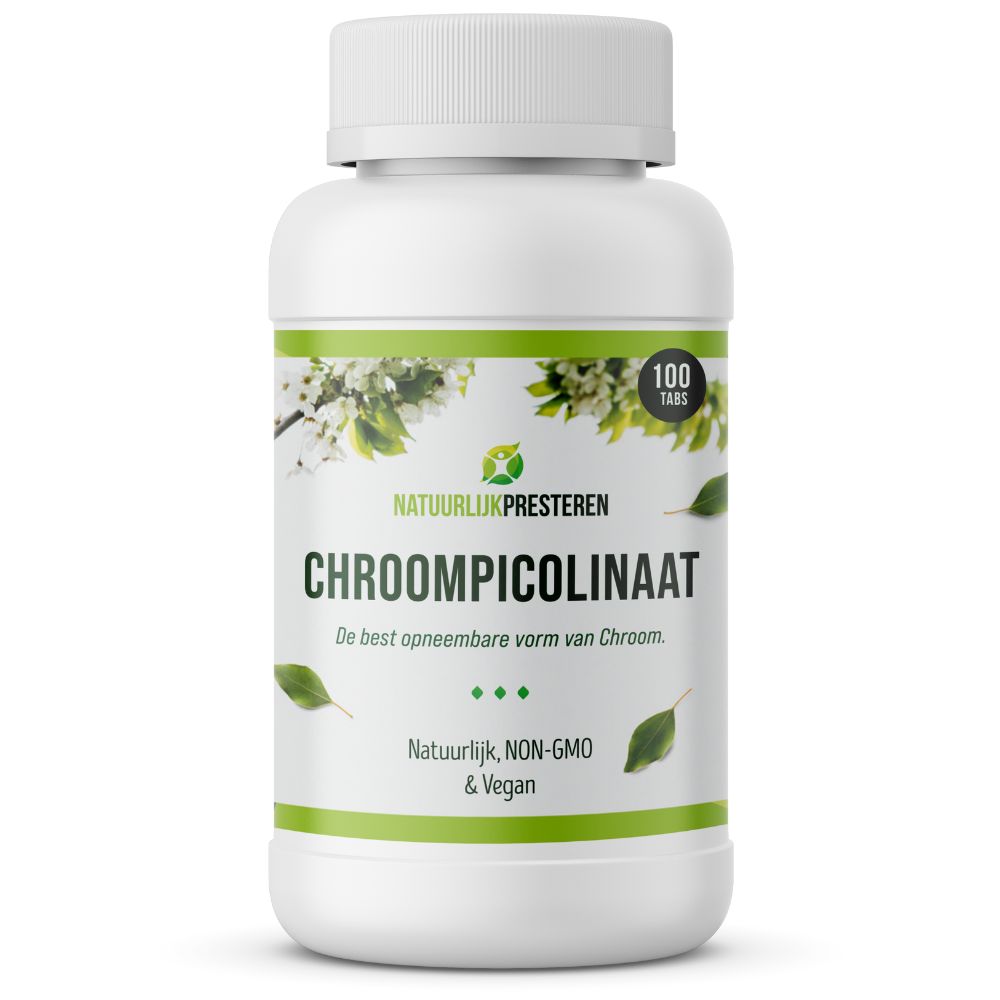
Chromium picolinate: the best choice
Chromium picolinate is the best form of chromium because of its high bioavailability. This means your body can easily absorb and utilize this form.
There are 3 other forms you will find in chromium supplements, namely:
- Chromium chloride (inorganic)
- Chromium citrate (organic)
- Chromium nicotinate (organic)
Good to know : All the forms of chromium mentioned contain trivalent chromium (chromium (III)) . This is the biologically active and stable form of chromium. The main difference between these four forms is the substance to which the chlorine molecule is bonded. This bond determines how well your body can utilize it.
The benefits of chromium picolinate
Chromium picolinate is chromium linked to picolinic acid, which has several advantages over the other forms:
- Organically bound – Because it's organically bound, chromium picolinate's structure closely resembles chromium found in natural food sources. This makes it easier for your body to recognize, ensuring proper absorption and effectiveness.
- Stable structure - Chromium picolinate is more effective than other forms due to the stable structure of three picolinic acid molecules, which ensures better absorption in the body.
- Highest Bioavailability - It has the highest bioavailability of all chromium forms, meaning more of the chromium ingested is usable. This is important because your gut can only absorb 2.5% of all chromium. (1)
- Highly Efficient – Picolinic acid helps transport chromium across cell membranes, further increasing efficiency.
These properties make chromium picolinate a popular and reliable choice for a chromium supplement.
Why chromium is important for your body
Although there is still much to discover about this mineral, we do know that chromium:
- Plays an important role in supporting insulin function. Insulin is a hormone that helps your body process carbohydrates, fats, and proteins . Chromium is part of a protein called chromodulin, which helps insulin perform its function effectively. (2)
- Helps keep your blood sugar levels stable. This is not only good for your energy levels, but it also helps prevent peaks and troughs in your sweet tooth.
How much chromium per day?
There are no specific recommendations from the Health Council for chromium, and chromium deficiencies are not very common in the Netherlands.
If you want to use chromium, we recommend taking 200 mcg per day. This is a strong, but safe dosage. Our chromium product contains exactly this amount and also contains the most absorbable form.
Too much chrome
You don't need to worry about getting too much chromium through your diet. Of course, this is different with supplements containing high doses of chromium.
It is known that a daily amount of 1 milligram of chromium has no harmful effects (Nutrition Center).
So, you could take five doses of our chromium supplements daily without any harmful effects. However, we recommend taking a maximum of one dose per day.
Dosage in chromium tablets
Because there are no clear guidelines for how much chromium you need per day, the dosages in chromium tablets also vary considerably. Most range between 35 and 120 micrograms, but some supplements contain up to 1,000 micrograms.
My advice: Choose a chromium supplement with an effective, yet safe dosage of 200 mcg.
When do you need extra chrome?
Extra chromium can be useful if you often suffer from energy dips.
Chromium helps keep your blood sugar levels stable, which is especially important if you find yourself craving sweets or experiencing energy drops between meals. (3)
Good to know: It's sometimes said that chromium is good for your athletic performance, but this hasn't been proven. Studies show that chromium has no significant effect on muscle growth or endurance. (4)
Chrome and weight management
Balancing your sugar intake can help you minimize snack cravings. That's why chromium is sometimes added to products aimed at weight management.
However, there is no scientific evidence that chromium in tablet form is effective for weight management. More research is needed to better understand the potential effects of chromium. (5)
Conclusion
Much remains unknown about chromium, but it's clear that the mineral plays an important role in regulating blood sugar levels. It's also proven that chromium supports metabolism and helps process macronutrients.
Sufficient chromium in your diet is therefore important and can be easily and safely supplemented with chromium tablets.
It is best to choose chromium tablets with chromium picolinate in a dosage of 200 to 400 mcg per day.
Sources used
- Office of Dietary Supplements - Chromium . (nd). https://ods.od.nih.gov/factsheets/chromium/HealthProfessional/
- Kircheva, N., Toshev, N., & Dudev, T. (2022). Holo-chromodulin: competition between the native Cr3+ and other biogenic cations (Fe3+, Fe2+, Mg2+, and Zn2+) for the binding sites. Metallomics , 14 (10). https://doi.org/10.1093/mtomcs/mfac082
- Suksomboon, N., Poolsup, N., & Yuwanakorn, A. (2014). Systematic review and meta-analysis of the efficacy and safety of chromium supplementation in diabetes. Journal Of Clinical Pharmacy And Therapeutics , 39 (3), 292–306. https://doi.org/10.1111/jcpt.12147
- Williams, M. H. (2005). Dietary Supplements and Sports Performance: Minerals. Journal Of The International Society Of Sports Nutrition , 2 (1). https://doi.org/10.1186/1550-2783-2-1-43
- Tsang, C., Taghizadeh, M., Aghabagheri, E., Asemi, Z., & Jafarnejad, S. (2019). A meta‐analysis of the effect of chromium supplementation on anthropometric indices of subjects with overweight or obesity. Clinical Obesity , 9 (4). https://doi.org/10.1111/cob.12313
Gerelateerde blogartikelen

Calcium in Supplements and Food: The Complete Guide
Calcium is a nutrient that is essential for healthy bones, teeth and various bodily functions. In this blog article, you will learn about the benefits of calcium, how to get enough of it, and how to recognize and resolve a potential calcium deficiency. Calcium is essential for strong bones, teeth, muscle function, nervous system, blood clotting and plays a role in metabolism. Dietary sources include dairy, leafy greens, nuts, and fish; calcium carbonate and calcium citrate are common supplement forms with varying absorption properties. A deficiency increases the risk of osteoporosis and muscle cramps, while an excess can cause kidney stones and heart arrhythmias. Table of contents What is calcium? What is calcium good for? Types of calcium What is better: calcium carbonate or calcium citrate? Absorption Stomach acid and calcium Elemental calcium concentration Natural calcium supplements Calcium storage in the body How much calcium per day? What are calcium deficiency symptoms? Symptoms in children Symptoms in women (50+ years) and men (70+ years) When are you at risk of a calcium deficiency? Food interactions and calcium absorption What contains (a lot of) calcium? Calcium too high (hypercalcemia) Tolerable upper intake level Symptoms of high calcium Causes of high calcium What to do about high calcium Calcium tablets with vitamin D3 and K2 Why would you take D3 and K2 together with calcium? What does vitamin D do with calcium? The best calcium supplement What is calcium? Calcium is a mineral that plays a fundamental role in the structure and strength of your bones and teeth. It also helps your muscles and nerves function properly and plays a role in your body's metabolism. What is Calcium good for? Calcium is a very versatile mineral that has several benefits for the human body. Supports bones and teeth: Calcium contributes to strong teeth and the maintenance of strong bones; In women, it helps reduce bone mineral loss during menopause (low bone mineral density is a risk factor for osteoporotic fractures); and In children, calcium is needed for normal growth and development of bones Good for body cells and blood: In addition, calcium plays a role in the process of cell division and differentiation; and Supports blood clotting Supports energy levels and muscles: Calcium contributes to normal muscle function and heart muscle function; and Activates your natural energy in the body Good for digestion and the nervous system: Calcium supports digestion and; Is important for the nervous system Types of Calcium When you get calcium from supplements or food, it's usually bound to other substances, such as calcium phosphate (especially in dairy), calcium carbonate , and calcium citrate (especially in supplements). These calcium compounds consist of: The pure amount of calcium available to your body ( elemental calcium ) Another substance (such as phosphate , carbonate , or citrate ) Calcium supplements are often available in the forms of calcium carbonate and calcium citrate. What is better: calcium carbonate or calcium citrate? Both types of calcium have advantages and disadvantages. The best type depends on your personal situation and the properties that are important to you. This table shows the main differences between calcium carbonate and calcium citrate so you can compare them properly: Calcium citrate Calcium carbonate Recordability (older data) 27% 22% [1] Recordability (new data) 24% 24% [2] Stomach acid required for absorption No Yes Amount of elemental calcium 21% 40% [3] [4] Natural origin Naturally found in eggshells, crustacean shells, and dark leafy greens, broccoli, and kale [5] Can be found in citrus, but often produced synthetically. Price Relatively expensive Less expensive Absorbability A 1999 meta-analysis found that calcium citrate (27%) is absorbed slightly more easily by the body than calcium carbonate (22%). However, a recent study (2022) found that both calcium carbonate and calcium citrate are absorbed about equally well (around 24%). Stomach acid and calcium It is important to take calcium carbonate supplements with meals, as this helps them to be better absorbed. Calcium citrate, on the other hand, is well absorbed both with and without food. This makes this form of calcium suitable for people with reduced stomach acid production, for example. Concentration of elemental calcium Elemental calcium is the pure amount of calcium available to your body. You could also call it the unbound form of calcium. Calcium carbonate contains a high concentration of elemental calcium (about 40%) compared to calcium citrate (21%) and other salts. It's important to know how much elemental calcium you're taking, because this is the actual amount of calcium your body uses. For example, a 500 mg calcium carbonate tablet contains approximately 200 mg of elemental calcium. Natural calcium supplements It's best to consume nutrients in their natural form . Synthetic forms, which are created entirely in laboratories, are generally less well absorbed by your body. So, if you're looking for a calcium supplement, choose one that contains calcium from a natural source. This ensures optimal absorption and the supplement is most effective. Aquamin® Calcium is a good example. This natural calcium supplement is extracted from red algae. The benefits of calcium from red algae are: In addition to calcium, it also contains other minerals (such as trace elements) Natural origin High bioavailability Calcium storage in the body Calcium is found in the body in the bones (99%) and in the serum (the liquid part of blood that remains after the blood cells have been removed). In the bones In the storage form of calcium, hydroxyapatite Provides strength to the skeleton and serves as a reservoir for calcium in the blood serum Three forms of calcium occur in the serum : Bound to proteins – 40%, unavailable for use by tissues Ionized (free) – 51%, essential for body functions Chelated – 9%, helps with calcium absorption and transport[6] Ionized calcium is considered the best form because it is immediately available and active in the body. How much calcium per day? How much calcium you need daily depends on your age and individual needs. These are the guidelines according to the Health Council and the Nutrition Centre: Age / need Recommended per day [7] Babies (6-11 months) 450 mg Children (1-3 years) 500 mg Children (4-8 years) 700 mg Boys (9-17 years) 1200 mg Men (18-24 years) 1000 mg Men (25-69 years) 950 mg Men (over 70 years old) 1200 mg Girls (9-17 years) 1100 mg Women (18-50 years) 950 mg Women (51-69 years) 1100 mg Women (over 70 years old) 1200 mg Pregnant women (18-24 years) 1000 mg Pregnant women up to the 20th week (over 25 years old) 950 mg Pregnant women from the 20th week (older than 25 years) 1000 mg Women who are breastfeeding 1000 mg Source: Nutrition Center What are calcium deficiency symptoms? Calcium deficiency can occur in various at-risk groups, including children, women aged 50 and older, and men aged 70 and older. It is also relatively common among vegans. Symptoms Children If children have a calcium deficiency of less than 125 milligrams per day, these symptoms may occur: Incomplete bone formation, resulting in skeletal deformities (rickets) Muscle cramps Symptoms in women (50+ years) and men (70+ years) Due to reduced calcium absorption in this group, calcium deficiency can lead to: Slow decalcification of bones , which can lead to an increased risk of bone fractures Faster bone loss in postmenopausal women [8] Muscle cramps When are you at risk for a calcium deficiency? Whether you are at risk of developing a calcium deficiency depends on factors such as your diet, absorption and changing needs. Elderly – With increasing age, the efficiency of calcium absorption decreases Women during and after menopause – Hormonal changes reduce calcium absorption and increase bone loss Not eating dairy , due to veganism, lactose allergy or cow's milk allergy People with certain medical conditions - Conditions such as celiac disease, inflammatory bowel disease (e.g., Crohn's disease), and cystic fibrosis can interfere with calcium absorption in the intestines [9] Dietary interactions and calcium absorption Calcium works with other nutrients, such as vitamin D. They aid in the absorption and activation of calcium in the body, which is beneficial for bone health. Other substances, however, inhibit this absorption. These are the main interactions: Vitamin D plays a crucial role in the absorption of calcium in the intestines and in the storage of calcium in the bones. Oxalic acid and phytic acid , found in certain vegetables and grains, can reduce calcium absorption . However, consuming these products is not a problem as long as your diet contains sufficient calcium and you eat a varied diet. What contains (a lot of) calcium? Calcium is found in various products. Dairy products, such as milk, cheese, and yogurt, are rich in calcium. Leafy greens, legumes, nuts, seeds, and certain types of fish are also good sources of dietary calcium. Here are some examples of foods containing calcium: Food Amount of calcium per 100 grams Poppy seeds 1740 mg Cheese (Gouda, 48+) 819 mg Sardines (canned) 500 mg Almonds (unsalted, with skin) 248 mg Kale (raw) 180 mg Milk (whole) 124 mg Yogurt (Greek) 118 mg Tofu 100 mg Spinach (raw) 105 mg Swiss chard (raw) 90 mg Soybeans (cooked) 70 mg Brown beans (cooked) 44 mg Broccoli 33 mg Source: Nevo table online, 2023 Calcium too high (hypercalcemia) When the concentration of calcium in the blood is too high, it's called hypercalcemia. Your kidneys can no longer properly process the large amount of calcium and excrete it through your urine. This can lead to the formation of kidney stones. Calcification of the kidneys and blood vessel walls can also occur [10] . If you consume more than 2500 milligrams of calcium per day for an extended period, your kidneys will be under strain. And that's more than double the RDA for the group with the highest need (1200 mg for men and women over 70)! Acceptable upper limit For calcium, the tolerable upper limit has been set at 2500 mg (2.5 grams) per day for adults [11] . You're unlikely to exceed 2500 mg through diet. But with supplements, be careful not to get more calcium than you need! Symptoms of high calcium Too much calcium in the blood can cause the following symptoms: Fatigue Muscle weakness Nausea Decreased appetite Yield Constipation Cardiac arrhythmias Calcium deposition in soft tissues Weight loss High blood calcium levels can cause too much calcium to enter the urine, which can lead to: Kidney stones Kidney function problems [12] Causes of high calcium Besides taking too many calcium supplements, there are a number of other possible causes of high calcium. In adults, vitamin D and the parathyroid hormones regulate calcium balance: Too much vitamin D - Excessive vitamin D intake can lead to high calcium levels in the blood. This can only occur with prolonged excessive supplementation (at doses of 100+ mcg/day). You don't run the risk of vitamin D overdose through diet or prolonged exposure to sunlight. Parathyroid Problems – The parathyroid gland produces a number of hormones that regulate the amount of calcium in your body. If there are problems in this gland, this mechanism does not work properly and too much calcium can enter the blood [13] . What to do about high calcium levels Here's what you can do to lower calcium levels: Drinking Water - Drinking enough water helps both prevent the first kidney stone and reduce the risk of recurring stones [14] Eat foods rich in phytic acid (grains, nuts, seeds, etc.) and oxalic acid (spinach, beets, rhubarb, etc.) – These substances inhibit the absorption of calcium Stop high-dose vitamin D – above 100 mcg per day. Eat less dairy - dairy is rich in calcium Calcium tablets with vitamin D3 and K2 Vitamins D3 and K2 are important for calcium metabolism . They work together to ensure that calcium is efficiently absorbed from food. Why would you take D3 and K2 with calcium? When you take calcium tablets with vitamin D3 and K2, you help your body with: Better absorption of calcium from food Transporting calcium to the right places in your body Improving vessel elasticity (at optimal levels of both vitamin D and vitamin K) [15] The majority of studies found that taking both vitamin D and vitamin K promotes optimal bone health. This combined effect was stronger than when the vitamins were taken separately [16] Helpful Tip: This calcium supplement contains a natural form of calcium from seaweed along with vitamin D3, vitamin K2 MK-7, and bone-supporting supplements. What does vitamin D do with calcium? To properly absorb calcium from food, you need enough vitamin D3 (cholecalciferol). Without enough vitamin D, your body only absorbs a small amount (10-15%) of calcium, but with sufficient vitamin D, your body absorbs much more calcium (30-40%). Vitamin D is therefore essential for effective calcium absorption! [17] The best Calcium supplement Calcium is primarily used to support bone health. However, you also need additional minerals and vitamins. The calcium supplement Bone Strength Premium contains everything you need to support healthy bones. It contains, among other things, a natural form of calcium extracted from seaweed, together with Biocell® Collagen, Zinc, Magnesium, Vitamin D3 and Vitamin K2-MK7. Of all these ingredients, the most absorbable forms have been selected, which the body can use immediately. Ebrina van der Bijl Ebrina is a nutritionist with a deep commitment to healthy eating and a sustainable lifestyle, based in beautiful Portugal. Her passion for natural and organic products is at the heart of her work. With a background in Nutrition & Dietetics and experience in product development and writing, she translates complex scientific information into practical advice for a balanced lifestyle. Read more Reference list https://pubmed.ncbi.nlm.nih.gov/11329115/ https://pubmed.ncbi.nlm.nih.gov/11329115/ https://ods.od.nih.gov/factsheets/Calcium/HealthProfessional/ https://www.ncbi.nlm.nih.gov/pmc/articles/PMC8746734/ https://www.ncbi.nlm.nih.gov/books/NBK562303/ https://www.ncbi.nlm.nih.gov/books/NBK482128/ https://www.voedingscentrum.nl/encyclopedie/calcium.aspx)#blokwaarvoor-heb-je-calcium-nodig ? https://www.voedingscentrum.nl/encyclopedie/calcium.aspx)#blokwaarvoor-heb-je-calcium-nodig ? https://pubmed.ncbi.nlm.nih.gov/33491051/ https://www.voedingscentrum.nl/encyclopedie/calcium.aspx)#blokwat-zijn-de-gevolgen-van-te-veel-calcium ? https://www.voedingscentrum.nl/encyclopedie/calcium.aspx)#blokwat-zijn-de-gevolgen-van-te-veel-calcium ? https://voedingscentrum.nl/ https://www.ncbi.nlm.nih.gov/books/NBK430714/ https://www.mdpi.com/2571550 https://edepot.wur.nl/440347 https://edepot.wur.nl/440347 https://www.ncbi.nlm.nih.gov/pmc/articles/PMC2669834/
Lees meer
Chromium in Food and Supplements: The Complete Guide!
Chromium is an important trace element essential for the normal metabolism of carbohydrates, fats and proteins. It also plays a role in maintaining healthy blood sugar levels. In this article, we'll explore the versatile trace element chromium in detail. Chromium is an essential trace element that helps with blood sugar regulation, insulin action and the metabolism of carbohydrates, fats and proteins. Dietary sources of chromium include whole grains, vegetables, nuts, fish, and meat; chromium picolinate is the most absorbable form in supplements. Deficiency is rare, but can cause energy problems; excess through supplementation can cause stomach upset, dizziness, and heart problems. Table of contents What is Chromium? The Late Recognition of Chromium What is Chromium good for? Types of Chromium These 4 types of chromium are often used as nutritional supplements: How much Chromium per day? Symptoms of a Chromium deficiency Suspected Symptoms of Chromium deficiency in patients with intravenous (IV) nutrition How do you know if you have a Chromium deficiency? What contains (a lot of) Chromium? Chromium too high Causes of Chromium too high Symptoms of Chromium too high What to do if you have too much Chromium? Is a Chromium supplement dangerous? Does chromium help with weight loss? Tips for choosing good chromium supplements Quality marks Label and Content Choose a reliable brand Chromium supplement Discover our 3 chromium supplements What is Chromium? Chromium is a mineral that has recently been added to the list of essential trace elements. It was only at the beginning of this millennium that it became known that chromium plays a role in the function of insulin and the metabolism of carbohydrates, lipids and proteins. It is found in vegetables, fruits, whole grain products, and to a lesser extent in fish, meat and dairy products. Chromium is a trace element. This means you only need very small amounts of it. It's also an essential mineral . This means your body can't produce it on its own, so you must get it through your diet. The Late Recognition of Chromium It's quite possible you haven't heard of chromium before. Scientists themselves haven't known about chromium's health benefits for very long. The research is still in its infancy: 1950s/1960s - Chromium is found to play a role in carbohydrate and fat metabolism. 1980 - Partly due to research into its effects on insulin action and glucose metabolism, chromium was generally accepted as an essential micronutrient in the United States around 1980. However, it took longer for chromium to be officially recognized as an essential trace element in the Netherlands and Europe. 2010/2014 - The European Food Safety Authority (EFSA) indicates that there was insufficient evidence to establish a dietary recommendation for chromium . [1] In short: Not much is known about the effects of chromium. It is clear, however, that it plays a role in insulin function and carbohydrate metabolism. More research is needed to establish a recommendation. What is Chromium good for? Extensive research is being conducted into the health effects of chromium. So far there is scientific evidence that: Chromium helps keep blood sugar levels normal Chromium contributes to energy metabolism Chromium contributes to normal carbohydrate, fat and protein metabolism How it works: Chromium supports insulin function, allowing your body to absorb sugar from the bloodstream normally. It does this by producing a substance that activates the insulin receptor, which helps with normal carbohydrate, fat, and protein metabolism. Types of Chromium The form of chromium found in foods and supplements is called trivalent chromium (Cr(III)) . This form is considered the safe and biologically active form of chromium. In supplements, trivalent chromium is combined with an acid, creating compounds that each have unique properties. These 4 types of chromium are commonly used as nutritional supplements: Chrome- picolinate Chrome- nicotinate Chrome- citrate Chrome- chloride Connection Trivalent chromium + picolinic acid Trivalent chromium + nicotinic acid (vit. B3 ) Trivalent chromium + citric acid Trivalent chromium + chloride acid Connection type Organic Organic Organic Inorganic Intake Optimal recording [2] Good recording Good recording Less good recording Advantages Best absorbed & extensively researched Easily absorbed & Well researched Good bioavailability Relatively cheap & easily available In short: Chromium picolinate is the most readily absorbed. Chromium nicotinate, chromium bound to vitamin B3, comes in a close second, and is also well absorbed. While chromium citrate, the organic form, is also effective, it is less commonly used because less research has been conducted. Chromium chloride, the inorganic form, is less commonly used as a supplement due to its lower absorption. How much Chromium per day? The European Commission has concluded that a recommended dietary allowance of chromium cannot be established due to insufficient evidence for its essential role in nutrition. [5] To get an idea: In the United States, they have established an RI. For adult men, they recommend 35 mcg per day. For women, it's 25 mcg. [6] Please note: You can view these amounts as a guideline, but it is not an official recommendation in Europe. Symptoms of a Chromium Deficiency If you eat a healthy and varied diet, you're less likely to develop a chromium deficiency, according to the European Food Safety Authority (EFSA). There are no official symptoms of a chromium deficiency. Moreover, your body can effectively regulate the absorption and storage of chromium. This means that even with a few days of reduced or no chromium intake, your body can still draw some from its stores. Suspected Symptoms of Chromium Deficiency in Patients on Intravenous (IV) Nutrition However, there are a number of known cases where patients received intravenous nutrition with insufficient chromium or where chromium was accidentally removed from the intravenous nutrition. Based on what these patients experienced, we can get an idea of what the symptoms of a chromium deficiency could be: Elevated levels of fatty acids Problems with energy management Changes in glucose processing Low blood sugar levels Increased sensitivity to stimuli Muscle weakness [7] Remember: If you eat a healthy and varied diet, you're less likely to develop a chromium deficiency. Moreover, your body can effectively regulate chromium absorption and storage. How do you know if you have a chromium deficiency? It's not yet easy to detect a chromium deficiency . This is because the mineral is stored in many different parts of the body, and only a small portion of the chromium circulates freely in the blood. Therefore, a blood test doesn't tell you much about your chromium status. What contains (a lot of) Chromium? Food Amount of chromium per 100 grams [8] Mussels 128 mcg Brazil nuts 100 mcg Brewer's yeast 75 mcg Oysters 57 mcg Dates 29 mcg Pear 27 mcg Shrimp 26 mcg Whole wheat flour 21 mcg Tomatoes 20 mcg Mushrooms 17 mcg Broccoli 16 mcg Hazelnuts 12 mcg Pork 10 mcg Egg yolk 6 mcg Did you know: Chromium content in foods can vary depending on factors like soil quality and cooking methods? Therefore, it's important to vary your diet frequently between the products on this list and other chromium-rich foods. Chrome too high There are no known effects of a high dietary intake of chromium. Chromium naturally occurs only in relatively small amounts. Furthermore, very little chromium is absorbed by our bodies! Depending on the composition of your meal, only 0.4 to 2.5% is absorbed. [9] Good to know: A 30-gram serving of dates contains about 9 mcg of chromium. Of that, only 0.04-0.23 mcg is absorbed! For this reason, it's difficult to consume too much chromium through food! Causes of Chromium too high If you take too high a dose of chromium supplements for an extended period of time, you may get more chromium than you need. It is known that a daily intake of 1 milligram (1000 mcg) of chromium has no harmful effects on health. Symptoms of Chromium too high If you take more than that daily, you may experience the following symptoms: Stomach and intestinal complaints - Nausea, vomiting, diarrhea and stomach cramps Skin problems - Skin rash or dermatitis Neurological symptoms - Dizziness, headache and weakness Cardiovascular problems - Increased or irregular heart rate Liver - and kidney problems : Liver disorders and kidney failure Bleeding disorders - Anemia and low platelet count (thrombocytopenia) [10] What to do if the Chromium level is too high? Do you recognize these symptoms? Then it's wise to stop taking the chromium tablets immediately or significantly reduce them. Is a Chromium supplement dangerous? Chromium supplements are harmless, as long as you don't take too much (as is the case with everything). A daily intake of 1 milligram of chromium has no harmful effects on health. Please note: There are some exceptions where chromium supplements can be dangerous! Do you belong to one of the following groups? Then it's wise to consult your doctor or health care professional before starting chromium supplements: In case of liver or kidney disease - Because chromium is broken down and excreted by the liver and kidneys, an abnormality in these organs can prevent all excess chromium from leaving your body. This increases the risk of storing more chromium in your cells than is beneficial. When taking insulin or blood sugar-lowering medications - Chromium can lower blood sugar levels, and when combined with insulin or other blood sugar-lowering medications, this effect can be amplified. This can lead to blood sugar levels that are too low, which can be dangerous. Does chromium help with weight loss? Chromium is widely used in weight management supplements. It's beneficial for balancing blood sugar levels. A balanced blood sugar level can help you maintain a healthy appetite without overindulging. I wouldn't necessarily say that chromium is a slimming aid, but rather an aid in keeping your appetite healthy - which is of course very pleasant when losing weight. Tips for choosing good chromium supplements Quality marks Choose supplements that are produced according to the guidelines of recognized bodies such as the Netherlands Food and Consumer Product Safety Authority (NVWA) or comparable European standards, which guarantee safety and quality. Label and Contents Check the label to ensure the supplement lists the correct form and amount of chromium , such as chromium picolinate, and that the dosage is clearly stated according to European guidelines. Choose a reliable brand Research the brand's reputation by reading reviews and looking at the experiences of other users in the Netherlands. A brand with positive feedback and a good reputation is often more reliable. Chromium supplement With continued research into the health benefits of chromium, recent studies show that chromium supplements such as chromium picolinate are good for blood sugar levels. Would you like to know more about our own chromium supplements that contribute to this? Discover our 3 chrome supplements Multi Premium (200 mcg chromium picolinate) offers a powerful formula with 28 high-quality supplements, including chromium, all combined in a single capsule for easy administration. These supplements contain only organic minerals and active vitamins. Chromium picolinate (200 mcg chromium picolinate) chromium in pure form. Nopal Premium ( 180 mcg chromium picolinate) is specially formulated to support a healthy weight. The fiber in Nopal Premium supports intestinal function and acts as food for intestinal bacteria (prebiotic fiber). Ebrina van der Bijl Ebrina is a nutritionist with a deep commitment to healthy eating and a sustainable lifestyle, based in beautiful Portugal. Her passion for natural and organic products is at the heart of her work. With a background in Nutrition & Dietetics and experience in product development and writing, she translates complex scientific information into practical advice for a balanced lifestyle. Read more Sources EFSA Panel on Dietetic Products, Nutrition and Allergies (NDA). (2014). Scientific Opinion on Dietary Reference Values for chromium. EFSA Journal, 12(10): 3845. doi: 10.2903/j.efsa.2014.3845 https://doi.org/10.2903/j.efsa.2014.3845 . Bawiec, P.; Sawicki, J.; Łasińska-Pracuta, P.; Czop, M.; Sowa, I.; Helon, P.; Pietrzak, K.; Koch, W. In Vitro Evaluation of Bioavailability of Cr from Daily Food Rations and Dietary Supplements from the Polish Market. Nutrients (2024), 16(7), 1022. https://doi.org/10.3390/nu16071022 Golubnitschaja, O., & Yeghiazaryan, K. (2012). Opinion controversy to chromium picolinate therapy's safety and efficacy: ignoring 'anecdotes' of case reports or recognizing individual risks and new guidelines urgency to introduce innovation by predictive diagnostics? EPMA Journal, https://www.ncbi.nlm.nih.gov/pmc/articles/PMC3515400/ Robert A. DiSilvestro, Emily Dy,Comparison of acute absorption of commercially available chromium supplements, Journal of Trace Elements in Medicine and Biology, Volume 21, Issue 2 (2007) Pages 120-124, ISSN 0946-672X. https://www.sciencedirect.com/science/article/pii/S0946672X07000077 EFSA Panel on Dietetic Products, Nutrition and Allergies (NDA). (2014). Scientific Opinion on Dietary Reference Values for chromium. EFSA Journal, 12(10): 3845. doi: 10.2903/j.efsa.2014.3845 https://doi.org/10.2903/j.efsa.2014.3845 https://ods.od.nih.gov/factsheets/Chromium-HealthProfessional/ EFSA Panel on Dietetic Products, Nutrition and Allergies (NDA). (2014). Scientific Opinion on Dietary Reference Values for chromium. EFSA Journal, 12(10): 3845. doi: 10.2903/j.efsa.2014.3845 https://doi.org/10.2903/j.efsa.2014.3845 . Food Composition and Nutrition Tables, 7th revised and completed edition, Ed. SW Souci, W Fachmann, H Kraut.Wissenschaftliche Verlagsgesellschaft mbH, Stuttgart, 2008. EFSA Panel on Dietetic Products, Nutrition and Allergies (NDA). (2014). Scientific Opinion on Dietary Reference Values for chromium. EFSA Journal, 12(10): 3845. doi: 10.2903/j.efsa.2014.3845 https://doi.org/10.2903/j.efsa.2014.3845 . National Institutes of Health, Office of Dietary Supplements: “Chromium: Fact Sheet for Health Professionals.” https://ods.od.nih.gov/factsheets/Chromium-HealthProfessional/
Lees meer
Potassium in Supplements and Food: The Complete Guide
Potassium is important for our health, from blood pressure regulation to muscle and nerve function. In this blog post, discover everything about potassium, from its essential role in your body to how to get the most out of your diet. We'll also discuss the benefits of potassium and what factors can cause a deficiency or excess. Potassium regulates blood pressure, supports muscle and nerve function, and helps maintain fluid balance. Potassium is ingested through food or supplements. A potassium deficiency can cause muscle weakness, fatigue, heart rhythm disturbances and high blood pressure, while an excess can be harmful. Foods like coconut water, nuts, vegetables, and meat are high in potassium; a supplement is usually only needed if you are deficient. Table of contents What is Potassium? What is Potassium good for? Blood pressure Muscles Nerves Types of Potassium Similarities and Differences What is the best type of Potassium? How much Potassium per day? Where does (a lot of) Potassium come from? How is Potassium absorbed? Potassium too low Symptoms of low potassium Causes of low potassium What to do if you have low potassium? Potassium too high Up to 3 grams of extra Potassium per day is safe Symptoms of high potassium Causes of high potassium What to do if you have high potassium? Potassium and blood pressure Balance between Potassium and Sodium What is Potassium salt (diet salt)? Why choose potassium salt? Buying the best diet salt The best way to get more Potassium What is Potassium? Potassium is an essential mineral for regulating blood pressure and supporting muscle and nerve function. As an electrolyte, potassium works with sodium to regulate the fluid balance in your cells. Your body doesn't produce potassium itself, so it must be obtained through food or supplements. Foods like cocoa, vegetables, fruits, meat, and nuts are good sources of potassium. What is Potassium good for? The blood pressure Potassium has a beneficial effect on blood pressure . This is because potassium works together with sodium: The salt you eat is made up of sodium and chloride. Sodium is a component of salt and can raise blood pressure by retaining fluid. In response (to protect your body), potassium helps remove the sodium through your urine, lowering your blood pressure. Good to know: Eating more potassium from food and less sodium (salt) helps lower your blood pressure. The muscles Potassium plays a role in maintaining strong and supple muscles . This mineral ensures that your muscles receive the correct signals to move. It also helps supply energy to the muscle cells. This is important to prevent muscle cramps and your muscles can function properly. The nerves Potassium has a positive effect on the functioning of the nervous system . Nerves communicate through electrical signals. Potassium helps generate and transmit these signals. Among other things, it ensures that nerve cells have the right balance of substances to function properly. Types of Potassium Although it is preferable to get potassium through your diet, in certain situations it may be necessary to take potassium supplements. Different types of potassium are used in potassium supplements: Potassium citrate Potassium chloride (also called dietary salt, flavoring) Potassium phosphate Potassium bicarbonate Potassium gluconate Similarities and Differences Most forms of potassium are well absorbed and are effective in treating potassium deficiency. The main difference is in the chemical compounds: Organic compounds - Potassium citrate and potassium gluconate Inorganic compounds - Potassium chloride, potassium phosphate and potassium bicarbonate Remember: Organic potassium compounds are generally better tolerated than inorganic forms. This can make them somewhat milder on your stomach. Choose the right form of potassium based on your specific needs and circumstances. This information can help you choose the right form of potassium depending on your specific needs and circumstances: Intake Connection Advantage Potassium citrate Very good Organic Best recorded. Potassium chloride Good Inorganic Effective in quickly increasing potassium Potassium phosphate Good Inorganic Increases both potassium and phosphate levels in the body Potassium bicarbonate Good Inorganic Regulates the body's pH value Potassium gluconate Good Organic More gentle on the stomach and therefore suitable for longer use What is the best type of Potassium? Potassium citrate and potassium chloride are considered the best forms because of their high bioavailability and effectiveness in correcting potassium deficiencies. Potassium citrate has the added benefit of making urine less acidic, which can contribute to a healthier urinary system. Potassium gluconate is also easily absorbed and gentler on the stomach, making it a good choice for people with sensitive stomachs or who need to take supplements long-term. Good to know: The easiest way to get potassium is through food. A supplement is (often) not necessary. If you think you have a potassium deficiency, you can discuss this with a medical specialist. How much potassium per day? How much potassium you need per day depends on your age and individual factors: Age / need Recommended Daily Amount Babies (6-11 months) 1100 mg Babies (12-23 months) 1400 mg Children (2-5 years) 1800 mg Children (6-9 years) 2000 mg Boys (10-13 years) 3300 mg Boys (14-17 years) 3500 mg Men (18 years and older) 3500 mg Girls (10-13 years) 2900 mg Girls (14-17 years) 3100 mg Women (18 years and older) 3500 mg Pregnant women 3500 mg Women who are breastfeeding 3100 mg Source: Nutrition Center (1) What contains (a lot of) Potassium? Potassium is a mineral found in many different types of food. These are foods that are particularly high in potassium: Food Potassium per 100 grams Cocoa powder 1500 mg Apricots (dried) 1500 mg Pistachios 871 mg Almonds 668 mg Lentils (brown and green, cooked) 657 mg Steak 561 mg Spinach (raw) 539 mg Salmon 489 mg Avocado 429 mg Broccoli 399 mg Banana 374 mg Whole wheat bread (with seeds) 351 mg Boiled potatoes 340 mg Coconut water 250 mg Source: Nevo table online, 2023 How is Potassium absorbed? Most of the potassium we ingest is absorbed in the small intestine. The kidneys then regulate the amount of potassium in the body, keeping potassium levels stable in the blood and body cells. Then, most of the potassium is excreted through your urine, while a small portion is excreted through your feces and an even smaller portion is excreted through your skin through sweating. Potassium too low If you do not get enough potassium for a longer period of time or suffer from certain health problems (see "causes of low potassium"), this can have long-term effects on your health. When you have a potassium deficiency, it is also called hypokalemia . Symptoms of low potassium You can recognize a potassium deficiency by these symptoms: Muscle weakness Fatigue/Listenliness Complaints in your stomach and intestines (nausea) Cardiac arrhythmias (in severe cases)[2] High blood pressure Causes of low potassium Potassium deficiency is uncommon in a normal person. The mineral potassium is found in many different foods, and your body controls its own balance. However, a deficiency can arise from various causes. These are the most common: Kidney diseases Eating disorders Mediation (diuretics / water tablets / ACE inhibitors) Severe diarrhea and/or excessive vomiting Disrupted diabetes Excessive alcohol use / alcoholism What to do if you have too little potassium? In that case, it's best to start eating more potassium-rich foods. If that's not enough, consider taking potassium supplements in consultation with a nutritionist or doctor. In addition , the balance between potassium and sodium is very important. We'll tell you more about this in Chapter 8. My favorite way: A varied diet naturally provides you with enough potassium. One of my favorite ways to get more potassium through food is drinking coconut water. A pint of coconut water is relatively inexpensive and contains 1250 mg of potassium. It's also rich in magnesium, B vitamins, zinc, and vitamin C, among other nutrients. Potassium too high Potassium overload is rare in healthy individuals. Even if you eat more potassium than your body can use, you'll simply pee it out! That's why there's no official tolerable upper intake level. There are, however, situations (medical conditions) in which your potassium can be too high. We will tell you more about this under "causes of potassium being too high". Up to 3 grams of extra potassium per day is safe To get an idea of what a safe dose of potassium is (to take extra), many studies have been conducted, which show that 2.5-3 grams of potassium (as a supplement) per day has no adverse effects on health in healthy people: In 2015, Wageningen University & Research conducted a study on the effects of long-term use of potassium supplements. They examined 22 studies with a total of 1,086 participants. It turned out that taking extra potassium, an average of 2.5 grams per day for about four weeks, has no noticeable effect on heart rate[3]. The Nutrition Center even states that: 'With long-term use of 3 grams of potassium chloride as a supplement in addition to a normal diet, no adverse effects on health have been found in healthy people[4]. Symptoms of high potassium If you take more than 5-7 grams of extra potassium every day, it can result in unpleasant symptoms. It is known that from this amount onwards you are likely to experience the following symptoms: Short of breath Tingling Numbness A weak feeling Ingesting 18 grams at a time and not being able to urinate out the excess potassium can lead to potassium poisoning . The consequences are much more serious. Please note: If the potassium level is too high, heart rhythm disturbances or, in extreme cases, cardiac arrest may occur! Causes of Potassium Too High Besides overdosing on potassium supplements, there are a number of other reasons why potassium levels in your body can become too high. Too much potassium in the body, also called hyperkalemia , can be caused by: Kidney Problems - Because the kidneys regulate the amount of potassium in the body, decreased kidney function can lead to potassium buildup. Medications - Certain medications, commonly prescribed for diabetics and/or for high blood pressure, can decrease potassium excretion, contributing to elevated blood potassium levels. Insulin deficiency - In the absence of insulin, such as in untreated type 1 diabetes, potassium cannot be effectively transported into the cells, resulting in it remaining in the blood. (Diabetic) acidosis - Acidosis is a condition in which the blood or other body fluids become too acidic, such as in diabetes. This can cause elevated potassium levels in the blood.[5] What to do if potassium is too high? Do you suspect you have too much potassium in your blood? Consult a doctor or specialist first to determine the cause. Please note: It is important to determine the cause of hyperkalemia and seek medical attention if necessary, as high potassium levels can cause serious health problems. Potassium and blood pressure Potassium and sodium work against each other in many ways to maintain balance: A high sodium intake can lead to increased blood pressure, but an adequate potassium intake can help counteract this effect . This happens because potassium stimulates the kidneys to excrete more sodium, which helps lower blood pressure. Balance between Potassium and Sodium So the balance between the two minerals is what counts! Eating too much salt (which is high in sodium) can raise your blood pressure because it causes your body to retain more fluid. Eating plenty of potassium can actually lower your blood pressure . Potassium helps your body excrete more sodium in your urine and helps your blood vessels relax. In the Netherlands, our potassium intake is good. Both men and women eat an average of more than 3,500 mg of potassium (the RDA). However, we eat too much salt. The latest report from the National Institute for Public Health and the Environment (RIVM) shows that we eat between 8 and 11 grams of salt per day. That's almost twice as much as the maximum amount of 6 grams per day![6] My tip: The salt you consume (usually) doesn't come from the salt container on the table, but rather from the salt added to food by manufacturers. Therefore, avoid prepackaged foods as much as possible and choose unprocessed foods more often, preparing them yourself. This can help you better manage your salt intake. What is Potassium Salt (Diet Salt)? Potassium salt, also called diet salt, is a seasoning based on potassium chloride instead of sodium chloride. It has a slightly different flavor than the salt you're used to, but it also enhances the taste. This alternative form of salt therefore only contains potassium and no sodium. Why choose potassium salt? Potassium salt can help you reduce your table salt (sodium chloride) intake. This can help maintain healthy blood pressure and increase your potassium intake. Buy the best diet salt A good diet salt is a product that is very low in sodium. According to the law, a product label may only say " Very low sodium or salt content " if it contains less than 0.1 gram of salt or 0.04 gram of sodium per 100 grams . But be careful: Discuss the use of potassium salt with your doctor first if you have kidney problems or are taking medications such as diuretics or ACE inhibitors. You are then at a higher risk of high potassium levels! The best way to get more potassium It's best to get potassium primarily through your diet. Foods like coconut water, green leafy vegetables, nuts, seeds, various fruits, and boiled potatoes are excellent sources of potassium. Taking a potassium supplement is often unnecessary. If you suspect a potassium deficiency, discuss it first with your doctor and/or a medical specialist. Ebrina van der Bijl Ebrina is a nutritionist with a deep commitment to healthy eating and a sustainable lifestyle, based in beautiful Portugal. Her passion for natural and organic products is at the heart of her work. With a background in Nutrition & Dietetics and experience in product development and writing, she translates complex scientific information into practical advice for a balanced lifestyle. Read more Sources used https://www.voedingscentrum.nl/encyclopedie/kalium.aspx https://www.voedingscentrum.nl/encyclopedie/kalium.aspx#blokwaar-zit-kalium-in ? https://pubmed.ncbi.nlm.nih.gov/27289164/ https://www.voedingscentrum.nl/encyclopedie/kalium.aspx#blokwaar-zit-kalium-in ? https://www.ncbi.nlm.nih.gov/books/NBK560723/ National Institute for Public Health and the Environment (RIVM). Food Consumption Survey: Nutritional Status Survey - Salt and Potassium
Lees meer