Supplements for blood circulation
Good blood circulation ensures that oxygen and nutrients are transported efficiently through your body.
If you notice that you often have cold or tingling hands and feet, or suffer from fatigue, your blood circulation may be the cause.
You can support your blood circulation through your diet and some lifestyle adjustments, but certain supplements can also help you with this.
What are supplements for your blood circulation?
Supplements for your blood circulation (or blood circulation) contain specific ingredients to support the blood circulation in your body.
These ingredients work in 3 ways:
- They help widen your blood vessels - which makes blood flow more easily.
- They support the walls of your blood vessels – stronger and healthier blood vessels are essential for good blood circulation.
- They contribute to healthy cholesterol - helping to keep your blood vessels clean, which keeps blood flow more efficient.
These 5 supplements support blood circulation
Do you have poor circulation? Certain foods and plant extracts can help.
Finding the right supplements among the wide range of options is a challenge. But an important first step can be made by paying attention to the presence of active ingredients.
The best supplements contain natural ingredients that are scientifically proven effective in supporting blood circulation.
These 5 substances have been substantiated by several large studies:
1. Vitamin C – important for your blood vessels
Vitamin C plays a role in the production of collagen, a building block that supports the structure of blood vessels. This helps keep blood vessels supple and strong.
Vitamin C is mainly found in fruits and vegetables. So eat as many fruits and vegetables as you like. It's (almost) impossible to eat too many fruits and vegetables.
2. Omega 3 - for healthy cholesterol
Research shows that omega-3 fatty acids, and EPA in particular, not only support overall cardiovascular health but also contribute to smoother and more efficient blood flow. (2)
EPA (eicosapentaenoic acid) is an omega-3 fatty acid found primarily in oily fish such as salmon, mackerel, herring, sardines, and anchovies. It can also be found in fish oil and algae oil supplements, which are plant-based sources suitable for vegetarians and vegans.
Eating more walnuts can also help, as some walnuts are converted into EPA and DHA. Eating 30 grams of walnuts every day can help improve the elasticity of your blood vessels. (1)
3. Garlic extract (20:1) – helps blood circulation
Garlic extract (20:1) can support blood circulation, especially in people with cardiovascular disease.
This is because it helps lower "bad" LDL cholesterol and increase "good" HDL cholesterol, which ensures better balance in your blood vessels.
In addition, garlic can help reduce calcium deposits in the blood vessels, which improves blood circulation. (3)
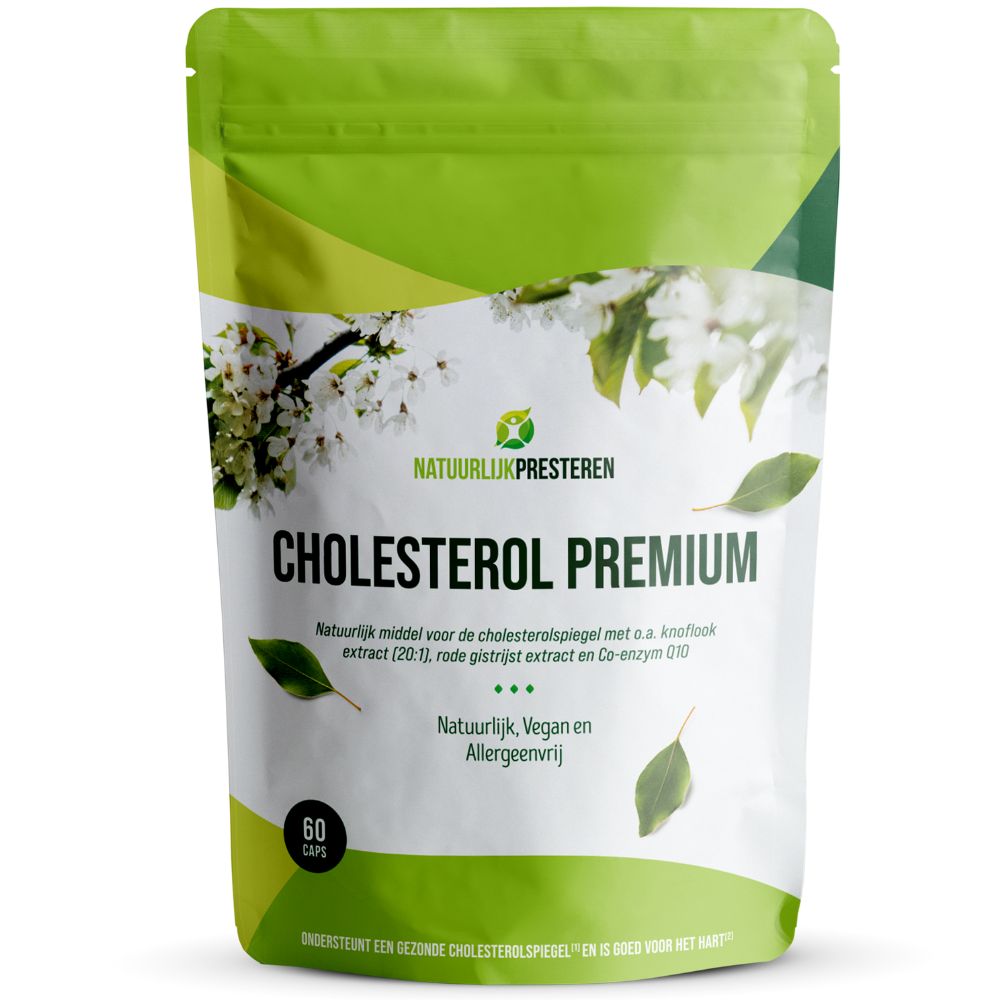
Tip: Cholesterol Premium contains an odorless 20:1 garlic extract of 60 mg (equivalent to 1200 mg garlic), a scientifically supported dose to support your heart and blood vessels.
4. Red Yeast Rice Extract – Helps Maintain Healthy Cholesterol
Red yeast rice extract is a natural product originating from Asian cultures. It is made by fermenting rice with the yeast species Monascus purpureus, which gives it its characteristic red color.
It is a source of Monacolin K, the active ingredient in red yeast rice. This substance helps lower cholesterol levels and appears to be as effective as statins (medication for high cholesterol), but is often better tolerated. (4)
Good to know : Recently, the daily dose of Monacolin K in supplements has been limited to a maximum of 3 mg due to health risks, while the European Food Safety Authority states that a minimum of 10 mg is necessary for significant cholesterol reduction. Want to know more? Read more on our pages about red yeast rice and Monacolin K.
5. L-arginine – helps relax blood vessels
L-Arginine is an amino acid important for the production of nitric oxide, a substance that helps relax blood vessels and lower blood pressure.(5)
This amino acid is found in protein-rich foods such as meat, fish, nuts, seeds, legumes, and dairy products. For supplements, L-arginine is usually extracted from natural and plant sources such as peas, pumpkin seeds, and sugar beets.
Cholesterol and blood circulation
Have you noticed that cholesterol often comes up when discussing blood circulation?
And for good reason! Cholesterol plays a key role in the health of your blood vessels, and therefore also in good blood circulation.
This is how it works:
- LDL (bad cholesterol): Excess oxidized LDL cholesterol can build up in your arteries and form plaques. This narrows and stiffens your blood vessels, restricting blood flow.
- HDL (good cholesterol): HDL helps remove excess LDL and keeps your arteries clean. So, it's good to have higher HDL cholesterol.
A healthy balance between LDL and HDL is essential. If your blood vessels remain elastic and free of constrictions, your blood flows more freely throughout your body.
Tips for improving blood circulation
It is therefore wise to pay attention to your cholesterol levels (in addition to supplements for your blood circulation) through a healthy diet and sufficient exercise.
As a supplement, you can help your body maintain healthy cholesterol levels with Cholesterol Premium . This supplement contains a powerful blend of natural ingredients to support your healthy lifestyle.
Sources used
- Banel, D. K., & Hu, F. B. (2009). Effects of walnut consumption on blood lipids and other cardiovascular risk factors: a meta-analysis and systematic review. American Journal Of Clinical Nutrition , 90 (1), 56–63. https://doi.org/10.3945/ajcn.2009.27457
- Dinu, M., Sofi, F., Lotti, S., Colombini, B., Mattioli, A.V., Catapano, A.L., Casula, M., Baragetti, A., Wong, N.D., Steg, P.G., & Ambrosio, G. (2024). Effects of omega-3 fatty acids on coronary revascularization and cardiovascular events: a meta-analysis. European Journal Of Preventive Cardiology . https://doi.org/10.1093/eurjpc/zwae184
- Gadidala, S. K., Johny, E., Thomas, C., Nadella, M., Undela, K., & Adela, R. (2023). Effect of garlic extract on markers of lipid metabolism and inflammation in coronary artery disease (CAD) patients: A systematic review and meta‐analysis. Phytotherapy Research, 37(6), 2242–2254. https://doi.org/10.1002/ptr.7729
- Gerards, MC, Terlou, RJ, Yu, H., Koks, C., & Gerdes, V. (2015). Traditional Chinese lipid-lowering agent red yeast rice results in significant LDL reduction but safety is uncertain – A systematic review and meta-analysis. Atherosclerosis , 240 (2), 415–423. https://doi.org/10.1016/j.atherosclerosis.2015.04.004
- McRae, M. P. (2016). Therapeutic Benefits of l-Arginine: An Umbrella Review of Meta-analyses. Journal Of Chiropractic Medicine , 15 (3), 184–189. https://doi.org/10.1016/j.jcm.2016.06.002
Gerelateerde blogartikelen
 bloggle
Resveratrol: What is it and what are the benefits?
Resveratrol has several benefits and has received a lot of attention in recent years, partly due to the so-called French paradox. This intriguing phenomenon points to the fact that the French, despite their love of high-fat meals, have remarkably healthy hearts and blood vessels. The red wine (rich in resveratrol) they drink daily is often cited as a possible explanation. But is the secret really in that glass of wine? Resveratrol offers more than just an excuse to toast! In this article, you'll learn exactly what resveratrol is and what surprising health benefits it can offer. Resveratrol is a powerful antioxidant found in red grape skins, with potential benefits for cell protection, cardiovascular health, and blood sugar control. Trans-resveratrol is the best form of resveratrol. Research on resveratrol is still relatively small, particularly regarding cholesterol and cognition. Choose a resveratrol supplement with trans-resveratrol and a good dosage (≥200 mg). Possible side effects include stomach upset and dizziness with high doses (>1000 mg). Table of contents What is Resveratrol? What are Polyphenols? How Resveratrol Works The Rise of Resveratrol Benefits of Resveratrol Side Effects of Resveratrol Foods with Resveratrol Wine with the Most Resveratrol Buy Resveratrol What is Resveratrol? Resveratrol is a powerful antioxidant belonging to the polyphenol group. These are natural plant compounds that help protect our cells from oxidative damage. It is one of many polyphenols that can support the body in the fight against aging and cell damage. What are polyphenols? Polyphenols are a large group of plant substances that often have antioxidant properties. Within this group there are several subgroups, such as the stilbenes, and resveratrol is an example of such a stilbene. To summarize it briefly: Polyphenols - The large group of plant substances with antioxidant properties. Stilbenes - A subgroup within the polyphenols. Resveratrol - A specific stilbene, commonly found in red wine and grapes. The effects of resveratrol Resveratrol protects our cells from oxidative stress. You can compare this to a rust inhibitor that protects against the corrosion of iron. Oxidative stress can occur in our bodies when there are too many free radicals and too few antioxidants to neutralize them. This can lead to cell damage and accelerated aging. Adding resveratrol to your diet (through food or supplements) can help support your body's resistance to oxidative stress, especially when living an unhealthy lifestyle, including factors such as stress, poor diet, and excessive alcohol consumption. Good to know : Your body also produces its own antioxidants, but an antioxidant-rich diet helps your body strengthen its protection. The rise of resveratrol Resveratrol was first discovered in 1940, in the roots of Japanese knotweed, a plant native to East Asia. But it didn't really gain attention until the 1990s, when it was found in red wine and linked to the "French paradox." Researchers noticed that despite their diets often being high in saturated fats (e.g., cheese, meat, and butter), the French had remarkably low rates of heart disease. One of the main hypotheses often put forward is the consumption of red wine, which contains resveratrol. Benefits of Resveratrol Researchers have discovered a great deal about resveratrol since then. But despite promising results in lab and animal studies, the evidence in humans is still inconclusive. So far, (trans)resveratrol has been shown to have the following benefits for our health: Contributes to the protection of cells and tissues* - As an antioxidant, resveratrol can help neutralise free radicals. Supports blood sugar levels* - Studies suggest that resveratrol is beneficial for blood sugar levels. The best results were seen with doses of 100 mg per day or more. (1) Supports healthy heart and blood vessels* - There is some evidence that resveratrol can help maintain healthy blood vessels. This may benefit blood pressure and indirectly contribute to overall heart health. (1) Less clear are the effects of resveratrol on: Cholesterol levels - There are some indications that resveratrol may affect cholesterol levels, but the effects are small and further research is needed. It is not a cholesterol medication, but it may be useful as a support. (2) Inflammatory Values – This is mainly due to its antioxidant effect. (3) Cognitive Function - Some research suggests that resveratrol may benefit cognition, but results are mixed and further research is needed. (4) Weight Management - Resveratrol may contribute to weight management, but further studies are needed to confirm these effects. (5) Good to know : (*) Health claim pending approval by the European Commission. Side effects of resveratrol Resveratrol is generally considered a safe dietary supplement, and side effects are rare. However, it is important to follow the recommended dosage, as side effects are reported mainly at higher doses. Below are some possible side effects: Nausea - In some cases, resveratrol can cause nausea. Taking the supplement after a meal often helps. Intestinal complaints - Such as diarrhea or bloating Dizziness - Because resveratrol can affect your blood pressure Indirect side effects (drug interactions): Enhanced effect of diabetes medication - Resveratrol can lower blood sugar levels, especially when combined with diabetes medication. Consult your doctor if you have diabetes and are taking medication for it. Enhances the effect of blood thinners - Resveratrol can enhance the effect of blood thinners. Consult your doctor if you are taking blood thinners. Food with resveratrol Resveratrol is found not only in red grapes, but also in a number of other foods. If you're looking for a natural way to add resveratrol to your diet, these are the richest sources: Walnuts (1.6 mg) Mandarin (1.1 mg) Sweet potato (1.0 mg) Red wine (1-2 mg per 100 ml, approximately 0.1-0.2 mg per 10 ml) * Peach (0.5 mg) Pure cocoa (0.5-1 mg per 100 g) * Grapes (0.1 mg) Peanuts (0.1 mg) (6) (*) The amount of resveratrol in wine depends on the type of wine and the grape variety, and the amount in cocoa also varies depending on the percentage of cocoa in the chocolate. Wine with the most resveratrol Of the different types of wine, red wine contains the most resveratrol. This is because the skins of red grapes contain a lot of this substance. Among red wines , Pinor Noir (French wine) contains the most resveratrol. White wine has significantly less resveratrol, as the skins do not ferment. Red wine contains between 0.3 and 1.0 mg of resveratrol per 150 ml (about a glass), depending on the grape variety and maturation (e.g. Cabernet Sauvignon, Pinot Noir, Merlot). White wine contains less than 0.1 mg per glass, because the grape skins are not used. Production and growing conditions also influence the content: wines from warmer climates often contain more resveratrol. Buy Resveratrol The amounts of resveratrol in food and wine are not high. To experience a faster and stronger effect, you can buy resveratrol supplements. It is important to pay attention to a number of criteria, because not all resveratrol supplements are effective: Choose trans-resveratrol : This form is biologically more active and effective than cis-resveratrol. Resveratrol supplement packaging often lists which form of resveratrol it contains. Go for the purest supplements - Some supplements will indicate on the packaging that they have a high purity, for example "95% pure" or "100% natural trans-resveratrol. Carefully review the ingredients list - The best supplements contain as few fillers as possible, such as binders or artificial additives. Ideally, they should contain only trans-resveratrol, without any unnecessary extras. Pay attention to the dosage : Choose a supplement with at least 200 mg trans-resveratrol per dose for best results. Read the reviews : Read reviews and research the brand's reputation to assess the quality of the product. Ebrina van der Bijl Ebrina is a nutritionist with a deep commitment to healthy eating and a sustainable lifestyle, based in beautiful Portugal. Her passion for natural and organic products is at the heart of her work. With a background in Nutrition & Dietetics and experience in product development and writing, she translates complex scientific information into practical advice for a balanced lifestyle. Read more Sources used Zhu, X., Wu, C., Qiu, S., Yuan, X., & Li, L. (2017). Effects of resveratrol on glucose control and insulin sensitivity in subjects with type 2 diabetes: systematic review and meta-analysis. Nutrition & Metabolism, 14(1). https://doi.org/10.1186/s12986-017-0217-z Li, Z., Liu, S., Liu, Q., Wang, M., Haedi, A. R., Zang, S. S., & Li, J. (2024). figure captionsEfficacy of resveratrol supplementation on lipid profile parameters: An umbrella of meta-analysis. Prostaglandins & Other Lipid Mediators, 175, 106903. https://doi.org/10.1016/j.prostaglandins.2024.106903 Shoura, SMS, Naghsh, N., Moslemi, E., Kavyani, Z., Moridpour, A.H., Musazadeh, V., & Dehghan, P. (2022). Can resveratrol supplementation affect biomarkers of inflammation and oxidative stress? An umbrella meta-analysis. Journal Of Functional Foods, 99, 105360. https://doi.org/10.1016/j.jff.2022.105360 Marx, W., Kelly, J. T., Marshall, S., Cutajar, J., Annois, B., Pipingas, A., Tierney, A., & Itsiopoulos, C. (2018). Effect of resveratrol supplementation on cognitive performance and mood in adults: a systematic literature review and meta-analysis of randomized controlled trials. Nutrition Reviews, 76(6), 432–443. https://doi.org/10.1093/nutrit/nuy010 Molani-Gol, R., & Rafraf, M. (2023). The anti-obesity effects of resveratrol on the 3T3-L1 adipocytes. International Journal For Vitamin And Nutrition Research, 94(3–4), 252–263. https://doi.org/10.1024/0300-9831/a000784 Xu, Y., Fang, M., Li, X., Wang, D., Yu, L., Ma, F., Jiang, J., Zhang, L., & Li, P. (2024b). Contributions of Common Foods to Resveratrol Intake in the Chinese Diet. Foods, 13(8), 1267. https://doi.org/10.3390/foods13081267
Lees meer bloggle
The Best Resveratrol? Here's What to Look For
Resveratrol is known as the healthy substance in red wine. But before you open the bottle, there are better sources that give you the benefits without the hangover or other harmful effects of alcohol. This powerful antioxidant is also found in certain foods such as blue grapes, walnuts, cocoa, sweet potato and peach. To get an effective dose of resveratrol, you'd need to eat plenty of these foods. That's why supplements have been developed that offer a high concentration, so you can easily experience the benefits. Resveratrol is a powerful antioxidant, best in trans-resveratrol form from Japanese knotweed, with a minimum of 200 mg per dose. Studies suggest benefits for heart, blood sugar, weight, and possibly cognitive function, but more research is needed. Follow the recommended dosage (100-350 mg), watch for drug interactions, and discontinue use if side effects such as stomach upset or headache occur. Table of contents Criteria for a good resveratrol supplement The top 3 best resveratrol supplements Resveratrol or trans-resveratrol? What are the benefits of resveratrol? Is resveratrol dangerous? Potential side effects of resveratrol Resveratrol for weight loss In short: Choosing the best resveratrol supplements Criteria for a good resveratrol supplement If you're considering taking resveratrol as a supplement, it's important to keep a few things in mind. Not every supplement contains the correct form or an effective dosage. These are the most important criteria: Extracted from natural sources – In nutritional supplements, resveratrol is often extracted from Japanese knotweed (also called Polygonum extract), as this plant naturally contains a lot of resveratrol. Contains the best form: trans-resveratrol – This is the most bioavailable form, which your body can absorb well. Sufficient dosage – An effective supplement contains at least 200 mg per dosage . With these points in mind, it will be easier to choose a supplement that really works. The best resveratrol supplement Based on these criteria, I went looking for the very best resveratrol supplements available today. #1 – Resveratrol Premium from Natural Performance Resveratrol Premium contains trans-resveratrol from the natural Polygonum extract in a powerful, yet safe dosage. The benefits: Contains trans-resveratrol Obtained from the natural Polygonum extract Effective dosage of 250 mg per 2 capsules Resveratrol or trans-resveratrol? There are two forms of resveratrol that are commonly mentioned: resveratrol and trans-resveratrol. But what is actually the difference? Resveratrol is the general term for the substance. Trans-resveratrol is the active, most potent form available to your body. It's the most effective form. Because trans-resveratrol is the most bioavailable and effective form, it is most commonly used in supplements. So when choosing a supplement, it's good to check if it contains trans-reservatrol for best effectiveness. What are the benefits of resveratrol? Although the European Commission is still assessing which health claims may be officially recognised, scientific research suggests that resveratrol: Works as a powerful antioxidant - As an antioxidant, resveratrol helps protect healthy cells and tissues. Supports blood sugar levels* - Studies suggest that resveratrol may have an effect on blood sugar levels. Good for the heart and blood vessels* - Resveratrol could have a beneficial effect on your cardiovascular health. There are also indications that resveratrol could offer benefits to our health in other areas, but more research is needed: Supports weight management* May affect cognitive functions such as memory May have an effect on cholesterol and inflammation levels Good to know : (*) Health claim pending approval by the European Commission. Is resveratrol dangerous? No, resveratrol is not dangerous as long as you stick to the recommended amounts. There are a few things to keep in mind, though: Dosage - Typically, a dosage of 100-350 mg per day is recommended (resveratrol from a natural source). However, higher doses may cause stomach upset or diarrhea. Medication use - Resveratrol may interact with certain medications, such as blood thinners and blood pressure medications. Consult your doctor if you are taking any medications. Pregnancy and breastfeeding - Although resveratrol is natural, it's best to be cautious with this supplement during pregnancy or breastfeeding. There isn't enough research in this area yet. In short : If you consume resveratrol through food (e.g., grapes, berries, or nuts), it is virtually harmless. The risk is mainly with high doses via supplements. Therefore, it is always wise to follow the recommended dosage on supplements. Potential side effects of resveratrol Side effects may occur in some people, especially at higher doses. Potential side effects include: Stomach complaints (abdominal pain, nausea or diarrhea) Headache If you experience these symptoms, you can first try reducing the dosage. However, if the side effects persist, stop taking the supplements. Resveratrol for weight loss Resveratrol has gained attention in weight management research in recent years. The initial results are promising, but it is important to emphasize that more research is needed to make definitive statements about its effectiveness. Here's how resveratrol may impact weight management: Supports metabolism* - It can support healthy blood sugar levels (1). This can help the body use energy more efficiently. Supports insulin sensitivity* - There is evidence that resveratrol supports insulin function (2). Supports fat oxidation* - Some studies suggest that resveratrol is good for fat burning (3). Good to know : Maintaining a healthy weight depends on several factors, such as diet, exercise, and genetics. Resveratrol can be a useful supplement, but it's not a miracle cure. It's also a dietary supplement, not a medication. In short: Choosing the best resveratrol supplements Resveratrol is a powerful antioxidant with many health benefits, but the right dose and source are essential. Foods like blue grapes, nuts, and cocoa can be a good source, but to truly experience the benefits, supplements are often a more convenient choice. When purchasing resveratrol supplements, it is important to pay attention to the source (preferably Japanese knotweed), the correct form (trans-resveratrol) and sufficient dosage (minimum 200 mg per dose). Always use the recommended dosage and consult a doctor if you are taking medication. By paying attention to the right criteria, you can get the most out of your supplement and benefit from the many advantages of resveratrol. Ebrina van der Bijl Ebrina is a nutritionist with a deep commitment to healthy eating and a sustainable lifestyle, based in beautiful Portugal. Her passion for natural and organic products is at the heart of her work. With a background in Nutrition & Dietetics and experience in product development and writing, she translates complex scientific information into practical advice for a balanced lifestyle. Read more Sources used Zhou, Q., Wang, Y., Han, X., Fu, S., Zhu, C., & Chen, Q. (2022). Efficacy of Resveratrol Supplementation on Glucose and Lipid Metabolism: A Meta-Analysis and Systematic Review. Frontiers in Physiology, 13. https://doi.org/10.3389/fphys.2022.795980 Liu, K., Zhou, R., Wang, B., & Mi, M. (2014). Effect of resveratrol on glucose control and insulin sensitivity: a meta-analysis of 11 randomized controlled trials. American Journal Of Clinical Nutrition, 99(6), 1510–1519. https://doi.org/10.3945/ajcn.113.082024 Molani-Gol, R., & Rafraf, M. (2023). The anti-obesity effects of resveratrol on the 3T3-L1 adipocytes. International Journal For Vitamin And Nutrition Research, 94(3–4), 252–263. https://doi.org/10.1024/0300-9831/a000784
Lees meer
Potassium in Supplements and Food: The Complete Guide
Potassium is important for our health, from blood pressure regulation to muscle and nerve function. In this blog post, discover everything about potassium, from its essential role in your body to how to get the most out of your diet. We'll also discuss the benefits of potassium and what factors can cause a deficiency or excess. Potassium regulates blood pressure, supports muscle and nerve function, and helps maintain fluid balance. Potassium is ingested through food or supplements. A potassium deficiency can cause muscle weakness, fatigue, heart rhythm disturbances and high blood pressure, while an excess can be harmful. Foods like coconut water, nuts, vegetables, and meat are high in potassium; a supplement is usually only needed if you are deficient. Table of contents What is Potassium? What is Potassium good for? Blood pressure Muscles Nerves Types of Potassium Similarities and Differences What is the best type of Potassium? How much Potassium per day? Where does (a lot of) Potassium come from? How is Potassium absorbed? Potassium too low Symptoms of low potassium Causes of low potassium What to do if you have low potassium? Potassium too high Up to 3 grams of extra Potassium per day is safe Symptoms of high potassium Causes of high potassium What to do if you have high potassium? Potassium and blood pressure Balance between Potassium and Sodium What is Potassium salt (diet salt)? Why choose potassium salt? Buying the best diet salt The best way to get more Potassium What is Potassium? Potassium is an essential mineral for regulating blood pressure and supporting muscle and nerve function. As an electrolyte, potassium works with sodium to regulate the fluid balance in your cells. Your body doesn't produce potassium itself, so it must be obtained through food or supplements. Foods like cocoa, vegetables, fruits, meat, and nuts are good sources of potassium. What is Potassium good for? The blood pressure Potassium has a beneficial effect on blood pressure . This is because potassium works together with sodium: The salt you eat is made up of sodium and chloride. Sodium is a component of salt and can raise blood pressure by retaining fluid. In response (to protect your body), potassium helps remove the sodium through your urine, lowering your blood pressure. Good to know: Eating more potassium from food and less sodium (salt) helps lower your blood pressure. The muscles Potassium plays a role in maintaining strong and supple muscles . This mineral ensures that your muscles receive the correct signals to move. It also helps supply energy to the muscle cells. This is important to prevent muscle cramps and your muscles can function properly. The nerves Potassium has a positive effect on the functioning of the nervous system . Nerves communicate through electrical signals. Potassium helps generate and transmit these signals. Among other things, it ensures that nerve cells have the right balance of substances to function properly. Types of Potassium Although it is preferable to get potassium through your diet, in certain situations it may be necessary to take potassium supplements. Different types of potassium are used in potassium supplements: Potassium citrate Potassium chloride (also called dietary salt, flavoring) Potassium phosphate Potassium bicarbonate Potassium gluconate Similarities and Differences Most forms of potassium are well absorbed and are effective in treating potassium deficiency. The main difference is in the chemical compounds: Organic compounds - Potassium citrate and potassium gluconate Inorganic compounds - Potassium chloride, potassium phosphate and potassium bicarbonate Remember: Organic potassium compounds are generally better tolerated than inorganic forms. This can make them somewhat milder on your stomach. Choose the right form of potassium based on your specific needs and circumstances. This information can help you choose the right form of potassium depending on your specific needs and circumstances: Intake Connection Advantage Potassium citrate Very good Organic Best recorded. Potassium chloride Good Inorganic Effective in quickly increasing potassium Potassium phosphate Good Inorganic Increases both potassium and phosphate levels in the body Potassium bicarbonate Good Inorganic Regulates the body's pH value Potassium gluconate Good Organic More gentle on the stomach and therefore suitable for longer use What is the best type of Potassium? Potassium citrate and potassium chloride are considered the best forms because of their high bioavailability and effectiveness in correcting potassium deficiencies. Potassium citrate has the added benefit of making urine less acidic, which can contribute to a healthier urinary system. Potassium gluconate is also easily absorbed and gentler on the stomach, making it a good choice for people with sensitive stomachs or who need to take supplements long-term. Good to know: The easiest way to get potassium is through food. A supplement is (often) not necessary. If you think you have a potassium deficiency, you can discuss this with a medical specialist. How much potassium per day? How much potassium you need per day depends on your age and individual factors: Age / need Recommended Daily Amount Babies (6-11 months) 1100 mg Babies (12-23 months) 1400 mg Children (2-5 years) 1800 mg Children (6-9 years) 2000 mg Boys (10-13 years) 3300 mg Boys (14-17 years) 3500 mg Men (18 years and older) 3500 mg Girls (10-13 years) 2900 mg Girls (14-17 years) 3100 mg Women (18 years and older) 3500 mg Pregnant women 3500 mg Women who are breastfeeding 3100 mg Source: Nutrition Center (1) What contains (a lot of) Potassium? Potassium is a mineral found in many different types of food. These are foods that are particularly high in potassium: Food Potassium per 100 grams Cocoa powder 1500 mg Apricots (dried) 1500 mg Pistachios 871 mg Almonds 668 mg Lentils (brown and green, cooked) 657 mg Steak 561 mg Spinach (raw) 539 mg Salmon 489 mg Avocado 429 mg Broccoli 399 mg Banana 374 mg Whole wheat bread (with seeds) 351 mg Boiled potatoes 340 mg Coconut water 250 mg Source: Nevo table online, 2023 How is Potassium absorbed? Most of the potassium we ingest is absorbed in the small intestine. The kidneys then regulate the amount of potassium in the body, keeping potassium levels stable in the blood and body cells. Then, most of the potassium is excreted through your urine, while a small portion is excreted through your feces and an even smaller portion is excreted through your skin through sweating. Potassium too low If you do not get enough potassium for a longer period of time or suffer from certain health problems (see "causes of low potassium"), this can have long-term effects on your health. When you have a potassium deficiency, it is also called hypokalemia . Symptoms of low potassium You can recognize a potassium deficiency by these symptoms: Muscle weakness Fatigue/Listenliness Complaints in your stomach and intestines (nausea) Cardiac arrhythmias (in severe cases)[2] High blood pressure Causes of low potassium Potassium deficiency is uncommon in a normal person. The mineral potassium is found in many different foods, and your body controls its own balance. However, a deficiency can arise from various causes. These are the most common: Kidney diseases Eating disorders Mediation (diuretics / water tablets / ACE inhibitors) Severe diarrhea and/or excessive vomiting Disrupted diabetes Excessive alcohol use / alcoholism What to do if you have too little potassium? In that case, it's best to start eating more potassium-rich foods. If that's not enough, consider taking potassium supplements in consultation with a nutritionist or doctor. In addition , the balance between potassium and sodium is very important. We'll tell you more about this in Chapter 8. My favorite way: A varied diet naturally provides you with enough potassium. One of my favorite ways to get more potassium through food is drinking coconut water. A pint of coconut water is relatively inexpensive and contains 1250 mg of potassium. It's also rich in magnesium, B vitamins, zinc, and vitamin C, among other nutrients. Potassium too high Potassium overload is rare in healthy individuals. Even if you eat more potassium than your body can use, you'll simply pee it out! That's why there's no official tolerable upper intake level. There are, however, situations (medical conditions) in which your potassium can be too high. We will tell you more about this under "causes of potassium being too high". Up to 3 grams of extra potassium per day is safe To get an idea of what a safe dose of potassium is (to take extra), many studies have been conducted, which show that 2.5-3 grams of potassium (as a supplement) per day has no adverse effects on health in healthy people: In 2015, Wageningen University & Research conducted a study on the effects of long-term use of potassium supplements. They examined 22 studies with a total of 1,086 participants. It turned out that taking extra potassium, an average of 2.5 grams per day for about four weeks, has no noticeable effect on heart rate[3]. The Nutrition Center even states that: 'With long-term use of 3 grams of potassium chloride as a supplement in addition to a normal diet, no adverse effects on health have been found in healthy people[4]. Symptoms of high potassium If you take more than 5-7 grams of extra potassium every day, it can result in unpleasant symptoms. It is known that from this amount onwards you are likely to experience the following symptoms: Short of breath Tingling Numbness A weak feeling Ingesting 18 grams at a time and not being able to urinate out the excess potassium can lead to potassium poisoning . The consequences are much more serious. Please note: If the potassium level is too high, heart rhythm disturbances or, in extreme cases, cardiac arrest may occur! Causes of Potassium Too High Besides overdosing on potassium supplements, there are a number of other reasons why potassium levels in your body can become too high. Too much potassium in the body, also called hyperkalemia , can be caused by: Kidney Problems - Because the kidneys regulate the amount of potassium in the body, decreased kidney function can lead to potassium buildup. Medications - Certain medications, commonly prescribed for diabetics and/or for high blood pressure, can decrease potassium excretion, contributing to elevated blood potassium levels. Insulin deficiency - In the absence of insulin, such as in untreated type 1 diabetes, potassium cannot be effectively transported into the cells, resulting in it remaining in the blood. (Diabetic) acidosis - Acidosis is a condition in which the blood or other body fluids become too acidic, such as in diabetes. This can cause elevated potassium levels in the blood.[5] What to do if potassium is too high? Do you suspect you have too much potassium in your blood? Consult a doctor or specialist first to determine the cause. Please note: It is important to determine the cause of hyperkalemia and seek medical attention if necessary, as high potassium levels can cause serious health problems. Potassium and blood pressure Potassium and sodium work against each other in many ways to maintain balance: A high sodium intake can lead to increased blood pressure, but an adequate potassium intake can help counteract this effect . This happens because potassium stimulates the kidneys to excrete more sodium, which helps lower blood pressure. Balance between Potassium and Sodium So the balance between the two minerals is what counts! Eating too much salt (which is high in sodium) can raise your blood pressure because it causes your body to retain more fluid. Eating plenty of potassium can actually lower your blood pressure . Potassium helps your body excrete more sodium in your urine and helps your blood vessels relax. In the Netherlands, our potassium intake is good. Both men and women eat an average of more than 3,500 mg of potassium (the RDA). However, we eat too much salt. The latest report from the National Institute for Public Health and the Environment (RIVM) shows that we eat between 8 and 11 grams of salt per day. That's almost twice as much as the maximum amount of 6 grams per day![6] My tip: The salt you consume (usually) doesn't come from the salt container on the table, but rather from the salt added to food by manufacturers. Therefore, avoid prepackaged foods as much as possible and choose unprocessed foods more often, preparing them yourself. This can help you better manage your salt intake. What is Potassium Salt (Diet Salt)? Potassium salt, also called diet salt, is a seasoning based on potassium chloride instead of sodium chloride. It has a slightly different flavor than the salt you're used to, but it also enhances the taste. This alternative form of salt therefore only contains potassium and no sodium. Why choose potassium salt? Potassium salt can help you reduce your table salt (sodium chloride) intake. This can help maintain healthy blood pressure and increase your potassium intake. Buy the best diet salt A good diet salt is a product that is very low in sodium. According to the law, a product label may only say " Very low sodium or salt content " if it contains less than 0.1 gram of salt or 0.04 gram of sodium per 100 grams . But be careful: Discuss the use of potassium salt with your doctor first if you have kidney problems or are taking medications such as diuretics or ACE inhibitors. You are then at a higher risk of high potassium levels! The best way to get more potassium It's best to get potassium primarily through your diet. Foods like coconut water, green leafy vegetables, nuts, seeds, various fruits, and boiled potatoes are excellent sources of potassium. Taking a potassium supplement is often unnecessary. If you suspect a potassium deficiency, discuss it first with your doctor and/or a medical specialist. Ebrina van der Bijl Ebrina is a nutritionist with a deep commitment to healthy eating and a sustainable lifestyle, based in beautiful Portugal. Her passion for natural and organic products is at the heart of her work. With a background in Nutrition & Dietetics and experience in product development and writing, she translates complex scientific information into practical advice for a balanced lifestyle. Read more Sources used https://www.voedingscentrum.nl/encyclopedie/kalium.aspx https://www.voedingscentrum.nl/encyclopedie/kalium.aspx#blokwaar-zit-kalium-in ? https://pubmed.ncbi.nlm.nih.gov/27289164/ https://www.voedingscentrum.nl/encyclopedie/kalium.aspx#blokwaar-zit-kalium-in ? https://www.ncbi.nlm.nih.gov/books/NBK560723/ National Institute for Public Health and the Environment (RIVM). Food Consumption Survey: Nutritional Status Survey - Salt and Potassium
Lees meer