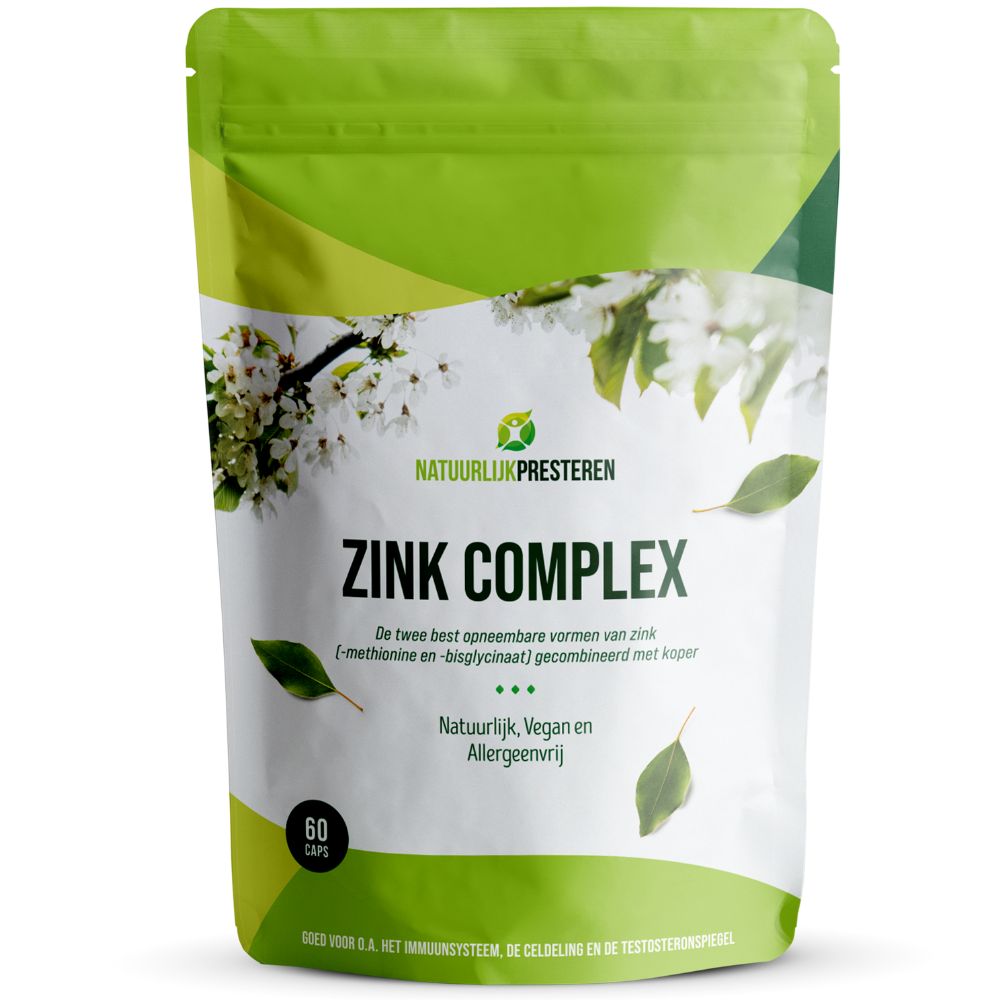
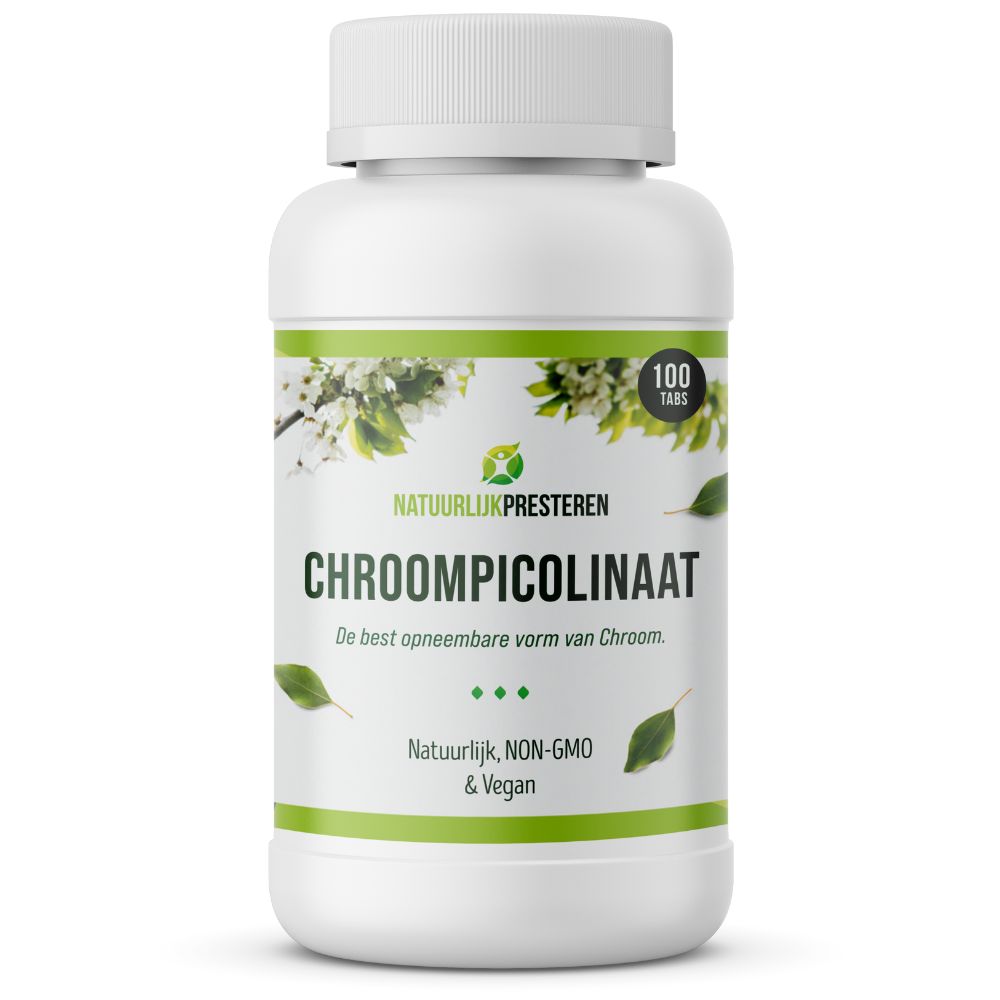
What are mineral supplements?
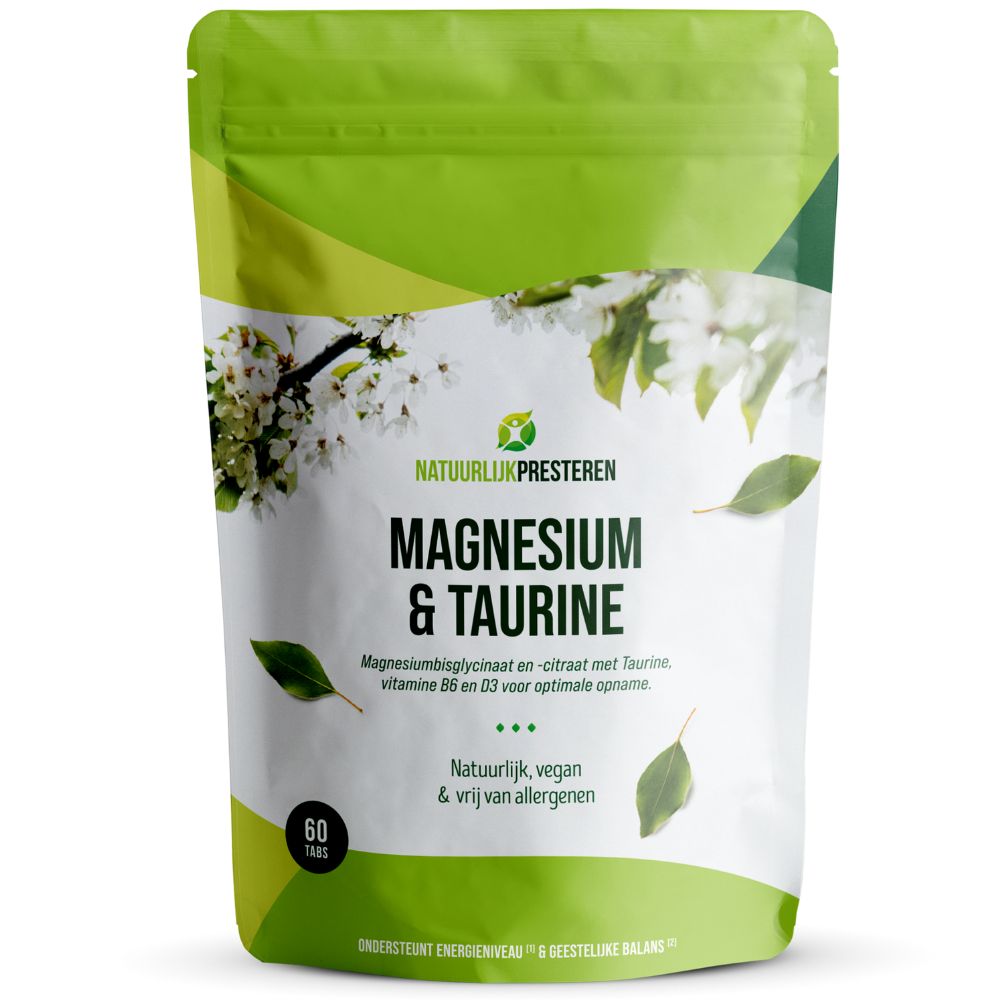
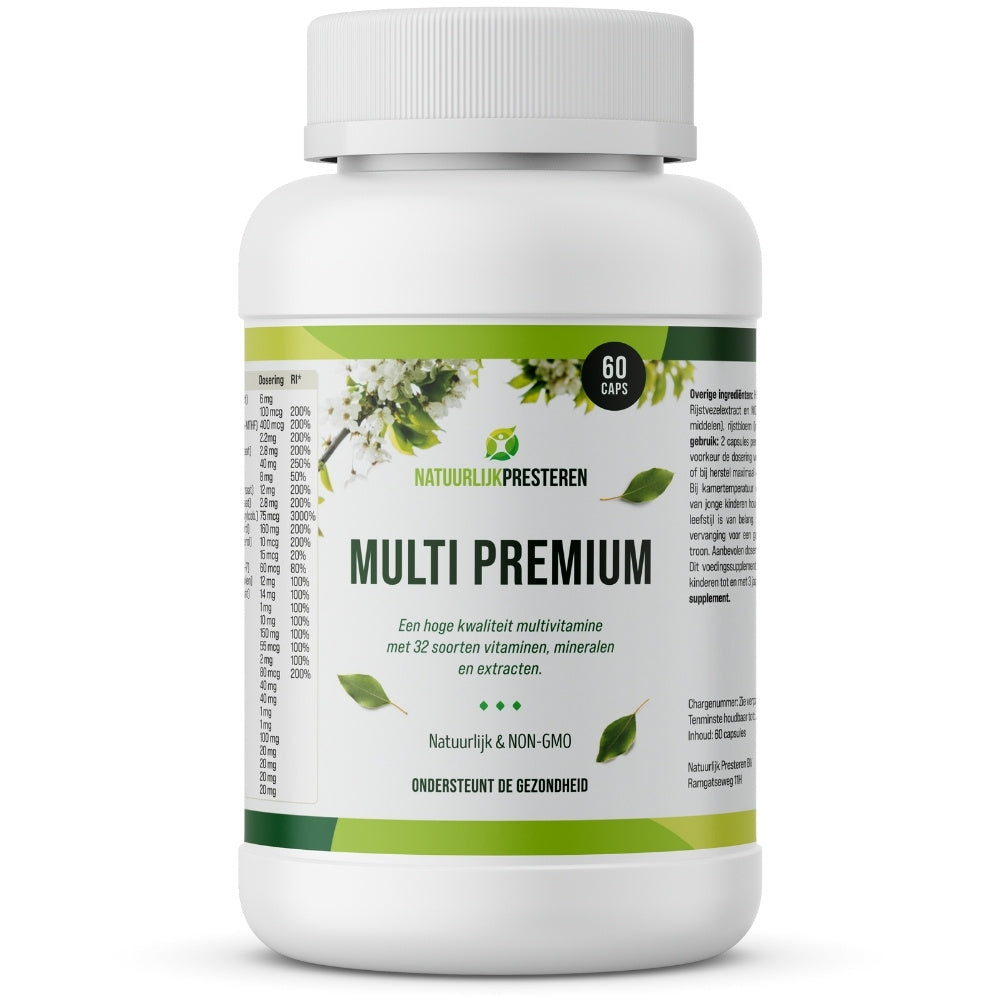
These supplements primarily contain minerals, but are often combined with other natural ingredients. This way, they can enhance each other's effects.
What are minerals?
Minerals are essential nutrients our bodies need to function properly. They play a crucial role in many different processes.
Minerals can be roughly divided into two categories:
- Macrominerals : These are minerals we need in large quantities. Examples include calcium, magnesium, sodium, and potassium. They are important for bone structure, muscle function, and blood pressure regulation.
- Microminerals (or trace elements) : We need these minerals in smaller quantities, but they are no less important. Think of iron, zinc, selenium, and copper. They help produce enzymes and are essential for the immune system.
Who are mineral supplements for?
While a varied diet is the best way to get minerals, there are situations where mineral supplements can be helpful. Some groups of people are at a higher risk of deficiencies and may benefit from additional support.
Examples of who may benefit from mineral supplements:
- Pregnant women: During pregnancy, there is an increased need for minerals such as iron and calcium. Supplements support this increased need.
- Vegetarians and Vegans : Without animal products, certain nutrients may be deficient, so supplements such as multivitamins can be helpful.
- Athletes: Active people sometimes need extra minerals, such as magnesium for muscle function and recovery.
- Elderly: Mineral absorption may decrease in older adults; supplements can help prevent deficiencies and support overall health.
Tips for buying mineral supplements
Often enough, people buy supplements without properly investigating the mineral, dosage and quality of the product.
That's why I have 4 handy tips for responsibly buying minerals in supplement form:
Tip 1: Investigate which mineral deficiency you have
Pay close attention to how your body reacts and read up on the symptoms of mineral deficiencies. Because these symptoms can also be caused by other factors, it's wise to confirm your suspicions with a blood test. This way, you'll know for sure which minerals you need.
Tip 2: Choose high-quality mineral supplements
Assessing the quality of mineral supplements can be challenging. Look for brands that provide detailed information about their products and are transparent about the source of their ingredients. This will help you make informed choices for your health.
Tip 3: Know the Recommended Daily Allowance (RDA)
Check the RDA for the minerals you plan to take. Compare this to the dosage listed on the packaging or product page.
Important! Stick to the RDA for minerals. Your body stores many minerals, such as zinc and iron, when they're not needed. This can lead to toxicity, with unpleasant symptoms. (1)(2)
Tip 4: Understand interactions with other nutrients
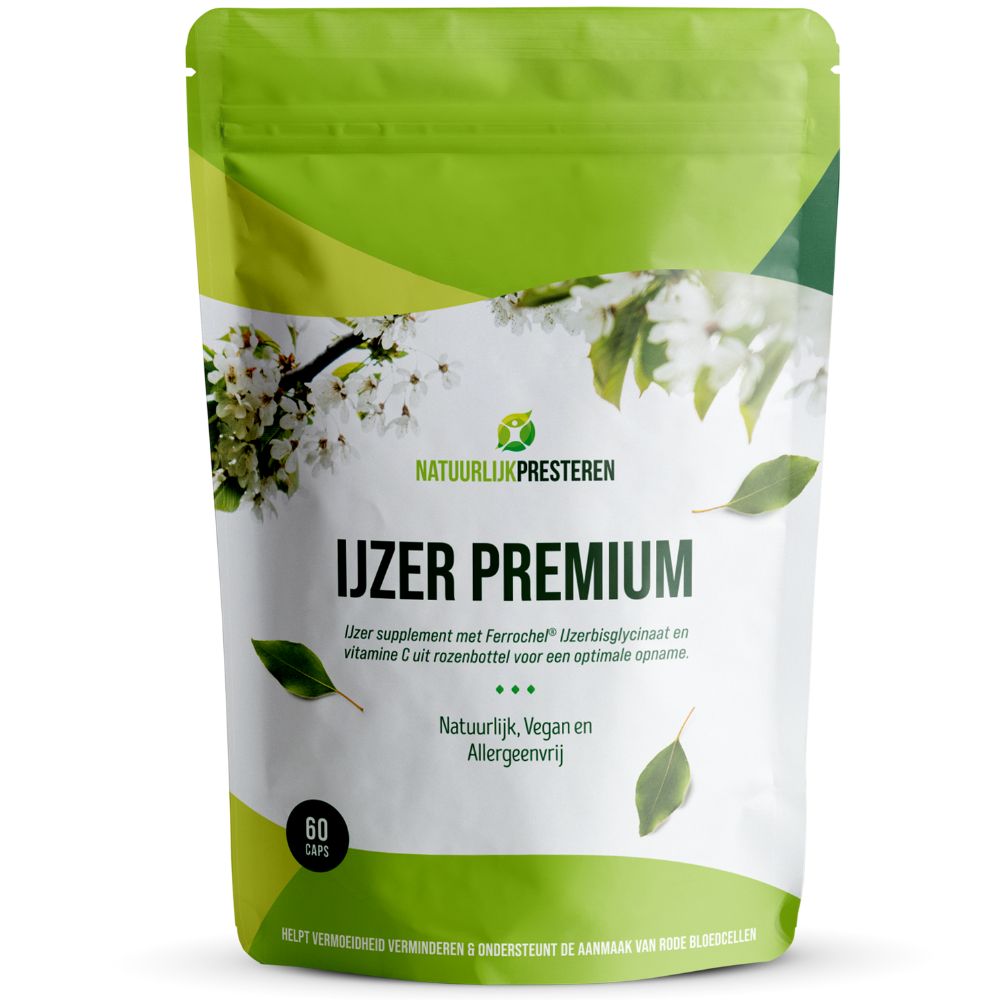
Some minerals are better absorbed when combined with specific vitamins or other minerals, while they are less effective in other combinations. A common example is the combination of iron and vitamin C: when you take iron supplements along with vitamin C, your body can better absorb the iron. (3)
Make sure you consider these trade-offs for optimal absorption!
Sources Used
- Schoofs, H., Schmit, J., & Rink, L. (2024). Zinc Toxicity: Understanding the Limits. Molecules , 29 (13), 3130. https://doi.org/10.3390/molecules29133130
- European Food Safety Authority. (2024, June 12). Scientific opinion on the tolerable upper intake level for iron . https://www.efsa.europa.eu/en/plain-language-summary/scientific-opinion-tolerable-upper-intake-level-iron
- Skolmowska, D., & Głąbska, D. (2022). Effectiveness of Dietary Intervention with Iron and Vitamin C Administered Separately in Improving Iron Status in Young Women. International Journal Of Environmental Research And Public Health , 19 (19), 11877. https://doi.org/10.3390/ijerph191911877
Gerelateerde blogartikelen
Iron in Food and Supplements: The Complete Guide
Iron is found in food and is also often used in nutritional supplements. In this comprehensive article, you'll learn all about the benefits of iron, its effects on your body, and how to recognize a deficiency. You will also learn which foods contain the most iron and which blood values are important to determine whether you have sufficient (or too much) iron available in your body. Iron is essential for oxygen transport, energy production and the immune system; it occurs as heme iron (animal) and non-heme iron (plant). Iron deficiency leads to fatigue, pale skin and restless legs; causes include blood loss, poor absorption or insufficient iron-rich food. Iron absorption is improved by vitamin C and inhibited by calcium and tea; too much iron can be harmful. Table of contents What is Iron? What Types of Iron are There? Types of Non-Heme Iron Increased Absorption of Heme Iron The Best Iron Supplement The Functions of Iron in the Body Regulating and Storing Iron How Much Iron Do You Need Per Day? Symptoms of Iron Deficiency Causes of Iron Deficiency Menstrual Bleeding in Women (Cause 1) Increased Iron Needed During Pregnancy (Cause 2) Too Little Iron in Breast Milk in Infants (Cause 3) Low Iron Absorption from Food (Cause 4) Too Little Iron-Rich Food (Cause 5) Increase Iron Absorption Getting Sufficient Iron Blood Values in Relation to Iron in Your Body Iron (Deficiency) and Anemia Hemoglobin in Your Blood Test What to Do with a Low Hemoglobin Level (Hb Level)? What to Do with a High Hemoglobin Level (Hb Level)? Ferritin What to Do with a Low Ferritin Level? What to do about high ferritin levels? Which foods contain iron? Side effects of too much iron. What is too much iron? Symptoms of too much iron. What is iron? Iron is an essential mineral that plays a vital role in the body, particularly in the production of hemoglobin, the protein that carries oxygen in red blood cells. A dietary iron deficiency can lead to fatigue and a weakened immune system. In this article, you'll discover the functions of iron, how the body regulates and stores iron, the recommended daily amounts, and the causes and consequences of iron deficiency. We also discuss iron supplements and how to optimize iron absorption from your diet, as well as the risks of iron overload. Read on to learn all about this essential mineral and how to ensure you get enough iron for optimal health. What types of Iron are there? There are two types of iron in our diet: heme iron and non-heme iron. Heme iron - Found in muscles and blood, heme iron is only found in animal products , such as meat, poultry, and seafood. It is more easily absorbed by the body than non-heme iron. Non-heme iron - Found in plant foods such as leafy greens, whole grains, nuts, cocoa, seeds, and legumes. Non-heme iron is also found in animal products. This is easy to remember when you consider that animals eat the plants that contain non-heme iron! Types of non-heme iron Iron supplements almost always use a form of non-heme iron. Some examples of common forms of non-heme iron are: Iron fumarate (ferrous fumarate) Iron bisglycinate Iron citrate Iron sulfate Iron lactate Iron gluconate Iron picolinate In general, these forms of iron differ mainly in their chemical composition, bioavailability (absorbability), and potential side effects. Increased absorption of heme iron Absorption (how well a substance moves from the digestive tract into the bloodstream): 25% of all heme iron in your diet is absorbed, but only 17% of non-heme iron. This means you need to consume about 1.5 times as much non-heme iron as heme iron! Bioavailability (the complete process, from absorption to final availability for use by the body): The bioavailability of heme iron is estimated to be 14% to 18% while it is only 5% to 12% for non-heme iron. Heme iron vs. non-heme iron Although heme iron only makes up 10% to 15% of total iron intake in Western countries, its improved absorption makes it approximately 40% of the total iron absorbed.(1) Another important difference between heme and non-heme iron is that the body absorbs more non-heme iron when your iron stores are low. Heme iron, on the other hand, is always well absorbed, regardless of your iron intake. Adding animal products (containing heme iron) to your diet can increase your absorption of non-heme iron by 2-3 times. The best iron supplement It's important to choose a form of iron that is well-tolerated and effectively absorbed by your body. This can vary depending on individual factors and any specific recommendations from a doctor or nutritionist. For supplements, iron fumarate (ferrous fumarate) is preferred for the following reasons: Bioavailability - Iron fumarate generally has good bioavailability, meaning it can be easily absorbed by the body. This can result in an effective supplement for iron deficiencies. Tolerability - For many people, iron fumarate is well tolerated and causes fewer side effects compared to some other forms of iron, especially with long-term use. The functions of iron in the body The best-known function of iron is the transport of oxygen, but this mineral also plays a crucial role in many other processes in our body. (2) This is why it is so important to get enough iron: Transport of oxygen - Iron is an essential component of hemoglobin, the protein in red blood cells that binds and transports oxygen from the lungs to tissues throughout the body. Energy production - Iron plays a role in the production of adenosine triphosphate (ATP), the body's main energy source. It is involved in various enzymatic reactions essential for metabolism and energy production. The immune system - Iron is essential for healthy immune system function. It plays a role in the production and activity of white blood cells, which protect the body from infection and disease. How the brain works - Iron is involved in the synthesis of neurotransmitters, such as dopamine and serotonin, which are important for communication between nerve cells and the regulation of mood, emotions and cognitive functions. DNA synthesis - Iron is essential for the synthesis of DNA, the genetic material of cells. It is necessary for the growth, development, and repair of tissues in the body. Regulating and storing iron Our body has a fascinating system for regulating iron levels. This system ensures the body has enough iron to perform essential functions and prevents excessive iron accumulation, which can be harmful to health. Storage - When more iron is ingested than we immediately need, the excess iron is stored as ferritin, a protein that can bind iron and store it in cells (more on this later). This occurs primarily in the liver, spleen, and bone marrow. Absorption - When iron stores in the body are low, iron absorption from the intestines increases. This is regulated by a complex system of proteins and hormones. Recycling - When a red blood cell dies, it is broken down in the spleen and liver. This process releases the iron, which is then reused to make new red blood cells or stored for future use. How much iron do you need per day? How much iron you need daily depends on your age and individual needs. These are the guidelines from the Health Council and the Nutrition Center.(3) Age / need Quantity Children (6 months - 5 years) 8 mg per day Children (6-8 years) 9 mg per day Men (ages 9 and up) 11 mg per day Women (9-13 years and after menopause) 11 mg per day Women (14-17) 15 mg per day Women who are breastfeeding 15 mg per day Women (over 18 until menopause) 16 mg per day Pregnant women 16 mg per day Symptoms of Iron Deficiency When your body doesn't have enough iron, it will first draw on its reserves. But if even those are depleted, you can develop an iron deficiency. You can recognize an iron deficiency by the following symptoms: Fatigue - Iron is needed to transport oxygen. Less oxygen means you can produce less energy, which can lead to fatigue. Quickly out of breath - The less oxygen your blood can carry, the faster you have to breathe and therefore quickly become out of breath. Pale skin - An iron deficiency causes poor blood circulation. This can lead to pale skin. Restless legs - An iron deficiency can affect dopamine production, which can trigger restless legs. These are the most common symptoms recognized by the Nutrition Center.(4) Causes of iron deficiency Because the body can recycle iron and store it relatively easily, an iron deficiency doesn't develop overnight. It's a gradual process. You're therefore at risk of a deficiency if, over a prolonged period of time, you: Blood loss (menstruation, stomach ulcer, blood donation, tumors) Have a higher need for iron (pregnancy, breastfeeding) Reduced ability to absorb iron (intestinal problems, gastric reduction surgery) Not getting enough iron (diet) Menstrual bleeding in women (cause 1) Women who experience heavy menstrual bleeding (menorrhagia) are at increased risk of iron deficiency. Iron deficiency symptoms can also occur in women with lighter periods. Sudden blood loss , such as during a blood donation or surgery, causes the body to lose a large number of red blood cells in a short period of time, along with valuable iron molecules. Producing new blood therefore requires an especially high iron intake. Similarly, iron deficiency can also occur with gradual blood loss , for example, from a stomach ulcer or tumor. Increased iron requirement during pregnancy (cause 2) Pregnant women have a increased need iron. This is because the body then produces more blood to supply the baby and placenta with sufficient oxygen and nutrients. The iron regulation system cleverly adapts to this by absorbing more iron from your diet. However, it is important to eat extra iron-rich foods during pregnancy, because the need for iron increases even more in the 2nd and 3rd trimesters .(5) A well-stocked iron supply is also necessary for childbirth due to the blood loss and the breastfeeding period during which the baby is dependent on breast milk for its iron supply. Low Iron in Breast Milk in Infants (Cause 3) Because breast milk is not very rich in iron and infants are completely dependent on milk for their iron intake, babies can also develop iron deficiency. The same applies to older children who are still growing. During a growth spurt, more blood is needed in a short period of time to supply the growing body with sufficient oxygen. Low iron absorption from food (cause 4) Sometimes it is not the extra need for iron that causes an iron deficiency. The cause can also be due to a Lower or less efficient absorption of iron in the small intestine. Examples of situations in which iron absorption is less efficient include: Bowel problems such as Crohn's disease or ulcerative colitis (IBD); A recent dissertation by Roberta Loveikyte (April 2024) discovered that 1 in 5 outpatients with IBD has anemia, often due to an iron deficiency. (6) Gastric bypass (stomach reduction surgery) Celiac disease (gluten allergy) or gluten intolerance Too little iron-rich food (cause 5) Because non-heme iron (plant-based foods) is less well absorbed than heme iron (animal products), it can be included in a vegetarian or vegan diet. it can be a challenge to get enough iron. It's therefore important to eat more of these foods and pay attention to how they're eaten to improve absorption . This can be done by combining certain foods in a meal: Increase Iron Absorption Vitamin C supports the absorption of non-heme iron. Combining foods rich in vitamin C, such as fruit, with iron-rich foods improves iron absorption. A glass of orange juice with a meal is a good example.(7),(8) These substances inhibit the absorption of iron Calcium (including in dairy products) Phytic acid (found in grains and legumes) Polyphenols (eg in tea and coffee) That's good to know, of course, but how do you apply that in practice? Getting enough iron Try to eat foods rich in calcium, phytic acid, and polyphenols separately from your meal if they contain iron. For example, have your cup of coffee an hour after your meal instead of right after. Do you like a bowl of yogurt after your meal? Eat it as a snack or wait a bit longer. To get you started, try this simple recipe . This dish will give your iron levels a significant boost. It combines foods rich in non-heme iron with ingredients rich in vitamin C. The Iron-Boost Salad - In a large bowl, combine diced fresh tomatoes, raw baby spinach, pumpkin seeds and/or sunflower seeds, and dried chopped apricots and/or figs. Drizzle with a simple lemon vinaigrette made with 2 tablespoons lemon juice, 1/2 teaspoon Dijon mustard, 3 tablespoons olive oil, and 1 teaspoon honey (optional). Stir well and let sit for at least 15 minutes to allow the flavors to meld. Serve with a piece of (grass-fed and organic) beef and, if desired, a boiled egg (or, for a vegetarian option, use sprouted lentils and a piece of tofu instead of the meat). Blood values in relation to iron in your body Do you suspect your iron levels are too low? Then you can have your blood tested by your GP. These blood values together provide a good picture of your iron status and help identify an iron deficiency or anemia: Hemoglobin (Hb) - Indicates whether sufficient oxygen can be transported by the blood. Hematocrit (Ht) - To measure the ratio of red blood cells to total blood volume. Ferritin - Indicates how much iron is available for the body to use (iron stores). Transferrin – To determine iron status. Iron (deficiency) and anemia You suffer from anemia if you have too little hemoglobin or too few red blood cells. in your blood. Anemia can be temporary or chronic (e.g., due to a hereditary condition). Although iron deficiency is the most common cause of anemia, it is possible for a person to have an iron deficiency without having low hemoglobin levels. Other factors, such as a vitamin B12 or folic acid deficiency , can also cause anemia, as can underlying conditions that break down red blood cells. Therefore, an iron deficiency is not the same as anemia! Anemia: decreased hemoglobin level Iron deficiency: decreased serum* ferritin level (*) Serum is a clear, jelly-like fluid that remains after blood has clotted and the blood cells have settled. Serum contains various components, including proteins, hormones, nutrients, waste products, and other dissolved substances. Hemoglobin in your blood test The hemoglobin value (Hb value) indicates how much hemoglobin is present in the blood and therefore how much oxygen the blood can carry. A healthy Hb value varies by age(9) Age / need Blood value Men 8.5 – 11.0 mmol/L Women 7.5 – 10.0 mmol/L Babies and children up to 6 years old 6.0 – 9.0 mmol/L Children over 6 years old 6.5 – 10.0 mmol/L What to do in case of low hemoglobin (Hb) levels? A low Hb level can lead to anemia, which results in insufficient oxygen transport in the blood. You can increase your iron levels by taking the following steps: Choose more iron-rich foods (see overview below) Combine animal products (heme iron) with plant products (heme iron) Mix iron-rich meals with ingredients that contain a lot of vitamin C Eat calcium-rich products separately Don't drink your coffee immediately after your meal What to do in case of a high hemoglobin (Hb) value? On the other hand, a high Hb level can indicate sufficient oxygen in the blood, but the blood can become thicker and more viscous than normal. You may be consuming too much iron, for example, by overdosing on iron supplements. You can lower your iron levels in the following ways: Limit red meat consumption Choose vegetable protein sources Avoid iron-rich foods Moderate the consumption of iron-rich vegetables Combine meals with dairy products (or other foods rich in calcium) Ferritin Iron is stored in the body as ferritin and is distributed throughout the body by transferrin (a protein in the blood that binds to iron). Measuring your ferritin levels, therefore, provides insight into your iron stores. Men 25-250 ug/L Premenopausal women 20-150 ug/L Postmenopausal women 20-250 ug/L Men and women 65+ 45-250 ug/L What to do about low ferritin levels? Because your ferritin levels are largely genetically determined, you don't have much control over how they change. However, you can try a few things yourself to increase your ferritin levels: Choose more iron-rich foods (see overview below) Combine animal products (heme iron) with plant products (heme iron) Mix iron-rich meals with ingredients that contain a lot of vitamin C Eat calcium-rich products separately Don't drink your coffee immediately after your meal What to do about high ferritin levels? If your blood test shows high ferritin levels, this doesn't necessarily mean you have too much iron. An infection or a (hereditary) condition, for example, can increase the presence of the protein ferritin in your blood. You can try to lower your ferritin levels yourself by taking the following steps: Limit red meat consumption Choose vegetable protein sources Avoid iron-rich foods Moderate the consumption of iron-rich vegetables Combine meals with dairy products (or other foods rich in calcium) Which foods contain iron? Heme iron is mainly found in (red) meat, poultry, and fish. Non-heme iron is found in whole grains, cocoa, dried fruit, nuts, and leafy greens. These are examples of iron-rich foods that will help you get your daily iron intake: Food Total iron per 100 gr Heme iron per 100 gr Non-heme iron per 100 g Apple syrup 13.2 mg 0 mg 13.2 mg Cocoa powder 10.5 mg 0 mg 10.5 mg Sunflower seeds 8.0 mg 0 mg 8.0 mg Chia seeds 7.0 mg 0 mg 7.0 mg Sunflower seeds 5.0 mg 0 mg 4.9 mg Dried apricots 4.0 mg 0 mg 4.0 mg Cooked mussels 3.9 mg 1.0 mg 3.0 mg Beef 3.0 mg 2.0 mg 1.0 mg Cooked brown/green lentils 2.9 mg 0 mg 2.9 mg Boiled egg 2.4 mg 0 mg 2.4 mg Tofu 2.4 mg 0 mg 2.4 mg Whole wheat bread coarse 2.0 mg 0 mg 2.0 mg Raw spinach 2.0 mg 0 mg 2.0 mg Smoked mackerel 1.2 mg 0.9 mg 0.3 mg Source: Nevo table online, 2023 Side effects of too much iron An excess of iron, also known as iron overload (medical term: hemochromatosis) can be dangerous. However, you generally don't need to worry about eating too much iron. In most cases, the cause is one of the following: Genetic factors Excessive use of iron supplements Repeated blood transfusions Liver diseases What is too much iron? In the Netherlands, the upper limit for iron intake has been set at 45 mg per day for adults and 40 mg per day for children up to 14 years of age (Health Council and the European Food Safety Authority EFSA). This means that if you consume more than 40 or 45 mg of iron per day, you will experience symptoms of iron poisoning can experience. (source) Symptoms of too much iron Iron overload can lead to unpleasant symptoms. These can range from mild to severe, depending on the degree of iron accumulation and the organs affected. Common symptoms include: Yield Nausea Stomach ache If iron overload (hemochromatosis) is left untreated, further complications may occur including: Joint pain Liver function disorders (such as liver enlargement) Skin discoloration (bronze or gray tint) Heart problems (such as heart rhythm disturbances and heart failure) Diabetes Hormone disruptions If iron overload is suspected, it is important to seek medical help for diagnosis and treatment. Ebrina van der Bijl Ebrina is a nutritionist with a deep commitment to healthy eating and a sustainable lifestyle, based in beautiful Portugal. Her passion for natural and organic products is at the heart of her work. With a background in Nutrition & Dietetics and experience in product development and writing, she translates complex scientific information into practical advice for a balanced lifestyle. Read more Reference list https://www.ncbi.nlm.nih.gov/books/NBK540969/ https://www.ncbi.nlm.nih.gov/pmc/articles/PMC9219084/ https://www.voedingscentrum.nl/encyclopedie/ijzer.aspx#blokhoe-neemt-het-lichaam-ijzer-op https://www.voedingscentrum.nl/encyclopedie/ijzer.aspxVoedingscentrum https://www.ncbi.nlm.nih.gov/pmc/articles/PMC7123805/ https://research.rug.nl/en/publications/iron-deficiency-in-inflammatory-bowel-disease-the-underestimated https://www.ncbi.nlm.nih.gov/pmc/articles/PMC7607440/ https://www.ncbi.nlm.nih.gov/books/NBK448204/ https://richtlijnen.nhg.org/landelijke-eerstelijns-samenwerkingsafspraken/laboratoriumdiagnostiek#volledige-tekst-referentiewaarden
Lees meer
Calcium in Supplements and Food: The Complete Guide
Calcium is a nutrient that is essential for healthy bones, teeth and various bodily functions. In this blog article, you will learn about the benefits of calcium, how to get enough of it, and how to recognize and resolve a potential calcium deficiency. Calcium is essential for strong bones, teeth, muscle function, nervous system, blood clotting and plays a role in metabolism. Dietary sources include dairy, leafy greens, nuts, and fish; calcium carbonate and calcium citrate are common supplement forms with varying absorption properties. A deficiency increases the risk of osteoporosis and muscle cramps, while an excess can cause kidney stones and heart arrhythmias. Table of contents What is calcium? What is calcium good for? Types of calcium What is better: calcium carbonate or calcium citrate? Absorption Stomach acid and calcium Elemental calcium concentration Natural calcium supplements Calcium storage in the body How much calcium per day? What are calcium deficiency symptoms? Symptoms in children Symptoms in women (50+ years) and men (70+ years) When are you at risk of a calcium deficiency? Food interactions and calcium absorption What contains (a lot of) calcium? Calcium too high (hypercalcemia) Tolerable upper intake level Symptoms of high calcium Causes of high calcium What to do about high calcium Calcium tablets with vitamin D3 and K2 Why would you take D3 and K2 together with calcium? What does vitamin D do with calcium? The best calcium supplement What is calcium? Calcium is a mineral that plays a fundamental role in the structure and strength of your bones and teeth. It also helps your muscles and nerves function properly and plays a role in your body's metabolism. What is Calcium good for? Calcium is a very versatile mineral that has several benefits for the human body. Supports bones and teeth: Calcium contributes to strong teeth and the maintenance of strong bones; In women, it helps reduce bone mineral loss during menopause (low bone mineral density is a risk factor for osteoporotic fractures); and In children, calcium is needed for normal growth and development of bones Good for body cells and blood: In addition, calcium plays a role in the process of cell division and differentiation; and Supports blood clotting Supports energy levels and muscles: Calcium contributes to normal muscle function and heart muscle function; and Activates your natural energy in the body Good for digestion and the nervous system: Calcium supports digestion and; Is important for the nervous system Types of Calcium When you get calcium from supplements or food, it's usually bound to other substances, such as calcium phosphate (especially in dairy), calcium carbonate , and calcium citrate (especially in supplements). These calcium compounds consist of: The pure amount of calcium available to your body ( elemental calcium ) Another substance (such as phosphate , carbonate , or citrate ) Calcium supplements are often available in the forms of calcium carbonate and calcium citrate. What is better: calcium carbonate or calcium citrate? Both types of calcium have advantages and disadvantages. The best type depends on your personal situation and the properties that are important to you. This table shows the main differences between calcium carbonate and calcium citrate so you can compare them properly: Calcium citrate Calcium carbonate Recordability (older data) 27% 22% [1] Recordability (new data) 24% 24% [2] Stomach acid required for absorption No Yes Amount of elemental calcium 21% 40% [3] [4] Natural origin Naturally found in eggshells, crustacean shells, and dark leafy greens, broccoli, and kale [5] Can be found in citrus, but often produced synthetically. Price Relatively expensive Less expensive Absorbability A 1999 meta-analysis found that calcium citrate (27%) is absorbed slightly more easily by the body than calcium carbonate (22%). However, a recent study (2022) found that both calcium carbonate and calcium citrate are absorbed about equally well (around 24%). Stomach acid and calcium It is important to take calcium carbonate supplements with meals, as this helps them to be better absorbed. Calcium citrate, on the other hand, is well absorbed both with and without food. This makes this form of calcium suitable for people with reduced stomach acid production, for example. Concentration of elemental calcium Elemental calcium is the pure amount of calcium available to your body. You could also call it the unbound form of calcium. Calcium carbonate contains a high concentration of elemental calcium (about 40%) compared to calcium citrate (21%) and other salts. It's important to know how much elemental calcium you're taking, because this is the actual amount of calcium your body uses. For example, a 500 mg calcium carbonate tablet contains approximately 200 mg of elemental calcium. Natural calcium supplements It's best to consume nutrients in their natural form . Synthetic forms, which are created entirely in laboratories, are generally less well absorbed by your body. So, if you're looking for a calcium supplement, choose one that contains calcium from a natural source. This ensures optimal absorption and the supplement is most effective. Aquamin® Calcium is a good example. This natural calcium supplement is extracted from red algae. The benefits of calcium from red algae are: In addition to calcium, it also contains other minerals (such as trace elements) Natural origin High bioavailability Calcium storage in the body Calcium is found in the body in the bones (99%) and in the serum (the liquid part of blood that remains after the blood cells have been removed). In the bones In the storage form of calcium, hydroxyapatite Provides strength to the skeleton and serves as a reservoir for calcium in the blood serum Three forms of calcium occur in the serum : Bound to proteins – 40%, unavailable for use by tissues Ionized (free) – 51%, essential for body functions Chelated – 9%, helps with calcium absorption and transport[6] Ionized calcium is considered the best form because it is immediately available and active in the body. How much calcium per day? How much calcium you need daily depends on your age and individual needs. These are the guidelines according to the Health Council and the Nutrition Centre: Age / need Recommended per day [7] Babies (6-11 months) 450 mg Children (1-3 years) 500 mg Children (4-8 years) 700 mg Boys (9-17 years) 1200 mg Men (18-24 years) 1000 mg Men (25-69 years) 950 mg Men (over 70 years old) 1200 mg Girls (9-17 years) 1100 mg Women (18-50 years) 950 mg Women (51-69 years) 1100 mg Women (over 70 years old) 1200 mg Pregnant women (18-24 years) 1000 mg Pregnant women up to the 20th week (over 25 years old) 950 mg Pregnant women from the 20th week (older than 25 years) 1000 mg Women who are breastfeeding 1000 mg Source: Nutrition Center What are calcium deficiency symptoms? Calcium deficiency can occur in various at-risk groups, including children, women aged 50 and older, and men aged 70 and older. It is also relatively common among vegans. Symptoms Children If children have a calcium deficiency of less than 125 milligrams per day, these symptoms may occur: Incomplete bone formation, resulting in skeletal deformities (rickets) Muscle cramps Symptoms in women (50+ years) and men (70+ years) Due to reduced calcium absorption in this group, calcium deficiency can lead to: Slow decalcification of bones , which can lead to an increased risk of bone fractures Faster bone loss in postmenopausal women [8] Muscle cramps When are you at risk for a calcium deficiency? Whether you are at risk of developing a calcium deficiency depends on factors such as your diet, absorption and changing needs. Elderly – With increasing age, the efficiency of calcium absorption decreases Women during and after menopause – Hormonal changes reduce calcium absorption and increase bone loss Not eating dairy , due to veganism, lactose allergy or cow's milk allergy People with certain medical conditions - Conditions such as celiac disease, inflammatory bowel disease (e.g., Crohn's disease), and cystic fibrosis can interfere with calcium absorption in the intestines [9] Dietary interactions and calcium absorption Calcium works with other nutrients, such as vitamin D. They aid in the absorption and activation of calcium in the body, which is beneficial for bone health. Other substances, however, inhibit this absorption. These are the main interactions: Vitamin D plays a crucial role in the absorption of calcium in the intestines and in the storage of calcium in the bones. Oxalic acid and phytic acid , found in certain vegetables and grains, can reduce calcium absorption . However, consuming these products is not a problem as long as your diet contains sufficient calcium and you eat a varied diet. What contains (a lot of) calcium? Calcium is found in various products. Dairy products, such as milk, cheese, and yogurt, are rich in calcium. Leafy greens, legumes, nuts, seeds, and certain types of fish are also good sources of dietary calcium. Here are some examples of foods containing calcium: Food Amount of calcium per 100 grams Poppy seeds 1740 mg Cheese (Gouda, 48+) 819 mg Sardines (canned) 500 mg Almonds (unsalted, with skin) 248 mg Kale (raw) 180 mg Milk (whole) 124 mg Yogurt (Greek) 118 mg Tofu 100 mg Spinach (raw) 105 mg Swiss chard (raw) 90 mg Soybeans (cooked) 70 mg Brown beans (cooked) 44 mg Broccoli 33 mg Source: Nevo table online, 2023 Calcium too high (hypercalcemia) When the concentration of calcium in the blood is too high, it's called hypercalcemia. Your kidneys can no longer properly process the large amount of calcium and excrete it through your urine. This can lead to the formation of kidney stones. Calcification of the kidneys and blood vessel walls can also occur [10] . If you consume more than 2500 milligrams of calcium per day for an extended period, your kidneys will be under strain. And that's more than double the RDA for the group with the highest need (1200 mg for men and women over 70)! Acceptable upper limit For calcium, the tolerable upper limit has been set at 2500 mg (2.5 grams) per day for adults [11] . You're unlikely to exceed 2500 mg through diet. But with supplements, be careful not to get more calcium than you need! Symptoms of high calcium Too much calcium in the blood can cause the following symptoms: Fatigue Muscle weakness Nausea Decreased appetite Yield Constipation Cardiac arrhythmias Calcium deposition in soft tissues Weight loss High blood calcium levels can cause too much calcium to enter the urine, which can lead to: Kidney stones Kidney function problems [12] Causes of high calcium Besides taking too many calcium supplements, there are a number of other possible causes of high calcium. In adults, vitamin D and the parathyroid hormones regulate calcium balance: Too much vitamin D - Excessive vitamin D intake can lead to high calcium levels in the blood. This can only occur with prolonged excessive supplementation (at doses of 100+ mcg/day). You don't run the risk of vitamin D overdose through diet or prolonged exposure to sunlight. Parathyroid Problems – The parathyroid gland produces a number of hormones that regulate the amount of calcium in your body. If there are problems in this gland, this mechanism does not work properly and too much calcium can enter the blood [13] . What to do about high calcium levels Here's what you can do to lower calcium levels: Drinking Water - Drinking enough water helps both prevent the first kidney stone and reduce the risk of recurring stones [14] Eat foods rich in phytic acid (grains, nuts, seeds, etc.) and oxalic acid (spinach, beets, rhubarb, etc.) – These substances inhibit the absorption of calcium Stop high-dose vitamin D – above 100 mcg per day. Eat less dairy - dairy is rich in calcium Calcium tablets with vitamin D3 and K2 Vitamins D3 and K2 are important for calcium metabolism . They work together to ensure that calcium is efficiently absorbed from food. Why would you take D3 and K2 with calcium? When you take calcium tablets with vitamin D3 and K2, you help your body with: Better absorption of calcium from food Transporting calcium to the right places in your body Improving vessel elasticity (at optimal levels of both vitamin D and vitamin K) [15] The majority of studies found that taking both vitamin D and vitamin K promotes optimal bone health. This combined effect was stronger than when the vitamins were taken separately [16] Helpful Tip: This calcium supplement contains a natural form of calcium from seaweed along with vitamin D3, vitamin K2 MK-7, and bone-supporting supplements. What does vitamin D do with calcium? To properly absorb calcium from food, you need enough vitamin D3 (cholecalciferol). Without enough vitamin D, your body only absorbs a small amount (10-15%) of calcium, but with sufficient vitamin D, your body absorbs much more calcium (30-40%). Vitamin D is therefore essential for effective calcium absorption! [17] The best Calcium supplement Calcium is primarily used to support bone health. However, you also need additional minerals and vitamins. The calcium supplement Bone Strength Premium contains everything you need to support healthy bones. It contains, among other things, a natural form of calcium extracted from seaweed, together with Biocell® Collagen, Zinc, Magnesium, Vitamin D3 and Vitamin K2-MK7. Of all these ingredients, the most absorbable forms have been selected, which the body can use immediately. Ebrina van der Bijl Ebrina is a nutritionist with a deep commitment to healthy eating and a sustainable lifestyle, based in beautiful Portugal. Her passion for natural and organic products is at the heart of her work. With a background in Nutrition & Dietetics and experience in product development and writing, she translates complex scientific information into practical advice for a balanced lifestyle. Read more Reference list https://pubmed.ncbi.nlm.nih.gov/11329115/ https://pubmed.ncbi.nlm.nih.gov/11329115/ https://ods.od.nih.gov/factsheets/Calcium/HealthProfessional/ https://www.ncbi.nlm.nih.gov/pmc/articles/PMC8746734/ https://www.ncbi.nlm.nih.gov/books/NBK562303/ https://www.ncbi.nlm.nih.gov/books/NBK482128/ https://www.voedingscentrum.nl/encyclopedie/calcium.aspx)#blokwaarvoor-heb-je-calcium-nodig ? https://www.voedingscentrum.nl/encyclopedie/calcium.aspx)#blokwaarvoor-heb-je-calcium-nodig ? https://pubmed.ncbi.nlm.nih.gov/33491051/ https://www.voedingscentrum.nl/encyclopedie/calcium.aspx)#blokwat-zijn-de-gevolgen-van-te-veel-calcium ? https://www.voedingscentrum.nl/encyclopedie/calcium.aspx)#blokwat-zijn-de-gevolgen-van-te-veel-calcium ? https://voedingscentrum.nl/ https://www.ncbi.nlm.nih.gov/books/NBK430714/ https://www.mdpi.com/2571550 https://edepot.wur.nl/440347 https://edepot.wur.nl/440347 https://www.ncbi.nlm.nih.gov/pmc/articles/PMC2669834/
Lees meer
Zinc in Food and Supplements: The Complete Guide!
In this comprehensive article, you will learn everything about zinc in food & supplements and what exactly it does in your body. You'll also learn what you can do about a zinc deficiency and which foods can help you supplement it. Let's start at the beginning: Zinc supports the immune system, cell division, skin health, fertility and metabolism, and plays a crucial role in enzymatic processes. A zinc deficiency can lead to stunted growth, skin problems, reduced immunity and loss of taste, while too much zinc causes a copper deficiency. Zinc-rich foods include oysters, meat, nuts, and dairy, while supplements are useful for deficiencies due to diet or medical conditions. Table of contents What is zinc? What is zinc good for? Types of zinc Which type of zinc is best? Symptoms of a zinc deficiency? Causes of a zinc deficiency Interactions (interference) with other nutrients How much zinc do you need? Which foods contain a lot of zinc? Side effects of too much zinc Consequences of too much zinc When is there too much zinc? Zinc and fertility In men In women What is zinc? Zinc is an essential mineral for every cell in your body. It plays a significant role in the structure, function, and health of our cells. For example, zinc is essential for enzymes that support protein synthesis, tissue growth and renewal, and metabolism. It also plays a crucial role in the functioning of the immune system. What is zinc good for? Zinc is a mineral with numerous functions in the human body. Zinc is good for: The skeleton Building (body) protein Keeping the skin healthy The sense of sight The nails The cell division process Memory and concentration Zinc also contributes to: The normal functioning of the immune system Normal DNA synthesis Normal metabolism of vitamin A, carbohydrates, fat and proteins The maintenance of normal testosterone levels in the blood The production of sperm cells The protection of cells against oxidative damage Types of Zinc There are two types of zinc: organic and inorganic. Organic zinc is better absorbed. through the body and is therefore the more bioavailable form of zinc. [1] [2] To understand the difference between the two forms of zinc, it's important to know that zinc is always bound to another molecule. The type of molecule to which zinc is bound affects its absorption in the small intestine (where receptors compete with other minerals for entry into the bloodstream). In other words: How effectively zinc is absorbed depends on how well the zinc compound is recognized by your body (by those receptors). And that's what matters to you if you want to know which type of zinc is best. Which type of zinc is best? The best type of zinc is the one that is best absorbed in your small intestine. Organic zinc is better absorbed than the inorganic form and is therefore the better choice. Organic zinc: Bound to organic molecules such as amino acids and organic acids . Because of the organic compound, our body can recognize this type better than the inorganic form. This is beneficial for intestinal absorption. This type of zinc occurs naturally in our food , especially in products of animal origin such as meat, fish, eggs and dairy. These are the organic zinc compounds used in supplements : Zinc bisglycinate Zinc citrate Zinc methionine Zinc picolinate Inorganic zinc - Bound to inorganic molecules such as oxides, sulfates, and carbonates . Inorganic zinc does not occur naturally in food . These forms of inorganic zinc are often found in supplements or zinc-enriched foods: Zinc oxide Zinc sulfate Zinc carbonate Symptoms of a zinc deficiency? According to the leading scientific journal Nature, zinc deficiency is relatively common. On average, 17.3% of people have a zinc deficiency. [15] When your body doesn't have enough zinc, it's less able to regulate certain cell functions. These are some of the symptoms you can recognize as a zinc deficiency. Skin problems, mucosal inflammation and skeletal abnormalities Altered sense of smell and taste due to poorly functioning receptors Growth retardation and delayed sexual development Weakened immune response and difficulty seeing in the dark (night blindness) [3] Causes of a Zinc Deficiency There are several possible causes of zinc deficiency, including: Malnutrition – A lack of zinc-rich food (think of one-sided diets as an example) can lead to a deficiency. Poor absorption – Some conditions, such as gluten allergy or Crohn's disease, can reduce the absorption of nutrients, including zinc. Vegetarian or vegan diet – Plant sources of zinc are less well absorbed than animal sources. [4] Illness, stress and excessive alcohol use – Serious illness, injury, surgery or prolonged stress can affect zinc metabolism and increase zinc requirements. Pregnancy and Breastfeeding – Pregnant women have an increased need for zinc because of its role in fetal growth and development. During breastfeeding, a woman may also need more zinc to meet her baby's needs. [5] Interactions (interference) with other nutrients - Some nutrients can reduce zinc absorption, such as phytic acid, calcium and phosphates. To prevent a deficiency, it is always important to first identify the underlying cause before correcting it with supplements. Interactions (interferences) with other nutrients Phytates - These naturally occurring compounds are found in grains, legumes, nuts, and seeds. They can bind to zinc and reduce its absorption in the intestines. Calcium - When calcium is present in a meal high in phytates, calcium can enhance the binding of phytates to zinc, further reducing zinc absorption. [6] Iron - As long as you eat a balanced diet, iron and zinc shouldn't interfere with each other. However, if you take too much iron (supplements), the zinc-to-iron ratio will become unbalanced and this will negatively affect zinc absorption. [7] Here's what you can do to increase your zinc intake: Eat more zinc-rich foods (see Chapter 6) Soak, ferment, or sprout phytate-rich foods to reduce phytate levels. Eat calcium-rich foods (such as dairy products) separately from phytate-rich meals. Take high-dose iron and zinc supplements 2 hours apart. Normally, these interactions don't cause serious problems for people with a varied diet. However, in people with already low zinc levels or a diet that is naturally low in zinc, these factors can contribute to zinc deficiency. How much zinc do you need? How much zinc you need daily depends on your age and individual needs. These are the guidelines according to the Health Council: Age / need Quantity [8] Children (6-23 months) 5 mg per day Children (2-5 years) 6 mg per day Children (6-9 years) 7 mg per day Boys (10-13 years) 11 mg per day Boys (14-17 years) 12 mg per day Men (18 years and older) 9 mg per day Girls (10-13 years) 8 mg per day Girls (14-17 years) 9 mg per day Women (18 years and older) 7 mg per day Pregnant women 9.1 mg per day Women who are breastfeeding 11 mg per day Source: Nutrition Center Which foods contain a lot of zinc? Zinc-rich foods include shellfish, organ meats, nuts, dairy, and poultry. Although zinc is also found in grains and plant foods, its absorption is hampered by phytate (a substance found in grains, among other things). Some examples of foods rich in zinc: Food Zinc per 100 grams Oysters 59.2 mg Hemp seed 9.9 mg Pumpkin seeds 7.9 mg Beef 6.8 mg Sesame seeds 5.8 mg Cashew nuts 5.8 mg Lentils (brown/green) dried 3.9 mg Gouda Cheese 48+ 3.5 mg Lamb 3.2 mg Quinoa 3.1 mg Source: Nevo table online, 2023 Side effects of too much zinc Only when you take zinc supplements are there a chance that you will experience side effects from too much zinc.[1] So you don't have to worry about burdening your body with too much zinc through what you eat. This is because: Zinc occurs only in small amounts in food . Your body can store zinc : About 85% of zinc is found in muscles and bones. In addition, about 11% of zinc is found in the skin and liver. The remaining 4% is distributed throughout other tissues. [9] Zinc is also excreted through urine and feces . Consequences of too much zinc Too much zinc can be dangerous for your health. Here are the consequences of a chronic zinc excess: Copper deficiency - One of the consequences of too much zinc is that it can lead to a copper deficiency. Higher zinc concentrations interfere with the absorption of other essential trace elements, especially copper. Furthermore, high zinc levels can inhibit immune function. [10] Nausea and abdominal pain - Additionally, you may experience nausea and abdominal pain when taking supplements with dosages above 150 milligrams per day . [11][2] When is there too much zinc? Although it is rare to get too much zinc from your diet, the European Food Safety Authority (EFSA) has set a limit for the maximum amount of zinc that can be safely consumed: Age Upper limit Zinc [ 12] Children (1-3 years) 7 mg per day Children (4-6 years) 10 mg per day Children (7-10 years) 13 mg per day Children (11-14 years) 18 mg per day Young people (15-17 years) 22 mg per day Adults (18 years and older) 25 mg per day Source: Nutrition Center Zinc and fertility Zinc is essential for normal fertility. The reason for this is now known in men, but more research is needed in women. In men Zinc contributes to the maintenance of normal testosterone levels in the blood and is good for sperm quality. This has been shown in research. [13] It recently became clear that zinc is present in semen and that an optimal concentration is necessary for normal function. Zinc is said to be beneficial for sperm motility. If you get enough zinc through your diet, taking extra zinc will not enhance your sperm health. Therefore, make sure you get enough according to the guidelines of the Nutrition Center. Tip: If you don't get enough zinc from your diet, you could supplement with a dietary supplement. The natural male fertility supplement contains zinc and various other nutritional supplements that are beneficial for male fertility. In women Zinc contributes to normal fertility in both men and women. Recent research has shown that zinc helps regulate processes related to female fertility. However, more research is needed to substantiate its precise mechanism of action. [14] Ebrina van der Bijl Ebrina is a nutritionist with a deep commitment to healthy eating and a sustainable lifestyle, based in beautiful Portugal. Her passion for natural and organic products is at the heart of her work. With a background in Nutrition & Dietetics and experience in product development and writing, she translates complex scientific information into practical advice for a balanced lifestyle. Read more Sources used (1) https://www.ncbi.nlm.nih.gov/pmc/articles/PMC7146416/ (2) https://pubmed.ncbi.nlm.nih.gov/37733217/ (3) https://www.voedingscentrum.nl/encyclopedie/zink.aspx# : (4) https://www.ncbi.nlm.nih.gov/pmc/articles/PMC7146416/ (6) https://www.ncbi.nlm.nih.gov/books/NBK493231/ (7) https://www.sciencedirect.com/science/article/pii/S0022316622140927 (8) https://www.voedingscentrum.nl/encyclopedie/zink. (9) https://www.ncbi.nlm.nih.gov/pmc/articles/PMC6722515/ (10) https://www.ncbi.nlm.nih.gov/pmc/articles/PMC10761908/ (11) https://www.ivg-info.nl/voedingssupplementen/mineralen/zink/ (12) https://www.voedingscentrum.nl/encyclopedie/zink.aspx# : (13) https://www.ncbi.nlm.nih.gov/pmc/articles/PMC7589359/ (14) https://www.ncbi.nlm.nih.gov/pmc/articles/PMC8599883/ (15) https://www.nature.com/articles/s41598-024-53202-0#
Lees meer