Collageen supplementen
Collageen is een lichaamseigen eiwit dat een belangrijke structurele rol speelt in onder andere je huid, botten, kraakbeen en bindweefsel.
Met onze zorgvuldig samengestelde collageensupplementen kies je voor kwaliteit, zuiverheid en een wetenschappelijk onderbouwde benadering.
Wat zijn collageensupplementen?
Collageensupplementen bevatten gehydrolyseerd collageen, ook wel collageenpeptiden genoemd.
Dit betekent dat het collageen enzymatisch is afgebroken tot kleinere eiwitfragmenten, waardoor het goed oplosbaar is en eenvoudig te gebruiken in bijvoorbeeld water, koffie, thee of smoothies.
Hoe werken collageensupplementen?
Collageensupplementen leveren eiwitten. Wat collageen daarbij bijzonder maakt, is dat dit eiwit vooral is opgebouwd uit de aminozuren glycine, proline en hydroxyproline.
Deze specifieke samenstelling is kenmerkend voor collageen en onderscheidt het van veel andere eiwitten in onze voeding.
Na inname wordt collageen, net als andere eiwitten, in het lichaam verteerd tot aminozuren en kleine peptiden. Deze worden opgenomen en gebruikt waar het lichaam ze nodig heeft, bijvoorbeeld voor de opbouw en het onderhoud van lichaamseiwitten.
Eiwitten dragen bij tot de instandhouding van normale botten en tot de instandhouding van spiermassa.
Goed om te weten: voor collageen zijn geen specifieke EFSA-goedgekeurde claims voor huid, haar, nagels of gewrichten toegestaan. Bij Natuurlijk Presteren kiezen we daarom bewust voor heldere, toegestane communicatie per nutriënt.
Collageensupplementen van Natuurlijk Presteren
Binnen onze collectie vind je verschillende supplementen die aansluiten bij uiteenlopende behoeften.
Welke keuze het beste bij je past, hangt af van je lichaam, je leefstijl en wat je wilt aanvullen of ondersteunen:
- Collageen aanvullen? Kies Collageen Premium, Botsterkte Premium of Gewricht Premium. Deze producten bevatten collageen, in combinatie met ondersteunende ingrediënten.
- De collageenvorming ondersteunen? Kies Vitamine C Premium of Vitamine C Slow Release. Deze supplementen bevatten geen collageen, maar ingrediënten die de normale collageenvorming ondersteunen.
Supplementen met collageen – directe bouwstenen
Deze producten leveren collageen of collageen gerelateerde stoffen rechtstreeks aan het lichaam.
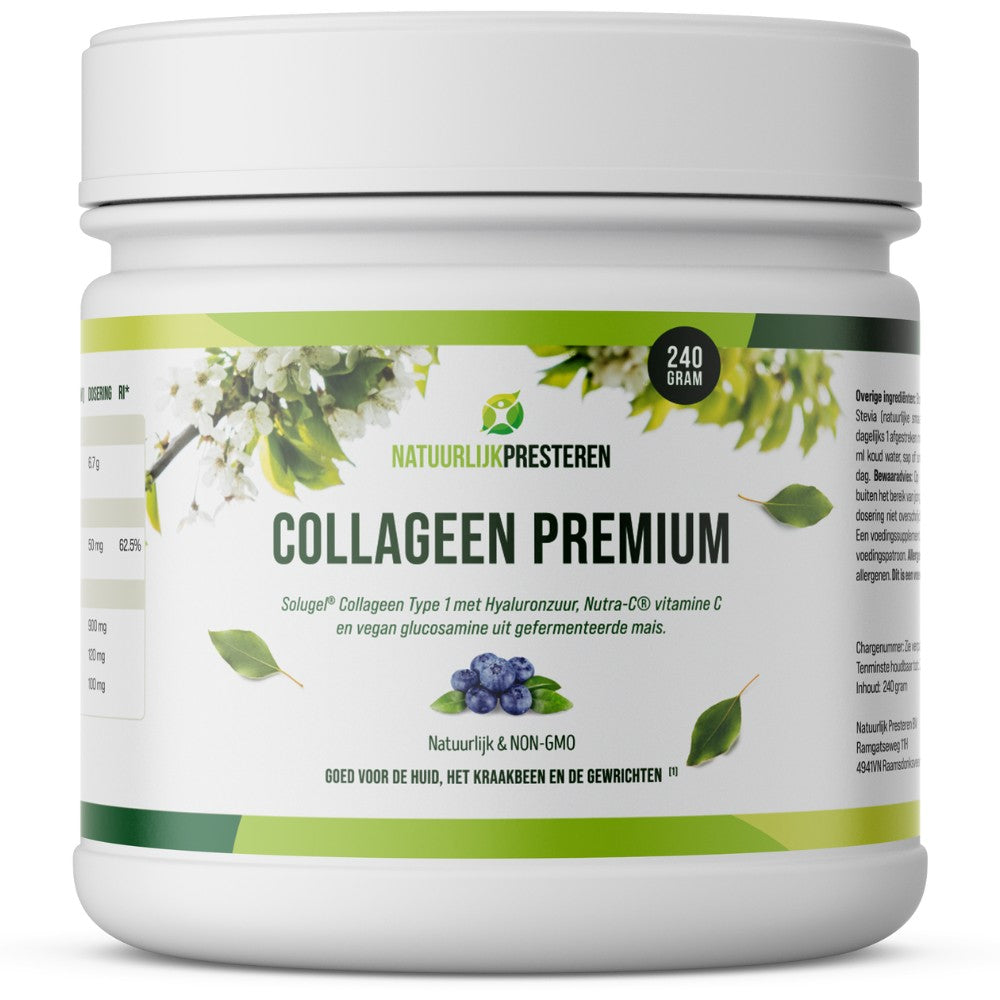
1. Collageen Premium – Solugel® type I collageenpeptiden
Collageen Premium is ontwikkeld voor dagelijks gebruik en levert een ruime hoeveelheid gehydrolyseerde collageenpeptiden.
Dankzij deze vorm is het collageen goed oplosbaar en eenvoudig toe te voegen aan je dagelijkse routine, bijvoorbeeld in water of een warme drank (1, 2).
Wat maakt dit product bijzonder?
- 6,7 gram Solugel® collageenpeptiden per dosering – van prijswinnende fabrikant, afkomstig van 100% grasgevoerde runderen.
- Uniek aminozuurprofiel – van nature rijk aan glycine en proline vergeleken met veel andere eiwitbronnen.
- Hyaluronzuur (120 mg) – lichaamseigen stof die bekend staat om zijn waterbindend vermogen.
- Glucosamine – afkomstig uit gefermenteerde maïs, en daarmee vrij van schaaldieren.
- Nutra-C® vitamine C – vitamine C ondersteunt de normale collageenvorming (3). Gebufferde vitamine-C-vorm, gewonnen uit rozenbottels.
- Natuurlijke bosbessensmaak – alleen mengen met water of sap – geen nare nasmaak.
Voor wie? Collageen Premium is geschikt voor wie bewust zijn eiwitinname wil aanvullen met hoogwaardige collageenpeptiden.
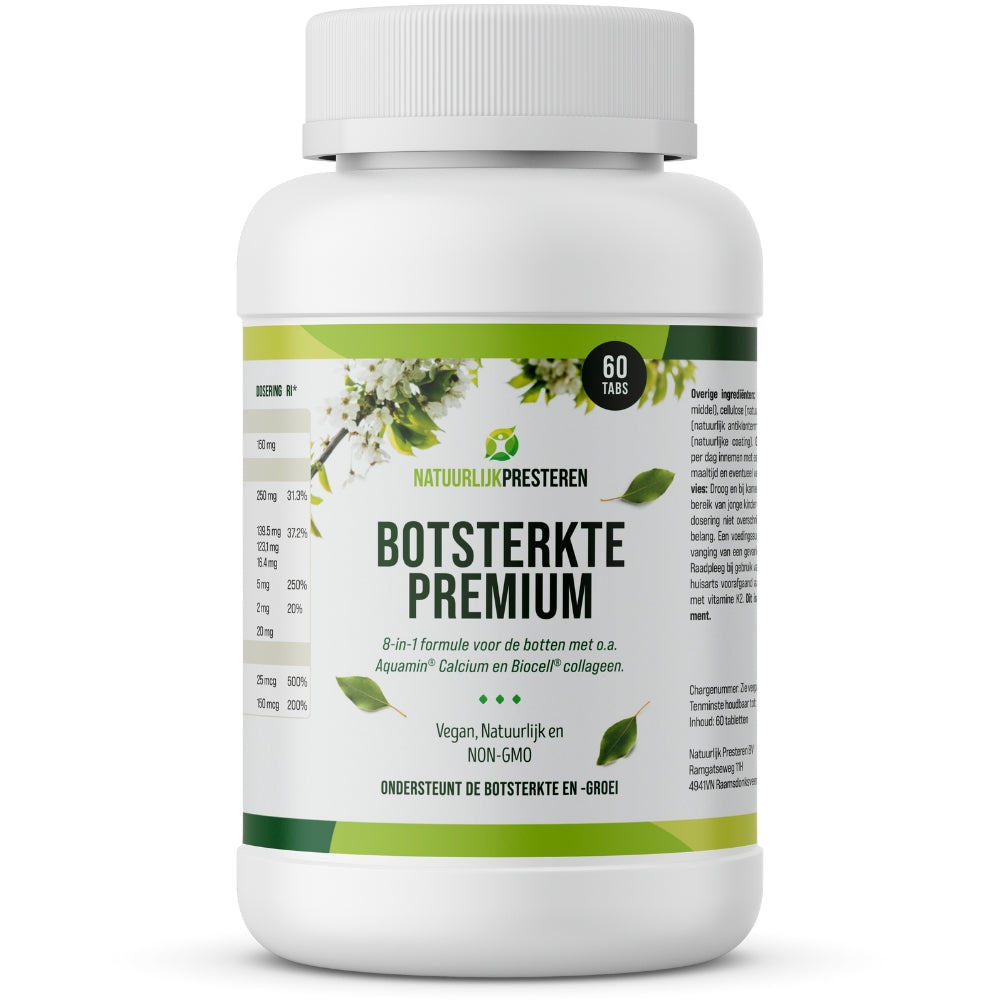
2. Botsterkte Premium – complete 8-in-1 formule voor je botten
Naarmate je ouder wordt, veranderen onder andere je hormoonhuishouding en spiermassa. Dat is een normaal proces, maar het betekent wel dat het behoud van normale botten extra aandacht kan vragen.
Botsterkte Premium is samengesteld met nutriënten die zorgvuldig zijn gekozen met het oog op het behoud van normale botten. De formule combineert acht natuurlijke ingrediënten die elkaar aanvullen binnen een gebalanceerde samenstelling:
- BioCell® Collageen Type II – bevat collageen, hyaluronzuur en chondroïtine; componenten die van nature in kraakbeen voorkomen.
- Aquamin® calcium (plantaardig) – calcium uit duurzaam gewonnen zeewier. Calcium is nodig voor het behoud van normale botten (4, 5).
- Magnesium (citraat) – draagt bij aan het behoud van normale botten.
- Mangaan (citraat) – draagt bij aan de normale vorming van bindweefsel.
- Zink (methionine) – draagt bij aan het behoud van normale botten.
- Silicium uit bamboe-extract – natuurlijke bron van silicium.
- Vitamine D3 – draagt bij aan een normale opname en benutting van calcium en fosfor en draagt bij aan het behoud van normale botten en een normale werking van de spieren.
Voor wie? Voor wie z’n dagelijkse inname van deze nutriënten makkelijk wil aanvullen, met extra aandacht voor het behoud van normale botten in elke levensfase.
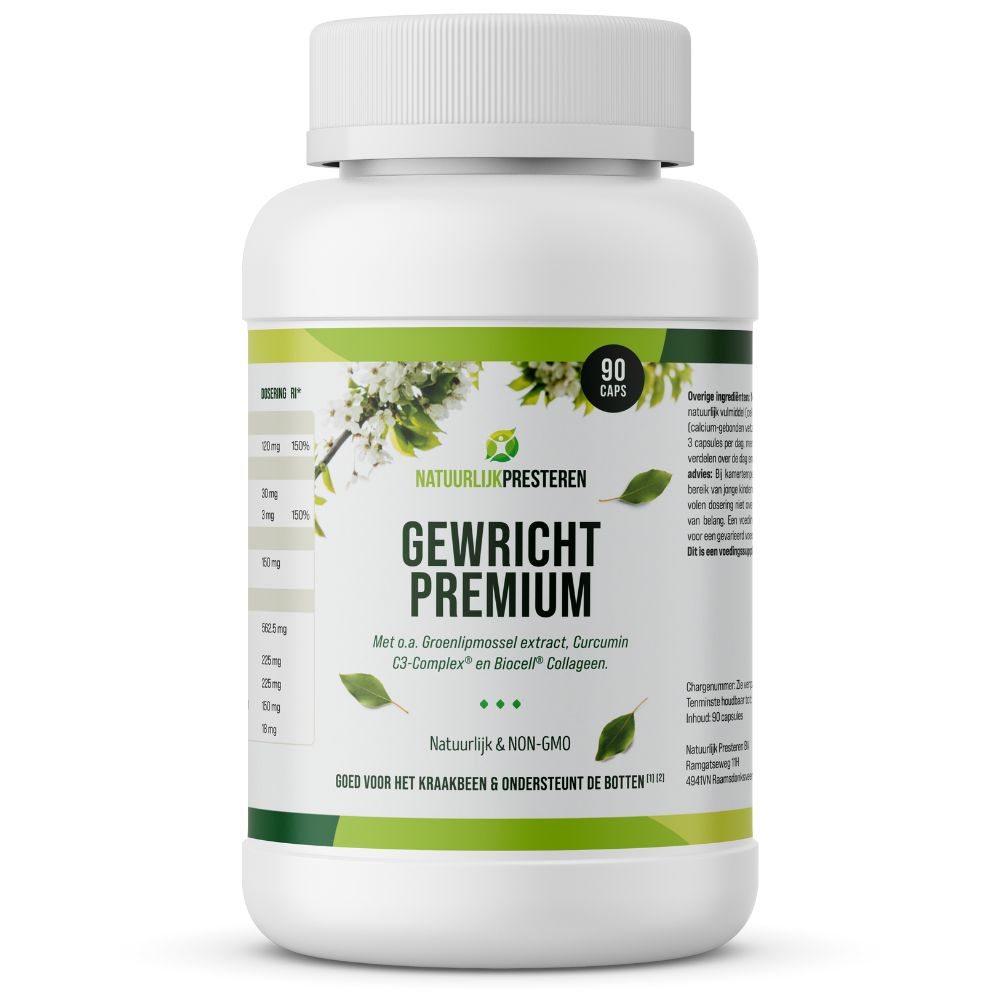
3. Gewricht Premium – complete formule met 9 ingrediënten
Een zorgvuldig samengestelde mix met voedingsstoffen en natuurlijke extracten.
Belangrijkste componenten zijn:
- Groenlipmossel (Nieuw-Zeeland) – bevat van nature glucosamine en omega-3 vetzuren (6).
- Curcumin C3 Complex® (Sabinsa®) – gestandaardiseerd kurkuma-extract (95% curcuminoïden) (7).
- BioCell® – collageen, hyaluronzuur en chondroïtine; componenten die van nature in kraakbeen voorkomen (8).
- Bamboe-extract – natuurlijke bron van silicium (9).
- Vitamine C – draagt bij aan de normale collageenvorming voor de normale werking van kraakbeen.
- Mangaan – draagt bij aan de normale vorming van bindweefsel.
Voor wie? Voor iedereen die zijn dagelijkse inname van deze nutriënten en extracten op een makkelijke manier wil aanvullen, met oog voor een actieve leefstijl.
Supplementen zonder collageen – ondersteuning van collageenvorming
Daarnaast hebben we ook supplementen in ons assortiment die geen collageen bevatten, maar nutriënten leveren die bijdragen aan de normale collageenvorming in je lichaam.
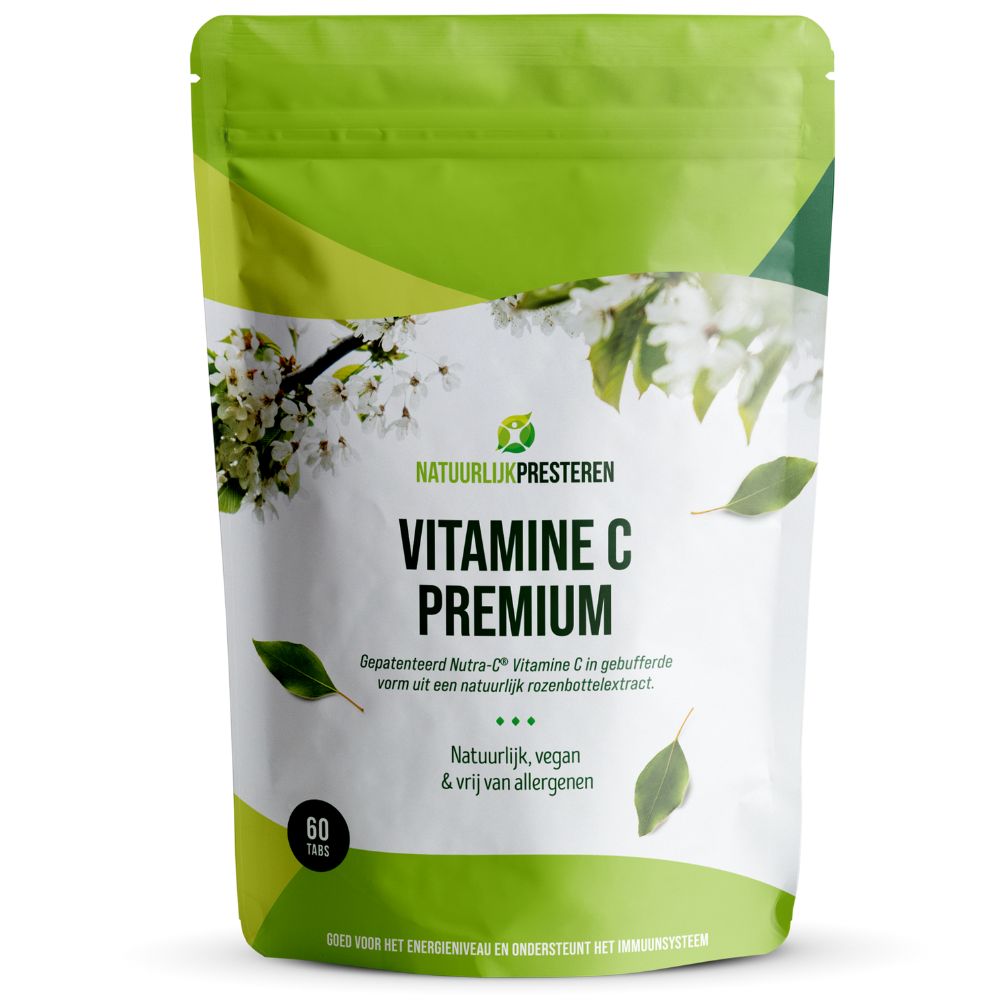
1. Vitamine C Premium – Nutra-C® uit rozenbottel
Vitamine C speelt een rol in verschillende normale lichaamsprocessen.
Zo draagt vitamine C bij aan:
- de normale collageenvorming (10, 11)
- de normale werking van het immuunsysteem
- de bescherming van cellen tegen oxidatieve stress
- de vermindering van vermoeidheid en moeheid
Voor wie? Vitamine C Premium bevat Nutra-C®, een gebufferde vitamine-C-formule. Dat betekent dat de vitamine C is gebonden aan een mineraal (zoals calcium- of magnesiumascorbaat), waardoor het poeder of de tablet minder zuur is.
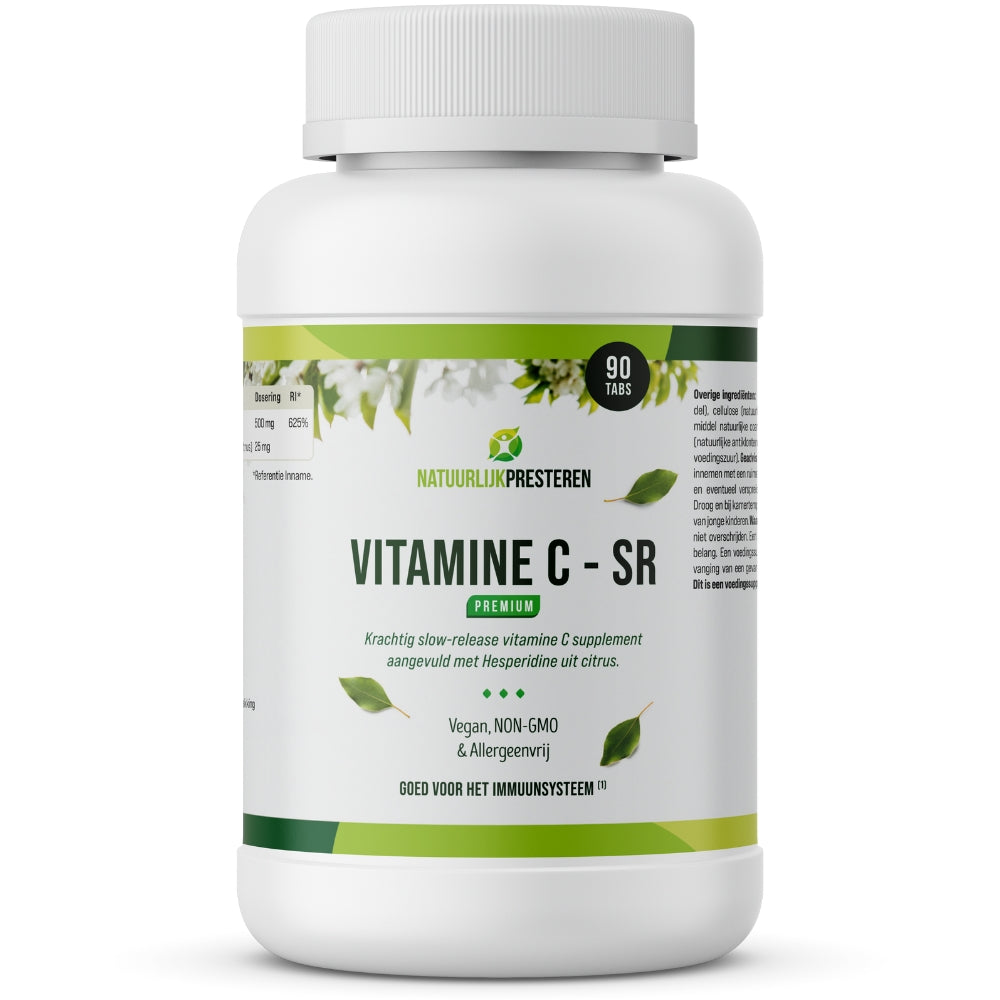
2. Vitamine C Slow-Release – langdurige ondersteuning
Vitamine C Slow-Release combineert vitamine C met hesperidine uit citrus in een formule met vertraagde afgifte. Hierdoor komt de vitamine C geleidelijk beschikbaar gedurende de dag. De gebufferde samenstelling zorgt bovendien voor een minder zure formule.
Voor wie? Voor wie de vitamine-C-inname graag gelijkmatig over de dag wil verdelen.
Leefstijl- en voedingstips
Wil je je eiwitinname goed benutten? Combineer collageensupplementen met:
- Voldoende eiwitrijke voeding (zoals peulvruchten, vis, eieren of vlees)
- Een actieve leefstijl met regelmatige beweging
- Voldoende vitamine C uit voeding zoals citrusfruit, kiwi of paprika
Zo ondersteun je je lichaam op een natuurlijke manier.
Ontdek de collageencollectie
Ben je op zoek naar een supplement dat past binnen een bewuste leefstijl?
In onze collageencollectie vind je verschillende opties, afgestemd op uiteenlopende behoeften en samenstellingen.
Gebruikte bronnen
- Sun, C., Yang, A., Teng, F., & Xia, Y. (2025). Efficacy of collagen peptide supplementation on bone and muscle health: a meta-analysis. Frontiers in Nutrition, 12, 1646090. https://doi.org/10.3389/fnut.2025.1646090
- Zdzieblik, D., Oesser, S., Baumstark, M. W., Gollhofer, A., & König, D. (2015). Collagen peptide supplementation in combination with resistance training improves body composition and increases muscle strength in elderly sarcopenic men: a randomised controlled trial. British Journal Of Nutrition, 114(8), 1237–1245. https://doi.org/10.1017/s0007114515002810
- DePhillipo, N. N., Aman, Z. S., Kennedy, M. I., Begley, J., Moatshe, G., & LaPrade, R. F. (2018). Efficacy of Vitamin C Supplementation on Collagen Synthesis and Oxidative Stress After Musculoskeletal Injuries: A Systematic Review. Orthopaedic Journal Of Sports Medicine, 6(10), 2325967118804544. https://doi.org/10.1177/2325967118804544
- Xu, Y., Ye, J., Zhou, D., & Su, L. (2020). Research progress on applications of calcium derived from marine organisms. Scientific Reports, 10(1), 18425. https://doi.org/10.1038/s41598-020-75575-8
- Saleng, S., Hendra, F. N., Ruslin, M., Forouzanfar, T., & Helder, M. N. (2024). The osteogenic potential of seaweed: A systematic review and meta-analysis. Algal Research, 79, 103445. https://doi.org/10.1016/j.algal.2024.103445
- Miller, M. R., Abshirini, M., Wolber, F. M., Tuterangiwhiu, T. R., & Kruger, M. C. (2023). Greenshell Mussel Products: A Comprehensive Review of Sustainability, Traditional Use, and Efficacy. Sustainability, 15(5), 3912. https://doi.org/10.3390/su15053912
- Hewlings, S., & Kalman, D. (2017). Curcumin: A Review of Its Effects on Human Health. Foods, 6(10), 92. https://doi.org/10.3390/foods6100092
- Volpi, N., Schiller, J., Stern, R., & Soltes, L. (2009). Role, Metabolism, Chemical Modifications and Applications of Hyaluronan. Current Medicinal Chemistry, 16(14), 1718–1745. https://doi.org/10.2174/092986709788186138
- Rodella, L. F., Bonazza, V., Labanca, M., Lonati, C., & Rezzani, R. (2014). A review of the effects of dietary silicon intake on bone homeostasis and regeneration. The Journal Of Nutrition Health & Aging, 18(9), 820–826. https://doi.org/10.1007/s12603-014-0555-8
- Xu, K., Peng, R., Zou, Y., Jiang, X., Sun, Q., & Song, C. (2022). Vitamin C intake and multiple health outcomes: an umbrella review of systematic reviews and meta-analyses. International Journal Of Food Sciences And Nutrition, 73(5), 588–599. https://doi.org/10.1080/09637486.2022.2048359
- Dhotre, T., & Thanawala, S. (2025). Optimizing Oral Vitamin C Supplementation: Addressing Pharmacokinetic Challenges with Nutraceutical Formulation Approaches—A Mini Review. Pharmaceutics, 17(11), 1458. https://doi.org/10.3390/pharmaceutics17111458
Gerelateerde blogartikelen
 bloggle
Hydrolyzed Collagen Powder: What are the Benefits?
When you delve into collagen, you'll quickly come across the term hydrolyzed collagen . But what exactly does that mean? And why do so many people choose this form? In this article, I explain what hydrolyzed collagen is, what its benefits are, and why it's so suitable as a supplement. Hydrolyzed collagen powder contains small peptides for optimal, fast absorption and mixes effortlessly in any drink. Research shows improved skin elasticity, stronger joints and connective tissue repair, completely neutral in taste and odor. Pay attention to the source, potential allergens, and the correct dosage. Always consult your doctor if you are pregnant, taking medication, or have specific dietary requirements. Table of contents What is hydrolyzed collagen powder? What is collagen hydrolysate? The 4 benefits of hydrolyzed collagen 1. Easily absorbed thanks to small collagen peptides 2. Tasteless and odorless 3. Easily soluble in hot and cold drinks 4. Promising research on skin and joints Are there any disadvantages or warnings to hydrolyzed collagen? How to choose a good collagen peptide powder Conclusion: Is hydrolyzed collagen powder right for you? What is hydrolyzed collagen powder? Hydrolyzed collagen powder is also called collagen peptides . It's a collagen supplement that's been processed in such a way that your body can absorb it more easily. The process begins with animal sources such as skin, bone, or cartilage, usually from cattle, fish, or chicken. These are first heated and then treated with enzymes that break down the collagen into smaller pieces: peptides. This process is called hydrolysis . The result is an easily digestible and soluble powder that you can easily mix into hot or cold drinks. It is precisely these properties that make hydrolyzed collagen so suitable for supplements in powder or capsule form. What is collagen hydrolyzate? Collagen hydrolysate is another name for hydrolyzed collagen. The term refers to the same process by which collagen is broken down into smaller peptides. In short : Collagen peptides and collagen hydrolysate are different names for hydrolyzed collagen. This supplement usually comes in a powder form and contains small pieces of protein that are more easily absorbed by your body thanks to the hydrolysis process. The 4 Benefits of Hydrolyzed Collagen Hydrolyzed collagen powder is the most popular form of collagen supplement for good reason. Here are its main benefits: 1. Easily absorbed thanks to small collagen peptides Hydrolyzed collagen is already broken down into small pieces, called peptides . These are absorbed more easily and quickly than the long protein chains in regular collagen. Because your intestines process these small particles more efficiently, they enter your bloodstream more quickly. This means your body can immediately use the building blocks to produce its own collagen, for example, in your skin, connective tissue, or cartilage. 2. Tasteless and odorless Many people dislike the smell or taste of animal protein. But hydrolyzed collagen powder is virtually odorless and tasteless . This makes it easy to add to your daily diet without it being noticeable. 3. Easily soluble in hot and cold drinks Another practical advantage is that this type of collagen dissolves easily, even in cold liquids. Think smoothies, juice, or even water. The powder also mixes easily with coffee or tea, without lumps . 4. Promising research on skin and joints For years, a lot of scientific research has been done on the possible effects of hydrolyzed collagen on our skin , connective tissue and joints . And there are already many studies that show positive results. (1) (2) (3) (4) But it is good to know that no official health claims have yet been approved for collagen in supplement form in Europe. This means I can no longer comment on the health benefits, unfortunately. This also means manufacturers are not allowed to mention this on the packaging, even if the research is promising. Are there any drawbacks or warnings to hydrolyzed collagen? Hydrolyzed collagen is safe for most people, but in some cases it's good to pay extra attention: Allergies – Check carefully which animal the collagen comes from (fish, beef or chicken) if you are allergic to it Dietary requirements – Collagen is always animal-based and therefore not suitable for vegetarians or vegans Pregnancy or medication use – Little research has been done on collagen supplements during pregnancy or in combination with medications, so if in doubt, consult your doctor. Some people may experience mild side effects, such as: Stomach or intestinal complaints – Think of bloating, flatulence or mild nausea, especially at higher doses. Allergic reactions – Rare, but be careful if you're allergic to fish, beef, or chicken. In that case, choose collagen from a different source. Taste or aftertaste – Some collagen powders have an aftertaste, especially if they're not as well-purified. In that case, choose a higher-quality product. In short : Most people use hydrolyzed collagen without any problems. There are no known serious side effects with normal use. However, it's important to read the label carefully and choose a pure, high-quality product. How to choose a good collagen peptide powder If you are going to use collagen supplements, it is first smart to choose collagen peptides (hydrolyzed collagen). In addition, I recommend that you pay attention to the following points so that you really get the most out of your supplement: Check for hydrolyzed collagen - Look on the label for the terms hydrolyzed collagen , collagen peptides, or collagen hydrolysate . These are different names for the same easily absorbable form. When choosing bovine collagen , choose grass-fed . Grass-fed cattle receive a more natural diet and generally live in better conditions. This can contribute to a purer, cleaner end product. Note the addition of vitamin C - Vitamin C contributes to normal collagen formation, which is important for your skin, cartilage, and bones, among other things. Therefore, combining it with vitamin C is a smart choice. Check the dosage per serving - Scientific studies typically use amounts ranging from 2.5 to 10 grams per day. Choose a supplement that falls within this range. (5) Scrutinize the ingredients list - Choose a product without unnecessary additives like artificial flavors, colors, or fillers. The purer, the better. Tip: Want to know even more about what to look for when choosing a collagen supplement? In my article on the best collagen powder, I delve deeper into origin, quality, and composition, and I share my top 3 favorite products. Our collagen powder is recognized as the best collagen powder in the Netherlands by healthcarechain.nl, among others. Conclusion: Is Hydrolyzed Collagen Powder Right for You? If you're looking for a practical, easily absorbed supplement that fits easily into your daily routine, hydrolyzed collagen powder is definitely worth considering. Pay attention to the quality, origin, and composition of the product you choose. This way, you can be sure your body gets what it needs, in a form that truly works for you. Ebrina van der Bijl Ebrina is a nutritionist with a deep commitment to healthy eating and a sustainable lifestyle, based in beautiful Portugal. Her passion for natural and organic products is at the heart of her work. With a background in Nutrition & Dietetics and experience in product development and writing, she translates complex scientific information into practical advice for a balanced lifestyle. Read more Sources used De Miranda, R.B., Weimer, P., & Rossi, R.C. (2021b). Effects of hydrolyzed collagen supplementation on skin aging: a systematic review and meta‐analysis. International Journal Of Dermatology, 60(12), 1449–1461. https://doi.org/10.1111/ijd.15518 Pu, S., Huang, Y., Pu, C., Kang, Y., Hoang, K. D., Chen, K., & Chen, C. (2023). Effects of Oral Collagen for Skin Anti-Aging: A Systematic Review and Meta-Analysis. Nutrients, 15(9), 2080. https://doi.org/10.3390/nu15092080 García-Coronado, J.M., Martínez-Olvera, L., Elizondo-Omaña, R.E., Acosta-Olivo, C.A., Vilchez-Cavazos, F., Simental-Mendía, L.E., & Simental-Mendía, M. (2018). Effect of collagen supplementation on osteoarthritis symptoms: a meta-analysis of randomized placebo-controlled trials. International Orthopedics, 43(3), 531–538. https://doi.org/10.1007/s00264-018-4211-5 Martínez-Puig, D., Costa-Larrión, E., Rubio-Rodríguez, N., & Gálvez-Martín, P. (2023). Collagen Supplementation for Joint Health: The Link between Composition and Scientific Knowledge. Nutrients, 15(6), 1332. https://doi.org/10.3390/nu15061332 Choi FD, Sung CT, Juhasz ML, Mesinkovsk NA. Oral Collagen Supplementation: A Systematic Review of Dermatological Applications. J Drugs Dermatol. 2019 Jan 1;18(1):9-16. PMID: 30681787.
Lees meer bloggle
Bovine Collagen: What Is It and What Are Its Benefits?
Bovine collagen is a form of collagen derived from cattle, and is very similar to the collagen found in our own bodies. Collagen is a protein naturally occurring in your skin , where it's part of the connective tissue. It's also found in bones , cartilage , tendons , and teeth , where it contributes to the structure of these tissues. After the age of 30, our bodies' natural collagen production gradually declines. Many people therefore choose to supplement their diet with bovine collagen. In this article, you'll learn exactly what bovine collagen is, what its potential benefits are, and what to look for when choosing bovine collagen powder. Bovine collagen is hydrolyzed collagen from cattle (type I & III) that dissolves well, is better absorbed and supports connective tissue. After age 30, collagen production declines by ~1% annually; supplementing with bovine collagen benefits skin, joints, and bones. Compared to fish collagen, bovine collagen also contains type III and is more affordable, neutral in taste and suitable for people with a fish allergy. Table of contents What is Bovine Collagen? Types of Bovine Collagen The Best Type of Collagen? There Simply Isn't One What is Hydrolyzed Bovine Collagen? What Does Bovine Collagen Do for Your Health? What's Better: Bovine Collagen or Fish Collagen? The Benefits of (Hydrolyzed) Bovine Collagen Which Foods Contain High levels of Bovine Collagen? Collagen Through Diet (Direct) Making Your Own Collagen (Indirect) Why Supplement with Bovine Collagen Powder? Consider These Things When Choosing the Right Bovine Collagen What is bovine collagen? Collagen can be obtained from various animal sources for supplements, such as fish, chicken, or pork. Bovine collagen, also known as bovine collagen , is derived specifically from cattle . It is extracted from collagen-rich parts such as: Bones Skin Tendons Other types of connective tissues During production, these animal tissues are boiled to release the collagen. It is then purified, dried, and processed into a fine powder that you can use as a supplement. Types of bovine collagen There are more than 20 types of collagen in the human body, but the most important are types I, II, and III . These types are also found in animals. Bovine collagen mainly contains types I and III , which are also naturally found in your skin and connective tissue. In addition to collagen, bovine collagen also contains amino acids such as glycine and proline, which are building blocks of proteins and therefore also of the collagen that your body produces itself. The best type of collagen? There simply isn't one. There isn't one type of collagen that's inherently the best. Different types are found in different parts of your body and each performs its own function. So it all depends on what you want to use collagen for: Type I is mainly found in skin, bones and tendons Type II is mainly found in cartilage Type III is found in skin, blood vessels and connective tissue, among other places Good to know : In research, type I is often used for skin applications, and type II in studies of joint function. However, no health claims have yet been approved for these applications in Europe. What is hydrolyzed bovine collagen? Supplements almost always use hydrolyzed bovine collagen. This is collagen that has been cut into smaller pieces during production, making it more soluble in water and easier for the body to absorb. This form is also called collagen peptides . These are the main differences between hydrolyzed and non-hydrolyzed collagen: Hydrolyzed Bovine Collagen (Collagen Peptides): Is cut into small pieces (hydrolyzed) Better absorbed by the body (1) (2) Dissolves easily in water or other liquids Found in most collagen powders and supplements Non-hydrolyzed bovine collagen: Has retained its original, long structure Is more difficult for the body to absorb Dissolves less well in liquids Found in natural sources such as bone broth In short : If you choose a collagen supplement, the hydrolyzed form is usually the most practical and easily absorbed. What does bovine collagen do for your health? Collagen is widely used in both cosmetics and nutritional supplements. Beauty claims are permitted in cosmetics if they are well-substantiated, such as: Hydrates the skin* Contributes to a healthy appearance of the skin* Maintains skin elasticity* Helps with the first signs of skin aging* (3) (4) Unfortunately, things are a little different for supplements. Although several studies have examined bovine collagen powder with positive results , the EFSA believes there is still insufficient evidence to support official health claims. Good to know : This does not mean that collagen has no effect, but it does mean that more large-scale and well-designed research is needed to meet the strict requirements for nutritional claims. What's better: Beef collagen or fish collagen? Many people wonder which collagen is better, bovine collagen or fish collagen? Bovine collagen and fish collagen are both good sources of type I collagen , but they differ slightly in composition and absorption. Fish collagen contains almost only type I and has a lower molecular mass, which allows it to be absorbed slightly faster Bovine collagen contains type I as well as type III collagen and is also very well absorbed In short : Which one is better depends on your preference, diet, and what you intend to use the collagen for. In practice, both are well absorbed, especially if they are hydrolyzed. The benefits of (hydrolyzed) bovine collagen Yet, many people consciously choose bovine collagen. Although fish collagen is absorbed somewhat faster, bovine collagen has several clear advantages that make it a popular choice: Neutral in odor and taste and therefore ideal for mixing in smoothies or other drinks It is more affordable than fish collagen, without compromising on quality Rich in type I and type III collagen Suitable for people with a fish or shellfish allergy It is rich in important amino acids such as glycine, proline and hydroxyproline, exactly the building blocks your body uses to produce its own collagen. In short : For those looking for a widely applicable and easily absorbable collagen supplement, bovine collagen is a logical and effective choice. Which foods contain a lot of bovine collagen? You can get bovine collagen in two ways: through your diet or as a supplement . The most natural way is through food, especially beef products, which are naturally rich in collagen. Your body can also produce collagen itself, but it needs sufficient nutrients from your diet. Below, I'll explain how this works and which foods are best to choose. Collagen through food (direct) Bovine collagen in food is mainly found in animal products rich in connective tissue. Think of: Beef Bone Broth – Made by steeping beef bones for a long time Connective tissue-rich beef – Such as oxtail, beef cheeks or brisket Beef hide – For example in stews or homemade gelatinous preparations Tip : Slowly cooking or stewing collagen-rich parts like bones, skin, and connective tissue is a good way to release collagen. During this process, the collagen is converted into gelatin, which is easily absorbed by your body. (5) Produce collagen yourself (indirectly) Your body also produces collagen from amino acids like glycine, proline, and lysine. You get these from protein-rich foods , both plant-based (such as legumes, soy, nuts, and seeds) and animal-based (such as eggs, dairy, meat, and fish). In addition, vitamin C , zinc , and copper are also necessary for this process to function properly. Good sources include bell peppers, citrus fruits, nuts, and whole grains. Vitamin C contributes to normal collagen formation in the skin Zinc helps maintain healthy skin, hair and nails Biotin supports normal skin and hair function Tip : For vegans and vegetarians, this is an effective way to support collagen production through diet. Why supplement with bovine collagen powder? Besides collagen from food and your own production, you can also opt for a supplement. Hydrolyzed bovine collagen powder contains small collagen peptides that are easily absorbed. Did you know that collagen production in your skin peaks somewhere between the ages of 25 and 34? After that, natural production slowly begins to decline, on average by about 1% per year (6) (7). This decrease is very normal, but it is also the reason why many people choose a collagen supplement later in life Pay attention to this when choosing good bovine collagen Want to get the most out of your bovine collagen? Then pay attention to these points. This way, you can be sure you're choosing a supplement that can truly benefit your body. Hydrolyzed Bovine Collagen – This is more absorbable than non-hydrolyzed collagen Type I and III collagen – These types are most common in skin, connective tissue and bones Grass-fed cattle – Collagen from grass-fed cattle is often purer and comes from animals with a natural diet No unnecessary additives – Choose a powder without fillers, sweeteners or artificial flavours Added nutrients – Think of vitamin C, zinc or biotin that support the functioning of collagen Our Collagen Premium – Grass-Fed bovine collagen meets all these criteria, and contains pure collagen peptides from European cattle. Tip: Also check out our article on the best collagen powder for complete advice on how to recognize the best collagen powder Ebrina van der Bijl Ebrina is a nutritionist with a deep commitment to healthy eating and a sustainable lifestyle, based in beautiful Portugal. Her passion for natural and organic products is at the heart of her work. With a background in Nutrition & Dietetics and experience in product development and writing, she translates complex scientific information into practical advice for a balanced lifestyle. Read more Sources used Skov, K., Oxfeldt, M., Thøgersen, R., Hansen, M., & Bertram, H. C. (2019). Enzymatic Hydrolysis of a Collagen Hydrolyzate Enhances Postprandial Absorption Rate—A Randomized Controlled Trial. Nutrients, 11(5), 1064. https://doi.org/10.3390/nu11051064 Virgilio, N., Schön, C., Mödinger, Y., Van Der Steen, B., Vleminckx, S., Van Holthoon, FL, Kleinnijenhuis, AJ, Silva, CIF, & Prawitt, J. (2024). Absorption of bioactive peptides following collagen hydrolyzate intake: a randomized, double-blind crossover study in healthy individuals. Frontiers in Nutrition, 11. https://doi.org/10.3389/fnut.2024.1416643 De Miranda, R.B., Weimer, P., & Rossi, R.C. (2021). Effects of hydrolyzed collagen supplementation on skin aging: a systematic review and meta‐analysis. International Journal Of Dermatology, 60(12), 1449–1461. https://doi.org/10.1111/ijd.15518 Choi, FD, Sung, CT, Juhasz, ML, & Mesinkovska, N.A. (2019). Oral collagen supplementation: A systematic review of dermatological applications. Journal of Drugs in Dermatology , 18(1), 9–16. PMID: 30681787 Meng, Q., Zhou, J., Gao, D., Xu, E., Guo, M., & Liu, D. (2021). Desorption of nutrients and flavor compounds formation during the cooking of bone soup. Food Control, 132, 108408. https://doi.org/10.1016/j.foodcont.2021.108408 Reilly, D. M., & Lozano, J. (2021). Skin collagen through the life stages: importance for skin health and beauty. Plastic And Aesthetic Research, 8, 2. https://doi.org/10.20517/2347-9264.2020.153 Varani, J., Dame, M. K., Rittie, L., Fligiel, S. E., Kang, S., Fisher, G. J., & Voorhees, J. J. (2006). Decreased collagen production in chronologically aged skin. American Journal Of Pathology, 168(6), 1861–1868. https://doi.org/10.2353/ajpath.2006.051302
Lees meer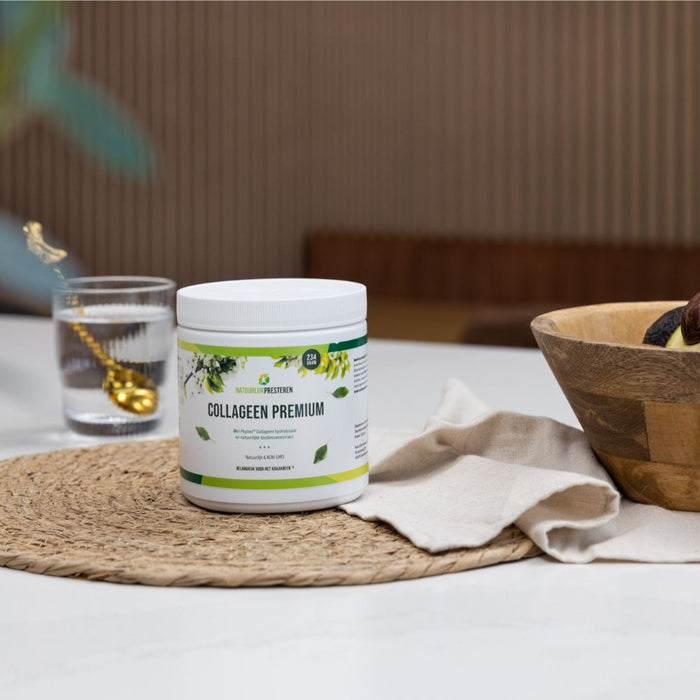
The best collagen powder? Check out these 3 supplements.
Collagen is a protein that occurs naturally in your body and provides strength and elasticity to your skin, joints, bones and other tissues. As we age, collagen production decreases, leading to wrinkles, less elastic skin and painful joints. A good collagen supplement can help you replenish your body's own collagen. But what should you look out for? In this article I will explain everything to you and give you my top 3 best collagen powders of the moment. Choose a hydrolyzed collagen supplement with vitamin C for better absorption and peptides such as Peptan® or Solugel® for optimal quality. Marine and bovine collagen are the best options, with bovine collagen (grass-fed) being versatile and fish collagen being absorbed faster. Avoid artificial additives and opt for natural ingredients, such as hyaluronic acid and biotin, which enhance the effect of collagen. Table of contents What to look for when buying collagen powder? The 5 best collagen powder supplements More about the best collagen powder 1. Hydrolyzed collagen or not? 2. The quality of the collagen peptides 3. Ingredients that support the function of collagen 4. The solubility of the collagen powder 5. Unnecessary additives in collagen supplements 6. The taste (and flavorings) in collagen powder 7. What is collagen powder good for? 8. What types of collagen are there? 9. What is collagen powder made of? 10. Is there plant-based or vegetarian collagen powder? 11. What is the best collagen powder? What should you pay attention to when buying collagen powder? If you're looking for the best collagen powder supplement, I advise you to pay attention to the following criteria: The best collagen supplement contains: Hydrolyzed collagen – this is the most absorbable form and is also the most effective. A patented form of collagen – these are standardized so the quality is consistent: peptan® and solugel® Vitamin C as a supplement - this is good for the body's own production of collagen. Sustainable Collagen - Collagen from grass-fed cattle or cold-water fish Natural flavors – many brands use cheap synthetic fragrances, colors, and flavors. The 3 best collagen powder supplements #1. Collagen Premium - Natural Performance Naturally Performing Collagen Premium offers hydrolyzed collagen from patented Peptan®. With added vitamin C, hyaluronic acid, allergen-free glucosamine from fermented corn and natural berry flavour. Collagen Premium stands out for its sustainable and high-quality collagen source. Its complete and well-thought-out composition makes it a favorite among collagen supplements. Our collagen has also been rated as one of the best collagen products in the Netherlands by leefpuurnatuur.nl #2. Beauty Collagen - Vitals Protein Vitals Protein Beauty Collagen is also hydrolyzed, but the peptides are not from a patented brand. The product contains biotin in addition to hyaluronic acid. The benefits: Hydrolyzed Collagen Contains Hyaluronic Acid Contains Biotin With natural aromas Disadvantages: No vitamin C No Glucosamine Not sustainably produced Peptides are not patented This product is available at Bol.com, among others. Beauty Collagen earns the second spot in my top 3 thanks to its powerful combination of collagen, hyaluronic acid, and biotin. These ingredients work together to support healthy skin and hair. #3. Marine Collagen Blend - Mattisson Mattisson's Marine Collagen Blend is perfect for those who want to avoid beef and beef products. This collagen powder, derived from fish skin and scales, offers a unique amino acid composition and is also patented. The benefits: Hydrolyzed Collagen from patented Peptan® Marine collagen is often perceived as easier to digest than bovine collagen Contains Vitamin C Contains Hyaluronic Acid Disadvantages The smell is perceived as unpleasant by some users This product is available at Bol.com, among others. Mattisson's Marine Collagen Blend rightfully earns a top spot because of its high-quality fish collagen source. Thanks to its unique amino acid composition, this collagen is ideal for those who do not want or cannot eat beef (beef products). 1. Hydrolyzed collagen or normal collagen? Hydrolyzing collagen causes the collagen protein to be cut into smaller pieces by enzymes. The smaller pieces of collagen dissolve more easily in water and are better absorbed by your body. When collagen is fully hydrolyzed, you get so-called collagen peptides, also called the building blocks of collagen. Raw collagen is not hydrolyzed and therefore does not dissolve well in water and is also less well absorbed by your body, because it must first be broken down. So if you want to start using a collagen supplement, I always recommend using a product with hydrolyzed collagen (collagen peptides). 2. The quality of the collagen peptides The quality of collagen peptides (the cut-up pieces of collagen) determines how well your body can use the collagen. How to recognize a high-quality collagen supplement: Source - Consider the type of collagen you're using. Ideally, you want collagen from legitimate manufacturers like Peptan® or Solugel®. Sustainably grown – choose a brand that is environmentally friendly: Peptan® and Solugel® are also good examples. Contains collagen peptides - Smaller peptides are better absorbed by your body. The smaller, the more effective. Hydrolysis Process - Good products also specify the method of hydrolysis (e.g., enzymatic hydrolysis) to indicate that the process is well controlled. Amino Acids - A quality supplement contains the following 3 amino acids: Glycine (20-30%), Proline (10-20%) and Lysine (2-4%). 3. Ingredients that support collagen function The best collagen powders also contain ingredients that support collagen function, so you can get more out of your supplement. The most effective and well-known is vitamin C: Vitamin C – supports collagen formation. It helps repair and rejuvenate the skin by fighting damage and repairing damaged cells. Ideally, a collagen supplement should contain at least 50 mg of vitamin C, so you can supplement the recommended 75 mg daily with a healthy diet. (2) (3) (4) In addition, there are also some other additions that can be valuable in a good collagen powder: Hyaluronic acid – helps the skin retain moisture, which can contribute to hydration and elasticity, and can therefore support the function of collagen. Glucosamine - is an important building block of cartilage. Zinc - plays a role in the production and maintenance of collagen. Biotin - Supports healthy skin, hair and nails and may contribute to proper collagen absorption. 4. The solubility of the collagen powder Collagen powder that has been hydrolyzed (also known as collagen hydrolysate) is more soluble in water than raw collagen, even in cold liquids. This is due to the hydrolysis process, which breaks down the long collagen chains into small pieces that dissolve more easily. And that is very practical, because lumps in your drink are of course not tasty. Good to know: Some collagen powders contain lecithin (from soy or sunflower) to prevent clumping, but this is usually unnecessary, as hydrolyzed collagen dissolves well in cold water. This additive often comes from genetically modified soy, especially in non-organic products. 5. Unnecessary additives in collagen supplements If you want to take good care of your body, go for a collagen supplement that is free from unnecessary additives, such as: Added sugars , fructose, glucose, and artificial sweeteners such as sucralose or aspartame Artificial flavors Fillers and binders (maltodextrin, silicone dioxide, magnesium stearate) 6. The taste (and flavorings) in collagen powder Choose collagen powder with a natural flavoring to enhance the taste. Pure collagen powder often has an unpleasant taste, which can range from fishy or meaty to "chemical" or "grassy," especially with lower quality or poorly mixed powder. If the collagen powder has glucosamine from shellfish added, that can also leave an unpleasant aftertaste. Look for collagen powder with glucosamine from fermented corn, which usually has a more neutral flavor! 7. What is collagen powder good for? Much research is being done into the effects of collagen on health and more and more is becoming clear. There are currently indications that collagen can contribute to: Maintaining the normal structure, elasticity and appearance of the skin.* (5) (6) Supporting the formation of cartilage in the joints.* (7) Is good for the blood vessels, because collagen plays a role in the strength of the blood vessel walls. 8. What types of collagen are there? Collagen comes in different types, each with its own functions and applications. But the most important is Type I. Five types of collagen are found in our bodies: Type I collagen - In our body, this type makes up 90% of all collagen in our body, especially in the skin, bones, tendons and connective tissues. Type II collagen - Found primarily in elastic cartilage and plays a role in joint health. This type is often used to support cartilage. Type III collagen - Found in the skin, blood vessels, and organs. It is often present in tissues that require high levels of stretch and elasticity, such as the skin. Type IV collagen - It is a key component of the basement membrane, a thin layer that surrounds and supports the cells of various tissues. This type is best visualized as a network structure. Type V collagen - This type of collagen is found in the placenta, the strata of the skin, hair, and the outer layers of the cornea (eye). It supports the structure and function of these tissues. 9. What is collagen powder made of? Because collagen occurs naturally in the skin, bones, tendons, and cartilage of animals, collagen powder is always made from animal sources such as cattle, pigs, and fish. Bovine collagen Made from cattle. Always choose grass-fed collagen, as it's less exposed to pesticides and more animal-friendly. Type - mainly type 1 with sometimes type 3 included. Benefits – perfectly absorbable for humans and high quality amino acids. Marine collagen Collagen powder derived from the skin or scales of fish, such as cod or halibut. Type - Predominantly type I, but some type II may be present. Benefits - Often praised for its high bioavailability, as it is absorbed by the body faster than bovine or porcine collagen. Pig collagen Made from pig bones and/or skin. Type - Usually type I and type III. Benefits - Supports skin, joints, and tendons. Often used in powders and supplements for general health. Chicken collagen This type of collagen is primarily derived from chicken cartilage and is often used for joint support. Type - Predominantly Type II. Benefits - Helps support joint health. Eggshell collagen This collagen comes from the eggshell. Type - Mixture of type I, II, and V collagen, as well as other building blocks such as hyaluronic acid. Benefits - Supports joint health and may help with joint pain and joint flexibility. 10. Is there plant-based or vegetarian collagen powder? No, plant-based collagen does not exist, because collagen is a protein that only occurs naturally in animals. Plants do not contain collagen, but there are herbal supplements that contain substances that can support collagen production in the body. Vitamin C – good for collagen production Proline - supports collagen production Glycine - supports collagen production 11. What is the best collagen powder? The best type of collagen powder for you depends on your goal: Skin and general support - Choose hydrolyzed collagen, usually type I. This supports the health of your skin, hair, and nails. Joints and cartilage - Choose type II collagen. This type is ideal for supporting supple joints and cartilage. The best sources of collagen are: Grass-fed bovine collagen (types I and III) - This is the best choice if you want to benefit from the advantages of different collagen types. Grass-fed bovine collagen also contains these essential amino acids and is therefore a high-quality source of collagen. Fish collagen (type I, sometimes also II) - Works just as well as bovine collagen. This is because it is rich in the three essential amino acids essential for collagen formation. Fish collagen is also quickly absorbed, ensuring its effectiveness. Additionally, fish collagen often has a higher bioavailability, meaning it is absorbed by the body faster and more efficiently. (6) Ebrina van der Bijl Ebrina is a nutritionist with a deep commitment to healthy eating and a sustainable lifestyle, based in beautiful Portugal. Her passion for natural and organic products is at the heart of her work. With a background in Nutrition & Dietetics and experience in product development and writing, she translates complex scientific information into practical advice for a balanced lifestyle. Read more Sources Used Khatri, M., Naughton, R. J., Clifford, T., Harper, L. D., & Corr, L. (2021). The effects of collagen peptide supplementation on body composition, collagen synthesis, and recovery from joint injury and exercise: a systematic review. Amino Acids , 53 (10), 1493–1506. https://doi.org/10.1007/s00726-021-03072-x Rocha, MS, De Aquino, LL, Barbosa, LL, De Souza, IL, De Carvalho, EM, Brítez, LEO, De Oliveira Gonçalves, G., Lopes, VB, & Silva, JNF (2024). Clinical studies and meta-analysis on the effects of collagen, vitamin, and nutrient supplementation for the rejuvenation of collagenic fibers: a systematic review. International Journal Of Nutrology , 17 (1). https://doi.org/10.54448/ijn24102 DePhillipo, N. N., Aman, Z. S., Kennedy, M. I., Begley, J., Moatshe, G., & LaPrade, R. F. (2018). Efficacy of Vitamin C Supplementation on Collagen Synthesis and Oxidative Stress After Musculoskeletal Injuries: A Systematic Review. Orthopedic Journal Of Sports Medicine , 6 (10), 232596711880454. https://doi.org/10.1177/2325967118804544 Hujoel, P. P., & La Hujoel, M. (2021). Vitamin C and scar strength: analysis of a historical trial and implications for collagen-related pathologies. American Journal Of Clinical Nutrition , 115 (1), 8–17. https://doi.org/10.1093/ajcn/nqab262 De Miranda, R.B., Weimer, P., & Rossi, R.C. (2021b). Effects of hydrolyzed collagen supplementation on skin aging: a systematic review and meta‐analysis. International Journal Of Dermatology , 60 (12), 1449–1461. https://doi.org/10.1111/ijd.15518 Pu, S., Huang, Y., Pu, C., Kang, Y., Hoang, K. D., Chen, K., & Chen, C. (2023). Effects of Oral Collagen for Skin Anti-Aging: A Systematic Review and Meta-Analysis. Nutrients , 15 (9), 2080. https://doi.org/10.3390/nu15092080 García-Coronado, J.M., Martínez-Olvera, L., Elizondo-Omaña, R.E., Acosta-Olivo, C.A., Vilchez-Cavazos, F., Simental-Mendía, L.E., & Simental-Mendía, M. (2018). Effect of collagen supplementation on osteoarthritis symptoms: a meta-analysis of randomized placebo-controlled trials. International Orthopedics , 43 (3), 531–538. https://doi.org/10.1007/s00264-018-4211-5
Lees meer