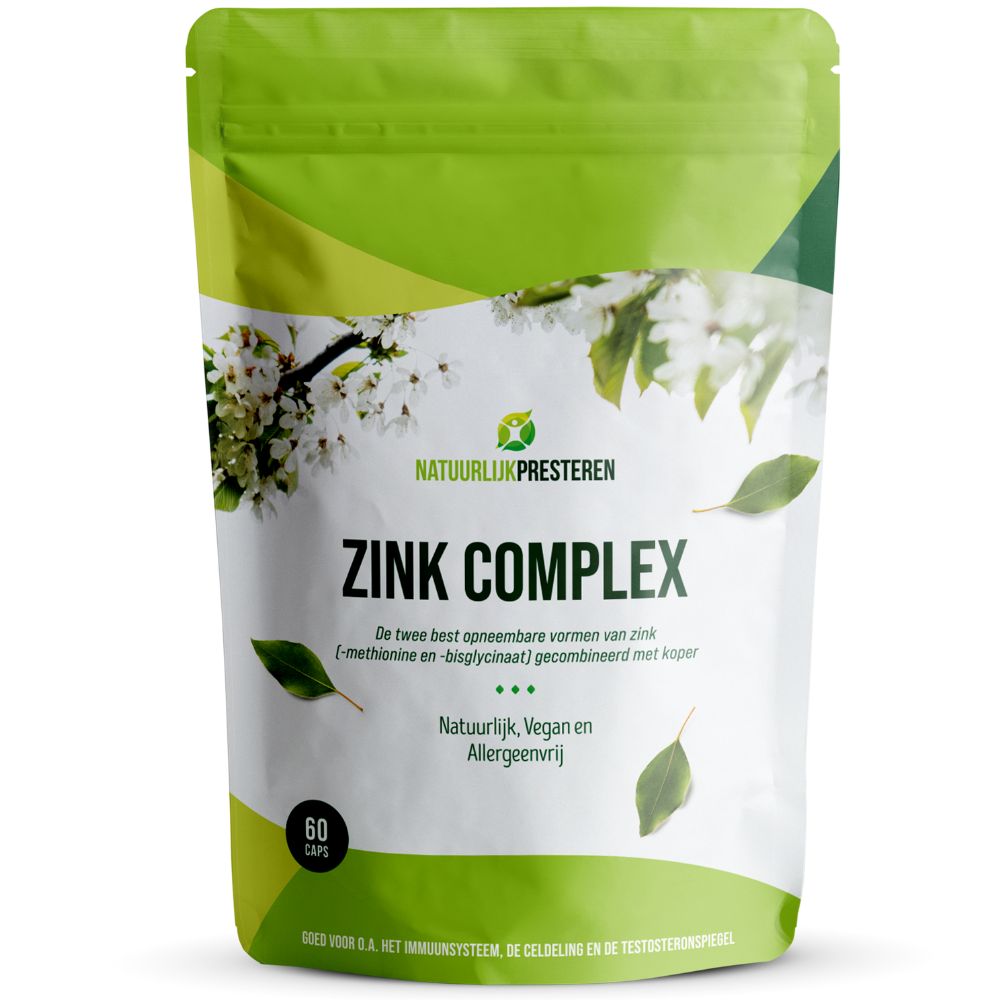
What are zinc supplements
Zinc supplements are dietary supplements that provide extra zinc when dietary intake is insufficient. According to the Health Council, adult men need 9 mg of zinc daily, while women require 7 mg.
You need zinc not only to support your immune system and metabolism, but it also contributes to sperm production and is good for your skin, hair, and nails. For this reason, zinc is often added to hair growth products or supplements that support sperm production.
Zinc in food vs. zinc in supplements
Zinc is found naturally in both animal and plant foods, including meat, shellfish, dairy, nuts, seeds, legumes, and whole grains. However, zinc from animal sources is generally better absorbed by the body than from plant sources. (1)
Zinc is more readily absorbed from supplements than from plant-based foods, especially when taken in forms such as zinc bisglycinate, zinc citrate, zinc methionine, or zinc picolinate. This makes these forms of zinc supplements a valuable addition to your diet.
What is the best zinc supplement?
The best zinc supplements therefore contain forms such as zinc bisglycinate, zinc citrate, zinc methionine, or zinc picolinate. These types of zinc are better absorbed by the body because they contain more "natural" (organic) compounds that the body more easily recognizes and can therefore utilize more efficiently.
Zinc supplements for vegans
Vegans often need more zinc because zinc from plant sources is less well absorbed. This is due to the presence of phytates , which are found in whole grains, legumes, nuts and seeds.
Phytates bind to zinc and reduce its absorption, so vegans may need to consume more zinc or consider supplements to meet their daily needs. (2)
Our zinc tablets
Zinc fulfills many different functions in the body and is therefore found in many of our products. On this page, you'll find our complete range of zinc supplements, each with unique formulas to meet various needs:
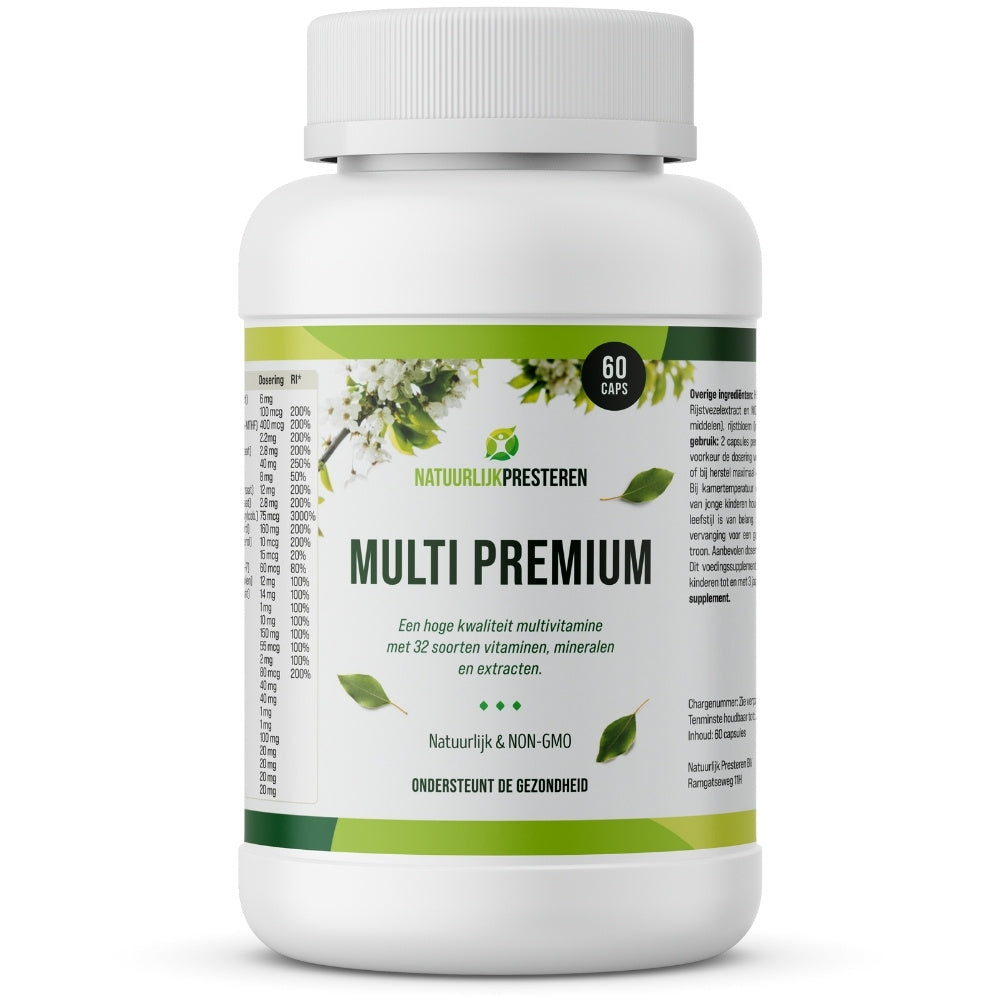
- Multi Premium - 15mg zinc citrate (per 2 capsules)
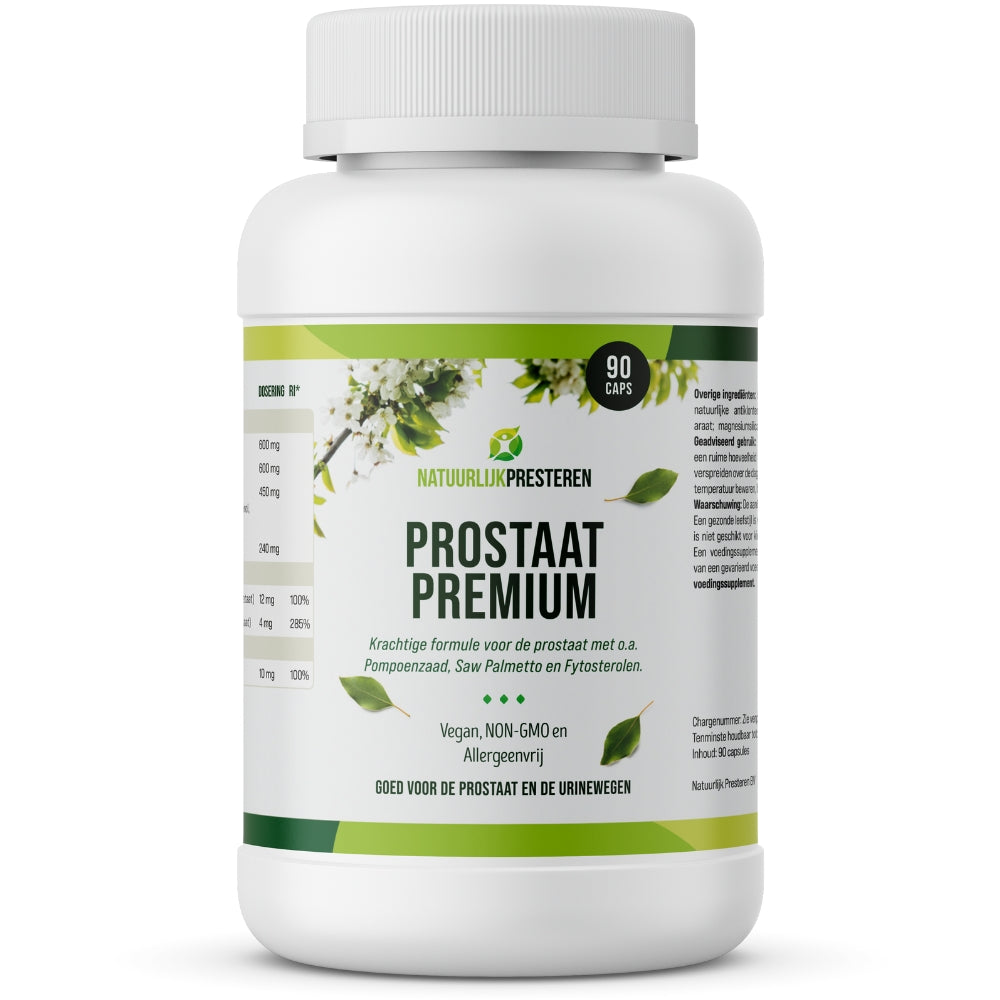
- Prostate Premium - 10 mg zinc citrate (per 3 capsules)
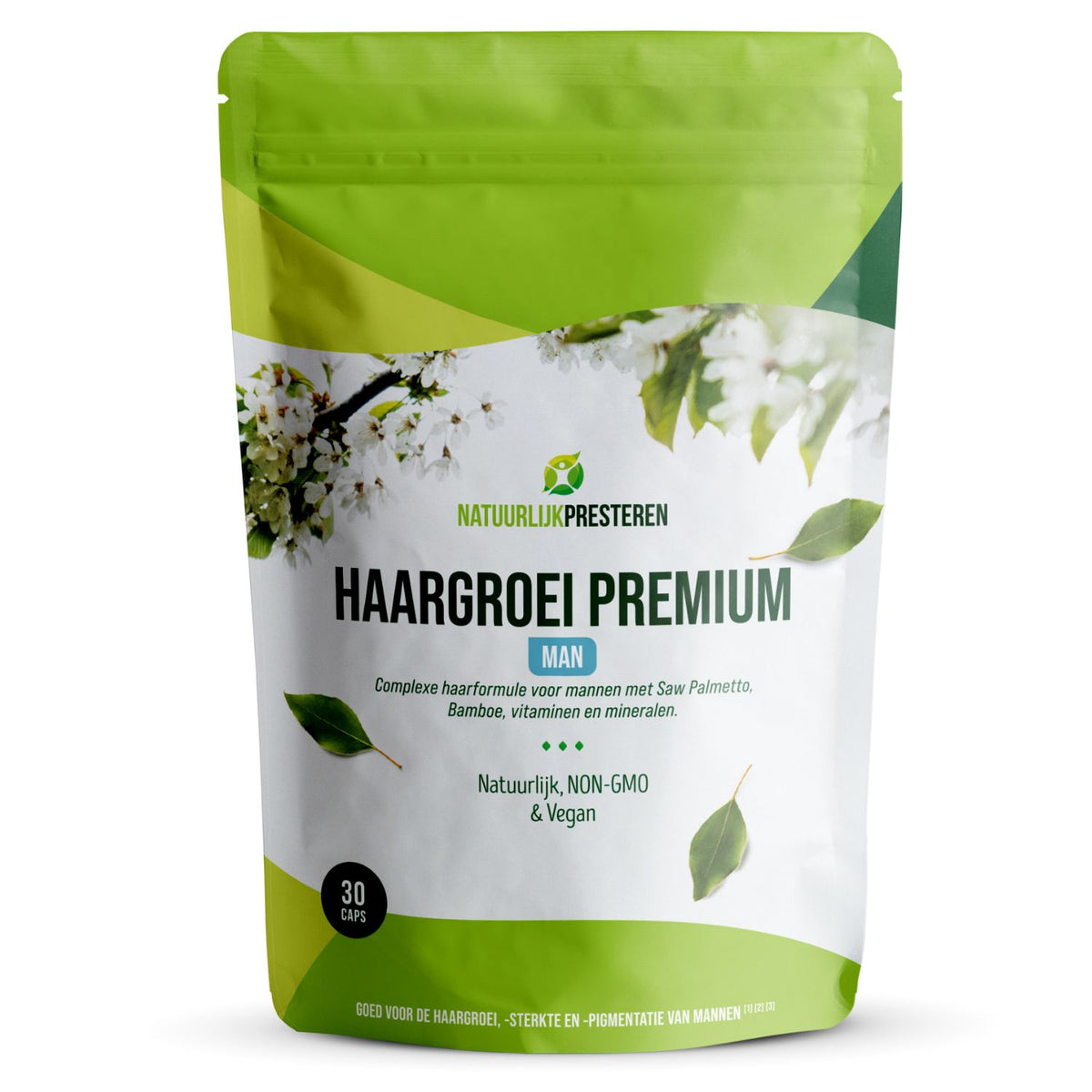
- Hair Growth Premium Men - 10 mg zinc citrate (per capsule)
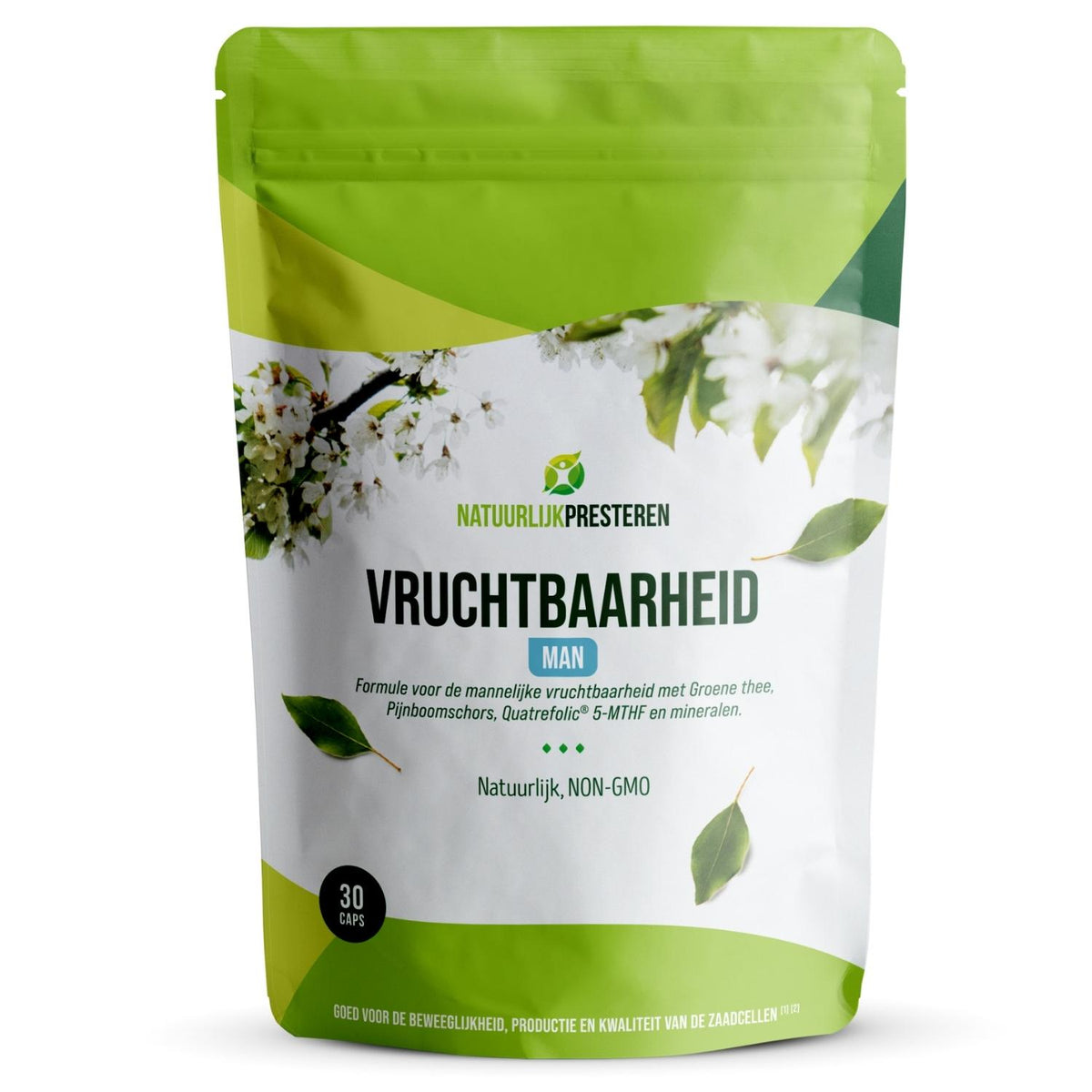
- Male Fertility - 10 mg Zinc Citrate (per capsule)
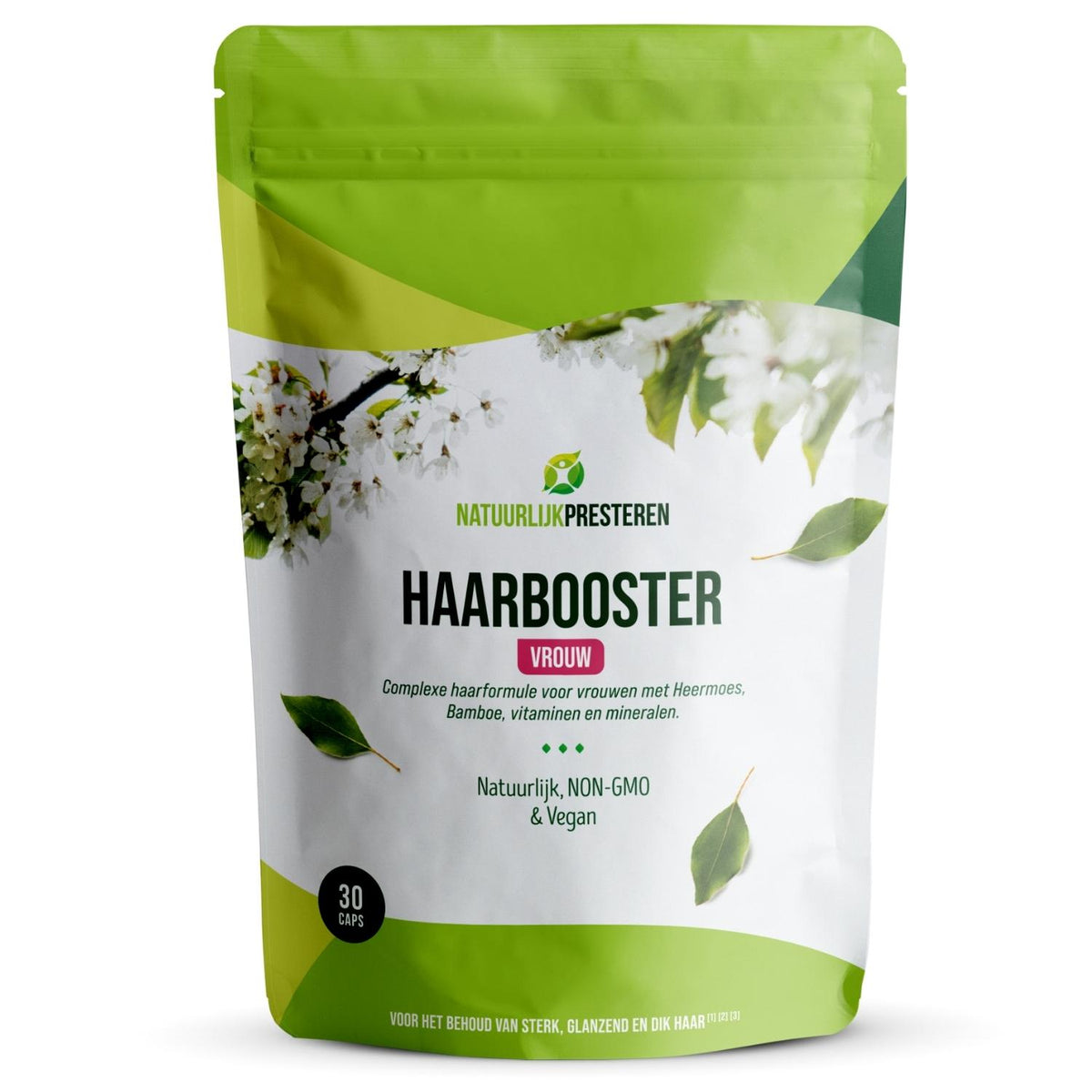
- Hair Booster Woman - 10 mg zinc citrate (per capsule)
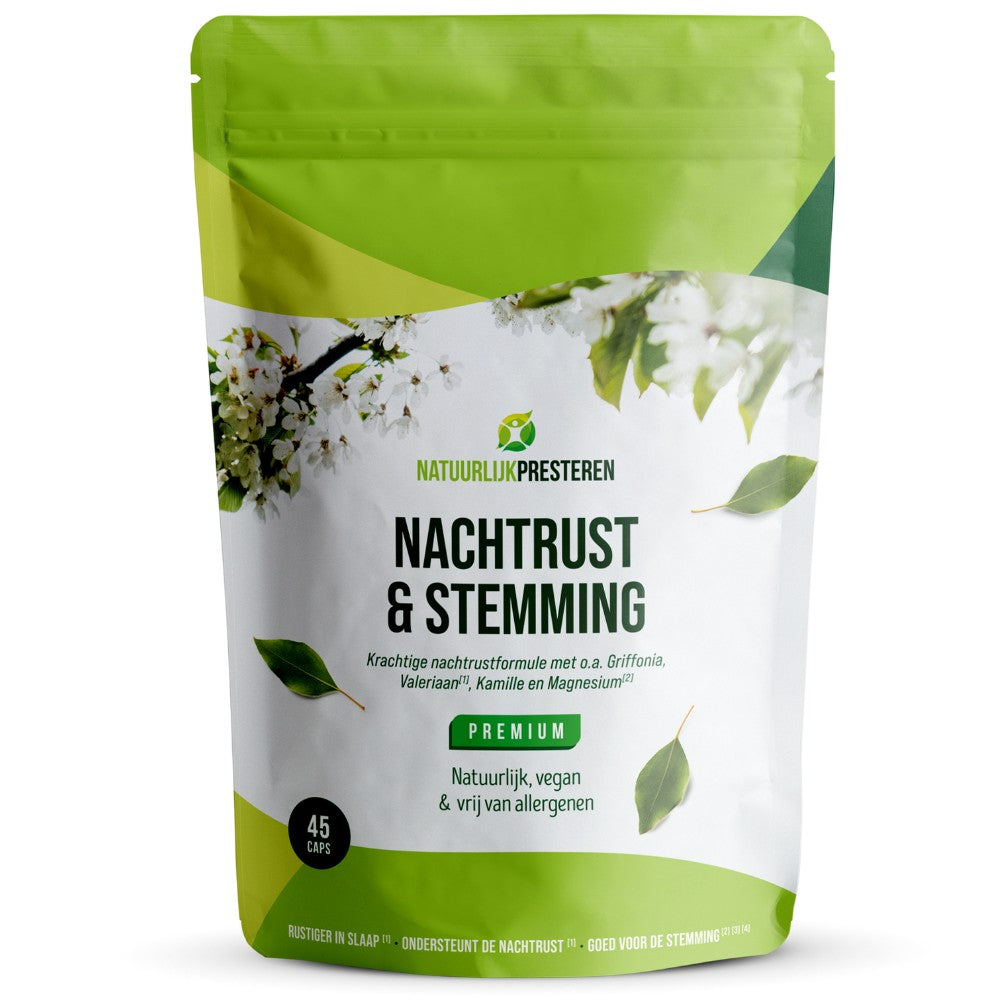
- Sleep & Mood - 5 mg zinc citrate (per capsule)
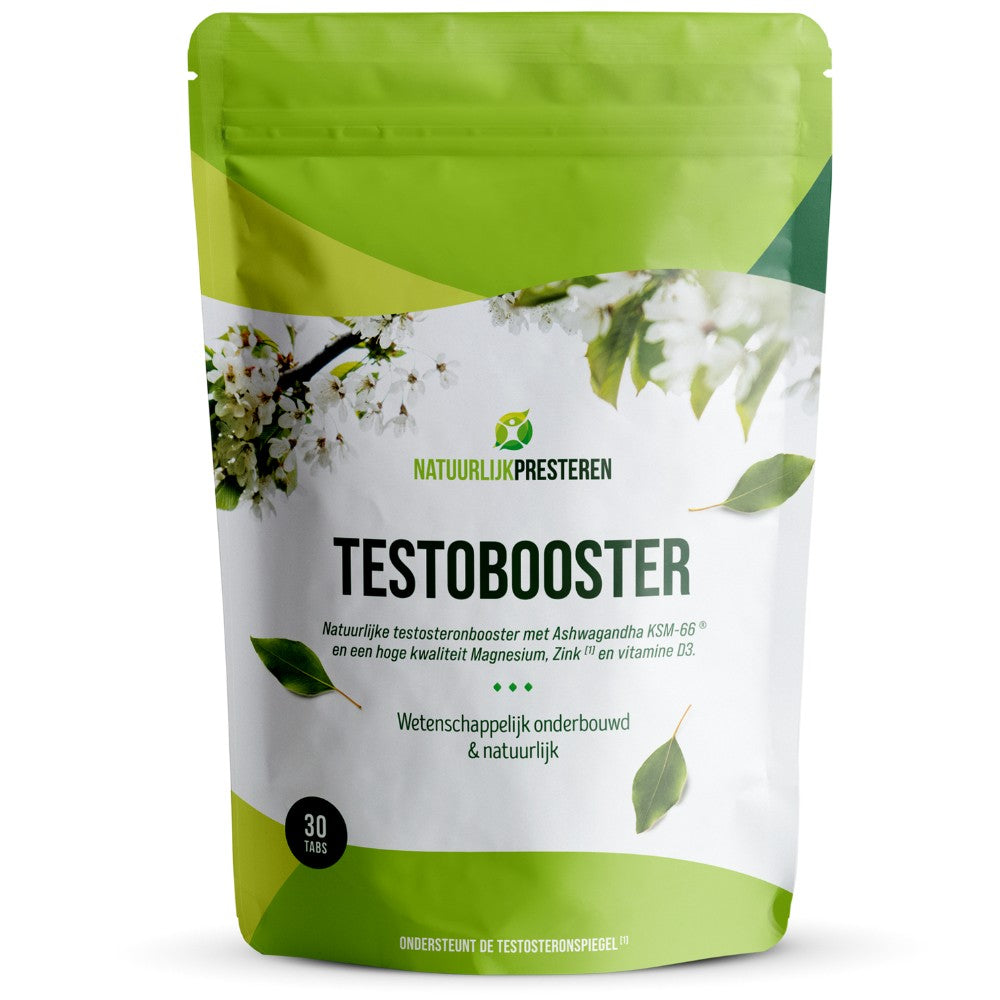
- Testobooster - 10 mg zinc bisglycinate (per tablet)
Here's what you can do to increase your zinc intake:
Tip 1: Eat more zinc-rich foods
Add foods like meat, shellfish, nuts, seeds, legumes, and whole grains to your diet to increase your zinc intake.
Tip 2: Soak, ferment, or sprout phytate-rich foods
Reduce phytates in foods like beans and whole grains by soaking, fermenting, or sprouting them. This improves zinc absorption.
Tip 3: Take high-dose iron and zinc supplements 2 hours apart
If you need both iron and zinc supplements, take them about two hours apart. This prevents them from interfering with each other's absorption.
Sources Used
Maares, M., & Haase, H. (2020). A Guide to Human Zinc Absorption: General Overview and Recent Advances of In Vitro Intestinal Models. Nutrients , 12 (3), 762. https://doi.org/10.3390/nu12030762
- Maxfield, L., Shukla, S., & Crane, J. S. (2023, June 28). Zinc deficiency . StatPearls - NCBI Bookshelf. https://www.ncbi.nlm.nih.gov/books/NBK493231/
Gerelateerde blogartikelen
 bloggle
What's High in Zinc? 10 Nutritionist Favorites
As a nutritionist, I'm often asked, " What's the best thing to eat to get enough zinc ?" My answer isn't just based on how much zinc a product contains, but also on three other pillars: Accessibility , price , and practical dosage . Oysters, beef liver, and crab may be the best when it comes to zinc per 100 grams. But let's be honest: Who eats oysters or liver every day? Oysters are expensive and hard to find, liver is often considered unpalatable, and crab is rarely eaten by most people. That's why I've compiled my top 10 with products that: Contain sufficient zinc Be affordable Be easy to find Be realistic about eating daily Because if you really want to solve a zinc deficiency in a sustainable way, it will not help to eat something that you only get on your plate once a month. Choose affordable and accessible zinc sources that are suitable for everyday use, rather than extremes of the numerous impractical options. The top 10 include meat, legumes, seeds, fish, and dairy, with 20–44% of the recommended daily allowance (RDA) per serving at a low cost. The European Food Safety Authority (EFSA) recommends 11 mg of zinc per day. The Netherlands Nutrition Centre recommends 9 mg for men and 7 mg for women. Table of contents 1. Beef - 4.8 mg zinc 2. Pork - 3.0 mg zinc 3. Hemp seeds - 3.0 mg zinc 4. Chicken thigh - 2.8 mg zinc 5. Mussels - 2.7 mg zinc 6. Lentils - 2.5 mg zinc 7. Chickpeas - 2.5 mg zinc 8. Tofu - 2.5 mg zinc 9. Yogurt - 2.2 mg zinc 10. Pumpkin seeds - 2.2 mg zinc About the RDA / reference intake What you need are accessible choices that you can maintain day in, day out, without having to overhaul your entire diet. Curious which products they are? Here are my personal favorites: 1. Beef - 4.8 mg zinc per serving (100 g) Choose lean, dark muscle meats like sirloin steak or beef chuck. These contain more zinc than fattier cuts like ribeye, simply because muscle tissue contains more zinc than fat. Ground beef also contains zinc, but the amount depends on the fat content. Beef liver contains even more zinc, but is less commonly eaten because of its distinct flavor. Contains 4.8 mg of zinc per 100 gram serving, which is 44% of the RDA Accessibility: Readily available , often eaten in the Netherlands Estimated price per serving: €1.50 In addition, you can also choose to increase your zinc levels in the short term with a nutritional supplement. Just one capsule contains 15 mg of zinc. These are also the most absorbable forms: zinc bisglycinate and zinc methionine. 2. Pork - 3.0 mg zinc per serving (100 g) Pork chops come from an active part of the pig, such as the rib or shoulder, and therefore contain a fair amount of zinc. Contains 3.0 mg zinc per 100 gram serving, which is 27% of the RDA Accessibility: Readily available and affordable Estimated price per serving: €1.20 3. Hemp seeds - 3.0 mg zinc per serving (30 g) Hemp seeds contain less phytic acid than many other seeds, making zinc absorption relatively good for a plant-based source. Add them to your smoothie or yogurt for an easy zinc intake. Contains 3.0 mg zinc per 30 gram serving, which is 27% of the RDA Accessibility: Easy to find in health food stores and larger supermarkets Estimated price per serving: €1.00 4. Chicken thigh - 2.8 mg zinc per serving (100 g) Chicken thigh is darker and contains more zinc than chicken breast, thanks to its active muscle tissue. Delicious in stews or curries. Contains 2.8 mg of zinc per 100 gram serving, which is 25% of the RDA Accessibility: Everyday product, available everywhere Estimated price per serving: €1.00 5. Mussels - 2.7 mg zinc per serving (100 g) Mussels contain easily absorbable zinc in an animal form that your body uses efficiently. Did you know they're considered one of the most sustainable marine protein sources? They don't require additional feed, take up little space, emit minimal CO₂, and improve water quality without causing bycatch. Contains 2.7 mg of zinc per 100 gram serving, which is 24% of the RDA Accessibility: Fairly easy to find in most fishmongers and freezer sections of larger supermarkets Estimated price per serving: €2.00 6. Lentils (cooked) - 2.5 mg zinc per serving (250 g) Lentils are an affordable plant-based alternative. Soaking them or combining them with something acidic, like tomato or lemon, improves zinc absorption. Contains 2.5 mg zinc per 250 gram serving, which is 23% of the RDA Accessibility: Easy to find in supermarkets and health food stores Estimated price per serving: €0.50 7. Chickpeas (cooked) - 2.5 mg zinc per serving (165 g) Did you know that soaking and cooking dried chickpeas breaks down the phytic acid that hinders zinc absorption? Make hummus or roast them with lemon juice and cumin to create crispy chickpea crunchies. Delicious, rich in zinc, and more easily absorbed! Contains 2.5 mg of zinc per 165 gram serving (1 cup), which is 23% of the RDA Accessibility: Widely available , both dried and canned Estimated price per serving: €0.50 8. Tofu - 2.5 mg zinc per serving (150 g) Tofu contains zinc, but also phytic acid, which can inhibit absorption. Marinating it with something acidic, like soy sauce and lime juice, not only makes it tastier but also aids zinc absorption. Contains 2.5 mg zinc per 150 gram serving, which is 23% of the RDA Accessibility: Increasingly found in supermarkets, health food stores and Asian shops Estimated price per serving: €1.50 9. Yogurt - 2.2 mg zinc per serving (245 g) Yogurt is an easy, daily source of zinc. Because the zinc is already bound to proteins, it is relatively well absorbed, despite the presence of calcium, which can sometimes slightly affect absorption. Contains 2.2 mg of zinc per 245 gram serving, which is 20% of the RDA Accessibility: Very readily available , daily product Estimated price per serving: €0.50 10. Pumpkin seeds - 2.2 mg zinc per serving (28 g) Pumpkin seeds are zinc-rich, top-notch plant-based snacks, although they also contain phytic acid, which can inhibit absorption. Lightly roasting them reduces the phytic acid content slightly and also makes them extra flavorful. Contains 2.2 mg of zinc per 28 gram serving, which is 20% of the RDA Accessibility: Easily available in supermarkets and health food stores Estimated price per serving: €0.50 About the RDA / reference intake In this comparison I assumed a recommended daily allowance (RDA) of 11 mg zinc. This is the reference intake as established by the European Food Safety Authority ( EFSA ) for adult men with an average Western diet. (1) In the Netherlands, the Nutrition Centre uses a slightly lower guideline of 9 mg for men and 7 mg for women . (2) By using the European standard, you can also apply this list more broadly. For example, these percentages also apply to those with a higher zinc requirement. Ebrina van der Bijl Ebrina is a nutritionist with a deep commitment to healthy eating and a sustainable lifestyle, based in beautiful Portugal. Her passion for natural and organic products is at the heart of her work. With a background in Nutrition & Dietetics and experience in product development and writing, she translates complex scientific information into practical advice for a balanced lifestyle. Read more Sources used EFSA NDA Panel, EPODP, Nutrition And Allergies & European Food Safety Authority. (2014). Draft Scientific opinion on Dietary Reference Values for zinc. In EFSA Journal: Vol. volume(issue):NNNN (p. 74 pp) [Draft Scientific Opinion]. https://doi.org/10.2903/j.efsa.2014.NNNN Nutrition Center. (n.d.). Zinc. https://www.voedingscentrum.nl/encyclopedie/zink.aspx
Lees meer
Zinc in Food and Supplements: The Complete Guide!
In this comprehensive article, you will learn everything about zinc in food & supplements and what exactly it does in your body. You'll also learn what you can do about a zinc deficiency and which foods can help you supplement it. Let's start at the beginning: Zinc supports the immune system, cell division, skin health, fertility and metabolism, and plays a crucial role in enzymatic processes. A zinc deficiency can lead to stunted growth, skin problems, reduced immunity and loss of taste, while too much zinc causes a copper deficiency. Zinc-rich foods include oysters, meat, nuts, and dairy, while supplements are useful for deficiencies due to diet or medical conditions. Table of contents What is zinc? What is zinc good for? Types of zinc Which type of zinc is best? Symptoms of a zinc deficiency? Causes of a zinc deficiency Interactions (interference) with other nutrients How much zinc do you need? Which foods contain a lot of zinc? Side effects of too much zinc Consequences of too much zinc When is there too much zinc? Zinc and fertility In men In women What is zinc? Zinc is an essential mineral for every cell in your body. It plays a significant role in the structure, function, and health of our cells. For example, zinc is essential for enzymes that support protein synthesis, tissue growth and renewal, and metabolism. It also plays a crucial role in the functioning of the immune system. What is zinc good for? Zinc is a mineral with numerous functions in the human body. Zinc is good for: The skeleton Building (body) protein Keeping the skin healthy The sense of sight The nails The cell division process Memory and concentration Zinc also contributes to: The normal functioning of the immune system Normal DNA synthesis Normal metabolism of vitamin A, carbohydrates, fat and proteins The maintenance of normal testosterone levels in the blood The production of sperm cells The protection of cells against oxidative damage Types of Zinc There are two types of zinc: organic and inorganic. Organic zinc is better absorbed. through the body and is therefore the more bioavailable form of zinc. [1] [2] To understand the difference between the two forms of zinc, it's important to know that zinc is always bound to another molecule. The type of molecule to which zinc is bound affects its absorption in the small intestine (where receptors compete with other minerals for entry into the bloodstream). In other words: How effectively zinc is absorbed depends on how well the zinc compound is recognized by your body (by those receptors). And that's what matters to you if you want to know which type of zinc is best. Which type of zinc is best? The best type of zinc is the one that is best absorbed in your small intestine. Organic zinc is better absorbed than the inorganic form and is therefore the better choice. Organic zinc: Bound to organic molecules such as amino acids and organic acids . Because of the organic compound, our body can recognize this type better than the inorganic form. This is beneficial for intestinal absorption. This type of zinc occurs naturally in our food , especially in products of animal origin such as meat, fish, eggs and dairy. These are the organic zinc compounds used in supplements : Zinc bisglycinate Zinc citrate Zinc methionine Zinc picolinate Inorganic zinc - Bound to inorganic molecules such as oxides, sulfates, and carbonates . Inorganic zinc does not occur naturally in food . These forms of inorganic zinc are often found in supplements or zinc-enriched foods: Zinc oxide Zinc sulfate Zinc carbonate Symptoms of a zinc deficiency? According to the leading scientific journal Nature, zinc deficiency is relatively common. On average, 17.3% of people have a zinc deficiency. [15] When your body doesn't have enough zinc, it's less able to regulate certain cell functions. These are some of the symptoms you can recognize as a zinc deficiency. Skin problems, mucosal inflammation and skeletal abnormalities Altered sense of smell and taste due to poorly functioning receptors Growth retardation and delayed sexual development Weakened immune response and difficulty seeing in the dark (night blindness) [3] Causes of a Zinc Deficiency There are several possible causes of zinc deficiency, including: Malnutrition – A lack of zinc-rich food (think of one-sided diets as an example) can lead to a deficiency. Poor absorption – Some conditions, such as gluten allergy or Crohn's disease, can reduce the absorption of nutrients, including zinc. Vegetarian or vegan diet – Plant sources of zinc are less well absorbed than animal sources. [4] Illness, stress and excessive alcohol use – Serious illness, injury, surgery or prolonged stress can affect zinc metabolism and increase zinc requirements. Pregnancy and Breastfeeding – Pregnant women have an increased need for zinc because of its role in fetal growth and development. During breastfeeding, a woman may also need more zinc to meet her baby's needs. [5] Interactions (interference) with other nutrients - Some nutrients can reduce zinc absorption, such as phytic acid, calcium and phosphates. To prevent a deficiency, it is always important to first identify the underlying cause before correcting it with supplements. Interactions (interferences) with other nutrients Phytates - These naturally occurring compounds are found in grains, legumes, nuts, and seeds. They can bind to zinc and reduce its absorption in the intestines. Calcium - When calcium is present in a meal high in phytates, calcium can enhance the binding of phytates to zinc, further reducing zinc absorption. [6] Iron - As long as you eat a balanced diet, iron and zinc shouldn't interfere with each other. However, if you take too much iron (supplements), the zinc-to-iron ratio will become unbalanced and this will negatively affect zinc absorption. [7] Here's what you can do to increase your zinc intake: Eat more zinc-rich foods (see Chapter 6) Soak, ferment, or sprout phytate-rich foods to reduce phytate levels. Eat calcium-rich foods (such as dairy products) separately from phytate-rich meals. Take high-dose iron and zinc supplements 2 hours apart. Normally, these interactions don't cause serious problems for people with a varied diet. However, in people with already low zinc levels or a diet that is naturally low in zinc, these factors can contribute to zinc deficiency. How much zinc do you need? How much zinc you need daily depends on your age and individual needs. These are the guidelines according to the Health Council: Age / need Quantity [8] Children (6-23 months) 5 mg per day Children (2-5 years) 6 mg per day Children (6-9 years) 7 mg per day Boys (10-13 years) 11 mg per day Boys (14-17 years) 12 mg per day Men (18 years and older) 9 mg per day Girls (10-13 years) 8 mg per day Girls (14-17 years) 9 mg per day Women (18 years and older) 7 mg per day Pregnant women 9.1 mg per day Women who are breastfeeding 11 mg per day Source: Nutrition Center Which foods contain a lot of zinc? Zinc-rich foods include shellfish, organ meats, nuts, dairy, and poultry. Although zinc is also found in grains and plant foods, its absorption is hampered by phytate (a substance found in grains, among other things). Some examples of foods rich in zinc: Food Zinc per 100 grams Oysters 59.2 mg Hemp seed 9.9 mg Pumpkin seeds 7.9 mg Beef 6.8 mg Sesame seeds 5.8 mg Cashew nuts 5.8 mg Lentils (brown/green) dried 3.9 mg Gouda Cheese 48+ 3.5 mg Lamb 3.2 mg Quinoa 3.1 mg Source: Nevo table online, 2023 Side effects of too much zinc Only when you take zinc supplements are there a chance that you will experience side effects from too much zinc.[1] So you don't have to worry about burdening your body with too much zinc through what you eat. This is because: Zinc occurs only in small amounts in food . Your body can store zinc : About 85% of zinc is found in muscles and bones. In addition, about 11% of zinc is found in the skin and liver. The remaining 4% is distributed throughout other tissues. [9] Zinc is also excreted through urine and feces . Consequences of too much zinc Too much zinc can be dangerous for your health. Here are the consequences of a chronic zinc excess: Copper deficiency - One of the consequences of too much zinc is that it can lead to a copper deficiency. Higher zinc concentrations interfere with the absorption of other essential trace elements, especially copper. Furthermore, high zinc levels can inhibit immune function. [10] Nausea and abdominal pain - Additionally, you may experience nausea and abdominal pain when taking supplements with dosages above 150 milligrams per day . [11][2] When is there too much zinc? Although it is rare to get too much zinc from your diet, the European Food Safety Authority (EFSA) has set a limit for the maximum amount of zinc that can be safely consumed: Age Upper limit Zinc [ 12] Children (1-3 years) 7 mg per day Children (4-6 years) 10 mg per day Children (7-10 years) 13 mg per day Children (11-14 years) 18 mg per day Young people (15-17 years) 22 mg per day Adults (18 years and older) 25 mg per day Source: Nutrition Center Zinc and fertility Zinc is essential for normal fertility. The reason for this is now known in men, but more research is needed in women. In men Zinc contributes to the maintenance of normal testosterone levels in the blood and is good for sperm quality. This has been shown in research. [13] It recently became clear that zinc is present in semen and that an optimal concentration is necessary for normal function. Zinc is said to be beneficial for sperm motility. If you get enough zinc through your diet, taking extra zinc will not enhance your sperm health. Therefore, make sure you get enough according to the guidelines of the Nutrition Center. Tip: If you don't get enough zinc from your diet, you could supplement with a dietary supplement. The natural male fertility supplement contains zinc and various other nutritional supplements that are beneficial for male fertility. In women Zinc contributes to normal fertility in both men and women. Recent research has shown that zinc helps regulate processes related to female fertility. However, more research is needed to substantiate its precise mechanism of action. [14] Ebrina van der Bijl Ebrina is a nutritionist with a deep commitment to healthy eating and a sustainable lifestyle, based in beautiful Portugal. Her passion for natural and organic products is at the heart of her work. With a background in Nutrition & Dietetics and experience in product development and writing, she translates complex scientific information into practical advice for a balanced lifestyle. Read more Sources used (1) https://www.ncbi.nlm.nih.gov/pmc/articles/PMC7146416/ (2) https://pubmed.ncbi.nlm.nih.gov/37733217/ (3) https://www.voedingscentrum.nl/encyclopedie/zink.aspx# : (4) https://www.ncbi.nlm.nih.gov/pmc/articles/PMC7146416/ (6) https://www.ncbi.nlm.nih.gov/books/NBK493231/ (7) https://www.sciencedirect.com/science/article/pii/S0022316622140927 (8) https://www.voedingscentrum.nl/encyclopedie/zink. (9) https://www.ncbi.nlm.nih.gov/pmc/articles/PMC6722515/ (10) https://www.ncbi.nlm.nih.gov/pmc/articles/PMC10761908/ (11) https://www.ivg-info.nl/voedingssupplementen/mineralen/zink/ (12) https://www.voedingscentrum.nl/encyclopedie/zink.aspx# : (13) https://www.ncbi.nlm.nih.gov/pmc/articles/PMC7589359/ (14) https://www.ncbi.nlm.nih.gov/pmc/articles/PMC8599883/ (15) https://www.nature.com/articles/s41598-024-53202-0#
Lees meer
Zinc Bisglycinate: What Is It and What Are Its Benefits?
Zinc bisglycinate is one of the most absorbable and stomach-friendly forms of zinc you can take. Combined with zinc methionine, you even get the best of both worlds: high bioavailability and stable absorption. In this article, you'll discover why the form of zinc you choose makes such a difference, what makes zinc bisglycinate special, and why combining it with zinc methionine is the smartest choice. Zinc bisglycinate and zinc methionine are easily absorbed, stomach-friendly forms of zinc that together ensure stable, efficient absorption and wide applicability. Zinc plays an essential role in the immune system, skin, hair, nails, fertility and cell division; a deficiency can lead to a variety of health problems. A balanced supplement combines bisglycinate, methionine and copper to optimize absorption and maintain natural mineral balance. Table of contents Why the Form of Zinc Matters What is Zinc Bisglycinate? And What Are Its Benefits? Zinc Methionine: A Powerful Supplement The Power of the Combination: Bisglycinate + Methionine Why Zinc is Essential Why Zinc and Copper Go Hand in Hand Zinc Complex: Complete and Balanced One-Minute Summary Why the shape of zinc matters When choosing a zinc supplement, it's important to know that not all forms are equally effective. Cheaper versions, such as zinc oxide or zinc sulfate , are often less well absorbed and can cause stomach upset in some people. That's why bioavailability is important. It indicates how much zinc your body can actually absorb and utilize. One difference is mainly between inorganic forms and chelates : Inorganic zinc compounds are zinc bound to minerals or salts, such as oxide or sulfate. Chelates are zinc molecules linked to an amino acid, such as glycine (zinc bisglycinate) or methionine (zinc methionine). Research shows that these chelates often show better absorption than the inorganic variants, allowing them to be utilized more efficiently by the body. (1) In short : It is not only the amount of zinc that counts, but especially the form in which you take it. What is zinc bisglycinate? And what are its benefits? Zinc bisglycinate is a special form of zinc in which one zinc particle is bonded to two molecules of the amino acid glycine. This bond is called a chelate . The advantage of this form is mainly practical: Good absorption – Because glycine is a small amino acid, the complex can be absorbed more easily through the intestinal wall. Mild tolerability – Many people find that zinc bisglycinate is less likely to cause stomach upset compared to some inorganic forms, such as zinc oxide or zinc sulfate. This makes zinc bisglycinate a popular form of choice in supplements, especially when absorption and tolerability are important. (1)(2) Zinc Methionine: A Powerful Supplement Besides zinc bisglycinate, zinc methionine is also a commonly used form. In this form, zinc is bound to the amino acid methionine . Because methionine is an essential amino acid that you must obtain through food, it forms a stable and easily absorbable chelate together with zinc. The most important benefits at a glance: Good absorption - Like bisglycinate, methionine is a chelate, which allows zinc to pass through the intestinal wall more easily than inorganic forms such as zinc oxide or zinc sulfate. Stability - Methionine is a sulfur-containing amino acid that makes the bond with zinc very stable. This prevents the zinc from being released too quickly in the stomach (where it can cause irritation), but allows it to be efficiently absorbed further along in the intestine. Additional contribution from methionine itself - Methionine is an essential amino acid (your body cannot produce it). It plays a role in the production of antioxidants (such as glutathione) and in methylation processes. This makes zinc methionine an interesting form that does more than just provide zinc. (3) The power of the combination: Bisglycinate + methionine Zinc bisglycinate and zinc methionine each have their own strengths. Bisglycinate is known for its gentle and efficient absorption in the intestines, while methionine primarily provides stability and also plays a role as an essential amino acid in the body. Together they form a valuable combination : easily absorbed, gentle on the stomach, and with a wide range of applications. That's why the combination of these two forms is often considered one of the most balanced choices for a zinc supplement. Why zinc is essential Zinc is an essential mineral, meaning your body can't produce it on its own. You must therefore obtain it through food or supplements. Do you know what you need zinc for? Many people know it as supporting their immune system. But it does so much more. These are the main functions of zinc: Immune system – Zinc contributes to the normal functioning of your immune system. Skin, hair and nails – Zinc helps maintain normal skin, hair and nails. Fertility – Zinc contributes to normal fertility and reproduction. Cell division and protection – Zinc plays a role in the process of cell division and protects cells from oxidative damage. Because zinc has so many functions, a deficiency can lead to a variety of complaints such as: Reduced resistance Skin and mucous membrane problems Hair loss or brittle nails Altered sense of smell and taste Delayed wound healing Retarded growth (especially in children or during pregnancy) (4)(5) Why zinc and copper go hand in hand Zinc is important, but too much zinc without supplementation can disrupt your copper balance . Both minerals use some of the same transport pathways in your body. Taking high amounts of zinc for extended periods can reduce copper absorption. Copper itself is also essential. It supports the normal functioning of your immune system , aids in energy metabolism , and contributes to normal skin and hair pigmentation . That's why high-quality zinc supplements often combine zinc with a small amount of copper. This prevents imbalance and allows the two minerals to work together effectively. (6)(7) Zinc Complex: Complete and balanced Want to ensure you're supplementing with zinc in a well-absorbed and balanced way? Our Zinc Complex combines two highly absorbable forms (bisglycinate and methionine) and adds copper bisglycinate to maintain the natural balance. The result? A high-quality formula that is efficiently absorbed and safe to use daily. One-minute summary Zinc is an essential mineral that your body needs for your immune system, skin, hair, nails, fertility and cell division. However, not all supplements are equally effective. Cheaper versions like zinc oxide are often less well absorbed and can cause stomach upset. That's why chelates like zinc bisglycinate and zinc methionine are better. They bind zinc to amino acids, making it easier for the body to absorb. Zinc bisglycinate - A gentle absorption, mild on the stomach. Zinc methionine - Stable, easily absorbed and also provides methionine, an essential amino acid. Together they form a strong combination: efficient, gentle on the stomach and widely applicable. Important to remember : Long-term high zinc intake without copper can disrupt your copper balance. Therefore, high-quality supplements combine both minerals so they complement each other rather than conflict. With a complex containing bisglycinate, methionine and copper, you choose a complete and safe zinc supplement. Ebrina van der Bijl Ebrina is a nutritionist with a deep commitment to healthy eating and a sustainable lifestyle, based in beautiful Portugal. Her passion for natural and organic products is at the heart of her work. With a background in Nutrition & Dietetics and experience in product development and writing, she translates complex scientific information into practical advice for a balanced lifestyle. Read more Sources used Devarshi, P. P., Mao, Q., Grant, R. W., & Mitmesser, S. H. (2024). Comparative Absorption and Bioavailability of Various Chemical Forms of Zinc in Humans: A Narrative Review. Nutrients, 16(24), 4269. https://doi.org/10.3390/nu16244269 Gandia, N., Bour, N., Maurette, N., Donazzolo, N., Duchène, N., Béjot, N., & Houin, N. (2007). A Bioavailability Study Comparing Two Oral Formulations Containing Zinc (Zn Bis-Glycinate vs. Zn Gluconate) After a Single Administration to Twelve Healthy Female Volunteers. International Journal For Vitamin And Nutrition Research, 77(4), 243–248. https://doi.org/10.1024/0300-9831.77.4.243 Chen, X., He, C., Zhang, K., Wang, J., Ding, Comparison of zinc bioavailability in zinc-glycine and zinc-methionine chelates for broilers fed with a corn-soybean meal diet. Frontiers in Physiology, 13. https://doi.org/10.3389/fphys.2022.983954 Roohani, N., Hurrell, R., Kelishadi, R., & Schulin, R. (2013). Zinc and its importance for human health: An integrative review. Journal of Research in Medical Sciences, 18(2), 144–157. Maares, M., & Haase, H. (2016). Zinc and immunity: An essential interrelation. Archives Of Biochemistry And Biophysics, 611, 58–65. https://doi.org/10.1016/j.abb.2016.03.022 Hoffman, H. N., Phyliky, R. L., & Fleming, C. (1988). Zinc-induced copper deficiency. Gastroenterology, 94(2), 508–512. https://doi.org/10.1016/0016-5085(88)90445-3 Duncan, A., Morrison, I., & Bryson, S. (2023). Iatrogenic copper deficiency: Risks and cautions with zinc prescribing. British Journal Of Clinical Pharmacology, 89(9), 2825–2829. https://doi.org/10.1111/bcp.15749
Lees meer