What are vitamin C supplements?
Vitamin C supplements are products designed to increase the intake of this essential vitamin. It is one of the most well-known vitamins and is also known by its official name, L-ascorbic acid, which literally means "anti-scurvy."
Vitamin C supplements are especially useful for people who do not get enough of it from their diet, such as those with a deficiency or increased need for this vitamin.
What do you need vitamin C for?
Vitamin C is an important antioxidant that plays a crucial role in supporting the immune system and overall health. It also helps produce collagen, which contributes to the normal functioning of blood vessels, skin, bones, and cartilage.
Note : You urinate out excess vitamin C. However, an intake of more than 2 grams per day can cause intestinal problems such as diarrhea, which disappear with reduced intake. The recommended daily allowance for adults is 75 milligrams.
What types of vitamin C are there?
L-Ascorbic acid is the only naturally occurring form of vitamin C. It's found in many foods, such as citrus fruits, berries, kiwis, bell peppers, and leafy greens. It's also included in supplements because it's an inexpensive and effective form.
Other forms of vitamin C, such as sodium, magnesium, or calcium ascorbate, and Ester-C , are synthetic (not natural) or buffered (linked to another substance, such as magnesium). They are primarily used in supplements because they are less or not acidic and therefore gentler on the stomach . Certain synthetic forms may also be better absorbed.
What is a good vitamin C supplement?
A good supplement provides a safe dose of vitamin C in an effective form.
Here are some examples of good vitamin C supplements:
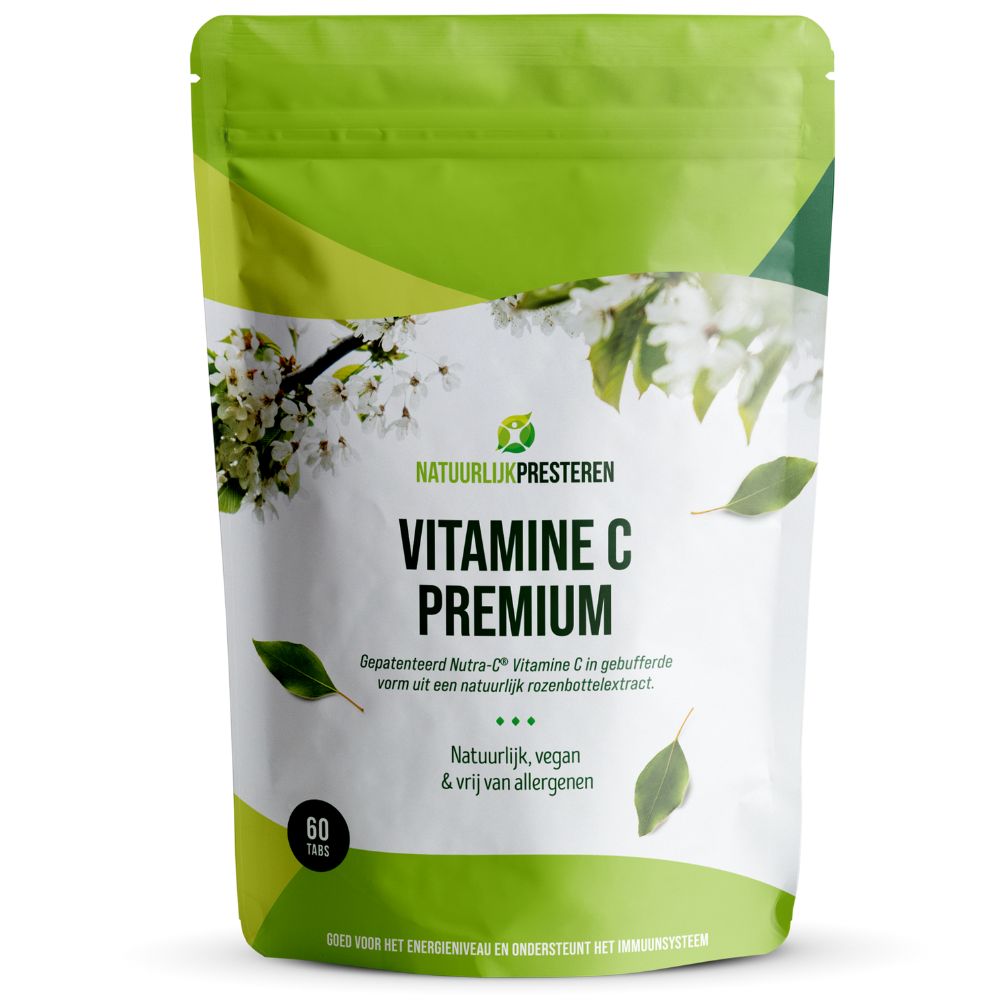
- Vitamin C Premium Contains Nutra-C®, a vitamin C with superior absorption and effectiveness. This advanced, buffered form of vitamin C is naturally extracted from rosehip extract using a water-based process, without harmful chemicals.
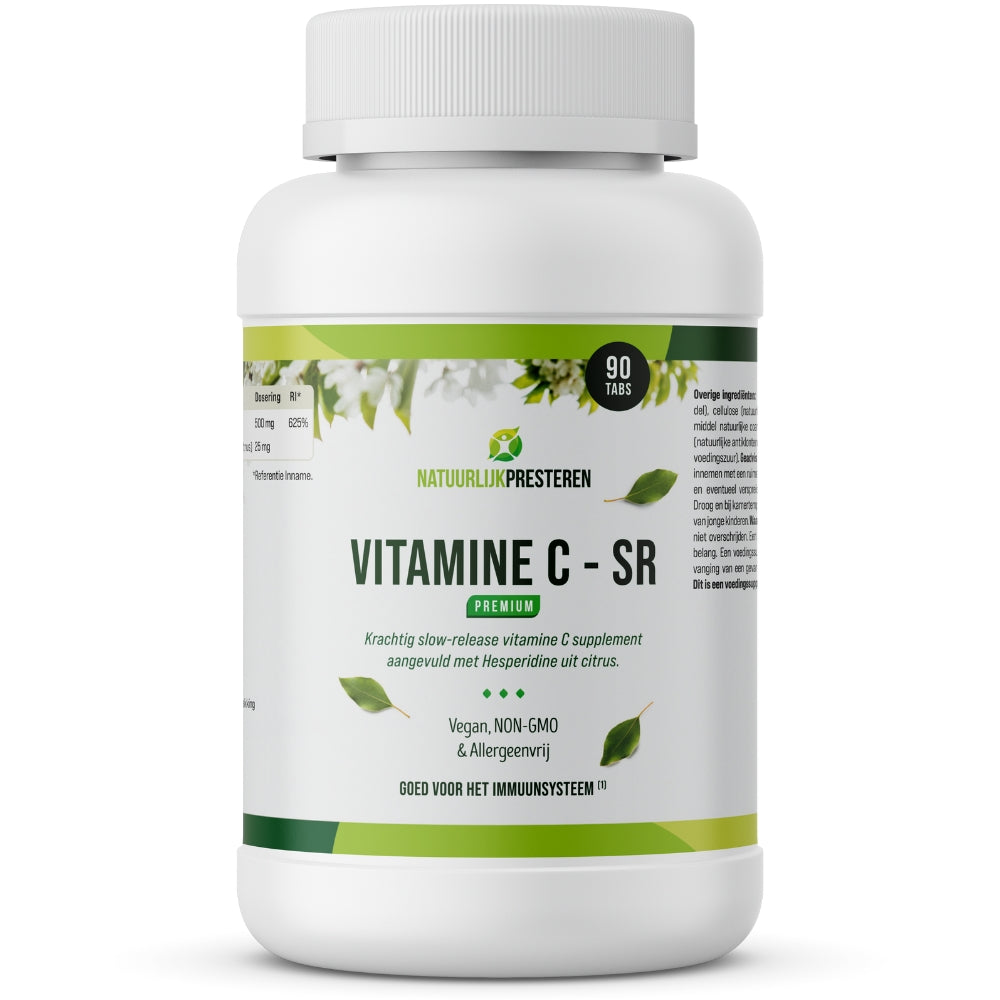
- Vitamin C Slow Release is an advanced nutritional supplement containing a powerful combination of vitamin C and hesperidin from citrus. Hesperidin enhances the effects of vitamin C, and thanks to the delayed release of the ingredients, you benefit from a long-lasting effect. This ensures optimal absorption and is also gentler on your stomach.
You don't know these 3 natural vitamin C superstars yet
Do you also immediately think of an orange or a kiwi when you hear about vitamin C? In the Netherlands, those are indeed the most well-known sources. But did you know that in the rest of the world, there are fruits that contain up to 100 times more vitamin C than an orange?
These 3 fruits are real vitamin bombs:
1. Acerola ( Malpighia emarginata)
A small, round berry from South and Central America.
Vitamin C: 1500–4500 mg per 100 grams (1)
Comparison with orange: 50–100 times more vitamin C than an orange
2. Kakadu plum ( Terminalia ferdinandiana)
A small, sour drupe from Australia.
Vitamin C: 2300–3150 mg per 100 grams (2)
Comparison with orange: 76–105 times more vitamin C than an orange
3. Strawberry guava ( Psidium cattleianum)
A small, round berry, often yellow or red, from South America.
Vitamin C: Up to 1200 mg per 100 grams (3)
Comparison with orange: 40–60 times more vitamin C than an orange
Sources Used
- Prakash, A., & Baskaran, R. (2018). Acerola, an untapped functional superfruit: a review on latest frontiers. Journal Of Food Science And Technology , 55 (9), 3373–3384. https://doi.org/10.1007/s13197-018-3309-5
- Zhou, Y., Phan, A.D.T., Akter, S., Bobasa, E.M., Seididamyeh, M., Sivakumar, D., & Sultanbawa, Y. (2023). Bioactive Properties of Kakadu Plum-Blended Products. Molecules , 28 (6), 2828. https://doi.org/10.3390/molecules28062828
- McCook-Russell, K. P., Nair, MG, Facey, P. C., & Bowen-Forbes, C. S. (2012). Nutritional and nutraceutical comparison of Jamaican Psidium cattleianum (strawberry guava) and Psidium guajava (common guava) fruits. Food Chemistry , 134 (2), 1069–1073. https://doi.org/10.1016/j.foodchem.2012.03.018
Gerelateerde blogartikelen

13 Scientifically Proven Benefits of Vitamin C
Vitamin C is one of the most well-known vitamins. It's a water-soluble, essential vitamin. This means your body can't produce it on its own, so you must get it from food or a supplement. Vitamin C is best known for its antioxidant properties, safety, and low price. It's often used, among other things, to treat cold symptoms. An antioxidant protects your body against damage caused by free radicals (such as UV radiation or air pollution). But what types of vitamin C are there? And what are its benefits? In this article, I'll explain the different types of vitamin C and its 13 scientifically proven benefits ! Vitamin C is an essential, water-soluble antioxidant that your body cannot produce itself. It supports the immune system, heart, bones, iron absorption and mental functions thanks to the production of collagen and antioxidant protection. Different forms (L-ascorbic acid, mineral ascorbates, Ester-C) offer the same benefits but differ in absorption and stomach friendliness. Table of contents Types of Vitamin C L-ascorbic acid Mineral ascorbates Ester-C Scientifically proven benefits of vitamin C 1. Vitamin C protects against oxidative damage 2. Vitamin C is good for your blood vessels 3. Vitamin C is good for your bones 4. Vitamin C is good for your cartilage 5. Vitamin C is good for iron levels in your blood 6. Vitamin C is good for your immune system 7. Vitamin C is good for your skin 8. Vitamin C is good for your psychological function 9. Vitamin C is good for your mouth and teeth 10. Vitamin C is good for the regeneration of vitamin E 11. Vitamin C is good for your nervous system 12. Vitamin C supports your energy levels 13. Vitamin C helps with fatigue Vitamin C is a versatile supplement Types of Vitamin C Because vitamin C is an essential vitamin, your body cannot produce it on its own. Therefore, it's important to eat plenty of foods rich in vitamin C, such as kiwis or oranges. You can also choose to take a vitamin C supplement. There are currently three generations of vitamin C on the market: L-ascorbic acid L-ascorbic acid is the natural form of vitamin C and is the least expensive compared to the other forms. It is a very weak acid and is well tolerated by most people, except those who are acid-sensitive. Mineral ascorbates Examples of mineral ascorbates include calcium ascorbate, sodium ascorbate, and magnesium ascorbate. In these supplements, vitamin C is bound to a mineral, which reduces the acidity of the vitamin C. Mineral ascorbates are a good choice for anyone looking for vitamin C that is less harsh on the stomach than L-ascorbic acid. Ester-C Ester-C is a complex of calcium ascorbate and vitamin C metabolites with higher bioavailability. This means it's a version of vitamin C that's better absorbed by your body. This is the newest and most absorbable version of L-ascorbic acid. All three different vitamin C supplements offer the same health benefits for your body. In recent years, extensive research has been conducted into these benefits. Did you know? Brussels sprouts and red bell peppers contain more vitamin C than oranges. Scientifically proven benefits of vitamin C Below you will find 13 benefits of vitamin C, along with various scientific studies that support this: 1. Vitamin C protects against oxidative damage Vitamin C is primarily known as an antioxidant, meaning it helps combat free radicals in the body. These free radical compounds can cause damage when you have too much of them in your body. Your body uses antioxidants to keep these free radicals under control. Vitamin C contributes to protection against free radicals and external influences. This is good for maintaining healthy cells and tissues. (1) 2. Vitamin C is good for your blood vessels Healthy cardiovascular systems are important for everyone. All your organs depend on the blood supply. Unhealthy blood vessels can prevent various vital organs from receiving enough blood. Vitamin C contributes to the production of collagen in your body. Collagen is important for maintaining supple veins and strong blood vessel walls, among other things. A collagen deficiency is detrimental to your blood vessels. In fact, vitamin C is important for the health of your blood vessels, because collagen formation is essential for the proper functioning of the blood vessels. This has been shown in a study of obese children. (2) 3. Vitamin C is good for your bones Vitamin C is not only important for your blood vessels but also for normal bone function. For example, vitamin C contributes to the maintenance of strong bones and plays a role in bone formation. A study has shown that vitamin C is good for maintaining strong bones. No adverse effects have been reported, which suggests that vitamin C is safe to use. (3) A vitamin C deficiency affects collagen production. And collagen contributes to the maintenance of strong bones. Taking a vitamin C supplement is therefore good for your bones. This is measured based on bone mineral density. (4) 4. Vitamin C is good for your cartilage Healthy bones and healthy cartilage. Who wouldn't want that? Because vitamin C contributes to collagen production in your body, it's good for the production of cartilage in joints. Vitamin C is also good for maintaining healthy cartilage. Its antioxidant properties offer protection against inflammation in your joints. This has been shown in a study of the effect of vitamin C on cartilage health. (5) This is because the vitamin is water soluble and can therefore react with various aqueous free radicals and reactive forms of oxygen. A vitamin C deficiency can therefore lead to reduced collagen production. Joints contain a lot of collagen-rich connective tissue, which means a collagen deficiency could cause problems. Many studies have been done on the cause of joint problems related to collagen deficiency. (6) 5. Vitamin C is good for the iron levels in your blood Iron is an important mineral that plays a variety of roles in your body. For example, iron is essential for the production of red blood cells and the transport of oxygen. Vitamin C increases the absorption of iron from food by your body. In fact, 100mg of vitamin C has been shown to increase iron absorption by 67%. (7) Essentially, the vitamin provides your body with extra iron. This is very beneficial for people prone to iron deficiency, as it can help reduce the risk of anemia. An iron deficiency can lead to reduced red blood cell production, which causes anemia. Do you have low iron levels in your blood? Then vitamin C can help improve your iron absorption. (8) 6. Vitamin C is good for your immune system A strong immune system is important for staying healthy. This is also why most people take a vitamin C supplement. Vitamin C supports your immune system. Your immune system works with white blood cells, also called lymphocytes and phagocytes. They help protect your body and ensure the normal functioning of your immune system. (9) Because vitamin C is an antioxidant, it helps your white blood cells function better by protecting them from free radical damage. (10) Finally, vitamin C helps protect your body after strenuous physical exertion. Your immune system is weakened because your body is busy recovering. The protective effect of vitamin C provides support in this process. A vitamin C deficiency has been linked to poorer resistance, which helps protect your body. (11) Curious about ways to boost your immune system? Then be sure to read our article on natural ways to strengthen your immune system . This article contains 6 helpful methods for a stronger immune system. 7. Vitamin C is good for your skin Healthy skin gives you a well-groomed appearance. For this, it's important that you produce enough collagen. Vitamin C contributes to collagen production and thus to maintaining healthy skin. Vitamin C is a very important part of your skin's immune system. It's transported to your skin, where it can act as an antioxidant. This helps strengthen your skin from within. (12) Healthy skin contains a lot of vitamin C, especially in the outer layer of the skin. Vitamin C keeps your skin healthy by protecting it from oxidative damage caused by UV radiation and exposure to pollutants like cigarette smoke or ozone. (13) 8. Vitamin C is good for your psychological function Vitamin C is a powerful antioxidant that promotes mental resilience and a clear mind. It even has several benefits for your psychological function, such as improving your mood, learning performance, concentration, and memory. Vitamin C deficiency is involved in your memory and thinking ability. In addition, a high vitamin C intake has been shown to have a protective effect on your thinking and memory as you age. (14) It has also been shown that people with good mental balance and normal concentration have higher concentrations of vitamin C in their bodies compared to other people. (15) 9. Vitamin C is good for your mouth and teeth Beautiful, healthy teeth: that's something everyone wants. And vitamin C can definitely help! It contributes to collagen formation, which is good for maintaining strong teeth. Collagen can help heal wounds in your mouth. In addition, too little collagen has been linked to tooth loss. This is because collagen is made up of fibers found in the tissues that make up teeth and bones. (16) A collagen deficiency can cause weakened gums, which can lead to bleeding. A vitamin C supplement can help stimulate collagen production. (17) 10. Vitamin C is good for the regeneration of vitamin E Vitamin E is a fat-soluble vitamin that also functions as an antioxidant. This vitamin doesn't dissolve in water, unlike vitamin C. Vitamin E plays a role in regulating cellular metabolism, among other things. Vitamin C can help maintain the activity of vitamin E by returning vitamin E to its active form. (18) I'll try to explain it simply for you... Vitamin C and vitamin E are both antioxidants, meaning they protect your body from free radical damage. Vitamin C scavenges water-soluble free radicals (outside your cells), while vitamin E scavenges free radicals within your membranes (inside your cells). When vitamin E attacks free radicals within your membranes, the vitamin binds to them. Vitamin C regenerates vitamin E by essentially taking over these free radicals from vitamin E, so they have a place to fight new free radicals in your cells. This even happens through your membranes, so vitamin C doesn't have to enter your cells for this. (19) 11. Vitamin C is good for your nervous system Your nervous system is essentially a network of nerves that receive information from your senses and transmit it to your brain. Your brain also sends signals to the rest of your body via your nervous system. In fact, your nervous system ensures that your entire body is connected. Your brain and spinal cord form the central part of your nervous system. The connections from there to your muscles and organs form the peripheral part of your nervous system. These two parts work together to keep your body functioning optimally. Vitamin C contributes to the normal functioning of your nervous system. This means it plays an important role in the functioning of your nerves. This is because it is an important antioxidant and therefore participates in many different cellular functions. (20) 12. Vitamin C supports your energy levels Your body produces energy in the form of ATP. This molecule is comparable to gasoline, which powers your car. ATP is produced in your mitochondria. This is one of the organelles in your body's cells, just as the engine is a component of your car. Mitochondria produce energy. Some cells that use a lot of energy (like muscles) have thousands of mitochondria, while other cells have only a few hundred. In your mitochondria, proteins, fats, and carbohydrates are converted into energy in the form of ATP. (21) Energy production in your mitochondria is vital to life and plays a role in many bodily processes, such as your physical strength and endurance. Mitochondria can be damaged and even die when exposed to free radicals. Vitamin C contributes to normal energy-yielding metabolism because it helps protect your body against these free radicals and promotes your energy metabolism. (22) 13. Vitamin C helps with fatigue Fatigue can have many different causes. It's not always immediately clear why you're so tired all the time. However, vitamin C has been proven to help reduce fatigue. As previously discussed, vitamin C is good for your blood iron levels. This iron level is responsible for healthy oxygen transport in your blood. Too little oxygen to your body's cells can, in turn, lead to fatigue. (23) One of the first signs of a vitamin C deficiency is fatigue. Fatigue can even occur before a complete deficiency develops. A vitamin C supplement can help counteract these symptoms after just a few days of moderate intake or within 24 hours of a high dose of vitamin C. (24) Vitamin C is a versatile supplement In this article, we've outlined 13 scientifically proven benefits of vitamin C. If you're considering taking a vitamin C supplement to supplement your diet, there are several important things to know. The general maintenance dose of vitamin C for adults is 1-2 grams per day. It's best to use vitamin C in combination with other antioxidants. This creates a strong interaction because they essentially "recycle" each other. Also, always make sure you use a high-quality vitamin C supplement! Lars Keijzers Lars is a biobased chemist with an insatiable interest in nutrition and science. He also enjoys exploring personal development and can be found regularly at the local gym. Read more
Lees meer bloggle
Iron with Vitamin C: What are the Benefits?
Iron is an essential mineral that helps transport oxygen in your blood. There are two types of iron: heme iron and non-heme iron. Heme iron is mainly found in animal products and is easily absorbed by your body. Non-heme iron is found in plant foods, such as beans, grains, and spinach – but this type of iron is absorbed much less efficiently. Fortunately, you can do something about this: Vitamin C makes it easier for your body to absorb non-heme iron. In this blog post, I'll explain exactly why iron is so important and how vitamin C can help improve the absorption of (non-heme) iron. You'll also get practical tips on choosing the best iron supplements with vitamin C. Vitamin C improves the absorption of non-heme iron by converting the less absorbable Fe³⁺ to the more absorbable Fe²⁺ form. It also reduces the inhibitory effect of substances like phytic acid and calcium, thus increasing the solubility of iron in the intestines. Combining iron with vitamin C reduces fatigue, promotes energy levels, supports the immune system and cell division. Use mild iron supplements such as ferrous bisglycinate or ferrous fumarate. A dose of 14–20 mg of iron combined with 50–100 mg of vitamin C is recommended, preferably on an empty stomach. Table of contents Why is iron important? What is the role of vitamin C in iron absorption? What are the benefits of iron and vitamin C? For whom is this combination most beneficial? Iron and vitamin C supplements: consider these: 1. Choose the right type of iron 2. Pay attention to the dosage 3. Smart timing and combinations Are there any disadvantages or side effects? Conclusion Why is iron important? Your body needs iron for several things, but its most important function is to produce red blood cells and hemoglobin . These carry oxygen through your blood to all your organs and muscles. Without oxygen, your body can't produce energy. Iron helps reduce fatigue and contributes to your normal energy levels . In addition, iron has a number of important advantages: Has a beneficial effect on the cell division process Supports the proper functioning of your immune system Is good for memory and concentration Good to know : If you don't get enough iron, you often notice it as fatigue or a lack of energy. Women, young children, and vegetarians are particularly at risk of iron deficiency. What is the role of vitamin C in iron absorption? Vitamin C helps your body better absorb non-heme iron, the form of iron found in plant foods and most supplements. Without it, this type of iron is only absorbed to a limited extent in your intestines. Vitamin C helps in three ways: It converts iron into a more absorbable form - Non-heme iron usually comes as Fe³⁺, but your intestines absorb Fe²⁺ best. Vitamin C helps with this conversion, making it easier for your body to absorb the iron. (1) It reduces the inhibitory effect of certain substances - Substances such as phytic acid (from grains and legumes), calcium, and polyphenols (in tea and coffee) can hinder iron absorption. Vitamin C can partially counteract the negative effect of these substances, allowing you to absorb more iron. (2) (3) It helps make iron more soluble - Vitamin C helps keep iron in a soluble and easily absorbed form, partly by making the intestinal environment slightly more acidic. This helps iron pass through the intestinal wall more easily. (1) (4) Good to know : Especially if you eat a plant-based diet, vitamin C can really make a difference in your iron absorption. A glass of orange juice with your meal, or some bell pepper or kiwi in your salad, can help! What are the benefits of iron with vitamin C? So there's a lot to be said for combining vitamin C with iron, especially because the iron in your body can better utilize the iron in your meals and supplements. But there are even more reasons to use these two nutrients in combination: Better absorption with a plant-based diet - Vitamin C helps your body better absorb iron from plants and supplements. This is especially helpful if you eat little meat. Reduced risk of stomach problems - Because vitamin C improves absorption, a lower iron dose is often sufficient. This reduces the risk of stomach or intestinal problems that sometimes occur with high-dose iron pills. Supports your immune system - Iron and vitamin C are both good for your immune system. Together, they enhance each other's function. Gentle recovery from iron deficiency - If you have low iron or ferritin levels (iron deficiency), this combination helps to replenish your supplies without the need for heavy iron pills. Who is this combination most useful for? Especially when your body demands more iron, you don't want to waste a milligram. Do you belong to one of these groups? Then it's wise to pay attention to your iron intake – and vitamin C can make a big difference: Women of childbearing age – Monthly periods cause you to lose iron, and this can increase significantly, especially if you suffer from long and heavy periods. Pregnant women – You share your iron supply with your baby and the placenta. No wonder you need more. Vegetarians and vegans – Plant-based iron is less easily absorbed. Vitamin C really helps with that. Athletes – You lose iron through sweat. So, it's important to take in extra iron. People with low ferritin or fatigue – If you often feel tired or have low iron stores, good absorption can make all the difference. Iron with vitamin C supplement: pay attention to this There are two ways to ensure vitamin C is combined with iron: Combine vitamin C-rich foods with your meals or through supplements. Both are also possible, of course. Are you opting for a supplement? You can choose a product with both nutrients or individual tablets. Keep the following points in mind to ensure you buy the best quality: 1. Choose the right type of iron Iron bisglycinate and ferrous fumarate are gentler on your stomach than iron sulfate Bisglycinate (a chelate) is often best absorbed and gives the least chance of complaints 2. Pay attention to the dosage 14–20 mg of iron per day is usually sufficient in case of a deficiency 50–100 mg of vitamin C is often enough for better absorption (taking more usually has no additional effect) Please note : High doses of iron (>30 mg) can cause side effects and may be less well absorbed. 3. Smart timing and combinations Take iron preferably on an empty stomach or with a meal rich in vitamin C. Be aware of inhibitors such as calcium, coffee, tea, dairy, phytic acid (whole wheat, beans) and polyphenols (cocoa, wine): these can significantly reduce absorption. Tip : If you experience stomach upset, you can also take iron with a light, iron-rich meal (without dairy or coffee). Are there any disadvantages or side effects? Iron and vitamin C supplements can be very effective, but they're not always without risks. Keep this in mind: Too much iron can cause complaints – such as constipation, nausea or bloating Vitamin C in high doses can cause stomach upset – such as diarrhea, abdominal pain or bloating (the upper limit for adults is 2,000 mg per day) Iron is not always necessary – If your iron levels are normal, taking extra is pointless and can even be counterproductive Have your blood levels tested if you think you have a deficiency – This way you will know for sure whether supplements are necessary and in what dosage Conclusion Combining iron with vitamin C helps your body better metabolize non-heme iron, allowing it to use this form more efficiently. This is especially helpful if you follow a plant-based diet or take iron supplements, which often contain non-heme iron. Because your body absorbs the iron better, you often need lower doses, which reduces the risk of unpleasant side effects from heavy iron pills. Another advantage of this combination is that vitamin C strengthens the functioning of the immune system and prevents iron from binding to substances that could hinder its absorption. Do pay attention to the form of your iron supplements: iron bisglycinate and ferrous fumarate (bisglycinate) are the mildest on your stomach. Also, make sure you choose a safe dosage and take the supplements preferably on an empty stomach. Finally, don't forget to test your blood levels to determine what's best for you. Ebrina van der Bijl Ebrina is a nutritionist with a deep commitment to healthy eating and a sustainable lifestyle, based in beautiful Portugal. Her passion for natural and organic products is at the heart of her work. With a background in Nutrition & Dietetics and experience in product development and writing, she translates complex scientific information into practical advice for a balanced lifestyle. Read more Sources used Heffernan, A., Evans, C., Holmes, M., & Moore, J. (2017). The Regulation of Dietary Iron Bioavailability by Vitamin C: A Systematic Review and Meta-Analysis. Proceedings Of The Nutrition Society, 76(OCE4). https://doi.org/10.1017/s0029665117003445 Siegenberg, D., Baynes, R., Bothwell, T., Macfarlane, B., Lamparelli, R., Car, N., MacPhail, P., Schmidt, U., Tal, A., & Mayet, F. (1991). Ascorbic acid prevents the dose-dependent inhibitory effects of polyphenols and phytates on nonheme-iron absorption. American Journal Of Clinical Nutrition, 53(2), 537–541. https://doi.org/10.1093/ajcn/53.2.537 Kim, E., Ham, S., Bradke, D., Ma, Q., & Han, O. (2011). Ascorbic Acid Offsets the Inhibitory Effect of Bioactive Dietary Polyphenolic Compounds on Transepithelial Iron Transport in Caco-2 Intestinal Cells1,2. Journal Of Nutrition, 141(5), 828–834. https://doi.org/10.3945/jn.110.134031 Piskin, E., Cianciosi, D., Gulec, S., Tomas, M., & Capanoglu, E. (2022). Iron Absorption: Factors, Limitations, and Improvement Methods. ACS Omega, 7(24), 20441–20456. https://doi.org/10.1021/acsomega.2c01833
Lees meer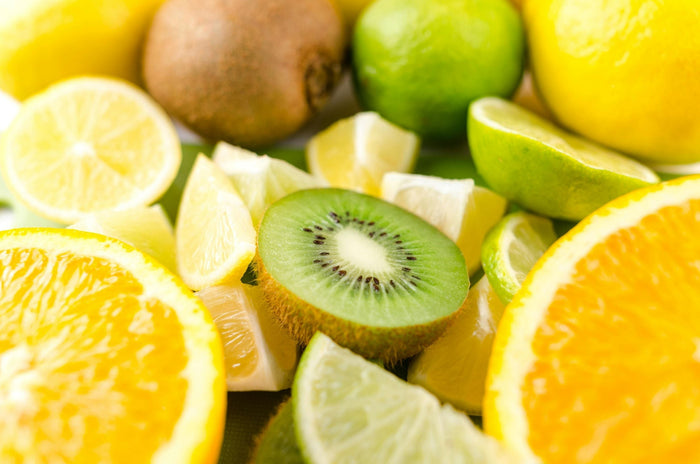
Vitamin C deficiency? The unknown causes and the solution
Did you know that a vitamin C deficiency can not only make you tired and depressed, but can even damage your teeth? Scurvy, the disease that once plagued sailors, is an extreme example. Thanks to limes, they were once called "limeys" and saved from this dangerous deficiency. Many people think vitamin C deficiencies are a thing of the past. Yet, in the Netherlands, smokers and the elderly are still particularly at risk. Smoking doubles your need for this well-known immune-boosting vitamin. Curious how to recognize a deficiency and what you can do to quickly replenish your vitamin C? Read on. A vitamin C deficiency can lead to fatigue, depression, gum problems and lower resistance; in severe cases even to scurvy. Risk groups are mainly smokers, the elderly and people with a one-sided diet, stress or illnesses that affect absorption or needs. Deficiencies can be prevented by eating fruit and vegetables daily, limiting smoking and alcohol, and possibly taking a supplement. Table of contents Symptoms of a Vitamin C Deficiency Main Causes of a Calcium Deficiency Main Causes of a Vitamin C Deficiency Keto and Vitamin C: What's the deal? Step-by-step plan for a deficiency How much vitamin C do you need? My personal advice My favorite vitamin C boost smoothie Symptoms of a vitamin C deficiency A vitamin C deficiency develops slowly. Initially, you might notice some vague symptoms, but over time, the signs become clearer. Recognizable symptoms include: Fatigue and listlessness Sadness or irritability Reduced resistance Swollen or bleeding gums Slower wound healing Dry skin or rough patches Painful joints (due to reduced collagen production) In severe cases, scurvy can develop, causing loose teeth and bleeding. Fortunately, this is almost non-existent in the Netherlands, but mild deficiencies are. (1) (2) Main causes of vitamin C deficiency A vitamin C deficiency can have several causes: Not enough fruits and vegetables – Do you eat too few vitamin C-rich fruits and vegetables, such as bell peppers, citrus fruits, kiwi, or berries? Then you're at risk of a deficiency. Vitamin C is also partially lost during cooking or storing, so keep this in mind. (3) Older age – Older people often eat a less varied diet and absorb nutrients less well. (3) Smoking - Cigarette smoke contains harmful substances that deplete your vitamin C faster. (4) Alcohol - Drinking a lot causes you to absorb less vitamin C and lose it more quickly through your urine. Illness and stress – Diabetes, cancer, infections or long-term inflammation require additional vitamin C and can quickly deplete reserves. (5) Digestive problems – With intestinal diseases such as celiac disease or Crohn's disease, a vitamin C deficiency can occur because the intestines are less able to absorb nutrients and the body uses more due to inflammation. One-sided eating or crash diets – This is especially common among young people or those following strict diets. A well-known example is the keto diet. Keto and Vitamin C: What's the Connection? If you're following a keto diet, you'll often get less vitamin C because fruits and many vegetables are limited. In ketosis, your body also switches to fat burning and produces ketones. This can cause additional oxidative stress, making antioxidants like vitamin C especially important. In short : Your vitamin C needs are likely higher on a keto diet, even though you're eating less of it. (6)(7) Step-by-step plan in case of a shortage Think you have a vitamin C deficiency? Here's what you can do: Take a supplement - A dose of 150–300 mg per day is often enough to quickly replenish your supplies. Eat more vitamin C-rich foods - Eat at least 250 grams of vegetables and two servings of fruit daily. Red bell peppers, broccoli, and kiwi are good sources. Adjust your lifestyle - Stop smoking, drink less alcohol and incorporate moments of relaxation to reduce your vitamin C consumption. How much vitamin C do you need? The following guidelines apply in the Netherlands: Adults : 75-90 mg per day, which is about the size of an orange and a bell pepper. (8) Smokers: 110 mg per day, because smoking destroys your vitamin C. That's an extra kiwi. (4) Pregnant women : 85-100 mg per day, and 100-155 mg if breastfeeding, for you and your baby. Seniors or Keto Diet : There's no higher standard, but seniors and keto eaters should eat extra vitamin C-rich fruits and vegetables to avoid deficiency. Good to know : It's best not to take more than 1000 mg of vitamin C per day (as a supplement), as it can cause diarrhea or stomach upset. With fruits and vegetables, you're always safe. You almost never get too much from food. (9) My personal advice I make sure I get enough vitamin C every day. My favorite? A morning smoothie with lots of vitamin C-rich fruit. I like to nibble on some bell peppers as a snack, and during the winter months I also take a vitamin C supplement from rosehip extract. Do you recognize these symptoms? Then now's the time to increase your fruit and vegetable intake. And remember: supplements are helpful, but nutrition remains the foundation. My favorite vitamin C boost smoothie Want to make sure you're getting enough vitamin C from your diet? Then try this smoothie. I drink it almost daily: 2 kiwis - 120 mg vitamin C ½ mango - 30 mg vitamin C Juice of 1 orange - 50 mg vitamin C 100 ml coconut water or plain water A small piece of fresh ginger Blend everything and you're done! Fresh, fruity, and together good for about 200 mg of vitamin C (almost three times the daily requirement). Tip : Vary the types of fruit with seasonal fruit, so it remains surprising every time and you get even more variety. Ebrina van der Bijl Ebrina is a nutritionist with a deep commitment to healthy eating and a sustainable lifestyle, based in beautiful Portugal. Her passion for natural and organic products is at the heart of her work. With a background in Nutrition & Dietetics and experience in product development and writing, she translates complex scientific information into practical advice for a balanced lifestyle. Read more Sources used Health Council of the Netherlands (2018). Dietary reference intake: vitamin C. The Hague: Health Council of the Netherlands. Maxfield, L., Daley, SF, & Crane, J. S. (2023, November 12). Vitamin C deficiency. StatPearls - NCBI Bookshelf. https://www.ncbi.nlm.nih.gov/books/NBK493187/ Carr, A.C., & Rowe, S. (2020). Factors affecting vitamin C status and prevalence of deficiency: A global health perspective. Nutrients, 12(7), 1963. https://doi.org/10.3390/nu12071963 Golder, J.E., Bauer, J.D., Barker, L.A., Lemoh, CN, Gibson, S.J., & Davidson, Z.E. (2024). Prevalence, risk factors, and clinical outcomes of vitamin C deficiency in adult hospitalized patients in high-income countries: A scoping review. Nutrition Reviews, 82(11), 1605–1621. https://doi.org/10.1093/nutrit/nuad157 Hamid, M., Mansoor, S., Amber, S., & Zahid, S. (2022). A quantitative meta-analysis of vitamin C in the pathophysiology of Alzheimer's disease. Frontiers in Aging Neuroscience, 14, 970263. https://doi.org/10.3389/fnagi.2022.970263 Crosby, L., Davis, B., Joshi, S., Jardine, M., Paul, J., Neola, M., & Barnard, N. D. (2021). Ketogenic Diets and Chronic Disease: Weighing the Benefits Against the Risks. Frontiers in Nutrition, 8. https://doi.org/10.3389/fnut.2021.702802 Churuangsuk, C., Griffiths, D., Lean, M.E.J., & Combet, E. (2020). Impacts of carbohydrate-restricted diets on micronutrient intakes and status: A systematic review. Obesity Reviews, 21(8), e13039. https://doi.org/10.1111/obr.13039 Bueno, N. B., de Melo, I. S. V., de Oliveira, S. L., & da Rocha Ataide, T. (2013). Very-low-carbohydrate ketogenic diet v. low-fat diet for long-term weight loss: A meta-analysis of randomized controlled trials. British Journal of Nutrition, 110(7), 1178–1187. https://doi.org/10.1017/S0007114513000548 EFSA Panel on Dietetic Products, Nutrition and Allergies. (2009). Scientific opinion on dietary reference values for vitamin C. EFSA Journal, 7(9), 1226. https://doi.org/10.2903/j.efsa.2009.1226
Lees meer