Turmeric supplements
Turmeric supplements are dietary supplements containing turmeric. These can be supplements containing only turmeric, or supplements containing multiple ingredients. There are significant differences between turmeric supplements: some are high-quality, while others contain minimal active ingredients.
Types of turmeric supplements
Many terms are used interchangeably: Curcuma Longa, Turmeric, Turmeric Powder, Curcumin, Curcuminoids, and certain brand names like Curcuma C3 Complex. To understand which turmeric supplement is best, it's helpful to understand the differences between these supplements.
Curcuma Longa / turmeric (powder)
Curcuma Longa is the plant used in all turmeric supplements. The rhizome of the plant is used to make turmeric powder. Turmeric powder is also called koenjit, or "turmeric" in English.
Turmeric is often used as a shorthand for turmeric powder. Turmeric powder is essentially nothing more than dried turmeric root in powder form. This powder is composed of a vast array of substances and has a relatively low dose of the active ingredient: curcuminoids. Therefore, it's not very effective as a supplement.
Curcuminoids
Curcuminoids are the three active ingredients in turmeric. These are curcumin, demethoxycurcumin, and bisdemethoxycurcumin.
Curcumin
Curcumin is the most well-known curcuminoid. It's also responsible for the yellow color of turmeric powder. Curcumin is used, among other things, in the production of curcumin supplements. The disadvantage of most curcumin supplements is that they are not standardized. This means the exact amount of curcuminoids in the extract isn't determined. Therefore, you don't know how effective the supplement is.
Standardized curcumin supplement
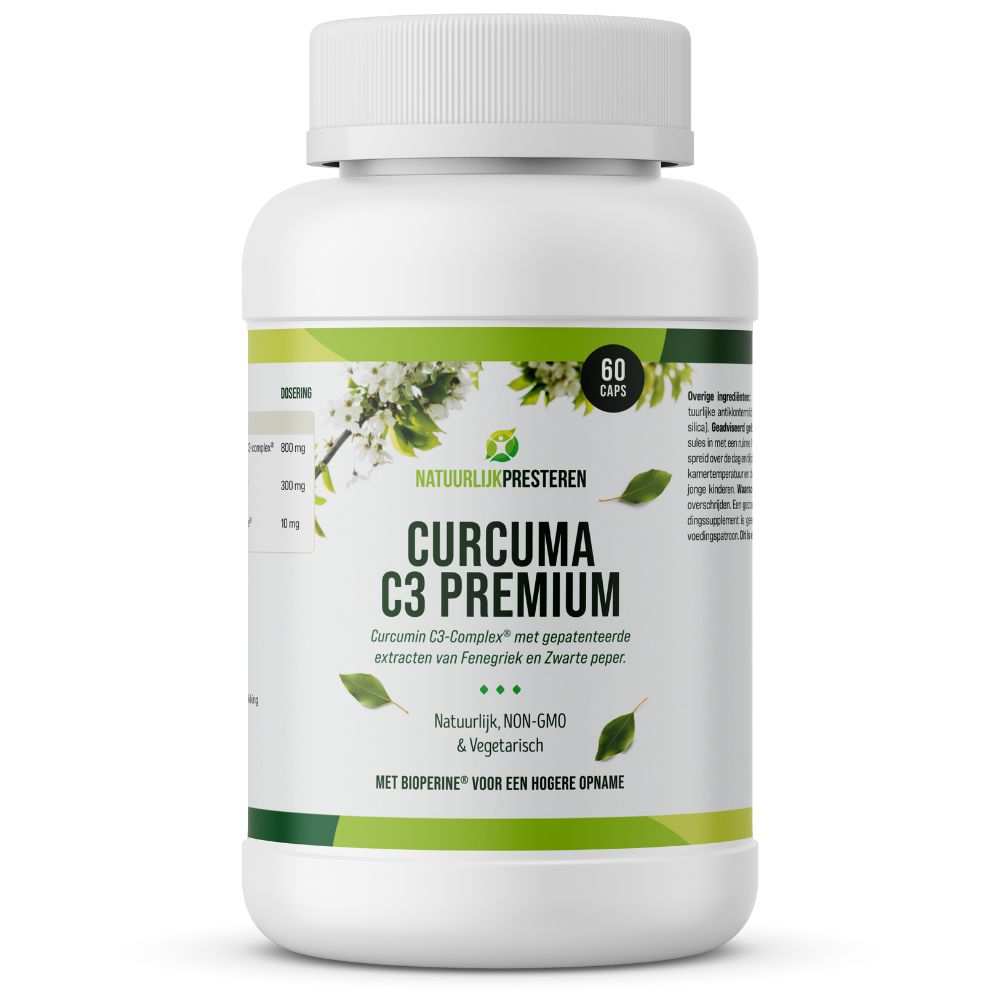
For effectiveness, 95% curcuminoids are required. Therefore, if you want a high-quality turmeric supplement, it's important to take this standardized form. See, for example, our Curcuma C3 Premium supplement in the webshop.
Synergistic products
Turmeric supplements are often combined with other substances to enhance their effects. These can include vitamins, minerals, or herbs.
Bioperine: Combining a 95% curcumin supplement with bioperine extract increases the absorption of curcumin. This is a high-quality form of black pepper.
The best turmeric supplement
At Natuurlijk Presteren, we offer high-quality turmeric supplements. They contain a standardized 95% curcuminoids and other substances that help improve absorption or promote specific effects.
Curcuma C3 complex supplement
Using our knowledge of turmeric, curcumin, and how they function in the body, we've created a product containing only the finest ingredients. For example, our product "Curcuma C3 Premium" contains 800 mg of Curcuma C3 complex per serving, which benefits cardiovascular health, digestion, and brain function, among other things.
This is in combination with 10 mg Bioperine, which supports absorption, and FenuFibers, which are good for fat metabolism and blood sugar levels.
Joint premium supplement
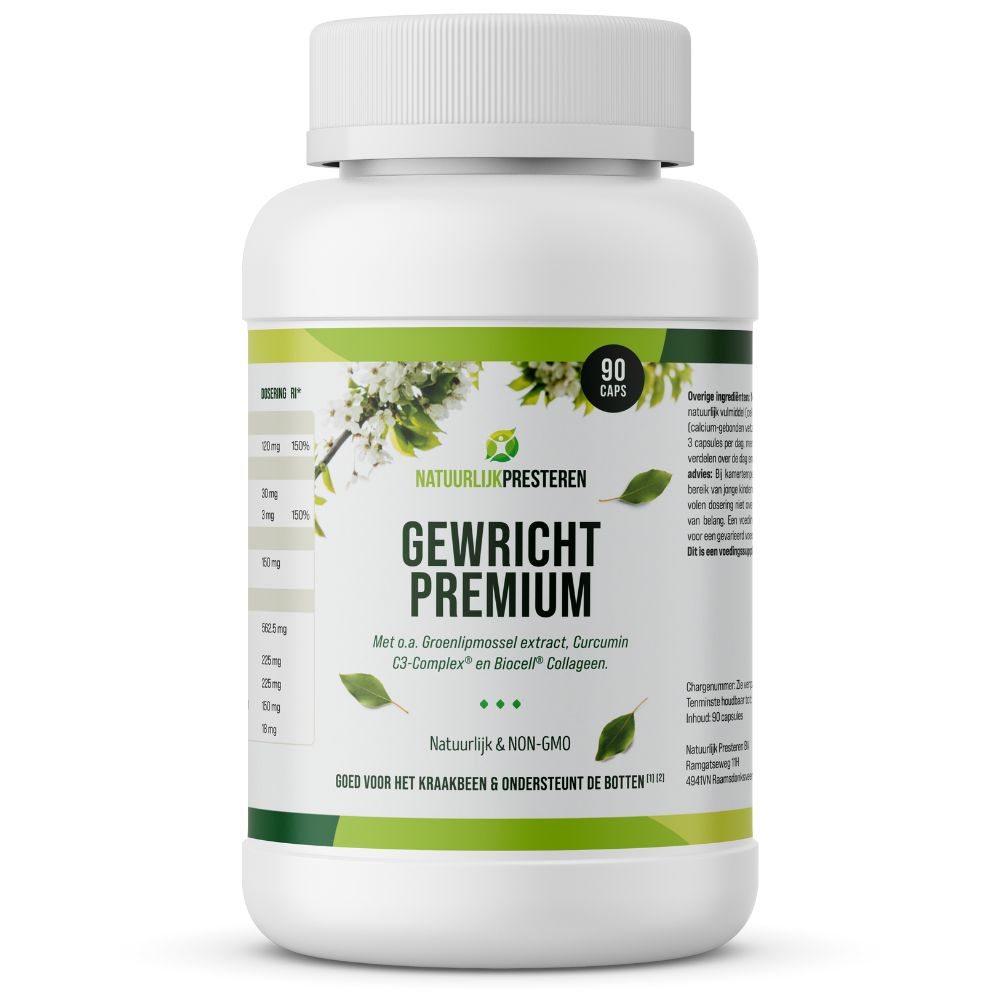
We also offer a natural product specifically designed for joints. In addition to the Curcuma C3 complex, it also contains green-lipped mussel, MSM, chondroitin, hydrolyzed collagen (Biocell®), hyaluronic acid, and more. This complex supplement is beneficial for joints, cartilage, and bones.
Gerelateerde blogartikelen
The best turmeric pills? Pay attention to these 4 criteria.
Do you know what to look for when choosing the best turmeric pills? I've looked into it for you and will tell you below what good turmeric capsules should meet for a noticeable effect. In addition, I share the three best supplements based on these criteria. Choose turmeric supplements with a high dosage of curcumin extract (500-800 mg) and standardized extracts such as Curcumin C3 Complex for maximum effectiveness. Look out for absorption-enhancing ingredients like piperine (black pepper) and fenugreek fiber, which greatly improve the bioavailability of curcumin. Avoid unnecessary additives and choose a supplement with laboratory-tested ingredients, organically grown turmeric, and a safe, standardized composition. Table of contents What to look for when buying turmeric pills? 1. High dosage of curcumin per capsule 2. Standardized curcumin extract 3. Ingredients for better absorption 4. Free from unnecessary additives Top 5 Turmeric Pills More about Turmeric Pills 1. What is the difference between turmeric and curcumin? 2. What is turmeric good for? 3. What is an extract and why is it so important? 4. What is Curcumin C3? 5. What is piperine and what does it do to turmeric? 6. Why are fenugreek and fenugreek fiber important in turmeric capsules? 7. Why is it important to take turmeric with fat? 8. When should you be careful with turmeric pills? 9. Can you take too much turmeric? What should you pay attention to when buying turmeric pills? These are the 3 criteria that a high-quality turmeric supplement must meet: 1. High dose of curcumin per capsule Good turmeric pills contain at least 500 to 800 mg of curcumin per dose .(1) Curcumin, the main active ingredient in turmeric root, is naturally poorly absorbed by the body. To fully benefit from its many health advantages, a high dosage is essential. You won't get this from turmeric alone in your meal; the concentration is too low for that. But turmeric capsules offer the ideal solution as it provides sufficient curcumin in a concentrated form. 2. Standardized curcumin extract Choose a supplement with standardized curcumin extract . Why? It contains a higher concentration of curcumin than regular turmeric (up to 95% versus just 5%). With a standardized extract, the amount of active ingredient is precisely determined. This means: Consistent dosages in every capsule. Better absorption and effectiveness. This way you can be sure that your body gets the curcumin it needs. 3. Ingredients for better absorption Curcumin is naturally broken down quickly by your body, but certain ingredients can improve this. Therefore, pay attention to these additions in turmeric supplements: Black pepper (piperine) - Slows the breakdown of curcumin in the liver, allowing you to absorb more curcumin.(2) Fenugreek - Keeps curcumin available in your body longer, which can increase absorption by up to 15 times.(3) Fenugreek Fiber - This fiber forms a gel in your intestines, which allows curcumin to be absorbed more evenly and for a longer period of time.(4) Get maximum results from your supplement with these natural additions! 4. Free from unnecessary additives High-quality turmeric pills are free from unnecessary fillers and prioritize transparency. Check whether the manufacturer shares laboratory reports; this is a sign of reliability. Also look at these quality features: GRAS status - The ingredients are recognized as safe. Free from heavy metals - Tested and approved. Organically grown turmeric - For a pure and natural base. Choose wisely to ensure you're using the highest quality turmeric supplement! Top 3 Best Turmeric Pills #1. Curcuma C3 Complex - Natural Performance Naturally Presteren's Curcuma C3 Premium combines Sabinsa's standardized Curcumin C3 Complex® with Bioperine® and FenuFibers®. Together, these ingredients ensure that curcumin is better absorbed. Natuurlijk Presteren's turmeric pills won first place because they use only the finest extracts. The dosage is also cleverly chosen. The trade journal Nutracos has confirmed that the combination of Curcumin C3-Complex® and Bioperine® is the most effective way to use curcumin. #2. Turmeric C3 - Nutribites Nutribites turmeric pills contain the Curcuma C3 Complex, with all three important active ingredients from turmeric. Just like Natuurlijk Presteren's turmeric tablets, black pepper extract and fenugreek fibres have also been added here for better absorption. The benefits: Contains the Curcuma C3 Complex in a good dosage: 400 mg per tablet Contains Bioperine® , a black pepper extract with 95-98% Piperine Contains FenuFibers® , fenugreek extract with high quality insoluble fiber Disadvantages: Almost twice as expensive as the Naturally Performing product No standardized Curcuma C3 complex This product is available at bol.com, among others. All in all, a well-deserved second place for Nutribites' turmeric pills. Comparable in quality to Natuurlijk Presteren, but considerably more expensive. #3. Curcumin SLCP™ - Vitals Vitals turmeric tablets use SLCP (Solid Lipid Curcumin Particles), an innovative technology that packages curcumin in fat particles, allowing it to be better absorbed and remain more active in the body. The benefits: Contains Curcumin-SLCP™ (Longvida®) Effective dosage: 400 mg per tablet Disadvantages: No black pepper extract No fenugreek fiber This product is available at bol.com, among others. Although missing black pepper and fenugreek, Vitals turmeric pills are a fair 3rd in my top 3 because of their remarkable Curcumin-SLCP™ technology. 1. What is the difference between turmeric and curcumin? Turmeric (Curcuma longa) is the yellow-orange root used fresh or as a powder in cooking. It's also known as tumeric or yellow root. Curcumin is the main active substance in the plant. The rhizome, the underground stem of the plant, is particularly rich in active substances such as curcumin. Besides curcumin, turmeric also contains demethoxycurcumin and bisdemethoxycurcumin. These three substances are collectively called curcuminoids, which are considered the bioactive components of turmeric. 2. What is turmeric good for? Numerous scientific studies have been conducted on the health benefits of turmeric capsules: Turmeric contributes to the maintenance of normal cholesterol levels in the blood (5) * It is good for the heart, blood vessels and circulation* It contributes to flexible joints and healthy bones (6) (7) * Turmeric supports healthy skin* It supports the immune system and has an antioxidant effect* It is good for digestion and for the liver* Turmeric, for healthy airways and good for the nervous system* (*) Evidence for these health effects is still being assessed by the European Commission. 3. Why should you always choose a curcumin extract? An extract is a concentrated form of a plant or herb, in which the active ingredients have been extracted and concentrated into a liquid or powder form. This is usually done using solvents, such as water or alcohol, which draw the active ingredients out of the plant. In the case of turmeric supplements, it is important to choose an extract, because the active ingredient curcumin in the natural form of turmeric is present in relatively low concentrations. An extract ensures that you get a much higher concentration of curcumin, which increases the effect of the supplement. 4. What is Curcumin C3 Complex? Turmeric naturally contains only 5% active ingredients, but Curcumin C3 contains 95% active curcumin. That's almost 20 times as much! The name C3 stands for this high quality and is one of the purest forms on the market. The Curcumin C3-Complex® is a prime example of this effective C3 formula. This extract combines the three main forms of curcumin with piperine for enhanced absorption. 5. What is piperine and what does it do to turmeric? Piperine, a substance found in black pepper, helps curcumin work better in the body. Normally, curcumin is broken down quickly in the liver and intestines, which means it is only absorbed to a limited extent.(2) Piperine inhibits this process, so that curcumin stays in your body longer and more of it is absorbed. So when piperine extract is added to your turmeric pills, they are more effective than curcumin alone! 6. Why are fenugreek and fenugreek fibers important in turmeric capsules? Fenugreek and fenugreek fiber can make a big difference in how well your body absorbs curcumin. Fenugreek is a herb that slows down the breakdown of curcumin, allowing your body to use more of it. The fibers in fenugreek, also called galactomannans, go one step further: they protect curcumin in your stomach and ensure slow, even absorption. The result? Curcumin stays active in your body longer and is absorbed up to 15 times better. This makes curcumin much more effective. (3) (4) 7. Why is it important to take turmeric with fat? Curcumin is fat-soluble. This means your body absorbs curcumin better when it's taken with fat. Fat molecules help curcumin enter your bloodstream more easily and be utilized more effectively. (8) For this reason, some turmeric pill manufacturers choose to combine curcumin with essential oils to improve absorption, such as the well-known patented BCM-95® . But you can also easily incorporate this into your daily diet. Golden Milk , for example, an Ayurvedic drink that blends turmeric with milk or plant-based alternatives, uses the fats in milk to enhance curcumin absorption. 8. When should you be careful with turmeric pills? Are you taking tamoxifen for breast cancer? Then be careful with turmeric supplements. Research from Erasmus MC shows that turmeric can lower blood levels of tamoxifen, sometimes by more than 30%. This may affect how the medicine works and possibly lead to less effective treatment.(9) Using turmeric in cooking is generally safe due to its lower concentration, but always consult your doctor if you are taking tamoxifen or other medications. It is also advisable to consult your doctor in case of bile duct disorders and during pregnancy and breastfeeding . 9. Can you take too much turmeric? Studies have shown that even high-dose turmeric capsules of 4–8 grams per day are safe for most people.(10) A good curcumin supplement contains about 600-800 mg of curcumin per dose. So you can't easily take too much curcumin. Do not use a curcumin supplement in combination with blood thinners. Ebrina van der Bijl Ebrina is a nutritionist with a deep commitment to healthy eating and a sustainable lifestyle, based in beautiful Portugal. Her passion for natural and organic products is at the heart of her work. With a background in Nutrition & Dietetics and experience in product development and writing, she translates complex scientific information into practical advice for a balanced lifestyle. Read more Sources used Pungcharoenkul, K., & Thongnopnua, P. (2011). Effect of Different Curcuminoid Supplement Dosages on Total In Vivo Antioxidant Capacity and Cholesterol Levels of Healthy Human Subjects. Phytotherapy Research , 25 (11), 1721–1726. https://doi.org/10.1002/ptr.3608 Hosseini, H., Ghavidel, F., Panahi, G., Majeed, M., & Sahebkar, A. (2023). A systematic review and meta‐analysis of randomized controlled trials investigating the effect of the curcumin and piperine combination on lipid profile in patients with metabolic syndrome and related disorders. Phytotherapy Research , 37 (3), 1212–1224. https://doi.org/10.1002/ptr.7730 Cortez-Navarrete, M., Pérez-Rubio, KG, & De J Escobedo-Gutiérrez, M. (2023). Role of Fenugreek, Cinnamon, Curcuma longa, Berberine and Momordica charantia in Type 2 Diabetes Mellitus Treatment: A Review. Pharmaceuticals , 16 (4), 515. https://doi.org/10.3390/ph16040515 Im, K., Ravi, A., Kumar, D., Kuttan, R., & Maliakel, B. (2012). An enhanced bioavailable formulation of curcumin using fenugreek-derived soluble dietary fiber. Journal Of Functional Foods , 4 (1), 348–357. https://doi.org/10.1016/j.jff.2012.01.004 Altobelli, E., Angeletti, P. M., Marziliano, C., Mastrodomenico, M., Giuliani, A. R., & Petrocelli, R. (2021). Potential Therapeutic Effects of Curcumin on Glycemic and Lipid Profile in Uncomplicated Type 2 Diabetes—A Meta-Analysis of Randomized Controlled Trial. Nutrients , 13 (2), 404. https://doi.org/10.3390/nu13020404 Dehzad, M. J., Ghalandari, H., Nouri, M., & Askarpour, M. (2023). Antioxidant and anti-inflammatory effects of curcumin/turmeric supplementation in adults: A GRADE-assessed systematic review and dose–response meta-analysis of randomized controlled trials. Cytokine , 164 , 156144. https://doi.org/10.1016/j.cyto.2023.156144 Zeng, L., Yang, T., Yang, K., Yu, G., Li, J., Xiang, W., & Chen, H. (2022). Efficacy and Safety of Curcumin and Curcuma longa Extract in the Treatment of Arthritis: A Systematic Review and Meta-Analysis of Randomized Controlled Trial. Frontiers in Immunology , 13 . https://doi.org/10.3389/fimmu.2022.891822 Stohs, S. J., Chen, O., Ray, S. D., Ji, J., Bucci, L. R., & Preuss, H. G. (2020). Highly Bioavailable Forms of Curcumin and Promising Avenues for Curcumin-Based Research and Application: A Review. Molecules , 25 (6), 1397. https://doi.org/10.3390/molecules25061397 Hussaarts, K.G.A.M., Hurkmans, D.P., Hoop, E.O., Van Harten, L.J., Berghuis, S., Van Alphen, R.J., Spierings, L.E.A., Van Rossum-Schornagel, Q.C., Vastbinder, M.B., Van Schaik, R.H.N., Van Gelder, T., Jager, A., Van Leeuwen, R.W.F., & Mathijssen, R.H.J. (2019). Impact of Curcumin (with or without Piperine) on the Pharmacokinetics of Tamoxifen. Cancers , 11 (3), 403. https://doi.org/10.3390/cancers11030403 Nurcahyanti, A. D. R., Cokro, F., Wulanjati, M. P., Mahmoud, M. F., Wink, M., & Sobeh, M. (2022). Curcuminoids for Metabolic Syndrome: Meta-Analysis Evidences Toward Personalized Prevention and Treatment Management. Frontiers in Nutrition , 9 . https://doi.org/10.3389/fnut.2022.891339
Lees meer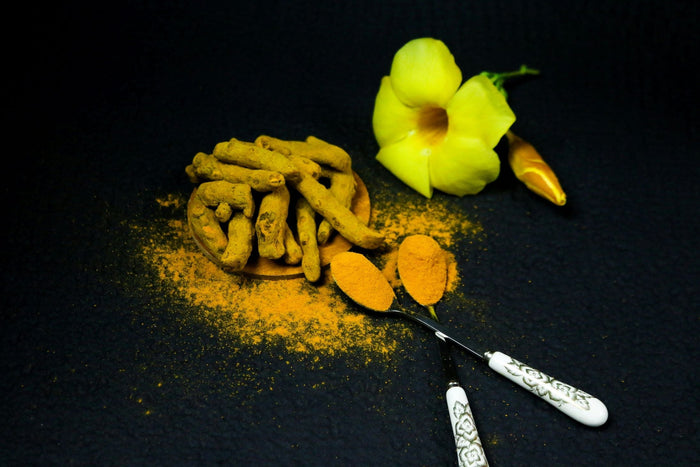
What are the effects of turmeric and what should you pay attention to?
In India, turmeric has held special significance for thousands of years, long before we knew it as a "superfood." In Hindu temples, the yellow powder is used not only in Ayurvedic cuisine but also in rituals, as a symbol of purity and prosperity. Nowadays, curcumin, the main bioactive substance in turmeric, is of great interest to scientists. In this article, I'll take you through what's known about turmeric. You'll learn about its ingredients, its various forms (such as capsules and tea), and what to keep in mind when taking turmeric as a supplement. Turmeric is the root of Curcuma longa ; curcumin is the most well-researched substance. Powder contains little curcumin; supplements provide concentrated extracts with higher levels. Research is exploring effects on joints, oxidative processes, immune and metabolic markers; conclusions are promising but not definitive. Absorption is improved with piperine, fenugreek fiber, and fats/phospholipids. Practical: choose standardized extracts (±95% curcuminoids), 400–800 mg per day, with absorption aids and with a high-fat meal; be careful with medications such as blood thinners or tamoxifen. Table of contents What is the difference between turmeric and curcumin? The active ingredients in turmeric How does turmeric work in your body? How do you get more out of turmeric? Substances that support the absorption of turmeric Other substances that are sometimes mentioned Capsules or turmeric tea: Which works better? How do you recognize a good turmeric supplement? Turmeric and medications: When to be careful? Dosage, use & safety My personal advice What is the difference between turmeric and curcumin? Turmeric is the root of the Curcuma longa plant, which you probably know as a bright yellow powder in the kitchen. It contains several bioactive compounds, the best known of which are curcuminoids. Curcumin is the most studied of these curcuminoids. It gives turmeric its yellow color and is the substance most studies focus on. Regular turmeric powder only contains a small percentage of curcumin, while turmeric supplements often contain a concentrated extract. The active ingredients in turmeric Turmeric is the whole root, and curcumin is the most researched substance from it. But the root also contains other interesting components: Curcuminoids – Besides curcumin, turmeric also contains demethoxycurcumin (DMC) and bisdemethoxycurcumin (BDMC). These substances often occur together and are regularly examined in combination in research. Essential oils (turmeric) – These are volatile oils responsible for turmeric's aroma and flavor. They are also being studied for their role in curcumin absorption. Minerals – Turmeric provides small amounts of potassium, iron, and manganese. It thus contributes a small amount to your daily intake, although these minerals play a smaller role overall. Want to learn more about the power of these bioactive compounds? Then read my article about the unique benefits of the Curcumin C3 complex . In this article, I'll explain in clear terms why this extract has been so well researched, how it differs from regular turmeric, and what you should pay attention to when choosing a supplement. How does turmeric work in your body? The effectiveness of turmeric is primarily attributed to the substance curcumin. Scientists have conducted extensive research on this in recent years. This research has examined, among other things: Possible Links Between Curcumin and Joints (1)(2) The role of curcumin in oxidative processes in the body (3)(4) Certain blood values that say something about processes in your immune system (3)(4) Relationships with metabolic factors , such as fat and sugar metabolism (5) The initial research results look interesting. At the same time, scientists emphasize that much more research is needed before official health claims can be linked to curcumin. How to get more out of turmeric? The difference between turmeric in the kitchen and a supplement is mainly in the amount of curcuminoids you ingest. Regular turmeric powder usually contains around 3–5% curcumin , while supplements containing a standardized extract often provide up to 95% curcuminoids . As a result, capsules generally contain a much higher concentration of these substances than the powder you use in dishes. Substances that support the absorption of turmeric What many people don't know is that curcumin is only absorbed to a limited extent by the body. This applies to both turmeric from food and supplements. Without additives, it is broken down relatively quickly in the intestines and liver. (6) Fortunately, there are a few clever combinations that help your body absorb curcumin better. Researchers have studied these extensively. Piperine (black pepper) - Years ago, researchers discovered that curcumin is better absorbed when combined with black pepper. Recent research also confirms that this combination is often absorbed more effectively than curcumin alone. (7)(8) Fenugreek (fiber) - Fiber from fenugreek can protect curcumin during digestion, keeping it available in your body longer. Several studies have linked this to more stable absorption. (9)(10) Fats and oils - Curcumin is fat-soluble. Taking it with fat—for example, during a meal or in "golden milk"—supports absorption. There are also supplements that combine curcumin with fat particles or phospholipids, making it easier for your body to absorb. (11)(12)(13)(14) Other substances sometimes mentioned Besides piperine, fenugreek and fats, other substances are sometimes mentioned as possible “absorption helpers”, such as cinnamon , ginger and quercetin . (15) So far, however, the scientific evidence for this is limited and less convincing than for the three combinations I mentioned above. Turmeric Tea Capsules: Which Works Better? The form in which you take turmeric makes a big difference: Turmeric capsules and supplements usually contain a standardized amount of curcuminoids, often around 400–800 mg per day. This practically speaking, you get considerably more than with turmeric in food. Turmeric tea , or " golden milk ," actually only provides a small amount of curcumin . Not enough to provide the same intake as capsules, but it's a nice daily ritual to gently incorporate turmeric into your routine. That's why I always add a little fat (like milk or coconut oil) to my turmeric drink and a pinch of black pepper. This helps your body absorb curcumin better. How do you recognize a good turmeric supplement? Not all turmeric supplements are equally effective. Therefore, consider these points when choosing a product: Standardized extract – Choose a supplement that contains ≥95% curcuminoids. This ensures you're getting enough of the active ingredients. Effective Dosage – For noticeable effects, researchers typically recommend 400–800 mg of curcuminoids per day. (3) Supporting ingredients – Good turmeric capsules contain additional substances such as black pepper (piperine) or fenugreek (fiber), which support the absorption of curcumin. (7)(10)(11) Purity and quality – Avoid unnecessary fillers and opt for products that have been tested and carry a reliable quality mark. You can find more practical tips in my buying guide: Buying the best turmeric pills. Turmeric and medications: When to be careful? Turmeric is safe to use in cooking. However, in supplement form (especially at doses of 500 mg curcumin per day or higher, often combined with black pepper) it can interfere with the effects of certain medications. Situations to consider include: Blood thinners – Combination may increase the risk of bleeding. Chemotherapy and hormone therapy (including tamoxifen) – Curcumin may lower the blood levels of these drugs. (16) Blood pressure lowering drugs – The effect can be enhanced. Diabetes medication – Blood sugar levels may drop further. Are you taking any medications? Always consult your doctor or pharmacist before taking a turmeric supplement. Dosage, use & safety A common question about turmeric supplements is: How much do you actually take? Scientific studies often use dosages between 500 and 800 mg of curcuminoids per day . Consider this primarily a guideline from research, not a standard recommendation for everyone. It can be helpful to start with a lower dose and see how your body reacts after a few weeks. Some people experience mild symptoms such as nausea or acid reflux. Tip : Taking the supplement with a meal often helps. My personal advice I like to keep things simple. I personally choose capsules with a standardized curcumin extract, combined with piperine or (if you're sensitive to pepper) fenugreek fiber. My approach: Start small, gradually build up to around 500–800 mg per day, always with a meal containing some fat (e.g., olive oil). This supports absorption. I love turmeric tea or "golden milk" as a daily ritual . For me, it's more of a pleasant habit than a way to get a lot of curcumin. I usually give a new routine 6–8 weeks before evaluating whether to continue with it or make any changes. And, remember: If you're taking blood thinners or other medications, always consult your doctor or pharmacist before taking a turmeric supplement. Ebrina van der Bijl Ebrina is a nutritionist with a deep commitment to healthy eating and a sustainable lifestyle, based in beautiful Portugal. Her passion for natural and organic products is at the heart of her work. With a background in Nutrition & Dietetics and experience in product development and writing, she translates complex scientific information into practical advice for a balanced lifestyle. Read more Sources used Turck, D., Bresson, J., Burlingame, B., Dean, T., Fairweather‐Tait, S., Heinonen, M., Hirsch‐Ernst, K.I., Mangelsdorf, I., McArdle, H.J., Naska, A., Neuhäuser‐Berthold, M., Nowicka, G., Pentieva, K., Sanz, Y., Sjödin, A., Stern, M., Tomé, D., Van Loveren, H., Vinceti, M., . . . Siani, A. (2017). Curcumin and normal functioning of joints: evaluation of a health claim pursuant to Article 13(5) of Regulation (EC) No 1924/2006. EFSA Journal, 15(5). https://doi.org/10.2903/j.efsa.2017.4774 Zeng, L., Yang, T., Yang, K., Yu, G., Li, J., Xiang, W., & Chen, H. (2022). Efficacy and Safety of Curcumin and Curcuma longa Extract in the Treatment of Arthritis: A Systematic Review and Meta-Analysis of Randomized Controlled Trial. Frontiers in Immunology, 13. https://doi.org/10.3389/fimmu.2022.891822 Dehzad, M. J., Ghalandari, H., Nouri, M., & Askarpour, M. (2023). Antioxidant and anti-inflammatory effects of curcumin/turmeric supplementation in adults: A GRADE-assessed systematic review and dose–response meta-analysis of randomized controlled trials. Cytokine, 164, 156144. https://doi.org/10.1016/j.cyto.2023.156144 Kavyani, Z., Najafi, K., Naghsh, N., Karvane, H. B., & Musazadeh, V. (2024). The effects of curcumin supplementation on biomarkers of inflammation, oxidative stress, and endothelial function: A meta-analysis of meta-analyses. Prostaglandins & Other Lipid Mediators, 174, 106867. https://doi.org/10.1016/j.prostaglandins.2024.106867 Nurcahyanti, A. D. R., Cokro, F., Wulanjati, M. P., Mahmoud, M. F., Wink, M., & Sobeh, M. (2022). Curcuminoids for Metabolic Syndrome: Meta-Analysis Evidences Toward Personalized Prevention and Treatment Management. Frontiers in Nutrition, 9. https://doi.org/10.3389/fnut.2022.891339 Sohn, S., Priya, A., Balasubramaniam, B., Muthuramalingam, P., Sivasankar, C., Selvaraj, A., Valliammai, A., Jothi, R., & Pandian, S. (2021). Biomedical Applications and Bioavailability of Curcumin—An Updated Overview. Pharmaceutics, 13(12), 2102. https://doi.org/10.3390/pharmaceutics13122102 Shoba, G., Joy, D., Joseph, T., Majeed, M., Rajendran, R., & Srinivas, P. (1998). Influence of Piperine on the Pharmacokinetics of Curcumin in Animals and Human Volunteers. Planta Medica, 64(04), 353–356. https://doi.org/10.1055/s-2006-957450 Hosseini, H., Ghavidel, F., Panahi, G., Majeed, M., & Sahebkar, A. (2023). A systematic review and meta‐analysis of randomized controlled trials investigating the effect of the curcumin and piperine combination on lipid profile in patients with metabolic syndrome and related disorders. Phytotherapy Research, 37(3), 1212–1224. https://doi.org/10.1002/ptr.7730 Im, K., Ravi, A., Kumar, D., Kuttan, R., & Maliakel, B. (2012). An enhanced bioavailable formulation of curcumin using fenugreek-derived soluble dietary fiber. Journal Of Functional Foods, 4(1), 348–357. https://doi.org/10.1016/j.jff.2012.01.004 Matthewman, C., Krishnakumar, I., & Swick, A. G. (2023). Review: bioavailability and efficacy of 'free' curcuminoids from curcumagalactomannoside (CGM) curcumin formulation. Nutrition Research Reviews, 37(1), 14–31. https://doi.org/10.1017/s0954422423000033 Stohs, S. J., Chen, O., Ray, S. D., Ji, J., Bucci, L. R., & Preuss, H. G. (2020). Highly Bioavailable Forms of Curcumin and Promising Avenues for Curcumin-Based Research and Application: A Review. Molecules, 25(6), 1397. https://doi.org/10.3390/molecules25061397 Tabanelli, R., Brogi, S., & Calderone, V. (2021). Improving Curcumin Bioavailability: Current Strategies and Future Perspectives. Pharmaceutics, 13(10), 1715. https://doi.org/10.3390/pharmaceutics13101715 Antony, B., Merina, B., Iyer, V., Judy, N., Lennertz, K., & Joyal, S. (2008). A pilot crossover study to evaluate human oral bioavailability of BCM-95®CG (BiocurcumaxTM), a novel bioenhanced preparation of curcumin. Indian Journal Of Pharmaceutical Sciences, 70(4), 445. https://doi.org/10.4103/0250-474x.44591 Gupte, P. A., Giramkar, S. A., Harke, S. M., Kulkarni, S. K., Deshmukh, A. P., Hingorani, L. L., Mahajan, M. P., & Bhalerao, S. S. (2019). <p>Evaluation of the efficacy and safety of Capsule Longvida<sup>®</sup> Optimized Curcumin (solid lipid curcumin particles) in knee osteoarthritis: a pilot clinical study</p> Journal Of Inflammation Research, Volume 12, 145–152. https://doi.org/10.2147/jir.s205390 Pinisetti, D., Balvanbhai, P. A., & Kakadiya, J. (2022). Role of Quercetin as an effective Bioenhancer in Curcumin Absorption, In vitro Study. Research Journal Of Pharmacy And Technology, 4867–4870. https://doi.org/10.52711/0974-360x.2022.00817 Hussaarts, K.G.A.M., Hurkmans, D.P., Hoop, E.O., Van Harten, L.J., Berghuis, S., Van Alphen, R.J., Spierings, L.E.A., Van Rossum-Schornagel, Q.C., Vastbinder, M.B., Van Schaik, R.H.N., Van Gelder, T., Jager, A., Van Leeuwen, R.W.F., & Mathijssen, R.H.J. (2019). Impact of Curcumin (with or without Piperine) on the Pharmacokinetics of Tamoxifen. Cancers, 11(3), 403. https://doi.org/10.3390/cancers11030403
Lees meer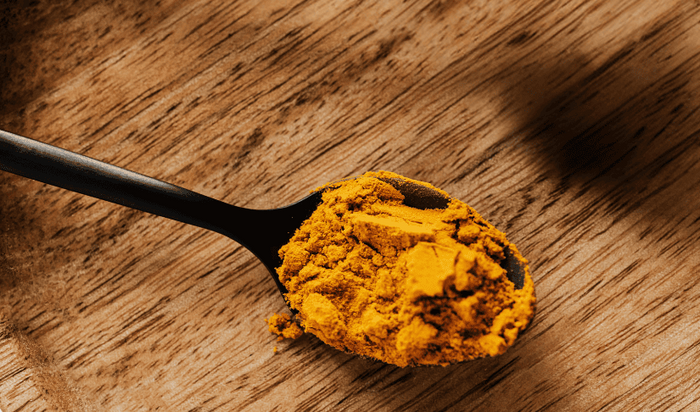
Curcumin C3 complex: what is it and what are its benefits?
Curcumin is the main active ingredient in turmeric, known for its striking yellow color and versatile applications. Supplements use curcumin because it's easy to get a high dose, which is difficult to achieve with the spice alone. But not all curcumin supplements are equally effective. This often has to do with the dosage and the combination of active ingredients used. The Curcumin C3 complex® is among the best on the market. In this article, I'll explain why this turmeric extract is so special. The Curcumin C3 complex® guarantees at least 95% curcuminoids with every batch, for consistent and reliable quality. This extract has been extensively scientifically researched and is much better absorbed by the body thanks to BioPerine® from black pepper. Sabinsa combines centuries-old turmeric knowledge with modern science and sustainable production for a high-quality and safe supplement. Table of contents What is curcumin? What is the Curcumin C3 complex? These are the unique benefits of the Curcumin C3 complex : 1. Always the same high quality 2. Reliable and scientifically tested 3. Better absorbed with BioPerine® 4. Made by Sabinsa How does the Curcumin C3 complex work? Buy Curcumin C3 complex: Discover our premium products Curcumin C3 Premium Joint Premium What is curcumin? Curcumin is a natural substance found in the root of the turmeric plant, a spice widely used in Indian cuisine. Besides its use as a flavoring, turmeric has been valued for hundreds of years in traditional diets and lifestyles, such as Ayurveda, where it plays an important role in daily life. What is the Curcumin C3 complex? The Curcumin C3 complex® is a special turmeric extract made from the turmeric root (Curcuma longa). It contains three main active ingredients, which together are called curcuminoids : Curcumin Demethoxycurcumin (DMC) Bisdemethoxycurcumin (BDMC) These substances together give turmeric its characteristic properties. These are the unique benefits of the Curcumin C3 complex These are the unique benefits compared to other curcumin supplements: 1. Always the same high quality With Curcumin C3 Complex®, you know exactly what you're getting. Each batch contains at least 95% curcuminoids. This makes it consistent and reliable . With other turmeric extracts, the quantity can sometimes vary, which affects the quality. This isn't a problem here. 2. Reliable and scientifically tested This extract has been thoroughly researched in scientific studies, which show that Curcumin C3 Complex® is a product you can trust. (1) (2) (3) 3. Better absorbed with BioPerine® Turmeric itself is difficult for the body to absorb. Therefore, Curcumin C3 Complex® is often combined with BioPerine® , a substance derived from black pepper. Research shows that BioPerine® significantly enhances the absorption of curcumin, making it better absorbed than regular turmeric extracts. (4) (5) (6). A handy way to get more out of your turmeric supplement. 4. Created by Sabinsa Curcumin C3 Complex® comes from Sabinsa, a company that combines centuries-old turmeric knowledge with modern science. They opt for sustainable production and rigorously test their products for quality. This way you can be sure that you receive a reliable, high-quality supplement that you can use with confidence. How does the Curcumin C3 complex work? Curcumin C3 Complex® contains antioxidants, such as curcumin, that tackle free radicals. Free radicals are unstable particles that form in your body, for example, due to polluted air, stress, or simply your daily metabolism. If these particles accumulate, they can damage your cells. Curcumin has antioxidant properties*, making it a smart choice for those looking to add turmeric to a healthy lifestyle. (7) But there's more! Curcumin C3 Complex® can contribute to the normal functioning of the immune system* Curcumin C3 Complex® can help maintain healthy joints* Curcumin C3 Complex® can contribute to normal metabolism* Scientists are still busy investigating exactly how this all works, but it already sounds promising, don't you think? Good to know : Claims marked with (*) are health claims awaiting European approval. Buy Curcumin C3 complex: Discover our premium products If you're going to buy curcumin supplements, you want to be confident in their effectiveness. But how do you do that? I have a few important tips for you to help you find the best curcumin supplements: Dosage - Choose a supplement with 500-800 mg of curcumin per serving. This is the amount that research has shown to be effective (7) Purity - Make sure the product contains Curcumin C3-complex®; this guarantees a pure and potent extract with at least 95% curcuminoids Absorption - Look out for additives such as piperine (black pepper extract) and fenugreek, which support the absorption of curcumin in your body Quality - Avoid supplements with unnecessary fillers and check for quality marks such as GRAS status, absence of heavy metals and organic cultivation Curcumin C3 Premium Curcuma C3 Premium contains a unique combination of three patented ingredients from manufacturer Sabinsa. The supplement provides per dose: 800 mg Curcumin C3-Complex® - a curcumin extract with 95% active curcuminoids 10 mg Bioperine® - a black pepper extract with 95-98% piperine 300 mg FenuFibers® - a fenugreek extract rich in insoluble fiber Choose Curcuma C3 Premium if you want only the best. This supplement contains only high-quality, standardized extracts in effective doses. This ensures a reliable and consistent composition. Joint Premium Looking for curcumin to support your joints? Joint Premium is a carefully formulated formula with nine natural ingredients that complement and support each other. This formula includes, among other things: Green-lipped mussel from New Zealand Curcumin C3-Complex® from Sabinsa® (150 mg) BioCell® collagen, hyaluronic acid and chondroitin Bamboo extract (50% silicon), manganese and vitamin C All ingredients are of high quality and selected based on scientific insights. Ebrina van der Bijl Ebrina is a nutritionist with a deep commitment to healthy eating and a sustainable lifestyle, based in beautiful Portugal. Her passion for natural and organic products is at the heart of her work. With a background in Nutrition & Dietetics and experience in product development and writing, she translates complex scientific information into practical advice for a balanced lifestyle. Read more Sources used Mankowski, R. T., Sibille, K. T., Leeuwenburgh, C., Lin, Y., Hsu, F., Qiu, P., Sandesara, B., & Anton, S. D. (2022). Effects of Curcumin C3 Complex® on Physical Function in Moderately Functioning Older Adults with Low-Grade Inflammation – A Pilot Trial. The Journal Of Frailty & Aging. https://doi.org/10.14283/jfa.2022.47 Di Meo, F., Filosa, S., Madonna, M., Giello, G., Di Pardo, A., Maglione, V., Baldi, A., & Crispi, S. (2019). Curcumin C3 complex®/Bioperine® has antineoplastic activity in mesothelioma: an in vitro and in vivo analysis. Journal Of Experimental & Clinical Cancer Research, 38(1). https://doi.org/10.1186/s13046-019-1368-8 Majeed, M., Bani, S., Pandey, A., A, M. I., & Thazhathidath, S. (2023). Assessment of Safety Profile of Activated Curcumin C3 Complex (AC3®), Enriched Extract of Bisdemethoxycurcumin from the Rhizomes of Curcuma longa. Journal Of Toxicology, 2023, 1–18. https://doi.org/10.1155/2023/3729399 Shoba, G., Joy, D., Joseph, T., Majeed, M., Rajendran, R., & Srinivas, P. (1998). Influence of Piperine on the Pharmacokinetics of Curcumin in Animals and Human Volunteers. Planta Medica, 64(04), 353–356. https://doi.org/10.1055/s-2006-957450 Hosseini, H., Ghavidel, F., Rajabian, A., Homayouni-Tabrizi, M., Majeed, M., & Sahebkar, A. (2024). The Effects of Curcumin Plus Piperine Co-administration on Inflammation and Oxidative Stress: A Systematic Review and Meta-analysis of Randomized Controlled Trials. Current Medicinal Chemistry, 31. https://doi.org/10.2174/0109298673260515240322074849 Karimi, M., Javadi, M., Sharifi, M., Valizadeh, F., Karimi, M.A., & Asbaghi, O. (2025). Effects of Curcuminoids Plus Piperine Co‐Supplementation on Liver Enzymes and Inflammation in Adults: A GRADE‐Assessed Systematic Review and Meta‐Analysis. Food Science & Nutrition, 13(7). https://doi.org/10.1002/fsn3.70588 Dehzad, M. J., Ghalandari, H., Nouri, M., & Askarpour, M. (2023). Antioxidant and anti-inflammatory effects of curcumin/turmeric supplementation in adults: A GRADE-assessed systematic review and dose–response meta-analysis of randomized controlled trials. Cytokine, 164, 156144. https://doi.org/10.1016/j.cyto.2023.156144
Lees meer