What are pollen season supplements?
Pollen season supplements are dietary supplements designed to support your body during pollen season, a period when 20-30% of the population suffers from pollen allergies. (1)
These supplements often contain a combination of natural ingredients.
The pollen season
Pollen are microscopic grains produced by trees, grasses and herbs to reproduce.
Pollen concentrations in the air are highest during the pollen season. This is usually in spring and summer, but due to climate change, higher temperatures, and air pollution, the pollen season is getting longer. (2)
Hay fever
For people with hay fever, the pollen season can cause unpleasant symptoms. Hay fever, also called allergic rhinitis, is an allergic reaction to these pollens.
When someone with hay fever comes into contact with pollen, their immune system overreacts, as if it were a harmful substance, such as a virus or bacteria. This leads to the production of histamine, among other chemicals, which cause the symptoms of hay fever.
The most common symptoms are sneezing, runny or stuffy nose, itchy eyes, nose, throat or ears, watery eyes, and fatigue.
What active ingredients are in anti-pollen supplements?
Fortunately, there are a number of plants and other naturally occurring substances that can help with pollen spikes.
These natural ingredients are often added to supplements against pollen, where they support the immune system and are good for the respiratory tract , such as Maximmuun (with Quercetin, among others) and Propolis (various antioxidants).
These powerful substances can be found in our natural pollen supplements:
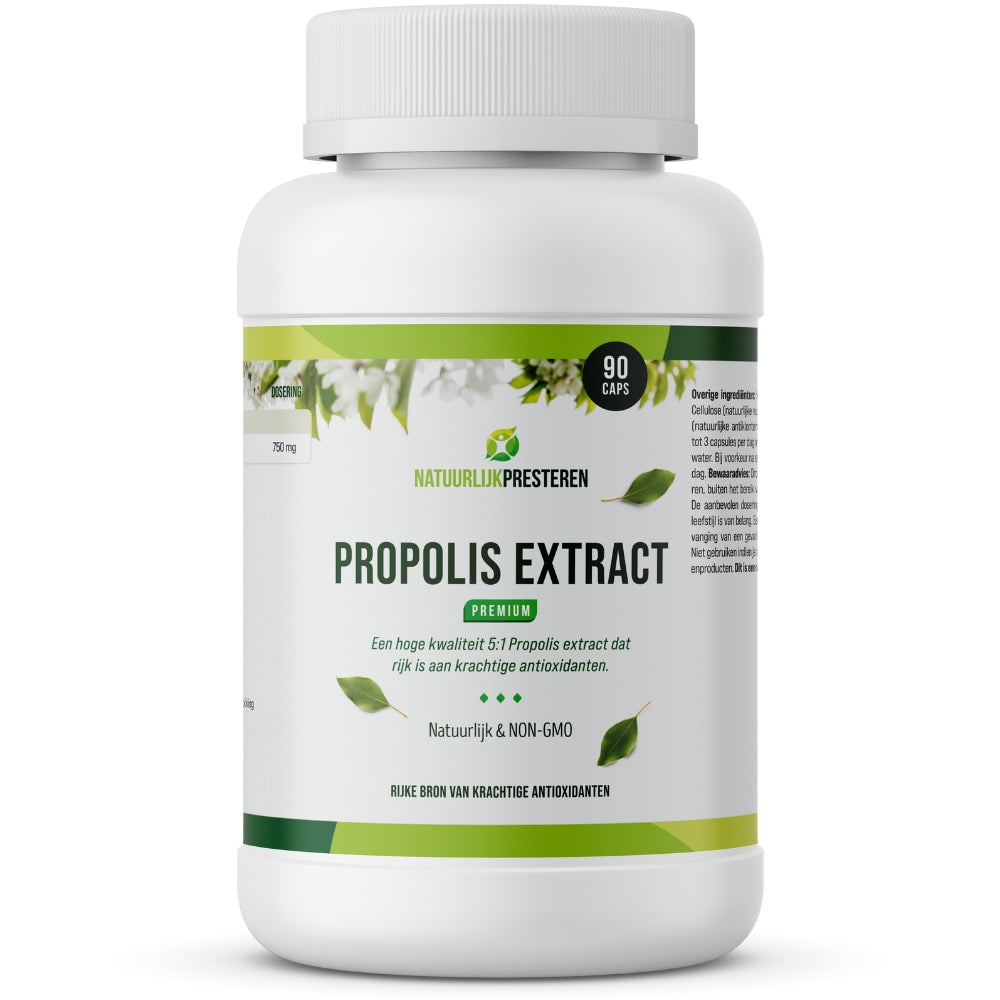
Propolis
Powerful antioxidant and supports resistance.
Propolis is a natural resinous substance produced by bees. It is rich in a wide range of nutrients, including bioflavonoids, amino acids, enzymes, vitamins, minerals, and other valuable substances.
This unique combination of nutrients makes propolis a powerful nutritional supplement with numerous benefits for overall health.
Quercetin*
Supports the immune system and is good for the absorption of (among other things) zinc.
Quercetin is one of nature's most powerful antioxidants and protects cells in our body against oxidative damage
Selenium*
Good for the immune system.
Selenium is an essential mineral that helps strengthen the immune system and plays an important role in the proper functioning of the thyroid gland.
Zinc*
Good for the immune system.
Selenium is an essential mineral that helps strengthen the immune system and plays an important role in the proper functioning of the thyroid gland.
(*) Our Maximmuun supplement contains a unique combination of quercetin, selenium, and zinc that work together to support your immune system. This formula was developed based on the latest scientific insights. Suitable for long-term use, based on natural ingredients.
Tips for recognizing pollen peaks
Anyone who suffers from a pollen allergy knows that avoiding being outdoors during a pollen peak helps control sneezing attacks and a runny nose.
But how do you know if there is pollen in the air?
- Did you know there are pollen apps ? These apps predict when there's a pollen peak in your area. This allows you to adjust your outdoor activities, such as a camping trip, accordingly.
- If you pay attention to nature's signals, you can also estimate when a peak is coming. Look at the flowering periods of local trees, grasses, and herbs. Pollen peaks often coincide with the flowering of these plants.
- If you expect high pollen levels outside, use HEPA air filters in your home, which are designed to remove small particles like pollen from the air. (3)
Sources Used
- Hoyte, FCL, & Nelson, H. S. (2018). Recent advances in allergic rhinitis. F1000Research , 7 , 1333. https://doi.org/10.12688/f1000research.15367.1
- D'Amato, G., Murrieta-Aguttes, M., D'Amato, M., & Ansotegui, I. J. (2023). Pollen respiratory allergy: Is it really seasonal? World Allergy Organization Journal , 16 (7), 100799. https://doi.org/10.1016/j.waojou.2023.100799
- Park, K. H., Sim, D. W., Lee, S. C., Moon, S., Choe, E., Shin, H., Kim, S. R., Lee, J., Park, H. H., Huh, D., & Park, J. (2020). Effects of Air Purifiers on Patients with Allergic Rhinitis: a Multicenter, Randomized, Double-Blind, and Placebo-Controlled Study. Yonsei Medical Journal , 61 (8), 689. https://doi.org/10.3349/ymj.2020.61.8.689
Gerelateerde blogartikelen
All about the effects of chlorella: How to use it
Chlorella is increasingly found in supplements like green juices and detox juices. But what exactly is it, and how do you use it wisely? In this article, I'll explain what chlorella is and what it's actually good for. I'll also share tips to consider when buying it, the difference with spirulina, and any side effects you might experience. Chlorella is a green freshwater algae packed with nutrients such as protein, chlorophyll, vitamins and minerals; often used in powder or tablet form as a supplement to a healthy diet. Research shows potential benefits for energy, immune system, and detoxification, but results are mixed; therefore, consider chlorella primarily as a dietary supplement, not a proven miracle cure. When purchasing, it's important to pay attention to purity, origin, and the "cracked cell wall" label for better absorption; choose between powder, tablets, or blends depending on preference and ease of use. Table of contents What is chlorella? How does chlorella work? The cracked cell wall technique Vitamin B12 in chlorella Chlorella as a detox What researchers are still discovering about chlorella's effects What is the difference between spirulina and chlorella? Are there any side effects of chlorella? Green Juice powder with chlorella Buying chlorella: What to look for? Chlorophyll or chlorophyllin? Conclusion What is chlorella? Chlorella is a freshwater microalgae . Tiny, yet rich in chlorophyll , fiber, and natural micronutrients (always check the label: the composition varies by brand). Chlorophyll is the green plant pigment that absorbs sunlight and helps plants produce energy. Chlorella owes its deep green color and "green" flavor to it. You can find it as a powder or as chlorella tablets and sometimes in blends with other “greens”. How does chlorella work? At its core, Chlorella is just food : a green freshwater algae that your body digests just like other plant products. What's special is that it is a compact source of diverse nutrients. This is what chlorella gives you in small portions (the exact nutritional values vary by type and brand, so check the label): Plant-based proteins (and essential amino acids) – The building blocks your body uses for muscle, enzyme, and recovery. While not in large quantities, this is a good contribution to your protein needs. Carotenoids (such as β-carotene, lutein, and zeaxanthin) – These are antioxidant plant compounds. β-carotene is particularly important: Your body can convert it into vitamin A, which contributes to normal vision, healthy skin, and the normal functioning of the immune system. Vitamins and minerals – Such as iron and folate, which contribute to normal energy metabolism and help reduce fatigue. Omega-3 (ALA) – Alpha-linolenic acid (ALA) is a plant-based form of omega-3. ALA is an essential fatty acid that your body cannot produce. It contributes to the maintenance of normal cholesterol levels with a daily intake of 2 g. The amount in chlorella is modest, but it makes it an interesting addition to a plant-based diet. Chlorophyll – The green pigment in plants and algae. It's often studied in research related to liver function, digestion, and cell protection, but the results are not yet conclusive. The cracked cell wall technique It's good to know that chlorella naturally has a strong cell wall. This makes it harder for your body to release nutrients. Many producers therefore use the so-called " cracked cell wall" technique . This involves mechanically breaking open the cell wall, making the nutrients more readily available for absorption in your intestines. Vitamin B12 in chlorella I'm often asked: Is chlorella a good source of vitamin B12? The answer isn't so simple: Sometimes it is, and sometimes it isn't. Here's how it works: Some algae, such as spirulina, contain primarily B12 lookalikes (pseudo-B12) that our bodies can't utilize effectively. Chlorella is different: it can provide active B12 components, such as methylcobalamin . This makes it interesting, especially for vegans. But there are two caveats: Not all B12 is usable – Some may still be inactive. Widely varying amounts – It can vary from 0.18 to 15 µg per 3 grams depending on brand and batch. That's somewhere between 7% and 625% of your daily requirement (2.4 µg). (1)(2) In other words, chlorella can contribute to your B12 intake, but it's not a reliable source . Think of it as a bonus, not your only source. Chlorella as a detox Another point of contention is chlorella as a detox product. Chlorella is often marketed as a "detox," and there's some truth in that, but the evidence is still tentative. That's why I prefer to view it as a green food that can be used as a support during a detox program . In some studies, the liver enzyme AST (a blood marker) decreased, and in a small study using an algae mix, lower metal levels (mercury and tin) were measured, probably because chlorella binds to these substances in your intestines and reduces absorption. (3)(4) This sounds promising, but these are small studies, and chlorella alone didn't have the desired effect. Current research doesn't yet prove that chlorella improves liver function or detoxifies, and more research is needed . Want to give it a try? Choose a pure product and combine it with a healthy lifestyle. What researchers are still discovering about how chlorella works There's also a lot of research into the effects of chlorella on other areas, such as mood , the immune system , and metabolism . However, there's still insufficient evidence on this. For mood and glucose regulation, the results are promising, but still variable, often due to small-scale studies. For the immune system, the effects are more consistent, but here too, larger studies are needed for definitive conclusions. (5)(6)(7) What is the difference between spirulina and chlorella? Although they are often found on the same shelf, spirulina and chlorella are actually quite different: Species - Spirulina is a blue-green cyanobacterium (so technically not an algae), while chlorella is a true green microalgae. Appearance and taste - Spirulina is a blue-green powder with a soft texture and a slightly marine flavor. Chlorella, on the other hand, is a deep green powder with a fuller texture and an earthy, "green" flavor. Nutritional value & effect - Spirulina contains a lot of vegetable protein and antioxidants, while chlorella contains more chlorophyll and in some cases can provide active vitamin B12. Did you know that you can take spirulina and chlorella together? So you don't necessarily have to choose. Are there any side effects of chlorella? Chlorella is safe for most people. Studies have shown that doses of 1 to 8 grams per day are well tolerated. Mild side effects sometimes occur, such as: Digestion - Mild symptoms such as bloating or gas may occur, especially when starting out. Start with a low dose (0.5-1 gram/day) and gradually increase your dose to minimize this. Allergy/sensitivity - Rare, but can occur. You'll notice typical allergy symptoms such as itching, tingling, and swelling of your lips, tongue, and throat. In that case, stop immediately. Are you taking medication (such as blood thinners) or are you pregnant/breastfeeding? Always consult your doctor or pharmacist. Green Juice powder with chlorella Are you a smoothie fan like me? Then chlorella in a green juice powder is perfect for you. Our Healthboost Green Juice combines chlorella with other superfoods for daily convenience. The powder dissolves easily in water or your favorite smoothie, perfect for a healthy start to your day. These are the benefits of a green juice blend with chlorella: Super simple – No separate jars or scales required. Flexible dosing – Half, full, or 1½ scoops, just the way you like it. No pills needed – No capsule shell or fillers. Milder taste – In a green juice blend, the “green” taste of chlorella is much less noticeable because it is mixed with other natural ingredients. Not used to the green flavor yet? Start with half a scoop and mix with citrus (like lemon or lime) or ginger for a refreshing twist. Buying Chlorella: What to look out for? Want to buy chlorella? You have three options: Green juice blends – Here, chlorella is combined with other superfoods. This creates a milder flavor and provides a broader mix of nutrients. For everyday use, this is usually the most accessible and practical choice. Pure chlorella powder – 100% chlorella with no additives. It delivers a powerful dose, but its distinct green flavor makes it difficult for everyone to incorporate. Tablets or capsules – Useful if you want to avoid the taste, but they often contain fillers and offer less flexibility in dosage. Whatever you choose, pay attention to these points: Purity and testing - Choose a brand that is transparent about testing for heavy metals, microbes, and other contaminants. A certificate of analysis assures you that the product is safe. Processing - Make sure the label says "cracked cell wall." This breaks the algae's cell wall, allowing your body to better absorb nutrients, such as antioxidants. Origin and cultivation - Choose chlorella from a reliable, preferably organic, source. Transparency about the growing location and production methods (e.g., clean water, sustainable cultivation) builds trust. Label and composition - Check the amount of chlorella per dose (e.g., 500 mg per tablet), check for any fillers (for tablets), and check the expiration date. A fresh product retains more nutritional value. In powder form, a fresh, green odor indicates quality; a musty odor indicates degradation. These tips will help you choose a chlorella supplement that's right for you. Combine it with healthy habits for the best results! Chlorophyll or chlorophyllin? Sometimes you come across supplements containing chlorophyllin , but that is not the same as chlorophyll . Chlorophyll is the natural, fat-soluble, green plant pigment found naturally in chlorella that gives the algae its deep green color. Chlorophyllin, on the other hand, is a processed, water-soluble variant (often as sodium or copper salt) that you may also encounter as a colorant (E140/E141). The origin, composition, and solubility vary. Therefore, always check the label: does it actually say chlorophyll from chlorella, or is it chlorophyllin? Conclusion Chlorella isn't a miracle cure, but it is a great addition to your diet. I personally see it as a compact, green addition that's easy to fit into your daily routine. Choose powder (in a smoothie or water) or chlorella tablets if you want to avoid the taste. When purchasing chlorella supplements, pay attention to quality: Origin, broken cell wall, and independent lab testing. About detox : The evidence is promising, but also mixed, and most studies are small. So choose chlorella primarily as a supplement to your basic diet (food, sleep, exercise, hydration). If you want to keep things simple, a green juice blend with chlorella is a practical way to maintain daily consistency. Build up the dosage slowly and listen to your body. Ebrina van der Bijl Ebrina is a nutritionist with a deep commitment to healthy eating and a sustainable lifestyle, based in beautiful Portugal. Her passion for natural and organic products is at the heart of her work. With a background in Nutrition & Dietetics and experience in product development and writing, she translates complex scientific information into practical advice for a balanced lifestyle. Read more Sources used Bito, T., Bito, M., Asai, Y., Takenaka, S., Yabuta, Y., Tago, K., Ohnishi, M., Mizoguchi, T., & Watanabe, F. (2016). Characterization and Quantitation of Vitamin B12 Compounds in Various Chlorella Supplements. Journal Of Agricultural And Food Chemistry, 64(45), 8516–8524. https://doi.org/10.1021/acs.jafc.6b03550 Merchant, R. E., Phillips, T. W., & Udani, J. (2015). Nutritional Supplementation withChlorella pyrenoidosaLowers Serum Methylmalonic Acid in Vegans and Vegetarians with a Suspected Vitamin B12Deficiency. Journal Of Medicinal Food, 18(12), 1357–1362. https://doi.org/10.1089/jmf.2015.0056 Yarmohammadi, S., Hosseini-Ghatar, R., Foshati, S., Moradi, M., Hemati, N., Moradi, S., Kermani, M.A.H., Farzaei, MH, & Khan, H. (2021). Effect of Chlorella vulgaris on Liver Function Biomarkers: a Systematic Review and Meta-Analysis. Clinical Nutrition Research, 10(1), 83. https://doi.org/10.7762/cnr.2021.10.1.83 Ebrahimi-Mameghani, M., Aliashrafi, S., Javadzadeh, Y., & AsghariJafarabadi, M. (2014b). The Effect of Chlorella vulgaris Supplementation on Liver En-zymes, Serum Glucose and Lipid Profile in Patients with Non-Alcoholic Fatty Liver Disease. DOAJ (DOAJ: Directory Of Open Access Journals). https://doi.org/10.5681/hpp.2014.014 Panahi, Y., Badeli, R., Karami, G., Badeli, Z., & Sahebkar, A. (2015). A randomized controlled trial of 6-week Chlorella vulgaris supplementation in patients with major depressive disorder. Complementary Therapies in Medicine, 23(4), 598–602. https://doi.org/10.1016/j.ctim.2015.06.010 Kwak, J. H., Baek, S. H., Woo, Y., Han, J. K., Kim, B. G., Kim, O. Y., & Lee, J. H. (2012). Beneficial immunostimulatory effect of short-term Chlorella supplementation: enhancement of Natural Killer cell activity and early inflammatory response (Randomized, double-blinded, placebo-controlled trial). Nutrition Journal, 11(1). https://doi.org/10.1186/1475-2891-11-53 Fallah, A. A., Sarmast, E., Dehkordi, S. H., Engardeh, J., Mahmoodnia, L., Khaledifar, A., & Jafari, T. (2017). Effect of Chlorella supplementation on cardiovascular risk factors: A meta-analysis of randomized controlled trials. Clinical Nutrition, 37(6), 1892–1901. https://doi.org/10.1016/j.clnu.2017.09.019
Lees meer bloggle
Iron with Vitamin C: What are the Benefits?
Iron is an essential mineral that helps transport oxygen in your blood. There are two types of iron: heme iron and non-heme iron. Heme iron is mainly found in animal products and is easily absorbed by your body. Non-heme iron is found in plant foods, such as beans, grains, and spinach – but this type of iron is absorbed much less efficiently. Fortunately, you can do something about this: Vitamin C makes it easier for your body to absorb non-heme iron. In this blog post, I'll explain exactly why iron is so important and how vitamin C can help improve the absorption of (non-heme) iron. You'll also get practical tips on choosing the best iron supplements with vitamin C. Vitamin C improves the absorption of non-heme iron by converting the less absorbable Fe³⁺ to the more absorbable Fe²⁺ form. It also reduces the inhibitory effect of substances like phytic acid and calcium, thus increasing the solubility of iron in the intestines. Combining iron with vitamin C reduces fatigue, promotes energy levels, supports the immune system and cell division. Use mild iron supplements such as ferrous bisglycinate or ferrous fumarate. A dose of 14–20 mg of iron combined with 50–100 mg of vitamin C is recommended, preferably on an empty stomach. Table of contents Why is iron important? What is the role of vitamin C in iron absorption? What are the benefits of iron and vitamin C? For whom is this combination most beneficial? Iron and vitamin C supplements: consider these: 1. Choose the right type of iron 2. Pay attention to the dosage 3. Smart timing and combinations Are there any disadvantages or side effects? Conclusion Why is iron important? Your body needs iron for several things, but its most important function is to produce red blood cells and hemoglobin . These carry oxygen through your blood to all your organs and muscles. Without oxygen, your body can't produce energy. Iron helps reduce fatigue and contributes to your normal energy levels . In addition, iron has a number of important advantages: Has a beneficial effect on the cell division process Supports the proper functioning of your immune system Is good for memory and concentration Good to know : If you don't get enough iron, you often notice it as fatigue or a lack of energy. Women, young children, and vegetarians are particularly at risk of iron deficiency. What is the role of vitamin C in iron absorption? Vitamin C helps your body better absorb non-heme iron, the form of iron found in plant foods and most supplements. Without it, this type of iron is only absorbed to a limited extent in your intestines. Vitamin C helps in three ways: It converts iron into a more absorbable form - Non-heme iron usually comes as Fe³⁺, but your intestines absorb Fe²⁺ best. Vitamin C helps with this conversion, making it easier for your body to absorb the iron. (1) It reduces the inhibitory effect of certain substances - Substances such as phytic acid (from grains and legumes), calcium, and polyphenols (in tea and coffee) can hinder iron absorption. Vitamin C can partially counteract the negative effect of these substances, allowing you to absorb more iron. (2) (3) It helps make iron more soluble - Vitamin C helps keep iron in a soluble and easily absorbed form, partly by making the intestinal environment slightly more acidic. This helps iron pass through the intestinal wall more easily. (1) (4) Good to know : Especially if you eat a plant-based diet, vitamin C can really make a difference in your iron absorption. A glass of orange juice with your meal, or some bell pepper or kiwi in your salad, can help! What are the benefits of iron with vitamin C? So there's a lot to be said for combining vitamin C with iron, especially because the iron in your body can better utilize the iron in your meals and supplements. But there are even more reasons to use these two nutrients in combination: Better absorption with a plant-based diet - Vitamin C helps your body better absorb iron from plants and supplements. This is especially helpful if you eat little meat. Reduced risk of stomach problems - Because vitamin C improves absorption, a lower iron dose is often sufficient. This reduces the risk of stomach or intestinal problems that sometimes occur with high-dose iron pills. Supports your immune system - Iron and vitamin C are both good for your immune system. Together, they enhance each other's function. Gentle recovery from iron deficiency - If you have low iron or ferritin levels (iron deficiency), this combination helps to replenish your supplies without the need for heavy iron pills. Who is this combination most useful for? Especially when your body demands more iron, you don't want to waste a milligram. Do you belong to one of these groups? Then it's wise to pay attention to your iron intake – and vitamin C can make a big difference: Women of childbearing age – Monthly periods cause you to lose iron, and this can increase significantly, especially if you suffer from long and heavy periods. Pregnant women – You share your iron supply with your baby and the placenta. No wonder you need more. Vegetarians and vegans – Plant-based iron is less easily absorbed. Vitamin C really helps with that. Athletes – You lose iron through sweat. So, it's important to take in extra iron. People with low ferritin or fatigue – If you often feel tired or have low iron stores, good absorption can make all the difference. Iron with vitamin C supplement: pay attention to this There are two ways to ensure vitamin C is combined with iron: Combine vitamin C-rich foods with your meals or through supplements. Both are also possible, of course. Are you opting for a supplement? You can choose a product with both nutrients or individual tablets. Keep the following points in mind to ensure you buy the best quality: 1. Choose the right type of iron Iron bisglycinate and ferrous fumarate are gentler on your stomach than iron sulfate Bisglycinate (a chelate) is often best absorbed and gives the least chance of complaints 2. Pay attention to the dosage 14–20 mg of iron per day is usually sufficient in case of a deficiency 50–100 mg of vitamin C is often enough for better absorption (taking more usually has no additional effect) Please note : High doses of iron (>30 mg) can cause side effects and may be less well absorbed. 3. Smart timing and combinations Take iron preferably on an empty stomach or with a meal rich in vitamin C. Be aware of inhibitors such as calcium, coffee, tea, dairy, phytic acid (whole wheat, beans) and polyphenols (cocoa, wine): these can significantly reduce absorption. Tip : If you experience stomach upset, you can also take iron with a light, iron-rich meal (without dairy or coffee). Are there any disadvantages or side effects? Iron and vitamin C supplements can be very effective, but they're not always without risks. Keep this in mind: Too much iron can cause complaints – such as constipation, nausea or bloating Vitamin C in high doses can cause stomach upset – such as diarrhea, abdominal pain or bloating (the upper limit for adults is 2,000 mg per day) Iron is not always necessary – If your iron levels are normal, taking extra is pointless and can even be counterproductive Have your blood levels tested if you think you have a deficiency – This way you will know for sure whether supplements are necessary and in what dosage Conclusion Combining iron with vitamin C helps your body better metabolize non-heme iron, allowing it to use this form more efficiently. This is especially helpful if you follow a plant-based diet or take iron supplements, which often contain non-heme iron. Because your body absorbs the iron better, you often need lower doses, which reduces the risk of unpleasant side effects from heavy iron pills. Another advantage of this combination is that vitamin C strengthens the functioning of the immune system and prevents iron from binding to substances that could hinder its absorption. Do pay attention to the form of your iron supplements: iron bisglycinate and ferrous fumarate (bisglycinate) are the mildest on your stomach. Also, make sure you choose a safe dosage and take the supplements preferably on an empty stomach. Finally, don't forget to test your blood levels to determine what's best for you. Ebrina van der Bijl Ebrina is a nutritionist with a deep commitment to healthy eating and a sustainable lifestyle, based in beautiful Portugal. Her passion for natural and organic products is at the heart of her work. With a background in Nutrition & Dietetics and experience in product development and writing, she translates complex scientific information into practical advice for a balanced lifestyle. Read more Sources used Heffernan, A., Evans, C., Holmes, M., & Moore, J. (2017). The Regulation of Dietary Iron Bioavailability by Vitamin C: A Systematic Review and Meta-Analysis. Proceedings Of The Nutrition Society, 76(OCE4). https://doi.org/10.1017/s0029665117003445 Siegenberg, D., Baynes, R., Bothwell, T., Macfarlane, B., Lamparelli, R., Car, N., MacPhail, P., Schmidt, U., Tal, A., & Mayet, F. (1991). Ascorbic acid prevents the dose-dependent inhibitory effects of polyphenols and phytates on nonheme-iron absorption. American Journal Of Clinical Nutrition, 53(2), 537–541. https://doi.org/10.1093/ajcn/53.2.537 Kim, E., Ham, S., Bradke, D., Ma, Q., & Han, O. (2011). Ascorbic Acid Offsets the Inhibitory Effect of Bioactive Dietary Polyphenolic Compounds on Transepithelial Iron Transport in Caco-2 Intestinal Cells1,2. Journal Of Nutrition, 141(5), 828–834. https://doi.org/10.3945/jn.110.134031 Piskin, E., Cianciosi, D., Gulec, S., Tomas, M., & Capanoglu, E. (2022). Iron Absorption: Factors, Limitations, and Improvement Methods. ACS Omega, 7(24), 20441–20456. https://doi.org/10.1021/acsomega.2c01833
Lees meer
13 Scientifically Proven Benefits of Vitamin C
Vitamin C is one of the most well-known vitamins. It's a water-soluble, essential vitamin. This means your body can't produce it on its own, so you must get it from food or a supplement. Vitamin C is best known for its antioxidant properties, safety, and low price. It's often used, among other things, to treat cold symptoms. An antioxidant protects your body against damage caused by free radicals (such as UV radiation or air pollution). But what types of vitamin C are there? And what are its benefits? In this article, I'll explain the different types of vitamin C and its 13 scientifically proven benefits ! Vitamin C is an essential, water-soluble antioxidant that your body cannot produce itself. It supports the immune system, heart, bones, iron absorption and mental functions thanks to the production of collagen and antioxidant protection. Different forms (L-ascorbic acid, mineral ascorbates, Ester-C) offer the same benefits but differ in absorption and stomach friendliness. Table of contents Types of Vitamin C L-ascorbic acid Mineral ascorbates Ester-C Scientifically proven benefits of vitamin C 1. Vitamin C protects against oxidative damage 2. Vitamin C is good for your blood vessels 3. Vitamin C is good for your bones 4. Vitamin C is good for your cartilage 5. Vitamin C is good for iron levels in your blood 6. Vitamin C is good for your immune system 7. Vitamin C is good for your skin 8. Vitamin C is good for your psychological function 9. Vitamin C is good for your mouth and teeth 10. Vitamin C is good for the regeneration of vitamin E 11. Vitamin C is good for your nervous system 12. Vitamin C supports your energy levels 13. Vitamin C helps with fatigue Vitamin C is a versatile supplement Types of Vitamin C Because vitamin C is an essential vitamin, your body cannot produce it on its own. Therefore, it's important to eat plenty of foods rich in vitamin C, such as kiwis or oranges. You can also choose to take a vitamin C supplement. There are currently three generations of vitamin C on the market: L-ascorbic acid L-ascorbic acid is the natural form of vitamin C and is the least expensive compared to the other forms. It is a very weak acid and is well tolerated by most people, except those who are acid-sensitive. Mineral ascorbates Examples of mineral ascorbates include calcium ascorbate, sodium ascorbate, and magnesium ascorbate. In these supplements, vitamin C is bound to a mineral, which reduces the acidity of the vitamin C. Mineral ascorbates are a good choice for anyone looking for vitamin C that is less harsh on the stomach than L-ascorbic acid. Ester-C Ester-C is a complex of calcium ascorbate and vitamin C metabolites with higher bioavailability. This means it's a version of vitamin C that's better absorbed by your body. This is the newest and most absorbable version of L-ascorbic acid. All three different vitamin C supplements offer the same health benefits for your body. In recent years, extensive research has been conducted into these benefits. Did you know? Brussels sprouts and red bell peppers contain more vitamin C than oranges. Scientifically proven benefits of vitamin C Below you will find 13 benefits of vitamin C, along with various scientific studies that support this: 1. Vitamin C protects against oxidative damage Vitamin C is primarily known as an antioxidant, meaning it helps combat free radicals in the body. These free radical compounds can cause damage when you have too much of them in your body. Your body uses antioxidants to keep these free radicals under control. Vitamin C contributes to protection against free radicals and external influences. This is good for maintaining healthy cells and tissues. (1) 2. Vitamin C is good for your blood vessels Healthy cardiovascular systems are important for everyone. All your organs depend on the blood supply. Unhealthy blood vessels can prevent various vital organs from receiving enough blood. Vitamin C contributes to the production of collagen in your body. Collagen is important for maintaining supple veins and strong blood vessel walls, among other things. A collagen deficiency is detrimental to your blood vessels. In fact, vitamin C is important for the health of your blood vessels, because collagen formation is essential for the proper functioning of the blood vessels. This has been shown in a study of obese children. (2) 3. Vitamin C is good for your bones Vitamin C is not only important for your blood vessels but also for normal bone function. For example, vitamin C contributes to the maintenance of strong bones and plays a role in bone formation. A study has shown that vitamin C is good for maintaining strong bones. No adverse effects have been reported, which suggests that vitamin C is safe to use. (3) A vitamin C deficiency affects collagen production. And collagen contributes to the maintenance of strong bones. Taking a vitamin C supplement is therefore good for your bones. This is measured based on bone mineral density. (4) 4. Vitamin C is good for your cartilage Healthy bones and healthy cartilage. Who wouldn't want that? Because vitamin C contributes to collagen production in your body, it's good for the production of cartilage in joints. Vitamin C is also good for maintaining healthy cartilage. Its antioxidant properties offer protection against inflammation in your joints. This has been shown in a study of the effect of vitamin C on cartilage health. (5) This is because the vitamin is water soluble and can therefore react with various aqueous free radicals and reactive forms of oxygen. A vitamin C deficiency can therefore lead to reduced collagen production. Joints contain a lot of collagen-rich connective tissue, which means a collagen deficiency could cause problems. Many studies have been done on the cause of joint problems related to collagen deficiency. (6) 5. Vitamin C is good for the iron levels in your blood Iron is an important mineral that plays a variety of roles in your body. For example, iron is essential for the production of red blood cells and the transport of oxygen. Vitamin C increases the absorption of iron from food by your body. In fact, 100mg of vitamin C has been shown to increase iron absorption by 67%. (7) Essentially, the vitamin provides your body with extra iron. This is very beneficial for people prone to iron deficiency, as it can help reduce the risk of anemia. An iron deficiency can lead to reduced red blood cell production, which causes anemia. Do you have low iron levels in your blood? Then vitamin C can help improve your iron absorption. (8) 6. Vitamin C is good for your immune system A strong immune system is important for staying healthy. This is also why most people take a vitamin C supplement. Vitamin C supports your immune system. Your immune system works with white blood cells, also called lymphocytes and phagocytes. They help protect your body and ensure the normal functioning of your immune system. (9) Because vitamin C is an antioxidant, it helps your white blood cells function better by protecting them from free radical damage. (10) Finally, vitamin C helps protect your body after strenuous physical exertion. Your immune system is weakened because your body is busy recovering. The protective effect of vitamin C provides support in this process. A vitamin C deficiency has been linked to poorer resistance, which helps protect your body. (11) Curious about ways to boost your immune system? Then be sure to read our article on natural ways to strengthen your immune system . This article contains 6 helpful methods for a stronger immune system. 7. Vitamin C is good for your skin Healthy skin gives you a well-groomed appearance. For this, it's important that you produce enough collagen. Vitamin C contributes to collagen production and thus to maintaining healthy skin. Vitamin C is a very important part of your skin's immune system. It's transported to your skin, where it can act as an antioxidant. This helps strengthen your skin from within. (12) Healthy skin contains a lot of vitamin C, especially in the outer layer of the skin. Vitamin C keeps your skin healthy by protecting it from oxidative damage caused by UV radiation and exposure to pollutants like cigarette smoke or ozone. (13) 8. Vitamin C is good for your psychological function Vitamin C is a powerful antioxidant that promotes mental resilience and a clear mind. It even has several benefits for your psychological function, such as improving your mood, learning performance, concentration, and memory. Vitamin C deficiency is involved in your memory and thinking ability. In addition, a high vitamin C intake has been shown to have a protective effect on your thinking and memory as you age. (14) It has also been shown that people with good mental balance and normal concentration have higher concentrations of vitamin C in their bodies compared to other people. (15) 9. Vitamin C is good for your mouth and teeth Beautiful, healthy teeth: that's something everyone wants. And vitamin C can definitely help! It contributes to collagen formation, which is good for maintaining strong teeth. Collagen can help heal wounds in your mouth. In addition, too little collagen has been linked to tooth loss. This is because collagen is made up of fibers found in the tissues that make up teeth and bones. (16) A collagen deficiency can cause weakened gums, which can lead to bleeding. A vitamin C supplement can help stimulate collagen production. (17) 10. Vitamin C is good for the regeneration of vitamin E Vitamin E is a fat-soluble vitamin that also functions as an antioxidant. This vitamin doesn't dissolve in water, unlike vitamin C. Vitamin E plays a role in regulating cellular metabolism, among other things. Vitamin C can help maintain the activity of vitamin E by returning vitamin E to its active form. (18) I'll try to explain it simply for you... Vitamin C and vitamin E are both antioxidants, meaning they protect your body from free radical damage. Vitamin C scavenges water-soluble free radicals (outside your cells), while vitamin E scavenges free radicals within your membranes (inside your cells). When vitamin E attacks free radicals within your membranes, the vitamin binds to them. Vitamin C regenerates vitamin E by essentially taking over these free radicals from vitamin E, so they have a place to fight new free radicals in your cells. This even happens through your membranes, so vitamin C doesn't have to enter your cells for this. (19) 11. Vitamin C is good for your nervous system Your nervous system is essentially a network of nerves that receive information from your senses and transmit it to your brain. Your brain also sends signals to the rest of your body via your nervous system. In fact, your nervous system ensures that your entire body is connected. Your brain and spinal cord form the central part of your nervous system. The connections from there to your muscles and organs form the peripheral part of your nervous system. These two parts work together to keep your body functioning optimally. Vitamin C contributes to the normal functioning of your nervous system. This means it plays an important role in the functioning of your nerves. This is because it is an important antioxidant and therefore participates in many different cellular functions. (20) 12. Vitamin C supports your energy levels Your body produces energy in the form of ATP. This molecule is comparable to gasoline, which powers your car. ATP is produced in your mitochondria. This is one of the organelles in your body's cells, just as the engine is a component of your car. Mitochondria produce energy. Some cells that use a lot of energy (like muscles) have thousands of mitochondria, while other cells have only a few hundred. In your mitochondria, proteins, fats, and carbohydrates are converted into energy in the form of ATP. (21) Energy production in your mitochondria is vital to life and plays a role in many bodily processes, such as your physical strength and endurance. Mitochondria can be damaged and even die when exposed to free radicals. Vitamin C contributes to normal energy-yielding metabolism because it helps protect your body against these free radicals and promotes your energy metabolism. (22) 13. Vitamin C helps with fatigue Fatigue can have many different causes. It's not always immediately clear why you're so tired all the time. However, vitamin C has been proven to help reduce fatigue. As previously discussed, vitamin C is good for your blood iron levels. This iron level is responsible for healthy oxygen transport in your blood. Too little oxygen to your body's cells can, in turn, lead to fatigue. (23) One of the first signs of a vitamin C deficiency is fatigue. Fatigue can even occur before a complete deficiency develops. A vitamin C supplement can help counteract these symptoms after just a few days of moderate intake or within 24 hours of a high dose of vitamin C. (24) Vitamin C is a versatile supplement In this article, we've outlined 13 scientifically proven benefits of vitamin C. If you're considering taking a vitamin C supplement to supplement your diet, there are several important things to know. The general maintenance dose of vitamin C for adults is 1-2 grams per day. It's best to use vitamin C in combination with other antioxidants. This creates a strong interaction because they essentially "recycle" each other. Also, always make sure you use a high-quality vitamin C supplement! Lars Keijzers Lars is a biobased chemist with an insatiable interest in nutrition and science. He also enjoys exploring personal development and can be found regularly at the local gym. Read more
Lees meer