Testosterone supplements
Healthy testosterone levels are important for good health and vitality in men. Several natural remedies can support testosterone production, including supplements.
Micronutrient supplements
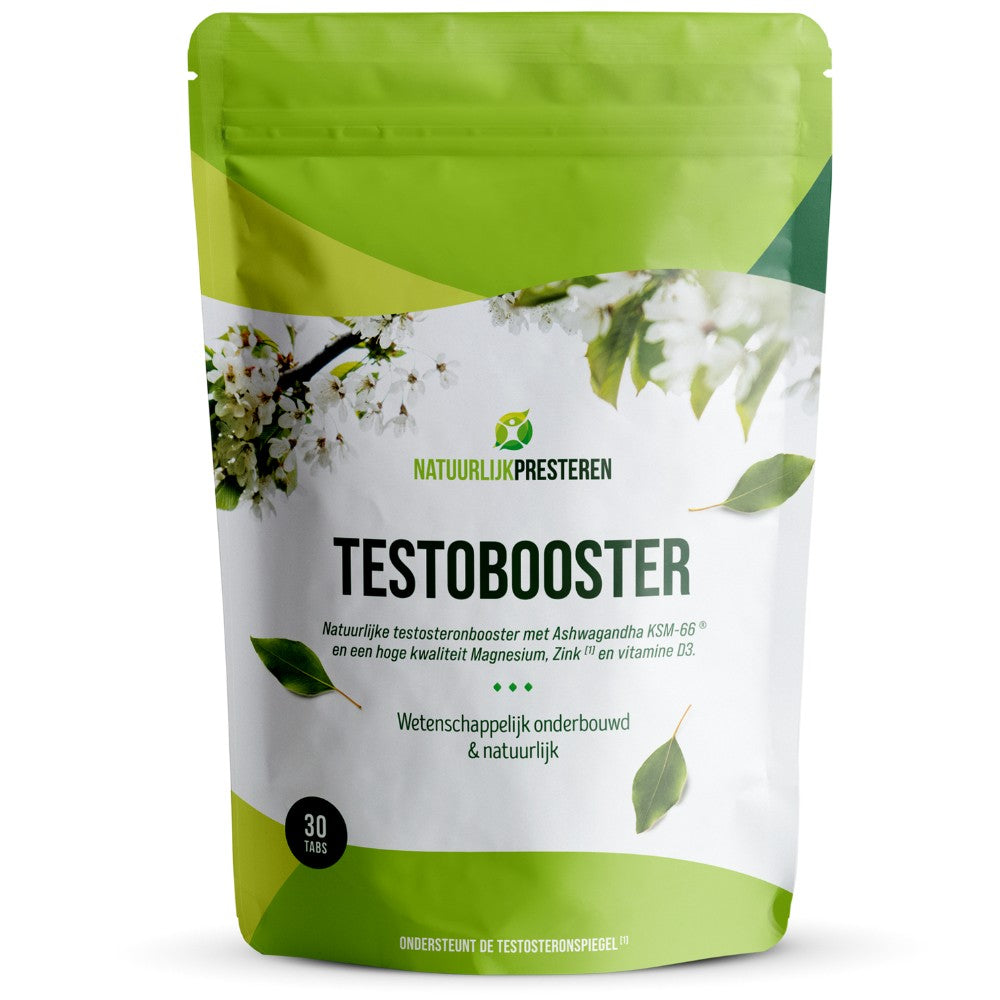
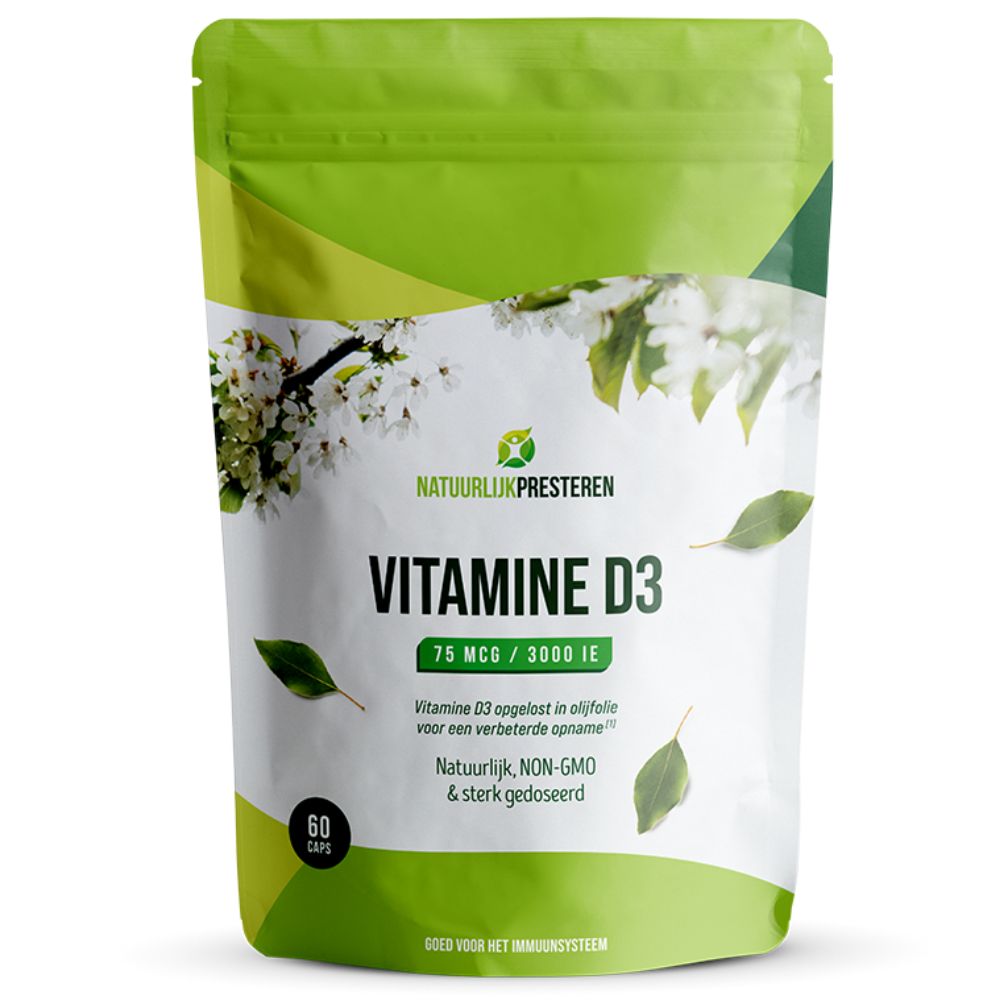
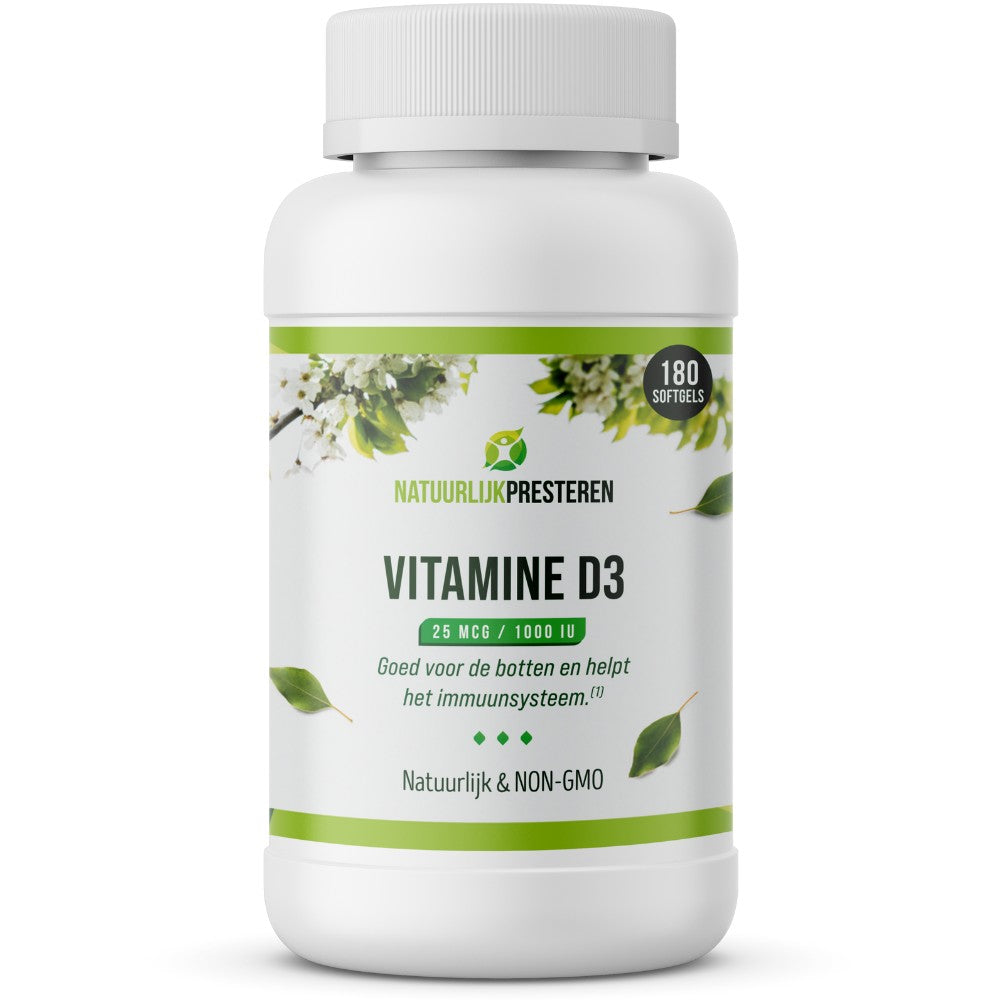
An important factor is getting the right micronutrients. Vitamin D3 , zinc and magnesium are micronutrients that play an important role in the production of testosterone.
- A vitamin D3 deficiency can lead to lower testosterone levels.
- Zinc is good for the build-up of testosterone and helps regulate hormone levels in the body.
Magnesium supports many processes in the body, such as testosterone production and improving sleep quality, which also contributes to a healthy hormone balance.
Supplements against stress
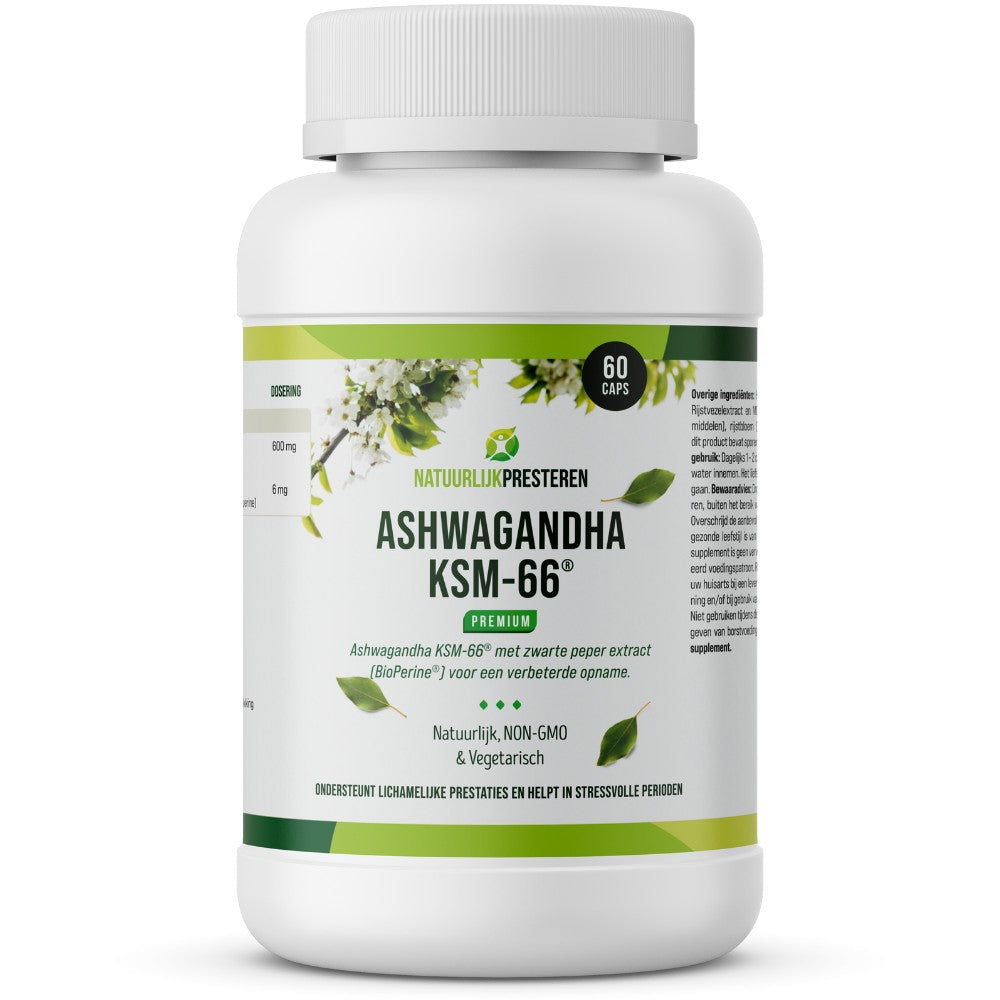
Stress is another important factor that can affect testosterone levels. Under stress, the body produces cortisol, a hormone that actually hinders testosterone production. Reducing stress is therefore important for maintaining healthy testosterone levels. Ashwagandha KSM-66 is an adaptogenic herb known for its stress-reducing properties.
Building blocks of testosterone
Another way to increase testosterone levels is by taking the building blocks needed for testosterone production. DHEA (dehydroepiandrosterone) is a prohormone that can be converted into testosterone in the body.
While DHEA can help increase testosterone levels, you should use it with caution. It can be dangerous for some people. Therefore, only use it with a doctor's approval.
Anabolics versus testosterone supplements
There's a key difference between natural testosterone supplements and anabolic steroids. Anabolic steroids are synthetic substances that mimic the effects of testosterone. They're often used to quickly increase muscle mass, but they carry risks such as liver damage, heart problems, and hormonal imbalances.
In contrast, natural testosterone supplements support natural testosterone production. These supplements are generally safe and have fewer side effects than anabolic steroids.
Safe testosterone supplements
There are several natural supplements that are safe and can help increase testosterone levels.
- Ashwagandha KSM-66 is an effective supplement that helps reduce stress and thereby increase testosterone levels.
- Vitamin D supplements are especially recommended for people who have a deficiency, which is common in people who get little sunlight.
- Zinc is another important supplement, especially for those with a zinc deficiency, as it plays a role in testosterone production.
- Ginger extract can also help increase testosterone levels through its anti-inflammatory properties and influence on hormone balance.
Less safe testosterone supplements
DHEA can help increase testosterone levels, but it's less safe than other natural supplements. As mentioned earlier, DHEA can cause hormonal fluctuations.
Tips to increase testosterone
In addition to using supplements, there are also lifestyle changes that can help increase testosterone levels.
- A good night's sleep helps to maintain hormone production.
- Having a healthy body fat percentage is also important, as too much body fat can lead to the conversion of testosterone to estrogen.
- A varied diet with unprocessed products supports a healthy hormone balance.
- Intense strength training is also a good way to increase testosterone levels.
Gerelateerde blogartikelen

Boost Testosterone? Here's How to Do It Naturally
More and more men are looking for ways to increase their testosterone levels. Average testosterone levels have been declining for years in the Western world. A healthy testosterone level helps you to: To be more energetic, To gain more self-confidence, To feel better about yourself, To build muscle mass, Lowering your body fat percentage However, many people do not know that you can do a lot yourself to produce more testosterone. That's why I'll teach you in this article what you can do to increase your testosterone level with diet and lifestyle. Testosterone regulates muscle mass, energy, libido, and body fat percentage; a deficiency can lead to fatigue, depression, muscle breakdown, and loss of motivation. Boost testosterone with strength training, a high-protein diet, healthy fats, stress reduction, adequate sleep, and limiting alcohol and sugar intake. Supplements such as vitamin D3, magnesium, zinc and ashwagandha support testosterone production, but lifestyle and diet remain the most important factors. Table of contents What is testosterone? Symptoms of testosterone deficiency. How do you naturally increase testosterone levels? Step 1 - Reduce your body fat percentage (if you are overweight) Step 2 - Exercise heavily Step 3 - Keep your blood sugar stable Step 4 - The right balance of fats Step 5 - Limit alcohol as much as possible Step 6 - Eat enough calories Step 7 - Get enough relaxation Step 8 - Avoid prolonged cardio training (more than 45 min) Step 9 - Eat as varied as possible Step 10 - Add more fiber to your diet Step 11 - Increase in intimacy / flirt more often The role of nutritional supplements Ashwagandha Vitamin D3 Magnesium Zinc Antioxidants These 11 causes lower your testosterone 1. Obesity 2. Alcohol 3. Stress 4. Licorice 5. Inactivity 6. Lack of sleep 7. Trans fats (fried foods) 8. High blood sugar 9. Certain medications 10. Testicular disorders 11. Long-term endurance sports Testosterone in relation to age Keeping testosterone healthy as you age Other benefits of testosterone A natural testosterone booster What is testosterone? Testosterone is also called the male hormone. It's responsible for male sexual characteristics such as muscle mass, deepening of the voice, and body hair. Women also produce testosterone, but in smaller quantities. Men produce about 10 to 20 times more testosterone than women. Testosterone is produced in the testicles in males, while in females it is produced in the ovaries. Did you know... Testicles were originally ovaries? During embryonic development, the gonads are the same. Under the influence of sex hormones, these develop into testicles in males and ovaries in females. The hormone testosterone has a significant influence on men's physical and mental well-being. It also plays a significant role in libido and fertility. A testosterone deficiency can impact your life and have significant consequences for your health. But how do you recognize a testosterone deficiency? The symptoms of a testosterone deficiency A testosterone deficiency can be recognized by various symptoms. If you recognize yourself in 3 or more of these complaints , then there is a chance that you have a testosterone deficiency. Fatigue - Testosterone plays a role in energy balance. A deficiency can lead to persistent fatigue, even after adequate rest, because the body becomes less efficient at converting energy. Increased fat mass - Testosterone helps regulate fat distribution in the body. Low testosterone levels can lead to unbalanced fat storage, often around the abdomen, which can result in increased fat mass. Muscle strength loss - Testosterone stimulates muscle growth and helps maintain muscle mass. A deficiency can lead to muscle loss and decreased strength, as muscles are less able to recover and grow. Despondency - Testosterone affects neurotransmitters like serotonin. A deficiency can lead to mood swings and feelings of low mood or even depression. Insecurity - Low testosterone levels can lead to decreased self-confidence and feelings of insecurity. Testosterone affects the psyche, particularly assertiveness and the sense of control. Erectile dysfunction - Testosterone plays a direct role in the production of nitric oxide, a molecule crucial for achieving and maintaining an erection. A deficiency can lead to problems with erectile function. Decreased libido - Testosterone is a key factor in libido, or sexual desire. A decrease in testosterone levels often results in a decreased desire for sex. Reduced motivation - Testosterone is involved in regulating motivation and drive. A deficiency can lead to a lack of motivation and a diminished sense of ambition or purpose. Mentally less sharp - Testosterone supports cognitive functions, such as memory and concentration. A drop in testosterone can lead to mental sluggishness and reduced ability to concentrate, making one feel less sharp. If you think you have a testosterone deficiency, it is also a good idea to contact a medical specialist. They can use a blood test to determine whether you actually have a testosterone deficiency. In addition, you could use the tips in this article or the test plan to see in what ways you could make progress. Fortunately, there's a lot you can do yourself with lifestyle, diet, and supplements. For example, a testosterone booster can also support the body's own testosterone production. How to Increase Testosterone Levels Naturally? For years, I've been reading about testosterone and how it affects men's lives. I also regularly have my testosterone levels measured to see which factors work (for me). Using my background knowledge (as a biobased chemist), insights from scientific studies, and experiences of myself and others, I have created a step-by-step plan that will help you achieve results quickly. The steps are generally listed in order of priority, but there's certainly some overlap. This gives you a starting point. If you want the extended version of this plan, you can check out my test plan . Step 1 - Reduce your body fat percentage (if you are overweight) One of the first things I look at in someone who wants to increase their testosterone levels is body fat percentage. Body fat affects the amount of testosterone in your body. Fat cells contain the enzyme aromatase, which partially converts testosterone into estrogen. Not only does this lower your testosterone levels, but too much estrogen can also cause feminine characteristics, such as breast growth (man boobs) and love handles in men. So, lower your body fat percentage to increase your testosterone.(1)(32) The optimal body fat percentage for testosterone production is between 10-15% . A small study showed that a too low Everyone knows what you need to do in broad terms to lose weight: eat less than you burn. However, it is not that simple, because you also want to stay satiated and retain muscle mass as much as possible. That's why I recommend that you follow these 4 tips when lowering your body fat percentage, so that you retain as much muscle mass as possible and also maintain it more easily. Eat enough protein (at least 1.5g/kg body weight) and fat (20-30% of your calorie needs) —protein helps maintain muscle mass, fats support healthy testosterone levels. Both are also satiating, which helps you feel full longer. Make sure you maintain a calorie deficit of no more than 10-20%. Stop drinking calories - Soft drinks, sugar in coffee/tea, and milk provide extra calories without affecting your satiety. 5,000-10,000 steps a day burns about 250-500 extra calories per day. It also boosts your metabolism, helps you sleep better, and helps reduce stress. The 80/20 rule - make sure at least 80% of your diet consists of unprocessed foods (eggs, vegetables, fruit, nuts, meat, fish, and shellfish). It's okay to occasionally indulge in something "unhealthy" if you enjoy it (the remaining 20%). Want to learn more about man boobs and love handles in men? Then read my articles on "love handles" and "man boobs." Step 2 - Train Hard Intensive training is essential if you want to (quickly) increase your testosterone levels. Most people do this with weights at the gym, but you can also do this with HIIT workouts or other high-intensity training methods. If you're not currently going to the gym, I recommend starting your fitness routine as soon as possible. Focus as much as possible on exercises that train multiple muscle groups at once: compound exercises. It's been shown that (heavy) compound exercises have the greatest effect on testosterone levels. Use weights that allow you to do 3-15 repetitions (reps) and rest for 2-3 minutes in between for optimal effect.(2) Make sure you learn the technique properly - the trainer at the gym or an experienced friend/acquaintance can help you with this. Quality over quantity – it is better to train very intensively and hard twice a week than to train at a low pace 6 times a week. Train your legs first - training your legs (intensively) provides the biggest boost to your testosterone levels HIIT Sprint Workouts - One of the most effective ways to boost your testosterone levels. Rest sufficiently between sets – more than one minute of rest between sets increases testosterone production. I also want to point out that "heavy weights" is a relative term. Use weights that are heavy for you (3-15 reps) and try to gradually increase this as you train more often. Bonus tip: I actually recommend everyone train together (especially in the beginning). The competition between men has a positive effect on testosterone levels. You can also help each other do "extra repetitions" (also called forced reps), which can help you progress faster. Step 3 - Keep your blood sugar stable Consuming large amounts of sugar from ultra-processed products (candy, soda, etc.) is very bad for your testosterone levels. These products rapidly raise your blood sugar. However, a rapid rise in blood sugar lowers testosterone levels.(3) The sugar itself isn't the problem, but the speed at which it raises blood sugar levels is. That's why I specifically mention soda and candy, because people often snack on these on an empty stomach. With a modified diet, you can significantly reduce the impact of sugar and fast carbohydrates on your blood sugar levels. Eating something sweet isn't a problem, as long as you do it in moderation and follow my tips: Eat protein, fat, and fiber first, then carbs —this can lower your blood sugar spike by 75%. Do not eat/drink sugars on an empty stomach (especially soft drinks) - sugar on an empty stomach causes a rapid increase in blood sugar levels If you enjoy sweets, eat them after a meal or after a workout – after a meal, the impact of sugar on your blood sugar levels is lower. Step 4 - The right balance of fats Make sure 20-30% of your calories come from fats and that you eat a variety of fats. That might sound strange, because I mentioned earlier that too much body fat lowers testosterone. However, it has been shown that a low-fat diet leads to lower testosterone levels. The main building block of testosterone is cholesterol, a fatty substance. Here I have outlined the different types of fat for you(4): Saturated fats – good for hormone balance, including testosterone levels. You'll find these in coconut (oil), grass-fed meat, dairy, cocoa, macadamia nuts, and cashews. Monounsaturated fats - Ideal for testosterone production and very good for heart and blood vessels. You can find this in nuts, seeds, extra virgin olive oil, eggs, avocados, and grass-fed meat. Polyunsaturated fats - High doses of this type of fat can lower testosterone levels, with the exception of oily fish. These fats are mainly found in oily fish (omega-3), vegetable oils, but also in unprocessed form in nuts and seeds. Extra tip: I recommend getting your fats from unprocessed products as much as possible and also varying your fat intake. This way, you'll get the right balance of fats. Step 5 - Limit alcohol as much as possible Alcohol negatively affects testosterone levels in 3 ways: It increases cortisol, a stress hormone that lowers testosterone. This effect can even last for days after a night of drinking.(5) In addition, alcohol causes dehydration and promotes low-grade inflammation, which is detrimental to testosterone production. Due to the diuretic effect of alcohol, it causes you to lose more fluid through urine, which also leads to the loss of essential minerals. Alcohol disrupts your sleep, which is bad for your hormone balance, including lowering testosterone. Of course, I understand that alcohol is a part of life for many people. That's why I have some tips for you on how to minimize the effect of alcohol on your testosterone levels. Limit it to a maximum of once a week - preferably less, of course, but see what works best for you. Avoid beer or sugary drinks - choose Hard Stelzer, whisky/soda or possibly vodka with diet soda Don't stay up late at night - besides the harmful effects of alcohol, it also disrupts your day-night rhythm. Step 6 - Eat enough calories A prolonged calorie deficit can slow your metabolism and trigger a stress response in your body, which inhibits testosterone production. (6) If you want to lower your body fat percentage, you ideally want to be 10-20% below your calorie needs. Personally, I like to go for a 10% calorie deficit when I want to lose some fat, so that the negative effect on my testosterone levels (and mood, haha) is as low as possible. It will take a little longer, but it will be easier to maintain and the weight loss will be sustainable. Helpful tip: Track your calories accurately for a month with the "My Fitness Pal" app. This will give you a sense of how many calories a meal contains. Some foods are very healthy, but also very high in calories. Understanding this will make it easier to consume fewer calories in the future. Step 7 - Ensure sufficient relaxation Stress is one of the biggest testosterone killers. During stressful situations and periods, hormones are released that cause muscle breakdown and lower testosterone levels. These are also called catabolic hormones, which is the opposite of building (anabolic) hormones. Catabolic hormones - breaking down hormones Anabolic hormones - building hormones By relaxing sufficiently between workouts, your body recovers better and you increase your testosterone level. To help you with this, I have a few more tips for you: Avoid overtraining - It is better to train intensively 2-3 times a week than to train at 80% training level every day. Take 8.5 hours for sleep - 8 hours of sleep + at least half an hour to "wind down" the day (do something that calms you down) Make relaxation a priority in your schedule - this will prevent you from "not having time" for relaxation Fun fact: Many activities people consider "relaxation," like watching (exciting) shows, listening to podcasts, and scrolling through social media, aren't perceived as relaxing by our brains. You think you're relaxing, but in reality, it creates more stress. In fact, any activity that involves processing new information doesn't promote relaxation. So what does? Walking/cycling leisurely (without music/podcasts), daydreaming during breaks, engaging in creative activities, or visiting a spa. Step 8 - Avoid prolonged cardio training (more than 45 min) High-intensity cardio is healthy, but don't overdo it. With (high-intensity) cardio exercises that last longer than 45 minutes, your body (on average) produces more cortisol, which can lead to lower testosterone levels (7). So keep your workouts short but intense. Cycling or walking at a low intensity can certainly last longer than 45 minutes, and it's also great for your health, mental well-being, and your testosterone levels. Example: You can clearly see the difference in muscle mass (and testosterone levels) between professional endurance athletes and sprinters. Sprinters train short, explosively, and have a lot of muscle mass and strength. Endurance athletes have little muscle mass and strength (and often don't look healthy either). Step 9 - Eat as varied as possible This may sound like a bit of a no-brainer, but I still want to emphasize it. High-quality food (organic, grass-fed, etc.) contains more nutrients than mass-produced food. Choose unprocessed foods like oily fish, grass-fed meat, shellfish, organic vegetables, fruit, nuts, and seeds. Magnesium, zinc and the fat-soluble vitamins (ADKE) are particularly important for hormonal balance. The less ultra-processed junk you eat (low in micronutrients), the greater your chances of getting enough nutrients through your diet. Prepare your own food as much as possible - that way you know exactly what you are eating Don't exclude food groups - this way you avoid nutrient deficiencies Vary more - this further reduces the risk of deficiencies Step 10 - More fiber in your diet Soluble fiber (found in vegetables, fruit, potatoes, and legumes, among others) is converted in the intestines into "short-chain fatty acids," which are known for their anti-inflammatory properties. These short-chain fatty acids help to keep blood sugar levels healthy and are also good for the intestinal flora (bacteria in your intestines), which can help support testosterone levels.(8) Step 11 - More intimacy / flirt more often Flirting and being more intimate together is a good idea for many reasons, but it also has a direct boosting effect on your testosterone. Scientific research shows that positive social interactions such as smiling, eye contact, and compliments can increase testosterone production.(9) This hormonal boost is not only good for your testosterone, it's also a nice boost for your self-confidence and mood! The role of nutritional supplements Nutritional supplements that can support your testosterone levels are also called testosterone boosters. You should not see this as a miracle cure, but as the icing on the cake alongside a healthy lifestyle and varied diet. These supplements can help you replenish deficiencies and manage stress. Supplements can also support sleep, which can help maintain healthy testosterone levels. Ashwagandha Ashwagandha ( Withania somnifera ) is an ancient herb used in traditional Ayurvedic medicine. It is particularly known for its adaptogenic properties that can help you relax. Ashwagandha helps during stressful times (10) and can also help naturally support testosterone (11). This well-researched supplement also supports hormonal balance and helps keep cortisol levels in check, which contributes to muscle building and strength (12). Our recommendation: Studies show that you need at least 300 mg of Ashwagandha KSM-66® for optimal results. Ashwagandha KSM-66® extract is a patented form of Ashwagandha, with a consistent dose of active ingredients. This testosterone booster contains the recommended dosage of 300 mg of Ashwagandha KSM-66®. Vitamin D3 Vitamin D3 plays a role in the production of male sex hormones, including testosterone. Sufficient D3 is therefore important for healthy testosterone levels. According to the Dutch Information Center for Nutrition & Supplements (IVG), 9 out of 10 Dutch people do n't get enough vitamin D. Especially during the winter months, it's impossible to produce enough vitamin D because sunlight isn't strong enough. Research shows that men with vitamin D3 deficiency may benefit from a vitamin D3 supplement.(13) Our advice: We recommend 2000–3000 IU (50–75 mcg) of vitamin D3 daily. Choose vitamin D3 as this form is more stable and better absorbed than vitamin D2 (from plants and fungi). Magnesium By converting vitamin D to its active form, magnesium indirectly contributes to testosterone production. Magnesium can therefore help naturally increase testosterone levels, especially in men with a magnesium deficiency. This deficiency is common in the elderly and athletes, as magnesium is lost through sweat. Magnesium also supports sleep and can help during stressful periods. Our advice: Ensure you get at least 550 mg per day, as this offers the most health benefits. Primarily through food, but supplementation is also possible via a dietary supplement. We recommend taking 200–350 mg per day via a magnesium supplement. Make sure you only use organically bound forms such as magnesium citrate, magnesium bisglycinate, or magnesium taurate. Take a magnesium supplement, preferably before bed. It can also help improve the quality of your sleep. Zinc Zinc only affects testosterone levels if there's a zinc deficiency . If you're getting enough zinc, supplementing with zinc will have little to no effect on your testosterone levels. Research also shows that zinc supplements may help keep testosterone levels stable during intense physical exertion in athletes, such as wrestlers and cyclists. (14) Our advice: As a vegetarian or vegan, you may need zinc supplements. A daily dose of 15-25 mg is often sufficient. Athletes may need a slightly higher dose: 25 mg per day. Extra tip: Take your zinc supplement after eating to prevent nausea. Antioxidants Antioxidants may have an indirect effect on testosterone levels through several mechanisms, including healthy blood flow to the testicles and protecting body cells. That's because they help neutralize free radicals that can cause oxidative stress in the testicles. Oxidative stress can damage the cells of the testicles, including the cells that produce testosterone (Leydig cells).(15) By reducing this damage, antioxidants can protect Leydig cell function and thereby support testosterone production. Our advice: A varied diet (lots of fruits and vegetables) should provide you with sufficient antioxidants. Smoking, drinking alcohol, getting little sleep, eating junk food, and not exercising all increase oxidative stress. Therefore, try to eat as healthily as possible and minimize your "unhealthy habits" as much as possible. These 11 causes lower your testosterone It's good to know how to increase low testosterone, but it's equally essential to know how to prevent your testosterone levels from dropping! These factors lower your testosterone: 1. Overweight Are you overweight? Then losing weight (to a healthy weight) is a good starting point for increasing your testosterone. Especially for men in middle age and older! Several studies have shown that there is a link between men's weight and their testosterone levels.(16) 2. Alcohol If you want to boost the amount of testosterone in your body, you will have to limit your consumption of alcoholic beverages as much as possible. Serious drops (6.8%) in testosterone levels have been measured after drinking just 2 glasses of alcohol for 3 weeks.(17) So moderate your alcohol consumption for a huge impact! 3. Stress Avoid (chronic stress) to maintain your testosterone levels. Stress is the body's response to challenges, both physical and mental. It produces hormones like cortisol, adrenaline, and noradrenaline to make you alert and increase your reaction time. It's a good and healthy mechanism, but in excess, it can lower your testosterone.(18) 4. Drop An occasional drop won't do any harm, but if you want to increase your testosterone, it's best to skip the drop jar. The substance glycyrrhizin in licorice (more abundant in pure varieties) is known for its negative effects on blood pressure, cortisol, and testosterone levels. While more research is needed, we already know that eating large amounts of licorice daily has no beneficial effect on testosterone and cortisol levels in your body.(19) 5. Inactivity Get moving! Every little bit helps, because even if you normally get very little exercise, any form of movement can boost your testosterone levels. Scientists have also demonstrated this difference by comparing the testosterone levels of both active men and men with little exercise. This showed that men with little exercise had lower testosterone levels than men who were active.(20) 6. Lack of sleep A good night's sleep is crucial, as even a few nights of poor sleep can lead to significant drops (10-20%) in testosterone levels!(21) Young adults with busy lifestyles, in particular, have much to gain by taking their sleep seriously. Numerous studies have demonstrated the impact of sleep on hormonal balance and overall health. 7. Trans fats (fried foods) In addition to the many other reasons to avoid highly processed foods, you'll want to avoid items like fried snacks, cookies, and margarine if you want to boost your testosterone. The unhealthy trans fats created during cooking negatively affect hormones and testicular health, which can lead to lower testosterone production.(22) 8. High blood sugar Stable blood sugar levels help maintain your testosterone levels. Choose fiber-rich foods like whole grains, legumes, and vegetables so your blood sugar rises gradually, which is good for your testosterone. Highly processed carbohydrates, such as cookies and chips, cause rapid swings in your blood sugar levels and can lower your testosterone.(23) 9. Certain medications Are you taking medications? Discuss their potential effects on your testosterone levels with your doctor. Certain medications, such as corticosteroids (24) and opiates (25), are known to lower testosterone levels. This effect has not yet been proven for other types of medications, but it is strongly suspected. For example, the effects of antidepressants on testosterone levels are conflicting: some studies report an increase, others a decrease or no effect.(26) 10. Testicular disorders You don't always have control over the amount of testosterone in your body. (Congenital) testicular conditions such as undescended testicles, orchitis, cancer treatments, or Klinefelter syndrome (genetic) can also lead to low testosterone levels.(27) Please note: If you have any medical conditions, always consult your GP or medical specialist first. 11. Long-term endurance sports Exercise is good, but overtraining isn't! Exercising too much can lead to low testosterone levels, so it's important to respect your limits and get plenty of rest between workouts. Moderate exercise, such as walking or cycling, can actually increase testosterone levels. Research shows that men with an active lifestyle produce more testosterone than less active men (28). Testosterone in relation to age As you age, your body produces less and less testosterone. This is because the Leydig cells, responsible for testosterone production, decrease in number annually. Testosterone reaches its highest level around the age of 18. After the age of 30, the amount of usable testosterone decreases by 2-3% annually(29). One of the factors that can help you recognize a testosterone deficiency is male hot flashes. The good news is that you can counteract this natural decline by making adjustments to your lifestyle. By optimizing your strength training schedule, eating healthier, getting enough rest, and going to bed on time, you can naturally increase your testosterone levels and keep them healthy. Keeping Testosterone Healthy as You Age This isn't all that different from increasing testosterone in younger men, but I still want to emphasize this. Maintaining a lower body fat percentage and training intensively becomes more difficult as you get older. Here's what you need to do: Adequate sleep - How much sleep you need varies from person to person. It's a minimum of 7 hours, but can also be 8 or 9 hours. This depends on the individual. Lifting heavy weights - Research suggests that intense strength training with heavy weights boosts testosterone production. (30) You can do this, for example, by exercising at a higher intensity and recruiting several large muscle groups at once, such as with squats, sprints, deadlifts, and so on. Maintain a Low Body Fat Percentage - Maintaining a low body fat percentage is beneficial for healthy testosterone levels. This is because body fat results in less conversion of testosterone to estrogen. This keeps hormonal balance optimal. (31) Balanced diet - Eat as varied as possible and ensure you always get enough calories, because prolonged energy shortages cause your body to produce less testosterone. Want to lose weight? Eat less than 500 kcal per day. Also, ensure you get enough protein and fat from unprocessed sources. The right micronutrients - In addition to macronutrients, your body also needs micronutrients to produce sufficient testosterone. Inadequate vitamins and minerals can lead to testosterone deficiency in the long term. You can take zinc, magnesium, and vitamin D to support your testosterone levels. Stay sexually active – just like with muscle mass, the saying "If you don't use it, you lose it" applies. By staying sexually active, you continue to stimulate your body to produce testosterone. Other benefits of testosterone Testosterone helps you to build more muscle mass and feel better about yourself. But did you know this hormone has many more benefits? We've listed the most important ones for you. Helps you lose weight – Testosterone influences fat storage. A deficiency can lead to increased body fat, especially around the belly. Elevated testosterone levels can help reduce fat storage. More risk-taking potential - Testosterone promotes risk-taking, especially when it comes to acquiring status and power. This is an advantage in business, but a disadvantage for men with a lower IQ. Makes you more attractive - Testosterone boosts self-confidence and assertiveness, which contributes to women's attractiveness. Research shows that men with higher testosterone levels are more successful at attracting partners. Reduces Alzheimer's risk – Testosterone deficiency is associated with an increased risk of Alzheimer's. Healthy testosterone levels may help slow cognitive decline. Makes you mentally sharp - Healthy testosterone levels support cognitive functions, such as memory and concentration. A deficiency can lead to mental slowness and memory loss. Increases competitiveness - Testosterone increases the desire to win and encourages perseverance, both in sports and other challenges. Strengthens the heart - Testosterone can help maintain a healthy heart, although too much testosterone (anabolic steroids) is actually very bad for your heart and increases the risk of cardiovascular disease. Improved sexual performance - Testosterone is directly linked to libido and sexual performance. A deficiency can lead to low libido and erectile dysfunction. Strengthens bones Testosterone stimulates bone formation and increases bone density, which helps prevent osteoporosis later in life. A natural testosterone booster Testosterone boosters are natural supplements that contain one or more ingredients that support testosterone production. However, there are many products on the market that don't work, but are very expensive. However, there are several ingredients that have a beneficial effect on testosterone levels. Please consider it a tool , not a complete solution. Lifestyle and nutrition remain paramount. The Naturally Performing TestoBooster product works in the following ways: Helps maintain cortisol balance - High cortisol lowers testosterone levels. Testobooster contains Ashwagandha KSM-66®—the highest-quality form of ashwagandha that helps maintain healthy cortisol levels. Supports sleep – good sleep is key to healthy testosterone levels. The active ingredients in ashwagandha KSM-66 in TestoBooster support your sleep. Supplements micronutrients – the micronutrients zinc, magnesium, vitamin E, and D3 are important for healthy testosterone levels. Testobooster contains all these ingredients in their optimal form. Jochum Smid Jochum Smid is a biobased chemist specializing in orthomolecular nutrition. He develops and selects the nutritional supplements at Natuurlijk Presteren and has a passion for biohacking, science, and healthy eating. Read more Reference list M. Grossman and A. M. Matsumoto, “A Perspective on Middle-Aged and Older Men With Functional Hypogonadism: Focus on Holistic Management.,” Journal of Clinical Endorinology and Metabolism, 2017. https://pubmed.ncbi.nlm.nih.gov/28359097/ GT Mangine, JR Hoffman and AM Gonzalez, “The effect of training volume and intensity on improvements in muscular strength and size in resistance-trained men,” Physiological Reports, 2015. https://pubmed.ncbi.nlm.nih.gov/26272733/ L. Caronia, A. Dwyer, D. Hayden and F. Amati, “Abrupt decrease in serum testosterone levels after an oral glucose load in men: implications for screening for hypogonadism.,” Clin Endocrinol (Oxf), 2013. https://europepmc.org/article/med/22804876 C. Nagata, N. Takatsuka, N. Kawakami and H. Shimizu, “Relationships between types of fat consumed and serum estrogen and androgen concentrations in Japanese men.,” Nutrition and Cancer, 2000. https://pubmed.ncbi.nlm.nih.gov/11525593/ Julian F. Thayer, Martica Hall, John J. Sollers III, Joachim E. Fischer, "Alcohol use, urinary cortisol, and heart rate variability in apparently healthy men: Evidence for impaired inhibitory control of the HPA axis in heavy drinkers," International Journal of Psychophysiology, 2006. https://pubmed.ncbi.nlm.nih.gov/16651087/ LM Redman, LK Heilborn and CK Martin, “Metabolic and behavioral compensations in response to caloric restriction: implications for the maintenance of weight loss,” PLoS One, 2009. https://pubmed.ncbi.nlm.nih.gov/19198647/ A.C. Hackney and E. Aggon, “Chronic Low Testosterone Levels in Endurance Trained Men: The Exercise- Hypogonadal Male Condition.,” Journal of Biochemistry and Physiology, 2018. https://pubmed.ncbi.nlm.nih.gov/29882545/ MAR Vinolo, HG Rodrigues, RT Nachbar, R. Curi, "Regulation of Inflammation by Short Chain Fatty Acids," Nutrients , 2011. https://www.ncbi.nlm.nih.gov/pmc/articles/PMC3257741/ L. van der Meij, M. Almela, AP Buunk, TW Fawcett, A. Salvador, "Men with elevated testosterone levels show more affiliative behaviors during interactions with women," Proc Biol Sci. , 2012. https://www.ncbi.nlm.nih.gov/pmc/articles/PMC3223653/ A.L. Lopresti and S.J. Smith, "Ashwagandha (Withania somnifera) for the treatment and enhancement of mental and physical conditions: A systematic review of human trials," Journal of Herbal Medicine, Vol. 28, Art. 100434, 2021. https://doi.org/10.1016/j.hermed.2021.100434 AL Poresti, PD Drummond and SJ Smith, “A Randomized, Double-Blind, Placebo-Controlled, Crossover Study Examining the Hormonal and Vitality Effects of Ashwagandha (Withania somnifera) in Aging, Overweight Males,” Am J Mens Health., 2019. https://www.ncbi.nlm.nih.gov/pmc/articles/PMC6438434/ S. Wankhede, D. Langede, K. Joshi and SR Sinha, “Examining the effect of Withania somnifera supplementation on muscle strength and recovery: a randomized controlled trial,” J Int Soc Sports Nutr., 2015 https://pubmed.ncbi.nlm.nih.gov/26609282/ S. Pilz, S. Frisch, H. Koertke, J. Kuhn, J. Dreier, B.O. Pietsch and E. Wehr, “Effect of vitamin D supplementation on testosterone levels in men.,” Hormone and Metabolic Research, 2011. https://www.researchgate.net/publication/49679775 M. Killic, AK Baltaci and M. Gunay, “The effect of exhaustion exercise on thyroid hormones and testosterone levels of elite athletes receiving oral zinc.,” Neuro Endocrinology Letters, 2006. https://pubmed.ncbi.nlm.nih.gov/16648789/ B. Eskenazi, S.A. Kidd, A.R. Marks, E. Sloter, G. Block, A.J. Wyrobek. (2005). Antioxidant intake is associated with semen quality in healthy men. Human Reproduction, Volume 20, Issue 4, Pages 1006–1012. https://doi.org/10.1093/humrep/deh725 Joel Eriksson, Robin Haring, Niels Grarup et al. "Causal relationship between obesity and serum testosterone status in men: A bi-directional mendelian randomization analysis." PLoS One, 2017; 12(4): e0176277. Published online 2017 Apr 27. https://www.ncbi.nlm.nih.gov/pmc/articles/PMC5407807/ A. Sierksna, T. Sarkola, CJ Eriksson, MS vd Gaag, DE Grobbee and HF Hendriks, “Effect of moderate alcohol consumption on plasma dehydroepia androsterone sulfate, testosterone, and estradiol levels in middle-aged men and postmenopausal women: a diet-controlled intervention study.,” 2004. https://pubmed.ncbi.nlm.nih.gov/15166654/ R. Rosmond, MF Dallman and P. Björntorp, “Stress-related cortisol secretion in men: relationships with abdominal obesity and endocrine, metabolic and hemodynamic abnormalities.,” Journal of Clinical Endocrinology and Metabolism, 1998. https://pubmed.ncbi.nlm.nih.gov/9626108/ D. Armanini and G. Bonanni, “Reduction of serum testosterone in men by liquorice.,” 1999. https://pubmed.ncbi.nlm.nih.gov/10515764/ D. Vaamonde, MD Silva-Grigoletto, G. Manso and N. Barrera, “Physically active men show better semen parameters and hormone values than sedentary men.,” European Journal of Applied Physiology, 2012. https://pubmed.ncbi.nlm.nih.gov/22234399/ R. Leproult and EV Cauter, “Effect of 1 week of sleep restriction on testosterone levels in young healthy men.,” JAMA, 2011. https://www.ncbi.nlm.nih.gov/pmc/articles/PMC4445839/ L. Mínguez-Alarcón, JE Chavarro, J. Mendiola, MRC Tanrikut, J. Vioque, N. Jørgensen and AM Torres-Cantero, “Fatty acid intake in relation to reproductive hormones and testicular volume among young healthy men,” Asian Journal of Andrology, 2017. https://pubmed.ncbi.nlm.nih.gov/27834316/ NAS Al-Dujaili, S. Ashmore and C. Tsang, “A Short Study Exploring the Effect of the Glycemic Index of the Diet on Energy Intake and Salivary Steroid Hormones,” Nutrients, vol. 11, no. 2, p. 260, Feb. 2019. https://pubmed.ncbi.nlm.nih.gov/30682835/ L. Arnaud, A. Nordin, H. Lundholm, E. Svenungsson, E. Hellbacher, J. Wikner, A. Zickert, and I. Gunnarsson, “Effect of Corticosteroids and Cyclophosphamide on Sex Hormone Profiles in Male Patients With Systemic Lupus Erythematosus or Systemic Sclerosis,” Arthritis Rheumatology, 2017. https://pubmed.ncbi.nlm.nih.gov/28141919 M. Bawor, H. Bami, BB Dennis, C. Plater, A. Worster, M. Varenbut, J. Daiter, DC Marsh, M. Steiner, R. Anglin, M. Coote, G. Pare, L. Thabane, and Z. Samaan, “Testosterone suppression in opioid users: a systematic review and meta-analysis,” Drug and Alcohol Dependence, 2015. https://pubmed.ncbi.nlm.nih.gov/25702934 P. Pavlidi, N. Kokras, and C. Dalla, “Antidepressants' effects on testosterone and estrogens: What do we know?,” European Journal of Pharmacology, 2021. https://doi.org/10.1016/j.ejphar.2021.173998 C. Carnegie, “Diagnosis of Hypogonadism: Clinical Assessments and Laboratory Tests,” Reviews in Urology, 2004. https://pubmed.ncbi.nlm.nih.gov/16985909 D. Vaamonde, ME Da Silva-Grigoletto, JM García-Manso, N. Barrera, R. Vaamonde-Lemos, "Physically active men show better semen parameters and hormone values than sedentary men," European Journal of Applied Physiology, 2012. https://www.researchgate.net/publication/221737762 F. HA, L. C, D. CA, J. CB, A. AB and C. AD, “Age trends in the level of serum testosterone and other hormones in middle-aged men: longitudinal results from the Massachusetts male aging study.,” Journal of Clinical Endocrinology and Metabolism, 2002. https://pubmed.ncbi.nlm.nih.gov/11836290/ N. Sokoloff, M. Misra, and K.E. Ackerman, “Exercise, Training, and the Hypothalamic-Pituitary-Gonadal Axis in Men and Women.,” Sports Endocrinology, 2016. https://www.ncbi.nlm.nih.gov/pmc/articles/PMC7043068/ P. Cohen, “Aromatase, Adiposity, Aging and Disease. The Hypogonadal-Metabolic-Atherogenic-Disease and Aging Connection,” Med Hypotheses, 2001. https://pubmed.ncbi.nlm.nih.gov/11399122/ M. Sedliak, M.Kralik, " Relation between testosterone levels and body composition, physical functioning and selected biochemical parameters in adult males," Comenius University in Bratislava, Slovak Republic, 2019. www.casopisvnitrnilekarstvi.cz/pdfs/vnl/2020/02/20.pdf LM Rossow, DH Fukuda, "Natural bodybuilding competition preparation and recovery: a 12-month case study", Int J Sports Physiol Perform. https://pubmed.ncbi.nlm.nih.gov/23412685/ RJ Fantus, JA Halpern, "The Association between Popular Diets and Serum Testosterone among Men in the United States", J. Urol. 2020. https://pubmed.ncbi.nlm.nih.gov/31393814/
Lees meer gezonde vetten testosteron
Boost testosterone with diet? The 6 best options
Your testosterone levels won't change overnight with a "magical" food, but what you eat day in, day out does add up. Your diet isn't a side issue: it's one of the levers you can control within a healthy lifestyle. It's primarily about patterns: how you manage your energy intake, fats, proteins, and micronutrients. This lays a solid foundation for bodily processes involving testosterone. In this article, I'll show you which nutritional choices make sense if you're taking your hormonal health seriously, and how you can incorporate them into your routine in a feasible way today. No miracle cure: your daily diet matters. Look at the balance of energy, proteins, fats, vitamins, and minerals. These support processes involving testosterone. Six smart choices: oysters, oily fish, eggs, green leafy vegetables, healthy fats (olive oil, avocados, nuts), and seeds. Focus on the bigger picture: wholesome, unprocessed food, sufficient energy, plus sleep, strength training, stress reduction, and moderate alcohol consumption. Table of contents These 6 foods support your testosterone 1. Oysters (or a good alternative) 2. Fatty fish – source of vitamin D & omega-3 3. Eggs – provide cholesterol and healthy fats 4. Green leafy vegetables – naturally rich in magnesium 5. Healthy fats – olive oil, avocados and nuts 6. Pumpkin seeds and other seeds/kernels – little powerhouses The complete picture Safe step-by-step plan to naturally support your testosterone Choose wholesome and unprocessed Also look at other lifestyle factors Conclusion Do you also want to look at targeted supplementation in addition to nutrition? These 6 foods support your testosterone If you use your nutrition a little smarter, you can support your body in a targeted manner in the processes in which testosterone is involved. Especially when there are deficiencies (such as zinc, magnesium or vitamin D), targeted nutrition can help as a basis for optimal hormonal balance. Below you will find 6 foods that have the most impact: 1. Oysters (or a good alternative) When I talk about zinc and testosterone, many people immediately think: oysters . You too? That's not surprising, because oysters are very rich in zinc. Zinc contributes to normal testosterone levels in the blood and to normal fertility and reproduction . Sufficient zinc in your diet therefore supports normal hormone function . The guideline for adults is 10 mg zinc per day (EU). (1) But honestly: who eats oysters every day? Fortunately, there are plenty of alternatives that will easily keep your zinc intake up. Good zinc-rich options: Oysters (raw, 100 g or 6-8 oysters) - 39 to 59 mg zinc (depending on species and source) Beef (150 g) - about 6.6 mg zinc Cheese 48+ (1 slice, 30 g) - approximately 1.0 mg zinc Lentils (cooked, 200 g) - about 2.6 mg zinc Pumpkin seeds (handful, 30 g) - approximately 2.4 mg zinc So you can easily get your daily dose of zinc with these foods, even if oysters are not on your menu every day. Did you know that stewing and shoulder cuts, and some "working muscles" of beef, usually provide slightly more zinc per 100 grams than lean steak? The exact amount depends on how the animal was fed and the specific part of the animal. 2. Fatty fish – source of vitamin D & omega-3 Salmon, mackerel, sardines, and herring are examples of oily fish. They provide both vitamin D and omega-3 fatty acids. Vitamin D – Research shows that low vitamin D status often coincides with lower testosterone levels, especially in older men and men in poorer general health. Whether this is truly cause and effect is still unknown. What is certain is that vitamin D supports your immune system and normal muscle function, both of which are important for a fit and healthy body. (2) Omega-3 fatty acids (EPA and DHA) – Contribute to normal heart function (beneficial effect with a daily intake of 250 mg EPA + DHA) and are part of a lifestyle that supports a healthy weight and a stable metabolism. Large population studies also link a higher intake of certain omega-3s to slightly higher testosterone levels, but this does not yet prove a direct effect. (3) Because many people eat little fish and are low in vitamin D, it's wise to choose oily fish once or twice a week . This will improve your fatty acid profile and your vitamin D intake simultaneously. Personal tip : I prefer fresh fish, but canned fish is sometimes a very practical choice. Pay particular attention to the label and choose cans that are mostly fish (high fish content) and preferably filled with water or olive oil instead of sauce. This way, you get more fish per serving, and therefore automatically more omega-3s, without unnecessary additives. 3. Eggs – provide cholesterol and healthy fats Eggs provide high-quality proteins and fats . The yolk also contains cholesterol , a building block from which your body produces steroid hormones like testosterone. The consequences of too much cholesterol are well known, so eat eggs in moderation. And don't think of them as a way to boost testosterone, but rather as part of a well-rounded diet. (4)(5)(6) Good to know : Choose good quality eggs. Feed and husbandry determine more than just the label; organic can be beneficial for the fatty acid profile, but that's not guaranteed. 4. Green leafy vegetables – naturally rich in magnesium Green leafy vegetables and other dark green vegetables, such as spinach, kale, arugula, and broccoli, provide plenty of magnesium. Magnesium supports your muscle function , protein synthesis and energy metabolism , important prerequisites for training and recovery, in which hormones such as testosterone are also involved. It is not a testosterone booster, but a basic nutrient to keep those processes running normally. (7)(8) A personal tip : I try to incorporate a generous portion of green vegetables into at least two meals a day, for example, as a base for lunch or in a smoothie. They're not just for my magnesium; green vegetables also provide fiber, vitamins (like vitamin C), and minerals. 5. Healthy fats – olive oil, avocados and nuts Your body needs fat as part of a balanced diet . Fats provide energy and are building blocks (such as cholesterol) for steroid hormones . Sufficient fat and energy intake therefore set the preconditions for normal hormonal functioning, in which testosterone also plays a role. It's not about as much fat as possible (balance is important here too), but about enough and especially the right fats, such as those from olive oil, avocado, nuts and seeds. (9)(10) Good to know : A fat is “healthy” when it is predominantly unsaturated and comes from an unprocessed food. 6. Pumpkin seeds and other seeds – little powerhouses Pumpkin seeds, but also other nuts and seeds, such as sesame seeds and sunflower seeds, mainly provide: zinc (contributes to normal testosterone levels in the blood) magnesium (contributes to normal muscle function and energy metabolism) unsaturated fats A handful a day is an easy way to supplement your intake of these nutrients. Personal tip : I regularly make a large jar of a mix of my favorite seeds. I then sprinkle it on my oatmeal, yogurt, or salad. This way, I easily get a good portion every day. The complete picture With these six foods, I focus primarily on the individual building blocks your body needs for bodily functions involving hormones. But ultimately, food never works in isolation. It's all about the big picture: a pattern that provides your body with the right combination of energy, proteins, fats, vitamins and minerals every day. That's why it's valuable to look not only at individual products, but also at your overall diet and how it fits into a healthy lifestyle. Safe step-by-step plan to naturally support your testosterone With this step-by-step plan, you can increase your natural testosterone production responsibly. Start with small changes and build up for lasting results. Choose wholesome and unprocessed A complete diet supports normal physiological processes such as energy metabolism and muscle function, processes that are important for the role testosterone plays in your body. So if you notice your energy isn't what it used to be, go back to simple, unprocessed meals . My body always responds quickly to that. What do I mean by full-fledged? Think of an eating pattern that: Rich in vegetables and fruits Mainly contains whole grains instead of white varieties Includes a source of protein at every meal (e.g. eggs, fish, legumes, yogurt, chicken) Also contains healthy fats (olive oil, nuts, seeds, avocado, fatty fish) Contains few or no ultra-processed products (such as ready-made sauces and soups, processed meat and cold cuts, soft drinks) Provides sufficient energy and variety throughout the day Also look at other lifestyle factors Besides diet, other lifestyle factors also play a significant role in your testosterone levels. What you eat plays a significant role, but it's not the only factor you can influence. How you sleep , how much you exercise , how much stress you have and how you handle alcohol also affect your body. It is precisely this combination that makes the difference for healthy hormone function. Conclusion By choosing foods rich in zinc, magnesium, vitamin D and unsaturated fats, you support the bodily functions in which hormones play a role. Zinc contributes to normal testosterone levels in the blood; Magnesium contributes to normal muscle function and energy metabolism; and Vitamin D contributes to the normal functioning of muscles and the immune system. Especially if you're not getting enough of these nutrients, paying attention to your diet can contribute to your daily functioning. Don't expect miracles, but consider it a smart way to support your body. It is never about one product or nutrient, but about the complete picture: a complete, unprocessed diet that provides you with sufficient energy, proteins, fats, vitamins and minerals every day. Combine that with sufficient sleep, regular (strength) training, a healthy weight and limiting long-term stress, and you lay a strong foundation for normal physiological processes in which testosterone also plays a role. Nutrition is the foundation. Lifestyle is the reinforcement. Together, they form the foundation on which your hormones can thrive. In addition to nutrition, do you also want to look at targeted supplementation? Our formula contains zinc, magnesium, vitamin D3, vitamin E, and KSM-66® ashwagandha . Made with only natural ingredients. Curious why we chose this combination? Then take a look at our product page for detailed information. Ebrina van der Bijl Ebrina is a nutritionist with a deep commitment to healthy eating and a sustainable lifestyle, based in beautiful Portugal. Her passion for natural and organic products is at the heart of her work. With a background in Nutrition & Dietetics and experience in product development and writing, she translates complex scientific information into practical advice for a balanced lifestyle. Read more Sources used Te, L., Liu, J., Ma, J., & Wang, S. (2022). Correlation between serum zinc and testosterone: A systematic review. Journal Of Trace Elements In Medicine And Biology, 76, 127124. https://doi.org/10.1016/j.jtemb.2022.127124 D'Andrea, S., Martorella, A., Coccia, F., Castellini, C., Minaldi, E., Totaro, M., Parisi, A., Francavilla, F., Francavilla, S., & Barbonetti, A. (2020). Relationship of Vitamin D status with testosterone levels: a systematic review and meta-analysis. Endocrine, 72(1), 49–61. https://doi.org/10.1007/s12020-020-02482-3 Su, L., Zhang, S., Cheng, H., Zhang, Q., Zhou, Z., Wu, J., & Jiao, Y. (2025). Association Between Dietary Intake of Omega‐3 Fatty Acids and Serum Testosterone in Adult Males: Results From NHANES 2011–2016 and 2021–2023. Food Science & Nutrition, 13(10), e71062. https://doi.org/10.1002/fsn3.71062 Anderson, K. (2011). Comparison of fatty acid, cholesterol, and vitamin A and E composition in eggs from hens housed in conventional cage and range production facilities. Poultry Science, 90(7), 1600–1608. https://doi.org/10.3382/ps.2010-01289 Payne, A. H., & Hales, D. B. (2004). Overview of Steroidogenic Enzymes in the Pathway from Cholesterol to Active Steroid Hormones. Endocrine Reviews, 25(6), 947–970. https://doi.org/10.1210/er.2003-0030 Glina, F.P.A., Lopes, L., Silva, R.S.E., Barros, E.A.C., Biselli, B., & Glina, S. (2024). Do statins decrease testosterone in men? Systematic review and meta-analysis. International Braz J Urol, 50(2), 119–135. https://doi.org/10.1590/s1677-5538.ibju.2023.0578 Cinar, V., Polat, Y., Baltaci, A.K., & Mogulkoc, R. (2010). Effects of Magnesium Supplementation on Testosterone Levels of Athletes and Sedentary Subjects at Rest and after Exhaustion. Biological Trace Element Research, 140(1), 18–23. https://doi.org/10.1007/s12011-010-8676-3 Abu-Zaid, A., Alzayed, M. M., Albahrani, S. J., Almaqhawi, A., Shaikh, M. A. A., Baradwan, S., Almudiheem, N. A., Abuzaid, M., Adly, H. M., Saleh, S. A. K., & Alomar, O. (2025). Does Magnesium Affect Sex Hormones and Cardiometabolic Risk Factors in Patients with PCOS? Findings from a Systematic Review and Meta-Analysis. Medicina, 61(2), 280. https://doi.org/10.3390/medicina61020280 Zamir, A., Ben-Zeev, T., Hoffman, J. R., Zamir, A., Ben-Zeev, T., & Hoffman, J. R. (2021). Manipulation of Dietary Intake on Changes in Circulating Testosterone Concentrations. Nutrients, 13(10), 3375. https://doi.org/10.3390/nu13103375 Wynne-Ellis, M. M., Mursu, J. J., Tuomainen, T., Bertone-Johnson, E., Salonen, J. T., & Virtanen, J. K. (2023). Dietary fat quality and serum androgen concentrations in middle-aged men. European Journal Of Clinical Nutrition, 78(2), 99–106. https://doi.org/10.1038/s41430-023-01358-9
Lees meer