Your skin, hair, and nails reveal a lot about your overall health. When they're less strong or shiny, it can indicate deficiencies in important nutrients.
By combining healthy nutrition with the right, natural supplements, you support your body from within.
Why should you use these supplements?
Natural supplements can help support your skin, hair and nails when you are lacking nutrients.
Deficiencies of certain substances can lead to:
- Dry skin or eczema
- Hair loss or thinning hair
- Brittle nails
Supplements can help, but they are never a substitute for a healthy diet.
3 Powerful Natural Ingredients for Your Skin, Hair and Nails
In addition to nutrition, there are several plant extracts that have been proven effective in supporting your skin, hair and nails:
1. Saw Palmetto Extract
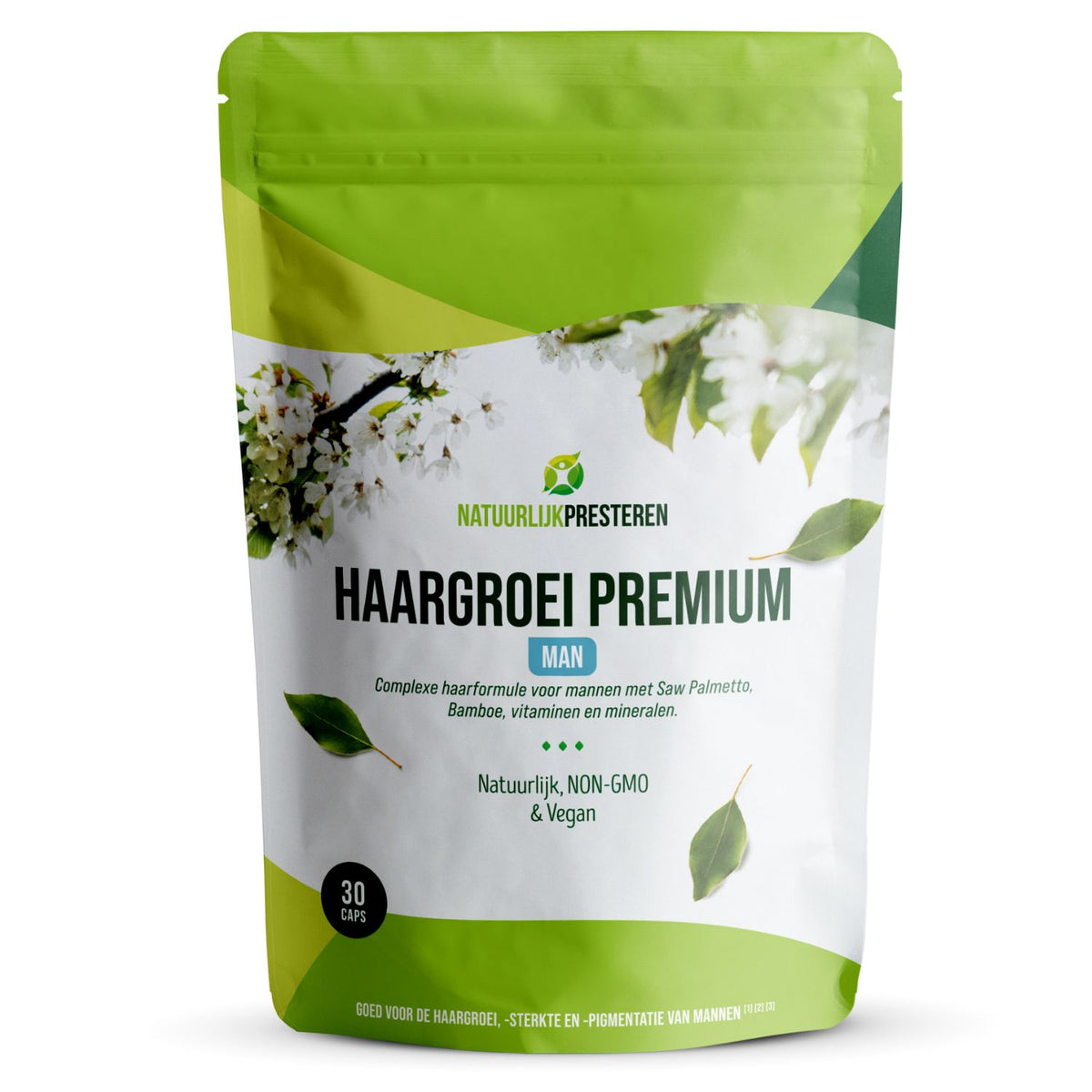
Supports hair growth in men. It helps maintain healthy levels of DHT (dihydrotestosterone).(1)
Saw palmetto is a natural extract of the berries of the saw palmetto ( Serenoa repens ), a plant native to the southeastern United States.
2. Bamboo extract (50% Silicon)
Bamboo is rich in silicon, a mineral that contributes to the production of collagen. Collagen is a protein necessary for the elasticity of your skin and the strength of your hair and nails. (2)
You already get small amounts of silicon through your diet, especially from legumes, vegetables, and fruits (raisins, lentils, beans, and sultanas are good sources). Supplements are made with extracts from the bamboo plant.
3. Collagen
This protein supports the firmness of your skin and contributes to healthy hair and nails. As you age, your body produces less collagen, which can lead to wrinkles and less elastic skin.
A hydrolyzed collagen supplement (where collagen is broken down into smaller pieces for better absorption) can help with your skin's elasticity and hydration. This effect has been shown to be more pronounced after about 90 days of use. (3)
Essential vitamins for your skin, hair and nails
To keep your skin, hair and nails healthy, there are a number of vitamins and minerals you shouldn't miss:
Vitamins for your hair
These nutrients are essential for healthy hair:
- Biotin (vitamin B8): Contributes to hair growth and is good for shiny hair.
- Zinc: For maintaining shiny hair.
- Copper: Contributes to natural hair color.
- Selenium: Keep your hair strong.
Vitamins for your skin
In addition to hydration, your skin needs the following vitamins and minerals:
- Biotin (vitamin B8): Helps care for the skin from within.
- Iodine: Supports the skin's regenerative capacity (color).
- Copper: Contributes to normal skin pigmentation.
- Niacin (vitamin B3): Helps keep skin healthy.
- Riboflavin (vitamin B2): For the maintenance of normal structure and function of skin.
- Vitamin A: Contributes to keeping the skin healthy.
- Vitamin C: Contributes to the formation of collagen, which is important for the skin.
- Zinc: For internal skin care.
Vitamins for your nails
Do you suffer from brittle or easily broken nails? These nutrients are good for your nails:
- Zinc
- Selenium
Tips for radiant skin, healthy hair and strong nails
What you eat and drink affects the condition of your skin, hair and nails.
Here are 4 simple tips to support from within:
1. Add collagen-rich foods to your diet
Eat foods like fish, broth, or gelatin daily, which are rich in collagen. This helps maintain the elasticity of your skin and the strength of your hair and nails.
For support, you can also use a good hydrolyzed collagen supplement.
2. Get enough vitamin C
Eat plenty of citrus fruits, berries, bell peppers, and broccoli. Vitamin C is essential for collagen production.
3. Get enough zinc
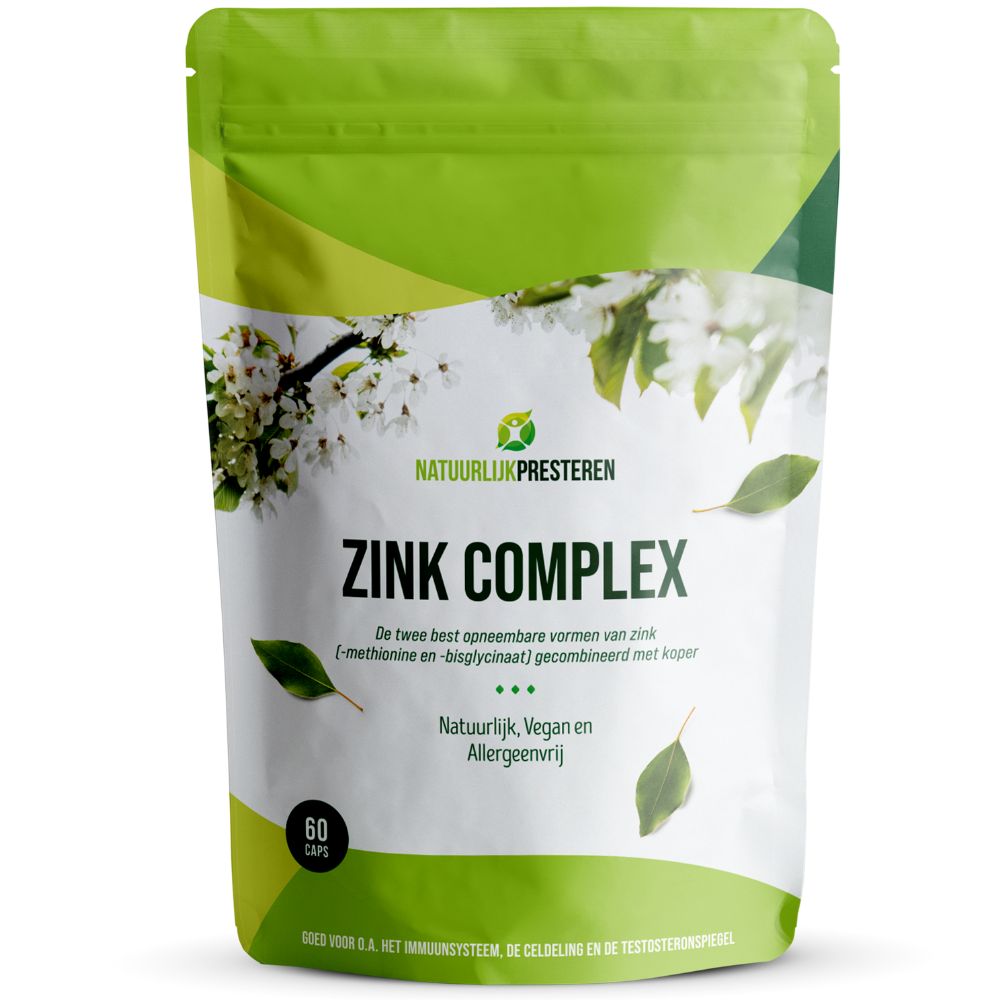
Zinc is important for healthy skin, shiny hair, and strong nails. Aim for 7-9 mg of zinc per day. Meat, shellfish, legumes, and nuts are important sources of zinc. You can also take a zinc supplement.
4. Drink enough water
At least 1.5 to 2 liters of water per day helps keep your skin hydrated and prevents dry nails and hair.
Sources used
- Evron, E., Juhasz, M., Babadjouni, A., & Mesinkovska, N.A. (2020). Natural Hair Supplement: Friend or Foe? Saw Palmetto, a Systematic Review in Alopecia. Skin Appendage Disorders , 6 (6), 329–337. https://doi.org/10.1159/000509905
- De Araújo, L.A., Addor, F., & Campos, PMBGM (2016). Use of silicon for skin and hair care: an approach of chemical forms available and efficacy. Anais Brasileiros de Dermatologia , 91 (3), 331–335. https://doi.org/10.1590/abd1806-4841.20163986
- De Miranda, R.B., Weimer, P., & Rossi, R.C. (2021c). Effects of hydrolyzed collagen supplementation on skin aging: a systematic review and meta‐analysis. International Journal Of Dermatology , 60 (12), 1449–1461. https://doi.org/10.1111/ijd.15518
Gerelateerde blogartikelen
 biotine
Biotine voor je huid en haar: wat zegt de wetenschap?
Vraag mensen welke vitamine ze associëren met haar en huid, en de kans is groot dat ze biotine noemen. Je ziet het op de verpakking van beautyproducten, in supplementen en in artikelen over gezonde haren en huid. Maar klopt dat beeld eigenlijk wel? Want in de basis is biotine gewoon een B-vitamine die je lichaam dagelijks nodig heeft voor allerlei processen. Je krijgt het al binnen via je voeding, en een echt tekort komt bij gezonde mensen niet vaak voor. Toch kiezen veel mensen ervoor om extra biotine te gebruiken, soms in hoge doseringen. Maar wat kun je daar eigenlijk van verwachten? In dit artikel lees je wat biotine precies is, wat het in je lichaam doet en wat de wetenschap zegt over biotine voor je haar en huid. Ook ga ik in op de dagelijkse behoefte, het gebruik van supplementen en een belangrijk aandachtspunt dat vaak over het hoofd wordt gezien: de invloed van hoge doseringen biotine op bepaalde bloedonderzoeken. Biotine (vitamine B8) is een B-vitamine die bijdraagt aan de instandhouding van normaal haar en een normale huid. Een biotinetekort komt bij gezonde mensen relatief weinig voor. Bij een tekort kan extra biotine zinvol zijn. Krijg je al voldoende biotine via je voeding binnen? Dan is het op dit moment niet duidelijk of een supplement nog iets toevoegt. Hoge doseringen biotine kunnen de uitslag van bepaalde bloedtesten beïnvloeden. Meld het gebruik van een biotinesupplement daarom altijd vóór een bloedafname. Inhoudsopgave Wat is biotine eigenlijk? Waar is biotine goed voor? Wat zegt onderzoek over biotine? 1. Onderzoek naar biotine en haar 2. Onderzoek naar biotine en huid 3. Onderzoek naar biotine en nagels Wat kun je hier praktisch van meenemen? Voeding met biotine Hoeveel biotine heb je per dag nodig? Waarom bevatten supplementen vaak veel hogere doseringen? Biotine en bloedonderzoek: dit moet je weten Waarom kan biotine laboratoriumtesten beïnvloeden? Let hier op bij bloedonderzoek Bijwerkingen van biotine: wat kun je verwachten? Wanneer moet je extra voorzichtig zijn met biotine? Wanneer kan je biotinestatus te laag worden? Wanneer is het risico op een lage biotinestatus groter? Hoe herken je een mogelijk biotinetekort? Haar en huid: biotine is niet het hele verhaal Hoe kies je een goed biotinesupplement? Biotine combineren met andere supplementen Veelgestelde vragen over biotine Tot slot Wat is biotine eigenlijk? Biotine is een in water oplosbare B-vitamine. In Nederland staat het bekend als vitamine B8, terwijl het internationaal meestal vitamine B7 wordt genoemd. Het gaat om dezelfde vitamine, alleen de naamgeving verschilt per land. Je lichaam maakt zelf nauwelijks biotine aan. Daarom ben je voor een groot deel afhankelijk van voeding om voldoende biotine binnen te krijgen. De vorm die van nature voorkomt in voeding én die in supplementen wordt gebruikt, is D-biotine. Dit is de biologisch actieve vorm die door het lichaam kan worden benut. Goed om te weten: Kijk je naar het etiket van een supplement? Dan zie je vaak simpelweg "biotine" staan. Soms wordt specifiek vermeld dat het om D-biotine gaat. Dat is de natuurlijke vorm die ook in voedingsmiddelen voorkomt. Waar is biotine goed voor? Biotine (vitamine B8) speelt een rol bij verschillende processen in het lichaam. Het werkt als co-enzym bij de stofwisseling van koolhydraten, vetten en eiwitten. Biotine draagt bij aan: een normaal energiemetabolisme de instandhouding van normaal haar de instandhouding van een normale huid een normale werking van het zenuwstelsel een normale psychologische functie Wat zegt onderzoek over biotine? Kijk je naar supplementen voor je haar en huid? Dan is de kans groot dat je biotine op het etiket tegenkomt. Maar hoe sterk is het wetenschappelijke bewijs eigenlijk? Onderzoekers kijken al jaren naar de relatie tussen biotine en haar en huid. De resultaten lopen echter uiteen. Het maakt bijvoorbeeld uit welke doelgroep werd onderzocht en hoeveel biotine iemand al binnenkrijgt via voeding (de biotinestatus). Hieronder zet ik de belangrijkste bevindingen voor je op een rij. 1. Onderzoek naar biotine en haar Biotine staat bekend als de 'haarvitamine'. Dat is niet zonder reden: biotine houdt je haar sterk en draagt bij aan normale haargroei. Maar wat weten we over extra biotine uit supplementen? Veel onderzoeken zijn gedaan bij mensen met een biotinetekort of bij mensen met een aandoening die de biotineopname verstoort. Die resultaten hoeven niet te gelden voor mensen die al genoeg biotine binnenkrijgen via voeding. Op dit moment is er weinig overtuigend bewijs dat extra biotine een voordeel biedt voor haargroei of de kwaliteit van het haar. Verschillende reviewstudies noemen het beschikbare bewijs dan ook beperkt (1, 2, 3). Kort samengevat: biotine is goed voor je haren. Of extra biotine voordelen biedt bij een normale biotinestatus (wanneer je geen tekort hebt) is op basis van de huidige wetenschap nog onduidelijk. 2. Onderzoek naar biotine en huid Voor de huid geldt eigenlijk hetzelfde verhaal. Biotine helpt bij het gezond houden van de huid, dat staat vast. Maar ook hier richt het meeste onderzoek zich op mensen met een lage biotinestatus. Voor mensen die al voldoende biotine binnenkrijgen via voeding, zijn de gegevens beperkt. De meeste studies tonen geen zichtbaar voordeel voor de huid bij mensen zonder tekort (4, 5, 6). Kort samengevat: biotine ondersteunt de normale huid. Of extra biotine daarbovenop nog iets toevoegt, is op dit moment niet duidelijk. 3. Onderzoek naar biotine en nagels Bij nagels is het verhaal anders. Hier zijn geen goedgekeurde claims, en dat heeft een reden. Er is wel onderzoek gedaan. Vooral naar broze of splijtende nagels zijn enkele kleine studies uitgevoerd. In sommige daarvan werden veranderingen gezien in bijvoorbeeld de dikte of stevigheid van de nagel. Maar het gaat vaak om studies met weinig deelnemers, waardoor harde conclusies lastig te trekken zijn (7, 8). De EFSA heeft op basis van het beschikbare bewijs dan ook geen gezondheidsclaim voor biotine en nagels goedgekeurd. Wat kun je hier praktisch van meenemen? Biotine houdt je haar sterk en is belangrijk voor de huid. Maar het meeste onderzoek is gedaan bij mensen met een lage biotinestatus. Voor mensen die al genoeg biotine binnenkrijgen via voeding, is het op dit moment niet duidelijk of extra biotine nog iets toevoegt (9). Zie een supplement met biotine dan ook als aanvulling op je voeding, niet als garantie. Voeding met biotine Biotine komt voor in verschillende voedingsmiddelen. Voor de meeste mensen is voeding dan ook de belangrijkste bron van biotine. Biotine zit onder andere in: eieren (vooral de dooier) lever en ander orgaanvlees noten, zoals amandelen en walnoten zaden peulvruchten zalm en andere vissoorten volkorenproducten champignons De hoeveelheid biotine verschilt per voedingsmiddel. Ook de bereidingswijze kan invloed hebben op het uiteindelijke gehalte. Goed om te weten: rauw eiwit bevat avidine. Deze stof bindt zich aan biotine, waardoor je lichaam biotine minder goed kan opnemen. Dit is vooral een aandachtspunt als je langere tijd veel rauwe eieren eet. Kook of bak je je eieren? Dan verdwijnt dit effect grotendeels. Hoeveel biotine heb je per dag nodig? Biotine haal je vooral uit voeding. Daarnaast kunnen darmbacteriën ook biotine aanmaken. Waarschijnlijk levert dit een bijdrage aan de hoeveelheid biotine die je lichaam kan gebruiken, maar hoe groot die bijdrage precies is, is nog niet bekend. Voor volwassenen geldt een adequate inname van ongeveer 40 microgram (mcg) per dag (10, 11, 12). Met een gevarieerd voedingspatroon krijgen de meeste mensen deze hoeveelheid voldoende binnen. Ter vergelijking gelden de volgende richtwaarden: Volwassenen: 40 mcg per dag Tijdens de zwangerschap: 40 mcg per dag Tijdens borstvoeding: 45 mcg per dag Kinderen: 5 tot 25 mcg per dag, afhankelijk van de leeftijd Waarom bevatten supplementen vaak veel hogere doseringen? Wanneer je naar biotinesupplementen kijkt, valt op dat de doseringen vaak veel hoger liggen dan de dagelijkse behoefte. Zo bevatten supplementen regelmatig 1000, 2500 of soms wel 5000 mcg per capsule. Dat is dus tientallen tot honderden keren meer dan de hoeveelheid die dagelijks wordt aanbevolen. Op basis van de huidige wetenschap is niet duidelijk of zulke hoge doseringen extra voordelen bieden voor mensen die al voldoende biotine via voeding binnenkrijgen. Goed om te weten: voor biotine is geen officiële veilige bovengrens vastgesteld. Omdat het een wateroplosbare vitamine is, wordt een overschot meestal via de urine uitgescheiden. Toch betekent dit niet dat meer automatisch beter is. Later in dit artikel leg ik uit waarom hoge doseringen een aantal belangrijke aandachtspunten met zich mee kunnen brengen, waaronder de invloed op bepaalde bloedonderzoeken. Biotine en bloedonderzoek: dit moet je weten Gebruik je een biotinesupplement? Dan is het verstandig om dit altijd te melden aan je arts of laboratorium voordat er bloed wordt afgenomen. Vooral bij hooggedoseerde supplementen kan biotine namelijk invloed hebben op de uitslag van bepaalde bloedtesten. Veel mensen zijn zich daar niet van bewust. Waarom kan biotine laboratoriumtesten beïnvloeden? Sommige laboratoriumtesten gebruiken biotine om stoffen in het bloed te meten. Als er op het moment van bloedafname veel biotine in je bloed zit, kan dit de uitslag beïnvloeden. Daardoor kunnen bepaalde waarden hoger of lager uitvallen dan ze werkelijk zijn. In sommige gevallen kan dat leiden tot een verkeerde interpretatie van de uitslag. Dit kan voorkomen bij verschillende laboratoriumtesten, waaronder: schildklierwaarden (TSH, vrij T4 en vrij T3) troponine (een marker die wordt gebruikt bij een mogelijk hartinfarct) vitamine D vitamine B12 parathormoon (PTH) bepaalde geslachtshormonen Vooral bij onderzoek naar de schildklier kan dit belangrijk zijn. In sommige gevallen kunnen de uitslagen wijzen op een te snel werkende schildklier, terwijl dat niet daadwerkelijk zo is. Let hier op bij bloedonderzoek Ga je bloed laten prikken? Meld dan altijd dat je een biotinesupplement gebruikt, ook als het onderdeel is van een haar- en huidsupplement. Bij hogere doseringen kan een arts of laboratorium adviseren om tijdelijk te stoppen vóór de bloedafname. Hoe lang dit nodig is, hangt af van de dosering, het type test en je persoonlijke situatie. Volg daarom altijd het advies van je arts of laboratorium. Goed om te weten: biotine heeft geen bekende directe wisselwerking met schildkliermedicatie, maar kan bij hogere doseringen wel invloed hebben op bepaalde bloedtesten. Bijwerkingen van biotine: wat kun je verwachten? Biotine wordt over het algemeen goed verdragen. Omdat het een wateroplosbare vitamine is, scheidt je lichaam een overschot meestal weer uit via de urine. Bij gebruikelijke doseringen worden in onderzoeken weinig bijwerkingen gemeld. Ook bij hogere innames worden doorgaans weinig klachten gezien. Toch zijn er incidenteel meldingen van: misselijkheid lichte maag- of darmklachten huiduitslag hoofdpijn Wel is het zo dat het niet altijd duidelijk is of deze klachten daadwerkelijk door biotine worden veroorzaakt. Zoals ik eerder in dit artikel heb uitgelegd, is het belangrijkste aandachtspunt bij biotine niet zozeer het risico op bijwerkingen, maar de invloed die hoge doseringen kunnen hebben op bepaalde laboratoriumtesten. Goed om te weten: biotine wordt bij normaal gebruik door de meeste mensen goed verdragen. Gebruik je een hooggedoseerd supplement of krijg je binnenkort bloedonderzoek? Dan is het verstandig om hier extra aandacht aan te besteden. Wanneer moet je extra voorzichtig zijn met biotine? Wees extra voorzichtig met biotine in de volgende situaties: Tijdens zwangerschap of borstvoeding - in deze periode verandert de behoefte aan verschillende voedingsstoffen. Overleg daarom bij voorkeur met een arts, verloskundige of andere zorgverlener voordat je een hooggedoseerd supplement gebruikt. Bij medicijngebruik of een medische behandeling - gebruik je medicijnen of krijg je medische begeleiding? Overleg dan met je arts of behandelaar voordat je een supplement gaat gebruiken. Bij gepland bloedonderzoek - hoge doseringen biotine kunnen de uitslag van bepaalde bloedtesten beïnvloeden. Heb je binnenkort bloedonderzoek? Meld dan dat je een biotinesupplement gebruikt. Wanneer kan je biotinestatus te laag worden? Zoals ik eerder al uitlegde, komt een tekort aan biotine niet vaak voor bij een gevarieerd en gezond eetpatroon. Toch zijn er situaties waarin je biotinestatus lager kan zijn dan optimaal. Bijvoorbeeld wanneer: de opname van voedingsstoffen verstoord is je lichaam meer nodig heeft bepaalde medicijnen invloed hebben op de beschikbaarheid van biotine Wanneer is het risico op een lage biotinestatus groter? Bij sommige mensen is de kans op een tekort groter dan bij anderen (13), zoals bij: Darmproblemen - bepaalde darmziekten of aandoeningen die de opname van voedingsstoffen verstoren, kunnen ervoor zorgen dat je minder biotine opneemt. Langdurig bepaalde medicijnen gebruiken - van sommige medicijnen is bekend dat ze de biotinestatus kunnen beïnvloeden. Dit geldt bijvoorbeeld voor bepaalde anti-epileptica. Zwangerschap en borstvoeding - in deze periodes verandert de behoefte aan verschillende voedingsstoffen. Daarom is een gevarieerd en volwaardig voedingspatroon extra belangrijk. Langdurig gebruik van grote hoeveelheden rauw eiwit - rauw eiwit bevat avidine, een stof die zich aan biotine bindt. Daardoor kan je lichaam biotine minder goed opnemen. Bij verhitting verdwijnt dit effect vrijwel volledig. Mensen met een zeldzame erfelijke aandoening - bij biotinidase-deficiëntie kan het lichaam biotine minder goed hergebruiken. Hierdoor neemt de kans op een lage biotinestatus toe. In Nederland wordt deze zeldzame aandoening standaard opgespoord via de hielprik. Hoe herken je een mogelijk biotinetekort? Bij een tekort aan biotine kunnen verschillende klachten optreden (13). Hoewel deze klachten ook andere oorzaken kunnen hebben, worden ze regelmatig genoemd bij een biotinetekort. Denk bijvoorbeeld aan: Haaruitval verspreid over de hoofdhuid Broze of splijtende nagels Een droge, rode of schilferige huid, vooral rond de ogen, neus en mond Een gevoelige of gladde tong Vermoeidheid Spierzwakte Tintelingen in handen of voeten Heb je één of meerdere van deze klachten of behoor je tot een risicogroep? Dan betekent dat dus niet automatisch dat je een lage biotinestatus hebt. De klachten kunnen ook andere oorzaken hebben. Bespreek je situatie daarom met je huisarts. Die kan beoordelen of aanvullend onderzoek zinvol is en of er mogelijk andere oorzaken meespelen. Haar en huid: biotine is niet het hele verhaal Biotine is niet de enige voedingsstof die een rol speelt bij haar en huid. Het totaalplaatje telt en dat begint bij je voeding. Dit zijn de voedingsstoffen waar je ook aan kunt denken: Eiwitten - je haar bestaat voor een groot deel uit keratine, een eiwit. Zorg daarom voor voldoende eiwitrijke voeding, zoals vis, eieren, zuivel, peulvruchten, noten en vlees. IJzer - een lage ijzerstatus komt regelmatig voor. In onderzoek wordt een lage ijzerstatus soms in verband gebracht met haaruitval. Heb je hier vragen over? Laat dan je ijzerstatus of ferritinewaarde controleren via je huisarts. Zink - zink draagt bij aan de instandhouding van normaal haar, een normale huid en normale nagels. Je vindt zink onder andere in vlees, schaal- en schelpdieren, zuivel, noten en zaden. Vitamine D - je lichaam maakt vitamine D aan onder invloed van zonlicht. Daarnaast krijg je vitamine D binnen via voeding, zoals vette vis en eieren. Een goede vitamine D-status is belangrijk voor verschillende processen in het lichaam. Vitamine C - vitamine c draagt bij aan de normale collageenvorming voor de normale functie van de huid. Goede bronnen zijn paprika, citrusvruchten, broccoli en aardbeien. Hoe kies je een goed biotinesupplement? Een biotinesupplement kan een praktische aanvulling zijn als je extra biotine wilt gebruiken naast je voeding. Met deze checklist vergelijk je producten makkelijker en zie je minder snel belangrijke details over het hoofd. Kies een vorm die je prettig vindt om te gebruiken - biotine is verkrijgbaar als capsules, tabletten, gummies, kauwtabletten en druppels. Welke vorm het beste is, verschilt per persoon. Kies vooral een variant die je gemakkelijk dagelijks kunt gebruiken. Controleer de hoeveelheid biotine per dosering - biotine wordt meestal vermeld in microgram (mcg). Bij hogere doseringen gebruiken fabrikanten soms milligram (mg). Vergelijk producten daarom altijd in dezelfde eenheid. Handig om te weten: 1 mg staat gelijk aan 1.000 mcg. Bekijk de volledige ingrediëntenlijst - kijk niet alleen naar de hoeveelheid biotine. Sommige supplementen bevatten ook andere vitamines, mineralen of plantenextracten. Controleer of deze ingrediënten aansluiten bij jouw voorkeuren. Kies voor een transparant etiket - een goed supplement vermeldt duidelijk welke ingrediënten het bevat en hoeveel je daarvan per dosering binnenkrijgt. Dat maakt vergelijken een stuk eenvoudiger. Let op toegevoegde stoffen - controleer of het product veel toegevoegde suikers, kleurstoffen of andere hulpstoffen bevat. Dit is vooral relevant bij gummies en kauwtabletten. Gebruik je al een multivitamine of B-complex? - biotine zit vaak ook in multivitamines en vitamine B-complexen. Controleer daarom hoeveel biotine je al gebruikt voordat je een extra supplement toevoegt. Met deze checklist kun je biotinesupplementen beter vergelijken en een keuze maken die past bij jouw wensen en situatie. Biotine combineren met andere supplementen In de meeste supplementen voor haar en huid zie je biotine gecombineerd met andere voedingsstoffen. Maar waarom eigenlijk? Dit zijn de meest voorkomende combinaties: Biotine met zink - biotine draagt bij aan de instandhouding van normaal haar en een normale huid. Zink draagt bij aan de instandhouding van normaal haar, een normale huid én normale nagels. Biotine met selenium - selenium draagt bij aan de instandhouding van normaal haar en aan de normale schildklierfunctie. Biotine met collageen - collageen is een lichaamseigen eiwit dat van nature voorkomt in onder andere de huid. Je ziet het daarom vaak terug in haar- en huidsupplementen. Biotine met keratine - keratine is het eiwit waaruit je haar grotendeels is opgebouwd. Daarom wordt het regelmatig toegevoegd aan supplementen voor haarverzorging. Biotine met ijzer - ijzer wordt soms toegevoegd aan haar- en huidsupplementen. Vermoed je een tekort? Bespreek dit eerst met je huisarts, want te veel ijzer is ook niet goed. Biotine met vitamine B-complex - biotine is zelf ook een B-vitamine. Gebruik je al een B-complex? Dan zit er waarschijnlijk al biotine in. Check de samenstelling voor je een extra biotinesupplement toevoegt, want meer is niet altijd beter. Veelgestelde vragen over biotine 1. Wat is biotine precies? Biotine is een in water oplosbare B-vitamine. In Nederland wordt het meestal vitamine B8 genoemd, terwijl internationaal vaak de naam vitamine B7 wordt gebruikt. Het gaat om dezelfde vitamine. 2. Is biotine hetzelfde als vitamine B8 of B7? Ja. Vitamine B8 en vitamine B7 zijn twee namen voor dezelfde vitamine: biotine. 3. Waar is biotine goed voor? Biotine speelt een rol bij verschillende processen in je lichaam. Het draagt bij aan een normaal energiemetabolisme, houdt je haar sterk, is belangrijk voor je huid, en ondersteunt een normale werking van het zenuwstelsel en een normale psychologische functie. 4. Helpt biotine tegen haaruitval? Biotine houdt je haar sterk en draagt bij aan normale haargroei. Veel onderzoek naar biotine en haar is uitgevoerd bij mensen met een lage biotinestatus. Krijg je al voldoende biotine via voeding binnen? Dan is het op dit moment niet duidelijk of extra biotine iets toevoegt. 5. Hoe snel merk je iets van biotine? Dat verschilt per persoon. Factoren zoals voeding, leefstijl, de biotinestatus en de reden van gebruik kunnen hierbij een rol spelen. 6. Hoeveel biotine heb je per dag nodig? Voor volwassenen geldt een adequate inname van ongeveer 40 microgram (mcg) per dag. De meeste mensen krijgen deze hoeveelheid via een gevarieerd voedingspatroon voldoende binnen. 7. Is meer biotine altijd beter? Niet per se. Op dit moment is niet duidelijk of hoge doseringen extra voordelen bieden voor mensen die al voldoende biotine binnenkrijgen. 8. Kan biotine de uitslag van bloedonderzoek beïnvloeden? Ja. Hoge doseringen biotine kunnen invloed hebben op bepaalde laboratoriumtesten, waaronder sommige schildklierwaarden. Meld het gebruik van een biotinesupplement daarom altijd vóór een bloedafname. 9. Wat zijn mogelijke bijwerkingen van biotine? Biotine wordt over het algemeen goed verdragen. Het belangrijkste aandachtspunt is de mogelijke invloed van hoge doseringen op bepaalde bloedtesten. 10. Mag je biotine gebruiken tijdens zwangerschap of borstvoeding? Tijdens zwangerschap en borstvoeding verandert de behoefte aan verschillende voedingsstoffen. Overleg daarom bij voorkeur met een arts, verloskundige of andere zorgverlener voordat je een hooggedoseerd supplement gebruikt. 11. In welke voeding zit biotine? Biotine komt onder andere voor in eieren, lever, noten, zaden, peulvruchten, vis, volkorenproducten en champignons. 12. Hoe herken je een mogelijk lage biotinestatus? Een lage biotinestatus kan samengaan met verschillende klachten, zoals haaruitval, broze nagels of huidklachten. Deze klachten kunnen echter ook andere oorzaken hebben. Bespreek aanhoudende klachten daarom altijd met een arts. 13. Werkt biotine shampoo ook? Biotine wordt soms toegevoegd aan shampoos en haarverzorgingsproducten. Op dit moment is niet duidelijk of biotine via deze route invloed heeft op het haar. Eventuele effecten lijken vooral cosmetisch van aard. 14. Helpt biotine bij baardgroei? Er is op dit moment onvoldoende bewijs om te concluderen dat extra biotine invloed heeft op de baardgroei bij mensen die al voldoende biotine binnenkrijgen. Tot slot Biotine is een vitamine die je lichaam elke dag nodig heeft. Het helpt bij het behoud van normaal haar en een normale huid. Daarnaast speelt het een rol in je energiestofwisseling en ondersteunt het een normale werking van het zenuwstelsel. Een lage biotinestatus komt bij gezonde mensen niet vaak voor. Daarom is het niet duidelijk of extra biotine voordelen biedt voor je haar of huid als je al voldoende biotine via voeding binnenkrijgt. Het is ook goed om te beseffen dat haar en huid van meer afhangen dan alleen biotine. Je voeding, leefstijl en algemene gezondheid spelen daarbij een belangrijke rol. Een gevarieerd voedingspatroon blijft daarom de basis. Gebruik je een biotinesupplement? Meld dit dan altijd voordat je bloed laat prikken. Hoge doseringen kunnen namelijk invloed hebben op bepaalde laboratoriumtesten. Wil je meer weten? Bekijk dan onze collectie haar - en huidsupplementen of lees verder over haaruitval, een zinktekort of een vitamine D-tekort. Ebrina van der Bijl Ebrina is voedingsdeskundige met een diepe toewijding aan gezonde voeding en een duurzame levensstijl, gevestigd in het prachtige Portugal. Haar passie voor natuurlijke en biologische producten vormt de kern van haar werk. Met een achtergrond in Voeding & Diëtetiek en ervaring in productontwikkeling en tekstschrijven, vertaalt ze complexe wetenschappelijke informatie naar praktische adviezen voor een gebalanceerde levensstijl. Lees meer Gebruikte bronnen Patel, D. P., Swink, S. M., & Castelo-Soccio, L. (2017). A Review of the Use of Biotin for Hair Loss. Skin Appendage Disorders, 3(3), 166–169. https://doi.org/10.1159/000462981 Moltó-Balado, P., Simeó-Monzo, A., & Del Barrio-Gonzalez, A. (2026). Effectiveness of Biotin Supplementation for Hair Growth in Patients with Alopecia: A Systematic Review. Dermato, 6(2), 17. https://doi.org/10.3390/dermato6020017 Yelich, A., Jenkins, H., Holt, S., & Miller, R. (2024). Biotin for Hair Loss: Teasing Out the Evidence. Journal of Clinical and Aesthetic Dermatology, 17(8), 56–61. PMID: 39148962; PMCID: PMC11324195. Güder, H., & Eker, P. (2023). A Retrospective Evaluation of the Laboratory Findings of Dermatology Patients Whose Biotin Levels Were Checked. Cureus, 15(7), e41482. https://doi.org/10.7759/cureus.41482 Jiang, N., Quan, T., Li, R., Chen, Y., & Gao, T. (2025). Role of Nutritional Elements in Skin Homeostasis: A Review. Biomolecules, 15(6), 808. https://doi.org/10.3390/biom15060808 Lipner, S. (2020). Update on Biotin Therapy in Dermatology: Time for a Change. Journal of Drugs in Dermatology, 19(12), 1264–1265. https://doi.org/10.36849/jdd.2020.4946 Lipner, S. R., & Scher, R. K. (2017). Biotin for the treatment of nail disease: what is the evidence? Journal of Dermatological Treatment, 29(4), 411–414. https://doi.org/10.1080/09546634.2017.1395799 Curtis, K. L., & Lipner, S. R. (2023). Vitamins for the Management of Nail Disease: A Literature Review. Skin Appendage Disorders, 10(2), 104–122. https://doi.org/10.1159/000534972 Shing, V., Sierra, A. A., & Shah, A. A. (2025). Benefits and risks of hair, skin, and nail supplements in older adults. International Journal of Women's Dermatology, 11(4), e236. https://doi.org/10.1097/jw9.0000000000000236 Gezondheidsraad. (2018). Voedingsnormen voor vitamines en mineralen voor volwassenen. Gezondheidsraad. https://www.gezondheidsraad.nl/documenten/adviezen/2018/09/18/voedingsnormen-voor-vitamines-en-mineralen-voor-volwassenen Voedingscentrum. (z.d.). Biotine (vitamine B8). Voedingscentrum. Geraadpleegd op 2 juni 2026, van https://www.voedingscentrum.nl/encyclopedie/biotine-vitamine-b8.aspx European Food Safety Authority (EFSA) Panel on Dietetic Products, Nutrition and Allergies (NDA). (2014). Scientific opinion on dietary reference values for biotin. EFSA Journal, 12(2), 3580. https://doi.org/10.2903/j.efsa.2014.3580 Cervantes, A., & Daley, S. F. (2025, 14 september). Biotin deficiency. In StatPearls. NCBI Bookshelf. https://www.ncbi.nlm.nih.gov/books/NBK547751/
Lees meer bloggle
Hydrolyzed Collagen Powder: What are the Benefits?
When you delve into collagen, you'll quickly come across the term hydrolyzed collagen . But what exactly does that mean? And why do so many people choose this form? In this article, I explain what hydrolyzed collagen is, what its benefits are, and why it's so suitable as a supplement. Hydrolyzed collagen powder contains small peptides for optimal, fast absorption and mixes effortlessly in any drink. Research shows improved skin elasticity, stronger joints and connective tissue repair, completely neutral in taste and odor. Pay attention to the source, potential allergens, and the correct dosage. Always consult your doctor if you are pregnant, taking medication, or have specific dietary requirements. Table of contents What is hydrolyzed collagen powder? What is collagen hydrolysate? The 4 benefits of hydrolyzed collagen 1. Easily absorbed thanks to small collagen peptides 2. Tasteless and odorless 3. Easily soluble in hot and cold drinks 4. Promising research on skin and joints Are there any disadvantages or warnings to hydrolyzed collagen? How to choose a good collagen peptide powder Conclusion: Is hydrolyzed collagen powder right for you? What is hydrolyzed collagen powder? Hydrolyzed collagen powder is also called collagen peptides . It's a collagen supplement that's been processed in such a way that your body can absorb it more easily. The process begins with animal sources such as skin, bone, or cartilage, usually from cattle, fish, or chicken. These are first heated and then treated with enzymes that break down the collagen into smaller pieces: peptides. This process is called hydrolysis . The result is an easily digestible and soluble powder that you can easily mix into hot or cold drinks. It is precisely these properties that make hydrolyzed collagen so suitable for supplements in powder or capsule form. What is collagen hydrolyzate? Collagen hydrolysate is another name for hydrolyzed collagen. The term refers to the same process by which collagen is broken down into smaller peptides. In short : Collagen peptides and collagen hydrolysate are different names for hydrolyzed collagen. This supplement usually comes in a powder form and contains small pieces of protein that are more easily absorbed by your body thanks to the hydrolysis process. The 4 Benefits of Hydrolyzed Collagen Hydrolyzed collagen powder is the most popular form of collagen supplement for good reason. Here are its main benefits: 1. Easily absorbed thanks to small collagen peptides Hydrolyzed collagen is already broken down into small pieces, called peptides . These are absorbed more easily and quickly than the long protein chains in regular collagen. Because your intestines process these small particles more efficiently, they enter your bloodstream more quickly. This means your body can immediately use the building blocks to produce its own collagen, for example, in your skin, connective tissue, or cartilage. 2. Tasteless and odorless Many people dislike the smell or taste of animal protein. But hydrolyzed collagen powder is virtually odorless and tasteless . This makes it easy to add to your daily diet without it being noticeable. 3. Easily soluble in hot and cold drinks Another practical advantage is that this type of collagen dissolves easily, even in cold liquids. Think smoothies, juice, or even water. The powder also mixes easily with coffee or tea, without lumps . 4. Promising research on skin and joints For years, a lot of scientific research has been done on the possible effects of hydrolyzed collagen on our skin , connective tissue and joints . And there are already many studies that show positive results. (1) (2) (3) (4) But it is good to know that no official health claims have yet been approved for collagen in supplement form in Europe. This means I can no longer comment on the health benefits, unfortunately. This also means manufacturers are not allowed to mention this on the packaging, even if the research is promising. Are there any drawbacks or warnings to hydrolyzed collagen? Hydrolyzed collagen is safe for most people, but in some cases it's good to pay extra attention: Allergies – Check carefully which animal the collagen comes from (fish, beef or chicken) if you are allergic to it Dietary requirements – Collagen is always animal-based and therefore not suitable for vegetarians or vegans Pregnancy or medication use – Little research has been done on collagen supplements during pregnancy or in combination with medications, so if in doubt, consult your doctor. Some people may experience mild side effects, such as: Stomach or intestinal complaints – Think of bloating, flatulence or mild nausea, especially at higher doses. Allergic reactions – Rare, but be careful if you're allergic to fish, beef, or chicken. In that case, choose collagen from a different source. Taste or aftertaste – Some collagen powders have an aftertaste, especially if they're not as well-purified. In that case, choose a higher-quality product. In short : Most people use hydrolyzed collagen without any problems. There are no known serious side effects with normal use. However, it's important to read the label carefully and choose a pure, high-quality product. How to choose a good collagen peptide powder If you are going to use collagen supplements, it is first smart to choose collagen peptides (hydrolyzed collagen). In addition, I recommend that you pay attention to the following points so that you really get the most out of your supplement: Check for hydrolyzed collagen - Look on the label for the terms hydrolyzed collagen , collagen peptides, or collagen hydrolysate . These are different names for the same easily absorbable form. When choosing bovine collagen , choose grass-fed . Grass-fed cattle receive a more natural diet and generally live in better conditions. This can contribute to a purer, cleaner end product. Note the addition of vitamin C - Vitamin C contributes to normal collagen formation, which is important for your skin, cartilage, and bones, among other things. Therefore, combining it with vitamin C is a smart choice. Check the dosage per serving - Scientific studies typically use amounts ranging from 2.5 to 10 grams per day. Choose a supplement that falls within this range. (5) Scrutinize the ingredients list - Choose a product without unnecessary additives like artificial flavors, colors, or fillers. The purer, the better. Tip: Want to know even more about what to look for when choosing a collagen supplement? In my article on the best collagen powder, I delve deeper into origin, quality, and composition, and I share my top 3 favorite products. Our collagen powder is recognized as the best collagen powder in the Netherlands by healthcarechain.nl, among others. Conclusion: Is Hydrolyzed Collagen Powder Right for You? If you're looking for a practical, easily absorbed supplement that fits easily into your daily routine, hydrolyzed collagen powder is definitely worth considering. Pay attention to the quality, origin, and composition of the product you choose. This way, you can be sure your body gets what it needs, in a form that truly works for you. Ebrina van der Bijl Ebrina is a nutritionist with a deep commitment to healthy eating and a sustainable lifestyle, based in beautiful Portugal. Her passion for natural and organic products is at the heart of her work. With a background in Nutrition & Dietetics and experience in product development and writing, she translates complex scientific information into practical advice for a balanced lifestyle. Read more Sources used De Miranda, R.B., Weimer, P., & Rossi, R.C. (2021b). Effects of hydrolyzed collagen supplementation on skin aging: a systematic review and meta‐analysis. International Journal Of Dermatology, 60(12), 1449–1461. https://doi.org/10.1111/ijd.15518 Pu, S., Huang, Y., Pu, C., Kang, Y., Hoang, K. D., Chen, K., & Chen, C. (2023). Effects of Oral Collagen for Skin Anti-Aging: A Systematic Review and Meta-Analysis. Nutrients, 15(9), 2080. https://doi.org/10.3390/nu15092080 García-Coronado, J.M., Martínez-Olvera, L., Elizondo-Omaña, R.E., Acosta-Olivo, C.A., Vilchez-Cavazos, F., Simental-Mendía, L.E., & Simental-Mendía, M. (2018). Effect of collagen supplementation on osteoarthritis symptoms: a meta-analysis of randomized placebo-controlled trials. International Orthopedics, 43(3), 531–538. https://doi.org/10.1007/s00264-018-4211-5 Martínez-Puig, D., Costa-Larrión, E., Rubio-Rodríguez, N., & Gálvez-Martín, P. (2023). Collagen Supplementation for Joint Health: The Link between Composition and Scientific Knowledge. Nutrients, 15(6), 1332. https://doi.org/10.3390/nu15061332 Choi FD, Sung CT, Juhasz ML, Mesinkovsk NA. Oral Collagen Supplementation: A Systematic Review of Dermatological Applications. J Drugs Dermatol. 2019 Jan 1;18(1):9-16. PMID: 30681787.
Lees meer bloggle
Bovine Collagen: What Is It and What Are Its Benefits?
Bovine collagen is a form of collagen derived from cattle, and is very similar to the collagen found in our own bodies. Collagen is a protein naturally occurring in your skin , where it's part of the connective tissue. It's also found in bones , cartilage , tendons , and teeth , where it contributes to the structure of these tissues. After the age of 30, our bodies' natural collagen production gradually declines. Many people therefore choose to supplement their diet with bovine collagen. In this article, you'll learn exactly what bovine collagen is, what its potential benefits are, and what to look for when choosing bovine collagen powder. Bovine collagen is hydrolyzed collagen from cattle (type I & III) that dissolves well, is better absorbed and supports connective tissue. After age 30, collagen production declines by ~1% annually; supplementing with bovine collagen benefits skin, joints, and bones. Compared to fish collagen, bovine collagen also contains type III and is more affordable, neutral in taste and suitable for people with a fish allergy. Table of contents What is Bovine Collagen? Types of Bovine Collagen The Best Type of Collagen? There Simply Isn't One What is Hydrolyzed Bovine Collagen? What Does Bovine Collagen Do for Your Health? What's Better: Bovine Collagen or Fish Collagen? The Benefits of (Hydrolyzed) Bovine Collagen Which Foods Contain High levels of Bovine Collagen? Collagen Through Diet (Direct) Making Your Own Collagen (Indirect) Why Supplement with Bovine Collagen Powder? Consider These Things When Choosing the Right Bovine Collagen What is bovine collagen? Collagen can be obtained from various animal sources for supplements, such as fish, chicken, or pork. Bovine collagen, also known as bovine collagen , is derived specifically from cattle . It is extracted from collagen-rich parts such as: Bones Skin Tendons Other types of connective tissues During production, these animal tissues are boiled to release the collagen. It is then purified, dried, and processed into a fine powder that you can use as a supplement. Types of bovine collagen There are more than 20 types of collagen in the human body, but the most important are types I, II, and III . These types are also found in animals. Bovine collagen mainly contains types I and III , which are also naturally found in your skin and connective tissue. In addition to collagen, bovine collagen also contains amino acids such as glycine and proline, which are building blocks of proteins and therefore also of the collagen that your body produces itself. The best type of collagen? There simply isn't one. There isn't one type of collagen that's inherently the best. Different types are found in different parts of your body and each performs its own function. So it all depends on what you want to use collagen for: Type I is mainly found in skin, bones and tendons Type II is mainly found in cartilage Type III is found in skin, blood vessels and connective tissue, among other places Good to know : In research, type I is often used for skin applications, and type II in studies of joint function. However, no health claims have yet been approved for these applications in Europe. What is hydrolyzed bovine collagen? Supplements almost always use hydrolyzed bovine collagen. This is collagen that has been cut into smaller pieces during production, making it more soluble in water and easier for the body to absorb. This form is also called collagen peptides . These are the main differences between hydrolyzed and non-hydrolyzed collagen: Hydrolyzed Bovine Collagen (Collagen Peptides): Is cut into small pieces (hydrolyzed) Better absorbed by the body (1) (2) Dissolves easily in water or other liquids Found in most collagen powders and supplements Non-hydrolyzed bovine collagen: Has retained its original, long structure Is more difficult for the body to absorb Dissolves less well in liquids Found in natural sources such as bone broth In short : If you choose a collagen supplement, the hydrolyzed form is usually the most practical and easily absorbed. What does bovine collagen do for your health? Collagen is widely used in both cosmetics and nutritional supplements. Beauty claims are permitted in cosmetics if they are well-substantiated, such as: Hydrates the skin* Contributes to a healthy appearance of the skin* Maintains skin elasticity* Helps with the first signs of skin aging* (3) (4) Unfortunately, things are a little different for supplements. Although several studies have examined bovine collagen powder with positive results , the EFSA believes there is still insufficient evidence to support official health claims. Good to know : This does not mean that collagen has no effect, but it does mean that more large-scale and well-designed research is needed to meet the strict requirements for nutritional claims. What's better: Beef collagen or fish collagen? Many people wonder which collagen is better, bovine collagen or fish collagen? Bovine collagen and fish collagen are both good sources of type I collagen , but they differ slightly in composition and absorption. Fish collagen contains almost only type I and has a lower molecular mass, which allows it to be absorbed slightly faster Bovine collagen contains type I as well as type III collagen and is also very well absorbed In short : Which one is better depends on your preference, diet, and what you intend to use the collagen for. In practice, both are well absorbed, especially if they are hydrolyzed. The benefits of (hydrolyzed) bovine collagen Yet, many people consciously choose bovine collagen. Although fish collagen is absorbed somewhat faster, bovine collagen has several clear advantages that make it a popular choice: Neutral in odor and taste and therefore ideal for mixing in smoothies or other drinks It is more affordable than fish collagen, without compromising on quality Rich in type I and type III collagen Suitable for people with a fish or shellfish allergy It is rich in important amino acids such as glycine, proline and hydroxyproline, exactly the building blocks your body uses to produce its own collagen. In short : For those looking for a widely applicable and easily absorbable collagen supplement, bovine collagen is a logical and effective choice. Which foods contain a lot of bovine collagen? You can get bovine collagen in two ways: through your diet or as a supplement . The most natural way is through food, especially beef products, which are naturally rich in collagen. Your body can also produce collagen itself, but it needs sufficient nutrients from your diet. Below, I'll explain how this works and which foods are best to choose. Collagen through food (direct) Bovine collagen in food is mainly found in animal products rich in connective tissue. Think of: Beef Bone Broth – Made by steeping beef bones for a long time Connective tissue-rich beef – Such as oxtail, beef cheeks or brisket Beef hide – For example in stews or homemade gelatinous preparations Tip : Slowly cooking or stewing collagen-rich parts like bones, skin, and connective tissue is a good way to release collagen. During this process, the collagen is converted into gelatin, which is easily absorbed by your body. (5) Produce collagen yourself (indirectly) Your body also produces collagen from amino acids like glycine, proline, and lysine. You get these from protein-rich foods , both plant-based (such as legumes, soy, nuts, and seeds) and animal-based (such as eggs, dairy, meat, and fish). In addition, vitamin C , zinc , and copper are also necessary for this process to function properly. Good sources include bell peppers, citrus fruits, nuts, and whole grains. Vitamin C contributes to normal collagen formation in the skin Zinc helps maintain healthy skin, hair and nails Biotin supports normal skin and hair function Tip : For vegans and vegetarians, this is an effective way to support collagen production through diet. Why supplement with bovine collagen powder? Besides collagen from food and your own production, you can also opt for a supplement. Hydrolyzed bovine collagen powder contains small collagen peptides that are easily absorbed. Did you know that collagen production in your skin peaks somewhere between the ages of 25 and 34? After that, natural production slowly begins to decline, on average by about 1% per year (6) (7). This decrease is very normal, but it is also the reason why many people choose a collagen supplement later in life Pay attention to this when choosing good bovine collagen Want to get the most out of your bovine collagen? Then pay attention to these points. This way, you can be sure you're choosing a supplement that can truly benefit your body. Hydrolyzed Bovine Collagen – This is more absorbable than non-hydrolyzed collagen Type I and III collagen – These types are most common in skin, connective tissue and bones Grass-fed cattle – Collagen from grass-fed cattle is often purer and comes from animals with a natural diet No unnecessary additives – Choose a powder without fillers, sweeteners or artificial flavours Added nutrients – Think of vitamin C, zinc or biotin that support the functioning of collagen Our Collagen Premium – Grass-Fed bovine collagen meets all these criteria, and contains pure collagen peptides from European cattle. Tip: Also check out our article on the best collagen powder for complete advice on how to recognize the best collagen powder Ebrina van der Bijl Ebrina is a nutritionist with a deep commitment to healthy eating and a sustainable lifestyle, based in beautiful Portugal. Her passion for natural and organic products is at the heart of her work. With a background in Nutrition & Dietetics and experience in product development and writing, she translates complex scientific information into practical advice for a balanced lifestyle. Read more Sources used Skov, K., Oxfeldt, M., Thøgersen, R., Hansen, M., & Bertram, H. C. (2019). Enzymatic Hydrolysis of a Collagen Hydrolyzate Enhances Postprandial Absorption Rate—A Randomized Controlled Trial. Nutrients, 11(5), 1064. https://doi.org/10.3390/nu11051064 Virgilio, N., Schön, C., Mödinger, Y., Van Der Steen, B., Vleminckx, S., Van Holthoon, FL, Kleinnijenhuis, AJ, Silva, CIF, & Prawitt, J. (2024). Absorption of bioactive peptides following collagen hydrolyzate intake: a randomized, double-blind crossover study in healthy individuals. Frontiers in Nutrition, 11. https://doi.org/10.3389/fnut.2024.1416643 De Miranda, R.B., Weimer, P., & Rossi, R.C. (2021). Effects of hydrolyzed collagen supplementation on skin aging: a systematic review and meta‐analysis. International Journal Of Dermatology, 60(12), 1449–1461. https://doi.org/10.1111/ijd.15518 Choi, FD, Sung, CT, Juhasz, ML, & Mesinkovska, N.A. (2019). Oral collagen supplementation: A systematic review of dermatological applications. Journal of Drugs in Dermatology , 18(1), 9–16. PMID: 30681787 Meng, Q., Zhou, J., Gao, D., Xu, E., Guo, M., & Liu, D. (2021). Desorption of nutrients and flavor compounds formation during the cooking of bone soup. Food Control, 132, 108408. https://doi.org/10.1016/j.foodcont.2021.108408 Reilly, D. M., & Lozano, J. (2021). Skin collagen through the life stages: importance for skin health and beauty. Plastic And Aesthetic Research, 8, 2. https://doi.org/10.20517/2347-9264.2020.153 Varani, J., Dame, M. K., Rittie, L., Fligiel, S. E., Kang, S., Fisher, G. J., & Voorhees, J. J. (2006). Decreased collagen production in chronologically aged skin. American Journal Of Pathology, 168(6), 1861–1868. https://doi.org/10.2353/ajpath.2006.051302
Lees meer