What are blood pressure supplements?
Natural blood pressure supplements contain ingredients that target processes that determine blood pressure. These usually involve relaxing blood vessels, supporting the heart, or regulating fluid balance.
Did you know that 31% of Dutch people between the ages of 30 and 70 have high blood pressure? And men are more likely to experience it than women. The exact cause is often difficult to pinpoint, but factors such as too much salt, fluid retention, or stiff blood vessels can play a role. (1)
Blood pressure normal values
Normal blood pressure levels depend on your age. A healthy blood pressure for adults is around 120/80 mmHg , but if your blood pressure is above 140/90 mmHg, you have high blood pressure. (2)
What time of day is your blood pressure highest?
It's normal for your blood pressure to be a little higher and a little lower at other times. Generally, your blood pressure is often highest in the morning , shortly after waking. This is due to a combination of factors, such as hormonal changes that occur overnight and the physical activity your body undergoes when you get up.
In addition, stress and the hustle and bustle of the day can also contribute to higher blood pressure levels.
During the day, blood pressure often drops and can rise again in the evening, depending on activities and stress levels.
Lower blood pressure naturally
If your blood pressure is continuously (or often) too high, you can lower it naturally by making adjustments to your lifestyle and diet (supplements).
As you read earlier, this can be done by influencing the processes that determine blood pressure:
- Relaxation of blood vessels : When the blood vessels are relaxed, they can stretch better and blood flows more easily.
- Regulating fluid balance : This is important for blood pressure because if your body retains too much water, the blood vessels can come under pressure.
- Cardiovascular support : Strong cardiovascular health helps keep your blood pressure at a healthy level.
Healthy blood pressure with nutrition
The most natural way to lower your blood pressure is to eat foods that support the processes I described above.
There are many other (plant) substances that also have a lot of potential to help lower your blood pressure, but until there is clear scientific evidence for this, I unfortunately cannot say too much about it (due to legislation).
These are some nutrients that science has already proven to contribute to healthy blood pressure:
-
Omega-3 fatty acids
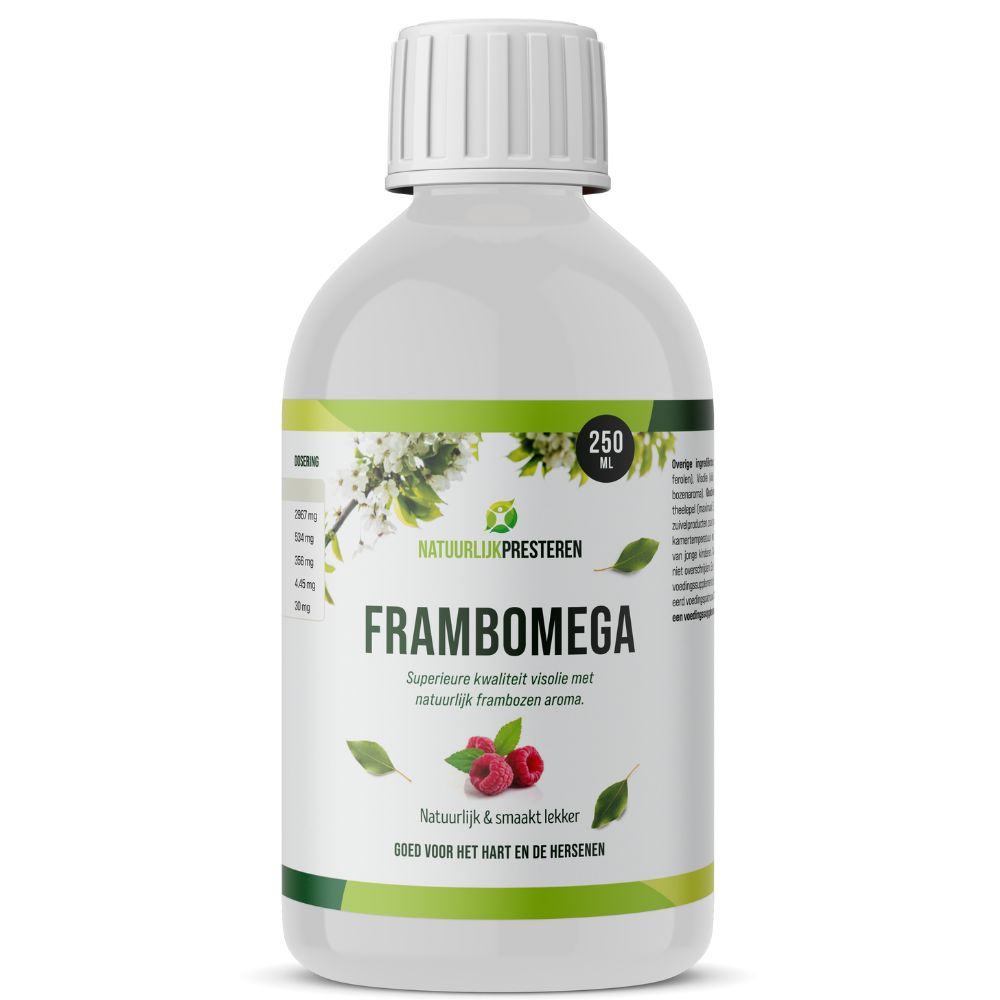
The fatty acids DHA and EPA are the most well-known omega-3 fatty acids and have a beneficial effect on maintaining normal blood pressure. This is partly because DHA and EPA contribute to the production of nitric oxide, which dilates blood vessels.
-
Potassium
Potassium is also good for blood pressure because it helps regulate sodium (salt) levels in the body. When there's less salt, there's less pressure on your blood vessels.
-
Low-sodium (salt) food
Reducing sodium consumption contributes to maintaining normal blood pressure. As with potassium, this effect is related to fluid balance. Eating less salt helps your body retain less water (and therefore reduces pressure on your blood vessels).
-
Magnesium
Magnesium helps maintain the body's normal water and mineral balance. So, again, it's about fluid balance.
-
Garlic
Several specific compounds in garlic contribute to healthy blood pressure through a number of different processes. For example, garlic helps produce nitric oxide, a substance that relaxes and dilates blood vessels. This leads to improved blood flow and lower blood pressure. (3)
Buy blood vessel supplements
Are you (always) unable to get enough of these nutrients? Then blood pressure supplements can help replenish those deficiencies. This is a gentle and safe way to support healthy blood pressure.
On this collection page you will find all our blood pressure supplements conveniently listed!
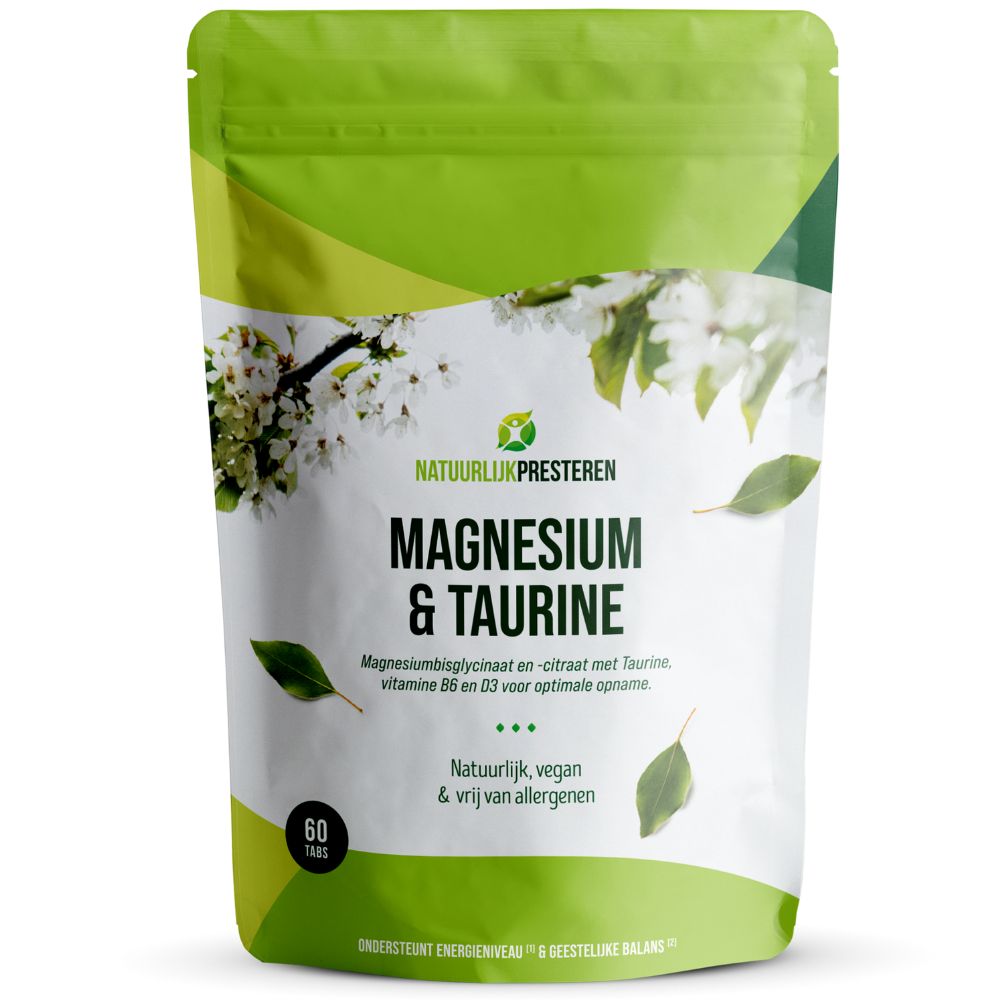
For example, try our blood pressure package , the 4-in-1 package for maintaining healthy blood pressure and circulation. This package was developed by our in-house specialist and biobased chemist. You can find more information about this supplement package under the headings "ingredients," "use," and "reviews."
Sources Used
- Nutrition Center. (nd-b). High blood pressure (hypertension) . https://www.voedingscentrum.nl/encyclopedie/hoge-bloeddruk.aspx
- Mancia, G., Kreutz, R., Brunström, M., Burnier, M., Grassi, G., Januszewicz, A., Muiesan, M.L., Tsioufis, K., Agabiti-Rosei, E., Algharably, EAE, Azizi, M., Benetos, A., Borghi, C., Hitij, J.B., Cifkova, R., Coca, A., Cornelissen, V., Cruickshank, JK, Cunha, PG, . . . Kjeldsen, S. E. (2023). 2023 ESH Guidelines for the management of arterial hypertension The Task Force for the management of arterial hypertension of the European Society of Hypertension. Journal Of Hypertension , 41 (12), 1874–2071. https://doi.org/10.1097/hjh.0000000000003480
- Ried, K. (2019). Garlic lowers blood pressure in hypertensive subjects, improves arterial stiffness and gut microbiota: A review and meta-analysis. Experimental And Therapeutic Medicine . https://doi.org/10.3892/etm.2019.8374
Gerelateerde blogartikelen
Sodium: What is it and how do you recognize a deficiency? (complete guide)
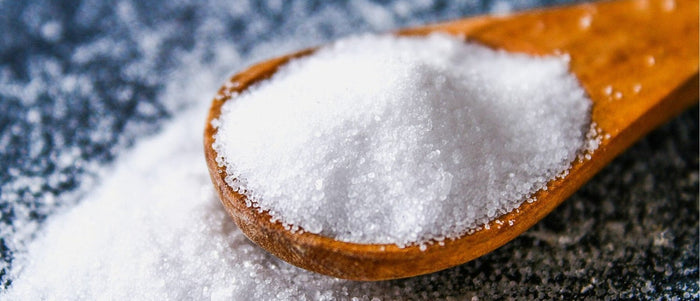
The terms sodium and salt are often confused. While they're closely related, they're not the same. This article will teach you everything about sodium and how it differs from salt. You will also learn about the pros and cons of sodium, how to recognize a deficiency (or surplus) and which alternatives to salt you can use. Sodium is an essential mineral that regulates fluid balance, supports muscles and conducts nerve impulses, but too much increases blood pressure and kidney strain. A sodium deficiency can cause dehydration, while an excess leads to thirst, fatigue, high blood pressure and osteoporosis. Reduce sodium intake by eating less processed foods, using spices, and trying potassium salt as an alternative to table salt. Table of contents What is Sodium? What is Sodium good for? Types of Sodium How much sodium per day? Sodium too low (too little salt) Causes Symptoms Supplementing sodium deficiency Making your own ORS What contains (a lot of) sodium? Sodium too high (too much salt) Symptoms Causes Who is at extra risk? What to do with high sodium? The balance between sodium and potassium The best low-sodium salt (diet salt) Why choose potassium salt? Buying the best diet salt What is Sodium? Sodium is a mineral that's part of salt. Table salt, or sodium chloride (NaCl), is made up of 40% sodium and 60% chloride. When we talk about salt in food, we're usually referring to sodium chloride. Sodium plays a crucial role in attracting and retaining fluid in your body. Because your body can't produce sodium itself, it must come from food. This isn't usually a problem, as we generally consume too much salt rather than too little. What is Sodium good for? Sodium has several functions in the body. Although you only need a small amount, it plays an important role in: The conduction of nerve impulses The contraction and relaxation of muscles Maintaining a balance between water and minerals Types of Sodium The main source of sodium in our diet is table salt (sodium chloride). We add about 20% of this to our meals ourselves, but the majority (80%) is added to products by manufacturers. This is done to improve the taste, shelf life, and texture of products. To limit your salt intake, I recommend that you pay particular attention to these added types of sodium. Check the label (in the ingredients section) for added sodium and limit it as much as possible: 1. Monosodium glutamate ( MSG, E621) - A flavor enhancer known for its savory umami flavor. Many synonyms are used for the same thing: glutamic acid, sodium glutamate, and ve-tsin are examples of alternative terms for MSG. This also applies to all E numbers between E620 and E625. Please note: European regulations guarantee that it is safe, but some people may experience sensitivity. 2. Sodium benzoate (E211) - A preservative against yeasts and bacteria. It is widely used to extend the shelf life of foods, such as in long-life products (jam, soft drinks, etc.). Please note: Safety is questionable due to possible links to hyperactivity in children and potential damage to DNA(1) 3. Sodium nitrite (E250) - Used in processed meats such as ham and sausage to inhibit bacterial growth and preserve color. 4. Sodium sulfite ( E221) - A preservative often used in dried fruits, wine and some meat products to prevent spoilage and preserve color. 5. Sodium bicarbonate (baking soda) - Used as a leavening agent in baked goods and as an acidity regulator in some foods. How much sodium per day? By following a varied diet and adding salt in moderation to your meals, you will generally get enough sodium. There is therefore no recommended daily amount, but a guideline: For adults , a maximum of 3.75 grams of salt per day. This equates to 1.5 grams of sodium per day; this amount is sufficient to replace the salt lost through urine and sweat. The maximum amounts are lower for children . Additional advice is not to add extra salt to their diet; Age Maximum amount/day (salt) Maximum amount/day (sodium) Children (1-3 years) 3.0 grams 1.2 grams Children (4-8 years) 4.5 grams 1.8 grams Children (from 9 years) 6.0 grams 2.4 grams Adults * 6.0 grams 2.4 grams Source: Nutrition Center (2) (*) People who lose a lot of sweat due to extreme conditions, such as competitive athletes or people who work in heat, may need extra salt , although most people already get enough salt through diet. Sodium too low (too little salt) You don't have to worry about eating too little sodium. Besides, your body has a handy self-regulating mechanism. This ensures that you excrete less sodium in your urine when you eat less salt. Causes Only if you vomit frequently or have prolonged diarrhea can you become sodium deficient. You then lose too much salt. This can also happen if you sweat heavily for a long time. Symptoms In such a situation, you can become dehydrated. You can recognize this by the following symptoms: Listlessness Nausea and vomiting Headache Confusion or drowsiness Epileptic seizures Replenish sodium deficiency The most well-known and effective way to quickly replenish a sodium deficiency is ORS. ORS is a saline solution containing sodium and other electrolytes. Drinking ORS can quickly help you increase your sodium levels. Tip: Take it sip by sip for better absorption! I always have a few sachets (available at the drugstore or pharmacy) in my wallet (I sometimes forget to drink enough water). Make your own ORS If you don't have ORS on hand, no problem! You can easily make your own. All you need is: 1 liter of clean drinking water (preferably boiled and cooled) 6 teaspoons of sugar (about 30 grams) 0.5 teaspoon salt (about 2.5 grams) Mix the salt and sugar into the water (lukewarm water works best). Stir well until the sugar and salt are completely dissolved. What contains (a lot of) sodium? Almost all foods naturally contain some sodium. These are some foods that are high in salt: Food Amount of Sodium per 100 grams Kitchen salt 38758 mg Olives (green) 1707 mg Bacon 1524 mg Sea purslane 1020 mg Feta 988 mg Crab 691 mg Cheese 48+ 670 mg Bread (wheat, brown) 397 mg Source: Nevo table online, 2023 Sodium too high (too much salt) The latest report from the National Institute for Public Health and the Environment (RIVM) shows that we eat between 8 and 11 grams of salt per day. That's almost twice as much as the maximum amount of 6 grams per day ! (3) Symptoms Eating too much salt overloads the kidneys. This can lead to the following short-term symptoms: Excessive thirst Fatigue Changes in mood Muscle cramps Confusion Epileptic seizures (in severe cases)(4) In addition, consuming too much salt can have long-term consequences: High blood pressure - The body retains more fluid due to excess salt, which puts more pressure on the blood vessels. This forces the heart to pump harder. Kidney disease - Because the kidneys remove salt through your urine, they face extra strain when they have to process too much salt. This can overload them and even damage them. Osteoporosis - Along with sodium, calcium is also excreted in urine. If this happens over a longer period, it can lead to a calcium deficiency (and therefore osteoporosis). Cardiovascular disease - Due to high pressure on the heart and blood vessels.(5) Causes A sodium level that is too high is mainly caused by: Adding too much salt to your meal Eating too much processed food Our advice: Cook primarily with unprocessed, fresh ingredients. I personally found low-salt cooking a real challenge, but with garlic and fresh herbs, I can enjoy my food just as much with much less salt! Who is at extra risk? In certain situations, extra caution is required. Avoiding too much salt is even more important when: Elderly - due to poorer kidney function and thirst response. Infants - due to insufficient fluid intake or excessive fluid loss. People with high blood pressure - the blood pressure-raising effect of salt is stronger in people with high blood pressure. Overweight people - they have an increased risk of high blood pressure. What to do if sodium is too high? Drink more water Cook more with (fresh) herbs and spices to enhance the flavors in the dish Make your own sauces and dressings. This way, you avoid a lot of "hidden" sodium in products with a long shelf life. The balance between Sodium and Potassium Sodium and potassium are an important duo. It's the balance between the two minerals that counts! Eating too much salt (which is high in sodium) can raise your blood pressure because it causes your body to retain more fluid. Eating plenty of potassium can actually lower your blood pressure . Potassium helps your body excrete more sodium in your urine and helps your blood vessels relax. The best low-sodium salt (diet salt) Are you having trouble cutting down on salt? Then you could try potassium salt. Potassium salt, also called diet salt, is a seasoning based on potassium chloride instead of sodium chloride. It has a slightly different flavor than the salt you're used to, but it also enhances the taste. Why choose potassium salt? Potassium salt contains less sodium than regular salt, which can help lower blood pressure. Buy the best diet salt A good diet salt is a product that is very low in sodium. According to the law, a product label may only say " Very low sodium or salt content " if it contains less than 0.1 gram of salt or 0.04 gram of sodium per 100 grams . Note: Discuss the use of potassium salt with your doctor first if you have kidney problems or are taking medications such as diuretics or ACE inhibitors. You are then at greater risk of high potassium levels! Ebrina van der Bijl Ebrina is a nutritionist with a deep commitment to healthy eating and a sustainable lifestyle, based in beautiful Portugal. Her passion for natural and organic products is at the heart of her work. With a background in Nutrition & Dietetics and experience in product development and writing, she translates complex scientific information into practical advice for a balanced lifestyle. Read more Sources used Parliamentary Question - E-3354/2008 European Parliament. Harmful preservative in Diet Coke 4 June 2008 Written answer WRITTEN QUESTION E-3354/08 by Frieda Brepoels (PPE-DE) to the Commission. (n.d.). Europarl Europa. https://www.europarl.europa.eu/doceo/document/E-6-2008-3354 Nutrition Center. (n.d.). Salt and sodium. https://www.voedingscentrum.nl/encyclopedie/zout-en-natrium.aspx National Institute for Public Health and the Environment (RIVM). Food Consumption Survey: Nutritional Status Survey - Salt and Potassium https://www.rivm.nl/voedselconsumptiepeiling/voedingsstatusonderzoek/zout-kalium Fletcher, J. (2023, February 16). What are the causes of high sodium levels (hypernatremia)? https://www.medicalnewstoday.com/articles/hypernatremia Nutrition Center. (n.d.). Salt and sodium. https://www.voedingscentrum.nl/encyclopedie/zout-en-natrium.aspx
Lees meer
Potassium in Supplements and Food: The Complete Guide
Potassium is important for our health, from blood pressure regulation to muscle and nerve function. In this blog post, discover everything about potassium, from its essential role in your body to how to get the most out of your diet. We'll also discuss the benefits of potassium and what factors can cause a deficiency or excess. Potassium regulates blood pressure, supports muscle and nerve function, and helps maintain fluid balance. Potassium is ingested through food or supplements. A potassium deficiency can cause muscle weakness, fatigue, heart rhythm disturbances and high blood pressure, while an excess can be harmful. Foods like coconut water, nuts, vegetables, and meat are high in potassium; a supplement is usually only needed if you are deficient. Table of contents What is Potassium? What is Potassium good for? Blood pressure Muscles Nerves Types of Potassium Similarities and Differences What is the best type of Potassium? How much Potassium per day? Where does (a lot of) Potassium come from? How is Potassium absorbed? Potassium too low Symptoms of low potassium Causes of low potassium What to do if you have low potassium? Potassium too high Up to 3 grams of extra Potassium per day is safe Symptoms of high potassium Causes of high potassium What to do if you have high potassium? Potassium and blood pressure Balance between Potassium and Sodium What is Potassium salt (diet salt)? Why choose potassium salt? Buying the best diet salt The best way to get more Potassium What is Potassium? Potassium is an essential mineral for regulating blood pressure and supporting muscle and nerve function. As an electrolyte, potassium works with sodium to regulate the fluid balance in your cells. Your body doesn't produce potassium itself, so it must be obtained through food or supplements. Foods like cocoa, vegetables, fruits, meat, and nuts are good sources of potassium. What is Potassium good for? The blood pressure Potassium has a beneficial effect on blood pressure . This is because potassium works together with sodium: The salt you eat is made up of sodium and chloride. Sodium is a component of salt and can raise blood pressure by retaining fluid. In response (to protect your body), potassium helps remove the sodium through your urine, lowering your blood pressure. Good to know: Eating more potassium from food and less sodium (salt) helps lower your blood pressure. The muscles Potassium plays a role in maintaining strong and supple muscles . This mineral ensures that your muscles receive the correct signals to move. It also helps supply energy to the muscle cells. This is important to prevent muscle cramps and your muscles can function properly. The nerves Potassium has a positive effect on the functioning of the nervous system . Nerves communicate through electrical signals. Potassium helps generate and transmit these signals. Among other things, it ensures that nerve cells have the right balance of substances to function properly. Types of Potassium Although it is preferable to get potassium through your diet, in certain situations it may be necessary to take potassium supplements. Different types of potassium are used in potassium supplements: Potassium citrate Potassium chloride (also called dietary salt, flavoring) Potassium phosphate Potassium bicarbonate Potassium gluconate Similarities and Differences Most forms of potassium are well absorbed and are effective in treating potassium deficiency. The main difference is in the chemical compounds: Organic compounds - Potassium citrate and potassium gluconate Inorganic compounds - Potassium chloride, potassium phosphate and potassium bicarbonate Remember: Organic potassium compounds are generally better tolerated than inorganic forms. This can make them somewhat milder on your stomach. Choose the right form of potassium based on your specific needs and circumstances. This information can help you choose the right form of potassium depending on your specific needs and circumstances: Intake Connection Advantage Potassium citrate Very good Organic Best recorded. Potassium chloride Good Inorganic Effective in quickly increasing potassium Potassium phosphate Good Inorganic Increases both potassium and phosphate levels in the body Potassium bicarbonate Good Inorganic Regulates the body's pH value Potassium gluconate Good Organic More gentle on the stomach and therefore suitable for longer use What is the best type of Potassium? Potassium citrate and potassium chloride are considered the best forms because of their high bioavailability and effectiveness in correcting potassium deficiencies. Potassium citrate has the added benefit of making urine less acidic, which can contribute to a healthier urinary system. Potassium gluconate is also easily absorbed and gentler on the stomach, making it a good choice for people with sensitive stomachs or who need to take supplements long-term. Good to know: The easiest way to get potassium is through food. A supplement is (often) not necessary. If you think you have a potassium deficiency, you can discuss this with a medical specialist. How much potassium per day? How much potassium you need per day depends on your age and individual factors: Age / need Recommended Daily Amount Babies (6-11 months) 1100 mg Babies (12-23 months) 1400 mg Children (2-5 years) 1800 mg Children (6-9 years) 2000 mg Boys (10-13 years) 3300 mg Boys (14-17 years) 3500 mg Men (18 years and older) 3500 mg Girls (10-13 years) 2900 mg Girls (14-17 years) 3100 mg Women (18 years and older) 3500 mg Pregnant women 3500 mg Women who are breastfeeding 3100 mg Source: Nutrition Center (1) What contains (a lot of) Potassium? Potassium is a mineral found in many different types of food. These are foods that are particularly high in potassium: Food Potassium per 100 grams Cocoa powder 1500 mg Apricots (dried) 1500 mg Pistachios 871 mg Almonds 668 mg Lentils (brown and green, cooked) 657 mg Steak 561 mg Spinach (raw) 539 mg Salmon 489 mg Avocado 429 mg Broccoli 399 mg Banana 374 mg Whole wheat bread (with seeds) 351 mg Boiled potatoes 340 mg Coconut water 250 mg Source: Nevo table online, 2023 How is Potassium absorbed? Most of the potassium we ingest is absorbed in the small intestine. The kidneys then regulate the amount of potassium in the body, keeping potassium levels stable in the blood and body cells. Then, most of the potassium is excreted through your urine, while a small portion is excreted through your feces and an even smaller portion is excreted through your skin through sweating. Potassium too low If you do not get enough potassium for a longer period of time or suffer from certain health problems (see "causes of low potassium"), this can have long-term effects on your health. When you have a potassium deficiency, it is also called hypokalemia . Symptoms of low potassium You can recognize a potassium deficiency by these symptoms: Muscle weakness Fatigue/Listenliness Complaints in your stomach and intestines (nausea) Cardiac arrhythmias (in severe cases)[2] High blood pressure Causes of low potassium Potassium deficiency is uncommon in a normal person. The mineral potassium is found in many different foods, and your body controls its own balance. However, a deficiency can arise from various causes. These are the most common: Kidney diseases Eating disorders Mediation (diuretics / water tablets / ACE inhibitors) Severe diarrhea and/or excessive vomiting Disrupted diabetes Excessive alcohol use / alcoholism What to do if you have too little potassium? In that case, it's best to start eating more potassium-rich foods. If that's not enough, consider taking potassium supplements in consultation with a nutritionist or doctor. In addition , the balance between potassium and sodium is very important. We'll tell you more about this in Chapter 8. My favorite way: A varied diet naturally provides you with enough potassium. One of my favorite ways to get more potassium through food is drinking coconut water. A pint of coconut water is relatively inexpensive and contains 1250 mg of potassium. It's also rich in magnesium, B vitamins, zinc, and vitamin C, among other nutrients. Potassium too high Potassium overload is rare in healthy individuals. Even if you eat more potassium than your body can use, you'll simply pee it out! That's why there's no official tolerable upper intake level. There are, however, situations (medical conditions) in which your potassium can be too high. We will tell you more about this under "causes of potassium being too high". Up to 3 grams of extra potassium per day is safe To get an idea of what a safe dose of potassium is (to take extra), many studies have been conducted, which show that 2.5-3 grams of potassium (as a supplement) per day has no adverse effects on health in healthy people: In 2015, Wageningen University & Research conducted a study on the effects of long-term use of potassium supplements. They examined 22 studies with a total of 1,086 participants. It turned out that taking extra potassium, an average of 2.5 grams per day for about four weeks, has no noticeable effect on heart rate[3]. The Nutrition Center even states that: 'With long-term use of 3 grams of potassium chloride as a supplement in addition to a normal diet, no adverse effects on health have been found in healthy people[4]. Symptoms of high potassium If you take more than 5-7 grams of extra potassium every day, it can result in unpleasant symptoms. It is known that from this amount onwards you are likely to experience the following symptoms: Short of breath Tingling Numbness A weak feeling Ingesting 18 grams at a time and not being able to urinate out the excess potassium can lead to potassium poisoning . The consequences are much more serious. Please note: If the potassium level is too high, heart rhythm disturbances or, in extreme cases, cardiac arrest may occur! Causes of Potassium Too High Besides overdosing on potassium supplements, there are a number of other reasons why potassium levels in your body can become too high. Too much potassium in the body, also called hyperkalemia , can be caused by: Kidney Problems - Because the kidneys regulate the amount of potassium in the body, decreased kidney function can lead to potassium buildup. Medications - Certain medications, commonly prescribed for diabetics and/or for high blood pressure, can decrease potassium excretion, contributing to elevated blood potassium levels. Insulin deficiency - In the absence of insulin, such as in untreated type 1 diabetes, potassium cannot be effectively transported into the cells, resulting in it remaining in the blood. (Diabetic) acidosis - Acidosis is a condition in which the blood or other body fluids become too acidic, such as in diabetes. This can cause elevated potassium levels in the blood.[5] What to do if potassium is too high? Do you suspect you have too much potassium in your blood? Consult a doctor or specialist first to determine the cause. Please note: It is important to determine the cause of hyperkalemia and seek medical attention if necessary, as high potassium levels can cause serious health problems. Potassium and blood pressure Potassium and sodium work against each other in many ways to maintain balance: A high sodium intake can lead to increased blood pressure, but an adequate potassium intake can help counteract this effect . This happens because potassium stimulates the kidneys to excrete more sodium, which helps lower blood pressure. Balance between Potassium and Sodium So the balance between the two minerals is what counts! Eating too much salt (which is high in sodium) can raise your blood pressure because it causes your body to retain more fluid. Eating plenty of potassium can actually lower your blood pressure . Potassium helps your body excrete more sodium in your urine and helps your blood vessels relax. In the Netherlands, our potassium intake is good. Both men and women eat an average of more than 3,500 mg of potassium (the RDA). However, we eat too much salt. The latest report from the National Institute for Public Health and the Environment (RIVM) shows that we eat between 8 and 11 grams of salt per day. That's almost twice as much as the maximum amount of 6 grams per day![6] My tip: The salt you consume (usually) doesn't come from the salt container on the table, but rather from the salt added to food by manufacturers. Therefore, avoid prepackaged foods as much as possible and choose unprocessed foods more often, preparing them yourself. This can help you better manage your salt intake. What is Potassium Salt (Diet Salt)? Potassium salt, also called diet salt, is a seasoning based on potassium chloride instead of sodium chloride. It has a slightly different flavor than the salt you're used to, but it also enhances the taste. This alternative form of salt therefore only contains potassium and no sodium. Why choose potassium salt? Potassium salt can help you reduce your table salt (sodium chloride) intake. This can help maintain healthy blood pressure and increase your potassium intake. Buy the best diet salt A good diet salt is a product that is very low in sodium. According to the law, a product label may only say " Very low sodium or salt content " if it contains less than 0.1 gram of salt or 0.04 gram of sodium per 100 grams . But be careful: Discuss the use of potassium salt with your doctor first if you have kidney problems or are taking medications such as diuretics or ACE inhibitors. You are then at a higher risk of high potassium levels! The best way to get more potassium It's best to get potassium primarily through your diet. Foods like coconut water, green leafy vegetables, nuts, seeds, various fruits, and boiled potatoes are excellent sources of potassium. Taking a potassium supplement is often unnecessary. If you suspect a potassium deficiency, discuss it first with your doctor and/or a medical specialist. Ebrina van der Bijl Ebrina is a nutritionist with a deep commitment to healthy eating and a sustainable lifestyle, based in beautiful Portugal. Her passion for natural and organic products is at the heart of her work. With a background in Nutrition & Dietetics and experience in product development and writing, she translates complex scientific information into practical advice for a balanced lifestyle. Read more Sources used https://www.voedingscentrum.nl/encyclopedie/kalium.aspx https://www.voedingscentrum.nl/encyclopedie/kalium.aspx#blokwaar-zit-kalium-in ? https://pubmed.ncbi.nlm.nih.gov/27289164/ https://www.voedingscentrum.nl/encyclopedie/kalium.aspx#blokwaar-zit-kalium-in ? https://www.ncbi.nlm.nih.gov/books/NBK560723/ National Institute for Public Health and the Environment (RIVM). Food Consumption Survey: Nutritional Status Survey - Salt and Potassium
Lees meer bloggle
Magnesium: Everything you need to know!
Magnesium is an essential mineral with many different functions in the body. It contributes to the nervous system and muscle function, for example. A magnesium deficiency therefore has several consequences for the body. This article covers everything about magnesium. You'll learn about the types of magnesium, its benefits, its sources, and more. Magnesium supports muscles, nerves, energy production and mental health and is found in foods such as nuts, chocolate and vegetables. A deficiency can lead to fatigue, muscle cramps, concentration problems and heart problems, made worse by stress, caffeine and poor diet. The best forms of magnesium are organically bound variants such as bisglycinate and citrate, which are better absorbed and work more effectively. Table of contents What is magnesium? What types of magnesium are there? Organically bound magnesium Inorganically bound magnesium How much magnesium do you need per day? What are the benefits of magnesium? What are the symptoms of a magnesium deficiency? Causes of a magnesium deficiency Insufficient dietary intake Chronic stress Gut problems (Irritable Bowel Syndrome or Leaky Gut Syndrome) Too much alcohol Too high estrogen Insulin resistance Too much caffeine Use of antacids Elite sports or sauna Where does magnesium come in? What are the side effects of too much magnesium? What is the best magnesium? What is magnesium? Magnesium is a mineral the body needs for a wide range of functions. Most people are familiar with magnesium for its effects on rest and muscle recovery, but it also influences other bodily processes. For example, it also affects energy and mental health. Magnesium is found in chocolate, vegetables, and nuts, among other things. A deficiency or excess is rare, but when it does occur, it can cause quite unpleasant symptoms. Your body absorbs magnesium through the small intestine. Magnesium absorption can vary significantly depending on the supplement and the type of food. You can read more about this later in the article. What types of magnesium are there? Magnesium is available in various forms. These variants have different properties and are not all equally absorbable. Magnesium types can actually be divided into two types: organically bound and inorganically bound. Organically bound magnesium Organic magnesium is a form of magnesium in which magnesium is bound to an organic molecule. These forms are absorbed the best. Magnesium bisglycinate - This form is known for its relaxing effect on the nervous system and muscles. It is a combination of magnesium and the amino acid glycine. Magnesium citrate - This form of magnesium is combined with citric acid and is better absorbed. It is often used for people suffering from constipation. Magnesium malate - This form of magnesium is also combined with another substance, in this case malic acid. This is often recommended for people who want muscle support or suffer from fatigue. Magnesium Taurate - This is another form of magnesium known for its relaxing effects and cardiovascular benefits. It's a combination of magnesium and the amino acid taurine. Inorganically bound magnesium Inorganic magnesium is a form of magnesium in which magnesium is bonded to an inorganic molecule or atom. Magnesium oxide - These forms are widely used against heartburn and constipation. Magnesium hydroxide - is also used against heartburn and constipation. Magnesium chloride - This form is primarily used for nerves and muscles. It's known for its relaxing effect. It's often used in flakes for topical use. Magnesium sulfate - This form is also called Epsom salt and is known for its strong laxative effect. How much magnesium do you need per day? The amount of magnesium you need varies by age and specific needs. The table below provides guidelines for daily intake. Age / needs Amount of magnesium per day Infants (0-6 months) 30 mg Infants (7-12 months) 75 mg Children (1-3 years) 80 mg Children (4-8 years) 130 mg Children (9-13 years) 240 mg boy 280 mg girls Teenagers (14-18 years) 410 mg boys 360 mg girls Adult men (18+) 400 – 420 mg Adult women (18+) 310 – 320 mg Pregnant women 350 – 360 mg Women who are breastfeeding 310 – 320 mg It's important to know that these are general recommendations and that needs can vary from person to person. It's wise to consult a medical professional before starting supplements, especially if you have an underlying health condition. What are the benefits of magnesium? Magnesium has positive effects on both the body and the mind. The benefits of magnesium are listed below. Helps against fatigue and for a healthy energy level - Magnesium is essential for the production of ATP, which is a substance our body uses to create energy. It also plays a role in regulating electrolyte balance and nerve function, which also helps prevent fatigue. Good for a good night's sleep - Magnesium helps you relax during stressful times because it has a calming effect on the nervous system. It also plays a role in the production of 5-HTP and serotonin, which converts to melatonin. It's also linked to GABA, a calming neurotransmitter in the brain [1]. Supports electrolyte balance - Magnesium is one of the electrolytes important for proper fluid balance, nerve function, and muscle contraction. It also plays a role in the balance of other important electrolytes, such as potassium, calcium, and sodium. Supports the nervous system - The nervous system is like electrical wiring that transmits signals between the brain and the rest of the body. Magnesium supports this system by ensuring that nerve cells don't become overactive and thus remain "calm." Is good for the muscles - Magnesium helps conduct signals between nerves and muscles. It also helps maintain the balance between muscle contraction and relaxation. Contributes to normal protein synthesis - Protein synthesis is the process of building new proteins. This requires the assembly of amino acids. Magnesium supports this process. Supports cognition - Magnesium supports various psychological functions. It's involved in signal transmission between brain cells and regulating neurotransmitters. Helps keep bones and teeth healthy - Magnesium helps form healthy bone and tooth structures. It works together with calcium to achieve this. Supports cell division - Cell division involves many steps and magnesium acts as a kind of 'director' in carrying out these steps, making it work more efficiently. Good for concentration - Magnesium plays a role in neurological processes, such as the transmission of signals between the brain and nerve cells. This is important for clear thinking, focus, and concentration. Magnesium is also involved in the function of neurotransmitters, which are related to alertness, attention, and concentration. Magnesium is essential for a wide range of functions in the body and mind. When you don't get enough magnesium from food, various symptoms can occur. A magnesium deficiency is more common than you might think. Approximately 20 to 30 percent of adults don't get enough magnesium. What are the symptoms of a magnesium deficiency? As you read above, magnesium is essential for a wide range of functions in the body and mind. When you don't get enough magnesium from food, various symptoms can occur. A magnesium deficiency is more common than you might think. Approximately 20 to 30 percent of adults don't get enough magnesium. The symptoms of a magnesium deficiency[2][3]: Loss of appetite Nausea Concentration problems Gloom Fatigue Muscle problems Heart problems Nerve problems Numbness Tingling The causes of a magnesium deficiency A magnesium deficiency can therefore significantly impact your physical and mental health. There are also circumstances that may increase your magnesium needs, or cause it to be absorbed less effectively. In these cases, pay extra attention to your intake or take a supplement. Insufficient dietary intake Many foods are processed before they're eaten. Think of grinding, heating, or refining. Magnesium is lost with every processing step. Furthermore, magnesium is often present in the skin, or it evaporates into the cooking water if you overcook food. Food from bags, packets, or cans also contains few nutrients, including magnesium. Chronic stress When you're stressed, your body uses more magnesium[4]. As mentioned earlier, magnesium plays an important role in relaxation and the production of neurotransmitters, which are responsible for feelings of happiness. Chronic stress can therefore cause a magnesium deficiency, but a magnesium deficiency can also cause stress. Then you end up in a vicious cycle. Bowel problems (Irritable Bowel Syndrome or Leaky Gut Syndrome) With intestinal problems like Irritable Bowel Syndrome or Leaky Gut Syndrome, a vicious cycle can also develop. The intestinal problems can lead to reduced absorption. But reduced magnesium absorption can also lead to reduced intestinal muscle function. Too much alcohol Alcohol stimulates the kidneys to excrete more magnesium. It also reduces the efficiency of digestion and can cause a vitamin D deficiency. Vitamin D is necessary for proper magnesium absorption[5]. Too much estrogen In some cases, estrogen levels can be too high in women. This is called estrogen dominance. To eliminate estrogen, the body needs magnesium. Estrogen dominance therefore requires more magnesium. If there is too little magnesium, estrogen levels can rise even further. This is another vicious cycle. Insulin resistance Magnesium is involved in releasing energy from carbohydrates. Insulin resistance makes the body insensitive to insulin. Blood sugar levels then rise. This results in higher blood sugar levels and increased magnesium consumption, meaning you need more of it. Magnesium is also less well absorbed with insulin resistance. Too much caffeine Magnesium is processed by the kidneys. They filter it and ensure that any excess is excreted. Caffeine affects kidney function. It acts as a diuretic, which encourages your kidneys to excrete more urine. This can lead to excess magnesium loss because it leaves your body through urine and isn't absorbed[6]. Caffeine is found in, among other things: Coffee Tea Cola Chocolate Use of antacids Antacids reduce the stomach's acidity. If there's too little stomach acid, the body can absorb fewer nutrients. This can lead to a mineral deficiency, such as magnesium. Your body can't digest food, and the magnesium is excreted undigested. Top sport or sauna You also have an increased risk of a magnesium deficiency if you participate in elite sports or frequent saunas. This is because sweating causes the loss of various minerals, including magnesium. The body then simply needs more magnesium to stay healthy. What does magnesium contain? Below are 20 food sources that are high in magnesium. Food Amount per 100 grams Seaweed 770 mg Pumpkin seeds 535 mg Chia seeds 335 mg Dark chocolate 327 mg Sunflower seeds 325 mg Cashew nuts 292 mg Almonds 268 mg Quinoa 197 mg Brown rice 143 mg Wheat germ 138 mg Spinach 79 mg Soybeans 70 mg Black beans 60 mg Tofu 53 mg Kale 47 mg Lentils 36 mg Salmon 30 mg Avocado 29 mg Bananas 27 mg What are the side effects of too much magnesium? Too much magnesium can cause a number of symptoms. For example, some forms of magnesium (particularly the inorganic forms) are used as laxatives for a reason. This laxative effect can also be a drawback. Below are all the side effects of too much magnesium. Diarrhea Nausea Fatigue Muscle weaknesses Palpitations Low blood pressure To reduce the adverse effects of magnesium, if you do require a higher dose, it can help to minimize its impact on the gastrointestinal system. This can be done by taking it after meals or spreading the dose throughout the day. What is the best magnesium? With all the different types of magnesium available, it can be difficult to determine which form is best. For optimal results, it's best to combine different forms of organically bound magnesium. Organically bound magnesium is more easily absorbed. For example, combine magnesium citrate and magnesium bisglycinate for the most complete effect. Magnesium bisglycinate is better absorbed by the brain and benefits psychological functions, while magnesium citrate is better absorbed by muscles and thus has an effect on the muscles and nervous system. For example, we sell the Magnesium & Taurine supplement in our webshop. This also contains vitamin D and vitamin B6. Magnesium works closely with vitamin D3 . In addition, taurine and the active form of B6 (P5P) help improve magnesium absorption into cells. This allows the body to utilize this magnesium more quickly. Lauressa Lauressa studied Nutrition & Dietetics and also works as an editor. She enjoys delving deeply into topics related to healthy eating, mental well-being, and hormone balance. When she's not pursuing her passion for health, she enjoys being creative. Read more Sources https://www.ncbi.nlm.nih.gov/pmc/articles/PMC5452159/ https://pubmed.ncbi.nlm.nih.gov/29387426/ https://pubmed.ncbi.nlm.nih.gov/22087052/ https://www.ncbi.nlm.nih.gov/books/NBK507250/ https://pubmed.ncbi.nlm.nih.gov/7836619/ https://www.researchgate.net/publication/279923885
Lees meer