
Brain food
Brain food can be thought of as nutrition for the brain. Just as athletes eat certain foods for their muscles, there's also food for the brain: brain food. When you get enough good nutrients, your brain can function healthily. If you don't eat certain brain foods, you can experience all sorts of symptoms: poor concentration, decreased memory, and other issues.
Eating enough brain food can also help reduce stress and promote a better mood. Because all of this, too, takes place in the brain.
Types of Brain Foods
There are different types of brain foods, each with its own unique properties. For example, vitamins, minerals, and fats are considered brain food. The combination of these nutrients ensures a good balance and optimal functioning. We'll start with the most well-known brain food: omega-3.
1. Omega-3 fatty acids
Fats are extremely important for brain development. The brain is made up of approximately 60% fat. However, a huge number of people are deficient in one specific group of fats: omega-3 fatty acids.
There are three types of omega-3 fatty acids: ALA, EPA, and DHA. Omega-3 is primarily found in fish and shellfish (DHA and EPA), but also in walnuts, chia seeds, and flaxseed (ALA).
2. Magnesium
Magnesium is involved in a vast number of bodily processes, including many different brain functions. These include learning performance, memory, mood, and concentration. Magnesium is therefore crucial for healthy brain function.
3. Vitamin B complex
B vitamins are very important for the brain. They play a role in brain functions such as concentration, learning, and memory. These vitamins are essential for proper and efficient signal transmission in the brain.
All B vitamins together form the vitamin B complex and they cannot be missing from the list of brain foods.
Brain Food and Nootropics
Brain food supplements go hand in hand with nootropics. Brain foods are often considered natural nootropics. However, we distinguish between them because they have slightly different effects. Brain foods are necessary for healthy, natural brain performance. Nootropics, on the other hand, can elevate the brain to the next level.
Brain food supplements
You can get the nutrients mentioned above through your normal diet, but also with brain food supplements. Supplements are a good way to get enough nutrients, especially if you're following a specific diet or aren't getting enough nutrients from food.
Natuurlijk Presteren offers a variety of brain foods. These supplements are high-quality and easily absorbed by the body.
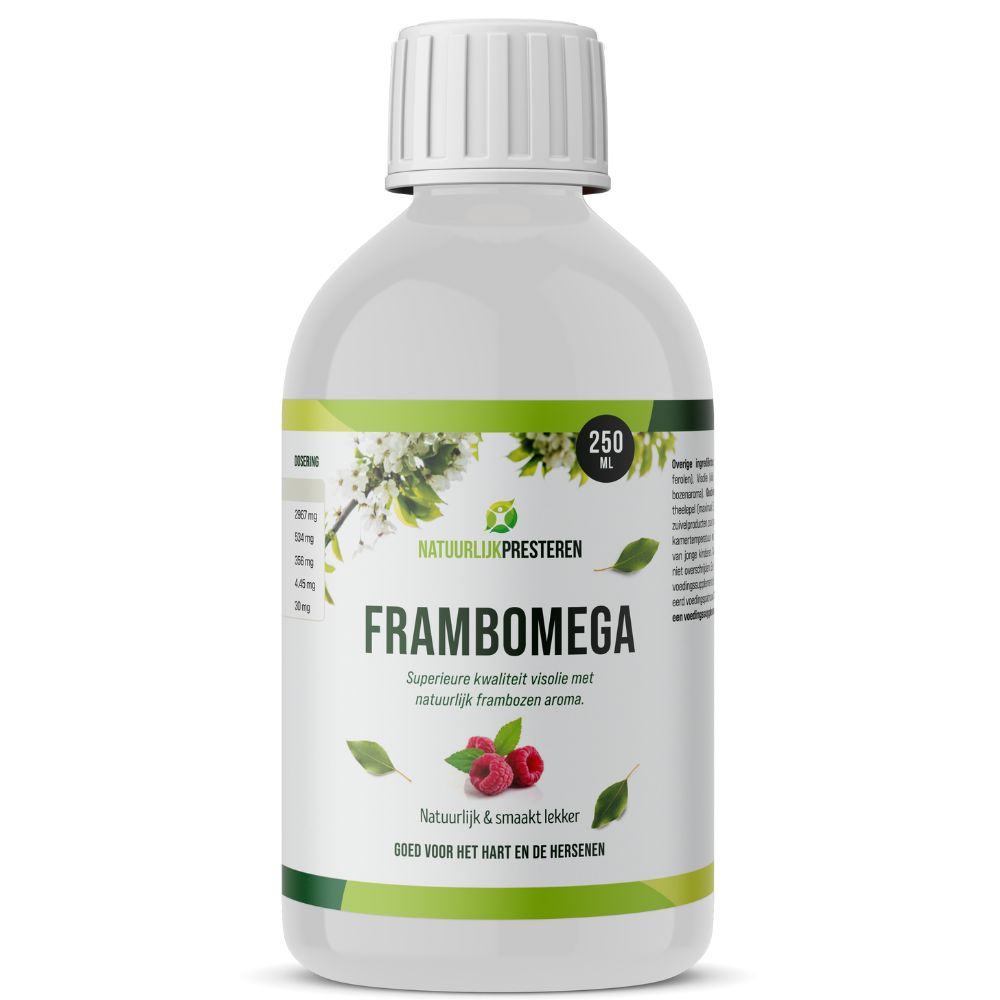
1. Ultra Omega-3 and Frambomega
These omega-3 products have a natural ratio of EPA and DHA. The fish oil contains vitamin E to prevent oxidation and is highly pure, which helps prevent burping, among other things. The omega-3 products are made from smaller, fresh fish species. This reduces the risk of contamination.
Do you prefer a fish oil without the fishy flavor? Then Frambomega is the best choice. Its raspberry flavor also makes it easy to incorporate into food.
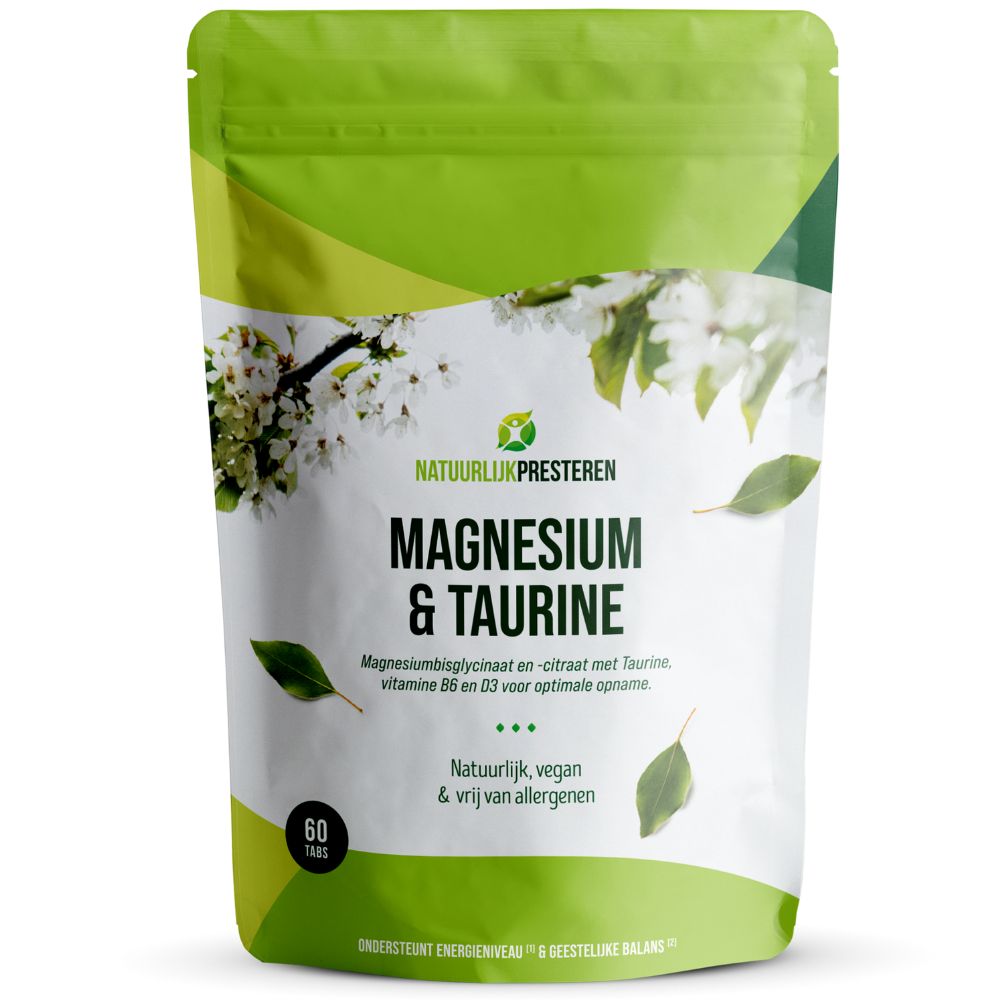
2. Magnesium & Taurine
This supplement contains two types of magnesium that are well-absorbed. It's an effective, potent dose, but doesn't disrupt digestion. It's completely natural and high-quality.
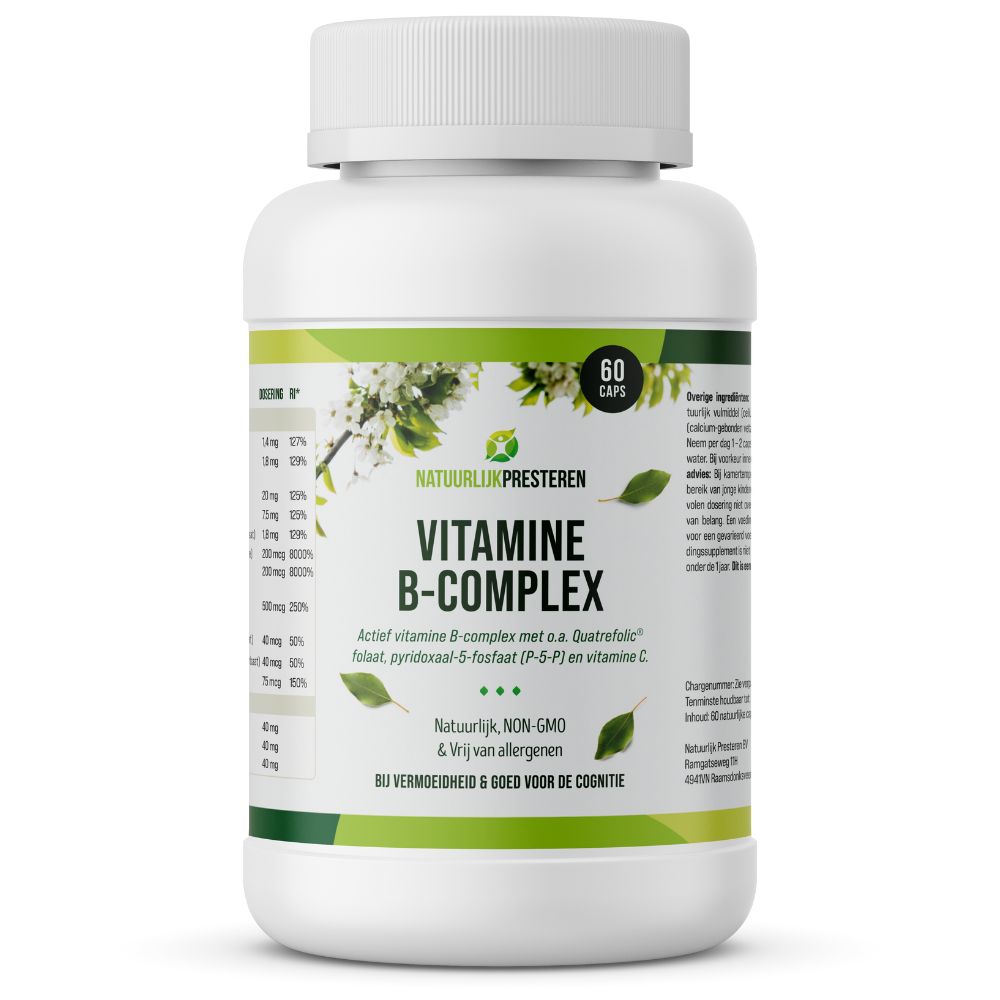
3. Vitamin B complex.
Our vitamin B complex contains all the B vitamins in their most effective form. We also added vitamin C for extra potency. Furthermore, we added folate to support cell and tissue production.
Gerelateerde blogartikelen

Bacopa Monnieri: What is it and what are its benefits?
Bacopa monnieri is a plant that has been used for hundreds of years in Ayurveda, the traditional Indian medicine. It is a nootropic, a supplement that can support your mental well-being. Bacopa monnieri is a small ground-dwelling plant found throughout the world, growing in moist places like swamps and riverbanks. It's also known as Asiatic pennywort or Brahmi. It can be used to support your mental health. Research shows that it may be beneficial for brain function, mood, and memory, among other things. These benefits are due to the plant's richness in antioxidants (bacosides), which can protect and support the brain. Bacopa monnieri is primarily used to support memory, during stressful periods, and for mood. In this blog post, we list the 5 benefits of Bacopa monnieri. Bacopa Monnieri supports memory, mood, and cognitive function. It is often used in routines aimed at moments of focus and inner peace. Bacopa naturally contains antioxidants such as bacosides and is often chosen in formulas aimed at supporting balanced energy and relaxation. Bacopa is often used in nootropic supplements and is most effective when combined with ginseng, guarana, vitamin B6, and rhodiola for optimal brain support. Table of contents Supports memory Good for mood Helps protect brain cells Supports during stressful periods Good for cognitive skills Supplement with Bacopa Monnieri Supports memory Research shows that Bacopa monnieri may help maintain healthy memory. For example, research on mice showed that mice given an extract of this plant helped support learning and memory. The supportive properties of Bacopa monnieri have also been studied in humans. During a 12-week study period, 60 elderly people received 300 mg or 600 mg of Bacopa extract daily, or a placebo. Compared to the placebo, participants who received the extract showed a supportive effect on memory, attention and information processing [2] . Bacopa therefore helps to support memory. Good for the mood If you're feeling down, bacopa can help support your mood and well-being. In Ayurveda, Brahmi is one of the most commonly prescribed mood remedies. It supports your mood because it promotes neurotransmitter production. This effect may be due to the fact that Bacopa is good for the regulation of serotonin, dopamine and GABA [3] . Helps protect brain cells Another benefit of Bacopa monnieri is that it may help protect brain cells from free radicals (harmful substances). This is because it is rich in antioxidants. Long-term exposure to high doses of free radicals damages brain cells, causing you to age faster. Free radicals can be caused by an unhealthy diet, stress, insufficient sleep, and alcohol or drug use. When fat molecules come into contact with free radicals, a process called lipid peroxidation is initiated. This means that fat molecules begin to oxidize. Did you know? The oxidation of fat cells by free radicals is comparable to the "rusting" (oxidation) of iron. It damages the material, weakening its physical properties. Bacopa monnieri contains powerful antioxidants (bacosides), which help protect body tissues, including the brain. Supports during stressful periods Bacopa is also a useful supplement during stressful times. It helps you relax naturally. Brahmi is an adaptogen, meaning it adapts to your needs at any given moment. If you're going through a stressful time, it can help you calm down. But if you're feeling tired and listless, it can help boost your energy levels. The advantage of Brahmi is that it has a relaxing effect, without making you tired or sluggish. For this reason, it's often used in supplements for concentration, as well as in supplements for "mental relaxation." Good for cognitive skills Another benefit of Bacopa monnieri is its cognitive benefits. This means it can support information processing, memory, and concentration. This is also supported by scientific research. A review of several studies suggests that using Brahmi extracts in healthy participants supports cognitive function. Participants were tested on working memory and auditory-verbal skills, among other things. Bacopa can be particularly effective when combined with other plant extracts. [4 ] Supplement with Bacopa Monnieri After reading this blog, would you like to try Bacopa monnieri? You can with our Brain Boost. This supplement contains not only Bacopa but also six other natural nootropics that can help support your mental health. For example, Breinboost combines Bacopa with ginseng, guarana, bioactive vitamin B6, and rhodiola, among other ingredients . All these nootropics work synergistically to support productivity, learning ability, and memory. They also have a protective effect on your brain cells. Our supplement is safe to use and allergen-free. Miriam Mirjam felt a connection with nature from a young age. This has led to a deep passion for health, natural remedies, and healthy eating. She also loves reading, yoga, and writing. When the weather is nice, she enjoys exploring new hiking trails . Read more
Lees meer bloggle
L-Theanine Omega-3: What Is It and What Does It Do?
L-theanine and omega-3 are two powerful supplements often combined for their synergistic effect. Together, they can work even better: The omega-3 fatty acid DHA is good for your brain and L-theanine, found in tea, influences neurotransmitters that play a role in concentration and mood. This article will help you discover if these supplements are right for you and what to look for when purchasing this unique combination. L-Theanine and Omega-3 (LT + O3) naturally support your brain function, concentration and memory. Choose a high-quality LT+O3 package with sufficient DHA, approximately 300 mg L-theanine and possibly B vitamins for optimal effectiveness. The L-Theanine Omega-3 package is safe for various ages and can help provide support during studies and work. Table of contents What is L-theanine with omega-3? The L-Theanine and Omega-3 formula from Natuurlijk Presteren Ingredients in L-theanine omega-3 supplements L-theanine Source of omega-3 fats Blue Skullcap (Scutellaria) B vitamins What does L-theanine do with omega-3? (Effect) Criteria for a good L-theanine omega-3 supplement/package The top 3 best L-theanine with omega-3 supplements #1 L-theanine, Omega-3 and Skullcap package (LT + O3) – Natuurlijk Presteren #2 LT 4 Theanine – Vitamins by mail #3 LTO 3 – Herb-e-Concept Skullcap in L-theanine & Omega-3 supplements What is L-theanine with omega-3? L-theanine with omega-3 is also called LTO3 . LTO3 is the brand name for the popular formula known for supporting concentration and mental calm. The supplement combines the benefits of L-theanine and omega-3 fatty acids , making it a popular choice for people seeking additional mental support, especially during busy or stressful times.* Based on this combination, several products have now appeared on the market, which vary in dosage and additional ingredients, such as Blue Skullcap and B vitamins. The L-Theanine and Omega-3 formula from Natural Performance Our version is inspired by the well-known LTO3 formula, but we have further optimized the ingredients and added additional ingredients for even better effectiveness. It is therefore not surprising that it is one of our best-selling products. Ingredients in L-theanine omega-3 supplements The main ingredients in these formulas are L-theanine and Omega 3. But also Blue Skullcap and B vitamins are valuable additions . To understand why one product is better than another, it's good to know a little more about these 4 specific ingredients: L-theanine L-theanine is an amino acid found in tea leaves ( Camellia sinensis ) and contributes to the tea's unique flavor. The amount of L-theanine varies between different tea varieties and depends on growing conditions. It influences the production of GABA (gamma-aminobutyric acid), an important inhibitory neurotransmitter that regulates the activity of nerve cells. This makes L-theanine popular in products aimed at concentration. * (1) (2) Source of omega-3 fats There are several omega-3 fatty acids, the best known of which are EPA, DHA, and ALA. DHA and EPA are found in large quantities in fish, while ALA comes primarily from plant sources, such as flaxseed oil. DHA is the most important omega-3 fatty acid for healthy brain function, making it essential in a good L-Theanine Omega-3 supplement. (3) Tip 1 - It's important to choose a supplement that contains liquid fish oil , as this provides a higher concentration of DHA compared to other sources such as herring roe (non-liquid omega-3). Tip 2 - Also pay attention to the quality of the fish oil. The DHA should come from a reliable source . Always choose fish oil that has been purified to remove heavy metals, PCBs, and other contaminants, as these substances can be present, especially if the oil is not properly purified. Blue Skullcap (Scutellaria) Scutellaria (Blue Skullcap), also known as Scutellaria , is a plant from the Lamiaceae family that's increasingly found in nutritional supplements. But in other cultures, the benefits of this herb have been known for much longer. Since the second (!) century, this skullcap has been used in Chinese medicine. It is often used in supplements for its flavonoids , such as baicalin, scutellarin, and other bioactive compounds, which may contribute to brain function.* Unfortunately, due to new European legislation, it is not permitted to say more about the effects of this natural ingredient. Still curious? I recommend you read my article about Blue Skullcap. But this recent research on the herb is also interesting. (4) You can also always send us an email (klantenservice@natuurlijkpresteren.nl). We're happy to answer all your questions! B vitamins B vitamins are often added to L-theanine and omega-3 supplements because they help with important brain functions: They contribute to mental resilience , concentration and memory functioning (B1, B3, B5, B6, B8 and B12). They have a positive influence on the functioning of the nervous system (B1, B2, B3, B6, B8 and B12). They activate the natural energy in your body (B1, B2, B3, B5, B8). They help reduce tiredness and fatigue (B2, B3, B5, B6 and B12). What do L-theanine omega-3 supplements do? (Effects) As I mentioned at the beginning of this article, the combination of omega-3 and L-theanine is interesting because these ingredients complement each other. Omega-3 fatty acids, such as DHA, play an important role in brain health and can contribute to its normal functioning. L-theanine, a substance found in green tea, is known for its effect on mental calm and focus. * Taking these two ingredients together can help support omega-3 function, while L-theanine can help maintain a sense of balance and focus.* In addition, skullcap contains all kinds of antioxidants that are good for brain function. In short: This combination can be useful for those looking for mental support without feeling rushed or distracted. * Criteria for a good L-theanine omega-3 supplement/package When choosing a good L-theanine and omega-3 supplement, it is important to pay attention to a few key criteria for the best results: L-theanine from a natural source - A natural source of L-theanine usually comes from green tea ( Camellia sinensis ) or other tea plants. Look for terms like "L-theanine from green tea extract" on labels to ensure it's natural, not synthetic. Blue skullcap in extract form: In extract form the active ingredients are more concentrated, which ensures a stronger effect. L-theanine and Skullcap in a 2:1 ratio - This specific ratio ensures optimal synergy between L-theanine and skullcap. High-dose omega-3 fats - High-quality fish oil is always liquid and contains a high concentration of DHA per serving: 220-250 mg. Avoid products containing "herring roe," as this is a poorer source of DHA. Supportive B vitamins - A good L-theanine & Omega-3 supplement also contains the most important B vitamins. These contribute to the supplement's effectiveness and support memory, concentration, and learning ability. Top 3 Best L-Theanine with Omega-3 Supplements The best L-Theanine Omega-3 is a composite package of 2 separate supplements: One supplement with “solid” ingredients – L-Theanine, Skullcap & B Vitamins One supplement based on high-quality fish oil with a high concentration of DHA The reason for this is that it is technically not possible to mix herbs such as L-theanine and blue skullcap (powder form) with liquid fish oil in one capsule. Many manufacturers therefore use solid DHA from herring roe, but this contains little omega-3 and has a low dosage. A better option is to take the fish oil separately, in liquid form, and L-theanine and blue skullcap separately as a powder (in capsules). This way, you get the best quality of everything. #1 L-theanine, Omega-3 and Skullcap Pack (LT + O3) – Natural Performance We actually already gave it away a bit earlier in this article… But the best L-Theanine Omega-3 in our opinion is a combination of: one supplement with “solid” ingredients - L-Theanine, Skullcap & B vitamins one supplement based on high-quality fish oil incl. high concentration of DHA Because very few supplements meet the requirements for a good L-theanine Omega-3 package, we ultimately decided to develop our own. This is how we arrived at the following package: Alfa Focus (product 1) – Contains 300 mg L-Theanine and 150 mg Blue Skullcap in combination with vitamins B3 and B8, to support concentration, learning performance and memory. Ultra Omega-3 (product 2) – Contains high-quality fish oil with a high concentration of DHA for optimal effectiveness. We've also added vitamin E to protect the quality of the fish oil, as vitamin E acts as a powerful antioxidant. All in all, the rightful winner in the top 3 best L-theanine & Omega 3 supplements. #2 LT 4 Theanine – Vitamins by mail LT4 Theanine from Vitamines per mail also launched a great formula. This product doesn't contain omega-3, but it does contain ashwagandha ( Withania somnifera ), lemon balm ( Melissa officinalis ), and black pepper extract (BioPerine®), which support the effectiveness of L-theanine. Advantages L-theanine from green tea Contains Skullcap extract Contains Ashwagandha Disadvantages No Omega-3 fatty acids No vitamin B complex Too little L-theanine This unique formula took second place in my top 3 because of its unique composition of supporting ingredients and the quality of the green tea extract. #3 LTO 3 – Herb-e-Concept Herb-e-Concept was one of the first to market the combination of L-theanine, omega-3 and blue skullcap with their well-known LTO3® formula. They use a good dosage of L-theanine (300 mg), but use a solid form of DHA (roe), which is less effective than liquid fish oil. Advantages: Contains L-theanine Contains Skullcap Contains Omega-3 Disadvantages: L-theanine from synthetic source Too few omega-3 fats No vitamin B complex Low dose The LTO3® formula cannot be missing from the top 3 due to its composition, but in terms of dosage and quality of the active ingredients, numbers 1 and 2 perform considerably better. Good to know : One dose of this product consists of 3 capsules. Skullcap in L-theanine & Omega-3 supplements Blue Skullcap ( Scutellaria lateriflora ) is a valuable addition to L-theanine and Omega-3 formulas. As I explained earlier, it is primarily the flavonoids in Skullcap that may contribute to cognitive function. Combined with L-theanine, it can enhance the supplement's effectiveness. This makes it a useful addition to a well-balanced supplement. Good to know : Claims marked with (*) are health claims awaiting European approval. Jochum Smid Jochum Smid is a biobased chemist specializing in orthomolecular nutrition. He develops and selects the nutritional supplements at Natuurlijk Presteren and has a passion for biohacking, science, and healthy eating. Read more Sources used: Li, M., Liu, H., Wu, D., Kenaan, A., Geng, F., Li, H., Gunaratne, A., Li, H., & Gan, R. (2022). L-Theanine: A Unique Functional Amino Acid in Tea (Camellia sinensis L.) With Multiple Health Benefits and Food Applications. Frontiers in Nutrition, 9. https://doi.org/10.3389/fnut.2022.853846 Hidese, S., Ogawa, S., Ota, M., Ishida, I., Yasukawa, Z., Ozeki, M., & Kunugi, H. (2019b). Effects of L-Theanine Administration on Stress-Related Symptoms and Cognitive Functions in Healthy Adults: A Randomized Controlled Trial. Nutrients, 11(10), 2362. https://doi.org/10.3390/nu11102362 Liu, H., Deng, Y., Chen, L., Weng, S., & Xu, D. (2023). The effect of omega 3 supplementation on serum brain-derived neurotrophic factor: A systematic review and meta-analysis. European Journal of Integrative Medicine , 61 , 102264. https://doi.org/10.1016/j.eujim.2023.102264 Ma, Y., Zhou, X., Zhang, F., Huang, C., Yang, H., Chen, W., & Tao, X. (2024). The effect of scutellaria baicalensis and its active ingredients on major depressive disorder: a systematic review and meta-analysis of literature in pre-clinical research. Frontiers in Pharmacology , 15 . https://doi.org/10.3389/fphar.2024.1313871
Lees meer
Want to improve your memory? These 14 tips will help you quickly.
Improving memory might seem like something you'd consider complicated or demanding. The brain is arguably the most complex organ in the human body. It consists of a vast network of billions of interconnected nerve cells. The cells communicate with each other via electrical signals, which allow you to think, feel, and remember things. Memory is an important part of the brain. There are three types of memory: the sensory memory - which processes everything you perceive with your senses. the short-term memory - in which very recent information is briefly stored. the long-term memory - in which all important facts and experiences are stored for a long time Keeping your brain cells healthy is, of course, crucial. This means preventing inflammation and ensuring good blood flow to the brain. Your brain also needs sufficient nutrients. If you want a well-functioning memory, it's important to pay attention to these things. With the 14 tips below, you can improve your memory and keep your brain in top condition. Limit sugar and alcohol, eat anti-inflammatory foods, enjoy dark chocolate daily and get 7-9 hours of sleep. Meditate, read, train your memory, and learn new skills to strengthen brain connections. Do strength training, stay socially active, and get enough vitamins for healthy brain function. Table of contents 1 - Limit refined sugar 2 - Meditate daily 3 - Avoid nutritional deficiencies 4 - Read more for better memory 5 - Get enough sleep 6 - Lose excess weight 7 - Improve your memory by continuing to learn 8 - Limit alcohol 9 - Do a daily "brain dump" 10 - Take advantage of social contacts 11 - Train your memory 12 - Do weight training 13 - Eat anti-inflammatory foods 14 - Improve your memory with 85% dark chocolate 1 - Limit refined sugar It's a well-known fact that sugar is unhealthy. But not everyone realizes that it also has a negative effect on the brain. Sugar can damage your memory, impair your learning ability, and increase the risk of brain disorders like Alzheimer's and dementia. Research shows that a diet high in sugars can lead to poorer memory and a decrease in brain volume, the latter of which has a negative effect on the area of the brain used for short-term memory [1] . If you want to keep your brain healthy, it's important to limit your refined sugar intake. Also, limit carbohydrates in general if you're less active. 2 - Meditate every day Meditating daily is also a good way to improve your memory. Meditation isn't just relaxing (it can help lower blood pressure and reduce stress). While these effects are also beneficial, it appears that meditation can increase gray matter in the brain. Gray matter contains the cell bodies of neurons. As you age, the amount of gray matter decreases, which causes your memory to decline. Meditation and other relaxation techniques can contribute to healthy memory. Meditation has a positive effect on short-term memory in both young and old people. There are many different ways to meditate, so there's sure to be one that suits you. You can practice mindfulness meditation, focus on your breathing, or do a body scan. You can even meditate while moving, like while walking or dancing. Choose a form that works for you and make time for it every day. 3 - No nutrient deficiencies Human memory is incredibly complex. For your memory to function normally, you also need the right nutrients. Even if you eat a varied diet, you may still not get enough of some nutrients. For example, if you eat few animal products, you're at risk for zinc, iron, and B12 deficiencies . Conversely, you may have deficiencies in other vitamins if you eat too few fruits and vegetables. If you suspect that you are not eating a varied diet, a good quality multivitamin can help you get all the important vitamins and minerals in their active form. 4 - Read more often for a better memory Reading isn't such a popular activity these days, which is a shame. Because reading can have a positive effect on your brain, and especially your memory. Using MRI scans, scientists have discovered that reading involves a complex network of nerve cells. The more often you read and the better you become at reading, the more powerful and developed these networks become. Reading therefore creates more connections between brain cells, making it easier to recall stored information. Reading can prevent cognitive decline and memory loss with age. Did you know? When you read, you use much more than just your memory. To be able to read, you also need phonetic awareness, understanding connections, vocabulary, and your brain processes visual stimuli. So reading is a good way to keep your brain active. 5 - Adequate sleep Your sleep also affects your memory. A lack of sleep or disturbed sleep can cause poorer memory. This is because a good night's sleep is important for permanently storing information in long-term memory (a process called consolidation). Deep sleep is particularly important for this process. Therefore, if you often sleep poorly, it can negatively impact your memory. If you want to improve your memory, try to get 7 to 9 hours of sleep every night. Also, make sure you don't eat for at least 3 hours before bedtime so your deep sleep phase isn't disrupted by digestion. Also read our tips to improve your bedroom and what the causes of poor sleep can be. 6 - Lose excess pounds Research shows that being overweight affects your brain. Obesity is linked to an increased risk of cognitive impairment, primarily manifesting as impaired memory and concentration. An analysis of several studies found that when overweight people lost weight, it had a positive effect on their brains. Their memory and concentration improved, and there were also improvements in language and task performance [2] . So losing weight is a good idea if you want to improve your memory. However, do it in a healthy way. Avoid crash diets; they're unhealthy and almost always cause the yo-yo effect. Take your time losing weight and choose a healthy diet, consuming a maximum of 500 to 700 fewer calories per day. 7 - Improve your memory by continuing to learn Memory forms a network of connections in the brain. When you use your memory, different parts of this network are active, in both hemispheres of the brain. That's why it's important to keep learning, regardless of your age. By learning new things, your brain creates new connections and strengthens existing ones. If you don't use certain connections often, they weaken and eventually disappear. This is called brain plasticity. As we age, brain plasticity declines. That's why learning new skills later in life requires more energy. However, it's important to stay mentally active. By learning new things, you stimulate the brain and, in turn, its plasticity [3] . This may help improve your brain health and reduce the risk of brain damage. Learning is always possible, even as you get older. And there are plenty of interesting things to challenge you. Take advantage of the internet, where you'll find many great courses. For example, check out udemy.com, where you can find a course or training for just €10 to €20. 8 - Limit alcohol If you want to improve your memory, it's advisable to limit your alcohol consumption. Many people know that alcohol is unhealthy, but did you know it's one of the most damaging substances for the brain? Scientists recently discovered that even small amounts of alcohol are harmful to the brain. Just one drink a day is enough to cause brain shrinkage. This is because alcohol reduces the amount of gray and white matter in the brain. This makes it more difficult for the different parts of the brain to communicate with each other, which in turn causes both your memory and concentration to deteriorate. Therefore, try to limit your alcohol consumption. Save it for special occasions, for example, or only have a drink on the weekend. 9 - Daily "brain dumping" Are you familiar with the brain dumping technique? It's a very simple way to clear your head. When you have to work or study, you often have all sorts of distracting thoughts pop into your head, such as other tasks you still have to complete. It certainly makes it difficult for you to concentrate. If that's the case, do a brain dump. Take a pen and paper and write down everything that comes to mind. There's no censorship; you write down absolutely everything. By doing this, you free up space in your mind: you know you've put everything important on paper. As a result, these things won't bother you anymore. Your mind is less cluttered, and you have more capacity for optimal memory function. You can concentrate better and therefore absorb information effectively again. 10 - Take advantage of social contacts It might not be something you immediately think of, but social connections have a significant impact on maintaining a healthy brain and therefore on your memory. Maintaining social connections, especially later in life, can protect against cognitive decline. This is also evident from research on mice. Mice kept in groups showed less inflammation in their brains compared to mice living alone. As a result, the brains of the social mice appeared less aged. If you want to improve your memory, it's advisable to engage in regular social activities. Join a club (read books, go for a walk, play cards), exercise together, sing, or dance. Doing activities together helps you relax, reduce stress, and keep your brain young. 11 - Memory training Memory training is a fun and effective way to keep your memory sharp. The more you work on your memory, the stronger the connections between brain cells and areas within the brain become. Memory training can improve your mental performance, attention, and concentration. There are many different ways to train your memory. You can regularly try to remember all sorts of things. Think about which movies you've recently seen and which actors starred in them. Try to recall past events. What year was it, where were you, and what were you doing? This can help keep your brain sharp. But you can also use modern technology. You can download fun memory games via your smartphone or computer. Check Google Play or the Apple Store, or search online for games. 12 - Weight Training Regularly doing a muscle-strengthening workout also has positive effects on your memory. So you not only develop stronger muscles but also a better memory. Researchers at the University of Sydney conducted a study with a group of people aged 55 to 68. They had mild memory complaints. The study showed that strengthening the muscles was associated with an improvement in memory [4] . If you also want to benefit from this effect, it's important to train regularly, at least twice a week. The training should be sufficiently strenuous, at 80% of your maximum capacity. 13 - Eat anti-inflammatory foods Chronic inflammation can be linked to the development of brain disorders, such as depression and Alzheimer's disease. Several studies have shown that certain components in food and beverages have anti-inflammatory properties. Regularly including these foods in your diet can help reduce inflammation and thus reduce the risk of chronic illness and memory problems. The list of healthy foods includes: Blueberries Strawberries Eggs Green tea Coffee Green leafy vegetables, nuts, and olive oil can also be good for memory. All these foods are rich in antioxidants and polyphenols, substances that can help protect the body. So make sure you regularly include healthy fruit, nuts, vegetables, green tea or coffee on the menu. Did you know? The Mediterranean diet is a diet rich in anti-inflammatory foods. It's not so much a weight-loss diet, but rather a diet designed to support your overall health. 14 - Improve memory with 85% dark chocolate And finally, a tip that will make everyone happy: regularly eat chocolate with a cocoa content of 85% or more. Cocoa contains cocoa flavonols, substances that occur naturally in the cocoa bean. It has been scientifically proven that flavonols promote blood flow to the brain. They therefore have a positive effect on the brain, particularly on cognition, attention, information processing speed, and memory. If you love dark chocolate, you're in luck. You can enjoy a delicious piece of dark chocolate (85% or higher) every day to support your brain health. Just be aware that if you eat chocolate with a lower cacao percentage, you won't reap these health benefits. Miriam Mirjam felt a connection with nature from a young age. This has led to a deep passion for health, natural remedies, and healthy eating. She also loves reading, yoga, and writing. When the weather is nice, she enjoys exploring new hiking trails. Read more
Lees meer