


Detox cure supplements
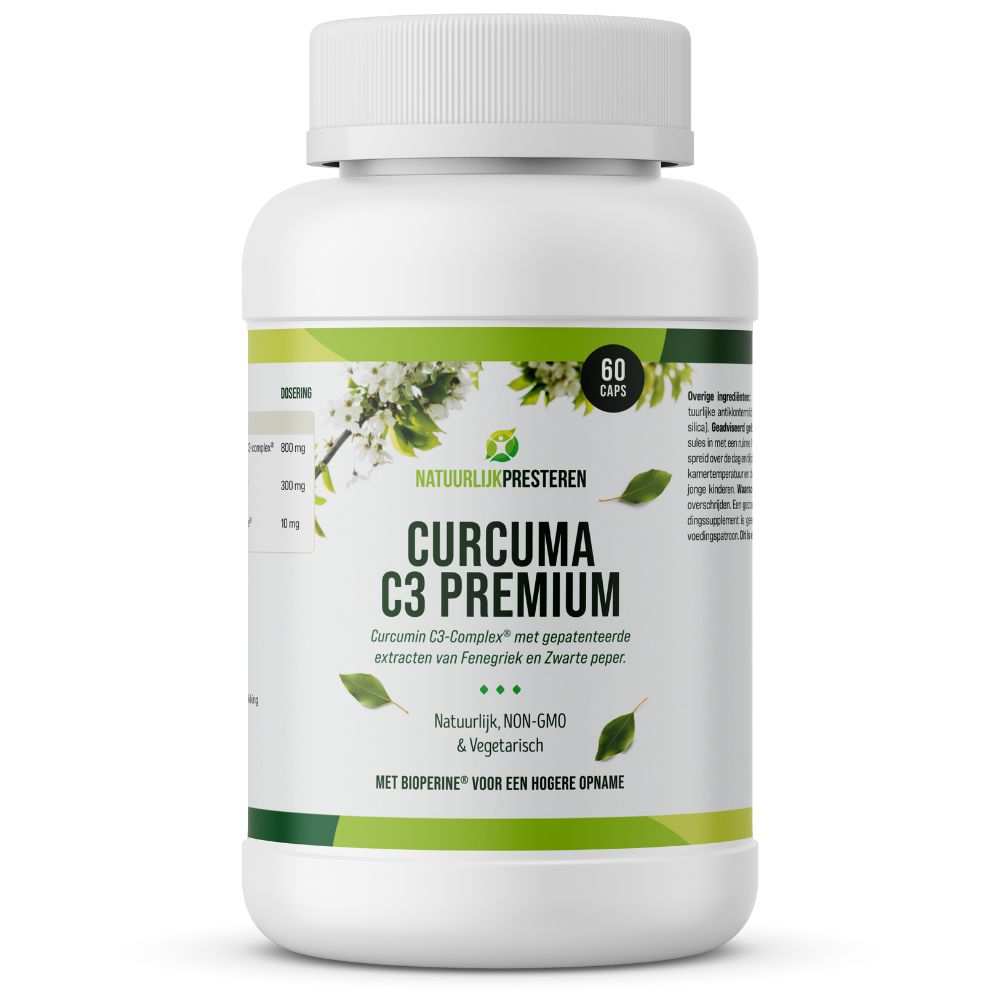
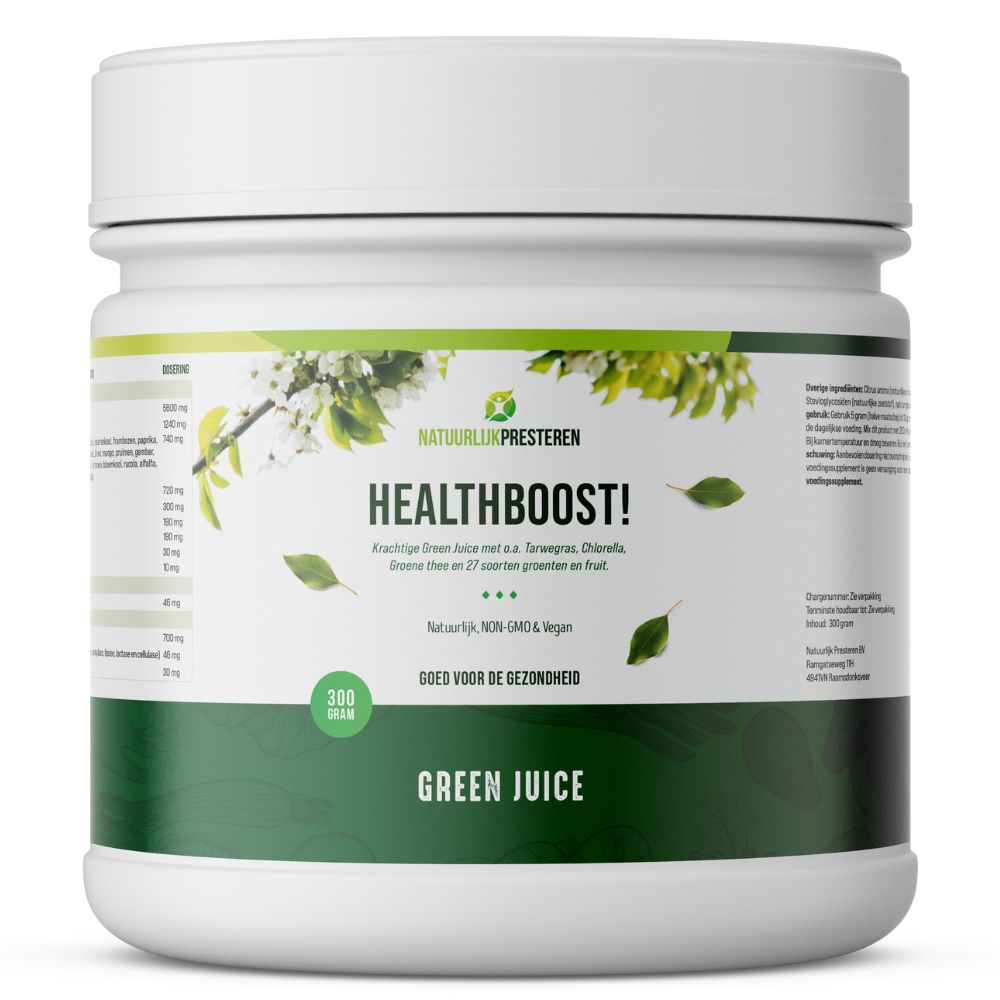
Detoxification, or detoxification of the body, is done with detox juice, green detox powder or with detox supplements.
The advantage of these supplements is that they contain a high concentration (extract) of natural ingredients, such as herbal extracts, which support your body's own detox system.
Our bodies are naturally capable of detoxifying themselves. So, consider detox supplements as a supplement to help your body detox.
The role of antioxidants in detox supplements
Antioxidants in detox supplements are essential because they help protect your body from harmful substances, such as toxins, that you encounter during a detox process.
These substances can cause oxidative stress, where free radicals damage healthy cells. Antioxidants neutralize these free radicals and can help prevent cell damage.
They also support the liver, the most important organ for breaking down and removing toxins.
The 10 best ingredients in a detox cure
Using antioxidants makes the detox process faster and safer, keeping your body better protected.
That is why detox cure supplements often contain a combination of strong antioxidants.
These are the most common, effective and natural ingredients in detox formulas:
- Milk Thistle - Contains silymarin, a complex of flavonoids that contribute to the repair and protection of liver cells.
- Turmeric (Curcuma longa) – Contains curcumin, the main bioactive compound in turmeric with powerful antioxidant effects.
- Green tea - Contains catechins, powerful antioxidants.
- Grape seed - Contains polyphenols, powerful antioxidants.
- Wheatgrass - Contains chlorophyll, which can help remove heavy metals and toxins.
- Chlorella - Also contains chlorophyll and is rich in vitamins and minerals.
- Spirulina - Contains powerful antioxidants such as phycocyanin (blue pigment in spirulina) and beta-carotene.
- Acerola - Contains vitamin C, a powerful antioxidant.
- Siberian Ginseng - Contains adaptogens that may support the immune system.
- Alfalfa – Contains chlorophyll, which helps remove toxins, and flavonoids, which act as antioxidants.
- Blackcurrant – Contains high levels of vitamin C and anthocyanins, powerful antioxidants.
- Solidago virgaurea (true goldenrod)- Contains saponins, flavonoids (quercetin and kaempferol) that support kidney function.
- Ginger - Contains gingerols and shogaols, powerful antioxidants.
Tips to get more out of your detox treatment
To get the most out of your detox supplements, I have a few practical tips for you:
1. Start your day with your detox cure .
Your body is optimally able to absorb and process substances in the morning.
Digestion is then more active, meaning substances are absorbed more quickly by your system.
Therefore, it is preferable to take your treatment in the morning.
2. Combine your detox diet with healthy fats.
Some substances, such as curcumin (turmeric) and milk thistle, are better absorbed when taken with fats. (1) (2)
It's therefore a good idea to take these with a meal that contains some fat. This optimizes the absorption of the ingredients.
3. Combine curcumin with black pepper extract
This addition helps your body to absorb curcumin better, so that you benefit optimally from its antioxidant effect . (3)
Detox or detoxification?
Detox and detoxification are terms that are often used interchangeably, but are essentially the same thing: supporting your body in clearing free radicals.
- Detox comes from the English word 'detoxification' and means removing toxins from your body.
- Detoxification is the Dutch translation of detox and is often used to indicate the same process.
Sources Used
- Gillessen, A., & Schmidt, HH (2020). Silymarin as Supportive Treatment in Liver Diseases: A Narrative Review. Advances in Therapy , 37 (4), 1279–1301. https://doi.org/10.1007/s12325-020-01251-y
- Stohs, S. J., Chen, O., Ray, S. D., Ji, J., Bucci, L. R., & Preuss, H. G. (2020). Highly Bioavailable Forms of Curcumin and Promising Avenues for Curcumin-Based Research and Application: A Review. Molecules , 25 (6), 1397. https://doi.org/10.3390/molecules25061397
- Hosseini, H., Ghavidel, F., Rajabian, A., Homayouni-Tabrizi, M., Majeed, M., & Sahebkar, A. (2024). The Effects of Curcumin Plus Piperine Co-administration on Inflammation and Oxidative Stress: A Systematic Review and Meta-analysis of Randomized Controlled Trials. Current Medicinal Chemistry , 31 . https://doi.org/10.2174/0109298673260515240322074849
Gerelateerde blogartikelen
What's Good for Your Liver? Tips from a Nutritionist
Your liver is one of the hardest-working organs in your body. It filters waste, breaks down alcohol, aids in digestion, and stores vitamins and minerals. Yet, it often only receives attention when something goes wrong. Fortunately, you can do a lot with diet and lifestyle to keep this important organ healthy. Below, I'll explain exactly what the liver does, which foods support it, and which habits really make a difference. The liver filters waste, regulates energy, hormones and cholesterol, produces bile and proteins, and supports immunity and digestion. Liver-friendly foods: coffee, green tea, oily fish, nuts, cruciferous vegetables, berries, whole grains, and extra virgin olive oil; the Mediterranean diet combines these. Lifestyle matters: drink enough water, limit alcohol and trans fats, exercise regularly, sleep better, reduce stress, and use medication sensibly. Table of contents The function of the liver in brief Which foods are good for your liver? 1. Coffee 2. Green tea 3. Fatty fish 4. Nuts (especially walnuts) 5. Garlic 6. Turmeric 7. Whole grains (fiber) 8. Cruciferous vegetables 9. Berries and citrus fruits 10. Olive oil The Mediterranean diet: The common thread Lifestyle tips for a healthy liver 1. Stay well hydrated 2. Be mindful of alcohol consumption 3. Limit high-fat and fried products 4. Keep moving 5. Be careful with medication 6. Get enough sleep and reduce stress Things to remember An easy way to supplement your diet The function of the liver in brief Your liver is like a natural filter . It helps keep your body clean and balanced. It's constantly working every day, often without you even realizing it. These are the main things your liver does: Purifies your blood – It filters waste products and bacteria from your blood and breaks them down, so they leave the body safely through urine or feces. Breaks down medications and alcohol – It converts them into substances that are less harmful and can be excreted through your kidneys or intestines. Converts food into energy – Carbohydrates, fats and proteins are converted into fuel, and the liver ensures that your blood sugar remains stable. Produces bile – Important for the digestion of fats and the absorption of vitamins A, D, E and K. Stores nutrients – Such as iron, glycogen (energy stores) and vitamins A, D, E, K and B12. Produces proteins – Such as albumin, which helps transport substances in your blood, and clotting proteins, which are important for wound healing. Regulates cholesterol and hormones – The liver produces cholesterol (necessary for cell building and hormone production) and breaks down excess hormones, such as estrogen and cortisol, to keep your body in balance. A healthy liver not only ensures good digestion, but also stable energy, a strong immune system and a balanced hormonal balance. Which foods are good for your liver? Your liver doesn't like extremes, but it does like regularity, fresh food and healthy fats. Some products give him a helping hand by supporting your fat metabolism, blood sugar or cell protection. Do you recognize this in your kitchen yet? 1. Coffee Did you know that coffee goes surprisingly well with a healthy liver? Research shows that people who regularly drink coffee often have a balanced metabolism , especially when drinking 2 to 3 cups per day. (1) This link is attributed to the bioactive compounds in coffee, which contribute to the protection of cells from oxidative stress. Good to know : A balanced metabolism means your body keeps fats, sugars, and energy in balance. And because the liver plays a central role in this, it also benefits when these processes run smoothly. 2. Green tea Green tea contains catechins, antioxidants that help protect cells from oxidative stress. Research shows that people who regularly drink green tea, just like coffee, often have a balanced metabolism . (2) Two to four cups a day is a good guideline. 3. Fatty fish Oily fish (such as herring, mackerel and sardines) provide omega-3 fatty acids (EPA and DHA), which contribute to the maintenance of normal triglyceride levels in the blood. Triglycerides are fats that your body stores and can use as energy later. The liver helps to keep the amount of these fats in balance and omega-3 supports that natural balance. (3) 4. Nuts (especially walnuts) A handful of nuts a day is a small habit with great benefits. Nuts provide healthy unsaturated fats , fiber , and vitamin E , a nutrient that helps protect cells from oxidative stress. And that is important, because when your cells function properly, fat metabolism also runs smoothly, and that is exactly the process in which the liver is involved on a daily basis. Walnuts stand out because they also naturally contain some omega-3 fatty acids.(4) It is best to choose unsalted and unroasted nuts, so that you only benefit from the pure advantages. 5. Garlic Garlic does more than just add flavor to your meal. It contains natural sulfur compounds that have been linked in research to fat and sugar metabolism. By regularly using garlic in your dishes, you provide your body with nutrients that help it process fats and sugars naturally . And these are processes in which the liver also plays an important role. (5) The effects are small, but every little bit helps. 6. Turmeric Turmeric is instantly recognisable by its bright yellow colour and the spicy aroma that adds depth to so many dishes. It contains curcumin , a natural substance that has received a lot of attention in research because of its role in metabolism and cell protection . In people taking curcumin supplements, some studies have seen beneficial changes in blood levels, but these usually involve high doses and long-term use . (6) The amount of curcumin used in cooking is much lower, so don't expect a teaspoon in your curry to have a major impact. So, consider turmeric (in dishes) a wonderful, natural addition to a healthy, varied meal. 7. Whole grains (fiber) Whole grain products (think oats, brown rice or whole wheat bread) provide lots of fibre which contributes to normal digestion and helps keep your blood sugar levels stable . As a result, your body needs to store less fat and sugar , which keeps your metabolism in balance, and that's exactly the kind of balance that your liver thrives on. (7)(8) 8. Cruciferous vegetables Do you regularly eat broccoli, cauliflower, or Brussels sprouts? Good job! This family of vegetables is packed with fiber and natural sulfur compounds that help your body utilize food properly and process fats in a balanced way. (9) Whether they also have a direct effect on the liver is still being investigated, but we know one thing for sure: Anyone who eats these vegetables often will receive many valuable building blocks that benefit your liver and metabolism. 9. Berries and citrus fruits Berries and citrus fruits contain vitamin C , which contributes to the protection of cells from oxidative stress. In addition, they provide flavonoids , natural substances that help the body keep fats and sugars in balance. (10) So if you regularly eat berries and citrus fruits, you support the natural processes in which the liver also plays an important role. 10. Olive oil Extra virgin olive oil is one of the healthiest sources of fat you can consume. This is because it's rich in monounsaturated fats and polyphenols . These fats contribute to a healthy functioning lipid metabolism , while polyphenols help to protect cells against oxidative stress (the natural wear and tear process that occurs when fats and waste products are processed). And that is relevant, because your liver is actively engaged in exactly those tasks every day. This is also reflected in large-scale research. People who often use olive oil appear to have a more favorable fat profile on average, especially if the oil is part of a Mediterranean diet. (11)(12) The Mediterranean Diet: The Common Thread Notice anything about this list? Not only olive oil, but also many other foods that complement a liver-friendly diet (such as fish, nuts, vegetables, and whole grains) are part of the Mediterranean diet. And that's no coincidence. Research shows that people who eat according to this pattern often have a well-functioning fat metabolism and a healthier lifestyle , which is beneficial for the entire body, including the liver. (13)(14) The power here is not in one superfood, but in the combination of healthy fats, lots of plant foods and little processing. In short : The closer your diet is to nature, the easier it is for your liver to do its job. Cooking fresh food, eating a varied diet and, above all, maintaining a regular diet are the best forms of “liver support” there is. Lifestyle tips for a healthy liver So your liver responds not only to what you eat, but also to your lifestyle. Sleep, stress, exercise, and alcohol consumption all affect how well this organ can perform its functions. In the next chapter I will give you practical lifestyle tips that are scientifically substantiated: 1. Stay well hydrated Your liver works hard every day: It processes waste products, alcohol, and nutrients from your blood. Water helps it do this. If you drink enough, your body can remove these waste products more easily , and your liver doesn't have to work as hard. (15) Try to drink about 1.5 to 2.5 liters of water per day , depending on your activity level and the weather. You don't have to measure it out exactly. Just listen to your thirst and keep your urine light yellow. 2. Be aware of alcohol consumption Alcohol remains the biggest burden on the liver . Even small amounts take time and energy to break down. (16) Therefore, give your liver regular alcohol-free periods . This gives it the chance to recover and break down excess fat. 3. Limit high-fat and fried products Your liver doesn't like processed foods with unhealthy fats. Trans fats , in particular, found primarily in fast food, cookies, pastries, and snacks, make it easier for fat to be stored in the liver, even if you're not gaining weight. This is because these fats disrupt fat metabolism and increase bad cholesterol (LDL) . (17) Instead, choose fresh produce and healthy fats like olive oil, nuts, fish, or avocado. This will keep your fat balance and your liver in better condition. 4. Keep moving Many different studies show that regular exercise can reduce fat in the liver and improve fat metabolism . This is because exercise helps the body better utilize sugars and fats for energy, instead of storing them in the liver. (18) You don't really need to exercise intensively every day. A brisk half-hour walk a day , or some strength training or cycling three times a week , can make a noticeable difference. Exercise also helps with stress, sleep and energy, all factors that further relieve the burden on your liver. 5. Be careful with medication Your liver is the primary organ that breaks down medications and supplements. This is normal, but with prolonged or high use, it can become taxing. Especially medications like acetaminophen , painkillers , or supplements in unnecessarily high doses place extra demands on the liver. (19) Therefore, always read the label carefully and use medications only as prescribed. Even with natural supplements, "more" isn't always better. If you have liver disease or are taking multiple medications at the same time, consult your doctor or pharmacist about what is safe. 6. Get enough sleep and reduce stress Your liver continues to function normally at night. That's when it's busy repairing and storing energy. So, too little sleep or prolonged stress disrupts this rhythm, causing fats and sugars to be processed less effectively . Research even shows that people who sleep poorly or for short periods are more likely to develop fat accumulation in the liver . (20) Therefore, try to maintain regular bedtimes , put your phone away on time, and consciously build in moments of rest during the day. Relaxation in the form of a walk, breathing exercise, or a good conversation also indirectly helps your liver by lowering stress hormones. To remember Your liver is not an organ that requires quick fixes, but rather long-term attention. Eating an unprocessed diet, exercising enough, sleeping well and being mindful of your alcohol and medication intake will help your liver stay in balance. The beauty is that you don't have to do anything complicated, because your liver repairs itself. If you give it the chance. Rest, fresh food, plenty of water, and some daily exercise will go a long way. This way, he can continue doing what he does best: keeping his body clean, strong, and balanced. An easy way to supplement your diet As a nutritionist, I often notice that it is a challenge for many people to get enough vegetables, fruit and fiber on a daily basis. That's why I sometimes recommend practical supplements. Not as a replacement, but as a support for a healthy diet. A simple way to do this is with a green mix of natural plant substances , such as in the Healthboost Green Juice. This mix contains fibre, vitamins and antioxidants that contribute to the normal functioning of the immune system, energy metabolism and the protection of cells from oxidative stress. Ebrina van der Bijl Ebrina is a nutritionist with a deep commitment to healthy eating and a sustainable lifestyle, based in beautiful Portugal. Her passion for natural and organic products is at the heart of her work. With a background in Nutrition & Dietetics and experience in product development and writing, she translates complex scientific information into practical advice for a balanced lifestyle. Read more Sources used Chen, Y., Lu, F., Hu, Y., Xu, L., Zheng, M., & Hu, E. (2018). A systematic review and a dose–response meta-analysis of coffee dose and nonalcoholic fatty liver disease. Clinical Nutrition, 38(6), 2552–2557. https://doi.org/10.1016/j.clnu.2018.11.030 Mahmoodi, M., Hosseini, R., Kazemi, A., Ofori‐Asenso, R., Mazidi, M., & Mazloomi, S. M. (2020). Effects of green tea or green tea catechin on liver enzymes in healthy individuals and people with nonalcoholic fatty liver disease: A systematic review and meta‐analysis of randomized clinical trials. Phytotherapy Research, 34(7), 1587–1598. https://doi.org/10.1002/ptr.6637 Lee, C., Fu, Y., Yang, S., & Chi, C. (2020). Effects of Omega-3 Polyunsaturated Fatty Acid Supplementation on Non-Alcoholic Fatty Liver: A Systematic Review and Meta-Analysis. Nutrients, 12(9), 2769. https://doi.org/10.3390/nu12092769 Pan, L., Sui, J., Xu, Y., & Zhao, Q. (2023). Effect of Nut Consumption on Nonalcoholic Fatty Liver Disease: A Systematic Review and Meta-Analysis. Nutrients, 15(10), 2394. https://doi.org/10.3390/nu15102394 Rastkar, M., Nikniaz, L., Farhangi, M.A., & Nikniaz, Z. (2022). Systematic review and meta-analysis of the effect of garlic in patients with non-alcoholic fatty liver disease. Indian Journal Of Gastroenterology, 41(6), 548–557. https://doi.org/10.1007/s12664-022-01287-8 Ngu, M., Norhayati, M., Rosnani, Z., & Zulkifli, M. (2022). Curcumin as adjuvant treatment in patients with non-alcoholic fatty liver (NAFLD) disease: A systematic review and meta-analysis. Complementary Therapies in Medicine, 68, 102843. https://doi.org/10.1016/j.ctim.2022.102843 https://doi.org/10.1016/j.nut.2014.11.018 Zhang, Y., Sui, J., Xu, Y., Pan, L., Xia, H., & Sun, G. (2024). Effect of whole grain and fiber consumption on chronic liver diseases: a systematic review and meta-analysis. Food & Function. https://doi.org/10.1039/d4fo03077j Liu, Higher intake of whole grains and dietary fiber are associated with lower risk of liver cancer and chronic liver disease mortality. Nature Communications, 12(1). https://doi.org/10.1038/s41467-021-26448-9 He, K., Li, Y., Guo, X., Zhong, L., & Tang, S. (2020). Food groups and the likelihood of non-alcoholic fatty liver disease: a systematic review and meta-analysis. British Journal Of Nutrition, 124(1), 1–13. https://doi.org/10.1017/s0007114520000914 Li, L., Ji, K., Du, F., Jin, N., Boesch, C., Farag, M.A., Li, H., Liu, X., & Xiao, J. (2023). Does Flavonoid Supplementation Alleviate Non‐Alcoholic Fatty Liver Disease? A Systematic Review and Meta‐Analysis of Randomized Controlled Trials. Molecular Nutrition & Food Research, 67(23). https://doi.org/10.1002/mnfr.202300480 Tsamos, G., Kalopitas, G., Evripidou, K., Vasdeki, D., Koufakis, T., Kanavas, V., Antza, C., Germanidis, G., & Chourdakis, M. (2024b). The Effects of Olive Oil Consumption on Biochemical Parameters and Body Mass Index of People with Nonalcoholic Fatty Liver Disease: A Systematic Review and Meta-Analysis of Randomized Controlled Trials. Nutrients, 16(6), 857. https://doi.org/10.3390/nu16060857 Pintó, X., Fanlo-Maresma, M., Corbella, E., Corbella, A Mediterranean Diet Rich in Extra-Virgin Olive Oil Is Associated with a Reduced Prevalence of Nonalcoholic Fatty Liver Disease in Older Individuals at High Cardiovascular Risk. Journal Of Nutrition, 149(11), 1920–1929. https://doi.org/10.1093/jn/nxz147 Xiong, Y., Shi, A systematic review and meta-analysis of randomized controlled trials: effects of Mediterranean diet and low-fat diet on liver enzymes and liver fat content of NAFLD. Food & Function, 15(16), 8248–8257. https://doi.org/10.1039/d4fo01461h Sangouni, A. A., Zadeh, S. H., Mozaffari-Khosravi, H., & Hosseinzadeh, M. (2021). Effect of Mediterranean diet on liver enzymes: a systematic review and meta-analysis of randomized controlled trials. British Journal Of Nutrition, 128(7), 1231–1239. https://doi.org/10.1017/s0007114521002270 He, K., Li, Y., Guo, X., Zhong, L., & Tang, S. (2020b). Food groups and the likelihood of non-alcoholic fatty liver disease: a systematic review and meta-analysis. British Journal Of Nutrition, 124(1), 1–13. https://doi.org/10.1017/s0007114520000914 Cao, G., Yi, T., Liu, Q., Wang, M., & Tang, S. (2016). Alcohol consumption and risk of fatty liver disease: a meta-analysis. PeerJ, 4, e2633. https://doi.org/10.7717/peerj.2633 Bendsen, N. T., Chabanova, E., Thomsen, H. S., Larsen, T. M., Newman, J. W., Stender, S., Dyerberg, J., Haugaard, S. B., & Astrup, A. (2011b). Effect of trans fatty acid intake on abdominal and liver fat deposition and blood lipids: a randomized trial in overweight postmenopausal women. Nutrition And Diabetes, 1(1), e4. https://doi.org/10.1038/nutd.2010.4 Stine, J. G., DiJoseph, K., Pattison, Z., Harrington, A., Chinchilli, V. M., Schmitz, K. H., & Loomba, R. (2022). Exercise Training Is Associated With Treatment Response in Liver Fat Content by Magnetic Resonance Imaging Independent of Clinically Significant Body Weight Loss in Patients With Nonalcoholic Fatty Liver Disease: A Systematic Review and Meta-Analysis. The American Journal Of Gastroenterology, 118(7), 1204–1213. https://doi.org/10.14309/ajg.0000000000002098 David, S., & Hamilton, J. P. (2010, January 1). Drug-induced liver injury. https://pmc.ncbi.nlm.nih.gov/articles/PMC3160634/ Um, Y. J., Chang, Y., Jung, H., Cho, I. Y., Shin, J. H., Shin, H., Wild, S. H., Byrne, C. D., & Ryu, S. (2021). Sleep Duration, Sleep Quality, and the Development of Nonalcoholic Fatty Liver Disease: A Cohort Study. Clinical And Translational Gastroenterology, 12(10), e00417. https://doi.org/10.14309/ctg.0000000000000417
Lees meer bloggle
What are prebiotics and which foods contain them?
Probiotics are one of the most popular nutritional supplements, but prebiotics are less well-known. And yet, they form the foundation of thriving bacterial colonies in your intestines! In this article, I'll tell you more about prebiotics. What exactly are they? And which foods can help you get them? Prebiotics are indigestible fibers that feed good gut bacteria and form short-chain fatty acids. They are found in Jerusalem artichokes, lentils, bananas, oats and cooled rice (resistant starch). Increase your intake gradually to prevent digestive problems and support healthy intestinal flora. Table of contents What are prebiotics? Difference between probiotics and prebiotics Types of prebiotics Fiber Foods rich in prebiotics How much prebiotics are good for you? Why are prebiotics important for your gut health? What are prebiotics? Prebiotics are indigestible dietary fibers that reach the large intestine intact. There, they serve as a food source for beneficial gut bacteria, such as lactobacilli and bifidobacteria. Our intestines don't digest these fibers, but the gut bacteria ferment the prebiotics. As a product of fermentation, a number of substances are produced, the short-chain fatty acids: Butyrate (butyric acid); Acetate (acetic acid); and Propionate (propionic acid) These fatty acids can contribute to your health, including supporting healthy intestinal flora. (1) (2) (3) Difference between Probiotics and Prebiotics The terms prebiotics and probiotics are often used interchangeably. But it's important to understand the difference: Probiotics are living microorganisms that, when consumed in sufficient quantities, contribute to health. They are mainly found in fermented foods like yogurt and sauerkraut. Prebiotics provide nutrients for these microorganisms. By eating prebiotics, you support the growth and activity of the beneficial bacteria already present in your intestines. They are found in leeks and Jerusalem artichokes, among other places. Types of prebiotic fibers There are several types of fiber with prebiotic properties. The best known are: Inulin - Is a soluble fiber with longer chains of fructose units. It occurs naturally in roots and tubers and has a distinctly sweet flavor. Oligofructose - Consists of shorter chains of fructose units and is a derivative of inulin. Fructo-oligosaccharides (FOS) – Consist of shorter chains of fructose units (compared to inulin) and are found in various fruits and vegetables. Galacto-oligosaccharides (GOS) – Found mainly in dairy products and certain vegetables. It is an important component of breast milk. Pectin - A soluble fiber found mainly in the skin of fruits such as apples and citrus fruits. Beta-glucans – Soluble fibers found primarily in grains like oats and barley. They consist of long chains of glucose units. Resistant starch – Regular starch is quickly digested and turned into glucose, but resistant starch "resists" this breakdown and reaches the large intestine, where it is fermented by your gut bacteria. This process makes it a prebiotic. You'll find it in foods like cooled potatoes, rice, pasta, and certain grains and legumes. (4) Did you know that the amount of resistant starch increases when you cook it and let it cool overnight in the refrigerator? For example, cooled rice contains almost three times as much resistant starch as warm rice. (5) Food rich in prebiotics These 10 foods contain the most prebiotic fiber per serving: Jerusalem artichoke (100 g): 4–6 g inulin Lentils (cooked) (150 g): 3–4.5 g oligosaccharides Chicory root (30 g): 1.35–1.5 g inulin Asparagus (100 g): 2–3 g inulin Bananas (1 banana): 1–2 g FOS Apples (1 apple, approx. 150 g): 1–2 g pectin Leek (50 g): 0.5–1.5 g FOS Onion (50 g): 0.5–1 g FOS Oats (cooked) (40 g): 1.2 g beta-glucans Garlic (10 g): 0.1–0.3 g FOS Good to know : The amounts of prebiotic fiber in this list are approximate estimates and may vary depending on the source and preparation method. The amounts in this list are compiled from sources including the USDA National Nutrient Database, the Netherlands Nutrition Center, and other relevant studies. How much prebiotic is good for you? Prebiotics are generally well-tolerated and safe for daily use. However, the level of benefit from a probiotic diet varies from person to person. Some people can have up to 20-30 grams of prebiotic fiber per day, while others may experience gas or bloating with more than 10 grams. It's a matter of trial and error and seeing how your gut reacts. Start slowly and gradually increase your intake, allowing your gut to adjust to the extra fiber. Good to know : If you suddenly take a lot of prebiotics, for example through supplements, you may experience bloating, gas, or even a mild laxative effect. This is usually temporary. If the symptoms persist, it's best to reduce your intake. (6) Why are prebiotics important for your gut health? Prebiotics play a key role in supporting healthy gut flora. By regularly eating foods rich in prebiotic fiber, you give your gut bacteria the nutrition they need to function properly. Consider a varied diet with plenty of whole grains, vegetables, fruits, legumes, and nuts. This can contribute to balanced digestion. So consciously choose prebiotic foods, this will help your intestines stay healthy in a natural way! Ebrina van der Bijl Ebrina is a nutritionist with a deep commitment to healthy eating and a sustainable lifestyle, based in beautiful Portugal. Her passion for natural and organic products is at the heart of her work. With a background in Nutrition & Dietetics and experience in product development and writing, she translates complex scientific information into practical advice for a balanced lifestyle. Read more Sources used Ju, X., Jiang, Z., Ma, J., & Yang, D. (2024). Changes in Fecal Short-Chain Fatty Acids in IBS Patients and Effects of Different Interventions: A Systematic Review and Meta-Analysis. Nutrients, 16(11), 1727. https://doi.org/10.3390/nu16111727 Facchin, S., Bertin, L., Bonazzi, E., Lorenzon, G., De Barba, C., Barberio, B., Zingone, F., Maniero, D., Scarpa, M., Ruffolo, C., Angriman, I., & Savarino, E.V. (2024). Short-Chain Fatty Acids and Human Health: From Metabolic Pathways to Current Therapeutic Implications. Life, 14(5), 559. https://doi.org/10.3390/life14050559 Alvandi, E., Wong, W.K.M., Joglekar, M.V., Spring, K.J., & Hardikar, A.A. (2022). Short-chain fatty acid concentrations in the incidence and risk-stratification of colorectal cancer: a systematic review and meta-analysis. BMC Medicine, 20(1). https://doi.org/10.1186/s12916-022-02529-4 Chen, R., Zhang, C., Xu, F., Yu, L., Tian, F., Chen, W., & Zhai, Q. (2023). Meta-analysis reveals gut microbiome and functional pathway alterations in response to resistant starch. Food & Function, 14(11), 5251–5263. https://doi.org/10.1039/d3fo00845b Sonia, S., Witjaksono, F., & Ridwan, R. (2015). Effect of cooling of cooked white rice on resistant starch content and glycemic response. PubMed, 24(4), 620–625. https://doi.org/10.6133/apjcn.2015.24.4.13 Asha, M. Z., & Khalil, S. F. H. (2020). Efficacy and Safety of Probiotics, Prebiotics and Synbiotics in the Treatment of Irritable Bowel Syndrome: A systematic review and meta-analysis. Sultan Qaboos University Medical Journal, 20(1), 13. https://doi.org/10.18295/squmj.2020.20.01.003
Lees meer bloggle
When should you take pre- and probiotics?
There's an interesting collaboration going on in our intestines between prebiotics and probiotics. It's no wonder they're often mentioned together and appear as a duo in supplements. Probiotics are beneficial bacteria that support your gut, while prebiotics provide food for these bacteria. You'll find them not only in supplements but also in foods like yogurt, fermented products, fiber-rich vegetables, and fruits. Did you know that the time you take prebiotics and probiotics determines their effectiveness? This article explains how and when to use them for maximum effect. Probiotics are living microorganisms that support your intestines; take them on an empty stomach or before bed. Prebiotics, or nutritious fibers, are taken with a meal: they feed beneficial bacteria and aid digestion. During a course of antibiotics, first take antibiotics, after two hours probiotics, and continue taking them for two weeks after your course. Table of contents What's the difference between prebiotics and probiotics? When should you take probiotics? When should you take prebiotics? Probiotics and antibiotics: How do you combine them? When is the best time to take probiotics during antibiotic treatment? Prebiotics for sensitive intestines: A good probiotic supplement with prebiotics What is the difference between pre- and probiotics? To start, it's good to understand the difference between probiotics and prebiotics: Probiotics are living microorganisms, such as bacteria and yeasts, that can support your gut flora. You get them by eating fermented foods like yogurt or kefir. Prebiotics are dietary fibers that aren't broken down by your small intestine and therefore arrive intact in your large intestine. There, they serve as food for beneficial gut bacteria, which ferment them and produce short-chain fatty acids. These fatty acids not only support intestinal bacteria, but also contribute to the health of your intestines. (1) (2) (3) When do you take probiotics? Probiotics, the bacteria themselves, are best taken on an empty stomach, for example, in the morning upon waking or before bed. This allows the bacteria to more easily pass through the acidic stomach and reach the intestines. However, some people don't tolerate this well and may experience mild stomach upset. In that case, you can take them with a light meal. Note : Avoid hot drinks or alcohol around the same time, as these can kill the (part of) bacteria. When should you take prebiotics? Most people tolerate prebiotics best with a meal. This helps them break down more slowly, allowing beneficial gut bacteria to be optimally utilized. In low doses, you can also take prebiotics together with probiotics. Besides timing around meals, the use of antibiotics also plays an important role in taking pre- and probiotics. Here are a few additional considerations: Probiotics and Antibiotics: How to Combine Them? Many people therefore choose to use foods or supplements with specific bacterial strains during and after a course of antibiotics to support their intestinal flora. This makes sense, because antibiotics kill not only harmful bacteria, but also some of the good bacteria. That's why it's wise to take probiotics during a course of antibiotics, but not simultaneously! When is the best time to take probiotics during a course of antibiotics? To get the best possible results from both your antibiotic treatment and the probiotics, follow these guidelines: Start within 2 days – Start probiotics within two days of your first dose of antibiotics. Research has shown this to be most effective. (4) Always take the antibiotics first and the probiotics 2 hours later – Take probiotics at least two hours after your antibiotics to prevent the good bacteria from being destroyed immediately. Continue taking probiotics for another 2 weeks after your treatment – this helps to restore the balance of your intestinal flora. Good to know : Some studies suggest that starting probiotics beforehand can also have benefits, but you will get the most benefit from taking them during and after the course of antibiotics. Prebiotics for sensitive intestines Prebiotics can in some cases cause digestive problems, such as bloating or flatulence. This happens more often if you have a sensitive gut. Therefore, start with a low dose and gradually increase it. In short : Want to optimally support your gut health? Combine probiotics on an empty stomach with plenty of prebiotic food later in the day, and be extra careful when using antibiotics! Good probiotic supplement with prebiotics The ideal probiotic supplement contains not only a diverse mix of bacterial strains in the correct dosage , but also prebiotics . This combination, called synbiotics, optimally supports your intestinal flora. Preferably choose a supplement that combines probiotics and prebiotics in an acid-resistant capsule . This way, the bacteria reach your intestines alive. Our Probiotics Premium meets all these criteria and also contains glutamine and vitamin C for extra support. And good news: Our renewed formula is even more powerful, with no less than 25 billion CFU per dose! Ebrina van der Bijl Ebrina is a nutritionist with a deep commitment to healthy eating and a sustainable lifestyle, based in beautiful Portugal. Her passion for natural and organic products is at the heart of her work. With a background in Nutrition & Dietetics and experience in product development and writing, she translates complex scientific information into practical advice for a balanced lifestyle. Read more Sources used Ju, X., Jiang, Z., Ma, J., & Yang, D. (2024). Changes in Fecal Short-Chain Fatty Acids in IBS Patients and Effects of Different Interventions: A Systematic Review and Meta-Analysis. Nutrients, 16(11), 1727. https://doi.org/10.3390/nu16111727 Facchin, S., Bertin, L., Bonazzi, E., Lorenzon, G., De Barba, C., Barberio, B., Zingone, F., Maniero, D., Scarpa, M., Ruffolo, C., Angriman, I., & Savarino, E.V. (2024). Short-Chain Fatty Acids and Human Health: From Metabolic Pathways to Current Therapeutic Implications. Life, 14(5), 559. https://doi.org/10.3390/life14050559 Alvandi, E., Wong, W.K.M., Joglekar, M.V., Spring, K.J., & Hardikar, A.A. (2022). Short-chain fatty acid concentrations in the incidence and risk-stratification of colorectal cancer: a systematic review and meta-analysis. BMC Medicine, 20(1). https://doi.org/10.1186/s12916-022-02529-4 Zhang, L., Zeng, X., Guo, D., Zou, Y., Gan, H., & Huang, X. (2022). Early use of probiotics might prevent antibiotic-associated diarrhea in elderly (>65 years): a systematic review and meta-analysis. BMC Geriatrics , 22 (1). https://doi.org/10.1186/s12877-022-03257-3
Lees meer