What are energy supplements?
Energy supplements are products designed to support your physical and mental energy. They can contribute to your endurance and alertness.
Natural energy supplements usually consist of a mix of vitamins, minerals, herbs and other ingredients that occur in nature.
Please note : Energy supplements are not a substitute for a healthy lifestyle, in which a varied diet, sufficient sleep and regular exercise are the cornerstones.
How do natural energy supplements work?
Natural energy supplements help provide your body with important substances that play a role in energy production and processing. For example, they help your body use the nutrients you ingest more efficiently.
They can also contribute to blood circulation and a relaxed state of mind.
Popular natural ingredients
Besides vitamins and minerals, these supplements contain various plant and herbal extracts. Their natural origins allow you to gently yet effectively support your energy levels.
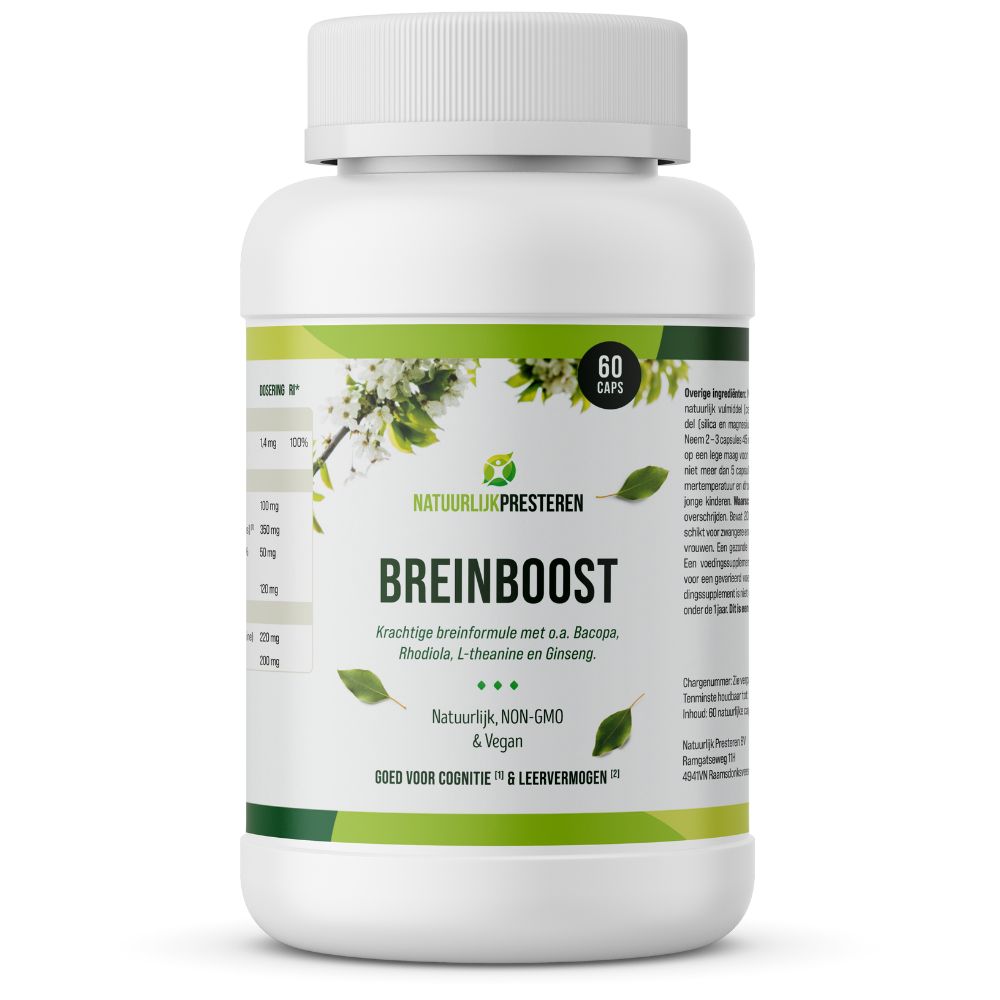
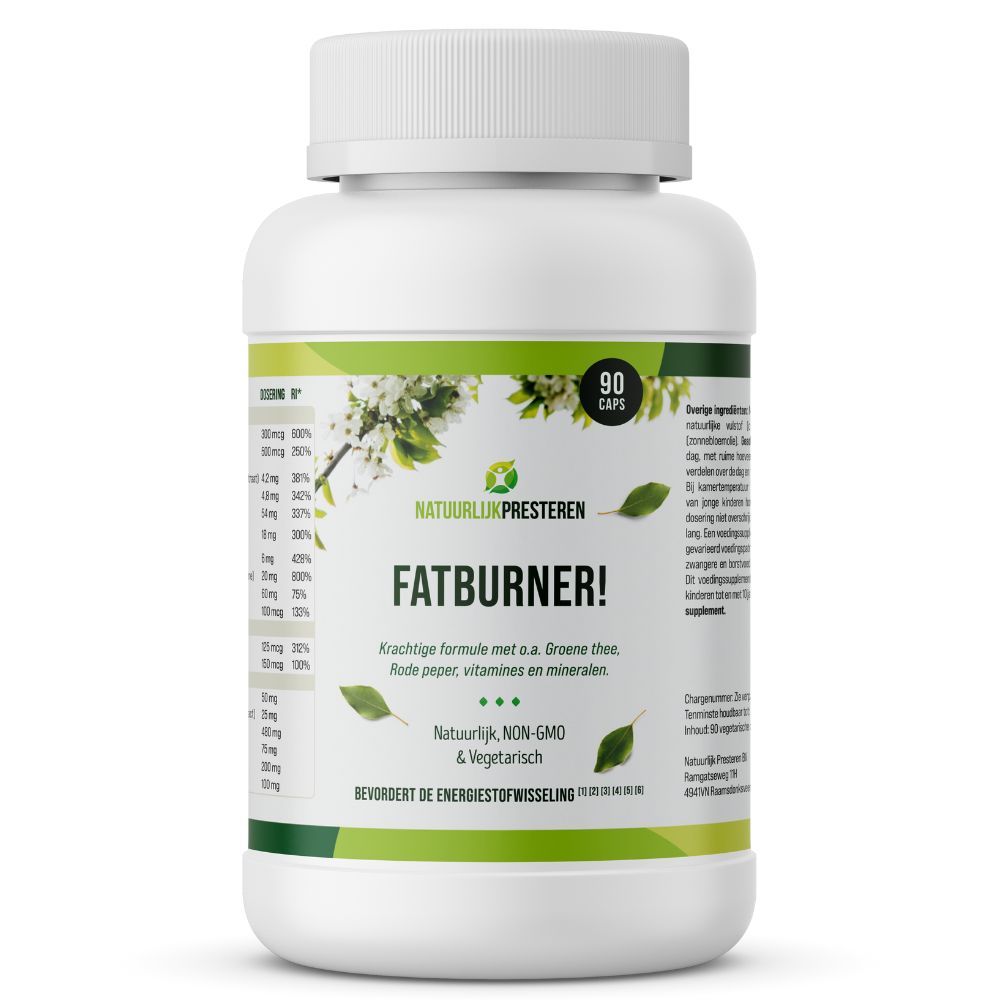
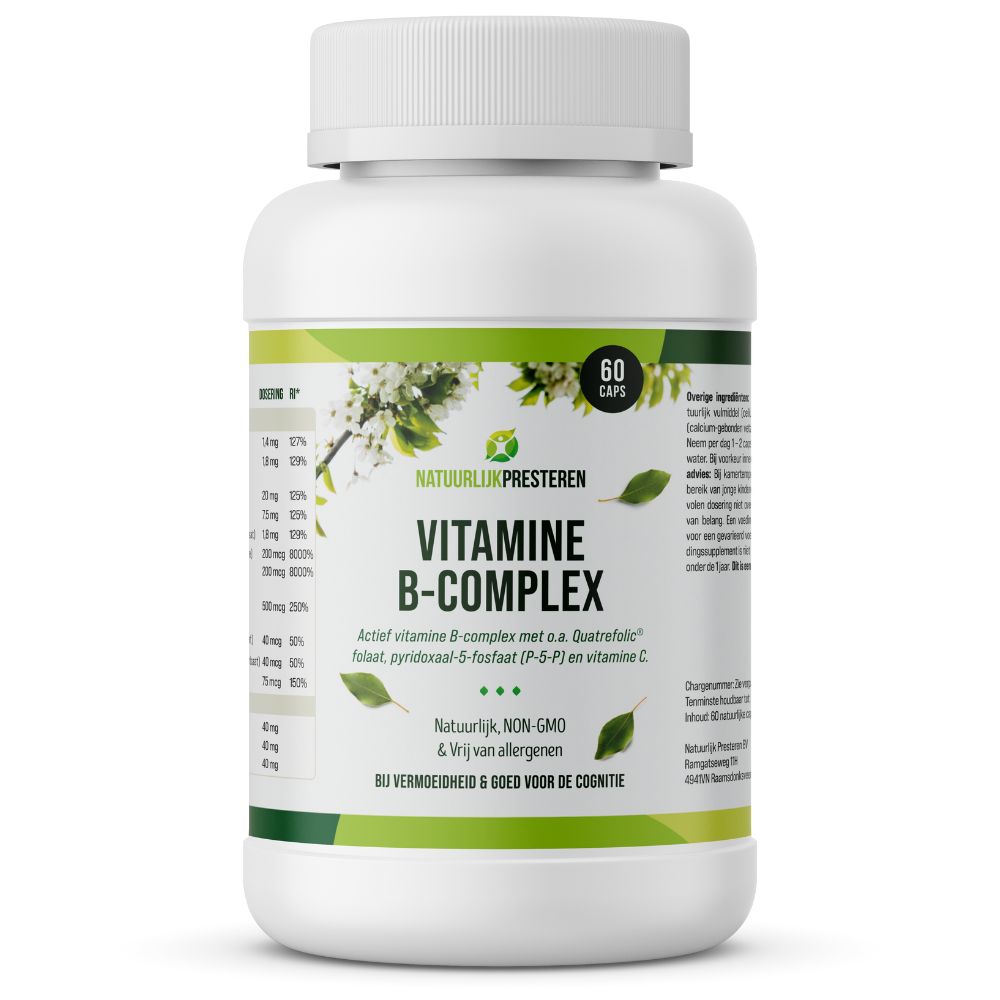
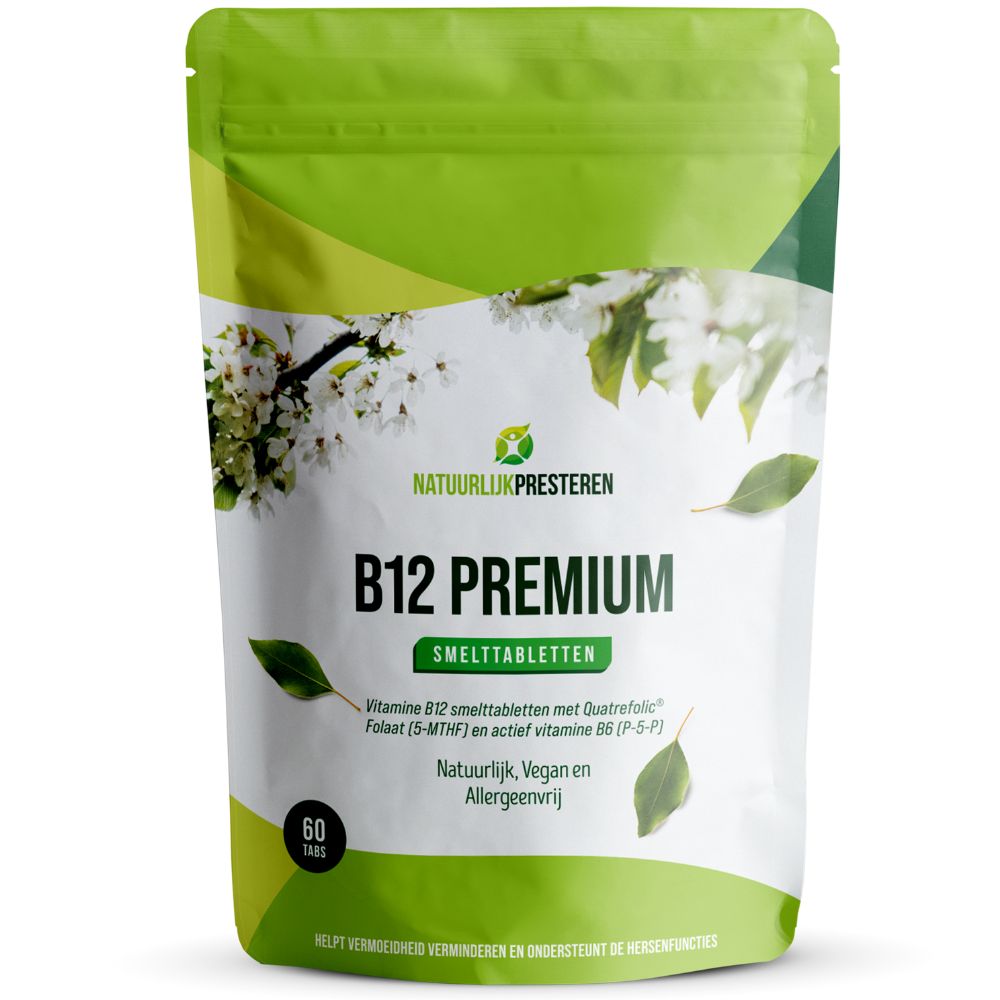
We use these popular natural ingredients in our products:
-
The world-famous duo: L-theanine with Caffeine
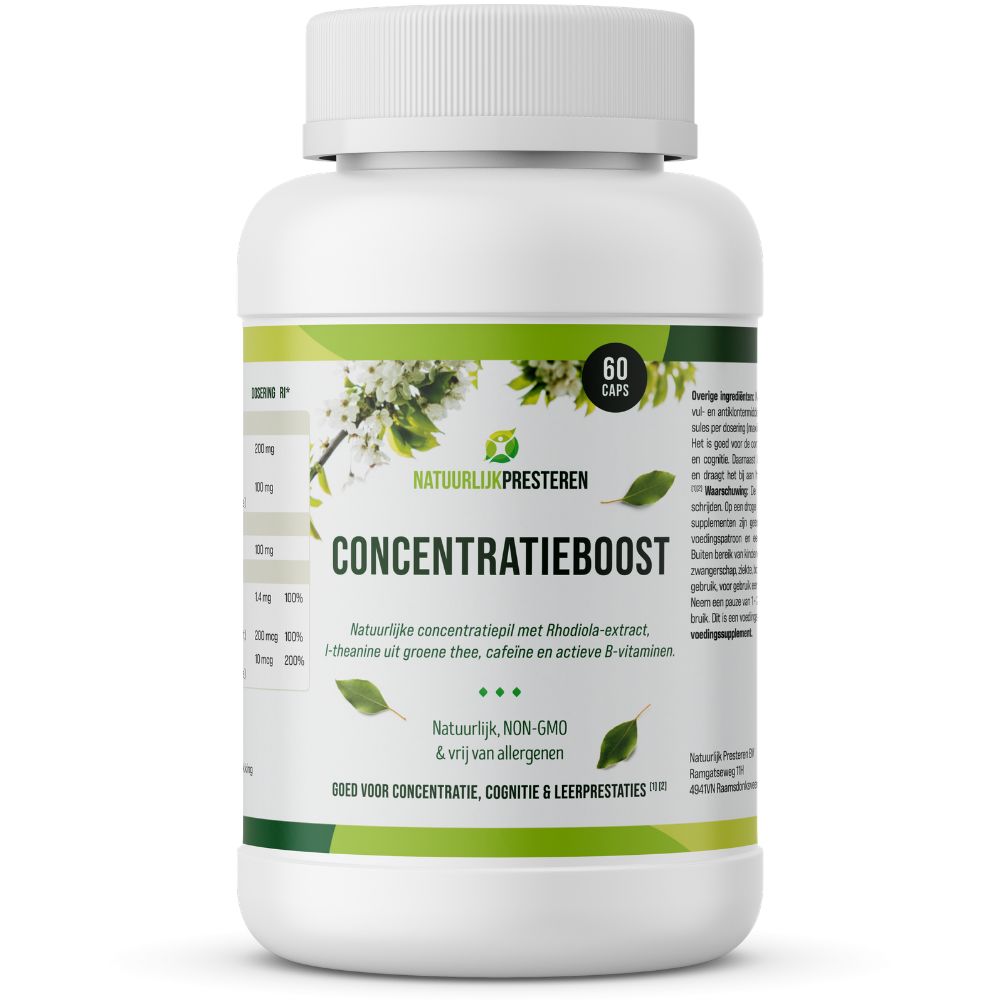
L-theanine is a natural substance found in green tea. Scientific studies show that L-theanine and caffeine are a golden duo for focus, especially in the perfect 2:1 ratio. (1)
-
Panax Ginseng - "Next level mental energy"
Panax ginseng has been used for centuries in Chinese herbal medicine and was used to treat fatigue and support mental health. Research has shown that Panax ginseng can help support mental energy and cognition. (2)
-
Guarana and L-theanine - "The #1 combo in the world"
Caffeine (from guarana extract) combined with L-theanine is the world's most famous nootropic stack. This combination helps achieve deep focus, without the jitters caused by caffeine. This synergistic combination is popular, effective, and used worldwide by high-level performers.
Are Natural Energy Supplements Right for You?
Natural energy supplements can be a valuable addition if you're looking for ways to help with focus, mental clarity, and vitality.
I do recommend that you first critically examine which lifestyle factors you can change to get your energy levels back up. Are you eating a healthy and varied diet, exercising, and getting enough sleep? And consider your coffee and alcohol consumption.
Sources Used
- Arring, N. M., Millstine, D., Marks, L. A., & Nail, L. M. (2018). Ginseng as a Treatment for Fatigue: A Systematic Review. The Journal Of Alternative And Complementary Medicine , 24 (7), 624–633. https://doi.org/10.1089/acm.2017.0361
- Owen, G. N., Parnell, H., De Bruin, E. A., & Rycroft, J. A. (2008b). The combined effects of L-theanine and caffeine on cognitive performance and mood. Nutritional Neuroscience , 11 (4), 193–198. https://doi.org/10.1179/147683008x301513
Gerelateerde blogartikelen
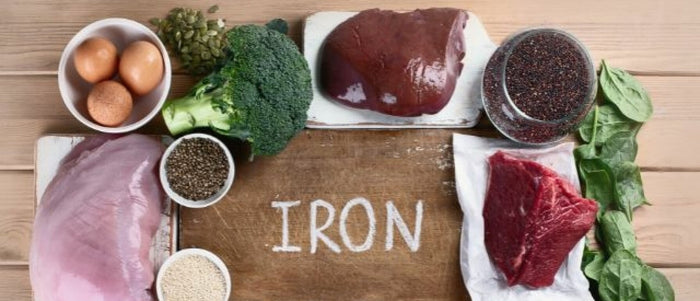
Iron in Food and Supplements: The Complete Guide
Iron is found in food and is also often used in nutritional supplements. In this comprehensive article, you'll learn all about the benefits of iron, its effects on your body, and how to recognize a deficiency. You will also learn which foods contain the most iron and which blood values are important to determine whether you have sufficient (or too much) iron available in your body. Iron is essential for oxygen transport, energy production and the immune system; it occurs as heme iron (animal) and non-heme iron (plant). Iron deficiency leads to fatigue, pale skin and restless legs; causes include blood loss, poor absorption or insufficient iron-rich food. Iron absorption is improved by vitamin C and inhibited by calcium and tea; too much iron can be harmful. Table of contents What is Iron? What Types of Iron are There? Types of Non-Heme Iron Increased Absorption of Heme Iron The Best Iron Supplement The Functions of Iron in the Body Regulating and Storing Iron How Much Iron Do You Need Per Day? Symptoms of Iron Deficiency Causes of Iron Deficiency Menstrual Bleeding in Women (Cause 1) Increased Iron Needed During Pregnancy (Cause 2) Too Little Iron in Breast Milk in Infants (Cause 3) Low Iron Absorption from Food (Cause 4) Too Little Iron-Rich Food (Cause 5) Increase Iron Absorption Getting Sufficient Iron Blood Values in Relation to Iron in Your Body Iron (Deficiency) and Anemia Hemoglobin in Your Blood Test What to Do with a Low Hemoglobin Level (Hb Level)? What to Do with a High Hemoglobin Level (Hb Level)? Ferritin What to Do with a Low Ferritin Level? What to do about high ferritin levels? Which foods contain iron? Side effects of too much iron. What is too much iron? Symptoms of too much iron. What is iron? Iron is an essential mineral that plays a vital role in the body, particularly in the production of hemoglobin, the protein that carries oxygen in red blood cells. A dietary iron deficiency can lead to fatigue and a weakened immune system. In this article, you'll discover the functions of iron, how the body regulates and stores iron, the recommended daily amounts, and the causes and consequences of iron deficiency. We also discuss iron supplements and how to optimize iron absorption from your diet, as well as the risks of iron overload. Read on to learn all about this essential mineral and how to ensure you get enough iron for optimal health. What types of Iron are there? There are two types of iron in our diet: heme iron and non-heme iron. Heme iron - Found in muscles and blood, heme iron is only found in animal products , such as meat, poultry, and seafood. It is more easily absorbed by the body than non-heme iron. Non-heme iron - Found in plant foods such as leafy greens, whole grains, nuts, cocoa, seeds, and legumes. Non-heme iron is also found in animal products. This is easy to remember when you consider that animals eat the plants that contain non-heme iron! Types of non-heme iron Iron supplements almost always use a form of non-heme iron. Some examples of common forms of non-heme iron are: Iron fumarate (ferrous fumarate) Iron bisglycinate Iron citrate Iron sulfate Iron lactate Iron gluconate Iron picolinate In general, these forms of iron differ mainly in their chemical composition, bioavailability (absorbability), and potential side effects. Increased absorption of heme iron Absorption (how well a substance moves from the digestive tract into the bloodstream): 25% of all heme iron in your diet is absorbed, but only 17% of non-heme iron. This means you need to consume about 1.5 times as much non-heme iron as heme iron! Bioavailability (the complete process, from absorption to final availability for use by the body): The bioavailability of heme iron is estimated to be 14% to 18% while it is only 5% to 12% for non-heme iron. Heme iron vs. non-heme iron Although heme iron only makes up 10% to 15% of total iron intake in Western countries, its improved absorption makes it approximately 40% of the total iron absorbed.(1) Another important difference between heme and non-heme iron is that the body absorbs more non-heme iron when your iron stores are low. Heme iron, on the other hand, is always well absorbed, regardless of your iron intake. Adding animal products (containing heme iron) to your diet can increase your absorption of non-heme iron by 2-3 times. The best iron supplement It's important to choose a form of iron that is well-tolerated and effectively absorbed by your body. This can vary depending on individual factors and any specific recommendations from a doctor or nutritionist. For supplements, iron fumarate (ferrous fumarate) is preferred for the following reasons: Bioavailability - Iron fumarate generally has good bioavailability, meaning it can be easily absorbed by the body. This can result in an effective supplement for iron deficiencies. Tolerability - For many people, iron fumarate is well tolerated and causes fewer side effects compared to some other forms of iron, especially with long-term use. The functions of iron in the body The best-known function of iron is the transport of oxygen, but this mineral also plays a crucial role in many other processes in our body. (2) This is why it is so important to get enough iron: Transport of oxygen - Iron is an essential component of hemoglobin, the protein in red blood cells that binds and transports oxygen from the lungs to tissues throughout the body. Energy production - Iron plays a role in the production of adenosine triphosphate (ATP), the body's main energy source. It is involved in various enzymatic reactions essential for metabolism and energy production. The immune system - Iron is essential for healthy immune system function. It plays a role in the production and activity of white blood cells, which protect the body from infection and disease. How the brain works - Iron is involved in the synthesis of neurotransmitters, such as dopamine and serotonin, which are important for communication between nerve cells and the regulation of mood, emotions and cognitive functions. DNA synthesis - Iron is essential for the synthesis of DNA, the genetic material of cells. It is necessary for the growth, development, and repair of tissues in the body. Regulating and storing iron Our body has a fascinating system for regulating iron levels. This system ensures the body has enough iron to perform essential functions and prevents excessive iron accumulation, which can be harmful to health. Storage - When more iron is ingested than we immediately need, the excess iron is stored as ferritin, a protein that can bind iron and store it in cells (more on this later). This occurs primarily in the liver, spleen, and bone marrow. Absorption - When iron stores in the body are low, iron absorption from the intestines increases. This is regulated by a complex system of proteins and hormones. Recycling - When a red blood cell dies, it is broken down in the spleen and liver. This process releases the iron, which is then reused to make new red blood cells or stored for future use. How much iron do you need per day? How much iron you need daily depends on your age and individual needs. These are the guidelines from the Health Council and the Nutrition Center.(3) Age / need Quantity Children (6 months - 5 years) 8 mg per day Children (6-8 years) 9 mg per day Men (ages 9 and up) 11 mg per day Women (9-13 years and after menopause) 11 mg per day Women (14-17) 15 mg per day Women who are breastfeeding 15 mg per day Women (over 18 until menopause) 16 mg per day Pregnant women 16 mg per day Symptoms of Iron Deficiency When your body doesn't have enough iron, it will first draw on its reserves. But if even those are depleted, you can develop an iron deficiency. You can recognize an iron deficiency by the following symptoms: Fatigue - Iron is needed to transport oxygen. Less oxygen means you can produce less energy, which can lead to fatigue. Quickly out of breath - The less oxygen your blood can carry, the faster you have to breathe and therefore quickly become out of breath. Pale skin - An iron deficiency causes poor blood circulation. This can lead to pale skin. Restless legs - An iron deficiency can affect dopamine production, which can trigger restless legs. These are the most common symptoms recognized by the Nutrition Center.(4) Causes of iron deficiency Because the body can recycle iron and store it relatively easily, an iron deficiency doesn't develop overnight. It's a gradual process. You're therefore at risk of a deficiency if, over a prolonged period of time, you: Blood loss (menstruation, stomach ulcer, blood donation, tumors) Have a higher need for iron (pregnancy, breastfeeding) Reduced ability to absorb iron (intestinal problems, gastric reduction surgery) Not getting enough iron (diet) Menstrual bleeding in women (cause 1) Women who experience heavy menstrual bleeding (menorrhagia) are at increased risk of iron deficiency. Iron deficiency symptoms can also occur in women with lighter periods. Sudden blood loss , such as during a blood donation or surgery, causes the body to lose a large number of red blood cells in a short period of time, along with valuable iron molecules. Producing new blood therefore requires an especially high iron intake. Similarly, iron deficiency can also occur with gradual blood loss , for example, from a stomach ulcer or tumor. Increased iron requirement during pregnancy (cause 2) Pregnant women have a increased need iron. This is because the body then produces more blood to supply the baby and placenta with sufficient oxygen and nutrients. The iron regulation system cleverly adapts to this by absorbing more iron from your diet. However, it is important to eat extra iron-rich foods during pregnancy, because the need for iron increases even more in the 2nd and 3rd trimesters .(5) A well-stocked iron supply is also necessary for childbirth due to the blood loss and the breastfeeding period during which the baby is dependent on breast milk for its iron supply. Low Iron in Breast Milk in Infants (Cause 3) Because breast milk is not very rich in iron and infants are completely dependent on milk for their iron intake, babies can also develop iron deficiency. The same applies to older children who are still growing. During a growth spurt, more blood is needed in a short period of time to supply the growing body with sufficient oxygen. Low iron absorption from food (cause 4) Sometimes it is not the extra need for iron that causes an iron deficiency. The cause can also be due to a Lower or less efficient absorption of iron in the small intestine. Examples of situations in which iron absorption is less efficient include: Bowel problems such as Crohn's disease or ulcerative colitis (IBD); A recent dissertation by Roberta Loveikyte (April 2024) discovered that 1 in 5 outpatients with IBD has anemia, often due to an iron deficiency. (6) Gastric bypass (stomach reduction surgery) Celiac disease (gluten allergy) or gluten intolerance Too little iron-rich food (cause 5) Because non-heme iron (plant-based foods) is less well absorbed than heme iron (animal products), it can be included in a vegetarian or vegan diet. it can be a challenge to get enough iron. It's therefore important to eat more of these foods and pay attention to how they're eaten to improve absorption . This can be done by combining certain foods in a meal: Increase Iron Absorption Vitamin C supports the absorption of non-heme iron. Combining foods rich in vitamin C, such as fruit, with iron-rich foods improves iron absorption. A glass of orange juice with a meal is a good example.(7),(8) These substances inhibit the absorption of iron Calcium (including in dairy products) Phytic acid (found in grains and legumes) Polyphenols (eg in tea and coffee) That's good to know, of course, but how do you apply that in practice? Getting enough iron Try to eat foods rich in calcium, phytic acid, and polyphenols separately from your meal if they contain iron. For example, have your cup of coffee an hour after your meal instead of right after. Do you like a bowl of yogurt after your meal? Eat it as a snack or wait a bit longer. To get you started, try this simple recipe . This dish will give your iron levels a significant boost. It combines foods rich in non-heme iron with ingredients rich in vitamin C. The Iron-Boost Salad - In a large bowl, combine diced fresh tomatoes, raw baby spinach, pumpkin seeds and/or sunflower seeds, and dried chopped apricots and/or figs. Drizzle with a simple lemon vinaigrette made with 2 tablespoons lemon juice, 1/2 teaspoon Dijon mustard, 3 tablespoons olive oil, and 1 teaspoon honey (optional). Stir well and let sit for at least 15 minutes to allow the flavors to meld. Serve with a piece of (grass-fed and organic) beef and, if desired, a boiled egg (or, for a vegetarian option, use sprouted lentils and a piece of tofu instead of the meat). Blood values in relation to iron in your body Do you suspect your iron levels are too low? Then you can have your blood tested by your GP. These blood values together provide a good picture of your iron status and help identify an iron deficiency or anemia: Hemoglobin (Hb) - Indicates whether sufficient oxygen can be transported by the blood. Hematocrit (Ht) - To measure the ratio of red blood cells to total blood volume. Ferritin - Indicates how much iron is available for the body to use (iron stores). Transferrin – To determine iron status. Iron (deficiency) and anemia You suffer from anemia if you have too little hemoglobin or too few red blood cells. in your blood. Anemia can be temporary or chronic (e.g., due to a hereditary condition). Although iron deficiency is the most common cause of anemia, it is possible for a person to have an iron deficiency without having low hemoglobin levels. Other factors, such as a vitamin B12 or folic acid deficiency , can also cause anemia, as can underlying conditions that break down red blood cells. Therefore, an iron deficiency is not the same as anemia! Anemia: decreased hemoglobin level Iron deficiency: decreased serum* ferritin level (*) Serum is a clear, jelly-like fluid that remains after blood has clotted and the blood cells have settled. Serum contains various components, including proteins, hormones, nutrients, waste products, and other dissolved substances. Hemoglobin in your blood test The hemoglobin value (Hb value) indicates how much hemoglobin is present in the blood and therefore how much oxygen the blood can carry. A healthy Hb value varies by age(9) Age / need Blood value Men 8.5 – 11.0 mmol/L Women 7.5 – 10.0 mmol/L Babies and children up to 6 years old 6.0 – 9.0 mmol/L Children over 6 years old 6.5 – 10.0 mmol/L What to do in case of low hemoglobin (Hb) levels? A low Hb level can lead to anemia, which results in insufficient oxygen transport in the blood. You can increase your iron levels by taking the following steps: Choose more iron-rich foods (see overview below) Combine animal products (heme iron) with plant products (heme iron) Mix iron-rich meals with ingredients that contain a lot of vitamin C Eat calcium-rich products separately Don't drink your coffee immediately after your meal What to do in case of a high hemoglobin (Hb) value? On the other hand, a high Hb level can indicate sufficient oxygen in the blood, but the blood can become thicker and more viscous than normal. You may be consuming too much iron, for example, by overdosing on iron supplements. You can lower your iron levels in the following ways: Limit red meat consumption Choose vegetable protein sources Avoid iron-rich foods Moderate the consumption of iron-rich vegetables Combine meals with dairy products (or other foods rich in calcium) Ferritin Iron is stored in the body as ferritin and is distributed throughout the body by transferrin (a protein in the blood that binds to iron). Measuring your ferritin levels, therefore, provides insight into your iron stores. Men 25-250 ug/L Premenopausal women 20-150 ug/L Postmenopausal women 20-250 ug/L Men and women 65+ 45-250 ug/L What to do about low ferritin levels? Because your ferritin levels are largely genetically determined, you don't have much control over how they change. However, you can try a few things yourself to increase your ferritin levels: Choose more iron-rich foods (see overview below) Combine animal products (heme iron) with plant products (heme iron) Mix iron-rich meals with ingredients that contain a lot of vitamin C Eat calcium-rich products separately Don't drink your coffee immediately after your meal What to do about high ferritin levels? If your blood test shows high ferritin levels, this doesn't necessarily mean you have too much iron. An infection or a (hereditary) condition, for example, can increase the presence of the protein ferritin in your blood. You can try to lower your ferritin levels yourself by taking the following steps: Limit red meat consumption Choose vegetable protein sources Avoid iron-rich foods Moderate the consumption of iron-rich vegetables Combine meals with dairy products (or other foods rich in calcium) Which foods contain iron? Heme iron is mainly found in (red) meat, poultry, and fish. Non-heme iron is found in whole grains, cocoa, dried fruit, nuts, and leafy greens. These are examples of iron-rich foods that will help you get your daily iron intake: Food Total iron per 100 gr Heme iron per 100 gr Non-heme iron per 100 g Apple syrup 13.2 mg 0 mg 13.2 mg Cocoa powder 10.5 mg 0 mg 10.5 mg Sunflower seeds 8.0 mg 0 mg 8.0 mg Chia seeds 7.0 mg 0 mg 7.0 mg Sunflower seeds 5.0 mg 0 mg 4.9 mg Dried apricots 4.0 mg 0 mg 4.0 mg Cooked mussels 3.9 mg 1.0 mg 3.0 mg Beef 3.0 mg 2.0 mg 1.0 mg Cooked brown/green lentils 2.9 mg 0 mg 2.9 mg Boiled egg 2.4 mg 0 mg 2.4 mg Tofu 2.4 mg 0 mg 2.4 mg Whole wheat bread coarse 2.0 mg 0 mg 2.0 mg Raw spinach 2.0 mg 0 mg 2.0 mg Smoked mackerel 1.2 mg 0.9 mg 0.3 mg Source: Nevo table online, 2023 Side effects of too much iron An excess of iron, also known as iron overload (medical term: hemochromatosis) can be dangerous. However, you generally don't need to worry about eating too much iron. In most cases, the cause is one of the following: Genetic factors Excessive use of iron supplements Repeated blood transfusions Liver diseases What is too much iron? In the Netherlands, the upper limit for iron intake has been set at 45 mg per day for adults and 40 mg per day for children up to 14 years of age (Health Council and the European Food Safety Authority EFSA). This means that if you consume more than 40 or 45 mg of iron per day, you will experience symptoms of iron poisoning can experience. (source) Symptoms of too much iron Iron overload can lead to unpleasant symptoms. These can range from mild to severe, depending on the degree of iron accumulation and the organs affected. Common symptoms include: Yield Nausea Stomach ache If iron overload (hemochromatosis) is left untreated, further complications may occur including: Joint pain Liver function disorders (such as liver enlargement) Skin discoloration (bronze or gray tint) Heart problems (such as heart rhythm disturbances and heart failure) Diabetes Hormone disruptions If iron overload is suspected, it is important to seek medical help for diagnosis and treatment. Ebrina van der Bijl Ebrina is a nutritionist with a deep commitment to healthy eating and a sustainable lifestyle, based in beautiful Portugal. Her passion for natural and organic products is at the heart of her work. With a background in Nutrition & Dietetics and experience in product development and writing, she translates complex scientific information into practical advice for a balanced lifestyle. Read more Reference list https://www.ncbi.nlm.nih.gov/books/NBK540969/ https://www.ncbi.nlm.nih.gov/pmc/articles/PMC9219084/ https://www.voedingscentrum.nl/encyclopedie/ijzer.aspx#blokhoe-neemt-het-lichaam-ijzer-op https://www.voedingscentrum.nl/encyclopedie/ijzer.aspxVoedingscentrum https://www.ncbi.nlm.nih.gov/pmc/articles/PMC7123805/ https://research.rug.nl/en/publications/iron-deficiency-in-inflammatory-bowel-disease-the-underestimated https://www.ncbi.nlm.nih.gov/pmc/articles/PMC7607440/ https://www.ncbi.nlm.nih.gov/books/NBK448204/ https://richtlijnen.nhg.org/landelijke-eerstelijns-samenwerkingsafspraken/laboratoriumdiagnostiek#volledige-tekst-referentiewaarden
Lees meer bloggle
Vitamin B12: What are the benefits and what to do if you have a deficiency?
Vitamin B12 is a well-known vitamin, and many people are deficient in it. But what exactly is vitamin B12? What should you do if you have a deficiency, and which foods can you get it from? In this article you will learn all about it Vitamin B12 supports the production of red blood cells, the nervous system, energy metabolism and cell division, essential for a healthy body. B12 deficiency causes fatigue, neurological problems and anemia, especially in vegans, the elderly and people with digestive problems. B12 is mainly found in animal products; vegans and vegetarians should use supplements or fortified foods to avoid deficiencies. Table of contents What is Vitamin B12? What is Vitamin B12 good for? Types of Vitamin B12 Active types of B12 Inactive types of B12 How much Vitamin B12 per day? Vitamin B12 deficiency Symptoms of B12 deficiency Causes of B12 deficiency What to do about vitamin B12 deficiency? Stomach acid, Intrisic Factor (IF) and vitamin B12 Where is vitamin B12 found? Sources of vitamin B12 Plant sources of vitamin B12 What is Vitamin B12? Vitamin B12, also known as cobalamin, is an essential, water-soluble vitamin. It plays a key role in the nervous system, metabolism, red blood cell production, and cell division. This vitamin is found exclusively in animal products such as meat, fish, dairy, and eggs. Therefore, it's especially important for vegans to supplement their diet with supplements. Active forms of vitamin B12, such as methylcobalamin and adenosylcobalamin, are recommended for supplement use. What is Vitamin B12 good for? Vitamin B12 plays a crucial role in various bodily functions. Thus it contributes to: The formation of red blood cells A normal cell division A normal energy metabolism The normal functioning of the immune system Homocysteine metabolism* In addition, vitamin B12 is also good for: The memory The state of mind Fatigue The nervous system (*) Homocysteine is converted in the body into methionine and cysteine, two important amino acids your body needs to make proteins. For this conversion, your body needs, among other things, B12. Types of Vitamin B12 The natural forms of vitamin B12 found in foods are: Methylcobalamin Hydroxycobalamin S-adenosylcobalamin Enriched products and B12 supplements use other forms of the vitamin. If you're considering buying vitamin B12 as a supplement, be sure to check the form of the vitamin. The types of vitamin B12 differ primarily in their chemical structure . But the most important difference is that there are active and inactive forms : Active types of B12 Can be used directly by the body for essential processes. This makes them more efficient and faster-acting compared to inactive forms. Examples: Methylcobalamin - Highly effective because it's already an active form of vitamin B12 that the body can easily use. It's well absorbed. Adenosylcobalamin – Also an active form of B12, particularly important for energy production and mitochondrial function. It can be helpful for people experiencing specific energy issues. Inactive forms of B12 Must first be converted before they can perform their functions. Examples: Cyanocobalamin - Although less immediately active than the other forms, it is often used because of its stability and lower cost. Hydroxycobalamin - Often used in injectable forms of B12 supplementation because of its longer duration of action in the body. For best results, choose the active forms methylcobalamin or adenosylcobalamin. Helpful tip: For my nieces (young children) I use B12 melt or chewable tablets, because they cannot swallow the tablet form yet. How much Vitamin B12 per day? Adults need 2.8 mcg of vitamin B12 daily , according to the Health Council. This recommended daily amount is the same for men and women. An adjusted RDA applies to children, pregnant women and women who are breastfeeding: Age Recommended Daily Amount of Vitamin B12 Babies (0-5 months) 0.4 mcg Babies (6-11 months) 0.5 mcg Children (1-3 years) 0.7 mcg Children (4-8 years) 1.3 mcg Children (9-13 years) 2.0 mcg Children (14-17 years) 2.8 mcg Adults (over 18 years old) 2.8 mcg Pregnant women 3.3 mcg Women who are breastfeeding 3.8 mcg Source: Nutrition Center (1) Vitamin B12 deficiency Vitamin B12 deficiency can be caused by insufficient intake, limited absorption into the body and reduced absorption. Although B12 is present in many different (animal) foods, not only vegans and the elderly are at risk for a deficiency. How well your body can absorb vitamin B12 plays a crucial role and can vary significantly depending on the food source. This means that your body cannot always utilize all the B12 from food, even if you regularly consume animal products. Symptoms of B12 deficiency A vitamin B12 deficiency can lead to a form of anemia called macrocytic anemia. You can notice this by these symptoms: Fatigue Dizziness Palpitations In addition, neurological complaints may occur such as: Tingling in the fingers Memory loss Coordination disorders Note: These symptoms may also indicate other conditions or deficiencies! Because the symptoms of a vitamin B12 deficiency are nonspecific, a deficiency can go unnoticed for a long time (or be misdiagnosed). Your body can also store a (limited) amount of B12 . So you can get too little B12 and still rely on your reserves for a while. Causes of B12 deficiency If you experience any of the above symptoms, I recommend that you ask your doctor for a blood test. This is especially true if you: Following a restrictive diet, such as veganism Are older than 60 years Are pregnant or breastfeeding Have a medical condition that can lower B12 levels (such as Crohn's disease, gluten allergy, etc.) Taking medications that deplete B12 What to do about vitamin B12 deficiency? If a vitamin B12 deficiency has been confirmed by a blood test, I recommend investigating the cause. If you don't have any gastrointestinal problems, you may not be getting enough B12: Eat animal products - Such as meat, fish, eggs, dairy and other animal products as natural sources of B12. Choose fermented foods - Fermented products like tempeh, miso, and sauerkraut may contain small amounts of B12. This is certainly an option if you're following a vegan diet. Note, however: This form may be less well absorbed by your body than B12 from animal sources! Consider B12 supplements - If it is difficult to get enough B12 from food, consult with an expert in the field about appropriate B12 supplements. Monitor your B12 levels - Have your vitamin B12 levels checked regularly, especially if you are at risk for a deficiency or suspect you may have a deficiency. If the cause turns out to be reduced absorption due to problems in your stomach and/or intestines, make an action plan with your doctor. Stomach acid, Intrisic Factor (IF) and vitamin B12 Stomach acid helps digest and release vitamin B12 from food. In addition, intrinsic factor (IF) is produced in the stomach lining, essential for the absorption of B12 in the small intestine. Without sufficient stomach acid or intrinsic factor, vitamin B12 cannot be properly absorbed, which can lead to a B12 deficiency despite adequate dietary intake. B12 sprays and injections can be a way to bypass the intrinsic factor through the normal digestive pathway. This can be helpful for people with digestive problems. Please note: It is important to follow the specific needs and recommendations of a physician or dietitian when choosing the right form of B12 supplementation. What contains vitamin B12? In both humans and animals, vitamin B12 is produced in the gastrointestinal tract by certain bacteria. It is therefore primarily found in animal products such as meat, fish, eggs, and dairy products. Plant foods are generally low in vitamin B12, except for some fermented foods (more on this later). Vitamin B12 absorption varies by dietary source, with fish, meat, and dairy generally offering higher bioavailability.(2) Sources of vitamin B12 These foods are high in B12: Food Amount of Vitamin B12 per 100 grams Liver (beef) 98.0 mcg Mussels 19.2 mcg Oysters 16.2 mcg Herring 13.0 mcg Mackerel 10.2 mcg Cheese (48+) 2.0 mcg Egg (boiled) 1.5 mcg Milk (whole) 0.4 mcg Source: Nevo Table (online), 2023 Plant sources of vitamin B12 Natural sources of vitamin B12 are limited in plant foods, as B12 is mainly found in animal products. It's therefore important for vegetarians, and especially vegans, to be aware of alternative sources. Some fermented foods , such as tofu and tempeh, may contain small amounts of B12. In addition, there are algae and certain mushrooms that can serve as sources of B12. I mention these sources with some caution, because the bioavailability and amounts of B12 in these sources have not yet been sufficiently investigated.(3) With a long history in various cultures, fermented plants continue to evolve and are considered the food of the future. That's why I have high hopes for this area! Ebrina van der Bijl Ebrina is a nutritionist with a deep commitment to healthy eating and a sustainable lifestyle, based in beautiful Portugal. Her passion for natural and organic products is at the heart of her work. With a background in Nutrition & Dietetics and experience in product development and writing, she translates complex scientific information into practical advice for a balanced lifestyle. Read more Sources used Nutrition Center. (nd-c). Vitamin B12 (cobalamin) . https://www.voedingscentrum.nl/encyclopedie/vitamine-b12 Lavriša, Ž., Hristov, H., Hribar, M., Žmitek, K., Kušar, A., Seljak, B.K., Gregorič, M., Blaznik, U., Gregorič, N., Zaletel, K., Oblak, A., Osredkar, J., & Pravst, I. (2022). Dietary Intake and Status of Vitamin B12 in Slovenian Population. Nutrients, 14(2), 334. https://doi.org/10.3390/nu14020334 Reissig, G. N., De Carvalho Oliveira, T. F., Bragança, G. C. M., Da Silva Rodrigues, R., & Da Fonseca Barbosa, F. (2023). Fermented vegetables and fruits as vitamin B12 sources: An overview. International Food Research Journal, 30(5), 1093–1104. https://doi.org/10.47836/ifrj.30.5.02
Lees meer bloggle
Magnesium: Everything you need to know!
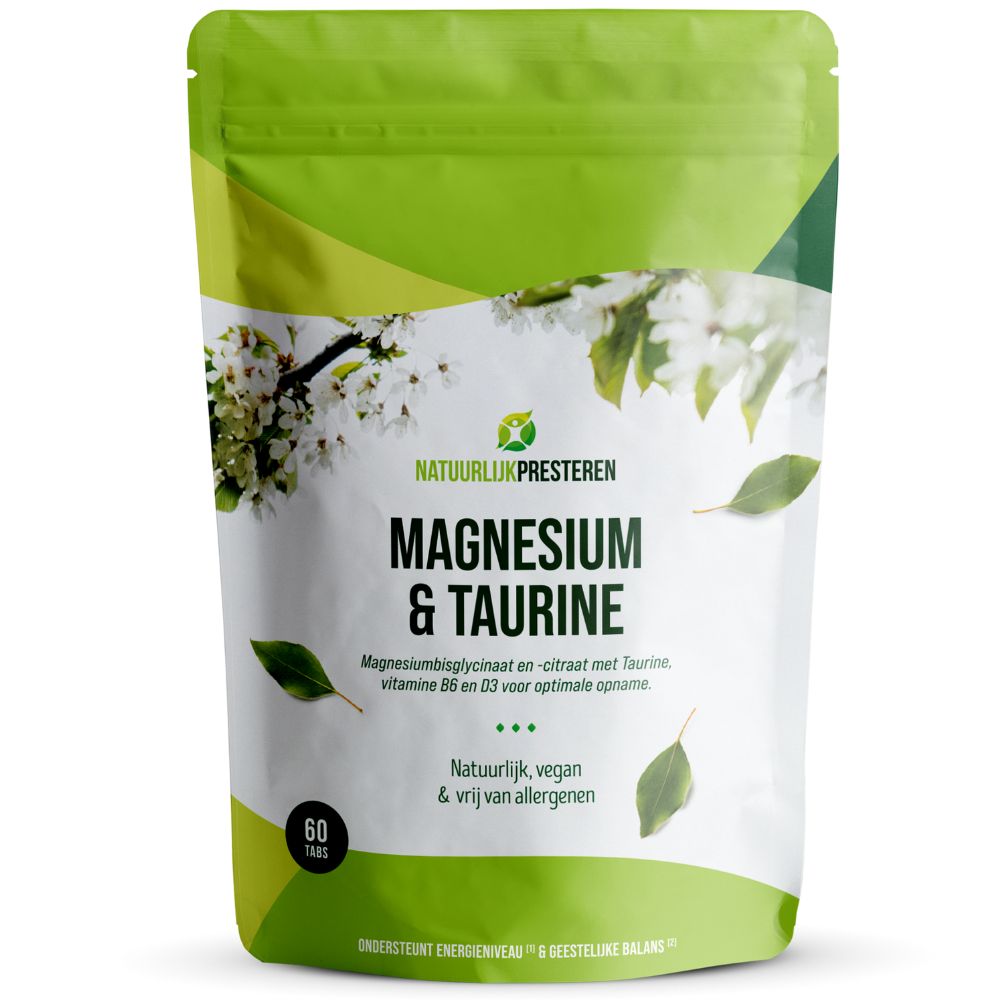
Magnesium is an essential mineral with many different functions in the body. It contributes to the nervous system and muscle function, for example. A magnesium deficiency therefore has several consequences for the body. This article covers everything about magnesium. You'll learn about the types of magnesium, its benefits, its sources, and more. Magnesium supports muscles, nerves, energy production and mental health and is found in foods such as nuts, chocolate and vegetables. A deficiency can lead to fatigue, muscle cramps, concentration problems and heart problems, made worse by stress, caffeine and poor diet. The best forms of magnesium are organically bound variants such as bisglycinate and citrate, which are better absorbed and work more effectively. Table of contents What is magnesium? What types of magnesium are there? Organically bound magnesium Inorganically bound magnesium How much magnesium do you need per day? What are the benefits of magnesium? What are the symptoms of a magnesium deficiency? Causes of a magnesium deficiency Insufficient dietary intake Chronic stress Gut problems (Irritable Bowel Syndrome or Leaky Gut Syndrome) Too much alcohol Too high estrogen Insulin resistance Too much caffeine Use of antacids Elite sports or sauna Where does magnesium come in? What are the side effects of too much magnesium? What is the best magnesium? What is magnesium? Magnesium is a mineral the body needs for a wide range of functions. Most people are familiar with magnesium for its effects on rest and muscle recovery, but it also influences other bodily processes. For example, it also affects energy and mental health. Magnesium is found in chocolate, vegetables, and nuts, among other things. A deficiency or excess is rare, but when it does occur, it can cause quite unpleasant symptoms. Your body absorbs magnesium through the small intestine. Magnesium absorption can vary significantly depending on the supplement and the type of food. You can read more about this later in the article. What types of magnesium are there? Magnesium is available in various forms. These variants have different properties and are not all equally absorbable. Magnesium types can actually be divided into two types: organically bound and inorganically bound. Organically bound magnesium Organic magnesium is a form of magnesium in which magnesium is bound to an organic molecule. These forms are absorbed the best. Magnesium bisglycinate - This form is known for its relaxing effect on the nervous system and muscles. It is a combination of magnesium and the amino acid glycine. Magnesium citrate - This form of magnesium is combined with citric acid and is better absorbed. It is often used for people suffering from constipation. Magnesium malate - This form of magnesium is also combined with another substance, in this case malic acid. This is often recommended for people who want muscle support or suffer from fatigue. Magnesium Taurate - This is another form of magnesium known for its relaxing effects and cardiovascular benefits. It's a combination of magnesium and the amino acid taurine. Inorganically bound magnesium Inorganic magnesium is a form of magnesium in which magnesium is bonded to an inorganic molecule or atom. Magnesium oxide - These forms are widely used against heartburn and constipation. Magnesium hydroxide - is also used against heartburn and constipation. Magnesium chloride - This form is primarily used for nerves and muscles. It's known for its relaxing effect. It's often used in flakes for topical use. Magnesium sulfate - This form is also called Epsom salt and is known for its strong laxative effect. How much magnesium do you need per day? The amount of magnesium you need varies by age and specific needs. The table below provides guidelines for daily intake. Age / needs Amount of magnesium per day Infants (0-6 months) 30 mg Infants (7-12 months) 75 mg Children (1-3 years) 80 mg Children (4-8 years) 130 mg Children (9-13 years) 240 mg boy 280 mg girls Teenagers (14-18 years) 410 mg boys 360 mg girls Adult men (18+) 400 – 420 mg Adult women (18+) 310 – 320 mg Pregnant women 350 – 360 mg Women who are breastfeeding 310 – 320 mg It's important to know that these are general recommendations and that needs can vary from person to person. It's wise to consult a medical professional before starting supplements, especially if you have an underlying health condition. What are the benefits of magnesium? Magnesium has positive effects on both the body and the mind. The benefits of magnesium are listed below. Helps against fatigue and for a healthy energy level - Magnesium is essential for the production of ATP, which is a substance our body uses to create energy. It also plays a role in regulating electrolyte balance and nerve function, which also helps prevent fatigue. Good for a good night's sleep - Magnesium helps you relax during stressful times because it has a calming effect on the nervous system. It also plays a role in the production of 5-HTP and serotonin, which converts to melatonin. It's also linked to GABA, a calming neurotransmitter in the brain [1]. Supports electrolyte balance - Magnesium is one of the electrolytes important for proper fluid balance, nerve function, and muscle contraction. It also plays a role in the balance of other important electrolytes, such as potassium, calcium, and sodium. Supports the nervous system - The nervous system is like electrical wiring that transmits signals between the brain and the rest of the body. Magnesium supports this system by ensuring that nerve cells don't become overactive and thus remain "calm." Is good for the muscles - Magnesium helps conduct signals between nerves and muscles. It also helps maintain the balance between muscle contraction and relaxation. Contributes to normal protein synthesis - Protein synthesis is the process of building new proteins. This requires the assembly of amino acids. Magnesium supports this process. Supports cognition - Magnesium supports various psychological functions. It's involved in signal transmission between brain cells and regulating neurotransmitters. Helps keep bones and teeth healthy - Magnesium helps form healthy bone and tooth structures. It works together with calcium to achieve this. Supports cell division - Cell division involves many steps and magnesium acts as a kind of 'director' in carrying out these steps, making it work more efficiently. Good for concentration - Magnesium plays a role in neurological processes, such as the transmission of signals between the brain and nerve cells. This is important for clear thinking, focus, and concentration. Magnesium is also involved in the function of neurotransmitters, which are related to alertness, attention, and concentration. Magnesium is essential for a wide range of functions in the body and mind. When you don't get enough magnesium from food, various symptoms can occur. A magnesium deficiency is more common than you might think. Approximately 20 to 30 percent of adults don't get enough magnesium. What are the symptoms of a magnesium deficiency? As you read above, magnesium is essential for a wide range of functions in the body and mind. When you don't get enough magnesium from food, various symptoms can occur. A magnesium deficiency is more common than you might think. Approximately 20 to 30 percent of adults don't get enough magnesium. The symptoms of a magnesium deficiency[2][3]: Loss of appetite Nausea Concentration problems Gloom Fatigue Muscle problems Heart problems Nerve problems Numbness Tingling The causes of a magnesium deficiency A magnesium deficiency can therefore significantly impact your physical and mental health. There are also circumstances that may increase your magnesium needs, or cause it to be absorbed less effectively. In these cases, pay extra attention to your intake or take a supplement. Insufficient dietary intake Many foods are processed before they're eaten. Think of grinding, heating, or refining. Magnesium is lost with every processing step. Furthermore, magnesium is often present in the skin, or it evaporates into the cooking water if you overcook food. Food from bags, packets, or cans also contains few nutrients, including magnesium. Chronic stress When you're stressed, your body uses more magnesium[4]. As mentioned earlier, magnesium plays an important role in relaxation and the production of neurotransmitters, which are responsible for feelings of happiness. Chronic stress can therefore cause a magnesium deficiency, but a magnesium deficiency can also cause stress. Then you end up in a vicious cycle. Bowel problems (Irritable Bowel Syndrome or Leaky Gut Syndrome) With intestinal problems like Irritable Bowel Syndrome or Leaky Gut Syndrome, a vicious cycle can also develop. The intestinal problems can lead to reduced absorption. But reduced magnesium absorption can also lead to reduced intestinal muscle function. Too much alcohol Alcohol stimulates the kidneys to excrete more magnesium. It also reduces the efficiency of digestion and can cause a vitamin D deficiency. Vitamin D is necessary for proper magnesium absorption[5]. Too much estrogen In some cases, estrogen levels can be too high in women. This is called estrogen dominance. To eliminate estrogen, the body needs magnesium. Estrogen dominance therefore requires more magnesium. If there is too little magnesium, estrogen levels can rise even further. This is another vicious cycle. Insulin resistance Magnesium is involved in releasing energy from carbohydrates. Insulin resistance makes the body insensitive to insulin. Blood sugar levels then rise. This results in higher blood sugar levels and increased magnesium consumption, meaning you need more of it. Magnesium is also less well absorbed with insulin resistance. Too much caffeine Magnesium is processed by the kidneys. They filter it and ensure that any excess is excreted. Caffeine affects kidney function. It acts as a diuretic, which encourages your kidneys to excrete more urine. This can lead to excess magnesium loss because it leaves your body through urine and isn't absorbed[6]. Caffeine is found in, among other things: Coffee Tea Cola Chocolate Use of antacids Antacids reduce the stomach's acidity. If there's too little stomach acid, the body can absorb fewer nutrients. This can lead to a mineral deficiency, such as magnesium. Your body can't digest food, and the magnesium is excreted undigested. Top sport or sauna You also have an increased risk of a magnesium deficiency if you participate in elite sports or frequent saunas. This is because sweating causes the loss of various minerals, including magnesium. The body then simply needs more magnesium to stay healthy. What does magnesium contain? Below are 20 food sources that are high in magnesium. Food Amount per 100 grams Seaweed 770 mg Pumpkin seeds 535 mg Chia seeds 335 mg Dark chocolate 327 mg Sunflower seeds 325 mg Cashew nuts 292 mg Almonds 268 mg Quinoa 197 mg Brown rice 143 mg Wheat germ 138 mg Spinach 79 mg Soybeans 70 mg Black beans 60 mg Tofu 53 mg Kale 47 mg Lentils 36 mg Salmon 30 mg Avocado 29 mg Bananas 27 mg What are the side effects of too much magnesium? Too much magnesium can cause a number of symptoms. For example, some forms of magnesium (particularly the inorganic forms) are used as laxatives for a reason. This laxative effect can also be a drawback. Below are all the side effects of too much magnesium. Diarrhea Nausea Fatigue Muscle weaknesses Palpitations Low blood pressure To reduce the adverse effects of magnesium, if you do require a higher dose, it can help to minimize its impact on the gastrointestinal system. This can be done by taking it after meals or spreading the dose throughout the day. What is the best magnesium? With all the different types of magnesium available, it can be difficult to determine which form is best. For optimal results, it's best to combine different forms of organically bound magnesium. Organically bound magnesium is more easily absorbed. For example, combine magnesium citrate and magnesium bisglycinate for the most complete effect. Magnesium bisglycinate is better absorbed by the brain and benefits psychological functions, while magnesium citrate is better absorbed by muscles and thus has an effect on the muscles and nervous system. For example, we sell the Magnesium & Taurine supplement in our webshop. This also contains vitamin D and vitamin B6. Magnesium works closely with vitamin D3 . In addition, taurine and the active form of B6 (P5P) help improve magnesium absorption into cells. This allows the body to utilize this magnesium more quickly. Lauressa Lauressa studied Nutrition & Dietetics and also works as an editor. She enjoys delving deeply into topics related to healthy eating, mental well-being, and hormone balance. When she's not pursuing her passion for health, she enjoys being creative. Read more Sources https://www.ncbi.nlm.nih.gov/pmc/articles/PMC5452159/ https://pubmed.ncbi.nlm.nih.gov/29387426/ https://pubmed.ncbi.nlm.nih.gov/22087052/ https://www.ncbi.nlm.nih.gov/books/NBK507250/ https://pubmed.ncbi.nlm.nih.gov/7836619/ https://www.researchgate.net/publication/279923885
Lees meer