


What are bowel supplements?
Bowel supplements are nutritional supplements that support digestion. They contain ingredients that contribute to healthy gut flora, such as fiber, probiotics, and prebiotics.
Good, regular bowel movements are the foundation of overall health. This is primarily because most nutrients are absorbed in the intestines. When your intestines are healthy, they can do this effectively.
In addition, your intestinal system plays an important role in your immune system; well-functioning intestinal flora helps strengthen your natural defenses. (1)
Natural ingredients for intestinal flora
By far the most well-known and commonly used components in bowel supplements are fiber, probiotics, and prebiotics:
Probiotics
Probiotics are beneficial bacteria that are part of our microbiome and help break down fiber and protect against harmful bacteria. This microbiome, consisting of 100 to 200 different bacterial species, varies from person to person and is influenced by what we know and other factors, making each microbiome unique.
Common types are lactobacilli and bifidobacteria.
Good to know : For a supplement to be effective, probiotics must be live and present in sufficient quantities , and the health benefits depend on the specific type and strain of the microorganism. Determine your goal and find the right supplement for your needs.
Prebiotics
Prebiotics are nutrients for the gut bacteria in our bodies. When these bacteria have sufficient food, they can grow and multiply, which contributes to healthy gut flora.
Well-known prebiotics are inulin (in onion, banana, chicory), fructo-oligosaccharides (in the same foods), pectins (in apples and pears) and beta-glucans (in oats, wheat and mushrooms). (2)
Dietary fiber
Dietary fiber is a carbohydrate that isn't digested by our intestines and is essential for healthy bowel movements. When fiber is broken down by the beneficial bacteria in your intestines, it produces short-chain fatty acids like butyrate, which are essential for healthy intestinal lining cells.
In this way they contribute to good digestion, a feeling of satiety after eating and reduce the risk of cardiovascular disease, type 2 diabetes and colon cancer. (3)
Types of fibers
There are different types, each with unique health benefits.
They can be divided into soluble fiber , which helps lower cholesterol and blood sugar, and insoluble fiber , which contributes to healthy bowel movements.
Fermentable fiber , a type of soluble fiber, is broken down by gut bacteria, which supports gut health and provides extra energy.
Remember: It's important to get fiber from a variety of food sources to maximize these benefits.
Our bowel movement supplements
On this page we have created an overview of all our bowel movement supplements.
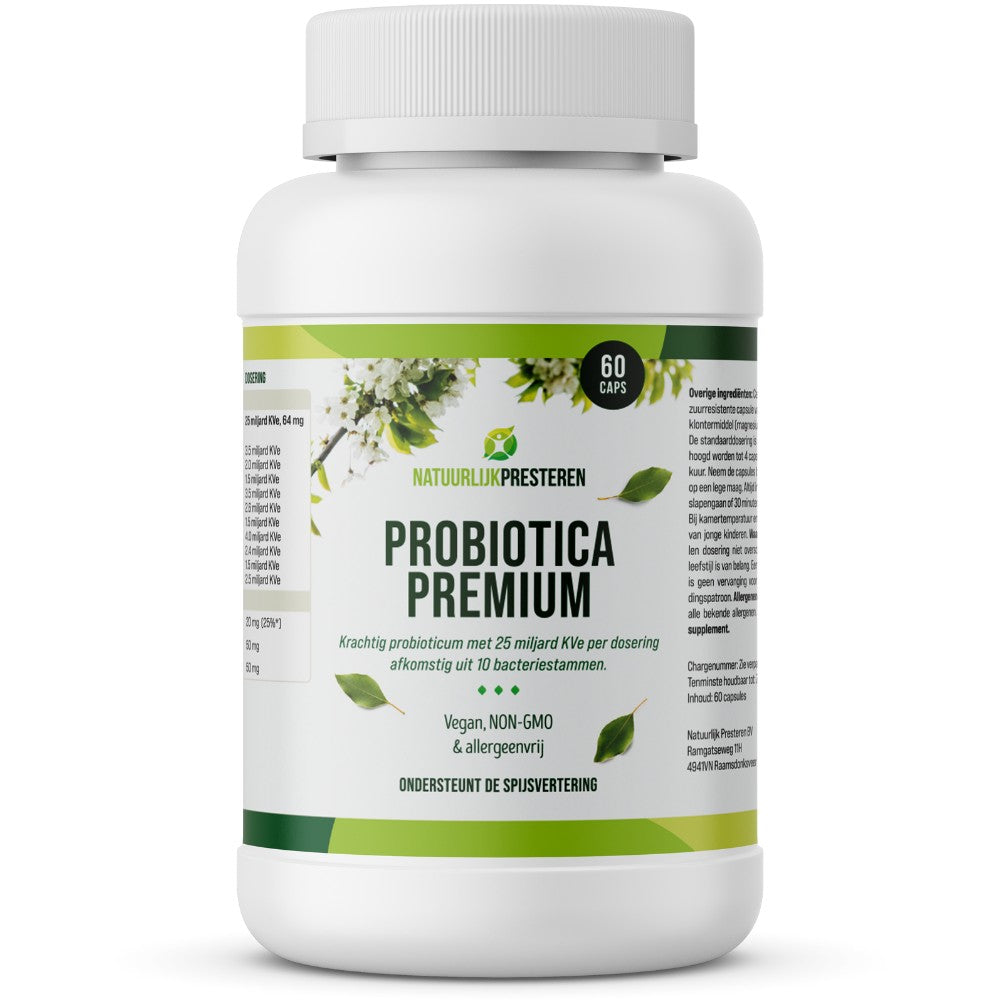
Like our natural probiotic supplement, Probiotics Premium supports healthy gut flora and proper bowel function by delivering 9.6 billion bacteria in 10 selected strains per dose.
- It contains prebiotics (Fructo-oligosaccharide) that promote the growth of good bacteria, enzymes (Digezyme®) that help with the digestion of food, and glutamine, an important amino acid for the intestinal wall.
- Vitamin C supports intestinal flora and strengthens the immune system.
- The enteric-coated capsule ensures that the probiotics reach the intestines alive for optimal functioning.
Sources used
- Qi, X., Li, Y., Fang, C., Jia, Y., Chen, M., Chen, X., & Jia, J. (2023). The associations between dietary fiber intake and systemic immune and inflammatory biomarkers, a multi-cycle study of NHANES 2015–2020. Frontiers in Nutrition , 10 . https://doi.org/10.3389/fnut.2023.1242115
- Markowiak, P., & Śliżewska, K. (2017). Effects of Probiotics, Prebiotics, and Synbiotics on Human Health. Nutrients , 9 (9), 1021. https://doi.org/10.3390/nu9091021
- Nutrition Center. (n.d.). Fiber . https://www.voedingscentrum.nl/encyclopedie/vezels.aspx
Gerelateerde blogartikelen
 bloggle
What is the best probiotic? Consider these 4 points.
Which probiotic is truly the best? With so many options, it's difficult to choose. Not every probiotic works equally well, and some supplements contain too few active bacteria to have any real effect. That's why it's important to consider a few things when choosing a probiotic. In this article, I'll explain how to identify the best probiotics. Choose probiotics with stomach acid-resistant capsules, various bacterial strains, sufficient CDV (at least 10 billion) and supporting substances such as prebiotics. Probiotics are living, beneficial bacteria. Prebiotics are fibrous substances that serve as food for these bacteria. Use probiotics temporarily after a course of antibiotics or continuously. Preferably choose a supplement with multiple bacterial strains, tailored to your personal needs. Table of contents 4 Points to Consider When Buying Probiotics What Exactly Are Probiotics? Benefits of Probiotics Causes of Gut Flora Disruption What Is the Difference Between Prebiotics and Probiotics? Lactobacilli and Bifidobacteria The Importance of Strain Names in Probiotics Tips to Improve Your Gut Health Which Foods Contain a Lot of Probiotics? Using Probiotics Continuously or as a Probiotic Cure Probiotics During and After a Course of Antibiotics 4 things to consider when buying probiotics When choosing a probiotic, you want to be sure it actually works. These four criteria will help you with this: Enteric-coated capsules – Without protection, many bacteria cannot survive the acidic environment of the stomach and therefore cannot reach the intestines. Diversity of bacterial strains – Different strains have different functions. High diversity ensures a better product. Bacterial population (CFU) – A probiotic must contain sufficient viable bacteria to be effective. A range of 1 to 50 billion CFU (colony forming units) per day is usually effective, depending on the application.* Supportive substances – Ingredients such as glutamine and vitamin C contribute to the health of your intestines and prebiotics feed the good bacteria. (*) Note : The effectiveness of probiotics depends on the bacterial strains, composition, dosage, and purpose. A well-balanced mix of different bacteria can be more effective than an extremely high dose of a single strain. Top 3 best probiotics #1. Probiotics Premium - Natural Performance This powerful probiotic from Natuurlijk Presteren contains 10 bacterial strains, prebiotics, glutamine, and vitamin C. Thanks to the stomach-acid-resistant capsule , the bacteria enter the intestines alive. At #1 is the premium probiotic with an unparalleled dosage of 25 billion (CVe) bacteria per dose. Also supplemented with L-glutamine, vitamin C and prebiotic fibers (inulin). #2. Biotica 8 billion- Vitortho VitOrtho's Biotica 8 billion contains diverse bacterial strains, with a focus on LactoSpore® – a stable Bacillus coagulans that survives stomach acid and bile and thus reaches your intestines in its active form. The benefits 10 bacterial strains (5 billion CFU) + Lactospore® (3 billion CFU) High-quality and effective bacterial strains Vegicaps - plant-based (vegan) capsules Disadvantages No supporting ingredients A well-deserved second place for Biotica 8 billion, thanks to its excellent composition and dosage. Unfortunately, it doesn't contain any supporting ingredients like enzymes and prebiotics. #3. Symflora® Original - Vitakruid Vitakruid offers a combination of 8 bacterial strains and prebiotics with Symflora® Original. The benefits 8 bacterial strains - 2 billion CFU per dose (3 capsules) Also contains prebiotics, enzymes (amylases) and minerals (potassium, magnesium and manganese) Vegan capsule With ProbioAct® technology – protects probiotics so they survive in the intestines and remain stable at room temperature. Disadvantages The amount of colony forming units is a bit on the low side What makes this probiotic special is the focus on the survival rate of the bacteria, along with effective bacterial strains, prebiotics, enzymes and minerals, although the dosage is less strong. What exactly are probiotics? Probiotics are living microorganisms, usually bacteria, that maintain the balance of your intestinal flora and support your health. Certain yeasts also have probiotic properties. These beneficial bacteria naturally occur in your intestines and help keep harmful bacteria in check. They break down fiber and produce short-chain fatty acids, which support the intestinal lining and help maintain a healthy microbiome (gut flora). Probiotics can be found in fermented foods such as yogurt, kefir and sauerkraut, but also in supplement form. Causes of a disturbed intestinal flora A disturbed intestinal flora can be caused by various factors: Antibiotics – Taking antibiotics kills not only harmful bacteria, but also beneficial bacteria in your gut, which can throw the flora out of balance. (4) Unhealthy diet – A diet high in processed foods, sugar, and low in fiber can upset the balance of good and bad bacteria in your gut. (5) Environmental factors - Changes in the environment, such as pollution, or excessive hygiene, can reduce the diversity of gut flora. (5) Stress - Long-term stress can disrupt gut flora by affecting communication between the brain and gut, leading to an imbalance in the bacterial strains in the gut. (6) Smoking – Smoking can reduce the diversity of bacteria in the gut, leading to a disrupted flora. (7) Illness and medications – Chronic illnesses and certain medications, such as antacids, can also disrupt gut flora. (8) Did you know that during a vaginal birth, the baby receives the mother's important gut bacteria through the birth canal? These bacteria help keep the baby's intestines healthy and support the immune system. With a cesarean section, the baby lacks these bacteria, making them more likely to have an imbalanced gut flora, even later in life. Probiotics can be especially important for these babies. (9) (10) What is the difference between pre- and probiotics? Have you ever heard of prebiotics ? You often encounter this term when talking about probiotics. And that makes sense, because probiotics and prebiotics are closely related. In fact, probiotics depend on prebiotics. Here's how it works: Probiotics are living bacteria that help maintain or restore a healthy balance of bacteria in your intestines. They occur naturally in our intestines and we ingest them through certain (fermented) foods. Prebiotics are nutrients for the good bacteria in your intestines and help them stay healthy. They are usually fibers that your body can't digest on its own, but are fermented by the good bacteria in your intestines. Prebiotics are found in foods like bananas, onions, garlic, and whole grains. Probiotics (in food and supplements) add good bacteria to your gut, while prebiotics help these bacteria grow and do their job properly. Good to know : Products that contain both probiotics (good bacteria) and prebiotics (nutrients for these bacteria) are also called synbiotics. They combine the bacteria with the nutrients they need to function properly, all in one product. Lactobacilli and Bifidobacteria Well-known strains of the Lactobacillus and Bifidobacterium genera are some of the most popular and well-researched probiotics. They have been proven effective in supporting digestive and immune health . Bifidobacterium bifidum - Aids digestion, supports the immune system, and plays a role in breaking down fiber in the intestines. It is one of the first bacteria found in the gut of newborns. Bifidobacterium animalis - Can contribute to the balance of intestinal flora and support intestinal health. Lactobacillus acidophilus - Essential for breaking down lactose and maintaining healthy gut flora. This strain can help improve digestion and support gut flora. Lactobacillus rhamnosus - May help support the immune system, as it is associated with increased resistance to infections. Other bacteria commonly found in probiotics include: Lactobacillus plantarum Lactobacillus casei Bifidobacterium lactis Saccharomyces boulardii Streptococcus thermophilus Tip : Look for probiotics with multiple bacterial species. This is often labeled "broad-spectrum" or "multi-probiotic" on the packaging. These combine different types of beneficial bacteria, offering a wide range of benefits for your gut health. The importance of strain name in probiotics Bacteria have three levels of nomenclature: genus, species, and strain. This allows us to identify the specific characteristics of each bacterium. For example: Lactobacillus (genus) casei (species) Shirota (tribe name) The strain name is important because it determines the bacterium's properties. Not all Lactobacillus casei are the same—different strains can have different effects. Note : If a package only lists the terms bifidobacteria or lactobacilli, without a specific strain name, it is often not a scientifically proven probiotic. The effectiveness of probiotics depends on the strain, so without a strain name, the effectiveness is often undocumented. Tips to improve your gut health Did you know you can do a lot to support your gut? Fortunately, you don't have to make drastic changes to make your gut happy. With a few simple adjustments to your daily routine you can achieve a lot. Avoid junk food - Fried foods, processed snacks, and refined sugars disrupt your gut flora. Choose fresh, unprocessed foods like vegetables, legumes, and whole grains as often as possible. Eat enough fiber - Fiber helps your intestines function smoothly. You need about 25-40 grams daily. Whole grains, flaxseed, chia seeds, legumes, and various fruits and vegetables are rich in fiber. Drink less alcohol - Alcohol irritates your gut and disrupts the balance of good bacteria. So limit your alcohol intake and choose non-alcoholic drinks more often. Stay hydrated - Water helps your bowels function smoothly, especially with added fiber. Fiber absorbs moisture, keeping your stool soft. Without enough water, it can actually cause constipation. So drink extra (at least 2 liters) when following a high-fiber diet! Get enough exercise - Regular exercise helps your digestion. Try to exercise for at least 30 minutes every day, for example, by walking or cycling. Examine your diet - Pay attention to which foods you can't tolerate. A food diary can help you discover what irritates your gut. Eat fruits and vegetables with every meal - Fruits and vegetables are packed with nutrients that support your gut. Add them to every meal for a healthy belly! Which foods contain a lot of probiotics? Probiotics are naturally present in your intestines, and you can take them as supplements. But did you know you can also support your gut flora with probiotic foods? Probiotic foods are often fermented, meaning they contain live bacteria that are beneficial for your gut flora. Through fermentation, bacteria and yeasts break down the sugars in food, creating probiotic cultures. Some examples: Yogurt – Fermented milk Kefir – A fermented drink Sauerkraut – Fermented cabbage Tempeh – Fermented soy product Kimchi – Fermented vegetable dish Miso – Fermented soybean paste Pickles – Fermented cucumbers Kombucha – Fermented tea Natto – Fermented soybeans Use probiotics continuously or as a probiotic treatment A common question I get from people who want to try probiotics is whether it's best to do it temporarily or if there are benefits to using it continuously. Both are possible, but the right choice here also depends on your goal. I'm happy to explain: Probiotics during and after a course of antibiotics Antibiotics work by killing bacteria, both harmful ones and some naturally occurring bacteria in the intestines. This can alter the composition of your gut flora, leading to symptoms such as diarrhea and abdominal pain. Many people therefore choose to use foods or supplements with specific bacterial strains during and after a course of antibiotics to support their intestinal flora. It is important that you use the probiotics correctly: Start probiotics within two days - It is important to start probiotics within two days of the first dose of antibiotics for optimal effect. (11) During the treatment - Take probiotics at least two hours after your antibiotics. This prevents the antibiotics from immediately killing the good bacteria. After the treatment - Continue using probiotics for a few more weeks to bring your intestinal flora back into balance. Good to know : Some studies show that starting with probiotics beforehand can also have benefits, but you will achieve the most benefit by taking them during and after the course of antibiotics. Continuous use of probiotics If you suffer from sensitive gut or stomach complaints, continued use of products containing live bacteria may be a valuable option for supporting your overall gut health. This may be helpful for people who often suffer from abdominal pain, bloating or other intestinal problems. It's good to know that effectiveness varies from person to person, and more research is needed to confirm long-term benefits. (12) In short : the choice between temporary or ongoing probiotic use is primarily based on what best suits your body and needs at that moment. Short-term use can be beneficial after a course of antibiotics, for example, while ongoing use may be more suitable for maintaining healthy gut function in the long term. Ebrina van der Bijl Ebrina is a nutritionist with a deep commitment to healthy eating and a sustainable lifestyle, based in beautiful Portugal. Her passion for natural and organic products is at the heart of her work. With a background in Nutrition & Dietetics and experience in product development and writing, she translates complex scientific information into practical advice for a balanced lifestyle. Read more Sources used Markowiak-Kopeć, P., & Śliżewska, K. (2020). The Effect of Probiotics on the Production of Short-Chain Fatty Acids by Human Intestinal Microbiome. Nutrients , 12 (4), 1107. https://doi.org/10.3390/nu12041107 Goodman, C., Keating, G., Georgousopoulou, E., Hespe, C., & Levett, K. (2021). Probiotics for the prevention of antibiotic-associated diarrhea: a systematic review and meta-analysis. BMJ Open , 11 (8), e043054. https://doi.org/10.1136/bmjopen-2020-043054 Snel, J., Vissers, YM, Smit, BA, Jongen, JMJ, Van Der Meulen, ET, Zwijsen, R., Ruinemans‐Koerts, J., Jansen, APH, Kleerebezem, M., & Savelkoul, HFJ (2010). Strain‐specific immunomodulatory effects of Lactobacillus plantarum strains on birch‐pollen‐allergic subjects out of season. Clinical & Experimental Allergy , 41 (2), 232–242. https://doi.org/10.1111/j.1365-2222.2010.03650.x Van Zyl, K.N., Matukane, SR, Hamman, B.L., Whitelaw, A.C., & Newton-Foot, M. (2021). Effect of antibiotics on the human microbiome: a systematic review. International Journal Of Antimicrobial Agents , 59 (2), 106502. https://doi.org/10.1016/j.ijantimicag.2021.106502 Hrncir, T. (2022). Gut Microbiota Dysbiosis: Triggers, Consequences, Diagnostic and Therapeutic Options. Microorganisms , 10 (3), 578. https://doi.org/10.3390/microorganisms10030578 Paudel, D., Uehara, O., Giri, S., Yoshida, K., Morikawa, T., Kitagawa, T., Matsuoka, H., Miura, H., Toyofuku, A., Kuramitsu, Y., Ohta, T., Kobayashi, M., & Abiko, Y. (2022). Effect of psychological stress on the oral-gut microbiota and the potential oral-gut-brain axis. Japanese Dental Science Review , 58 , 365–375. https://doi.org/10.1016/j.jdsr.2022.11.003 Antinozzi, M., Giffi, M., Sini, N., Gallè, F., Valeriani, F., De Vito, C., Liguori, G., Spica, V. R., & Cattaruzza, M. S. (2022). Cigarette Smoking and Human Gut Microbiota in Healthy Adults: A Systematic Review. Biomedicines , 10 (2), 510. https://doi.org/10.3390/biomedicines10020510 Vila, A. V., Collij, V., Sanna, S., Sinha, T., Imhann, F., Bourgonje, A. R., Mujagic, Z., Jonkers, DMAE, Masclee, AAM, Fu, J., Kurilshikov, A., Wijmenga, C., Zhernakova, A., & Weersma, R. K. (2020). Impact of commonly used drugs on the composition and metabolic function of the gut microbiota. Nature Communications , 11 (1). https://doi.org/10.1038/s41467-019-14177-z Inchingolo, F., Inchingolo, A.D., Palumbo, I., Trilli, I., Guglielmo, M., Mancini, A., Palermo, A., Inchingolo, A.M., & Dipalma, G. (2024). The Impact of Cesarean Section Delivery on Intestinal Microbiota: Mechanisms, Consequences, and Perspectives—A Systematic Review. International Journal Of Molecular Sciences , 25 (2), 1055. https://doi.org/10.3390/ijms25021055 Ríos-Covian, D., Langella, P., & Martín, R. (2021). From Short- to Long-Term Effects of C-Section Delivery on Microbiome Establishment and Host Health. Microorganisms , 9 (10), 2122. https://doi.org/10.3390/microorganisms9102122 Zhang, L., Zeng, X., Guo, D., Zou, Y., Gan, H., & Huang, X. (2022). Early use of probiotics might prevent antibiotic-associated diarrhea in elderly (>65 years): a systematic review and meta-analysis. BMC Geriatrics , 22 (1). https://doi.org/10.1186/s12877-022-03257-3 Begtrup, L.M., De Muckadell, O.B.S., Kjeldsen, J., Christensen, R.D., & Jarbøl, D.E. (2013). Long-term treatment with probiotics in primary care patients with irritable bowel syndrome – a randomized, double-blind, placebo controlled trial. Scandinavian Journal Of Gastroenterology , 48 (10), 1127–1135. https://doi.org/10.3109/00365521.2013.825314
Lees meer bloggle
When should you take pre- and probiotics?
There's an interesting collaboration going on in our intestines between prebiotics and probiotics. It's no wonder they're often mentioned together and appear as a duo in supplements. Probiotics are beneficial bacteria that support your gut, while prebiotics provide food for these bacteria. You'll find them not only in supplements but also in foods like yogurt, fermented products, fiber-rich vegetables, and fruits. Did you know that the time you take prebiotics and probiotics determines their effectiveness? This article explains how and when to use them for maximum effect. Probiotics are living microorganisms that support your intestines; take them on an empty stomach or before bed. Prebiotics, or nutritious fibers, are taken with a meal: they feed beneficial bacteria and aid digestion. During a course of antibiotics, first take antibiotics, after two hours probiotics, and continue taking them for two weeks after your course. Table of contents What's the difference between prebiotics and probiotics? When should you take probiotics? When should you take prebiotics? Probiotics and antibiotics: How do you combine them? When is the best time to take probiotics during antibiotic treatment? Prebiotics for sensitive intestines: A good probiotic supplement with prebiotics What is the difference between pre- and probiotics? To start, it's good to understand the difference between probiotics and prebiotics: Probiotics are living microorganisms, such as bacteria and yeasts, that can support your gut flora. You get them by eating fermented foods like yogurt or kefir. Prebiotics are dietary fibers that aren't broken down by your small intestine and therefore arrive intact in your large intestine. There, they serve as food for beneficial gut bacteria, which ferment them and produce short-chain fatty acids. These fatty acids not only support intestinal bacteria, but also contribute to the health of your intestines. (1) (2) (3) When do you take probiotics? Probiotics, the bacteria themselves, are best taken on an empty stomach, for example, in the morning upon waking or before bed. This allows the bacteria to more easily pass through the acidic stomach and reach the intestines. However, some people don't tolerate this well and may experience mild stomach upset. In that case, you can take them with a light meal. Note : Avoid hot drinks or alcohol around the same time, as these can kill the (part of) bacteria. When should you take prebiotics? Most people tolerate prebiotics best with a meal. This helps them break down more slowly, allowing beneficial gut bacteria to be optimally utilized. In low doses, you can also take prebiotics together with probiotics. Besides timing around meals, the use of antibiotics also plays an important role in taking pre- and probiotics. Here are a few additional considerations: Probiotics and Antibiotics: How to Combine Them? Many people therefore choose to use foods or supplements with specific bacterial strains during and after a course of antibiotics to support their intestinal flora. This makes sense, because antibiotics kill not only harmful bacteria, but also some of the good bacteria. That's why it's wise to take probiotics during a course of antibiotics, but not simultaneously! When is the best time to take probiotics during a course of antibiotics? To get the best possible results from both your antibiotic treatment and the probiotics, follow these guidelines: Start within 2 days – Start probiotics within two days of your first dose of antibiotics. Research has shown this to be most effective. (4) Always take the antibiotics first and the probiotics 2 hours later – Take probiotics at least two hours after your antibiotics to prevent the good bacteria from being destroyed immediately. Continue taking probiotics for another 2 weeks after your treatment – this helps to restore the balance of your intestinal flora. Good to know : Some studies suggest that starting probiotics beforehand can also have benefits, but you will get the most benefit from taking them during and after the course of antibiotics. Prebiotics for sensitive intestines Prebiotics can in some cases cause digestive problems, such as bloating or flatulence. This happens more often if you have a sensitive gut. Therefore, start with a low dose and gradually increase it. In short : Want to optimally support your gut health? Combine probiotics on an empty stomach with plenty of prebiotic food later in the day, and be extra careful when using antibiotics! Good probiotic supplement with prebiotics The ideal probiotic supplement contains not only a diverse mix of bacterial strains in the correct dosage , but also prebiotics . This combination, called synbiotics, optimally supports your intestinal flora. Preferably choose a supplement that combines probiotics and prebiotics in an acid-resistant capsule . This way, the bacteria reach your intestines alive. Our Probiotics Premium meets all these criteria and also contains glutamine and vitamin C for extra support. And good news: Our renewed formula is even more powerful, with no less than 25 billion CFU per dose! Ebrina van der Bijl Ebrina is a nutritionist with a deep commitment to healthy eating and a sustainable lifestyle, based in beautiful Portugal. Her passion for natural and organic products is at the heart of her work. With a background in Nutrition & Dietetics and experience in product development and writing, she translates complex scientific information into practical advice for a balanced lifestyle. Read more Sources used Ju, X., Jiang, Z., Ma, J., & Yang, D. (2024). Changes in Fecal Short-Chain Fatty Acids in IBS Patients and Effects of Different Interventions: A Systematic Review and Meta-Analysis. Nutrients, 16(11), 1727. https://doi.org/10.3390/nu16111727 Facchin, S., Bertin, L., Bonazzi, E., Lorenzon, G., De Barba, C., Barberio, B., Zingone, F., Maniero, D., Scarpa, M., Ruffolo, C., Angriman, I., & Savarino, E.V. (2024). Short-Chain Fatty Acids and Human Health: From Metabolic Pathways to Current Therapeutic Implications. Life, 14(5), 559. https://doi.org/10.3390/life14050559 Alvandi, E., Wong, W.K.M., Joglekar, M.V., Spring, K.J., & Hardikar, A.A. (2022). Short-chain fatty acid concentrations in the incidence and risk-stratification of colorectal cancer: a systematic review and meta-analysis. BMC Medicine, 20(1). https://doi.org/10.1186/s12916-022-02529-4 Zhang, L., Zeng, X., Guo, D., Zou, Y., Gan, H., & Huang, X. (2022). Early use of probiotics might prevent antibiotic-associated diarrhea in elderly (>65 years): a systematic review and meta-analysis. BMC Geriatrics , 22 (1). https://doi.org/10.1186/s12877-022-03257-3
Lees meer bloggle
What are prebiotics and which foods contain them?
Probiotics are one of the most popular nutritional supplements, but prebiotics are less well-known. And yet, they form the foundation of thriving bacterial colonies in your intestines! In this article, I'll tell you more about prebiotics. What exactly are they? And which foods can help you get them? Prebiotics are indigestible fibers that feed good gut bacteria and form short-chain fatty acids. They are found in Jerusalem artichokes, lentils, bananas, oats and cooled rice (resistant starch). Increase your intake gradually to prevent digestive problems and support healthy intestinal flora. Table of contents What are prebiotics? Difference between probiotics and prebiotics Types of prebiotics Fiber Foods rich in prebiotics How much prebiotics are good for you? Why are prebiotics important for your gut health? What are prebiotics? Prebiotics are indigestible dietary fibers that reach the large intestine intact. There, they serve as a food source for beneficial gut bacteria, such as lactobacilli and bifidobacteria. Our intestines don't digest these fibers, but the gut bacteria ferment the prebiotics. As a product of fermentation, a number of substances are produced, the short-chain fatty acids: Butyrate (butyric acid); Acetate (acetic acid); and Propionate (propionic acid) These fatty acids can contribute to your health, including supporting healthy intestinal flora. (1) (2) (3) Difference between Probiotics and Prebiotics The terms prebiotics and probiotics are often used interchangeably. But it's important to understand the difference: Probiotics are living microorganisms that, when consumed in sufficient quantities, contribute to health. They are mainly found in fermented foods like yogurt and sauerkraut. Prebiotics provide nutrients for these microorganisms. By eating prebiotics, you support the growth and activity of the beneficial bacteria already present in your intestines. They are found in leeks and Jerusalem artichokes, among other places. Types of prebiotic fibers There are several types of fiber with prebiotic properties. The best known are: Inulin - Is a soluble fiber with longer chains of fructose units. It occurs naturally in roots and tubers and has a distinctly sweet flavor. Oligofructose - Consists of shorter chains of fructose units and is a derivative of inulin. Fructo-oligosaccharides (FOS) – Consist of shorter chains of fructose units (compared to inulin) and are found in various fruits and vegetables. Galacto-oligosaccharides (GOS) – Found mainly in dairy products and certain vegetables. It is an important component of breast milk. Pectin - A soluble fiber found mainly in the skin of fruits such as apples and citrus fruits. Beta-glucans – Soluble fibers found primarily in grains like oats and barley. They consist of long chains of glucose units. Resistant starch – Regular starch is quickly digested and turned into glucose, but resistant starch "resists" this breakdown and reaches the large intestine, where it is fermented by your gut bacteria. This process makes it a prebiotic. You'll find it in foods like cooled potatoes, rice, pasta, and certain grains and legumes. (4) Did you know that the amount of resistant starch increases when you cook it and let it cool overnight in the refrigerator? For example, cooled rice contains almost three times as much resistant starch as warm rice. (5) Food rich in prebiotics These 10 foods contain the most prebiotic fiber per serving: Jerusalem artichoke (100 g): 4–6 g inulin Lentils (cooked) (150 g): 3–4.5 g oligosaccharides Chicory root (30 g): 1.35–1.5 g inulin Asparagus (100 g): 2–3 g inulin Bananas (1 banana): 1–2 g FOS Apples (1 apple, approx. 150 g): 1–2 g pectin Leek (50 g): 0.5–1.5 g FOS Onion (50 g): 0.5–1 g FOS Oats (cooked) (40 g): 1.2 g beta-glucans Garlic (10 g): 0.1–0.3 g FOS Good to know : The amounts of prebiotic fiber in this list are approximate estimates and may vary depending on the source and preparation method. The amounts in this list are compiled from sources including the USDA National Nutrient Database, the Netherlands Nutrition Center, and other relevant studies. How much prebiotic is good for you? Prebiotics are generally well-tolerated and safe for daily use. However, the level of benefit from a probiotic diet varies from person to person. Some people can have up to 20-30 grams of prebiotic fiber per day, while others may experience gas or bloating with more than 10 grams. It's a matter of trial and error and seeing how your gut reacts. Start slowly and gradually increase your intake, allowing your gut to adjust to the extra fiber. Good to know : If you suddenly take a lot of prebiotics, for example through supplements, you may experience bloating, gas, or even a mild laxative effect. This is usually temporary. If the symptoms persist, it's best to reduce your intake. (6) Why are prebiotics important for your gut health? Prebiotics play a key role in supporting healthy gut flora. By regularly eating foods rich in prebiotic fiber, you give your gut bacteria the nutrition they need to function properly. Consider a varied diet with plenty of whole grains, vegetables, fruits, legumes, and nuts. This can contribute to balanced digestion. So consciously choose prebiotic foods, this will help your intestines stay healthy in a natural way! Ebrina van der Bijl Ebrina is a nutritionist with a deep commitment to healthy eating and a sustainable lifestyle, based in beautiful Portugal. Her passion for natural and organic products is at the heart of her work. With a background in Nutrition & Dietetics and experience in product development and writing, she translates complex scientific information into practical advice for a balanced lifestyle. Read more Sources used Ju, X., Jiang, Z., Ma, J., & Yang, D. (2024). Changes in Fecal Short-Chain Fatty Acids in IBS Patients and Effects of Different Interventions: A Systematic Review and Meta-Analysis. Nutrients, 16(11), 1727. https://doi.org/10.3390/nu16111727 Facchin, S., Bertin, L., Bonazzi, E., Lorenzon, G., De Barba, C., Barberio, B., Zingone, F., Maniero, D., Scarpa, M., Ruffolo, C., Angriman, I., & Savarino, E.V. (2024). Short-Chain Fatty Acids and Human Health: From Metabolic Pathways to Current Therapeutic Implications. Life, 14(5), 559. https://doi.org/10.3390/life14050559 Alvandi, E., Wong, W.K.M., Joglekar, M.V., Spring, K.J., & Hardikar, A.A. (2022). Short-chain fatty acid concentrations in the incidence and risk-stratification of colorectal cancer: a systematic review and meta-analysis. BMC Medicine, 20(1). https://doi.org/10.1186/s12916-022-02529-4 Chen, R., Zhang, C., Xu, F., Yu, L., Tian, F., Chen, W., & Zhai, Q. (2023). Meta-analysis reveals gut microbiome and functional pathway alterations in response to resistant starch. Food & Function, 14(11), 5251–5263. https://doi.org/10.1039/d3fo00845b Sonia, S., Witjaksono, F., & Ridwan, R. (2015). Effect of cooling of cooked white rice on resistant starch content and glycemic response. PubMed, 24(4), 620–625. https://doi.org/10.6133/apjcn.2015.24.4.13 Asha, M. Z., & Khalil, S. F. H. (2020). Efficacy and Safety of Probiotics, Prebiotics and Synbiotics in the Treatment of Irritable Bowel Syndrome: A systematic review and meta-analysis. Sultan Qaboos University Medical Journal, 20(1), 13. https://doi.org/10.18295/squmj.2020.20.01.003
Lees meer