Vegan nutritional supplements


Gerelateerde blogartikelen
 bloggle
Vitamin B12: What are the benefits and what to do if you have a deficiency?
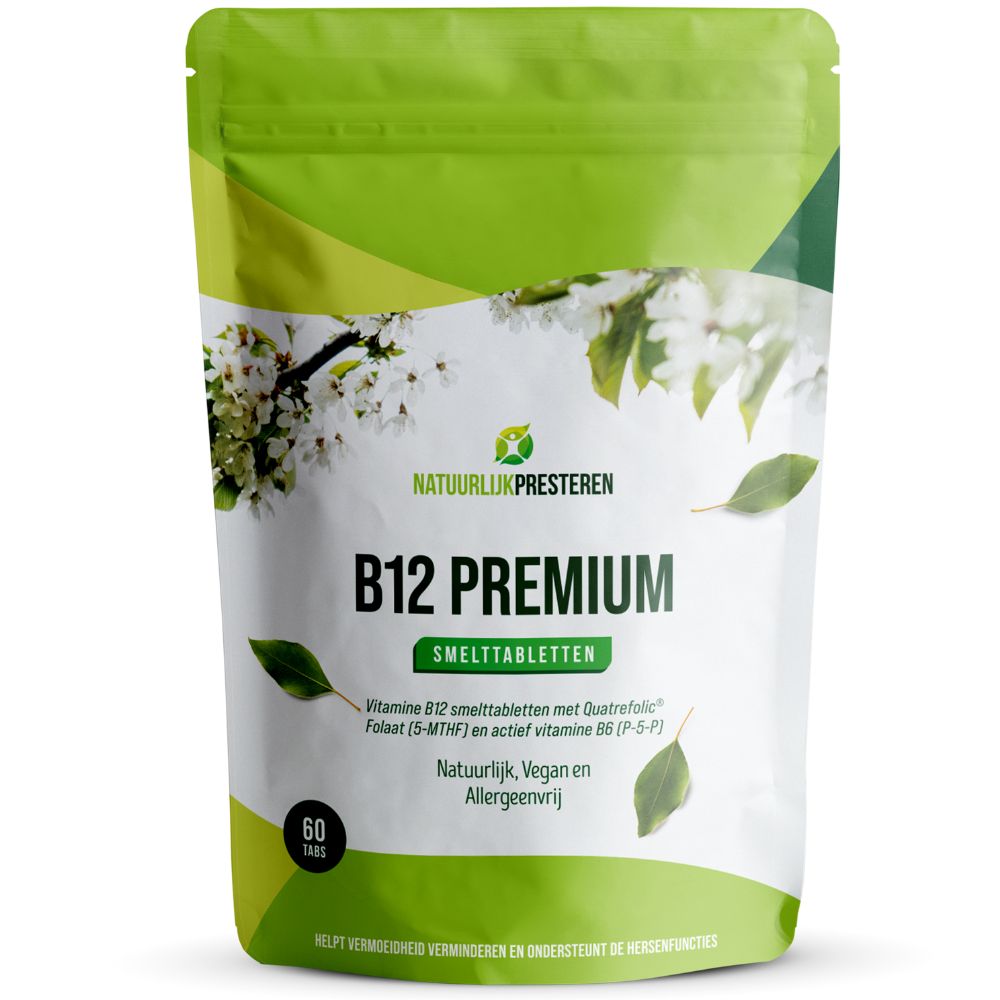
Vitamin B12 is a well-known vitamin, and many people are deficient in it. But what exactly is vitamin B12? What should you do if you have a deficiency, and which foods can you get it from? In this article you will learn all about it Vitamin B12 supports the production of red blood cells, the nervous system, energy metabolism and cell division, essential for a healthy body. B12 deficiency causes fatigue, neurological problems and anemia, especially in vegans, the elderly and people with digestive problems. B12 is mainly found in animal products; vegans and vegetarians should use supplements or fortified foods to avoid deficiencies. Table of contents What is Vitamin B12? What is Vitamin B12 good for? Types of Vitamin B12 Active types of B12 Inactive types of B12 How much Vitamin B12 per day? Vitamin B12 deficiency Symptoms of B12 deficiency Causes of B12 deficiency What to do about vitamin B12 deficiency? Stomach acid, Intrisic Factor (IF) and vitamin B12 Where is vitamin B12 found? Sources of vitamin B12 Plant sources of vitamin B12 What is Vitamin B12? Vitamin B12, also known as cobalamin, is an essential, water-soluble vitamin. It plays a key role in the nervous system, metabolism, red blood cell production, and cell division. This vitamin is found exclusively in animal products such as meat, fish, dairy, and eggs. Therefore, it's especially important for vegans to supplement their diet with supplements. Active forms of vitamin B12, such as methylcobalamin and adenosylcobalamin, are recommended for supplement use. What is Vitamin B12 good for? Vitamin B12 plays a crucial role in various bodily functions. Thus it contributes to: The formation of red blood cells A normal cell division A normal energy metabolism The normal functioning of the immune system Homocysteine metabolism* In addition, vitamin B12 is also good for: The memory The state of mind Fatigue The nervous system (*) Homocysteine is converted in the body into methionine and cysteine, two important amino acids your body needs to make proteins. For this conversion, your body needs, among other things, B12. Types of Vitamin B12 The natural forms of vitamin B12 found in foods are: Methylcobalamin Hydroxycobalamin S-adenosylcobalamin Enriched products and B12 supplements use other forms of the vitamin. If you're considering buying vitamin B12 as a supplement, be sure to check the form of the vitamin. The types of vitamin B12 differ primarily in their chemical structure . But the most important difference is that there are active and inactive forms : Active types of B12 Can be used directly by the body for essential processes. This makes them more efficient and faster-acting compared to inactive forms. Examples: Methylcobalamin - Highly effective because it's already an active form of vitamin B12 that the body can easily use. It's well absorbed. Adenosylcobalamin – Also an active form of B12, particularly important for energy production and mitochondrial function. It can be helpful for people experiencing specific energy issues. Inactive forms of B12 Must first be converted before they can perform their functions. Examples: Cyanocobalamin - Although less immediately active than the other forms, it is often used because of its stability and lower cost. Hydroxycobalamin - Often used in injectable forms of B12 supplementation because of its longer duration of action in the body. For best results, choose the active forms methylcobalamin or adenosylcobalamin. Helpful tip: For my nieces (young children) I use B12 melt or chewable tablets, because they cannot swallow the tablet form yet. How much Vitamin B12 per day? Adults need 2.8 mcg of vitamin B12 daily , according to the Health Council. This recommended daily amount is the same for men and women. An adjusted RDA applies to children, pregnant women and women who are breastfeeding: Age Recommended Daily Amount of Vitamin B12 Babies (0-5 months) 0.4 mcg Babies (6-11 months) 0.5 mcg Children (1-3 years) 0.7 mcg Children (4-8 years) 1.3 mcg Children (9-13 years) 2.0 mcg Children (14-17 years) 2.8 mcg Adults (over 18 years old) 2.8 mcg Pregnant women 3.3 mcg Women who are breastfeeding 3.8 mcg Source: Nutrition Center (1) Vitamin B12 deficiency Vitamin B12 deficiency can be caused by insufficient intake, limited absorption into the body and reduced absorption. Although B12 is present in many different (animal) foods, not only vegans and the elderly are at risk for a deficiency. How well your body can absorb vitamin B12 plays a crucial role and can vary significantly depending on the food source. This means that your body cannot always utilize all the B12 from food, even if you regularly consume animal products. Symptoms of B12 deficiency A vitamin B12 deficiency can lead to a form of anemia called macrocytic anemia. You can notice this by these symptoms: Fatigue Dizziness Palpitations In addition, neurological complaints may occur such as: Tingling in the fingers Memory loss Coordination disorders Note: These symptoms may also indicate other conditions or deficiencies! Because the symptoms of a vitamin B12 deficiency are nonspecific, a deficiency can go unnoticed for a long time (or be misdiagnosed). Your body can also store a (limited) amount of B12 . So you can get too little B12 and still rely on your reserves for a while. Causes of B12 deficiency If you experience any of the above symptoms, I recommend that you ask your doctor for a blood test. This is especially true if you: Following a restrictive diet, such as veganism Are older than 60 years Are pregnant or breastfeeding Have a medical condition that can lower B12 levels (such as Crohn's disease, gluten allergy, etc.) Taking medications that deplete B12 What to do about vitamin B12 deficiency? If a vitamin B12 deficiency has been confirmed by a blood test, I recommend investigating the cause. If you don't have any gastrointestinal problems, you may not be getting enough B12: Eat animal products - Such as meat, fish, eggs, dairy and other animal products as natural sources of B12. Choose fermented foods - Fermented products like tempeh, miso, and sauerkraut may contain small amounts of B12. This is certainly an option if you're following a vegan diet. Note, however: This form may be less well absorbed by your body than B12 from animal sources! Consider B12 supplements - If it is difficult to get enough B12 from food, consult with an expert in the field about appropriate B12 supplements. Monitor your B12 levels - Have your vitamin B12 levels checked regularly, especially if you are at risk for a deficiency or suspect you may have a deficiency. If the cause turns out to be reduced absorption due to problems in your stomach and/or intestines, make an action plan with your doctor. Stomach acid, Intrisic Factor (IF) and vitamin B12 Stomach acid helps digest and release vitamin B12 from food. In addition, intrinsic factor (IF) is produced in the stomach lining, essential for the absorption of B12 in the small intestine. Without sufficient stomach acid or intrinsic factor, vitamin B12 cannot be properly absorbed, which can lead to a B12 deficiency despite adequate dietary intake. B12 sprays and injections can be a way to bypass the intrinsic factor through the normal digestive pathway. This can be helpful for people with digestive problems. Please note: It is important to follow the specific needs and recommendations of a physician or dietitian when choosing the right form of B12 supplementation. What contains vitamin B12? In both humans and animals, vitamin B12 is produced in the gastrointestinal tract by certain bacteria. It is therefore primarily found in animal products such as meat, fish, eggs, and dairy products. Plant foods are generally low in vitamin B12, except for some fermented foods (more on this later). Vitamin B12 absorption varies by dietary source, with fish, meat, and dairy generally offering higher bioavailability.(2) Sources of vitamin B12 These foods are high in B12: Food Amount of Vitamin B12 per 100 grams Liver (beef) 98.0 mcg Mussels 19.2 mcg Oysters 16.2 mcg Herring 13.0 mcg Mackerel 10.2 mcg Cheese (48+) 2.0 mcg Egg (boiled) 1.5 mcg Milk (whole) 0.4 mcg Source: Nevo Table (online), 2023 Plant sources of vitamin B12 Natural sources of vitamin B12 are limited in plant foods, as B12 is mainly found in animal products. It's therefore important for vegetarians, and especially vegans, to be aware of alternative sources. Some fermented foods , such as tofu and tempeh, may contain small amounts of B12. In addition, there are algae and certain mushrooms that can serve as sources of B12. I mention these sources with some caution, because the bioavailability and amounts of B12 in these sources have not yet been sufficiently investigated.(3) With a long history in various cultures, fermented plants continue to evolve and are considered the food of the future. That's why I have high hopes for this area! Ebrina van der Bijl Ebrina is a nutritionist with a deep commitment to healthy eating and a sustainable lifestyle, based in beautiful Portugal. Her passion for natural and organic products is at the heart of her work. With a background in Nutrition & Dietetics and experience in product development and writing, she translates complex scientific information into practical advice for a balanced lifestyle. Read more Sources used Nutrition Center. (nd-c). Vitamin B12 (cobalamin) . https://www.voedingscentrum.nl/encyclopedie/vitamine-b12 Lavriša, Ž., Hristov, H., Hribar, M., Žmitek, K., Kušar, A., Seljak, B.K., Gregorič, M., Blaznik, U., Gregorič, N., Zaletel, K., Oblak, A., Osredkar, J., & Pravst, I. (2022). Dietary Intake and Status of Vitamin B12 in Slovenian Population. Nutrients, 14(2), 334. https://doi.org/10.3390/nu14020334 Reissig, G. N., De Carvalho Oliveira, T. F., Bragança, G. C. M., Da Silva Rodrigues, R., & Da Fonseca Barbosa, F. (2023). Fermented vegetables and fruits as vitamin B12 sources: An overview. International Food Research Journal, 30(5), 1093–1104. https://doi.org/10.47836/ifrj.30.5.02
Lees meer bloggle
What is omega-3 algae oil and what are its benefits?
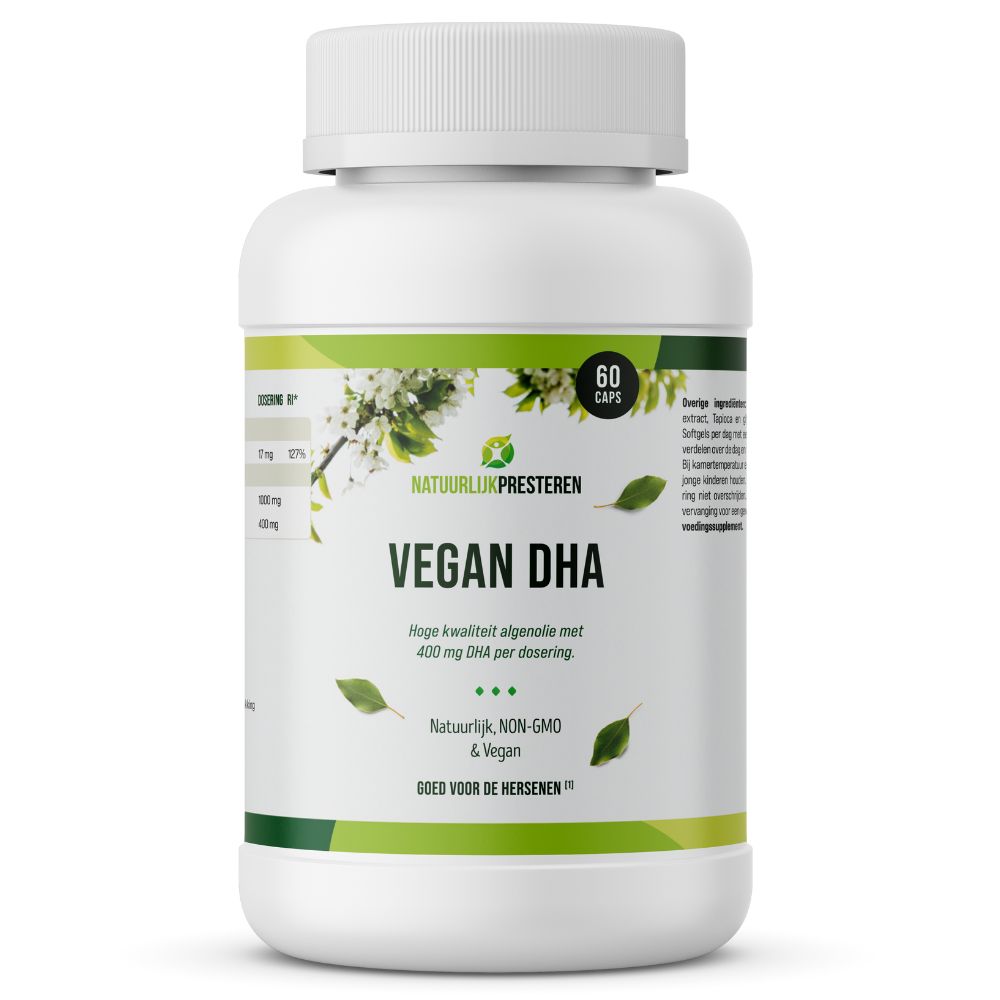
Omega-3 algae oil is becoming increasingly popular—and for good reason. It's the plant-based solution for anyone who wants the benefits of omega-3 without fish oil. Sustainable, pure, and just as effective. Instead of using fish, we extract the healthy fatty acids directly from algae, the original source. This way, you get all the health benefits without impacting the ocean. Are you considering switching to algal oil? This article explains everything you need to know about this vegan form of omega-3. Omega-3 algal oil is a plant-based source of DHA/EPA, as effective as fish oil. It is more sustainable and free of heavy metals, with less impact on the oceans than fish oil. Possible side effects are mild; sometimes stomach upset or a slight fishy taste, but generally well tolerated for daily use. Table of contents What exactly is omega-3 algal oil? Benefits of omega-3 algal oil Algal oil (vegetable omega-3) or fish oil? Algal oil Fish oil Production of omega-3 algal oil Side effects of algal oil Is omega-3 algal oil completely vegan? Buy omega-3 algal oil capsules What exactly is omega-3 algae oil? Omega-3 algal oil is a plant-based oil packed with essential fatty acids such as DHA (docosahexaenoic acid) and EPA (eicosapentaenoic acid). For this reason, it's also called vegan omega-3 or vegan DHA. As the name suggests, the oil comes from algae, the source from which fish naturally obtain their omega-3. If you don't want to eat fish, you can also get these important fatty acids directly from the source. The result? A pure oil, packed with omega-3, that's just as effective as fish oil. (1) (2) Benefits of Omega-3 Algal Oil Algal oil not only has the same health benefits as fish oil, but offers even more advantages. These are the main benefits: Better for the environment – Algal oil production has no negative impact on the oceans. Overfishing threatens many fish species and decreases biodiversity. Because algal oil doesn't require fish, you contribute to the restoration of marine ecosystems. Sustainable production chain – Algae farming uses fewer natural resources than fishing. It requires less water, feed, and energy, and produces less waste. This makes algae oil a more efficient and environmentally friendly option. Higher in the food chain, lower emissions – Algae are lower in the food chain, meaning their production is more efficient and produces less CO2 emissions than the fishing and fish oil industries. No Contaminants – Algae grows in controlled conditions, making the oil free of heavy metals and other harmful substances that can be found in fish oil. (3) No fishy aftertaste – Many people do not experience burping or an unpleasant odor as they do with fish oil capsules. Algal oil (vegetable omega-3) or fish oil? So, what's the best choice: algae oil or fish oil? Both contain the essential omega-3 fatty acids DHA and EPA, but algae oil offers several clear advantages: Algal oil It's more sustainable, cleaner, and better for the environment . Moreover, with algae oil, vegetarians and vegans get a complete alternative without animal products. Want omega-3 without the aftertaste and without polluting the oceans? Then this plant-based omega-3 is the smart choice! Fish oil However, fish oil can be an attractive option in some situations. It's often easier to obtain and generally cheaper . Additionally, some fish oil supplements naturally contain higher concentrations of DHA and EPA per capsule or serving, potentially giving you more omega-3 for a lower price. Production of omega-3 algal oil Our vegan omega-3 algae oil is extracted from the Schizochytrium algae species, which is grown in a controlled environment. This means that factors such as temperature, nutrition and CO2 are carefully monitored, ensuring clean, high-quality oil. After the algae grow, they are fermented, a process similar to making beer or kombucha. This allows the omega-3 fatty acids, such as DHA, to be extracted from the algae. The algae oil and DHA are then filtered out through fragmentation and centrifugation. The final oil contains 40% DHA, 500 mg of which is used per capsule in our products. Side effects of algal oil Algal oil is generally well tolerated, but as with any supplement, side effects may occur in some people. The possible side effects of algal oil are usually mild: Stomach discomfort – Some people may experience bloating, gas, or mild stomach pain. This is more common when starting omega-3 supplements, but usually disappears over time. Fishy aftertaste – Although algal oil often has less of a fishy aftertaste than fish oil, some people may still experience a slight aftertaste after consuming it. The "fishy taste" in fish is caused by omega-3 fats. Blood thinning – Because omega-3 fatty acids have blood-thinning properties, using algae oil may increase the risk of bleeding in people already taking blood thinners. It's important to consult a doctor if you're taking blood-thinning medication. Allergies – In rare cases, people may have an allergic reaction to algae oil, especially if they are sensitive to algae or seafood. Is omega-3 algae oil completely vegan? Yes, omega-3 algae oil is completely plant-based (vegan), because it is extracted directly from algae and contains no animal products. Buy Omega-3 Algal Oil capsules When choosing an omega-3 algae oil supplement, it's important to consider a number of factors to get the most out of your supplement. The concentration of DHA and EPA - A good dosage of DHA is usually between 250-500 mg per day, depending on your personal needs and health. Capsules or oil - Omega-3 algae oil is available in capsules or as an oil. Algae oil capsules ensure you always get the same dose, while the oil can easily be added to a smoothie, salad dressing, or granola. Choose what works best for you. Purity and Origin - Also pay attention to the purity and origin of the algae oil. Good algae oil should be free of contaminants such as heavy metals. You can often see this from certificates on the website and quality labels. Looking for high-quality, plant-based algae oil capsules? Our vegan DHA algae oil offers exactly what you need: a pure and effective source of omega-3, with 400 mg DHA per serving (2 capsules). Ebrina van der Bijl Ebrina is a nutritionist with a deep commitment to healthy eating and a sustainable lifestyle, based in beautiful Portugal. Her passion for natural and organic products is at the heart of her work. With a background in Nutrition & Dietetics and experience in product development and writing, she translates complex scientific information into practical advice for a balanced lifestyle. Read more Sources used Lane, K.E., Wilson, M., Hellon, T.G., & Davies, I.G. (2021b). Bioavailability and conversion of plant based sources of omega-3 fatty acids – a scoping review to update supplementation options for vegetarians and vegans. Critical Reviews in Food Science And Nutrition, 62(18), 4982–4997. https://doi.org/10.1080/10408398.2021.1880364 Ryan, L., & Symington, A. M. (2014). Algal-oil supplements are a viable alternative to fish-oil supplements in terms of docosahexaenoic acid (22:6n-3; DHA). Journal Of Functional Foods, 19, 852–858. https://doi.org/10.1016/j.jff.2014.06.023 Ji, X., Ren, L., & Huang, H. (2015). Omega-3 Biotechnology: A Green and Sustainable Process for Omega-3 Fatty Acids Production. Frontiers in Bioengineering And Biotechnology, 3. https://doi.org/10.3389/fbioe.2015.00158
Lees meer
Vitamin D: What is it and how do you recognize a deficiency?
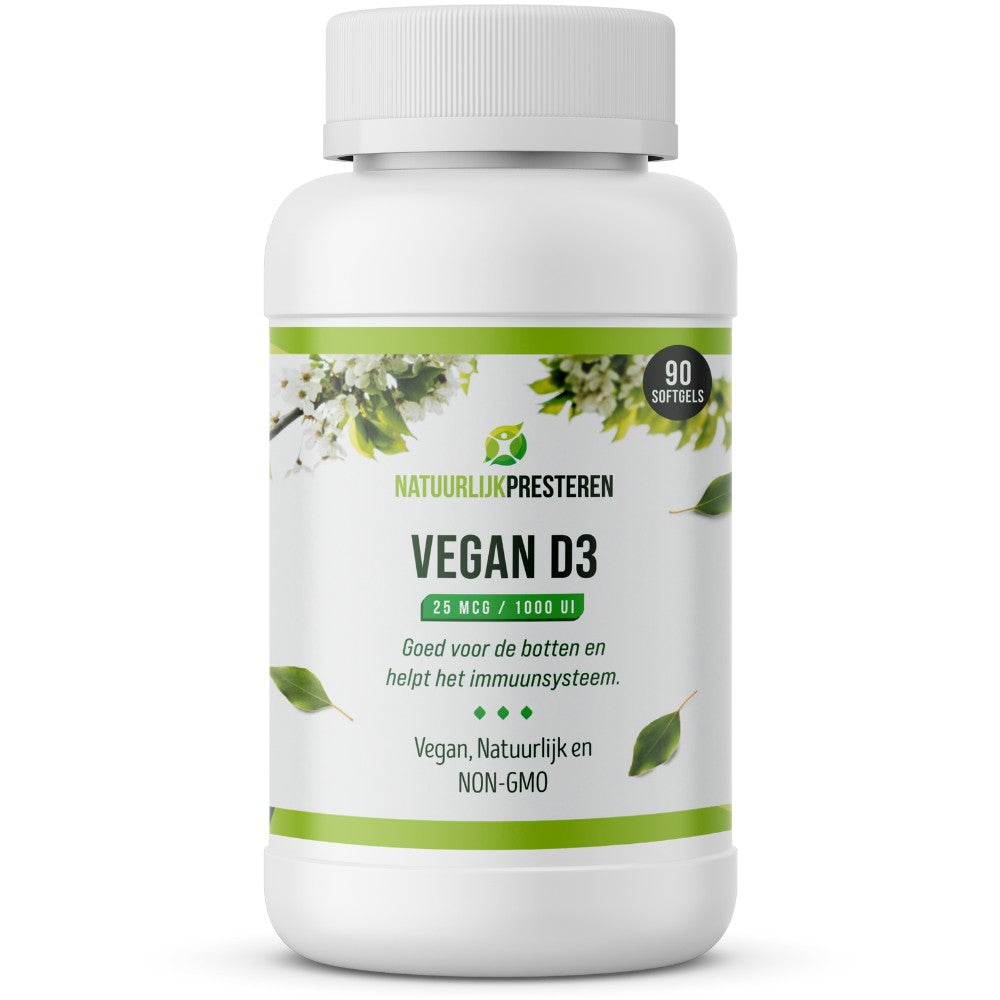
Vitamin D is an important, well-known vitamin (hormone) that many people are deficient in. In this article, you'll learn about the benefits of vitamin D, how to recognize a deficiency, and how to prevent it. You will also learn which foods contain the most vitamin D and which supplements are suitable for various situations. Vitamin D supports bones, muscles and the immune system; it is produced by sunlight and is found in oily fish, eggs and dairy products. Vitamin D deficiency causes fatigue, muscle weakness, and bone problems; groups at risk include the elderly, overweight individuals, and those with limited sun exposure. Vitamin D3 supplements are more effective than D2, especially in the fat-soluble form; recommended dosage varies by age and health situation. Table of contents What is vitamin D? What does vitamin D do? Difference between vitamin D2 and D3 How much vitamin D do you need per day? How do you get enough vitamin D from sunlight? Bonus: how your body makes vitamin D3 from sunlight How do you get vitamin D from food? Symptoms of a vitamin D deficiency Is a vitamin D deficiency dangerous? Causes of a vitamin D deficiency Too little sunlight Too little vitamin D from food Dark/tinted skin A magnesium deficiency Being overweight Reduced absorption in the intestines Liver disease Kidney disease What is too much vitamin D? What are the best vitamin D supplements? 1. The best vitamin D for seniors 2. The best vitamin D for adults 3. The best vitamin D for children 4. The best vitamin D for vegetarians and vegans What is vitamin D? Vitamin D is called a fat-soluble vitamin, but it's officially a hormone. The body can produce it itself with the help of sunlight. You can also get it from certain foods (oily fish, eggs, cheese, butter), but only to a limited extent. Vitamin D plays an important role in the body, including supporting bone health and the immune system. Research shows that 9 out of 10 people in the Netherlands do not get enough vitamin D[1] What does vitamin D do? Vitamins are important supplements for various bodily functions. These are listed below. Vitamin D… Contributes to normal calcium levels in the blood Supports normal growth and development of children's bones Contributes to the maintenance of normal bones Contributes to the normal absorption of calcium and phosphorus Plays a role in the cell division process Contributes to the normal functioning of the immune system Contributes to the maintenance of normal teeth Helps to reduce the risk of falls associated with postural instability and muscle weakness Contributes to normal muscle function Difference between vitamin D2 and D3 Vitamin D2 and vitamin D3 are the most common forms of vitamin D in supplements. Vitamin D3 (cholecalciferol) - This form is naturally produced in the skin when exposed to sunlight and is often used in supplements because of its efficiency and effectiveness in increasing vitamin D levels in the blood. Vitamin D2 (ergocalciferol) – This form is produced in plants and fungi when exposed to UV light. It is often used in fortified foods and some supplements, but is generally considered less effective than vitamin D3. Vitamin D3 also works best when dissolved in fat, as it is better absorbed. This product uses extra virgin olive oil for optimal absorption: How much vitamin D do you need per day? The amount of vitamin D you need varies by age and individual needs. However, there are guidelines for the daily amount. Age/Needs Amount of vitamin D per day Infants (0-12 months) 10 microgram Children (1-18 years) 10-20 micrograms per day Adults (18-70 years) 15-20 micrograms per day Adults (70+ years) 20 micrograms per day Pregnant and breastfeeding women. 15 micrograms per day How do you get enough vitamin D from sunlight? To get enough vitamin D, it is important to spend enough time outside. Incidentally, vitamin D3 isn't found in sunlight. Your body uses UVB rays from sunlight to produce vitamin D. So it works a little differently than you might think. The strength of sunlight also plays a significant role in your vitamin D production. This also varies seasonally, so we've put together some tips to help you ensure you have sufficient vitamin D in your body throughout the year. Autumn and spring - 30 minutes of daily sunlight exposure between 11:00 AM and 3:00 PM, covering your hands and head, is often enough to produce sufficient vitamin D. Summer - sunlight is often very intense, making other times of the day (besides 11:00 AM - 3:00 PM) also ideal for producing sufficient vitamin D. Be careful not to burn during midday! Winter – it's (almost) impossible to produce enough vitamin D. The sunlight is too weak, and you often wear covering clothing, preventing sunlight from reaching your skin. A vitamin D supplement is necessary to prevent deficiencies. Bonus: This is how your body makes vitamin D3 from sunlight When the skin is exposed to sunlight, especially UVB radiation, a process starts in the body that leads to the production of vitamin D3. This process works as follows: Step 1: UVB Ray Absorption - The skin absorbs the UVB rays from sunlight. Step 2: Building block for vitamin D3 (7-dehydrocholesterol) is converted - The UVB radiation helps to convert the building block into previtamin D3, which is the precursor of vitamin D3. Step 3: Formation of vitamin D3 - Previtamin D3 is unstable and is converted spontaneously into vitamin D3 (cholecalciferol) by the heat of the skin. Step 4: Transport to the liver and kidneys - Here, vitamin D3 is converted into the active form (1,25-dihydroxyvitamin D3) so that it can be used in the body. How do you get vitamin D from food? It's often thought that you can only get vitamin D from sunlight. However, this isn't the case, as food also contains vitamin D. Below are 20 important sources. Food Amount per 100 grams Cod liver oil 250 microgram Cod liver oil 250 microgram Trout 15 microgram Herring 14 microgram Fatty fish (salmon, mackerel, tuna) 10-20 microgram Sardines 8 microgram Oysters 5-8 microgram Caviar 2-5 microgram Duck egg 4 microgram Fortified dairy products (milk, yogurt) 1-2 microgram Fortified breakfast cereals 1-2 microgram Enriched soy milk 1-2 microgram Ground beef 1-2 microgram Egg yolk 1-2 microgram Butter 1-2 microgram Cheese (cheddar, mozzarella) 0.1-0.3 microgram Liver (beef, chicken) 0.3-1 microgram Mushrooms (shiitake, maitake) 0.1-2 micrograms Important: If you eat little or no oily fish, it's very difficult to get enough vitamin D through food. It's especially important to get enough outside so your body can produce enough vitamin D. During the winter months, it's important to take a vitamin D supplement. Symptoms of a vitamin D deficiency A vitamin D deficiency can occur, for example, in winter, when there's little sun. Certain age groups, such as the elderly, are also more likely to develop a deficiency. This can lead to various symptoms. Some symptoms of a vitamin D deficiency are: Fatigue and weakness - A vitamin D deficiency can lead to general fatigue and weakness. People with a deficiency often feel lethargic and have less energy. Muscle pain and weakness - Vitamin D contributes to healthy muscle function. Muscle pain and weakness can therefore occur if you have a deficiency. Bone problems - Vitamin D contributes to calcium absorption and the maintenance of strong bones. A deficiency can therefore be detrimental to bone health. Reduced immunity - Vitamin D contributes to the normal functioning of the immune system. A weakened immune system is associated with reduced immunity. Vitamin D3 also works best when dissolved in fat, as it is better absorbed. This product uses extra virgin olive oil for optimal absorption: Is a vitamin D deficiency dangerous? A vitamin D deficiency isn't acutely dangerous. However, it can negatively impact your health, as you've seen in the list above. Therefore, it's a good idea to address a deficiency. This can be done by spending more time in the sun or taking a supplement. Causes of Vitamin D Deficiency A vitamin D deficiency can have several causes. A lack of sunlight is an obvious one, but there are other reasons. 1. Too little sunlight Let's start with this reason: you're not getting enough sunlight. This is the cause of the deficiency in most cases. Not getting enough sunlight can occur in winter or autumn, when the sunlight is less intense. Another reason you might not get enough sunlight is that you always wear covering clothing or spend a lot of time indoors. Your body then can't produce the amount of vitamin D it needs. 2. Too little vitamin D from food If you don't get enough vitamin D from the sun, you could get it from food. See the table under "How do you get vitamin D from food?" If this doesn't happen, you'll still have a deficiency. 3. A dark/tinted skin tone Dark or tinted skin produces less vitamin D than light skin. This is because the pigment in the skin blocks UV radiation. Therefore, much more sunlight is needed to produce vitamin D. 4. A magnesium deficiency Magnesium plays an important role in the production of vitamin D [2]. Without magnesium, it's harder to produce vitamin D, so you need to get enough of it. 5. Overweight Overweight people are more likely to have a vitamin D deficiency [3] . Vitamin D is stored in fat. When a body has more fat, it also needs more vitamin D to maintain healthy levels. 6. Reduced absorption in the intestines Vitamin D is absorbed in the intestines when it comes from food. When this doesn't work properly due to intestinal conditions such as IBD[4], celiac disease (gluten allergy), or gastric bypass[5], this can lead to a deficiency. 7. Liver diseases A liver problem can cause a deficiency of the enzyme 25-hydroxylase. This is an enzyme that is necessary for the production of vitamin D[6]. 8. Kidney diseases Roughly the same applies to the kidneys. The kidneys normally produce the enzyme 1-alpha-hydroxylase. This enzyme is necessary for the production of vitamin D[7]. What is too much vitamin D? An excess of vitamin D can occur if you take too many vitamin D supplements for a long period of time. The tolerable upper limit of vitamin D is as follows[8]. Age Acceptable upper limit Up to 1 year 25 microgram 1 to 10 years 50 microgram 11 years and older 100 microgram However, these upper limits are still very low, because you really have to take 10 times this dose per day for months to get too much vitamin D. Symptoms of too much vitamin D may include: Calcium deposits in the body Damage to the kidneys Nausea Decreased appetite Fatigue What are the best vitamin D supplements? In principle, vitamin D3 is the best form to take as a supplement because it works more effectively. You also want a vitamin D supplement that's dissolved in fat for better absorption. The best dosage and source of vitamin D depends on the individual situation and preferences. These are listed below. 1. The best vitamin D for seniors Due to their age, older people are more likely to have a D deficiency. Therefore, vitamin D3 in 75 micrograms is the best option. If you get enough time outside (at least 30 minutes a day between 11am and 3pm), we recommend a lower dose vitamin D3 supplement of 25 mcg. 2. The best vitamin D for adults If you're an adult looking for regular vitamin D support, 25 micrograms of vitamin D3 is a good option. This is the most common dosage for an average adult. Personally, I take a 75 mcg capsule daily, as I am prone to vitamin D deficiency. 3. The best vitamin D for children A daily dose of 25 mcg of vitamin D3 is also a good maintenance dose for children. Children should not exceed 50 mcg per day, so 25 mcg per day is an excellent maintenance dose. If you prefer a slightly lower dosage, you can also choose to give your child a 25 mcg vitamin D capsule three times a week. 4. The Best Vitamin D for Vegetarians and Vegans If you follow a vegetarian or vegan lifestyle, we recommend vegan vitamin D. We offer this in our webshop as vegan vitamin D3 in 25 micrograms. Vegan vitamin D is extracted from algae and is therefore completely plant-based, making it suitable for vegetarians and vegans. Jochum Smid Jochum Smid is a biobased chemist specializing in orthomolecular nutrition. He develops and selects the nutritional supplements at Natuurlijk Presteren and has a passion for biohacking, science, and healthy eating. Read more Sources https://www.ivg-info.nl/nieuws/9-op-de-10-nederlanders-krijgt-te-weinig-vitamine-d-binnen/ https://pubmed.ncbi.nlm.nih.gov/29480918/ https://www.tandfonline.com/doi/full/10.1080/07315724.2018.1538828 https://www.ncbi.nlm.nih.gov/pmc/articles/PMC6566188/ https://www.ncbi.nlm.nih.gov/pmc/articles/PMC1570540 https://www.ncbi.nlm.nih.gov/pmc/articles/PMC5946281/ https://www.ncbi.nlm.nih.gov/pmc/articles/PMC5946281/ https://www.voedingscentrum.nl/encyclopedie/vitamine-d.aspx#blokhoeveel-vitamine-d-heb-je-per-dag-nodig
Lees meer