


Supplements for pregnant women
During pregnancy, it is important to get the right nutrients to support both the mother's health and the baby's development.
A healthy and varied diet is the foundation, but some supplements can help fill any deficiencies. It's important to know which supplements are safe for pregnant women and which aren't.
Which supplements can help?
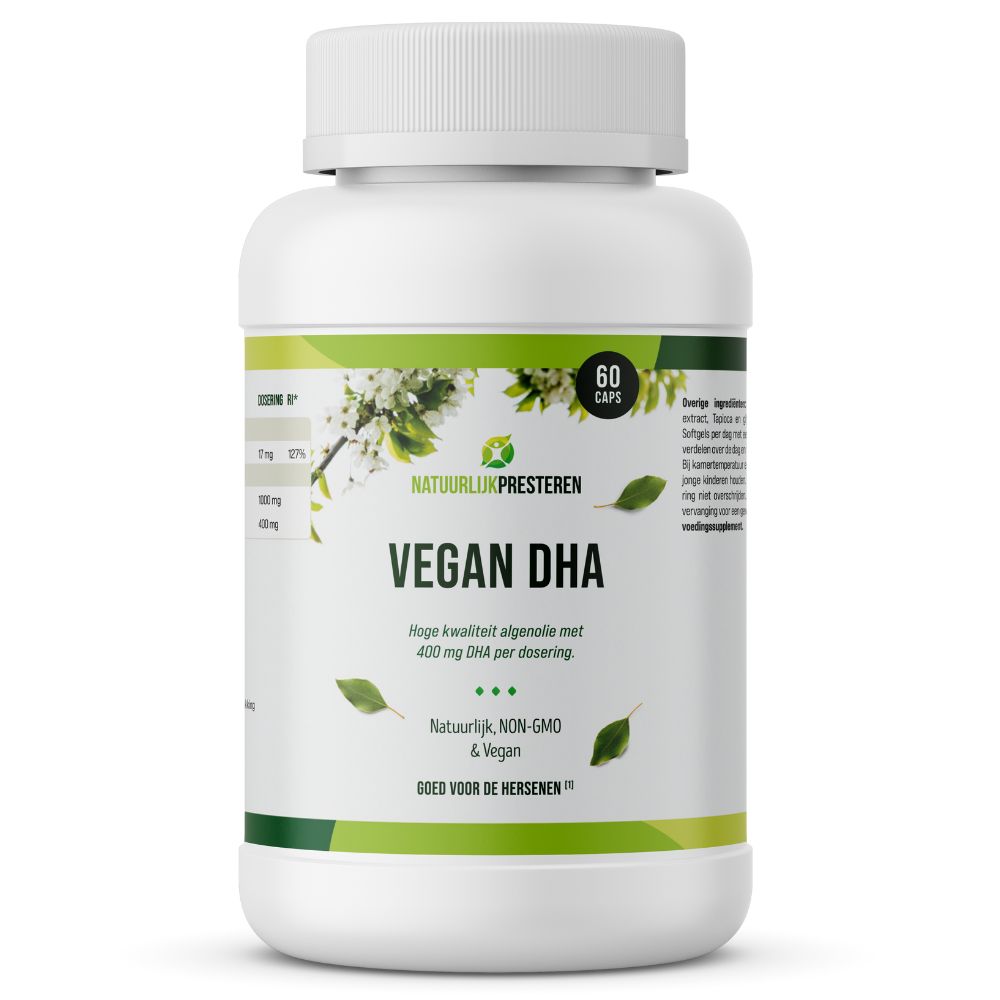
Omega-3 fatty acids play a major role in the development of the baby's brain and eyes. They are mainly found in oily fish like salmon and mackerel, but for pregnant women who eat little fish, a supplement like fish oil or algae oil can be a good option. ALA is found in walnuts and flaxseed.
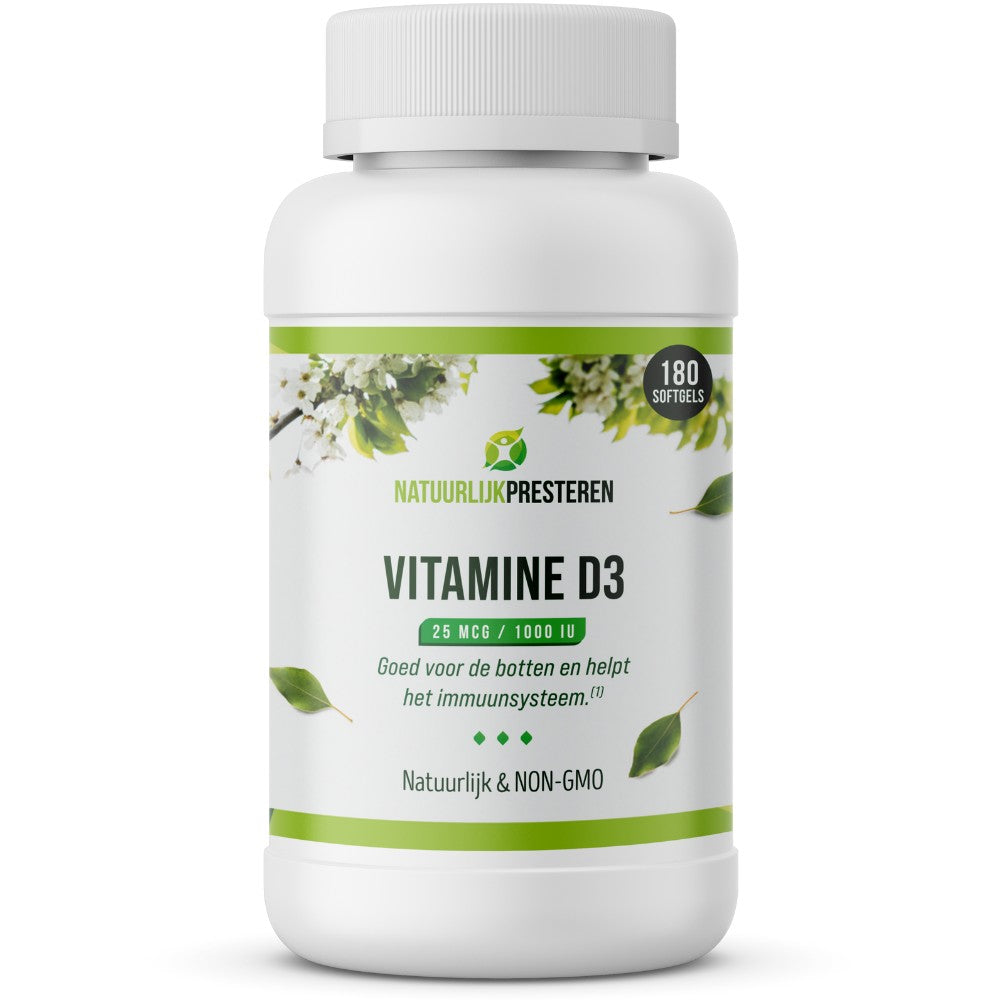
• Vitamin D3 is important for the bones of both mother and baby. Pregnant women have a higher need for vitamin D, especially in winter when sunlight is limited. A vitamin D3 supplement can help replenish any deficiency.
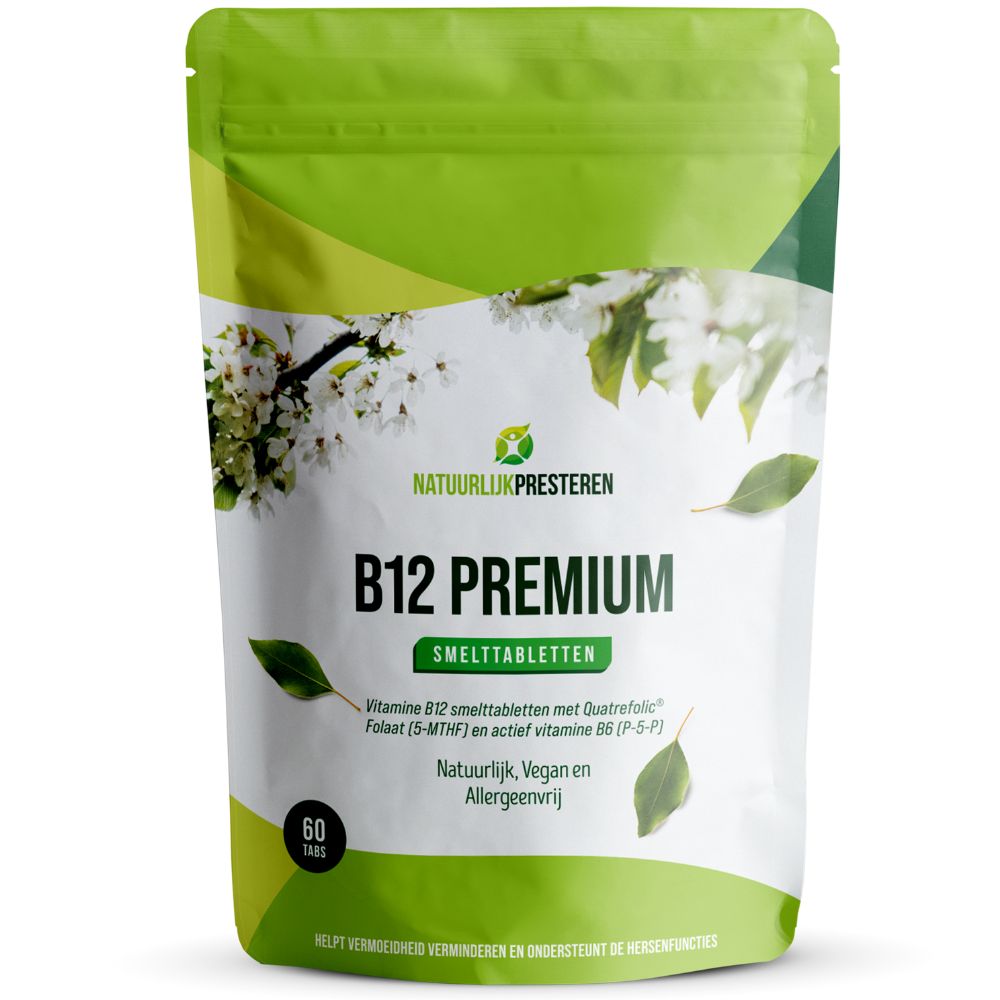
• Vitamin B12 is important for red blood cell production and nervous system function. It is especially important for pregnant women on vegetarian or vegan diets, as B12 is primarily found in animal products.
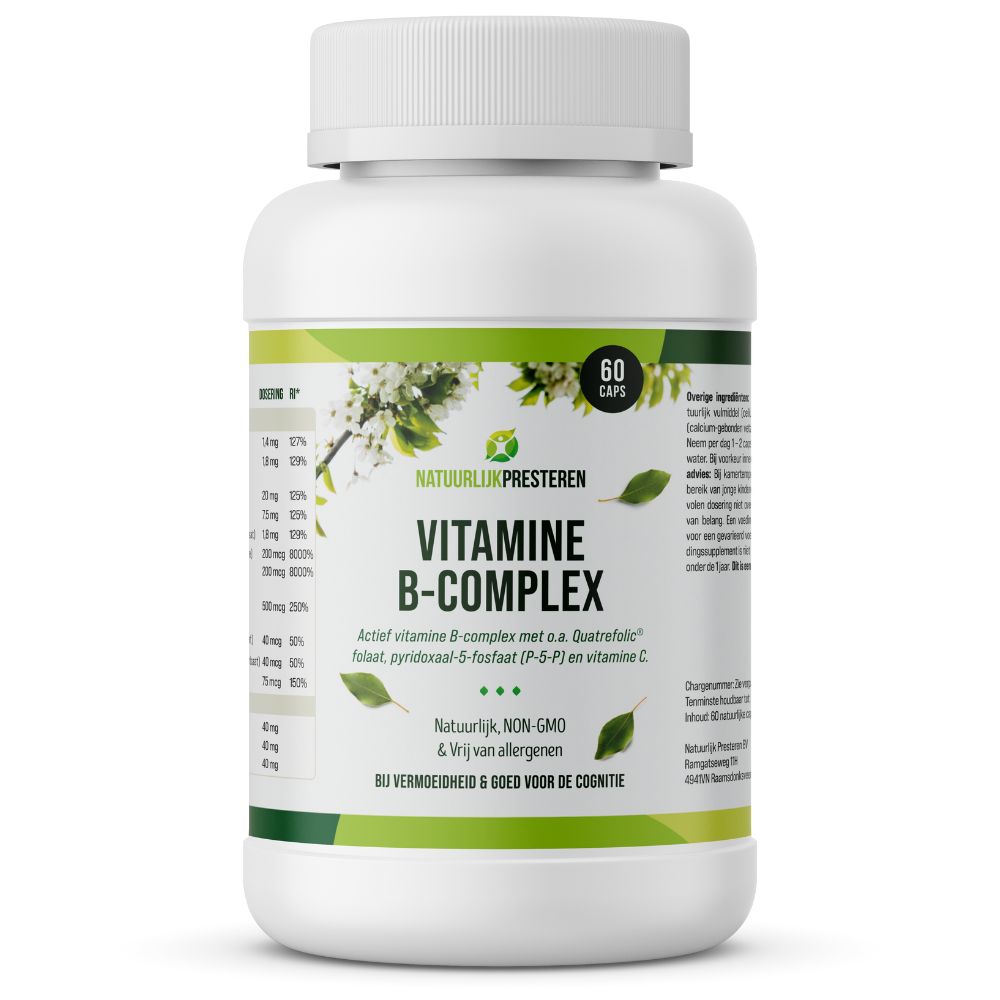
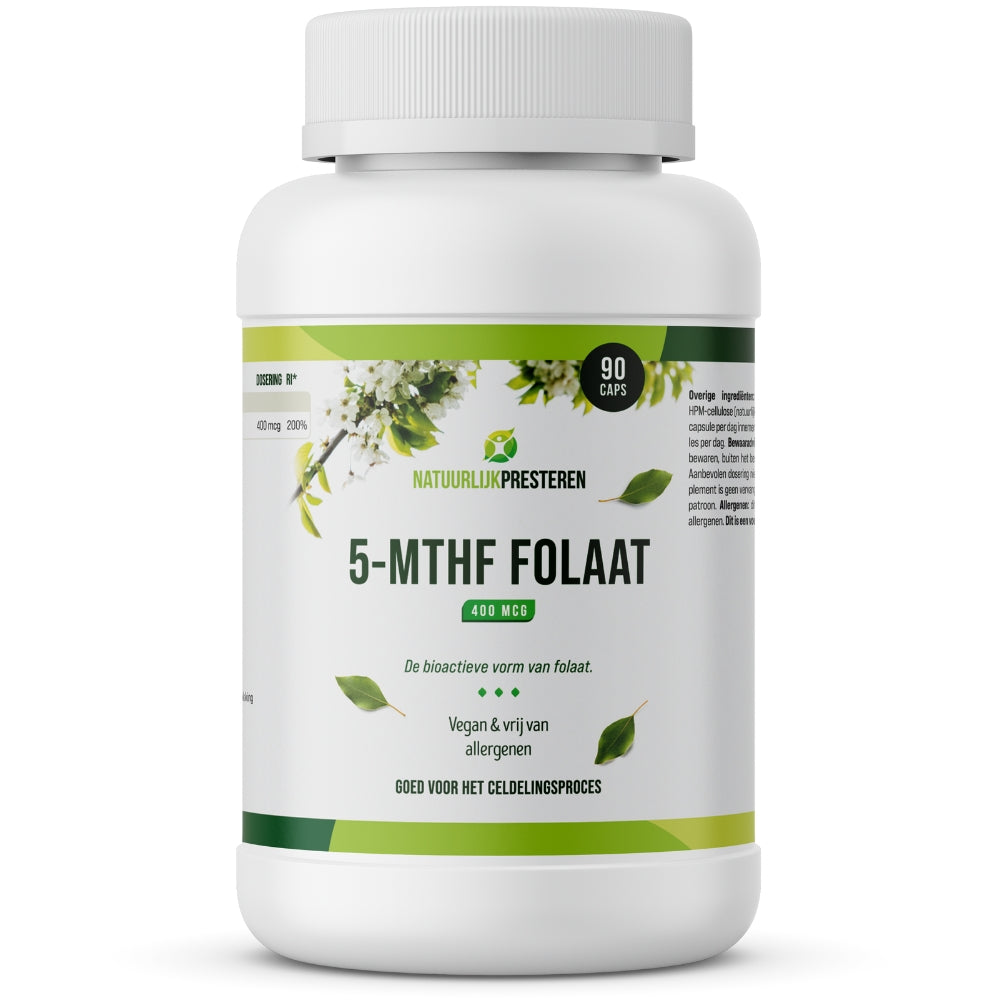
• Folic acid is essential for the baby's early development. The active form of folic acid, 5-MTHF, is better absorbed by the body and is therefore often recommended in B-complex supplements for pregnant women.
• Iron plays a major role in the production of hemoglobin, which transports oxygen to the tissues. During pregnancy, blood volume increases, which increases the need for iron.
Unsafe supplements during pregnancy
There are also plenty of supplements that should not be taken during pregnancy. Instructions for this can usually be found on the supplement's packaging. Pay particular attention to the following products.
Supplements based on herbs and plant extracts
Many herbs and plant extracts are used for various health purposes, but you should be careful with them during pregnancy. There's often insufficient scientific research on the safety of these supplements for pregnant women. Therefore, it's best to avoid them.
Supplements without clear safety data
Many supplements haven't yet been extensively studied for use during pregnancy. Therefore, it's recommended to only take supplements whose safety during pregnancy has been thoroughly investigated.
Tips for sufficient nutrients during pregnancy
Besides supplements, there are other ways to ensure you get enough nutrients during pregnancy:
• A varied diet: Make sure you eat all food groups and therefore a varied diet to get a variety of nutrients. Think of a combination of vegetables, fruits, grains, proteins, and healthy fats.
• Daily exposure to sunlight: Exposure to sunlight helps your body produce vitamin D. However, during the winter months, it can be difficult to get enough sunlight, so a vitamin D3 supplement may be helpful.
• Walnuts for extra omega-3: Walnuts are a good source of ALA, a plant-based form of omega-3. Although ALA is less effective than EPA and DHA, it can still contribute to your omega-3 intake. For optimal support, an omega-3 supplement is recommended.
Gerelateerde blogartikelen

Folic Acid: What are the Benefits and What Types Are There?
The importance of taking folic acid and its derivatives, such as folate and 5-MTHF, is becoming increasingly well-known. Taking easily absorbable folate and/or 5-MTHF is especially important during pregnancy. But what exactly is folic acid and what does it do in the body? In this article, we'll explain everything about folic acid and how to get it through food. Folic acid (vitamin B11) is essential for cell formation, DNA production and prevents neural tube defects in unborn babies during pregnancy. Folic acid occurs as synthetic folic acid, natural folate, and biologically active 5-MTHF, of which 5-MTHF is directly absorbable. Deficiency causes anemia, neurological problems, and fatigue; too much synthetic folic acid can mask vitamin B12 deficiencies. Table of contents What is Folic Acid? What is Folic Acid good for? Types of Folic Acid How Much Folic Acid Per Day? Low Folic Acid Symptoms Causes What to do about a folic acid deficiency? What foods contain (a lot of) Folic Acid? Boost your Folic Acid with this Green Smoothie Too Much Folic Acid Symptoms Causes What to do about high folic acid Folic Acid and Pregnancy Sufficient Folate (5-MTHF) from Food and Supplements When Getting Pregnant During Pregnancy The Very Best Folic Acid (Folate, 5-MTHF) What is Folic Acid? Folic acid, also known as vitamin B11 (or B9 in some countries), is a water-soluble B vitamin. It is the synthetic form of folate, which occurs naturally in foods. This vitamin plays a crucial role in the formation of cells and DNA and is therefore important for the early development of the unborn child (during pregnancy). What is folic acid good for? The importance of folic acid is best known for its role during (and before) pregnancy. But it plays a role in many more bodily functions! This is why it's good for everyone to get enough folic acid: During pregnancy, folic acid contributes to: The formation of the placenta The growth of the fetus/unborn child/child during pregnancy In addition, it supports: The production of red/white blood cells The immune system The reduction of tiredness and fatigue And plays a role in: The process of tissue growth and development The amino acid synthesis The production and breakdown of homocysteine Folic acid is also good for: The state of mind The learning performance The ability to concentrate The memory Types of Folic Acid Folic acid, folate, and 5-MTHF folate (Quatrefolic) are terms often used to refer to different forms of folic acid. Many people think that these are different names for folic acid, but that is not the case. Here I will explain to you in simple terms what the differences and similarities are: Folic acid The synthetic form of vitamin B11 Often used in nutritional supplements Must be converted into an active form before it can be used Folate The natural form of vitamin B11 Found in foods such as green leafy vegetables, beans and citrus fruits An umbrella term for several naturally occurring types of B11 (including 5-MTHF) 5-MTHF folate (Quatrefolic®) The most biologically active form of folate Can be used directly by the body All forms of folate, natural or synthetic, must be converted to 5-MTHF to be used by the body Naturally occurring in food Quatrefolic® is a trade name for 5-MTHF folate (5-methyltetrahydrofolate) which is used in some dietary supplements because of its good bioavailability(1) In summary: Folic acid is the synthetic form and must be converted into 5-MTHF to be biologically active. Folates are natural and can be directly converted into 5-MTHF after ingestion. And 5-MTHF itself is immediately biologically active without further conversion. How much folic acid per day? The Health Council states that as an adult you need 300 mcg of folic acid daily . For women who are pregnant or trying to become pregnant, this recommendation is much higher. Children also have different needs. These are the recommended daily amounts of folic acid: Age Recommended Daily Amount of Folic Acid Babies (6-11 months) 60 mcg Children (1-3 years) 85 mcg Children (4-8 years) 150 mcg Children (9-13 years) 225 mcg Children (14-17 years) 300 mcg Adults (18 years and older) 300 mcg Pregnant women 400 mcg (+400 mcg extra from the time you want to become pregnant until 10 weeks of pregnancy) Women who are breastfeeding 400 mcg Source: Nutrition Center (2) Folic acid too low Because folic acid is essential for the development of the unborn baby, a deficiency can cause serious birth defects.(11) Preventing a deficiency is therefore especially important during the first period of pregnancy and even before that! Symptoms If a deficiency of the body's own folic acid occurs during the initial phase of pregnancy, the baby has an increased risk of neural tube defects(2)(3), such as: Open back Cleft palate Harelip But a folic acid deficiency can also have consequences for adults. These are possible symptoms of a deficiency: Anemia - Folic acid is necessary for the production of red blood cells. Neurological problems - Folic acid plays a role in the production and regulation of certain neurotransmitters in the brain. A deficiency can cause neurological symptoms such as irritability, forgetfulness, and difficulty concentrating.(4) Bowel disorders - Folic acid is involved in the health of the digestive system. Reduced resistance - A long-term folic acid deficiency can lead to reduced resistance. Note: I'd like to clarify that taking a folic acid supplement isn't a medication to prevent the above symptoms and conditions. It only helps maintain healthy folic acid levels in your body. Healthy folic acid levels are beneficial for pregnancy, among other things. Causes Possible causes of folic acid deficiency include(1): Diet - If you eat a one-sided diet, you may not get enough folic acid. Alcohol - If you drink a lot of alcohol, your body will excrete more folic acid through your urine. Less good recording - In intestinal diseases, such as Crohn's disease or a gluten allergy, the intestinal wall is often damaged. This makes it harder for nutrients to be absorbed. Medication - Some medications can also cause folic acid to be absorbed less well. Pregnancy - During pregnancy, the body needs more folic acid. If you don't take supplements during pregnancy, you're at high risk of a deficiency. Stress - Long-term stress can deplete folic acid. A folic acid deficiency due to stress is common. What to do in case of folic acid deficiency? These tips can help you get low folic acid levels back on track: Green smoothies - Include folic acid-rich foods in your daily meals. I personally have a daily green smoothie with avocado, fresh spinach, and spirulina (made with coconut water or oat milk). Consider supplements - Especially if you're at risk for a deficiency (for example, during pregnancy or with certain medical conditions). Later in this article, I'll tell you which supplements are the best choice! Avoid excessive alcohol consumption - This isn't about that one beer on the weekend. But be careful when drinking excessively for a long period of time. I can't give you specific advice on this, because "excessive" is different for everyone. In addition, there are many other foods that contain sufficient folic acid. That's why I've compiled a list of foods for you. What foods contain (a lot of) folic acid? I eat these foods regularly to get enough folic acid/folate from natural sources: Mnemonic: The word "folium" is Latin for "leaf," so you can easily remember that folate is mainly found in green leafy vegetables! Food Amount of Folic Acid per 100 grams Swiss chard 165 mcg Broad beans (cooked) 150 mcg Spinach 131 mcg Spirulina 94 mcg (5) Brussels sprouts (cooked) 95 mcg Asparagus (green, cooked) 70 mcg Radish 38 mcg Lentils (brown and green, cooked) 33 mcg Peas (cooked) 33 mcg Oranges 25 mcg Avocado 22 mcg Banana 9 mcg Source: Nevo table online, 2023 Boost your folic acid with this green smoothie My day always starts with a smoothie. I alternate between them, but my favorite remains this green one. It gives me enough energy for the whole morning and contains a good dose of folic acid. This is what you need: 100 grams raw spinach (or Swiss chard) 1 ripe avocado 1 cup oat milk or coconut water 1 banana 1 teaspoon spirulina 1 tablespoon chia seeds Simply mix all the ingredients in your blender and your smoothie is ready! Too much folic acid Can you get too much folic acid? Yes, that's possible. The dangers of too much folic acid are primarily related to synthetic folic acid. You don't need to worry about natural forms of folate and 5-MTHF from food. The European Food Safety Authority (EFSA) has therefore set an upper limit. Based on their research, this limit for adults has been set at 1000 mcg per day. (6) Symptoms If you take too much folic acid (the synthetic form), your body may not be able to properly convert it into the usable (active) form. This can cause the "unprocessed" folic acid to build up in your body, which can lead to the following possible consequences: Proven: Masking a Vitamin B12 Deficiency - This can be a concern because an untreated B12 deficiency can result in neurological damage.(7). Other possible effects (Note: more research needed): Cognitive decline in (older) adults - There is some evidence that too much folic acid may be associated with cognitive decline in (older) adults. This could contribute to problems with memory, thinking, and other cognitive functions.(8) Delayed brain development in children - There have also been some studies on the effect on brain development in children whose mothers took more than 1,000 mcg of folic acid during pregnancy. These studies suggest that these children had delayed brain development.(9)(10) Causes Only if you take too much folic acid as supplementation do you run the risk of having too much folic acid. You don't have to worry about getting too much through food. What to do if you have too much folic acid Do you have too much folic acid in your blood? Stop taking folic acid tablets or reduce your intake. Here you will find a complete guide on what to do when your folic acid is too high . Folic acid and pregnancy As I explained to you earlier, folic acid is essential for women who want to become pregnant and during pregnancy. Sufficient folate (5-MTHF) from food and supplements Are you trying to get pregnant, or are you already pregnant? You can start by trying to eat more folate-rich foods. These contain the most biologically active form of folate, 5-MTHF. Your body absorbs this form best and uses it directly (i.e., without conversion). You can also take this easily absorbed form of folic acid as a supplement. Doctors often recommend taking extra folic acid because it's generally difficult to meet the RDA established by the Health Council for pregnant women. This is why it's important to get enough folic acid before you get pregnant and during your pregnancy: When Getting Pregnant Increasing folate status Taking folic acid supplements increases the mother's folate status. Low maternal folate status is a risk factor for the development of neural tube defects in the developing fetus.(2)(11) Neural tube defects refer to abnormalities that occur during the development of the neural tube, from which the central nervous system forms During Pregnancy Helps reduce the risk of Neural Tube Defects* (= permitted claim at 400 mcg/dose) Open Spine (Spina Bifida): One of the most common neural tube defects is spina bifida, in which the spinal column does not close completely, leaving the spinal cord unprotected.(2) Cleft Palate and Cleft Lip (Schisis): Other examples of neural tube defects include cleft palate, which includes both cleft palate and cleft lip.(12)(2) Contributions to the Formation of the Placenta Folate contributes to the formation of the placenta, the organ responsible for the exchange of nutrients and waste products between mother and fetus during pregnancy. Supporting Fetal Growth Folate contributes to the growth and development of the foetus during pregnancy. Here you will find the very best folic acid for pregnancy. The very best folic acid (folate, 5-MTHF) The best form of folic acid is 5-MTHF because it's the most active form. This means your body can use it immediately, without having to convert it first. You can also think of it as the final product into which all other types of folic acid are ultimately converted. Looking for a folic acid supplement? Choose one with 5-MTHF. This will help your body the most, as it doesn't require energy for the conversion! Where can you find easily absorbable 5-MTHF in supplements? Our products contain: B complex with 500 mcg 5-MTHF (Quatrefolic®) Multi Premium with 400 mcg 5-MTHF (Quatrefolic®) Fertility Male with 400 mcg 5-MTHF (Quatrefolic®) Alfa Focus with 200 mcg 5-MTHF (Quatrefolic®) Ebrina van der Bijl Ebrina is a nutritionist with a deep commitment to healthy eating and a sustainable lifestyle, based in beautiful Portugal. Her passion for natural and organic products is at the heart of her work. With a background in Nutrition & Dietetics and experience in product development and writing, she translates complex scientific information into practical advice for a balanced lifestyle. Read more Sources used (1) Shulpekova, Y., Nechaev, V., Kardasheva, S., Sedova, A., Kurbatova, A., Bueverova, E., Kopylov, A., Malsagova, K., Dlamini, J.C., & Ivashkin, V. (2021). The Concept of Folic Acid in Health and Disease. Molecules/Molecules Online/Molecules Annual , 26 (12), 3731. https://doi.org/10.3390/molecules26123731 (2) Nutrition Center. (n.d.). Folic acid (vitamin B11) . https://www.voedingscentrum.nl/encyclopedie/foliumzuur (3) Wondemagegn, A.T., & Afework, M. (2022). The association between folic acid supplementation and congenital heart defects: Systematic review and meta-analysis. SAGE Open Medicine , 10 , 205031212210810. https://doi.org/10.1177/20503121221081069 (4) Reynolds, E. (2014). The neurology of folic acid deficiency. In Handbook of clinical neurology (pp. 927–943). https://doi.org/10.1016/b978-0-7020-4087-0.00061-9 (5) FoodData Central . (nd). https://fdc.nal.usda.gov/fdc-app.html#/food-details/170495/nutrients (6) European Food Safety Authority. (2023, November 13). Scientific opinion on the tolerable upper intake level for folate . https://www.efsa.europa.eu/en/efsajournal/pub/8353 (7) Office of Dietary Supplements - Folate . (nd). https://ods.od.nih.gov/factsheets/Folate-HealthProfessional/#en85 (8) JGC van Amsterdam, EHJM Jansen and A. Opperhuizen (2004). Neurotoxicity of folic acid. RIVM report 340230001/2004 https://www.rivm.nl/bibliotheek/rapporten/340230001.pdf (9) Valera-Gran, D., Navarrete-Muñoz, EM, De La Hera, MG, Fernández-Somoano, A., Tardón, A., Ibarluzea, J., Balluerka, N., Murcia, M., González-Safont, L., Romaguera, D., Julvez, J., & Vioque, J. (2017). Effect of maternal high dosages of folic acid supplements on neurocognitive development in children at 4–5 y of age: the prospective birth cohort Infancia y Medio Ambiente (INMA) study. The American Journal Of Clinical Nutrition , 106 (3), 878–887. https://doi.org/10.3945/ajcn.117.152769 (10) Krishnaveni, G. V., Veena, SR, Karat, S. C., Yajnik, C. S., & Fall, C. H. D. (2013). Association between maternal folate concentrations during pregnancy and insulin resistance in Indian children. Diabetologia , 57 (1), 110–121. https://doi.org/10.1007/s00125-013-3086-7 (11) Van Beynum, IM, Kapusta, L., Bakker, MK, Heijer, MD, Blom, HJ, & De Walle, HE (2009). Protective effect of periconceptional folic acid supplements on the risk of congenital heart defects: a registry-based case-control study in the northern Netherlands. European Heart Journal , 31 (4), 464–471. https://doi.org/10.1093/eurheartj/ehp479 (12) Copp, A. J., & Greene, N. D. E. (2012). Neural tube defects—disorders of neurulation and related embryonic processes. Wiley Interdisciplinary Reviews. Developmental Biology , 2 (2), 213–227. https://doi.org/10.1002/wdev.71
Lees meer bloggle
Buying the best folic acid for pregnancy? Here's what to look for.
Folic acid is the synthetic form of folate (vitamin B11), used in supplements and fortified foods. It is an important vitamin, especially during pregnancy. But how do you know which folic acid is best for you and your baby? In this article, I explain what to look for when buying folic acid and why it is so important during this special period. Always choose the active 5-MTHF form of folate; immediately usable, crucial in case of MTHFR gene variant (10–20% women). Dosage around 400 mcg per day; safe up to 1000 mcg, start at least 4 weeks before and up to week 10 of pregnancy. Avoid unnecessary additives; choose a pure supplement with a clean label and preferably vegan capsules. Table of contents 4 Criteria for Buying Folic Acid for Pregnancy 1. Always in the active form (folate, preferably 5-MTHF folate) 2. Dosage should be strong, but not too high 3. No unnecessary additives The Best Folic Acid for Pregnancy 1. Vitamins by Mail Folate Folic Acid 2. Vitakruid Active Folic Acid 3. Vitals Folate Why take folic acid during pregnancy? How much folic acid during pregnancy? And what is too much? Folic acid, folate, or 5-MTHF folate during pregnancy? How long and when should you take folic acid during pregnancy? Can you continue taking folic acid during pregnancy? Benefits of Vitamin B12 with folic acid 4 criteria when buying folic acid for pregnancy When purchasing folic acid for your pregnancy, it is important to pay attention to the following points: 1. Always in active form (folate, preferably 5-MTHF folate) Always choose folic acid in its active form: 5-MTHF folate . Your body can use it immediately. This is better than supplementing with other forms of folic acid, because these inactive forms must first be converted before they can be used. Did you know that in approximately 10–20% of women, this conversion process doesn't work as well? This is often due to a genetic variant in the MTHFR gene. This mutation prevents your body from converting folic acid properly, leaving some of it unused in the bloodstream. That's why it's especially important to take the active form of folate (as 5-MTHF), which your body can use immediately! 2. Dosage strong, but not too high Although folic acid is safe up to 1000 mcg per day, 400 mcg is usually sufficient for pregnancy, especially in the active form such as folate, or even better: 5-MTHF folate. Please note : Too high a dose can sometimes have unintended effects, so choose a dosage that is not too high, but is still effective. 3. No unnecessary additives During pregnancy, it's especially important to avoid unnecessary additives. Therefore, look for a supplement with as few additional ingredients as possible , so you know you're getting a pure product. If the packaging says it's produced using a Clean Label, you're guaranteed to be safe. Tip : Opt for a supplement in capsule form, as they are often easier to take than tablets. The best folic acid for pregnancy Based on these criteria, these are the best folic acid supplements for during (and before) your pregnancy: 1. Vitamins by mail Folate Folic acid Folic acid from Healthy Vitamines (Vitamins by mail) is a great, high-quality product. The benefits: Contains 5-MTHF from the patented brand Quatrefolic® Ideal dosage: 400 mcg per capsule In capsule form (vegan) Free from unnecessary additives This honest and pure supplement deserves the first place in this top 3 with an active form of folic acid, the right dosage and the vegetable capsules. 2. Vitakruid Active Folic Acid Similar to number 1, Vitakruid also offers a high-quality folic acid supplement. The benefits: Contains 5-MTHF from the patented brand Quatrefolic® Ideal dosage: 400 mcg per tablet Free from unnecessary additives Disadvantage: In tablet form (although these are small: 9 by 3 mm) All in all, a very nice product, especially if you have no problems swallowing tablets. 3. Vitals Folate The Vitals folic acid supplement also meets all the criteria. The benefits: Contains 5-MTHF from the patented brand Quatrefolic® Ideal dosage: 400 mcg per tablet Free from unnecessary additives In capsule form (vegan) In short, all three are excellent choices for folic acid during pregnancy, with minimal differences. Why folic acid during pregnancy? Folic acid is especially important around pregnancy because it increases the folate status in your body. And that is no small matter: a low folate status in the mother is a known risk factor for the development of spina bifida (neural tube defect) in the growing baby. (1) (2) Good to know : Even if you eat healthily, you can still have a deficiency of the active form of folate. This can be due to a gene mutation (such as the MTHFR variant), which causes your body to metabolize folic acid less effectively. Therefore, folic acid supplements are routinely recommended during the first trimester of pregnancy. How much folic acid during pregnancy? And how much is too much? The recommended amount of folic acid for women who want to become pregnant is 400 micrograms per day . This advice applies from one month before conception until three months afterwards. (3) (4) Taking more than necessary offers no additional benefit. The European Food Safety Authority (EFSA) has therefore established a safe upper limit of 1000 micrograms per day from supplements. (5) Note : This is not a target value, but a maximum to prevent the accumulation of inactivated folic acid. It's also important to note that this upper limit applies to the synthetic form of folic acid. Supplements containing active folate (such as 5-MTHF) appear to accumulate less quickly, but it's still wise to stick to the recommended dosage. Folic acid, folate or 5-MTHF folate during pregnancy? Sufficient folate is essential during pregnancy. But which form should you choose: folic acid, folate, or 5-MTHF folate? These are the differences: Folate is the collective name for all forms of vitamin B11, including those from food Folic acid is the synthetic form often found in supplements. Your body must first convert it to the active form (5-MTHF). 5-MTHF folate is the biologically active form that your body can use directly, without conversion That's why many women choose 5-MTHF folate , especially if they're pregnant or trying to conceive. It provides the same benefits as regular folic acid, but is immediately available to your body. How long and when should you take folic acid during pregnancy? The best time to start taking folic acid is before you become pregnant . The RIVM and the Nutrition Centre recommend taking 400 micrograms of folic acid daily: From at least 4 weeks before fertilization Up to and including the 10th week of your pregnancy Why so early? The neural tube, from which your baby's brain and spinal cord develop, closes in the first weeks of pregnancy. Often, you don't know you're pregnant yet, so it's important to start early. Can you continue taking folic acid during pregnancy? Although the official advice is to take folic acid up to and including the tenth week of pregnancy, it can do no harm to continue taking it for longer. In fact, some studies suggest that continuing longer may have benefits, such as contributing to a healthy birth weight or supporting the mother's psychological well-being . (6) (7) (8) These findings are promising, but further research is needed to confirm them. Therefore, always discuss with your midwife or doctor what's best for you. Benefit of Vitamin B12 with Folic Acid Vitamin B12 and folic acid are two important nutrients that work well together in your body. During your pregnancy it is extra important to get enough of both: Your baby's nervous system - Both folate and vitamin B12 play a role in cell division. This makes them important during pregnancy, when rapid cell division and growth occur, such as during the development of your baby's nervous system. Red blood cell production – Folate and vitamin B12 both contribute to the normal formation of red blood cells. This is especially important during pregnancy, as your body produces more blood for you and your baby. Ebrina van der Bijl Ebrina is a nutritionist with a deep commitment to healthy eating and a sustainable lifestyle, based in beautiful Portugal. Her passion for natural and organic products is at the heart of her work. With a background in Nutrition & Dietetics and experience in product development and writing, she translates complex scientific information into practical advice for a balanced lifestyle. Read more Sources used Hodgetts, V., Morris, R., Francis, A., Gardosi, J., & Ismail, K. (2014b). Effectiveness of folic acid supplementation in pregnancy on reducing the risk of small‐for‐gestational age neonates: a population study, systematic review and meta‐analysis. BJOG An International Journal Of Obstetrics & Gynaecology, 122(4), 478–490. https://doi.org/10.1111/1471-0528.13202 Hodgetts, V., Morris, R., Francis, A., Gardosi, J., & Ismail, K. (2014c). Effectiveness of folic acid supplementation in pregnancy on reducing the risk of small‐for‐gestational age neonates: a population study, systematic review and meta‐analysis. BJOG An International Journal Of Obstetrics & Gynaecology, 122(4), 478–490. https://doi.org/10.1111/1471-0528.13202 Ter Borg, S., Verkaik-Kloosterman, J., & RIVM. (2019). Folic acid during pregnancy, data in the Netherlands from 2008. In RIVM letter report 2019-0203 (pp. 2–97). National Institute for Public Health and the Environment. https://doi.org/10.21945/RIVM-2019-0203 Ter Borg, S., De Jong, M., Verkaik-Kloosterman, J., & RIVM. (2024). Exploratory study on monitoring folic acid use around pregnancy. In RIVM Knowledge Note [Report]. https://doi.org/10.21945/RIVM-KN-2024-0055 Turck, D., Bohn, T., Castenmiller, J., De Henauw, S., Hirsch‐Ernst, K., Knutsen, HK, Maciuk, A., Mangelsdorf, I., McArdle, HJ, Pentieva, K., Siani, A., Thies, F., Tsabouri, S., Vinceti, M., Crous‐Bou, M., Molloy, A., Ciccolallo, L., De Sesmaisons Lecarré, A., Fabiani, L., . . . Naska, A. (2023). Scientific opinion on the tolerable upper intake level for folate. EFSA Journal, 21(11). https://doi.org/10.2903/j.efsa.2023.8353 Zhang, Q., Wang, Y., Xin, X., Zhang, Y., Liu, D., Peng, Z., He, Y., Xu, J., & Ma, Effect of folic acid supplementation on preterm delivery and small for gestational age births: A systematic review and meta-analysis. Reproductive Toxicology, 67, 35–41. https://doi.org/10.1016/j.reprotox.2016.11.012 Fekete, K., Berti, C., Trovato, M., Lohner, S., Dullemeijer, C., Souverein, O. W., Cetin, I., & Decsi, T. (2012). Effect of folate intake on health outcomes in pregnancy: a systematic review and meta-analysis on birth weight, placental weight and length of gestation. Nutrition Journal, 11(1). https://doi.org/10.1186/1475-2891-11-75 Jin, X., Cheng, Z., Yu, X., Tao, Q., Huang, R., & Wang, S. (2022). Continuous supplementation of folic acid in pregnancy and the risk of perinatal depression–A meta-analysis. Journal Of Affective Disorders, 302, 258–272. https://doi.org/10.1016/j.jad.2022.01.080
Lees meer
Buying the best vitamin B12 tablets? Pay attention to these 4 points.
Vitamin B12 is one of the most popular supplements and for good reason. More and more people are noticing the consequences of a B12 deficiency, such as fatigue, concentration problems or memory loss. But how do you choose the best vitamin B12 tablets? In this article I explain what you should pay attention to when choosing the right B12 supplements. Choose B12 tablets with bioactive forms such as methylcobalamin and adenosylcobalamin, which are absorbed directly by the body and work more effectively. Melting tablets are better absorbed because they are absorbed directly through the oral mucosa, which is particularly beneficial for intestinal problems. Vitamin B6 and folic acid improve absorption, allowing B12 to be better utilised and contributing to a healthy nervous system and energy levels. Table of contents How to recognize the best B12 tablets The best vitamin B12 melt tablets More about vitamin B12 tablets 1. The best vitamin B12 tablets contain active forms of B12 2. Why are B12 melt tablets better than regular B12 tablets? 3. Why vitamin B6 is needed for better absorption 4. Choose B12 tablets with only natural ingredients 5. What does vitamin B12 do? 6. When do you need vitamin B12 tablets? 7. The symptoms of a B12 deficiency 8. How much B12 do the best B12 tablets contain? 9. Can you take too much vitamin B12? 10. Vitamin B12 injection or tablets? How to recognize the best B12 tablets To find the best B12 tablets, I recommend you look for the following features: Bioactive forms of vitamin B12 – methylcobalamin and adenosylcobalamin – are best absorbed Melting tablet or sublingual tablet – for fast and effective absorption Contains substances that improve absorption – such as the active form of vitamin B6 Natural fragrances, colours and flavours – for example Stevia instead of sugars The top 3 best vitamin B12 melt tablets #1. B12 Premium - Natural Performance B12 Premium melt tablets from Natuurlijk Presteren contain the two best forms of vitamin B12. These are even more effective thanks to the added vitamins (the active form of folic acid and active B6). The strawberry flavor comes from real strawberries. The benefits: Contains the 2 best forms of B12 in an effective dosage: 1000 mcg per tablet (50% Methylcobalamin and 50% Adenosylcobalamin) Contains the active forms of vitamin B6 (Pyridoxal 5-phosphate) and folic acid ( Quatrofolic® 5-MTHF Folate) Pleasant strawberry flavour, made from natural strawberry aroma More information Natuurlijk Presteren melt tablets earn the top spot because they contain the best forms of B12 and the beneficial vitamins B6 and folic acid. This ensures optimal effectiveness. The dosage is also ideal: effective and safe. In addition, the natural strawberry flavour is very pleasant, which makes them suitable for children as well. #2.B12 Combi 6000® - Vitakruid Vitakruid's B12 combination melt tablets also contain the two easily absorbed forms of B12 and the active forms of B6 and folic acid to enhance their effectiveness. The strawberry flavor is derived from natural aromas. The benefits: Contains the easily absorbable forms of B12: Methylcobalamin (50%) and Adenosylcobalamin (50%) Contains the active forms of vitamin B6 (Pyridoxal 5-phosphate) and folic acid ( Quatrofolic® 5-MTHF Folate) Natural strawberry and lemon flavouring The disadvantage The dosage of B12 is very high: 6000 mcg per tablet This product is available at bol.com, among others. The B12 melt tablets from Vitakruid are similar to my number 1 from Natuurlijk Presteren, but contain 6000 mcg per tablet. Because B12 is water-soluble, you pee out any excess, but your body must first process it. Such a high dose can be helpful for severe deficiencies, but is usually unnecessary. #3. B12 lozenges - Vitals Vitals B12 melt tablets provide an effective and safe dose of methylcobalamin, but without the fortifying B6 and folic acid. The cherry flavor of these tablets is striking (most B12 tablets taste like strawberry). The benefits: Contains methylcobalamin in an effective and safe dosage: 1000 mcg per lozenge Original cherry flavor Disadvantages No adenosylcobalamin No B6 and folic acid This product is available at bol.com, among others. The Vitals lozenges are in third place in my top 3 because they contain a good dose of methylcobalamin, one of the two most absorbable forms of vitamin B12. However, it's a shame there aren't any added fortifying vitamins. 1. The best forms of vitamin B12 in tablets Vitamin B12 comes in different forms, but not all forms are absorbed equally well by your body. The best vitamin B12 tablets contain the active and natural forms : Methylcobalamin – highly effective, immediately absorbable and important for supporting the nervous system. Adenosylcobalamin – also directly absorbable and essential for the conversion of fatty acids and amino acids into energy. These forms can be used directly by your body, making them work faster and more efficiently. There are two other, synthetic forms of vitamin B12. These are less active and must be converted in the body to methylcobalamin or adenosylcobalamin (the active forms) before they can be used: Cyanocobalamin – often used because it is cheap and stable, but your body has a harder time absorbing it. Hydroxocobalamin – Mainly used in injections because of its longer lasting effect, but less suitable in supplements. Summary: Choose methylcobalamin or adenosylcobalamin for best results, as your body can use these forms directly. 2. Why are B12 melt tablets better than regular B12 tablets? A melt tablet or sublingual tablet has several advantages over regular B12 tablets. When you place B12 melt tablets under your tongue, they dissolve slowly and are absorbed directly into your bloodstream through the mucous membranes of your mouth. This way, B12 bypasses digestion, making it more readily available to the body. (1) (2) This is especially useful for people who have difficulty absorbing nutrients through the intestines. In addition, it is ideal for people who have difficulty swallowing tablets, such as the elderly and children. Summary: Buy a B12 supplement in the form of a melt tablet so that the B12 can be easily absorbed through your mouth. 3. Why vitamin B6 is necessary for better absorption Vitamin B6 is important for the proper functioning of vitamin B12 in your body. B12 must first be converted into an active form before it can work properly. Vitamin B6 helps with this conversion. In addition, B6 and B12 work together to lower the amount of homocysteine in your blood, which contributes to a healthy heart. Without enough B6, B12 may be less effective, even if you are getting enough B12. . Summary: B6 helps B12 do its job better by supporting conversion to active forms and working together in important processes. 4. Choose B12 tablets with only natural ingredients Choose vitamin B12 melt tablets without artificial fragrances, flavors, or fillers. The manufacturer often indicates this on the packaging. Check the ingredients list. Many B12 melt tablets contain synthetic additives to improve taste and texture, but these can reduce the effectiveness of the B12. For best results, choose supplements with only natural ingredients like stevia or natural flavors. This way, you're guaranteed a safe and effective product. 5. What does vitamin B12 do? Vitamin B12 plays a role in your energy metabolism and nervous system: Helps reduce fatigue Supports the nervous system and contributes to concentration and memory Plays a role in the production of cells, including red blood cells Supports the immune system and homocysteine metabolism * (*) Homocysteine is a substance that occurs naturally in your body. Too much homocysteine can be bad for your heart. Vitamin B12 helps convert homocysteine into other substances, preventing excessive levels from remaining in your blood. This helps keep your heart healthy. 6. When do you need vitamin B12 tablets? People who often suffer from vitamin B12 deficiency include: Vegetarians and vegans - Because vitamin B12 is mainly found in animal products. (3) Elderly - The body often has difficulty absorbing B12 as you age. People with stomach or intestinal problems - Such as Crohn's disease or celiac disease, which can interfere with B12 absorption. People taking certain medications – such as antacids or diabetes medications – that can affect B12 absorption. More information 7. The symptoms of a B12 deficiency A vitamin B12 deficiency can cause anemia , which manifests itself in: Fatigue Dizziness Heart palpitations Tinnitus You may also experience neurological complaints, such as: Tingling in the fingers Memory loss Coordination problems Muscle weakness in the legs Good to know: Your body has a storehouse of B12. Because of this, it can take months or even a year before you notice you're not getting enough B12. 8. How much B12 do the best B12 tablets contain? As an adult, you need 2.8 mcg of vitamin B12 daily . But if you have a B12 deficiency, you need a higher dose so your body can replenish its reserves. That's why supplements contain a higher dose. The best B12 tablets contain a safe and effective dose between 500 and 1000 micrograms. (4) This is significantly more than the RDA, but is often recommended in case of a deficiency to achieve faster results. Please note: The best dose for you depends on your individual situation and is best discussed with a doctor, especially if you suspect you have a deficiency. 9. Can you also take too much vitamin B12? The risk of having too much vitamin B12 is very small. Your body only absorbs what it needs, and any excess is excreted in urine. And because there are no known harmful effects from long-term high intake, no maximum safe amount has been established. In general, vitamin B12 is well tolerated, and toxicity is rare. 10. Vitamin B12 injection or tablets? If you have a vitamin B12 deficiency, it's usually wise to try melt tablets first. These tablets dissolve in your mouth and bypass the gastrointestinal tract, making them often effective, even if absorption is difficult. Melting tablets are easy to use and have few risks. Only if melting tablets are not effective enough or are not suitable should you consider B12 injections together with your doctor. Injections are often a last resort because they are administered directly into the muscles and the vitamin becomes fully available. This may be necessary in the following cases: Stomach or intestinal problems , such as celiac disease or Crohn's disease A lack of intrinsic factor , for example in pernicious anemia Elderly people with reduced stomach acid production In short: Start with melting tablets and consult your doctor if your symptoms persist. Injections are effective, but only necessary for severe deficiencies or specific medical conditions. Ebrina van der Bijl Ebrina is a nutritionist with a deep commitment to healthy eating and a sustainable lifestyle, based in beautiful Portugal. Her passion for natural and organic products is at the heart of her work. With a background in Nutrition & Dietetics and experience in product development and writing, she translates complex scientific information into practical advice for a balanced lifestyle. Read more Sources used: Bensky, M.J., Ayalon-Dangur, I., Ayalon-Dangur, R., Naamany, E., Gafter-Gvili, A., Koren, G., & Shiber, S. (2019). Comparison of sublingual vs. intramuscular administration of vitamin B12 for the treatment of patients with vitamin B12 deficiency. Drug Delivery And Translational Research , 9 (3), 625–630. https://doi.org/10.1007/s13346-018-00613-y Tuğba-Kartal, A., & Çağla-Mutlu, Z. (2020b). Comparison of Sublingual and Intramuscular Administration of Vitamin B12 for the Treatment of Vitamin B12 Deficiency in Children. Revista de Investigacion clinica , 72 (6). https://doi.org/10.24875/ric.20000208 Niklewicz, A., Hannibal, L., Warren, M., & Ahmadi, K. R. (2024). A systematic review and meta‐analysis of functional vitamin B12 status among adult vegans. Nutrition Bulletin , 49 (4), 463–479. https://doi.org/10.1111/nbu.12712 Del Bo, C., Riso, P., Gardana, C., Brusamolino, A., Battezzati, A., & Ciappellano, S. (2018). Effect of two different sublingual dosages of vitamin B12 on cobalamin nutritional status in vegans and vegetarians with a marginal deficiency: A randomized controlled trial. Clinical Nutrition , 38 (2), 575–583. https://doi.org/10.1016/j.clnu.2018.02.008 Abdelwahab, O.A., Abdelaziz, A., Diab, S., Khazragy, A., Elboraay, T., Fayad, T., Diab, R.A., & Negida, A. (2024). Efficacy of different routes of vitamin B12 supplementation for the treatment of patients with vitamin B12 deficiency: A systematic review and network meta-analysis. Irish Journal Of Medical Science (1971 -) , 193 (3), 1621–1639. https://doi.org/10.1007/s11845-023-03602-4
Lees meer