


What are natural fat blockers?
Natural fat blockers are supplements that can help with weight management.
They ensure that fats are not completely absorbed into your body, but leave the body again through the bowel movements.
This might sound too good to be true, but how effective are they really? Let's take a closer look.
Natural Fat Blockers vs. Chemical Fat Blockers
Natural fat blockers contain ingredients that occur naturally in foods or herbs.
Examples of these are Chitosan and Nopal.
Fat blockers with natural ingredients usually have fewer side effects than chemical fat blockers, which can sometimes cause stomach and intestinal complaints.
How do natural fat blockers work?
Natural fat blockers contain plant extracts that bind fat molecules or block the action of certain enzymes.
By doing this, they prevent fat from being broken down in your intestines and absorbed by your body. Instead, the fat leaves your body through your bowel movements.
Types of fat blockers
There are different types of fat blockers depending on how they perform this task.
Below is an explanation of the most important types:
1. High-fiber fat blockers (such as Nopal extract)
Fiber-rich ingredients also bind fat in the intestines and ensure that it is not absorbed, but leaves the body through the stool.
2. Fat binders (such as Chitosan)
Fat binders bind directly to fat molecules, preventing them from being absorbed by your intestines and excreted in your stool.
3. Lipase inhibitors (such as Phaseolus vulgaris)
This blocks the enzyme lipase, which is needed to break down fats. As a result, fat molecules cannot be digested and absorbed by the body.
The 3 most used ingredients
These 3 commonly used ingredients are often found in natural fat blockers:
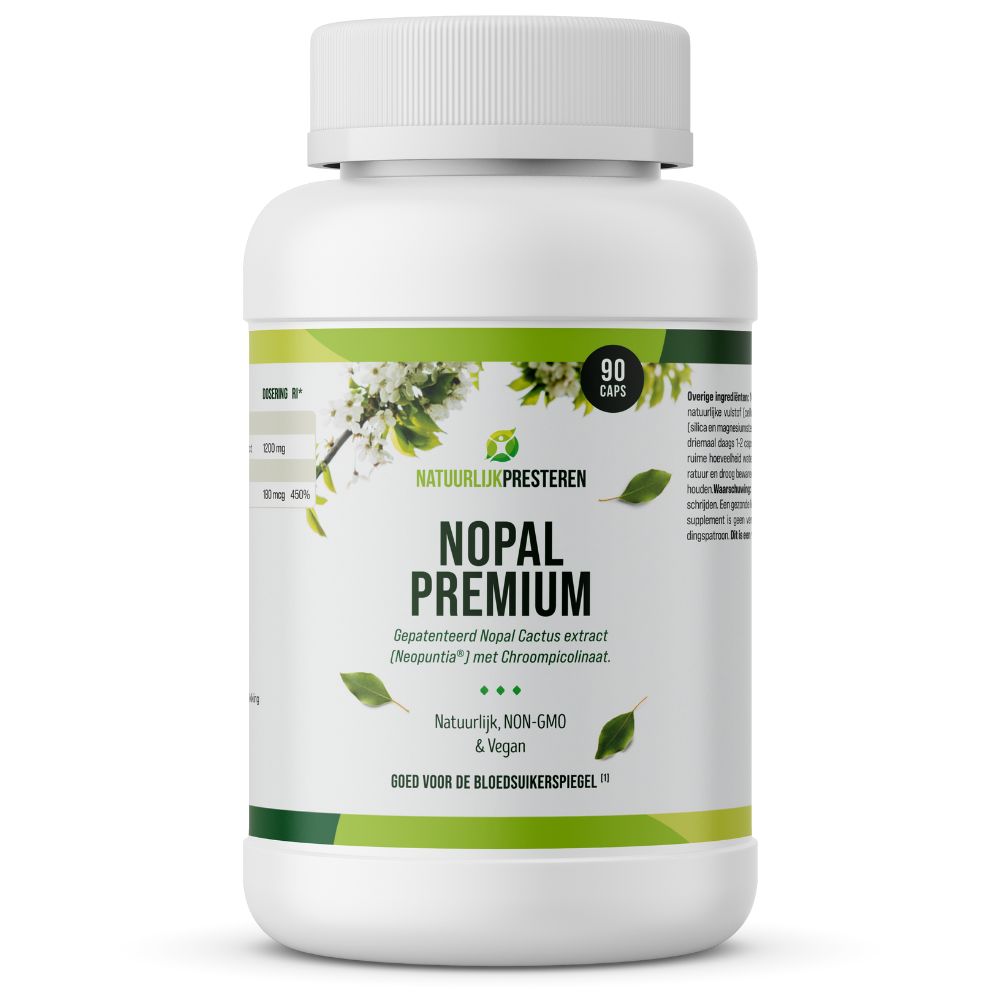
1. Nopal extract (Neopuntia®)
This is a Mexican cactus that is rich in fiber. This fiber forms a gel-like substance that can bind fat molecules, helping to reduce fat absorption. (4)
2. Chitosan
is a natural substance extracted from the shells of shellfish. It literally encapsulates fat molecules , preventing them from being absorbed in the intestines. Instead, the fat molecules leave the body in the stool. (1)
3. Phaseolus vulgaris
This is the official name for the common bean (the one you use in bean soup, for example) is often referred to as a lipase inhibitor.
While some studies show that this bean may indeed contribute to reduced fat absorption, there isn't enough convincing evidence to say that it has a significant impact on fat absorption or weight loss. More research is needed to confirm the extent of the effect. (2) (3)
Tips to get more out of your supplement
To get more out of your natural fat blockers, I have a few more tips for you:
- Start low and increase slowly: If you're new to fat blockers, it's best to start with a lower dose and gradually increase it to see how your body reacts.
- Drink plenty of water: Fibers like those in Nopal and Chitosan need water to function properly, so make sure you drink plenty of water.
Do Natural Fat Blockers Really Work?
The effects of natural fat blockers can certainly aid in weight loss, but the results are often subtle.
They ensure that you absorb less fat from your diet, but it is important to understand that this does not automatically mean that you will lose weight quickly.
Natural fat blockers work best when combined with a healthy diet and regular exercise.
So they can be an additional tool, but they are not a magic solution in themselves.
Conclusion
Natural fat blockers aren't a miracle cure. They can certainly help with weight loss, but only if combined with healthy habits.
They help you absorb less fat, but the biggest step remains to optimize your diet and exercise.
Sources used
1. Moraru, C., Mincea, M. M., Frandes, M., Timar, B., & Ostafe, V. (2018). A Meta-Analysis on Randomized Controlled Clinical Trials Evaluating the Effect of the Dietary Supplement Chitosan on Weight Loss, Lipid Parameters and Blood Pressure. Medicina , 54 (6), 109. https://doi.org/10.3390/medicina54060109
2. Ramírez-Jiménez, A.K., Reynoso-Camacho, R., Tejero, M.E., León-Galván, F., & Loarca-Piña, G. (2015). Potential role of bioactive compounds of Phaseolus vulgaris L. on lipid-lowering mechanisms. Food Research International , 76 , 92–104. https://doi.org/10.1016/j.foodres.2015.01.002
3. Onakpoya, I., Aldaas, S., Terry, R., & Ernst, E. (2011). The efficacy of Phaseolus vulgaris as a weight-loss supplement: a systematic review and meta-analysis of randomized clinical trials. British Journal Of Nutrition , 106 (2), 196–202. https://doi.org/10.1017/s0007114511001516
4. Onakpoya, I. J., O'Sullivan, J., & Heneghan, C. J. (2014). The effect of cactus pear (Opuntia ficus-indica) on body weight and cardiovascular risk factors: A systematic review and meta-analysis of randomized clinical trials. Nutrition , 31 (5), 640–646. https://doi.org/10.1016/j.nut.2014.11.015
Gerelateerde blogartikelen

10 High-Protein Snacks You May Not Know About!
With a busy lifestyle, it's much easier to grab a snack every now and then when you get hungry. Often, you don't have time to prepare a whole meal. The problem with today's snacks is that they're loaded with sugar. After eating such a snack, you often just feel unhealthy and fat. You're actually much better off eating protein-rich snacks! Did you know? Protein helps you feel full because it stimulates the release of hormones that curb your appetite, stabilize your blood sugar levels, and slow your digestion.(1) High-protein snacks, however, are notorious for being nutritious but not tasty. That's a thing of the past. These days, there are plenty of protein snacks that are actually delicious. In this article, I've compiled a list of 10 high-protein snacks for you that you probably haven't heard of yet! Protein-rich snacks provide satiety, stabilize blood sugar, and support health by activating appetite-suppressing hormones. Examples include Greek yogurt parfait, roasted chickpeas, and turkey rolls, rich in protein, vitamins, and minerals. Also try egg muffins, chia pudding, or jerky for a quick, healthy protein without a lot of time or processing. Table of contents 1 - Greek Yogurt Parfait 2 - Celery with Peanut Butter 3 - Carrots with Yogurt Dip 4 - Roasted Chickpeas 5 - Turkey Rolls 6 - Cheese Popcorn 7 - Egg Muffins 8 - Chia Pudding 9 - Overnight Oatmeal 10 - Jerky Summary Frequently Asked Questions 1 - Greek yogurt parfait The first delicious protein snack is Greek yogurt parfait. Greek yogurt contains 8 grams of protein per 100 grams. Moreover, Greek yogurt is not only a great source of protein but also contains a lot of calcium . This mineral is important for bone health. To make Greek yogurt even more delicious and filling, you can make a parfait. Combine a container of yogurt with oats and mixed berries. Adding oats to Greek yogurt provides an additional 14 grams of protein per 100 grams. 2 - Celery with peanut butter Another unknown protein snack is celery sticks with peanut butter. Dip the stalks in peanut butter for a delicious, high-protein snack. Peanut butter contains 26 grams of protein per 100 grams. Peanut butter's high calorie content makes it an ideal snack for helping you feel full. Peanuts have even been shown to promote feelings of fullness when consumed between meals. (2) 3 - Carrots with yogurt dip Carrots are one of the tastiest vegetables to snack on. The downside is that they don't contain much protein. But you can do something about that! For example, make a delicious yogurt dip to go with them. Yogurt dip is easy to make by adding herbs and flavorings to yogurt. Examples include lemon juice and dill. When you use Greek yogurt for this high-protein snack, your dip contains twice as much protein as regular yogurt. You can already divide a few portions into containers to use later as a protein snack. That way you can grab it when you need it! 4 - Roasted chickpeas Chickpeas are a legume packed with healthy nutrients. 100 grams of chickpeas also contain 9 grams of protein and 7 grams of fiber. They also contain many vitamins and minerals, such as folate, iron, magnesium, phosphorus, copper, and manganese. A tasty way to enjoy chickpeas as a high-protein snack is to roast them with some herbs and olive oil. Roasted chickpeas are crunchy and easy to store. 5 - Turkey rolls Another delicious, high-protein snack is turkey rolls. These are essentially turkey wraps with cheese and various vegetables. She could call them mini sandwiches without the bread. How do you make them? Place a few slices of turkey breast on a plate and spread cream cheese on top. Then top with some vegetables, such as cucumber, pickle, and tomato. Then roll them up like wraps for a delicious snack! Each wrap contains about 5 grams of protein from the turkey and cheese. You'll also get extra micronutrients from the vegetables you use. A super tasty, high-protein snack! 6 - Cheese popcorn Popcorn is a popular snack, but did you know you can also make it a protein-rich snack? Popcorn already contains a wealth of nutrients, such as B vitamins, magnesium, phosphorus, zinc, and manganese. You can increase the protein content by adding Parmesan cheese. Parmesan cheese contains 10 grams of protein per 100 grams. This cheese popcorn also contains a whopping 14 grams of fiber per 100 grams. This makes for a protein-rich snack that's also very filling! 7 - Egg muffins Egg muffins are a super healthy snack with lots of protein. They're essentially just muffins made with eggs combined with various herbs and vegetables. They're the perfect high-protein snack because they can be enjoyed hot or cold at any time of day. Adding cheese to the batter, for example, increases the protein content and makes your muffins even more delicious! 8 - Chia pudding Chia pudding is also a relatively unknown snack in the Netherlands. Besides being high in protein, it's also delicious and healthy. 100 grams of chia seeds contain 17 grams of protein and a host of other nutrients, including calcium, phosphorus, and manganese. In addition, chia seeds are known for their high content omega-3 fatty acids, which in turn have several health benefits. To make chia pudding, you add milk to chia seeds. Over time, it will naturally become a pudding. You can add a nice flavor by adding vanilla, for example. This makes for a delicious, easy-to-make protein snack! 9 - Overnight oatmeal Oatmeal is easy to make and very nutritious. It's high in protein and packed with vitamins and minerals. 100 grams of oatmeal also contains a whopping 8 grams of fiber. Research has shown that oatmeal is a great snack because it promotes a feeling of fullness. This is due to the combination of healthy fiber and protein.(3) Overnight oatmeal is made by mixing rolled oats and milk. You can add cocoa or peanut butter for a delicious flavor. Cover and refrigerate overnight, so you can enjoy it the next day as a delicious, high-protein snack! 10 - Jerky Jerky isn't as well-known in the Netherlands as it is in America. It's essentially meat that's been trimmed of fat, dried, and cut into strips. The best part is that it's a high-protein snack that's also incredibly delicious! Jerky contains a whopping 32 grams of protein per 100 grams. All kinds of meat can be made into jerky, such as chicken, turkey, and beef. It's available at most supermarkets, but be careful not to overdo it with added sugars and artificial ingredients. In summary In short, Greek yogurt parfait, celery sticks with peanut butter, carrots with yogurt dip, roasted chickpeas, turkey rolls, cheese popcorn, egg muffins, chia pudding, overnight oatmeal, and jerky are all high-protein snacks that aren't yet very popular in the Netherlands. I'd say: Try a few and see for yourself! Lars Keijzers Lars is a biobased chemist with an insatiable interest in nutrition and science. He also enjoys exploring personal development and can be found regularly at the local gym. Read more
Lees meer wandelen na het eten
What are the benefits of taking a walk after dinner?
Low-intensity exercise, such as walking, is good for your health. Its positive effects on your health are well known. These days, it's becoming increasingly popular to take a walk after every meal. This is said to have even more advantages than taking a walk at any other time. But what exactly are the benefits of walking after eating? I'll explain it to you in this article! Walking after a meal stabilizes blood sugar spikes, aids weight loss and promotes smoother digestion. Short, leisurely walks also regulate your blood pressure and reduce the risk of binge eating by keeping blood sugar levels more stable. Thirty minutes of walking, spread over three moments after meals, contributes to the recommended daily exercise and supports digestion and heart health. Table of contents Benefits of Walking After Eating 1. Walking after eating helps control your blood sugar levels 2. Walking after eating helps with weight loss 3. Walking after eating is good for your digestion 4. Walking after eating helps regulate your blood pressure Here's how to walk after eating Walking after eating is healthy Frequently Asked Questions Benefits of Walking After Eating As I mentioned, exercise is associated with many positive health benefits. But light exercise after eating has some additional benefits. 1. Walking after eating helps control your blood sugar levels The first major benefit of walking after eating is more stable blood sugar levels. A light workout after a meal prevents excessive spikes in your blood sugar. One study found that walking briskly for 10 minutes after each meal was better than walking 30 minutes at other times of the day for controlling your blood sugar levels.(1) Because exercising after a meal is very effective for controlling your blood sugar levels, it can prevent food cravings. This is very beneficial when you're trying to lose weight. 2. Walking after eating helps with weight loss Exercise plays an important role in weight loss. However, a healthy diet is essential. To lose weight, it's important to eat fewer calories than you need. This means you need to burn more calories than you consume. Exercise, such as walking, can help you achieve a calorie deficit. Therefore, walking can support weight loss. In addition, stable blood sugar levels also help manage your weight. 3. Walking after eating is good for your digestion This is because light exercise stimulates your stomach and intestines, helping food to be digested faster. But… be careful not to walk too intensely. You may experience stomach discomfort while walking after eating if you exert yourself too much. Food you've just eaten will then move through your stomach, creating a less than ideal environment for digestion. Tip: If this bothers you, try waiting 10-15 minutes after eating before walking and keep your walking intensity low. 4. Walking after eating helps regulate your blood pressure The final benefit of walking after eating is that it can help regulate your blood pressure. Research has shown that taking three 10-minute walks daily after a meal is associated with more stable blood pressure.(2) So, it is better to take some short walks after eating during the day to regulate your blood pressure. Here's how to walk after dinner The best time to take a walk is right after a meal. Your body is still digesting the food, allowing you to reap the benefits for your digestion and blood sugar levels. Start with a 10-minute walk after dinner. Then you can extend this to 10-minute walks after breakfast and lunch. After that, you can increase the length of your walks. With three 10-minute walks a day, you can easily get 30 minutes of daily physical activity, as recommended by the NNGB. Be sure to keep the intensity low to moderate so you can reap the benefits without experiencing any symptoms. Aim for an increased heart rate without getting out of breath. Walking after eating is healthy In short, walking after eating has a positive effect on your digestion, blood sugar levels, blood pressure, and weight loss. Take a low-intensity 10-minute walk after each meal and reap the benefits! Lars Keijzers Lars is a biobased chemist with an insatiable interest in nutrition and science. He also enjoys exploring personal development and can be found regularly at the local gym. Read more
Lees meer