What are nerve supplements?
Nerve supplements are nutritional supplements designed to support the health and function of the nervous system. They often contain vitamins, minerals, herbal extracts, and other nutrients.
These supplements can contribute to nerve function, the protective layer of the nerves (myelin sheath), and a healthy balance of neurotransmitters.
How do nerve supplements work?
These are some of the key components you'll find in nerve supplements:
Vitamins
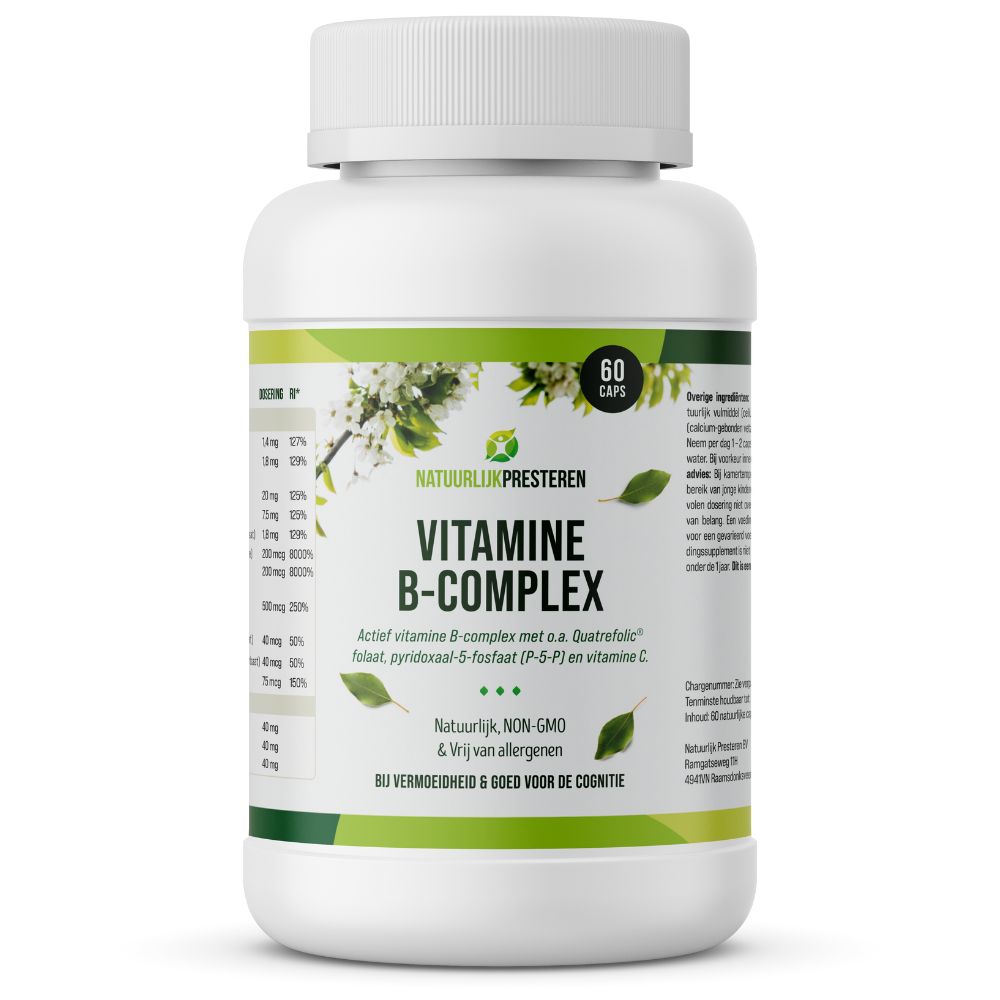
Vitamins B1, B2, B3, B6, B12, and C are beneficial for the nervous system. Our vitamin B complex contains only the very best B vitamins in their bioactive form, so they are quickly absorbed and can be used immediately by the body.
Minerals
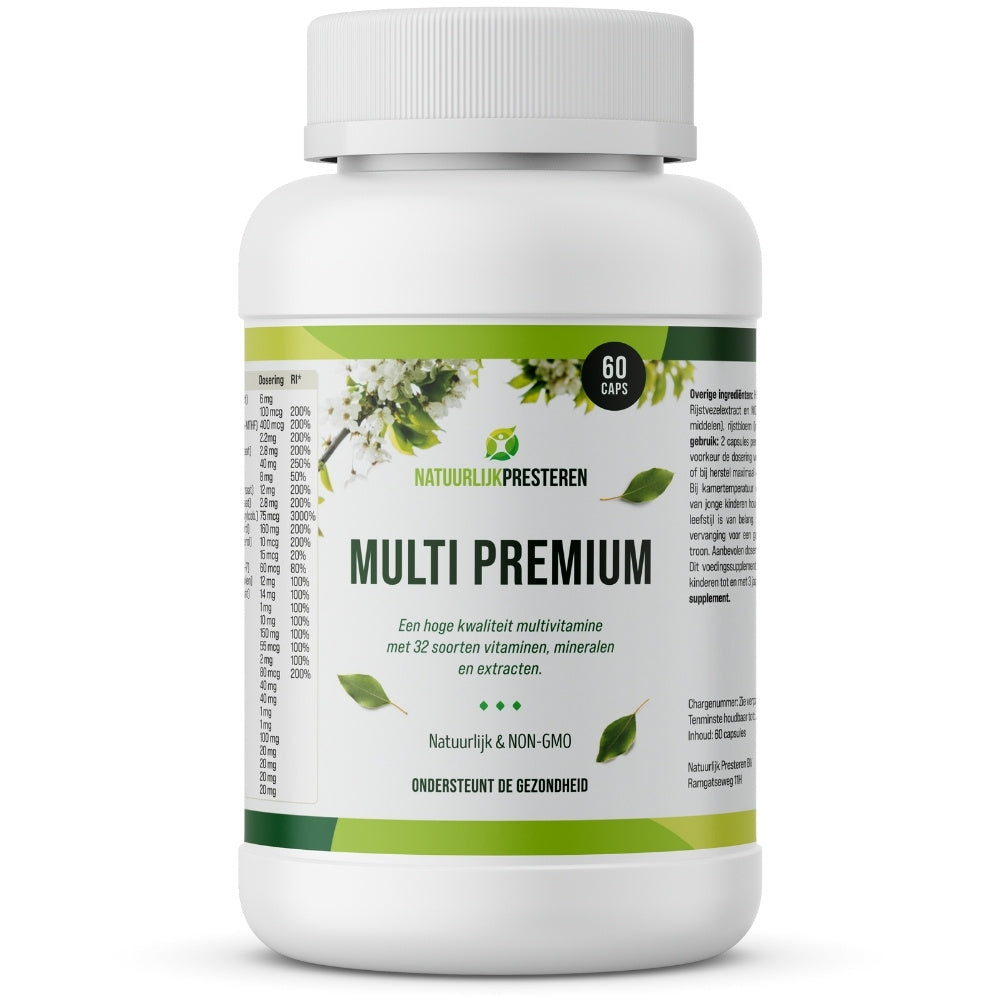
Certain minerals, such as magnesium, copper, potassium, and iodine, play a vital role in nerve function. Are you having trouble getting enough of these minerals daily? We offer several powerful formulas to support your daily needs, such as our 28-in-1 Multi Premium .
5-MTHF
5-MTHF from Quatrefolic® supports the production of neurotransmitters . Neurotransmitters are chemical messengers that transmit signals between nerve cells. A good balance of neurotransmitters allows nerve cells to communicate effectively with each other.
This bioactive form of folic acid is easily absorbed by the body without additives. You can find 5-MTHF from Quatrefolic® in products such as Multi Premium and vitamin B complex (combined with vitamin B12 and active B6).
Antioxidants
Antioxidants help keep nerve cells healthy by protecting them from harmful molecules (free radicals). (1)
In particular, antioxidants from plants , such as those from herbs and vitamins, support the structure and function of nerve cells, thus helping to maintain the health of the nervous system. (2)
Spices
In many cultures, herbs such as Ginkgo Biloba and Passionflower are used to support the nervous system, often for their plant compounds and antioxidants. (3) (4).
Although the scientific evidence is not yet sufficient to say more about their effectiveness, some claims are currently being assessed by the European Commission. This means that these claims are being evaluated to determine whether they can be approved for use in supplements and therapeutic products.
Sources Used
- Kamat, C. D., Gadal, S., Mhatre, M., Williamson, K. S., Pye, Q. N., & Hensley, K. (2008). Antioxidants in Central Nervous System Diseases: Preclinical Promise and Translational Challenges. Journal Of Alzheimer S Disease , 15 (3), 473–493. https://doi.org/10.3233/jad-2008-15314
- Cui, X., Lin, Q., & Liang, Y. (2020). Plant-Derived Antioxidants Protect the Nervous System From Aging by Inhibiting Oxidative Stress. Frontiers in Aging Neuroscience , 12 . https://doi.org/10.3389/fnagi.2020.00209
- Biernacka, P., Adamska, I., & Felisiak, K. (2023). The Potential of Ginkgo biloba as a Source of Biologically Active Compounds—A Review of the Recent Literature and Patents. Molecules , 28 (10), 3993. https://doi.org/10.3390/molecules28103993
- Janda, K., Wojtkowska, K., Jakubczyk, K., Antoniewicz, J., & Skonieczna-Żydecka, K. (2020). Passiflora incarnata in Neuropsychiatric Disorders—A Systematic Review. Nutrients , 12 (12), 3894. https://doi.org/10.3390/nu12123894
Gerelateerde blogartikelen
 bloggle
Magnesium: Everything you need to know!
Magnesium is an essential mineral with many different functions in the body. It contributes to the nervous system and muscle function, for example. A magnesium deficiency therefore has several consequences for the body. This article covers everything about magnesium. You'll learn about the types of magnesium, its benefits, its sources, and more. Magnesium supports muscles, nerves, energy production and mental health and is found in foods such as nuts, chocolate and vegetables. A deficiency can lead to fatigue, muscle cramps, concentration problems and heart problems, made worse by stress, caffeine and poor diet. The best forms of magnesium are organically bound variants such as bisglycinate and citrate, which are better absorbed and work more effectively. Table of contents What is magnesium? What types of magnesium are there? Organically bound magnesium Inorganically bound magnesium How much magnesium do you need per day? What are the benefits of magnesium? What are the symptoms of a magnesium deficiency? Causes of a magnesium deficiency Insufficient dietary intake Chronic stress Gut problems (Irritable Bowel Syndrome or Leaky Gut Syndrome) Too much alcohol Too high estrogen Insulin resistance Too much caffeine Use of antacids Elite sports or sauna Where does magnesium come in? What are the side effects of too much magnesium? What is the best magnesium? What is magnesium? Magnesium is a mineral the body needs for a wide range of functions. Most people are familiar with magnesium for its effects on rest and muscle recovery, but it also influences other bodily processes. For example, it also affects energy and mental health. Magnesium is found in chocolate, vegetables, and nuts, among other things. A deficiency or excess is rare, but when it does occur, it can cause quite unpleasant symptoms. Your body absorbs magnesium through the small intestine. Magnesium absorption can vary significantly depending on the supplement and the type of food. You can read more about this later in the article. What types of magnesium are there? Magnesium is available in various forms. These variants have different properties and are not all equally absorbable. Magnesium types can actually be divided into two types: organically bound and inorganically bound. Organically bound magnesium Organic magnesium is a form of magnesium in which magnesium is bound to an organic molecule. These forms are absorbed the best. Magnesium bisglycinate - This form is known for its relaxing effect on the nervous system and muscles. It is a combination of magnesium and the amino acid glycine. Magnesium citrate - This form of magnesium is combined with citric acid and is better absorbed. It is often used for people suffering from constipation. Magnesium malate - This form of magnesium is also combined with another substance, in this case malic acid. This is often recommended for people who want muscle support or suffer from fatigue. Magnesium Taurate - This is another form of magnesium known for its relaxing effects and cardiovascular benefits. It's a combination of magnesium and the amino acid taurine. Inorganically bound magnesium Inorganic magnesium is a form of magnesium in which magnesium is bonded to an inorganic molecule or atom. Magnesium oxide - These forms are widely used against heartburn and constipation. Magnesium hydroxide - is also used against heartburn and constipation. Magnesium chloride - This form is primarily used for nerves and muscles. It's known for its relaxing effect. It's often used in flakes for topical use. Magnesium sulfate - This form is also called Epsom salt and is known for its strong laxative effect. How much magnesium do you need per day? The amount of magnesium you need varies by age and specific needs. The table below provides guidelines for daily intake. Age / needs Amount of magnesium per day Infants (0-6 months) 30 mg Infants (7-12 months) 75 mg Children (1-3 years) 80 mg Children (4-8 years) 130 mg Children (9-13 years) 240 mg boy 280 mg girls Teenagers (14-18 years) 410 mg boys 360 mg girls Adult men (18+) 400 – 420 mg Adult women (18+) 310 – 320 mg Pregnant women 350 – 360 mg Women who are breastfeeding 310 – 320 mg It's important to know that these are general recommendations and that needs can vary from person to person. It's wise to consult a medical professional before starting supplements, especially if you have an underlying health condition. What are the benefits of magnesium? Magnesium has positive effects on both the body and the mind. The benefits of magnesium are listed below. Helps against fatigue and for a healthy energy level - Magnesium is essential for the production of ATP, which is a substance our body uses to create energy. It also plays a role in regulating electrolyte balance and nerve function, which also helps prevent fatigue. Good for a good night's sleep - Magnesium helps you relax during stressful times because it has a calming effect on the nervous system. It also plays a role in the production of 5-HTP and serotonin, which converts to melatonin. It's also linked to GABA, a calming neurotransmitter in the brain [1]. Supports electrolyte balance - Magnesium is one of the electrolytes important for proper fluid balance, nerve function, and muscle contraction. It also plays a role in the balance of other important electrolytes, such as potassium, calcium, and sodium. Supports the nervous system - The nervous system is like electrical wiring that transmits signals between the brain and the rest of the body. Magnesium supports this system by ensuring that nerve cells don't become overactive and thus remain "calm." Is good for the muscles - Magnesium helps conduct signals between nerves and muscles. It also helps maintain the balance between muscle contraction and relaxation. Contributes to normal protein synthesis - Protein synthesis is the process of building new proteins. This requires the assembly of amino acids. Magnesium supports this process. Supports cognition - Magnesium supports various psychological functions. It's involved in signal transmission between brain cells and regulating neurotransmitters. Helps keep bones and teeth healthy - Magnesium helps form healthy bone and tooth structures. It works together with calcium to achieve this. Supports cell division - Cell division involves many steps and magnesium acts as a kind of 'director' in carrying out these steps, making it work more efficiently. Good for concentration - Magnesium plays a role in neurological processes, such as the transmission of signals between the brain and nerve cells. This is important for clear thinking, focus, and concentration. Magnesium is also involved in the function of neurotransmitters, which are related to alertness, attention, and concentration. Magnesium is essential for a wide range of functions in the body and mind. When you don't get enough magnesium from food, various symptoms can occur. A magnesium deficiency is more common than you might think. Approximately 20 to 30 percent of adults don't get enough magnesium. What are the symptoms of a magnesium deficiency? As you read above, magnesium is essential for a wide range of functions in the body and mind. When you don't get enough magnesium from food, various symptoms can occur. A magnesium deficiency is more common than you might think. Approximately 20 to 30 percent of adults don't get enough magnesium. The symptoms of a magnesium deficiency[2][3]: Loss of appetite Nausea Concentration problems Gloom Fatigue Muscle problems Heart problems Nerve problems Numbness Tingling The causes of a magnesium deficiency A magnesium deficiency can therefore significantly impact your physical and mental health. There are also circumstances that may increase your magnesium needs, or cause it to be absorbed less effectively. In these cases, pay extra attention to your intake or take a supplement. Insufficient dietary intake Many foods are processed before they're eaten. Think of grinding, heating, or refining. Magnesium is lost with every processing step. Furthermore, magnesium is often present in the skin, or it evaporates into the cooking water if you overcook food. Food from bags, packets, or cans also contains few nutrients, including magnesium. Chronic stress When you're stressed, your body uses more magnesium[4]. As mentioned earlier, magnesium plays an important role in relaxation and the production of neurotransmitters, which are responsible for feelings of happiness. Chronic stress can therefore cause a magnesium deficiency, but a magnesium deficiency can also cause stress. Then you end up in a vicious cycle. Bowel problems (Irritable Bowel Syndrome or Leaky Gut Syndrome) With intestinal problems like Irritable Bowel Syndrome or Leaky Gut Syndrome, a vicious cycle can also develop. The intestinal problems can lead to reduced absorption. But reduced magnesium absorption can also lead to reduced intestinal muscle function. Too much alcohol Alcohol stimulates the kidneys to excrete more magnesium. It also reduces the efficiency of digestion and can cause a vitamin D deficiency. Vitamin D is necessary for proper magnesium absorption[5]. Too much estrogen In some cases, estrogen levels can be too high in women. This is called estrogen dominance. To eliminate estrogen, the body needs magnesium. Estrogen dominance therefore requires more magnesium. If there is too little magnesium, estrogen levels can rise even further. This is another vicious cycle. Insulin resistance Magnesium is involved in releasing energy from carbohydrates. Insulin resistance makes the body insensitive to insulin. Blood sugar levels then rise. This results in higher blood sugar levels and increased magnesium consumption, meaning you need more of it. Magnesium is also less well absorbed with insulin resistance. Too much caffeine Magnesium is processed by the kidneys. They filter it and ensure that any excess is excreted. Caffeine affects kidney function. It acts as a diuretic, which encourages your kidneys to excrete more urine. This can lead to excess magnesium loss because it leaves your body through urine and isn't absorbed[6]. Caffeine is found in, among other things: Coffee Tea Cola Chocolate Use of antacids Antacids reduce the stomach's acidity. If there's too little stomach acid, the body can absorb fewer nutrients. This can lead to a mineral deficiency, such as magnesium. Your body can't digest food, and the magnesium is excreted undigested. Top sport or sauna You also have an increased risk of a magnesium deficiency if you participate in elite sports or frequent saunas. This is because sweating causes the loss of various minerals, including magnesium. The body then simply needs more magnesium to stay healthy. What does magnesium contain? Below are 20 food sources that are high in magnesium. Food Amount per 100 grams Seaweed 770 mg Pumpkin seeds 535 mg Chia seeds 335 mg Dark chocolate 327 mg Sunflower seeds 325 mg Cashew nuts 292 mg Almonds 268 mg Quinoa 197 mg Brown rice 143 mg Wheat germ 138 mg Spinach 79 mg Soybeans 70 mg Black beans 60 mg Tofu 53 mg Kale 47 mg Lentils 36 mg Salmon 30 mg Avocado 29 mg Bananas 27 mg What are the side effects of too much magnesium? Too much magnesium can cause a number of symptoms. For example, some forms of magnesium (particularly the inorganic forms) are used as laxatives for a reason. This laxative effect can also be a drawback. Below are all the side effects of too much magnesium. Diarrhea Nausea Fatigue Muscle weaknesses Palpitations Low blood pressure To reduce the adverse effects of magnesium, if you do require a higher dose, it can help to minimize its impact on the gastrointestinal system. This can be done by taking it after meals or spreading the dose throughout the day. What is the best magnesium? With all the different types of magnesium available, it can be difficult to determine which form is best. For optimal results, it's best to combine different forms of organically bound magnesium. Organically bound magnesium is more easily absorbed. For example, combine magnesium citrate and magnesium bisglycinate for the most complete effect. Magnesium bisglycinate is better absorbed by the brain and benefits psychological functions, while magnesium citrate is better absorbed by muscles and thus has an effect on the muscles and nervous system. For example, we sell the Magnesium & Taurine supplement in our webshop. This also contains vitamin D and vitamin B6. Magnesium works closely with vitamin D3 . In addition, taurine and the active form of B6 (P5P) help improve magnesium absorption into cells. This allows the body to utilize this magnesium more quickly. Lauressa Lauressa studied Nutrition & Dietetics and also works as an editor. She enjoys delving deeply into topics related to healthy eating, mental well-being, and hormone balance. When she's not pursuing her passion for health, she enjoys being creative. Read more Sources https://www.ncbi.nlm.nih.gov/pmc/articles/PMC5452159/ https://pubmed.ncbi.nlm.nih.gov/29387426/ https://pubmed.ncbi.nlm.nih.gov/22087052/ https://www.ncbi.nlm.nih.gov/books/NBK507250/ https://pubmed.ncbi.nlm.nih.gov/7836619/ https://www.researchgate.net/publication/279923885
Lees meer bloggle
Buying the best vitamin B complex? Pay attention to these 4 points.
Looking for comprehensive support for your health? Then a vitamin B complex is a wise choice: B vitamins are involved in all sorts of processes in your body, from converting food into energy to supporting your nervous system. But not every supplement is equally well-thought-out. Some B vitamins can cause side effects, especially if taken in excessively high doses or in the wrong ratio. A good vitamin B complex is therefore carefully formulated—with active forms of the vitamins and balanced doses. This article explains what to look for before buying a B complex. Choose a B-complex with bioactive vitamins: immediately usable, safer and more effective. Pay attention to safe dosages: especially B3, B6 and folate may be too high in dosage. Additional additives (vitamin C, PABA, choline, inositol) enhance absorption and effectiveness. Table of contents How do you recognize a good vitamin B complex? (4 points) 1. Active B vitamins 2. Safe dosages 3. The correct forms of B3, B6 and Folic acid (folate) 4. Additional additives for optimal functioning The 3 best vitamin B complex products 1. Naturally Performing B complex 2. Vitals B complex 3. Vitakruid B complex What is a vitamin B complex? Benefits of a vitamin B complex? Side effects of vitamin B complex What is a methylated B complex? Conclusion How do you recognize a good vitamin B complex? (4 points) Therefore, pay attention to the following 4 points when choosing a good and effective B-complex. 1. Active B vitamins Many B vitamins exist in an active and an inactive form. Active forms are immediately usable by the body and therefore the best choice . They don't need to be converted first, making them usually more effective and safer. Inactive forms must first be converted before the body can use them. But this conversion process doesn't proceed equally well in everyone. As a result, these forms can be less effective or accumulate in the body—even at a seemingly safe dose. 2. Safe dosages Not all B vitamins are equally safe in high doses. For example, vitamin B12 may be given a slightly higher dose, as its absorption into your body is limited. Other B vitamins, such as folate , B3 and especially B6 , you want to keep normal (around the RDA) or low because of the risk of side effects. 3. The correct forms of B3, B6 and Folic acid (folate) By paying attention to the correct forms and dosages of B3, B6 and folate, you will get the most benefit from your B complex without unnecessary side effects. B3 (niacin) - Choose nicotinamide (also called niacinamide ), the form of vitamin B3 that doesn't cause a niacin flush. While this variant is often a bit more expensive, it helps you avoid the unpleasant side effects that can occur with regular niacin, especially at doses of 40 mg per day or more. (1) B6 (pyridoxine) - Choose the active form pyridoxal-5-phosphate (P-5-P) as it can be used directly by the body and is absorbed more efficiently. Avoid pyridoxine (HCL), the inactive form that your body must first convert. Keep the dose below 5 mg per day for safe absorption. (The maximum safe dose is 21 mg per day, but preferably stay below 5 mg.) (2) Folic acid (folate) - Choose folate or, even better , 5-MTHF folate , the active form that your body utilizes directly. Avoid folic acid, the synthetic form that can accumulate in your blood, especially in higher doses. A dose of less than 500 mcg per day is usually safe, but choose the active 5-MTHF form for better absorption and effectiveness.(3) 4. Additional additives for optimal functioning Want to get the most out of your B complex? Then consider supplements that can enhance the effectiveness of the B vitamins. Vitamin C, for example, is a useful addition; it's not essential, but it supports the functioning of the B complex because the vitamins have overlapping mechanisms of action. Semi-vitamins like inositol, PABA, and choline can also be beneficial. These substances were once also considered B vitamins. But because our bodies can produce them themselves, we now call them semi-vitamins. The 3 best vitamin B complex products These 3 supplements meet the criteria I mentioned above: Natuurlijk Presteren's Vitamin B Complex is designed for those looking for a carefully balanced supplement with pure ingredients and optimal bioavailability. 1. Natural Performance B-complex Natuurlijk Presteren's Vitamin B Complex is designed for those looking for a carefully balanced supplement with pure ingredients and optimal bioavailability. This B-complex stands out for its completeness, carefully selected composition, and purity. A well-deserved first place! 2. Vitals B-complex Vitals B-complex is a powerful and professionally formulated supplement that focuses on good absorption with active forms of the B vitamins. The benefits: Contains active forms of B vitamins With choline, inositol, PABA and biotin Suitable for vegetarians and vegans The disadvantages: Vitamin B6 is dosed at 14 mg, which is above the recommended safe limit for long-term use Does not contain vitamin C Vitals offers a high-quality complex that scores just below the top due to the lack of vitamin C, but remains a strong choice. 3. Vitakruid B-complex With this supplement, Vitakruid focuses on a broadly applicable B-complex, suitable for daily use and with an eye for active forms. The benefits: With active forms of the B vitamins Contains choline, inositol, PABA and L-taurine Suitable for vegetarians and vegans The disadvantages: B6 dosage above 5 mg (7 mg), which may be too high with long-term use Does not contain extra vitamin C A powerful supplement for daily use, but the higher B6 dosage and lack of vitamin C makes this B-complex slightly less complete than the top 2. What is a vitamin B complex? A vitamin B complex is a supplement that contains a combination of the eight essential B vitamins: B1 (Thiamine) B2 (Riboflavin) B3 (Niacin) B5 (Pantothenic acid) B6 (Pyridoxine) B7 (Biotin) B9 (Folic acid or Folate) B12 (Cobalamin) Benefits of a Vitamin B Complex? Taking a B-complex supplement provides you with a balanced mix of these essential vitamins that work together to support your well-being in multiple areas. The main benefits of a vitamin B complex are: Helps convert food into energy - B vitamins, including B1, B2, B3, B5, B6, B7, B9 and B12, support the body in releasing energy from food and contribute to normal energy-yielding metabolism Supports a healthy nervous system - B vitamins, such as B1, B6, B9 and B12, are important for normal nerve function Reduces tiredness and fatigue - B vitamins, including B2, B3, B5, B6, B7, B9 and B12, help to use energy better, which can contribute to less tiredness and fatigue Supports healthy mental health - B vitamins, such as B6, B9 and B12, play a role in mental functions and can contribute to normal psychological health Helps the immune system to function normally - B vitamins, such as B6, B9 and B12, contribute to a normal functioning immune system Helps in the production of red blood cells - B12 and B9 (folic acid) play an important role in the formation of red blood cells Vitamin B complex side effects When taking a vitamin B complex it is important to know that side effects can sometimes occur, especially if the dosage is too high. These are the main side effects to look out for: Vitamin B6 (pyridoxine) - Nerve complaints such as tingling or numbness at doses above 21 mg per day (with long-term use). (4) Vitamin B3 (niacin, as nicotinic acid) - Flushing (redness, warmth, itching of the face/neck) of more than 10 mg per day. The niacinamide form usually does not cause this effect. (5) Vitamin B11 (folic acid, synthetic) - May mask a B12 deficiency at doses above 1,000 mcg per day. Use the active form: 5-MTHF instead. (6) Vitamin B5 (pantothenic acid) - Diarrhea or stomach upset at doses greater than 1000 mg per day. (7) What is a methylated B complex? Some vitamin B complex supplements are labeled methylated . This means the vitamins are already present in their active form , allowing the body to utilize them immediately without needing to be metabolized first. These methylated vitamins are easier to absorb and more effective because the body has to do less work to process them. For example, folic acid in a standard B-complex must be converted by the body into its active form (5-MTHF), but in a methylated B-complex, this conversion has already occurred. This makes the B-complex work faster and more efficiently. Good to know : Our Methylated B Complex contains these active forms of B vitamins, such as methylfolate (5-MTHF) and methylcobalamin (B12), so your body can use them directly for optimal effectiveness. Conclusion A good vitamin B complex can support your health in a broad range of ways, from more energy to a better functioning nervous system. But to truly notice an effect without side effects, it's important to critically examine the ingredients. Pay particular attention to active forms of B vitamins, safe dosages, and additional additives that enhance absorption and effectiveness. The products from Natuurlijk Presteren, Vitals and Vitakruid offer strong options for this, with Natuurlijk Presteren as the clear leader thanks to its balanced and complete composition. So choose consciously, so that your B-complex really does something for your body. Ebrina van der Bijl Ebrina is a nutritionist with a deep commitment to healthy eating and a sustainable lifestyle, based in beautiful Portugal. Her passion for natural and organic products is at the heart of her work. With a background in Nutrition & Dietetics and experience in product development and writing, she translates complex scientific information into practical advice for a balanced lifestyle. Read more Sources used Song, W., & FitzGerald, G. A. (2013). Niacin, an old drug with a new twist. Journal Of Lipid Research, 54(10), 2586–2594. https://doi.org/10.1194/jlr.r040592 Abosamak, N.R., & Gupta, V. (2023, August 17). Vitamin B6 (Pyridoxine). StatPearls - NCBI Bookshelf. https://www.ncbi.nlm.nih.gov/books/NBK557436/ Scaglione, F., & Panzavolta, G. (2014). Folate, folic acid and 5-methyltetrahydrofolate are not the same thing. Xenobiotics, 44(5), 480–488. https://doi.org/10.3109/00498254.2013.845705 Hemminger, A., & Wills, BK (2023b, February 7). Vitamin B6 toxicity. StatPearls - NCBI Bookshelf. https://www.ncbi.nlm.nih.gov/books/NBK554500/ Javaid, A., & Mudavath, S. L. (2024). Niacin-induced Flushing: Mechanism, Pathophysiology and Future Perspectives. Archives Of Biochemistry And Biophysics, 761, 110163. https://doi.org/10.1016/j.abb.2024.110163 Turck, D., Bohn, T., Castenmiller, J., De Henauw, S., Hirsch‐Ernst, K., Knutsen, HK, Maciuk, A., Mangelsdorf, I., McArdle, HJ, Pentieva, K., Siani, A., Thies, F., Tsabouri, S., Vinceti, M., Crous‐Bou, M., Molloy, A., Ciccolallo, L., De Sesmaisons Lecarré, A., Fabiani, L., . . . Naska, A. (2023). Scientific opinion on the tolerable upper intake level for folate. EFSA Journal, 21(11). https://doi.org/10.2903/j.efsa.2023.8353 Nutrition Center. (n.d.). Pantothenic acid (vitamin B5). https://www.voedingscentrum.nl/encyclopedie/pantotheenzuur.aspx
Lees meer
11 Benefits of Vitamin B5 (Pantothenic Acid)
Vitamin B5 has many benefits and is an essential nutrient that helps the body convert food into energy. While working quietly in the background, B5 plays a central role in blood cell production and also supports healthy skin and hair. Moreover, this vitamin is crucial for the proper functioning of various enzymes in the human body. While B5 is found in many foods, it's important to understand why it's so essential. Vitamin B5 supports energy production, hormone production and neurotransmitters, which contributes to vitality, stress resistance and mental clarity. This vitamin plays a role in various metabolic processes, including the conversion of fats and carbohydrates, and is also associated with the production of blood cells. Vitamin B5 contributes to cognitive performance, mental health and efficient digestion through its role in coenzyme A production. Table of contents 1 - Activates the natural energy in your body 2 - Helps in the production of steroid hormones 3 - Is good for vitamin D metabolism 4 - Supports the production of neurotransmitters 5 - Helps to produce red blood cells 6 - Supports in stressful situations 7 - Good for cognitive performance 8 - Good for mental health 9 - Supports the digestive system 10 - Supports the immune system 1 - Activates the natural energy in your body Vitamin B5 acts as a kind of "switch" that activates various bodily processes. It plays a central role in the production of coenzyme A, a key molecule involved in energy production. In other words, vitamin B5 helps your body efficiently use the fuel from your food. One of the benefits of vitamin B5 is that it supports energy metabolism, which can help you feel fit and energetic overall. It is also involved in the production of various hormones and neurotransmitters, which can have a positive effect on your mood and resistance to stress. 2 - Helps in the production of steroid hormones One of the benefits of vitamin B5 is that it plays a key role in the production of steroid hormones in your body. These hormones are important for various bodily functions, such as stress response and metabolism. As mentioned above, it helps in the formation of coenzyme A, an essential component in the biosynthesis of these hormones. With sufficient vitamin B5, your body can therefore efficiently produce these important hormones. This contributes to better balance and functioning of your body in various areas. It's therefore no surprise that vitamin B5 is often included in supplements aimed at supporting hormonal and general health. 3 - Is good for vitamin D metabolism Another major advantage of vitamin B5 is that it is a versatile nutrient that plays a supporting role in various bodily processes, including vitamin D metabolism. It helps in the effective conversion and utilization of vitamin D, which is crucial for bone health and the immune system. It contributes to the effectiveness of enzymes that in turn contribute to the activation of vitamin D. This makes vitamin B5 a kind of 'team player' that helps you get the most out of your vitamin D intake. Therefore, vitamin B5 can be a useful supplement for people aiming for optimal vitamin D status, and it is often an ingredient in balanced supplements. 4 - Supports the production of neurotransmitters Vitamin B5 is a key component in the production of neurotransmitters. These chemical messengers play a vital role in communication between nerve cells and are crucial for mental functions such as mood and cognition. As previously described, vitamin B5 plays a role in the synthesis of coenzyme A, which in turn is involved in the production of various neurotransmitters such as acetylcholine. Optimizing this neurotransmitter production can contribute to mental well-being and overall health. That is why vitamin B5 is also often included in supplements aimed at supporting mental functions and health. 5 - Helps produce red blood cells Vitamin B5 is essential for various bodily functions, including the production of red blood cells. These cells are responsible for transporting oxygen throughout your body, a crucial task for your overall health. One of the benefits of vitamin B5 is that it contributes to the formation of hemoglobin, the protein in red blood cells that binds oxygen. Vitamin B5 acts as a cofactor for enzymes involved in these processes, allowing the body to efficiently produce red blood cells. This benefit of vitamin B5 makes it an important ingredient in supplements aimed at supporting blood health and overall well-being. 6 - Supports in stressful situations Vitamin B5 is known for its role in supporting the body during stressful situations. One of its most important benefits is its support for the adrenal glands, which produce stress hormones like cortisol. When we're stressed, our adrenal glands need extra nutrients to function optimally. Vitamin B5 serves as a coenzyme in various biochemical reactions that help produce and regulate these hormones. This allows the body to respond effectively to stress and tension, making it a valuable addition to a balanced diet and a healthy lifestyle. 7 - Good for cognitive performance The benefits of vitamin B5 also extend to cognitive performance. This is due to the production of coenzyme A, which is central to many biochemical processes in our cells, including the brain. Coenzyme A is involved in the production of neurotransmitters such as acetylcholine, which play a key role in memory, focus, and mental clarity. By contributing to these crucial biochemical pathways, vitamin B5 can support mental performance and alertness. 8 - Good for mental health The benefits of vitamin B5 are extensive and therefore also encompass aspects of mental health. As described above, it is involved in various biochemical pathways crucial to our mental well-being. It supports the production of neurotransmitters like serotonin, which influence mood and emotional balance. Vitamin B5 is also important for the production of hormones that play a role in our body's response to stress. Due to this combination of factors, adequate vitamin B5 intake can have a positive effect on mental resilience and overall mood. 9 - Support of the digestive system One of the many benefits of vitamin B6 is its support of digestion. As mentioned in paragraph 1, this vitamin is important for converting food into energy. It helps break down fats, proteins, and carbohydrates from your diet so they can be turned into usable fuel for the body. In addition, vitamin B5 is important for the production of coenzyme A, which is important for many metabolic processes including digestion. An adequate intake of this vitamin can therefore contribute to efficient digestion and better absorption of nutrients. 10 - Immune System Support Finally, it's interesting to consider the role of vitamin B5 in supporting the immune system. This vitamin is involved in the production of antibodies and white blood cells, which are essential for fighting infections and maintaining overall health. Furthermore, vitamin B5 helps regulate stress hormones like cortisol. Balanced cortisol levels are important for optimal immune system function. A healthy intake of this vitamin can therefore contribute to maintaining a strong and effective immune system, especially during periods of physical or emotional stress. In short, the benefits of vitamin B5 are truly diverse. It's an interesting nutrient for those seeking a holistic approach to well-being! Hein van Kuijck Hein has a deep interest in the effects of nutrition, lifestyle, and nutritional supplements on the human body. He conducts extensive research on this topic and enjoys sharing his knowledge with others. Read more
Lees meer