Natural 5-HTP supplements
5-HTP is the abbreviation for 5-hydroxytryptophan. The substance comes from the seeds of the Griffonia simplicifolia plant. The herb is also called California poppy and grows in West and Central Africa, among other places. This is one of the few natural sources of 5-HTP.
The substance is also produced naturally by the body itself. In our bodies, it's used as a building block for the production of the happiness hormone serotonin.
Natural 5-HTP
The natural version of 5-HTP is widely used as a "serotonin booster." It's often combined with various vitamins and minerals that also promote serotonin production.
5-HTP supports mood and well-being. Although it's a popular supplement, new European legislation prohibits any information about its effectiveness.
We can, however, explain what 5-HTP naturally occurs in the body and how it's produced. Below, we'll explain in simple terms how 5-HTP is produced and how it's subsequently used by the body.
Production of the body's own 5-HTP
The body's own 5-HTP forms the basis for, among other things, the happiness hormone serotonin and the sleep hormone melatonin. Its production begins with proteins, which you ingest through food.
Proteins are made up of amino acids, so they're best visualized as a string of beads, with each bead representing an amino acid. See the image below.

When you digest food, your body uses stomach acid to break down these proteins into amino acids, making them easily absorbed.
These absorbed amino acids can then be used to build other substances, such as new proteins or signalling substances (neurotransmitters).
One of these amino acids, tryptophan, forms the basis for 5-HTP (5-hydroxytryptophan). As the scientific name suggests, tryptophan is a component of 5-HTP. The body attaches another substance to tryptophan, creating a new substance (5-HTP).
Of course, the actual process is more complex than the simple explanation above. The conversion of tryptophan to 5-HTP involves several substances, such as folate, iron, calcium, and vitamin B3, as well as an auxiliary substance, the enzyme tryptophan hydroxylase.
Conversion of the body's own 5-HTP to serotonin
Natural 5-HTP has no function of its own in the body. It is primarily used by the body to produce serotonin. Serotonin is known as the happiness hormone, but it's also involved in other bodily processes.
For example, it's involved in appetite, sleep, sexuality, and memory. To convert 5-HTP into serotonin, the body uses magnesium, zinc, vitamin B6, and vitamin C, along with an important "helper"—the enzyme 5-hydroxytryptophan decarboxylase.
Not only 5-HTP influences the production of serotonin, but also external factors such as stress and exercise.
Conversion of serotonin to melatonin
The body's own serotonin, which is produced from the body's own 5-HTP, is used to produce the sleep hormone melatonin. In this way, 5-HTP is indirectly responsible for the production of this hormone.
Melatonin regulates the day-night rhythm, among other things, and ensures that you feel tired in the evening and sleep well. To convert serotonin into the natural sleep hormone, the body uses magnesium, B12, and SAMe, along with an important "auxiliary substance," the enzyme serotonin N-acetyltransferase.
Light is also an important factor in melatonin production. Too much light, for example from screens, can disrupt this production. This is also why it's always advised not to watch TV or use your phone late at night.
Difference between 5-HTP and tryptophan
People often confuse 5-HTP and tryptophan. While they appear quite similar, there are some significant differences and similarities.
- 5-HTP is more easily absorbed into the brain (crosses the blood-brain barrier) than tryptophan, because it does not compete with other amino acids.
- You need less 5-HTP than tryptophan to produce the same amount of serotonin. Tryptophan has to undergo two reactions, while 5-HTP only has to undergo one.
- 5-HTP is used only for the production of serotonin, while tryptophan is also used to build proteins. As a result, only a very small portion of the tryptophan is actually converted into serotonin.
Want to buy a serotonin booster with natural 5-HTP?
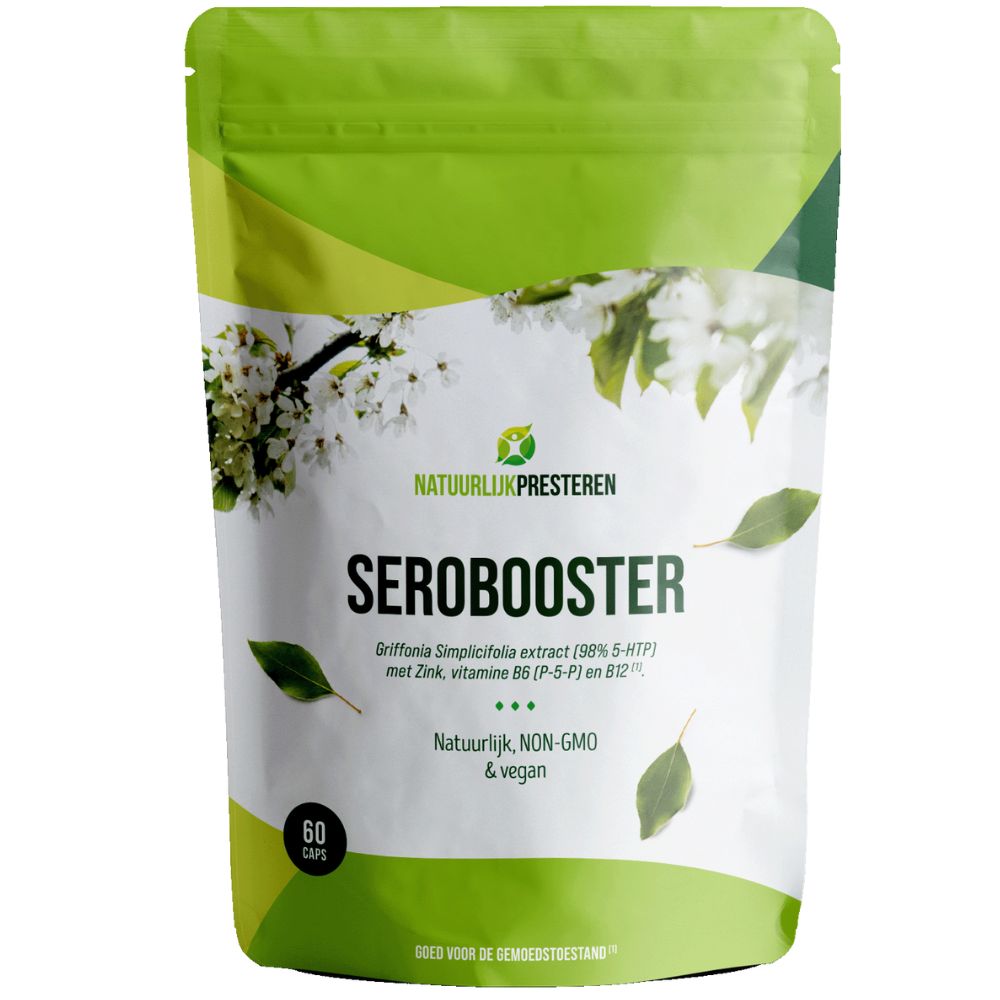
Serobooster is our natural 5-HTP supplement with active B6 (pyridoxal-5-phosphate), which is beneficial for mood and well-being. B6 is also good for reducing fatigue and can support mental balance.
This supplement contains one of the best natural Griffonia extracts, which contains 98% natural 5-HTP. The capsule is also made with cellulose, a natural plant substance that provides strength.
A package of Serobooster contains 60 capsules, which lasts for 30 to 60 days. Most of our customers use one capsule per day.
Want to buy a sleeping pill with natural 5-HTP?
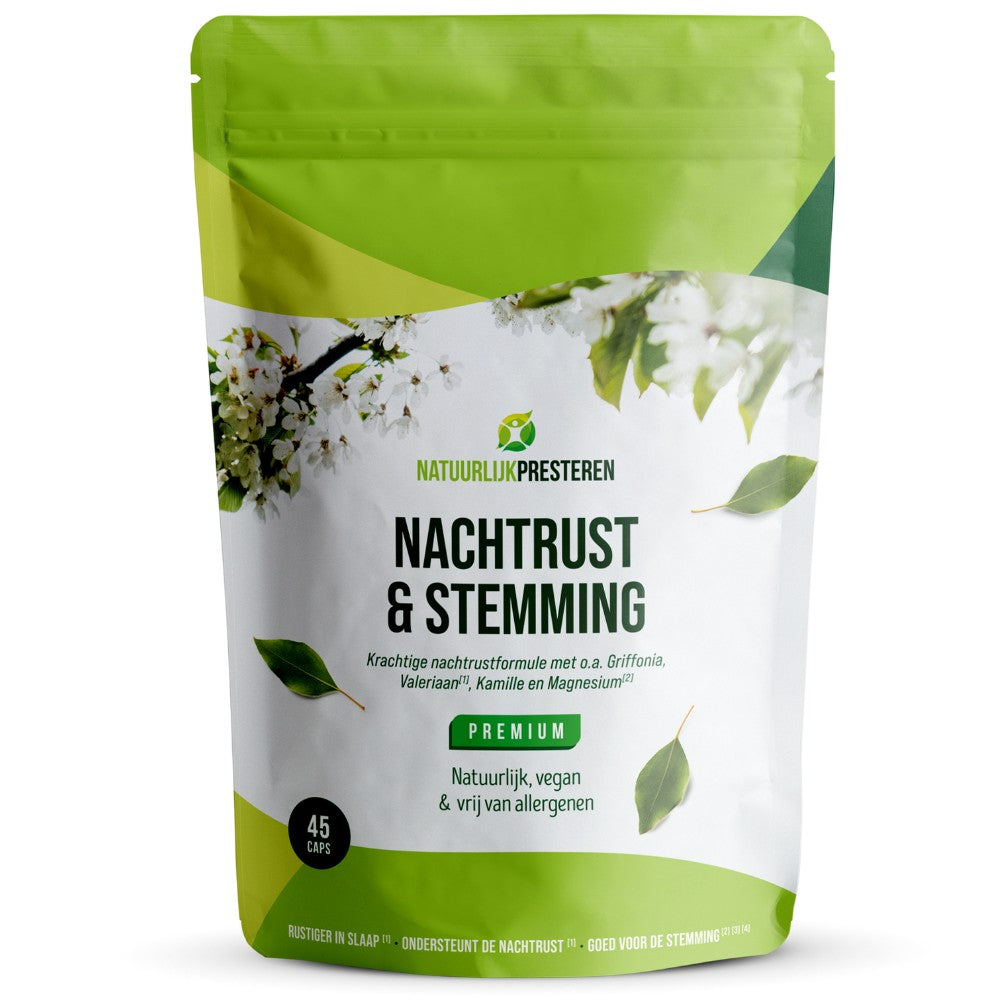
Our product, Night Rest & Mood, is a natural sleep aid that, among other things, helps you fall asleep faster and supports natural sleep. One of the key ingredients in this product is 5-HTP from Griffonia extract.
Along with 11 other natural ingredients, this makes up our natural sleep aid. It's currently our most popular supplement.
Gerelateerde blogartikelen
 bloggle
Forest Bathing: 7 Scientifically Proven Benefits
Forest bathing is healthy for you, both mentally and physically, and it's no wonder. Humans have a built-in desire to connect with nature. And conversely, nature has remarkable, positive effects on health. Unfortunately, in recent centuries, people have increasingly moved to cities. There's a modern condition called "Nature Difficulty Disorder" in English. People are surrounded by concrete and asphalt every day and are addicted to electrical devices. We're missing out on nature. Forest bathing can help strengthen your connection with nature and boost your health at the same time. Forest bathing reduces stress through mindfulness, lowers stress hormones and helps strengthen the immune system through phytoncides, natural oils from trees with antimicrobial properties. Phytoncides improve focus, creativity and relaxation, while forest walks reduce anxiety and contribute to deeper, restorative sleep. More oxygen and natural substances in forests reduce fatigue, increase vitality and help alleviate feelings of depression and anxiety. Table of contents What is forest bathing? The benefits of forest bathing : 1. Forest bathing helps with stress 2. Boosts your immune system 3. Relaxation through mindfulness 4. Forest bathing promotes concentration 5. Wonderful relaxation 6. Forest bathing: recharging your batteries under the trees 7. Positive effect on mood What is forest bathing? Forest bathing originated in Japan, but in recent years it has become increasingly popular in the West. In Japanese, it's called Shinrin-yoku, which translates as "absorbing the medicine of the forest." Forest bathing became popular because many people experienced complaints related to an increasingly technological society and the ubiquitous stress. People felt depressed and unmotivated. Sleep problems, anxiety and a sense of meaninglessness are common in our modern society. It turns out that forest bathing can offer a wide range of health benefits, both mentally and physically. Forest bathing involves much more than simply taking a walk in nature. It's all about total immersion in nature, using all your senses. You can walk leisurely, but you can also sit or lie down. You'll connect directly with the forest around you and become aware of what you see, hear, taste, smell, and feel. You can feel leaves, smell flowers, and touch the bark of trees. You feel the wind on your skin and admire the colors of leaves and moss, or the play of light on the ground. You hear birds singing, the wind whispering between the trunks, and insects scurrying about. Forest bathing is similar to mindfulness. You become fully immersed in the present moment. You can let go of your daily worries. You're not preoccupied with time, you follow your own natural rhythm, and you don't feel rushed. Forest bathing allows you to create a (new) connection with nature and yourself. At the same time, you'll experience various benefits of forest bathing, which can help support your health. The benefits of forest bathing In Japan, forest bathing is encouraged by the government because it can offer numerous health benefits. Research shows that forest bathing can reduce stress, strengthen the immune system, and improve blood pressure. It can also help with mental health issues, such as depression and anxiety. Below are 7 benefits. 1. Forest bathing helps against stress Mindful forest walks can help alleviate stress. Research shows that people who practice forest bathing have lower levels of stress hormones like adrenaline and noradrenaline in their blood. This can help reduce feelings of anxiety and restlessness. Forest bathing not only has a short-term effect, but can also help reduce chronic stress. Regularly retreating to the forest helps to lower blood pressure [1] . You can use forest bathing as a technique to combat chronic stress. This could potentially prevent stress-related health problems. 2. A boost for your resistance When you're out in the woods, it's not just the fresh air you breathe. Trees and plants secrete substances called phytoncides. These are essential oils that trees and plants produce to protect themselves from insects and pathogens. Phytoncides, however, have antimicrobial properties, and we humans can benefit from them. Inhaling forest air stimulates our bodies to produce more natural killer cells. These cells help fight infections and cancer, among other things [2] . Research in Japan showed that people who practice forest bathing had more natural killer cells and that these were also more active. 3. Relaxation through mindfulness Forest bathing is essentially a form of mindfulness and offers the same benefits. Being in the forest and mindfully present brings you fully into the present moment. This means you're free from distractions like screens and social media updates, as well as your own thoughts. You focus on your senses, your breathing, and nature. You stop worrying and worrying. Mindful walking gives you a break and time to recharge. This gives your body and mind the energy they need. By practicing mindfulness in the forest, you benefit twice: from the tranquility of nature and from the practice of mindfulness. Mindfulness can also help reduce stress and has a positive effect on your mood. Did you know? Forest bathing is most effective when you take your time and give it your full attention. A brisk walk or stroll while listening to music isn't mindful and therefore not as effective. 4. Forest bathing stimulates concentration Being mindful in the forest has even more benefits. For example, it can improve your concentration. This is partly because you're practicing mindfulness. You don't want to exert yourself to focus on the here and now. But it's beneficial to try to quiet your thoughts and gently direct your focus to your senses. The trees and plants around you also help with this. The substance they produce, phytoncides, has a positive effect on concentration and creativity. 5. Wonderfully relaxing Forest bathing is a wonderful way to unwind. Research has long shown that being in a natural environment has a relaxing effect on people. It helps you relax and can therefore also reduce anxiety. Recently, research has also been conducted on the effects of forest bathing in this area. Participants in the study were office workers from Tokyo who suffered from high levels of stress, leading to sleep problems. These people switched the time they would normally spend walking in an urban environment to walking in a forest. It turned out that after walking in nature, they were much less anxious and slept better and longer [3] . It is also possible that the phytoncides that plants and trees produce have a positive effect. These have calming properties and promote sleep [4] . Did you know? Forest bathing is also very beneficial for children. Research shows that children with ADHD can concentrate better in nature than in an urban environment. 6. Forest bathing: gain energy under the trees By practicing forest bathing, you may notice an increase in physical and mental energy. This is due to two unique mechanisms. First, there is a higher oxygen concentration in the forest compared to an urban environment. This will supply your organs with all the oxygen they need and will make you feel fitter and more alive. Secondly, phytoncides also play a major role in providing energy. These essential oils, produced by conifers, promote a feeling of fitness and combat fatigue [5] . 7. Positive effect on mood Walking has a positive effect on mood in general. Forest bathing enhances this even further and can help with depression, anxiety, and negative moods, such as anger. A 2019 study found that forest bathing is good for mental health. 155 participants were studied, 37% of whom had depressive tendencies [6] . Before forest bathing, the depressed people scored significantly higher on depressive traits in a test. After forest bathing, it appeared that people with depressive tendencies experienced significant improvements in their mood. In some cases, there were no differences between those who had previously suffered from depression and those who had not. Forest bathing offers many benefits for both your body and mind. It's definitely worth planning a regular forest bathing session. You don't need a large forest for this. You can also enjoy forest bathing in a park or even in your own garden. Be sure to set aside some time for it, and make sure you won't be disturbed. Immerse yourself in nature and reap a sense of peace, well-being, and renewed energy. Miriam Mirjam felt a connection with nature from a young age. This has led to a deep passion for health, natural remedies, and healthy eating. She also loves reading, yoga, and writing. When the weather is nice, she enjoys exploring new hiking trails. Read more
Lees meer gelukshormoon
Increase Serotonin: 9 Natural Tips That Work
There are days when you notice you're not feeling so good. Not really depressed, but less resilient, less clear, less yourself. Often, this isn't due to a single major cause, but to subtle shifts in your internal balance. And serotonin plays a significant role in this. This serotonin system reacts strongly to your lifestyle: your diet, exercise, daylight, sleep, and stress management. The beauty is that you can positively influence these conditions every day. Small choices can have a surprising impact on your mood and stability. In this comprehensive blog, I'll show you how you can support your natural serotonin balance in a safe and scientifically proven way through nutrition, lifestyle, and, where appropriate, supplements. Small steps with a big impact in your daily life. The blog explains what serotonin does, how to recognize an imbalance, and why it is not a 'magical happiness hormone' but part of a broader system. With targeted nutrition – sufficient protein and tryptophan, B vitamins, iron, fiber, omega-3 and vitamin D – you support both your serotonin production and healthy intestinal flora. Regular exercise, daylight, stress reduction, a good sleep pattern, and carefully chosen supplements can help strengthen your serotonin system in a practical, safe, and scientifically proven way. Table of contents How to know your serotonin is out of balance My best tips to naturally support serotonin 1. Set realistic expectations of serotonin 2. Ensure you get enough protein and tryptophan every day 3. Supplement the cofactors: B vitamins and iron 4. Invest in a healthy gut flora 5. Use omega-3 and vitamin D as indirect support 6. Exercise regularly – preferably several times a week 7. Tackle stress and build in recovery moments 8. Make smart use of daylight and rhythm 9. Consider serotonin-focused supplements carefully In short How to Know Your Serotonin is Out of Balance Before I give you the tips, I want to check in with you. You might be wondering: how do I actually notice that my serotonin is out of balance? So, here's a short, relatable self-check: When your serotonin is healthy , it often feels like this: You have a kind of emotional shock absorber. Things still affect you, but you feel resilient. You sleep reasonably well, have a decent amount of energy, and your stress and eating habits are manageable. When your serotonin is out of balance , it feels more like this: The floor beneath your feet is thinner. Your mood fluctuates more quickly, your sleep is more restless, your body feels more tired, and you're more likely to reach for sugar, comfort food, or other "quick fixes." Do you recognize several of these points? It doesn't necessarily mean anything serious, but it could be a sign that your serotonin system needs some extra attention. Please note : If you have persistent or severe complaints, it is advisable to discuss this with your doctor. My best tips to naturally support serotonin Here are my 9 best tips to help restore your serotonin system. All well-substantiated by research and, above all, practically implementable in your daily life. 1. Set realistic expectations for serotonin Here's how to do it: Don't think of serotonin as a "magical happy pill," but as part of a network of hormones, neurotransmitters, sleep, and stress. Don't expect miracles from one food or one supplement; focus on a combination of habits . Use the tips below to improve your baseline serotonin levels step by step. Why this helps Once you understand that serotonin plays a role in many places in your body (from your brain to your gut), it becomes clear that there isn't just one magic knob to turn. Instead of looking for the one trick, you look at the bigger picture: how you eat, sleep, exercise, and manage stress. This will give you more peace and control. What does science say? In large review studies, serotonin is described as a versatile signaling substance that influences your mood, digestion, blood clotting and bone metabolism, among other things. The picture that emerges: serotonin is not a separate “happiness hormone”, but an important link in the balance of various bodily processes. (1) 2. Make sure you get enough protein and tryptophan every day Here's how to do it Choose protein-rich sources of tryptophan such as eggs, (plant-based) dairy, tofu, tempeh, chicken, turkey, fish and legumes. Nuts and seeds are a nice extra. Fruits like bananas can be incorporated into a healthy diet, but are not a great source of tryptophan. Why this helps Serotonin is produced from tryptophan, an essential amino acid that you must obtain through food. Eating enough protein throughout the day increases the availability of tryptophan as a building block. Note : The conversion to serotonin occurs in several steps, and the transport of tryptophan in the brain is also important; therefore, a consistent, protein-rich base works better than a single "superfood" or individual boost. What does science say? Biochemical research has clearly shown that tryptophan is the direct precursor of 5-HTP and serotonin. Without tryptophan, your body simply cannot produce serotonin. We also see this in studies: if people get enough tryptophan through food or supplements, this can help to support their normal mood and emotional balance. (2) 3. Supplement with cofactors: B vitamins and iron Here's how to do it: Lay the foundation with a varied, wholesome diet: plenty of vegetables, whole grains, legumes, nuts, seeds, and (oily) fish or good plant-based alternatives. Pay particular attention to: Vitamin B6 : chicken, fish, potato Folate (B11): green leafy vegetables, legumes Niacin (B3): whole grains, peanuts Riboflavin (B2): dairy, eggs, almonds Iron : legumes, eggs, meat and fish, whole grains; combine vegetable iron with vitamin C (vegetables and fruit) for better absorption Do you eat a (mostly) plant-based diet, or is your intake low? Consult a dietitian (or your doctor) about blood tests or temporary supplementation. Why this helps Your body produces serotonin from tryptophan in several steps. These steps require vitamins and minerals as cofactors, a kind of small "helper" for the enzymes that do the work. If you do not get enough of this for a long period of time, the conversion to serotonin may be less smooth. Vitamin B6 and iron, in particular, are directly important, while other B vitamins and some minerals are indirectly involved. Think of magnesium and zinc, which support enzyme function, the nervous system, and overall balance. What does science say? In scientific literature it is clearly described that the above vitamins and minerals play a role in the conversion of tryptophan to serotonin. Deficiencies in these cofactors have been associated with less stable mood in several studies. (3)(4)(5) 4. Invest in healthy gut flora Here's how to do it: Eat plenty of fiber every day : vegetables, fruit, whole grains, legumes. Add fermented products regularly (if your intestines tolerate them well): yoghurt, kefir, sauerkraut, tempeh. It is best to limit highly processed products and alcohol, as they can upset your intestinal balance. Why this helps A large portion of the body's serotonin is produced in the intestine by cells lining the gut. This serotonin remains outside the brain (it doesn't cross the blood-brain barrier) and is primarily absorbed by platelets. Your intestines therefore influence your brain primarily indirectly, through nerve pathways, immune signals, and substances produced by gut bacteria. A fiber-rich, varied diet helps support such a balanced gut environment. What does science say? Overview studies show that changes in gut flora are related to processes in the gut (including serotonin production) and to mental health. Think of this as a correlation and indirect influence, not a direct “serotonin button.” (6)(7) 5. Use omega-3 and vitamin D as indirect support Here's how to do it: Eat oily fish (e.g. salmon, mackerel, herring, sardines) 1–2 times a week . Don't eat fish? Then choose an omega-3 supplement with EPA and DHA from algae oil. Make sure you get enough vitamin D : in spring and summer through sunlight, in autumn and winter (or when there is little sun) if necessary through a supplement according to the usual advice. Why this helps DHA is an important building block of brain cells and contributes to the maintenance of normal brain function with a daily intake of 250 mg DHA. Vitamin D plays a role in your nervous system and immune system, among other things. Think of both as building blocks for a healthy lifestyle. What does science say? Large overview studies show that those who consume more omega-3 score slightly higher on average on questionnaires for mental well-being, although these effects are small and variable. Science is less clear about the exact relationship between vitamin D and serotonin: there are indications, but no consistent evidence yet. Therefore, consider vitamin D as a supporting foundation. (8)(9)(10) 6. Exercise regularly – preferably several times a week Here's how to do it: Aim to exercise at least 3–5 times a week , for 20–30 minutes each time. Choose an activity that suits you, so you can keep it up longer. Think: walking, cycling, strength training, swimming, dancing. Combine exercise with daylight by exercising or walking outdoors. Why this helps Exercise helps lower stress hormones, supports your sleep, and increases the availability of tryptophan in the brain. This allows your body to produce and use serotonin more efficiently, and your overall mood often becomes more stable. What does science say? Research shows that young people who exercise regularly feel less depressed on average and have a more stable mood. (11) Other studies find that exercise affects certain brain processes related to stress, serotonin, and the production of new nerve cells in areas important for your mood. (12) 7. Manage stress and build in recovery moments Here's how to do it: Schedule at least one conscious recovery moment every day , for example 5–10 minutes of calm breathing, a short meditation or body scan, or a walk without your phone. Sleep: Keep to regular bedtimes and wake-up times as much as possible . Pay attention to sources of stress that you can influence (planning, setting boundaries, screen time). Why this helps Long-term stress can lower serotonin levels in the brain and alter the sensitivity of receptors. By reducing stress and incorporating recovery time, you literally give your serotonin system more space to function normally. What does science say? Long-term stress throws your serotonin system out of balance: In studies, researchers see that stress changes the way serotonin is transmitted and processed in the brain. (12)(13) That's why it's so important to reduce stress and build in recovery moments every day. 8. Make smart use of daylight and rhythm Here's how to do it: Get outside within 30–60 minutes of waking up , even in cloudy weather. Try to get up and go to bed at about the same time every day. Dim lights and screens in the evening so that your biological clock is not unnecessarily disturbed. Why this helps Daylight during the day and darkness in the evening help your biological clock. This helps synchronize serotonin and melatonin, setting a logical day-night rhythm, which indirectly supports sleep and mood. What does science say? Research shows that daylight during the day is associated with higher serotonin activity in the brain. (14) In addition, review studies describe that your biological clock and the serotonin system work closely together: a stable day-night rhythm supports how your body produces and uses serotonin and melatonin. (15) 9. Carefully consider serotonin-targeted supplements Here's how to do it: View supplements as an addition to lifestyle, not as a replacement. If you want to try something, go for L-tryptophan or 5-HTP with a clear dosage and a modest amount of vitamin B6 . Iron only if a low status has been demonstrated or on the advice of your doctor. Always follow the label. Consult your doctor if you are taking antidepressants or other medications, or if you are pregnant or breastfeeding. Why this helps L-tryptophan and 5-HTP are so-called precursors that your body uses for normal serotonin production. Be careful, though: combining them with medications that affect serotonin can have an overly potent effect. And remember: vitamin B6 and iron are primarily involved in the conversion to serotonin. Magnesium and zinc are also important, but are not direct cofactors in these two steps. What does science say? Systematic reviews show that 5-HTP and L-tryptophan are associated with changes in mood in some studies, but results are inconsistent and evidence is limited. Therefore, use them carefully and always in consultation with medication. (16)(17) In short You can't take serotonin directly, but you can improve the conditions under which your serotonin system functions. Think about three areas: Diet : Ensure you get enough protein and tryptophan, and pay attention to cofactors that help with this, particularly vitamin B6 and iron. Eat a diet rich in fiber for your gut (vegetables, fruit, whole grains, legumes, nuts, and seeds). Lifestyle : Exercise regularly, get daylight every day, maintain a stable sleep-wake rhythm and reduce long-term stress. Supplements (optional): Omega-3 and vitamin D are part of a healthy foundation; L-tryptophan or 5-HTP can be used as a supplement. Use supplements according to the label and consult your doctor if you are taking medication, are pregnant, or breastfeeding. You don't have to do everything at once. Choose one or two things that resonate with you and start there. Small, achievable steps that you can maintain will have the greatest impact in the long run. Ebrina van der Bijl Ebrina is a nutritionist with a deep commitment to healthy eating and a sustainable lifestyle, based in beautiful Portugal. Her passion for natural and organic products is at the heart of her work. With a background in Nutrition & Dietetics and experience in product development and writing, she translates complex scientific information into practical advice for a balanced lifestyle. Read more Sources used Berger, M., Gray, J. A., & Roth, B. L. (2009). The Expanded Biology of Serotonin. Annual Review Of Medicine, 60(1), 355–366. https://doi.org/10.1146/annurev.med.60.042307.110802 Kikuchi, A. M., Tanabe, A., & Iwahori, Y. (2020). A systematic review of the effect of L-tryptophan supplementation on mood and emotional functioning. Journal Of Dietary Supplements, 18(3), 316–333. https://doi.org/10.1080/19390211.2020.1746725 Kautz, A., Meng, Y., Yeh, K., Peck, R., Brunner, J., Best, M., Fernandez, I. D., Miller, R. K., Barrett, E. S., Groth, S. W., & O'Connor, T. G. (2024). Dietary Intake of Nutrients Involved in Serotonin and Melatonin Synthesis and Prenatal Maternal Sleep Quality and Affective Symptoms. Journal Of Nutrition And Metabolism, 2024(1), 6611169. https://doi.org/10.1155/2024/6611169 Quan, Z., Li, H., Quan, Z., & Qing, H. (2023). Appropriate Macronutrients or Mineral Elements Are Beneficial to Improve Depression and Reduce the Risk of Depression. International Journal Of Molecular Sciences, 24(8), 7098. https://doi.org/10.3390/ijms24087098 Terry, N., & Margolis, K. G. (2016). Serotonergic Mechanisms Regulating the GI Tract: Experimental Evidence and Therapeutic Relevance. Handbook Of Experimental Pharmacology, 319–342. https://doi.org/10.1007/164_2016_103 Akram, N., Faisal, Z., Irfan, R., Shah, Y.A., Batool, S.A., Zahid, T., Zulfiqar, A., Fatima, A., Jahan, Q., Tariq, H., Saeed, F., Ahmed, A., Asghar, A., Ateeq, H., Afzaal, M., & Khan, M. R. (2023b). Exploring the serotonin‐probiotics‐gut health axis: A review of current evidence and potential mechanisms. Food Science & Nutrition, 12(2), 694–706. https://doi.org/10.1002/fsn3.3826 Appleton, J. (2018, August 1). The Gut-Brain Axis: Influence of Microbiota on Mood and Mental Health. https://pmc.ncbi.nlm.nih.gov/articles/PMC6469458/ Patrick, R. P., & Ames, B. N. (2015). Vitamin D and the omega‐3 fatty acids control serotonin synthesis and action, part 2: relevance for ADHD, bipolar disorder, schizophrenia, and impulsive behavior. The FASEB Journal, 29(6), 2207–2222. https://doi.org/10.1096/fj.14-268342 Liao, Y., Xie, B., Zhang, H., He, Q., Guo, L., Subramanieapillai, M., Fan, B., Lu, C., & McIntyre, R. S. (2019). Efficacy of omega-3 PUFAs in depression: A meta-analysis. Translational Psychiatry, 9(1), 190. https://doi.org/10.1038/s41398-019-0515-5 Alimohammadi‐Kamalabadi, M., Ziaei, S., Hasani, M., Mohammadi, S., Mehrbod, M., Morvaridi, M., Persad, E., Belančić, A., Malekahmadi, M., Da Mota Antunes de Oliveira Estêvão, M.D., Daneshzad, E., & Heshmati, J. (2024). Does vitamin D supplementation impact serotonin levels? A systematic review and meta‐analysis. Health Science Reports, 7(8), e2276. https://doi.org/10.1002/hsr2.2276 Wang, X., Cai, Z., Jiang, W., Fang, Y., Sun, W., & Wang, X. (2022). Systematic review and meta-analysis of the effects of exercise on depression in adolescents. Child And Adolescent Psychiatry And Mental Health, 16(1), 16. https://doi.org/10.1186/s13034-022-00453-2 Mahar, I., Bambico, F. R., Mechawar, N., & Nobrega, J. N. (2013). Stress, serotonin, and hippocampal neurogenesis in relation to depression and antidepressant effects. Neuroscience & Biobehavioral Reviews, 38, 173–192. https://doi.org/10.1016/j.neubiorev.2013.11.009 Lages, Y., Rossi, A., Krahe, T., & Landeira-Fernandez, J. (2021). Effect of chronic unpredictable mild stress on the expression profile of serotonin receptors in rats and mice: a meta-analysis. Neuroscience & Biobehavioral Reviews, 124, 78–88. https://doi.org/10.1016/j.neubiorev.2021.01.020 Lambert, G., Reid, C., Kaye, D., Jennings, G., & Esler, M. (2002). Effect of sunlight and season on serotonin turnover in the brain. The Lancet, 360(9348), 1840–1842. https://doi.org/10.1016/s0140-6736(02)11737-5 Daut, RA, & Fonken, LK (2019). Circadian regulation of depression: A role for serotonin. Frontiers in Neuroendocrinology, 54, 100746. https://doi.org/10.1016/j.yfrne.2019.04.003 Shaw, K. A., Turner, J., & Del Mar, C. (2002). Tryptophan and 5-Hydroxytryptophan for depression. Cochrane Database Of Systematic Reviews, 2010(1), CD003198. https://doi.org/10.1002/14651858.cd003198 Javelle, F., Lampit, A., Bloch, W., Häussermann, P., Johnson, S. L., & Zimmer, P. (2019). Effects of 5-hydroxytryptophan on distinct types of depression: a systematic review and meta-analysis. Nutrition Reviews, 78(1), 77–88. https://doi.org/10.1093/nutrit/nuz039
Lees meer
Lower cortisol? Here's how to rebalance the stress hormone.
Do you often feel tense or find it hard to relax? Chances are your cortisol levels (your stress hormone) have been too high for a while. Temporarily high cortisol isn't so bad, but in the long run, it is. It affects your mood, energy, sleep, and recovery. Fortunately, with the right nutrition, rest periods and small adjustments to your lifestyle, you can do a lot to help your body recover. In this article you will read what cortisol exactly is, how to recognize when it is too high, and what helps to regain balance. Cortisol is an essential hormone that regulates energy, sleep-wake rhythm, recovery and focus and keeps your body in balance. Long-term stress keeps cortisol levels too high; signs include poorer sleep, fatigue, irritability, cravings, belly fat, and high heart rate or blood pressure. Recover with lifestyle: sleep regularly, rest, exercise moderately; choose foods rich in magnesium, vitamin C, and omega-3; limit coffee, alcohol, and sugar. Table of contents What is cortisol anyway? What happens when you have too much cortisol? How cortisol affects other hormones Main causes of high cortisol Lowering cortisol with diet 1. Magnesium 2. Vitamin C 3. Omega-3 fatty acids What you should actually limit Lifestyle: Natural ways to lower your stress hormone 1. Exercise: Not too much, not too little 2. Sleep: The basis of recovery 3. Breathing and relaxation 4. Moments of rest and recovery Extra support: GABA with L-theanine Cortisol in a nutshell What is cortisol anyway? Cortisol is a hormone produced by your adrenal glands . It's often called the stress hormone , but that's not entirely accurate. Cortisol is not only involved in stress , but plays a role in all kinds of processes that you need every day. In healthy amounts, cortisol helps your body maintain balance. It plays a role in, among other things: Your day-night rhythm – It helps you wake up in the morning and relax in the evening. Energy supply – It releases energy from carbohydrates, fats and proteins. Recovery and resistance – It regulates inflammation processes and supports recovery after exertion or illness. Concentration and focus – It helps your brain cope with stimuli, learning and stress. (1)(2)(3)(4) Without cortisol you would feel sluggish, listless and less alert! What happens with too much cortisol? The problem only arises when the natural rhythm is disrupted. Normally, your cortisol is higher during the day (so you can function) and drops in the evening (so you can relax and sleep). But if stress persists for too long, hormone production remains active. Your body then no longer gets a real "break" and remains in a kind of " on" mode . High cortisol levels don't usually develop overnight. They build up slowly over time due to periods of persistent stress, insufficient sleep, or inadequate recovery. And you notice this constant switching on through signals such as: Poor sleep – You have difficulty falling asleep or wake up often. Fatigue – You feel exhausted, even though you've had enough sleep. Restlessness or irritability – You are constantly 'on'. Strong cravings for sweet or salty foods – Your body is asking for quick energy. Weight gain around the belly – A known effect of long-term stress. Rapid heart rate or increased blood pressure – Your body stays alert. Do you recognize several of these signs? Then it's a sign that your stress system isn't recovering sufficiently and that your body benefits from more rest and balance. How Cortisol Affects Other Hormones Cortisol doesn't work in isolation. It's part of a sophisticated system where multiple hormones work together to keep your body in balance. The two main hormones that cortisol has a lot to do with are melatonin and DHEA : DHEA (dehydroepiandrosterone) - This hormone can be seen as the counterpart to cortisol. While cortisol helps the body respond to stress, DHEA supports the recovery and rebuilding phase afterward. Melatonin - The hormone that helps you relax and sleep. It's produced in your pineal gland (located in the brain) when it gets dark. Light, especially from screens or bright artificial light, actually inhibits its production. When cortisol levels remain elevated for too long, these hormones are thrown off their natural rhythm. Therefore, the goal isn't so much to lower cortisol levels, but to restore the natural balance between these hormones . Remember: A healthy hormone balance ensures your body knows when to speed up and when to slow down. And it's precisely that balance that keeps you resilient. Main causes of high cortisol High cortisol levels rarely have a single cause. It's usually a combination of lifestyle, stress, and a lack of recovery. These are the most common factors and what exactly is happening in your body. Chronic stress - The most common cause is persistent mental or emotional pressure. Deadlines, performance pressure, or worries about health or money keep your stress system constantly active. Your body then produces cortisol constantly, even when it actually needs rest. (5) Poor or insufficient sleep - Your cortisol levels are supposed to drop during sleep. But if you sleep too little or restlessly, that natural rhythm doesn't have a chance to recover. Research shows that sleep deprivation is directly linked to elevated cortisol levels and decreased daytime energy. (6) Too much caffeine - Coffee or energy drinks may temporarily boost alertness, but excessive use can amplify the stress response. Especially if you're already stressed, caffeine can cause cortisol levels to remain elevated for longer. (7) Irregular or under-eating - When you skip meals or eat little, your body experiences this as stress: Cortisol rises to release energy. (8) Lack of relaxation and recovery - Many people push themselves until they're "empty." But without moments of true rest, your stress system continues to work overtime. Conscious relaxation helps lower cortisol levels back to a healthy rhythm. (9) Physical stress - Physical strain, such as pain or overtraining, can also disrupt your stress system. Cortisol initially rises to help your body recover, but with persistent stimuli, it often remains elevated for too long or doesn't drop properly in the evening. This disrupted rhythm is often seen with chronic pain or prolonged overexertion. (10)(11) Lowering cortisol with nutrition I'll be honest with you: There's no food that directly lowers your cortisol. But what you eat does influence how well your body handles stress . By making the right dietary choices, you can support your nervous system, energy levels, and psychological functions. This way, you'll ensure you're (and remain) more resilient, even in stressful situations. In short: Nutrition does not cause your stress hormone to suddenly drop, but it does help your body cope better with the burden that stress causes. These are the nutrients that play an important role in this: 1. Magnesium Magnesium is an essential mineral that contributes to the normal functioning of the nervous system , helps with tiredness and fatigue and supports energy metabolism . It's especially important to get enough during busy periods when your body uses more magnesium. Think of: green leafy vegetables, nuts, whole grains, and legumes. 2. Vitamin C Vitamin C supports the immune system , contributes to the protection of cells from oxidative stress and helps with tiredness and fatigue. During periods of mental or physical stress, your body needs more of this antioxidant. Therefore, eat more fruits and vegetables, such as kiwi, oranges, peppers and broccoli. 3. Omega-3 fatty acids The omega-3 fatty acids EPA and DHA contribute to the normal functioning of the heart and the maintenance of normal brain function . Regular intake of these fatty acids supports overall health and mental balance . You find these fatty acids in oily fish such as salmon, mackerel and herring. What you should actually limit Coffee , alcohol , and sugary products can disrupt your natural energy balance, especially if you're already tired. Cutting back for a few days often helps to better balance your sleep and energy. My tip : Are you finding it difficult to drink less coffee? Then try black or green tea as an alternative. I've gone from three to two cups of coffee a day and drink tea in the afternoon, and I find it works well. Black tea also contains caffeine (often called theine), but in lower amounts than coffee. Therefore, it usually provides a milder and more consistent energy boost, without the sudden spike you can sometimes experience with coffee. Lifestyle: Natural Ways to Lower Your Stress Hormone Nutrition is of course an important basis, but if you really want to work on less tension and more balance , your lifestyle makes the difference between remaining tense and really recovering. Rest, sleep and exercise ensure that your body can switch back to relaxation. Try these four practical ways to help your stress system recover. 1. Exercise: Not too much, not too little Exercise is one of the most powerful ways to release tension. But it's important to choose the right intensity. You do this by really sensing what you really need. Cortisol prepares your body for action. During short moments of stress or a busy day, this can actually be motivating: A vigorous workout or a run can help to release tension. But if you've had high cortisol levels for a long time , your body reacts differently. Energy stores are depleted, making intense exercise feel tiring rather than refreshing. At this stage, gentler forms of exercise are more effective: walking, cycling at a leisurely pace, yoga, or light strength training. These activities help you relax. (12) My personal tip : Listen to your body. Feeling tense but fit? Then choose a moderate workout. Feeling exhausted or irritable? Then a gentle walk is often the best remedy. 2. Sleep: The Foundation of Recovery Sleep is the time when your body literally catches its breath. Your cortisol levels should drop during the night , so you can start the next day feeling refreshed. But sleep deprivation disrupts that rhythm, making you feel more tired and irritable. (6) Try this: Go to bed at the same time every night. Limit screen use in the last hour. Keep your bedroom cool and dark. Small habits often make a noticeable difference. 3. Breathing and relaxation A few minutes of conscious breathing has an immediate effect on your nervous system. Slow, deep breathing activates the parasympathetic system: the part that provides rest and recovery. Mindfulness or meditation can also help to break your body's "on" state for a while. (13) 4. Moments of rest and recovery In a world full of stimuli, we often forget to pause . Yet, those moments of inactivity are crucial for releasing tension. It doesn't have to be complicated. A short walk without a phone, a book, music, or just staring out the window can already have a calming effect. Ask yourself: When was the last time you truly did nothing? Extra support: GABA with L-theanine Sometimes you find that simply drinking less coffee or sleeping better isn't enough to truly unwind. During these times, a natural supplement can help provide your body with extra support. I don't use these kinds of supplements daily, but I do use them when I notice my mind is spinning. It helps me switch off a little more easily. The GABA melt tablets with L-theanine combine three substances that complement each other well: GABA - A natural neurotransmitter found in the brain. L-theanine - An amino acid found in green tea that is often studied in relation to relaxation and concentration. Vitamin B5 (pantothenic acid) - Which contributes to normal mental performance, helps with tiredness and fatigue and supports normal energy-yielding metabolism. Together, they can support the nervous system and energy metabolism, helping your body better handle stress. This can help you feel calmer and more balanced during stressful periods, which indirectly aids recovery. The melt tablet form also ensures rapid absorption, and the dosage is gentle enough to use safely. My experience : I find this a great formula for busy days when I want to stay sharp but not get too worked up, a calmer alternative to yet another cup of coffee. Cortisol in brief Cortisol is your natural stress hormone: essential for waking up, releasing energy, and performing well. But with persistent tension, your body can continue to produce too much cortisol, which can throw its function with other hormones, such as melatonin, out of balance. As a result, you feel tired, irritable or stressed. To restore that natural rhythm, you can do several things yourself. Lifestyle adjustments are the most effective: sleep, rest, and regular exercise. To support this, it is also good to pay attention to your diet: Sufficient magnesium, vitamin C and omega-3 support your energy metabolism and mental balance. It's also wise to cut down on sugar, caffeine, and alcohol for a while. Consider milder alternatives like black tea. Ebrina van der Bijl Ebrina is a nutritionist with a deep commitment to healthy eating and a sustainable lifestyle, based in beautiful Portugal. Her passion for natural and organic products is at the heart of her work. With a background in Nutrition & Dietetics and experience in product development and writing, she translates complex scientific information into practical advice for a balanced lifestyle. Read more Sources used Thau, L., Gandhi, J., & Sharma, S. (2023, August 28). Physiology, cortisol. StatPearls - NCBI Bookshelf. https://www.ncbi.nlm.nih.gov/books/NBK538239/ Elder, G. J., Wetherell, M. A., Barclay, N. L., & Ellis, J. G. (2013). The cortisol awakening response – Applications and implications for sleep medicine. Sleep Medicine Reviews, 18(3), 215–224. https://doi.org/10.1016/j.smrv.2013.05.001 O'Byrne, N. A., Yuen, F., Butt, W. Z., & Liu, P. Y. (2021). Sleep and circadian regulation of cortisol: A short review. Current Opinion in Endocrine And Metabolic Research, 18, 178–186. https://doi.org/10.1016/j.coemr.2021.03.011 Høifødt, R. S., Waterloo, K., Wang, C. E., Eisemann, M., Figenschau, Y., & Halvorsen, M. (2018). Cortisol levels and cognitive profile in major depression: A comparison of currently and previously depressed patients. Psychoneuroendocrinology, 99, 57–65. https://doi.org/10.1016/j.psyneuen.2018.08.024 Stalder, T., Steudte-Schmiedgen, S., Alexander, N., Klucken, T., Vater, A., Wichmann, S., Kirschbaum, C., & Miller, R. (2017). Stress-related and basic determinants of hair cortisol in humans: A meta-analysis. Psychoneuroendocrinology, 77, 261–274. https://doi.org/10.1016/j.psyneuen.2016.12.017 Chen, Y., Xu, W., Chen, Y., Gong, J., Wu, Y., Chen, S., He, Y., Yu, H., & Xie, L. (2024). The effect of acute sleep deprivation on cortisol level: a systematic review and meta-analysis. Endocrine Journal, 71(8), 753–765. https://doi.org/10.1507/endocrj.ej23-0714 Beaven, CM, Hopkins, WG, Hansen, KT, Wood, MR, Cronin, JB, & Lowe, TE (2008). Dose Effect of Caffeine on Testosterone and Cortisol Responses to Resistance Exercise. International Journal Of Sport Nutrition And Exercise Metabolism, 18(2), 131–141. https://doi.org/10.1123/ijsnem.18.2.131 Chawla, S., Beretoulis, S., Deere, A., & Radenkovic, D. (2021). The Window Matters: A Systematic Review of Time Restricted Eating Strategies in Relation to Cortisol and Melatonin Secretion. Nutrients, 13(8), 2525. https://doi.org/10.3390/nu13082525 Rogerson, O., Wilding, S., Prudenzi, A., & O'Connor, D. B. (2023). Effectiveness of stress management interventions to change cortisol levels: a systematic review and meta-analysis. Psychoneuroendocrinology, 159, 106415. https://doi.org/10.1016/j.psyneuen.2023.106415 Tak, L.M., Cleare, A.J., Ormel, J., Manoharan, A., Kok, I.C., Wessely, S., & Rosmalen, J.G. (2011). Meta-analysis and meta-regression of hypothalamic-pituitary-adrenal axis activity in functional somatic disorders. Biological Psychology, 87(2), 183–194. https://doi.org/10.1016/j.biopsycho.2011.02.002 Hannibal, K.E., & Bishop, M.D. (2014). Chronic Stress, Cortisol Dysfunction, and Pain: A Psychoneuroendocrine Rationale for Stress Management in Pain Rehabilitation. Physical Therapy, 94(12), 1816–1825. https://doi.org/10.2522/ptj.20130597 Moyers, S. A., & Hagger, M. S. (2023). Physical activity and cortisol regulation: A meta-analysis. Biological Psychology, 179, 108548. https://doi.org/10.1016/j.biopsycho.2023.108548 Obaya, H. E., Abdeen, H. A., Salem, A. A., Shehata, M. A., Aldhahi, M. I., Muka, T., Marques-Sule, E., Taha, M. M., Gaber, M., & Atef, H. (2023). Effect of aerobic exercise, slow deep breathing and mindfulness meditation on cortisol and glucose levels in women with type 2 diabetes mellitus: a randomized controlled trial. Frontiers in Physiology, 14. https://doi.org/10.3389/fphys.2023.1186546
Lees meer