

Hair Growth Supplements


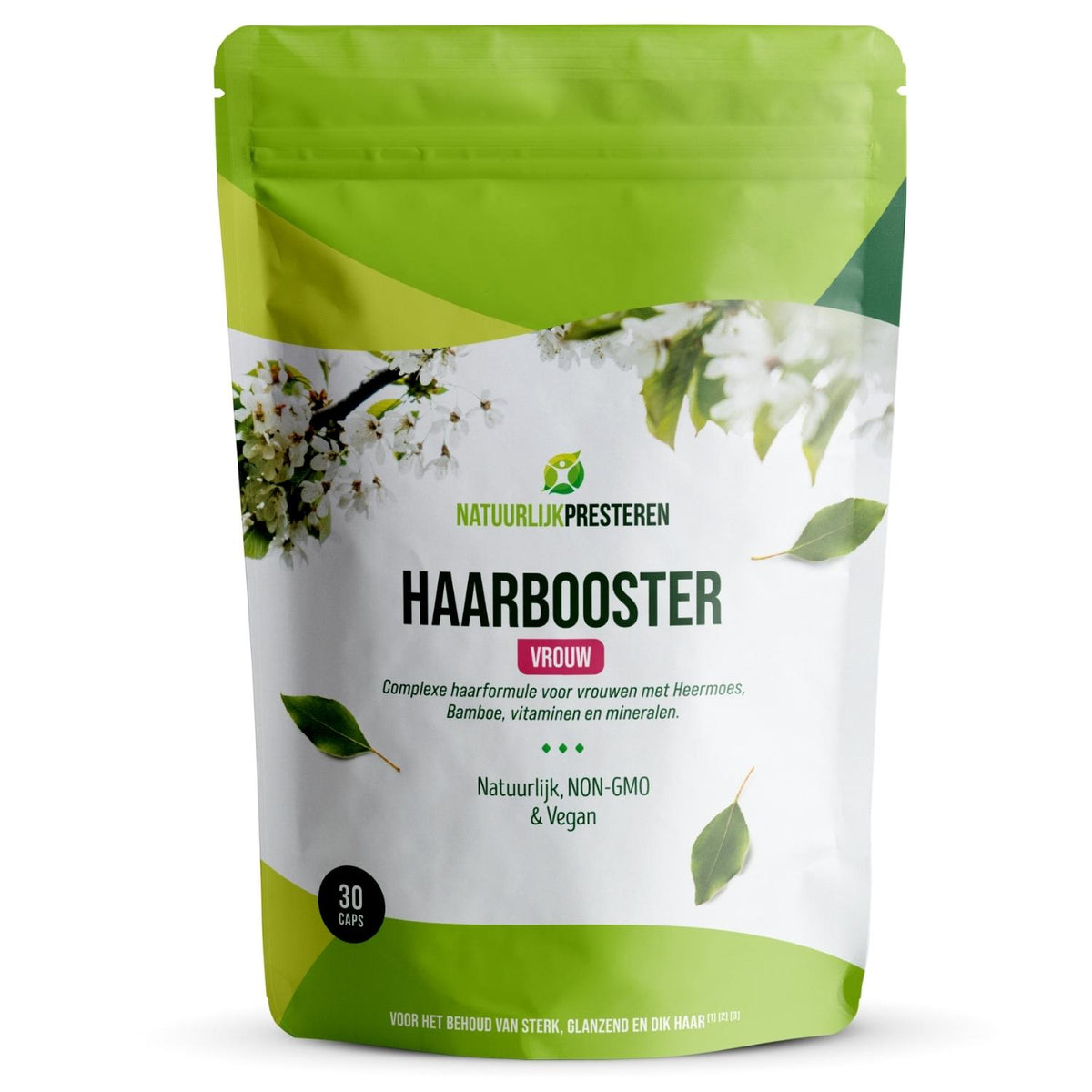
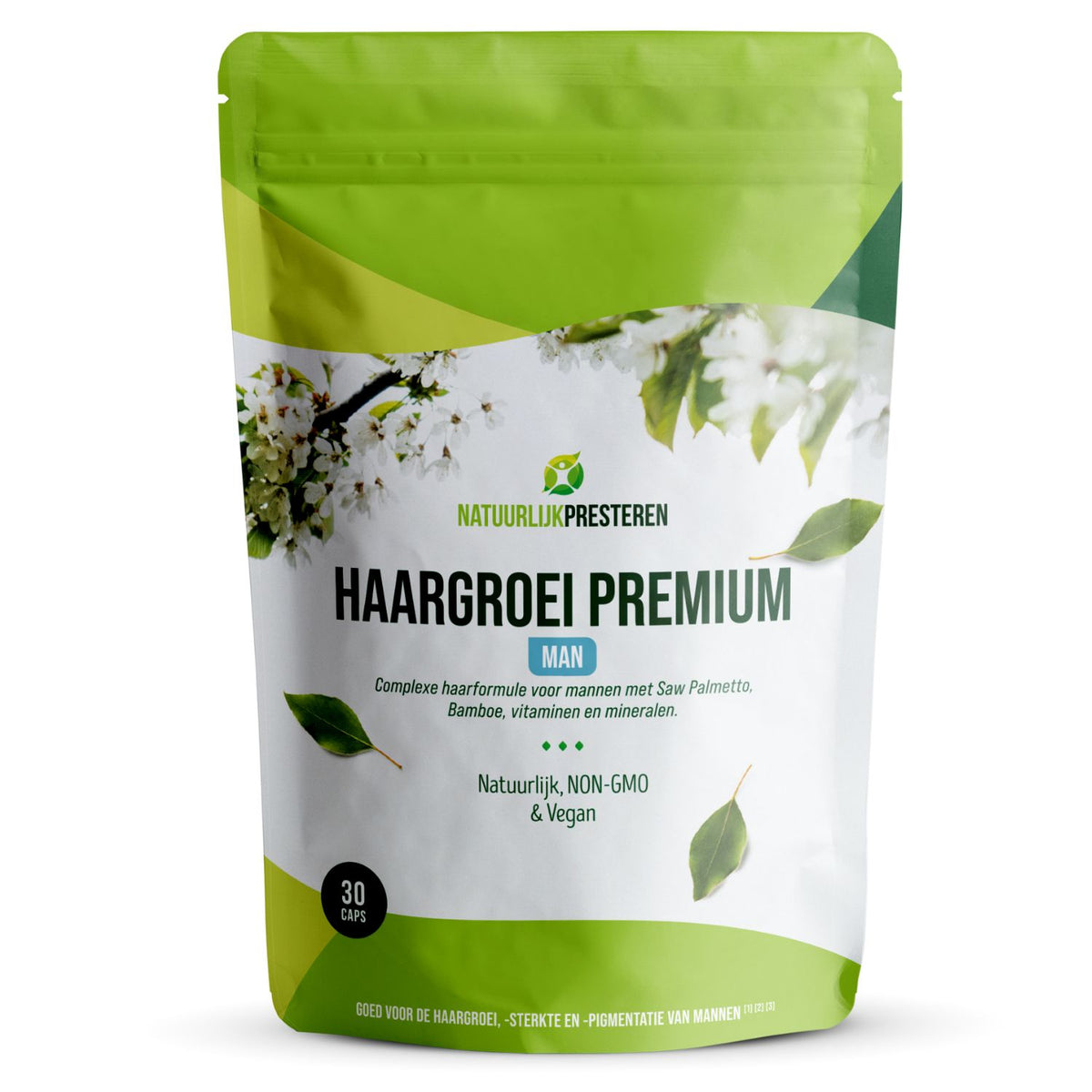
Gerelateerde blogartikelen
 vitamines bij haaruitval
Hair Loss Vitamins: Which Ones Are There and How Do You Get Them?
I understand your initial reaction is: "Is there a vitamin for hair loss?!" Well... I can tell you right now that, unfortunately, it's not that easy to get rid of. Hair loss can have many different causes. For example, you could suffer from hereditary baldness, or stress could be the cause. Now, it's also possible that your hair is falling out because it's not getting the right nutrients. So, it's crucial to know which vitamins are essential for hair loss. Want to know which vitamins contribute to stronger hair growth? You've come to the right place. In this article, I'll tell you exactly which vitamins are important for keeping your hair healthy for as long as possible! Key vitamins and minerals: Biotin (B8), zinc, selenium, copper, B12 and B3 support hair growth, strength, shine and scalp circulation. Food Sources: Eggs, nuts, fish, red meat, and dairy provide essential nutrients for healthy, strong hair. Supplements: Specific supplements for men and women provide easy access to all hair-supporting vitamins and antioxidants. Table of contents Hair Loss Vitamins and Minerals Zinc Selenium Copper Vitamin B12 Vitamin B3 Hair Growth Supplements Hair loss vitamins and minerals Before I explain further, it's important to know that there's no vitamin that can truly prevent hair loss. There's no miracle cure that will ensure you'll never go bald. You can, however, ensure your hair stays as healthy as possible by providing it with the right nutrients. Just like the rest of your body, your hair needs certain vitamins and minerals to stay healthy. Vitamin B8 (Biotin) is one of the most important vitamins in the B complex, especially when it comes to your hair. It's a water-soluble vitamin found in a variety of healthy foods. Good sources of biotin include milk, nuts and eggs. Why is vitamin B8 so good for your hair? Well... Simply put, it contributes to normal hair growth because it keeps your hair strong. It also keeps your hair beautifully shiny. But… besides biotin, there's another important mineral that contributes to the maintenance of normal hair: zinc! Zinc Like biotin, zinc also contributes to normal hair growth. It's an essential mineral that's important for your body in various ways. Zinc can also be obtained from a variety of healthy foods. Good sources of zinc are animal products such as meat, dairy and fish. Zinc is so important for your hair because it ensures that your hair remains strong, the condition of your hair remains good and also ensures that your hair remains shiny. Selenium Selenium supports hair growth and is good for hair strength. In men, it's also beneficial for healthy testosterone levels. The mineral selenium plays a role in activating an enzyme that regulates hair growth. Good sources of selenium include Brazil nuts, eggs, red meat, and grains. In addition, selenium plays a role in the regeneration of antioxidants and is therefore good for protecting the hair roots against oxidative damage. Copper Copper is good for hair growth, particularly hair pigmentation. This is a scientific term for hair color and hair color retention. Good sources of copper include organ meats, seafood, and beans In addition, it's good for hair follicles and supports hair growth from within. For healthy hair growth, copper is definitely a must-have in your diet. Vitamin B12 Vitamin B12 plays a role in the production of red blood cells, which are essential for proper oxygen supply in your body. Officially, vitamin B12 isn't a hair vitamin per se, but we'd like to mention it anyway. Sufficient oxygen in your blood is crucial for hair growth. Good sources of B12 include fish, eggs, red meat, chicken, tempeh, and chlorella. Many people have a persistent B12 deficiency. This is partly because we consume less and less through our diet, and partly because we are increasingly less able to absorb it from food due to reduced biodiversity in the intestinal flora. Vitamin B3 Vitamin B3 isn't strictly a hair vitamin, but it can be beneficial for blood circulation in the scalp. For this reason, we feel it's important to include it in this list of hair vitamins. Good sources of B3 include fish, red meat, chicken, nuts and seeds. If you want to take vitamin B3 supplements, make sure you use the nicotinamide (or niacinamide) form. These forms cannot cause niacin flushing. Niacin flushing is caused by high doses of niacin and can sometimes be frightening: it can cause redness and itching all over your body. Many people think it's an allergic reaction, but that's not the case. Nutritional supplements for hair growth Nowadays, there are natural nutritional supplements that contain precisely the right daily dose of both. This means you don't have to worry about eating the right foods every day. Quick and easy, in capsule form. However, there are slight differences between the supplements for men and women. Therefore, the supplements for men and women are not the same. Below you'll find supplements that contain all the vitamins for hair growth, including valuable additives like antioxidants and plant extracts. Lars Keijzers Lars is a biobased chemist with an insatiable interest in nutrition and science. He also enjoys exploring personal development and can be found regularly at the local gym. Read more
Lees meer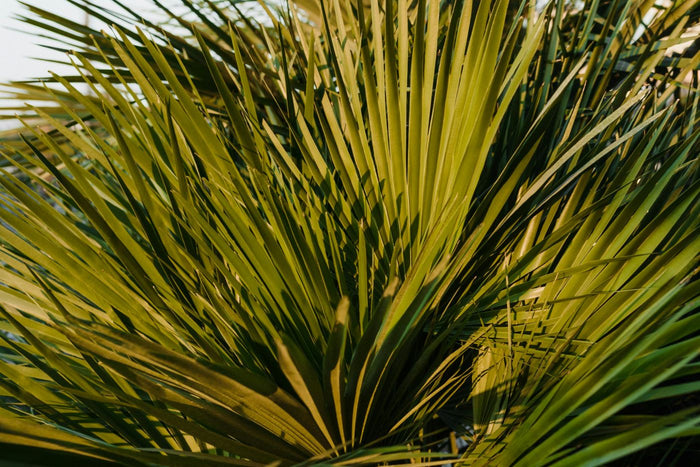
Saw Palmetto Leaf: What Is It and What Are Its Benefits?
Saw palmetto (leaf) is a popular extract often used in men's supplements. It has a long history of use in traditional herbal preparations. Many men are enthusiastic about saw palmetto, but official approval of its health claims is still lacking. This doesn't mean it can't help, but scientific evidence has been inconclusive so far. In this article, I'll look at the known uses of saw palmetto and honestly tell you what we know so far about this natural plant extract. Saw palmetto (especially from the berries) is a commonly used natural extract with potential health benefits, but scientific evidence is still inconclusive and official claims are lacking. Research focuses on effects on prostate function, urinary tract function, hormone balance, and nocturnal urination; results vary, so further confirmation is needed. When used safely (320–960 mg/day) it is usually mild, but choose quality extracts, talk to your doctor, and stop before surgery. Table of contents What is Saw Palmetto? Saw Palmetto and Its Many Names: What You Need to Know What are the benefits of Saw Palmetto? 1. Saw Palmetto extract benefits prostate function* 2. Saw Palmetto extract supports normal urinary tract function in men over 45* 3. Saw Palmetto extract supports male hormone balance* 4. Saw Palmetto helps reduce the urge to urinate at night* How to use Saw Palmetto safely? Conclusion What is saw palmetto? Saw palmetto, also known as saw palmetto, is a small, palm-like plant found primarily in the southeastern United States. It has been used in traditional medicine for centuries. The berries of the saw palmetto are by far the most commonly used part. These ripe, dark berries (actually single-seed drupes) contain many active ingredients, such as free fatty acids (e.g., lauric acid) and phytosterols (e.g., beta-sitosterol), which are used in supplements. The berries are dried and processed into extracts, capsules, tablets, tinctures or tea. Good to know : The leaves are rarely used in supplements because they contain few active ingredients. Historically, indigenous peoples in North America sometimes used the leaves for other purposes, such as making mats, but for health applications, the berries are the standard. Saw Palmetto and Its Many Names: What You Need to Know Saw palmetto is offered in various forms and under various names. This can sometimes be confusing, especially if you're looking for the right supplement or information about it. That is why I will first list the most important names and their meaning. Saw palmetto leaf - Refers to the leaves of the saw palmetto plant. It is sometimes used in supplements, but is less well known than the berries. ● Saw Palmetto - A less common, and actually an incorrect, variant of the name 'saw palmetto'. Saw Palmetto - The English name for the saw palmetto. This usually refers to extracts from the berries, but sometimes also the leaves. ● Saw Palmetto berries (or fruit) – These are the berries of the saw palmetto plant, the part most often used in supplements and research. Serenoa repens - The botanical name for the saw palmetto. This name is mainly found in scientific literature. In short : Extracts of saw palmetto berries are usually used for supplements. Saw palmetto leaves are less common. Saw palmetto or saw palmetto are the most commonly used names for supplements. What are the benefits of Saw Palmetto? Saw palmetto is widely studied in relation to prostate function , the urinary tract , and hair growth in men. Scientists believe these potential effects may be related to the extract's influence on the balance of certain hormones and inflammatory processes. Due to strict European regulations regarding health claims, I unfortunately cannot be specific about this. The current scientific evidence is insufficient to allow official claims for saw palmetto. There are a number of effects of saw palmetto that are currently being assessed by the European Commission: 1. Saw Palmetto extract is good for prostate function * Saw palmetto extract is of particular interest to scientists in relation to prostate function in men. Large, comprehensive studies have already investigated how the extract relates to various aspects of prostate function, but the evidence is not yet clear enough. More research is needed before conclusions can be drawn. (1) (2) 2. Saw Palmetto extract supports normal urinary tract function in men over 45 years of age* Much research has also been done into the use of saw palmetto extract in relation to the functioning of the urinary tract . Some studies show an association between saw palmetto use and changes in urinary tract function, but even here the results vary too much to draw definitive conclusions. (1) (2) (3) 3. Saw palmetto extract supports male hormone balance * Saw palmetto extract is also being studied for its potential effects on hormone balance important for male health, such as prostate health and hair growth. Scientific studies show mixed results and so far offer no clear picture. Therefore, further research is needed to better understand the precise role of saw palmetto extract in hormone balance. (4) (5) (6) (7) 4. Saw palmetto helps reduce the urge to urinate at night* Finally, many scientists are curious about the effects of saw palmetto on the ( nighttime) urge to urinate . Although there are some indications of possible links, the available evidence is insufficient to draw strong conclusions. (1) (3) Good to know : Claims marked with (*) are health claims awaiting European approval. How do you use saw palmetto safely? A dose of 320-960 mg of extract per day is generally safe, even if used for longer periods of several months to several years. Side effects are rare and men who did experience them reported that they were mild, such as headache, dizziness or mild stomach upset. However, I recommend that you consider the following if you are considering using saw palmetto: Consult your doctor - Are you taking medications, such as blood thinners or hormone pills? Saw palmetto can affect their effectiveness, so check with your doctor first. Stop before surgery - Saw palmetto can theoretically slow blood clotting, so stop taking it at least two weeks before a scheduled surgery. To be on the safe side, tell your doctor that you are taking saw palmetto. Choose quality - Not all supplements are created equal. Choose standardized extracts (85–95% fatty acids) from trusted brands to ensure the content and purity. Conclusion Saw palmetto, also known as saw palmetto, is a popular natural extract that has been used for centuries in traditional herbal preparations. The berries of this small palm from the United States are particularly important because they contain active ingredients such as fatty acids and plant sterols, which are used in supplements. Although many men report positive experiences with saw palmetto, the scientific evidence is still inconclusive and official health claims have not yet been approved. Scientists are primarily investigating the potential influence of saw palmetto extract on prostate function, urinary tract function, and the balance of certain hormones, which may also play a role in hair growth. Saw palmetto extract is typically used in doses of around 320 mg per day and is considered safe, with rare side effects. Important : Always consult your doctor if you have any health problems or are taking medications. It's also important to always choose high-quality supplements and combine them with a healthy lifestyle. This way, you give your prostate the best chance of staying healthy. Ebrina van der Bijl Ebrina is a nutritionist with a deep commitment to healthy eating and a sustainable lifestyle, based in beautiful Portugal. Her passion for natural and organic products is at the heart of her work. With a background in Nutrition & Dietetics and experience in product development and writing, she translates complex scientific information into practical advice for a balanced lifestyle. Read more Sources used Franco, J. V., Trivisonno, L., Sgarbossa, N. J., Alvez, G. A., Fieiras, C., Liquitay, C. M. E., & Jung, J. H. (2023). Serenoa repens for the treatment of lower urinary tract symptoms due to benign prostatic enlargement. Cochrane Library, 2023(6). https://doi.org/10.1002/14651858.cd001423.pub4 Novara, G., et al. (2016). Serenoa repens for lower urinary tract symptoms due to benign prostatic hyperplasia: A systematic review and meta-analysis. European Urology , 70(5), 784–793. https://doi.org/10.1016/j.eururo.2016.04.033 Morgia, G., et al. (2014). Efficacy and safety of a combination of Serenoa repens, selenium, and lycopene in men with lower urinary tract symptoms and prostate disorders: The PROCOMB trial. Urology , 84(4), 800–806. https://doi.org/10.1016/j.urology.2014.05.042 Prager, N., Bickett, K., French, N., & Marcovici, G. (2002). A Randomized, Double-Blind, Placebo-Controlled Trial to Determine the Effectiveness of Botanically Derived Inhibitors of 5-α-Reductase in the Treatment of Androgenetic Alopecia. The Journal Of Alternative And Complementary Medicine, 8(2), 143–152. https://doi.org/10.1089/acm.2002.8.143 Evron, E., Juhasz, M., Babadjouni, A., & Mesinkovska, N.A. (2020). Natural Hair Supplement: Friend or Foe? Saw Palmetto, a Systematic Review in Alopecia. Skin Appendage Disorders, 6(6), 329–337. https://doi.org/10.1159/000509905 Rossi, A., Mari, E., Scarnò, M., Garelli, V., Maxia, C., Scali, E., Iorio, A., & Carlesimo, M. (2012). Comparitive Effectiveness and Finasteride Vs Serenoa Repens in Male Androgenetic Alopecia: A Two-Year Study. International Journal Of Immunopathology And Pharmacology, 25(4), 1167–1173. https://doi.org/10.1177/039463201202500435 Ufomadu, P. (2023). Complementary and alternative supplements: a review of dermatologic effectiveness for androgenetic alopecia. Baylor University Medical Center Proceedings, 37(1), 111–117. https://doi.org/10.1080/08998280.2023.2263829
Lees meer