Serotonin supplements
Serotonin supplements are dietary supplements that contain the building blocks of serotonin. The body produces serotonin naturally and uses certain building blocks within the body. For example, tryptophan is converted into 5-hydroxytryptophan and then into serotonin.
Serotonin in the brain
Serotonin is also called the happiness hormone because it's involved in processes related to mood. People who produce too little serotonin may feel depressed. This is more common in women than in men. Serotonin also plays a role in diet and influences sleep. The body uses serotonin to produce the natural sleep hormone melatonin.
You can recognize a serotonin deficiency in yourself by:
- Poor and irregular sleep
- Binge eating and cravings for sugar and fat
- Despondency and low motivation
- Worrying and grinding
What is a serotonin supplement?
A serotonin supplement is a dietary supplement containing natural substances used in the body to produce serotonin. Such a product often consists of both building blocks for serotonin production and additives that play a role in biochemical processes involved in serotonin production.
- Building blocks: Consider substances like tryptophan and 5-HTP. These substances are used in the body as building blocks for serotonin.
- Excipients: These substances help the body convert the building blocks into serotonin. Examples include vitamin B6 and magnesium.
How quickly does a serotonin supplement work?
A serotonin supplement supports the body's own processes, so it takes time. The first results are often noticeable after two weeks, and this usually continues to increase.
Types of serotonin supplements
Although these supplements are used by a huge number of people worldwide, no claims may be made about their effectiveness. This has been established at the European level, and therefore also applies to the Netherlands.
We have two different serotonin supplements in our range:
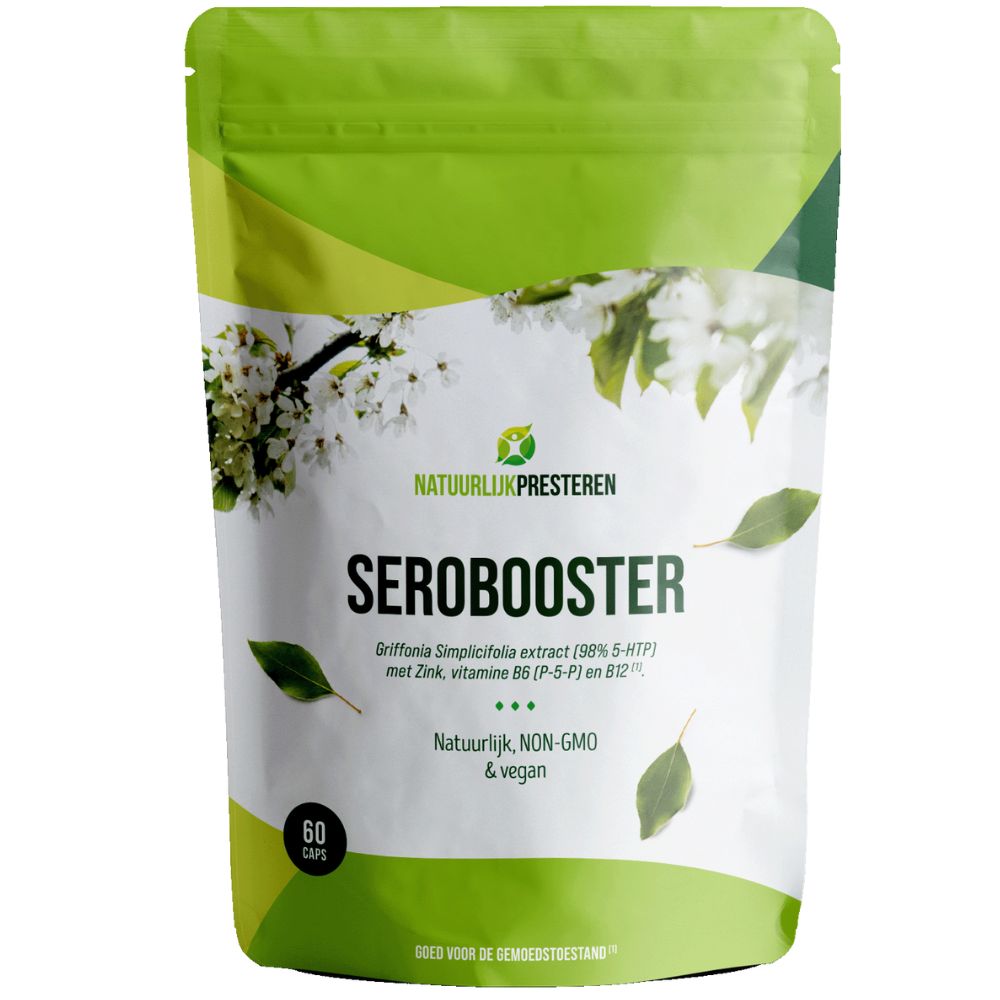
1. Serobooster
A natural dietary supplement for mood, well-being, and emotional well-being. It contains, among other things, a very high-quality Griffonia extract (>98% natural 5-HTP) and the active form of vitamin B6 (pyridoxal-5-phosphate). We added this active form of vitamin B6 because it benefits psychological function and mood. This vitamin is involved in the production of neurotransmitters, including serotonin.
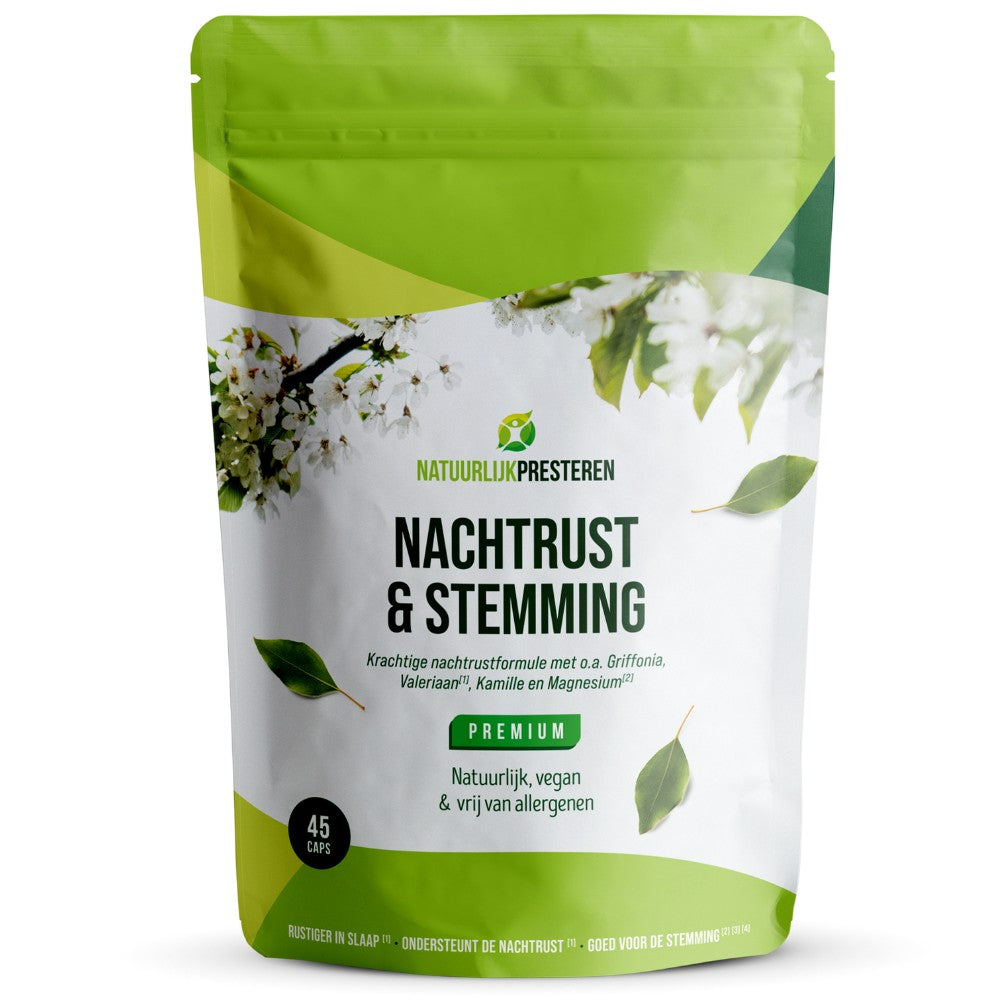
2. Sleep and Mood
This is our natural sleep aid with 12 ingredients, including Griffonia extract (with the active ingredient 5-HTP) and L-tryptophan. Both 5-HTP and tryptophan are used in the brain as building blocks for the production of serotonin and the natural sleep hormone melatonin. It also contains a dose of L-theanine and valerian, along with a variety of vitamins and minerals that help regulate rest and mood.
Want to buy a serotonin supplement?
You can use a serotonin supplement for various reasons. If you're looking for some support for your mood, state of mind, and state of mind, we recommend ordering Serobooster. If you're looking for more support for your sleep, we recommend Sleep and Mood Premium.
Gerelateerde blogartikelen
 bloggle
Ordering a serotonin supplement? Pay attention to these 5 criteria.
Serotonin plays a key role in your mood, sleep, and energy levels, among other things. Sometimes your body can't produce or use enough serotonin, and then you might consider taking a supplement for support. But what exactly is a serotonin supplement, and when can it help? This article explains what to consider when choosing the best supplement for your serotonin system. Serotonin supplements usually contain 5-HTP or tryptophan, which help the body produce serotonin, but do not deliver serotonin directly. Choose supplements with natural 5-HTP (Griffonia simplicifolia), active vitamin B6 (P5P), easily absorbable minerals and without unnecessary additives. Pay attention to the correct dosage, possible side effects (nausea, serotonin syndrome) and consult a doctor if you are taking medication or are pregnant. Table of contents What is a serotonin supplement and how does it work? What should you consider when choosing a serotonin supplement? 1. 5-HTP from Griffonia Simplicifolia extract 2. Active form of vitamin B6 (P5P) 3. Highly absorbable minerals 4. Quality and purity 5. 5-HTP or tryptophan dosage : Which serotonin supplement works best? Side effects and safety of 5-HTP and other serotonin supplements Warnings Conclusion What is a serotonin supplement and how does it work? A serotonin supplement isn't a pill containing serotonin. That's impossible, because serotonin from supplements can't cross the blood-brain barrier into your brain. That's why most supplements contain substances that help your body produce more serotonin . The best-known of these are: Tryptophan – This is an amino acid that you get through food. Your body uses tryptophan as a building block to make various substances, including serotonin. It must first be converted before it can help produce serotonin. 5-HTP (5-hydroxytryptophan) – This is a substance produced in your body from tryptophan. It's a step closer to serotonin, or a direct precursor. Your body can use 5-HTP to produce serotonin faster and more efficiently than tryptophan itself. (1) In addition, the better serotonin supplements also contain nutrients that can indirectly influence your serotonin levels, such as: Vitamin B3 and B6 Magnesium Zinc Iron Omega-3 fatty acids Did you know that serotonin supplements are often called serotonin boosters? Actually, that's a much better name, because it describes exactly what they do: Help your body produce more serotonin. What should you pay attention to when choosing a serotonin supplement? I always determine what makes one supplement better than another based on the following points: 1. 5-HTP from Griffonia Simplicifolia extract This natural extract contains 5-HTP in a form that the body can easily absorb and utilize. It's more effective than synthetic 5-HTP because it's derived from a plant, which often ensures better bioavailability. Griffonia simplicifolia is unique because the seeds of this West African plant contain a high concentration of 5-HTP (up to 20% of dry weight). (2) (3) Currently, there are no other plants known to be natural sources of 5-HTP in comparable amounts. 2. Active form of vitamin B6 (P5P) The active form of vitamin B6, pyridoxal-5-phosphate , is used directly by the body without having to be converted first. This makes it work faster and more efficiently than regular vitamin B6 (pyridoxine hydrochloride). 3. Well-absorbable minerals Minerals such as zinc, iron and magnesium are available in different forms, but not all forms are absorbed equally well. Search for: Zinc citrate Iron bisglycinate Magnesium biglycinate or citrate These forms are better absorbed by the body than, for example, zinc oxide or iron sulfate. This means you actually use more of the mineral, increasing its effectiveness. 4. Quality and purity High-quality supplements do not contain unnecessary additives or fillers that can interfere with absorption. Products tested by independent laboratories guarantee you get exactly what's on the label. 5. Dosage A good dosage is essential for an effect, but of course you don't want to take too much of the active ingredients to avoid side effects. Unfortunately, the ideal dose for most substances isn't yet entirely clear, but I do have a few guidelines for you, based on the available studies: Vitamin B6 - Maximum 25 mg per day to avoid side effects 5-HTP (from Griffonia simplicifolia extract) - 50-300 mg daily, depending on the goal (e.g. mood, sleep, appetite regulation) L-Tryptophan - 500-2000 mg per day, depending on the goal 5-HTP or Tryptophan: Which Serotonin Supplement Works Best? Most serotonin supplements contain 5-HTP and/or tryptophan, often combined with important vitamins and minerals. But what's the difference, and which one works best? 5-HTP usually works faster and more directly because it's closer to serotonin in the production process. Tryptophan still needs to be converted, making 5-HTP the preferred supplement. You simply get tryptophan through your diet . Therefore, supplementing with it is often unnecessary. If you do choose tryptophan supplements, perhaps because you're unable to get more tryptophan through food, make sure the tryptophan is produced through fermentation with bacteria. This is an easily absorbable form of tryptophan. Side Effects and Safety of 5-HTP and Other Serotonin Supplements While serotonin supplements like 5-HTP and L-tryptophan can be effective, it's important to be aware of the potential side effects and safety precautions when using them. 5-HTP (Griffonia simplicifolia) When taking 5-HTP, keep the following in mind: Maximum safe dose - 300 mg per day , short-term (use this dosage for a maximum of 3 months) Possible side effects (especially at higher doses) - Nausea, stomach upset, diarrhea (2) (4) Rare Risks - Serotonin Syndrome Tryptophan And with tryptophan with: Maximum safe dose - 2000 mg per day , short term Possible side effects - Drowsiness, headache, nausea (4) Rare Risks - Serotonin Syndrome Warnings In some situations, it's better to be extra careful. Therefore, I have a few more warnings for you to read carefully before starting serotonin supplements: Always consult your doctor if you are taking medication . When combined with antidepressants , such as SSRIs, serotonin supplements can cause serotonin syndrome, a serious condition in which there is too much serotonin in your body. Do not use serotonin boosters without medical advice if you are pregnant or breastfeeding . Conclusion The best serotonin supplements usually contain 5-HTP or tryptophan, often combined with essential vitamins and minerals that support the production process. 5-HTP works more directly and faster than tryptophan, making it often preferred. When choosing a supplement, look for quality, purity, correct dosage and reliable source, such as Griffonia simplicifolia extract for 5-HTP and active vitamins. Always use serotonin supplements with caution. Consult your doctor before taking any medication, and be aware of potential side effects. This way, you can support your serotonin system safely and effectively. Ebrina van der Bijl Ebrina is a nutritionist with a deep commitment to healthy eating and a sustainable lifestyle, based in beautiful Portugal. Her passion for natural and organic products is at the heart of her work. With a background in Nutrition & Dietetics and experience in product development and writing, she translates complex scientific information into practical advice for a balanced lifestyle. Read more Sources used Javelle, F., Lampit, A., Bloch, W., Häussermann, P., Johnson, S. L., & Zimmer, P. (2019). Effects of 5-hydroxytryptophan on distinct types of depression: a systematic review and meta-analysis. Nutrition Reviews, 78(1), 77–88. https://doi.org/10.1093/nutrit/nuz039 Mannino, G., Serio, G., Gaglio, R., Maffei, M. E., Settanni, L., Di Stefano, V., & Gentile, C. (2023). Biological Activity and Metabolomics of Griffonia simplicifolia Seeds Extracted with Different Methodologies. Antioxidants, 12(9), 1709. https://doi.org/10.3390/antiox12091709 Vigliante, I., Mannino, G., & Maffei, M. E. (2019). Chemical Characterization and DNA Fingerprinting of Griffonia simplicifolia Baill. Molecules, 24(6), 1032. https://doi.org/10.3390/molecules24061032 Shaw, K. A., Turner, J., & Del Mar, C. (2002). Tryptophan and 5-Hydroxytryptophan for depression. Cochrane Library, 2010(1). https://doi.org/10.1002/14651858.cd003198 Varga, J., Jimenez, S. A., & Uitto, J. (1993). L-Tryptophan and the Eosinophilia-Myalgia Syndrome: Current Understanding of the Etiology and Pathogenesis. Journal Of Investigative Dermatology, 100(1), 97S-105S. https://doi.org/10.1111/1523-1747.ep12356368
Lees meer bloggle
What contains serotonin? 5 Diet Tips to Support Your Serotonin
In your brain, countless nerve cells constantly communicate with each other via chemical messengers called neurotransmitters. You might be familiar with adrenaline and dopamine, which primarily make you alert. Serotonin works differently: It creates calm and balance in your mind and body. In this article, you'll discover which foods can help you naturally support your serotonin levels. Serotonin is not absorbed directly into the brain; the body produces it itself from tryptophan in protein-rich foods such as chicken and nuts. Essential nutrients such as omega-3, vitamin D, B6, folate, zinc and magnesium support serotonin production and enzyme activity. A healthy gut flora promotes serotonin production; fermented foods such as yogurt and sauerkraut help improve gut health and serotonin synthesis. Table of contents What is serotonin and why is it important? Can you get serotonin directly from food? How is serotonin produced? How does food help with serotonin production? 5 tips 1. Tryptophan - The building block of serotonin 2. Omega-3 fatty acids - Supports brain function 3. Vitamin D - Supports serotonin production 4. Vitamins and minerals as cofactors 5. Healthy gut flora - The source of your serotonin production Summary: How to nourish your serotonin system well What is serotonin and why is it important? Serotonin is a chemical in your body often called the "happiness hormone," but it does much more than just influence your mood . It helps maintain mental balance, regulates your sleep, appetite, energy, and even your libido. Sometimes the balance becomes disturbed: too little or too much serotonin may be produced, or your body may not be able to use it properly. Too much serotonin usually only occurs due to medications or drugs and can cause serious symptoms, such as serotonin syndrome. A serotonin deficiency, on the other hand, is much more common and can negatively affect your mood, sleep and energy. That's why it's important to keep your serotonin system healthy with good nutrition and a healthy lifestyle. Can you get serotonin directly from food? No, that's not possible. Serotonin is found in some foods, like bananas, walnuts, and chocolate, but this serotonin can't reach your brain directly. Serotonin molecules are too large to pass through the blood-brain barrier. So how do you get serotonin? Your brain produces it from tryptophan , a building block from your diet that does cross this barrier. In short : Foods rich in tryptophan and the right vitamins and minerals provide the raw materials for the production of serotonin in your brain. How is serotonin produced? Serotonin is produced in your body through a few steps, requiring vitamins and minerals to ensure the process runs smoothly: Proteins from your food are broken down in your stomach and intestines into building blocks, including the amino acid tryptophan. This is important because tryptophan is the building block for serotonin. Tryptophan travels through your blood to your brain and intestines , where it's first converted into a substance called 5-HTP. This process requires nutrients like iron and folate, which support the enzymes. 5-HTP is then further converted into serotonin , for which vitamin B6 is an essential cofactor. Minerals such as zinc and magnesium also support the enzymes required for this process. Finally, serotonin is stored in cells in your gut and brain, ready to do its job. Did you know that most serotonin isn't produced in your brain, but in your gut? About 95% of all serotonin in your body is produced in your gut, where it acts as a hormone that helps with important functions like digestion and regulating blood clotting. Only a small portion, around 5%, is produced in your brain. How does nutrition help with serotonin production? 5 tips Keeping your serotonin levels balanced starts with good nutrition. By giving your body the right nutrients and keeping your gut flora healthy, you'll give serotonin production a significant boost. These nutrients help with this: 1. Tryptophan - The building block of serotonin Tryptophan is an essential amino acid your body needs to produce serotonin . Because your body can't produce tryptophan on its own, you must get it from your diet. Scientific studies show that adequate tryptophan intake can contribute to a positive mood. (1) Tip : Eat foods rich in tryptophan every day, such as chicken, fish, eggs, nuts, and seeds. This helps your body make the raw material for serotonin available. 2. Omega-3 fatty acids - Support brain function Omega-3 fatty acids, such as DHA and EPA , contribute to the maintenance of normal brain function. DHA is an important structural component of brain cells. And healthy brain function allows neurotransmitters, including serotonin, to better perform their roles in the nervous system. (2) (3) Tip : Eat oily fish, such as salmon, mackerel, or sardines, every week, or take a plant-based omega-3 supplement, such as algal oil, to get enough DHA and EPA. A daily intake of 250 mg of DHA is necessary for brain function. 3. Vitamin D - Supports serotonin production Scientists suspect that vitamin D plays a role in activating the gene required for serotonin production. Vitamin D may also improve the functioning of serotonin receptors in brain cells. Although this sounds promising, the evidence that vitamin D directly increases your serotonin levels is not yet convincing and remains largely a theory for now. (2) (4) However, it is important to get enough vitamin D, not only because of this suspected effect, but also because it supports your nervous system and can therefore indirectly influence your mood. Tip : Make sure you get at least 15 minutes of sunlight on your skin every day, especially in spring and summer. In fall and winter, a supplement can be a good addition. 4. Vitamins and minerals as cofactors As I mentioned before, certain vitamins (such as folate and vitamin B6 ) and minerals (such as magnesium , iron , and zinc ) are important for the enzymes that convert tryptophan into serotonin. Without these nutrients, the production process can be less efficient. In addition, vitamin B3 plays a supporting role by keeping tryptophan available for serotonin production. (5) (6) (7) Tip : Therefore, eat a varied diet with whole grains, vegetables, nuts, legumes, fish and (grass-fed) meat to get these micronutrients. 5. Healthy gut flora - The source of your serotonin production Because 95% of serotonin is produced in your intestines, healthy intestinal flora helps with good serotonin production. Scientific research shows that fermented foods and probiotics can contribute to a healthy intestinal balance. (8) Tip : Add fermented foods like yogurt, sauerkraut, or tempeh daily to support your gut health and serotonin production. Summary: How to Feed Your Serotonin System Well You cannot get serotonin directly from food, which is why your diet plays a crucial role in supporting its natural production. By consuming sufficient tryptophan, omega-3 fatty acids and essential vitamins and minerals, and by ensuring healthy intestinal flora, you lay a solid foundation for a healthy serotonin system. This way you can contribute to your mental balance, mood and overall well-being in a natural and sustainable way. Ebrina van der Bijl Ebrina is a nutritionist with a deep commitment to healthy eating and a sustainable lifestyle, based in beautiful Portugal. Her passion for natural and organic products is at the heart of her work. With a background in Nutrition & Dietetics and experience in product development and writing, she translates complex scientific information into practical advice for a balanced lifestyle. Read more Sources used Kikuchi, A. M., Tanabe, A., & Iwahori, Y. (2020). A systematic review of the effect of L-tryptophan supplementation on mood and emotional functioning. Journal Of Dietary Supplements, 18(3), 316–333. https://doi.org/10.1080/19390211.2020.1746725 Patrick, R. P., & Ames, B. N. (2015). Vitamin D and the omega‐3 fatty acids control serotonin synthesis and action, part 2: relevance for ADHD, bipolar disorder, schizophrenia, and impulsive behavior. The FASEB Journal, 29(6), 2207–2222. https://doi.org/10.1096/fj.14-268342 Liao, Y., Xie, B., Zhang, H., He, Q., Guo, L., Subramanieapillai, M., Fan, B., Lu, C., & McIntyre, R. S. (2019b). Efficacy of omega-3 PUFAs in depression: A meta-analysis. Translational Psychiatry, 9(1). https://doi.org/10.1038/s41398-019-0515-5 Alimohammadi‐Kamalabadi, M., Ziaei, S., Hasani, M., Mohammadi, S., Mehrbod, M., Morvaridi, M., Persad, E., Belančić, A., Malekahmadi, M., Da Mota Antunes de Oliveira Estêvão, M.D., Daneshzad, E., & Heshmati, J. (2024). Does vitamin D supplementation impact serotonin levels? A systematic review and meta‐analysis. Health Science Reports, 7(8). https://doi.org/10.1002/hsr2.2276 Kautz, A., Meng, Y., Yeh, K., Peck, R., Brunner, J., Best, M., Fernandez, I. D., Miller, R. K., Barrett, E. S., Groth, S. W., & O'Connor, T. G. (2024). Dietary Intake of Nutrients Involved in Serotonin and Melatonin Synthesis and Prenatal Maternal Sleep Quality and Affective Symptoms. Journal Of Nutrition And Metabolism, 2024(1). https://doi.org/10.1155/2024/6611169 Quan, Z., Li, H., Quan, Z., & Qing, H. (2023). Appropriate Macronutrients or Mineral Elements Are Beneficial to Improve Depression and Reduce the Risk of Depression. International Journal Of Molecular Sciences, 24(8), 7098. https://doi.org/10.3390/ijms24087098 Bamalan, OA, Moore, MJ, & Khalili, YA (2023, July 30). Physiology, serotonin. StatPearls - NCBI Bookshelf. https://www.ncbi.nlm.nih.gov/books/NBK545168/ Terry, N., & Margolis, K. G. (2016). Serotonergic Mechanisms Regulating the GI Tract: Experimental Evidence and Therapeutic Relevance. Handbook Of Experimental Pharmacology, 319–342. https://doi.org/10.1007/164_2016_103
Lees meer
What is 5-HTP and what are its benefits? + side effects
As a nutritionist, I often get questions about 5-HTP supplements. Many people are still unsure about the benefits and when it's best to use it. But I also notice that there are many questions about its safety, side effects, and long-term use. Time for answers and clarification! In this article, I'll explain exactly what 5-HTP is, how it works in your body, and what you should pay attention to if you want to use it. 5-HTP is a natural substance and supplement that contributes to the production of serotonin and melatonin, which influences mood, sleep and appetite. Although 5-HTP may have positive effects, its effects vary from person to person and there is insufficient scientific evidence for official health claims. When used correctly, 5-HTP is generally safe, but high doses or combinations with serotonin-enhancing drugs may cause risks such as serotonin syndrome. Table of contents What exactly is 5-HTP? Difference between tryptophan and 5-HTP Why 5-HTP is important for serotonin and melatonin The benefits of 5-HTP How quickly does 5-HTP work? Side effects of 5-HTP Can you use 5-HTP long term? Can you use 5-HTP after ecstasy? The best 5-HTP supplements What exactly is 5-HTP? 5-HTP stands for 5-hydroxytryptophan, a substance naturally occurring in the seeds of the African plant Griffonia simplicifolia . This is the most commonly used source in supplements. However, your body also produces 5-HTP from the amino acid L-tryptophan, which you ingest through food . It's found in abundance in pumpkin seeds, sesame seeds, sunflower seeds, chicken, and eggs. What's special about 5-HTP is that it's the direct precursor of serotonin , a neurotransmitter that influences your mood , sleep , appetite and relaxation . Through serotonin, 5-HTP can also contribute to the production of melatonin , the hormone that regulates your sleep-wake rhythm. (1) (2) Difference between tryptophan and 5-HTP One of the most frequently asked questions I get is: What's the difference between tryptophan and 5-HTP? It's a logical question, because the two substances are closely related. Here's how it works: Tryptophan and 5-HTP are both natural substances that your body uses to make serotonin . This happens in several steps: L-tryptophan (the form you get from food and supplements) must first be converted into 5-HTP. This process uses the enzyme tryptophan hydroxylase and cofactors like vitamin B6. Only then can your body convert it into serotonin (and subsequently melatonin). 5-HTP is already a step further down this pathway. Your body can convert it directly into serotonin and then melatonin. This often makes the process faster and more efficient. 5-HTP is a step further in the serotonin production process and therefore works more directly. And that's precisely why many people prefer a 5-HTP supplement over L-tryptophan. Good to know : Supplement labels usually list L-tryptophan. This is the natural, biologically active form your body can use. In practice, if it simply says "tryptophan," it always means L-tryptophan. Why 5-HTP is important for serotonin and melatonin What many people don't realize is the importance of 5-HTP for melatonin. As I mentioned before, serotonin and melatonin are closely linked. This is because melatonin is literally made from serotonin. The process starts with tryptophan (from food or supplements). This is first converted into 5-HTP , then into serotonin. Serotonin is primarily active during the day and plays a role in mood, appetite, digestion, and alertness. And then (in the pineal gland in your brain) into melatonin . Melatonin is activated in the evening, when it gets dark, and helps your body regulate its sleep-wake rhythm. So you can see it as a chain reaction: Without tryptophan there is no 5-HTP, without 5-HTP there is no serotonin, and without serotonin there is no melatonin. The benefits of 5-HTP You can imagine the effects 5-HTP can have, if it promotes the production of serotonin and melatonin. Scientists have long been curious about this and have been investigating 5-HTP for years to see if it can play a role in: Appetite – Serotonin is also involved in satiety. (3) Mood – Because serotonin is often linked to how we feel (4) Sleep – Via the conversion to melatonin (5) It's important to know that there are no approved health claims yet for these potential effects. This doesn't mean it doesn't work, but no promises can be made yet about the effects on your mood or sleep. In short : Research does provide interesting clues, but more scientific evidence is needed before I can draw any firm conclusions. Therefore, I recommend you try 5-HTP for yourself to see what it can do for you. How fast does 5-HTP work? The short answer: It varies greatly from person to person, and science isn't sure yet. What we do know is that 5-HTP is absorbed quickly into your body; within a few hours, blood levels have already changed. But that doesn't mean you'll feel anything right away. Most people notice effects after about 2 weeks . (4)(5) Side effects of 5-HTP Although 5-HTP is a naturally derived substance (from tryptophan or Griffonia seeds), that doesn't mean it's without risks. As with any supplement, the dosage determines the effect and safety. Most side effects are mild to moderate and disappear when the dose is stopped or reduced: Gastrointestinal complaints - Nausea, abdominal pain, diarrhea and stomach cramps are the most commonly reported side effects, especially at higher doses. Drowsiness or drowsiness - Some people feel more tired, especially at higher doses or in combination with other drugs that affect the nervous system. Nightmares or vivid dreams - Because 5-HTP may affect the serotonin-melatonin pathway. Serotonin syndrome (rare, but serious) - At high doses or in combination with medications that also affect serotonin (such as antidepressants or MAOIs), a dangerous excess of serotonin can develop. Symptoms: Fever, rapid heartbeat, muscle stiffness, confusion. This is a medical emergency. Can you use 5-HTP long term? Yes, as long as you stay under the safe limit of 300 mg per day, long-term use is not a problem. If you choose higher doses, you should limit use to three months and always take a break afterward. (7)(8) My tip : Start with a low dose (for example 75 mg) and build it up slowly. Can you use 5-HTP after ecstasy? No, using 5-HTP immediately after ecstasy (MDMA) is not recommended . Why not? Ecstacy temporarily depletes your serotonin. This is why many people feel tired or depressed after using it. Because 5-HTP can be converted into serotonin in the body, some people believe it aids recovery. But this effect has never been proven . What we do know is that combining 5-HTP with drugs that also affect serotonin (such as MDMA or antidepressants) can increase the risk of serotonin syndrome . This is a rare but dangerous condition in which there is too much serotonin in the body. So : Don't use 5-HTP during or immediately after ecstasy. If you do want to use 5-HTP, take a low dose and wait at least 24 hours after using ecstasy (although this waiting period has not been scientifically established either). The best 5-HTP supplements Always choose a reliable supplement in which the dosage is clearly stated. A good example is the Serobooster from Natuurlijk Presteren . It contains 75 mg of 5-HTP per capsule from Griffonia simplicifolia. This is a safe starting dose that you can easily adjust to your personal needs. Good to know : If you see "Griffonia Simplicifolia – 300 mg extract (25% 5-HTP)" on a supplement, that means one capsule contains 300 milligrams of griffonia extract. 25% of that extract is 5-HTP. Converting that to 5-HTP, one capsule provides approximately 75 mg. Ebrina van der Bijl Ebrina is a nutritionist with a deep commitment to healthy eating and a sustainable lifestyle, based in beautiful Portugal. Her passion for natural and organic products is at the heart of her work. With a background in Nutrition & Dietetics and experience in product development and writing, she translates complex scientific information into practical advice for a balanced lifestyle. Read more Sources used Maffei, M.E. (2020b). 5-Hydroxytryptophan (5-HTP): Natural Occurrence, Analysis, Biosynthesis, Biotechnology, Physiology and Toxicology. International Journal Of Molecular Sciences, 22(1), 181. https://doi.org/10.3390/ijms22010181 EFSA Panel on Dietetic Products, Nutrition and Allergies. Scientific Opinion on the safety of 5-Hydroxy-L-tryptophan. EFSA Journal . Turner, E. H., Loftis, J. M., & Blackwell, A. D. (2006). Serotonin a la carte: Supplementation with the serotonin precursor 5-hydroxytryptophan. Pharmacology & Therapeutics, 109 (3), 325-338. https://doi.org/10.1016/j.pharmthera.2005.06.004 Javelle, F., Lampit, A., Bloch, W., Häussermann, P., Johnson, S.L., & Zimmer, P. (2020). Effects of 5-hydroxytryptophan on distinct types of depression: A systematic review and meta-analysis. Nutrition Reviews, 78 (1), 77-88. https://doi.org/10.1093/nutrit/nuz039 Sutanto, C.N., Loh, W.W., & Kim, J.E. (2021). The impact of tryptophan supplementation on sleep quality: A systematic review and meta-analysis. Sleep Medicine Reviews, 59 , 101492. https://doi.org/10.1016/j.smrv.2021.101492 Smarius, L., Jacobs, G., Hoeberechts-Lefrandt, D., De Kam, M., Van Der Post, J., De Rijk, R., Van Pelt, J., Schoemaker, R., Zitman, F., Van Gerven, J., & Gijsman, H. (2008). Pharmacology of rising oral doses of 5-hydroxytryptophan with carbidopa. Journal Of Psychopharmacology, 22(4), 426–433. https://doi.org/10.1177/0269881107082025 Foong, A., Grindrod, K.A., Patel, T., & Kellar, J. (2018, October 1). Demystifying serotonin syndrome (or serotonin toxicity). https://pmc.ncbi.nlm.nih.gov/articles/PMC6184959
Lees meer