


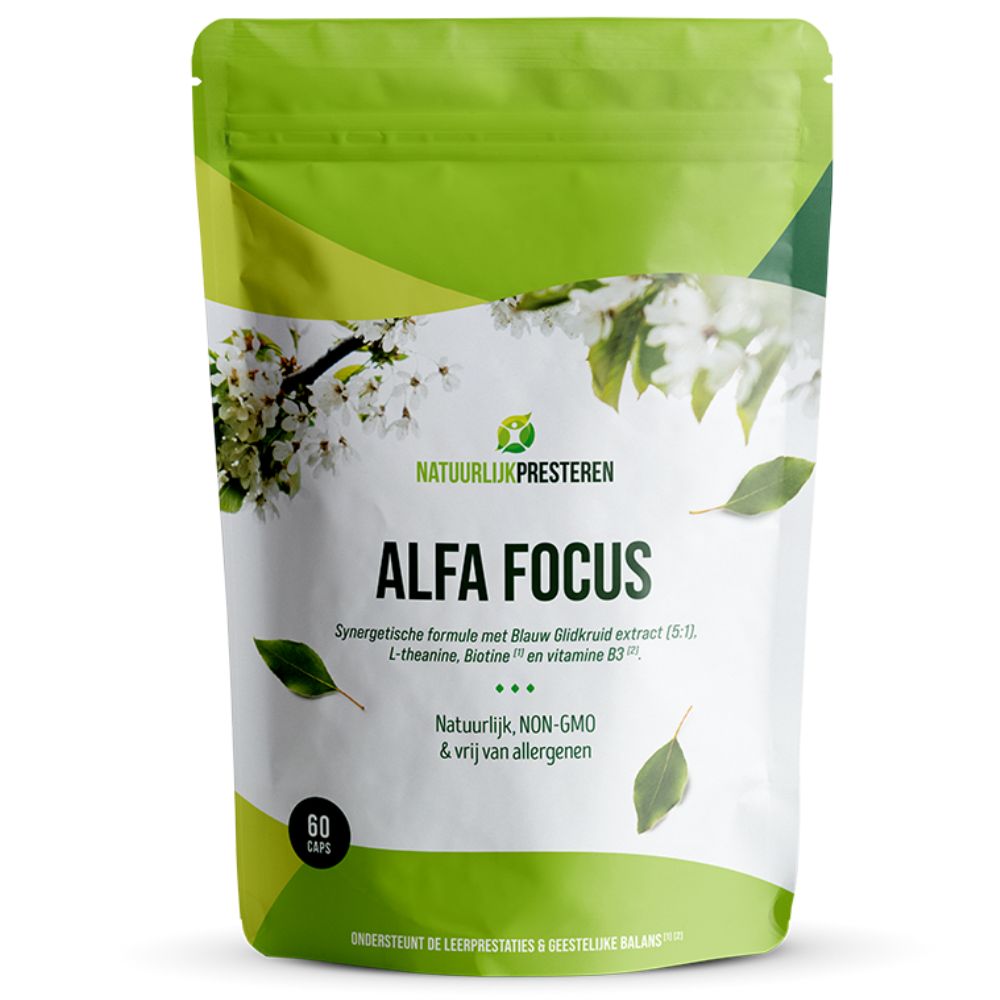
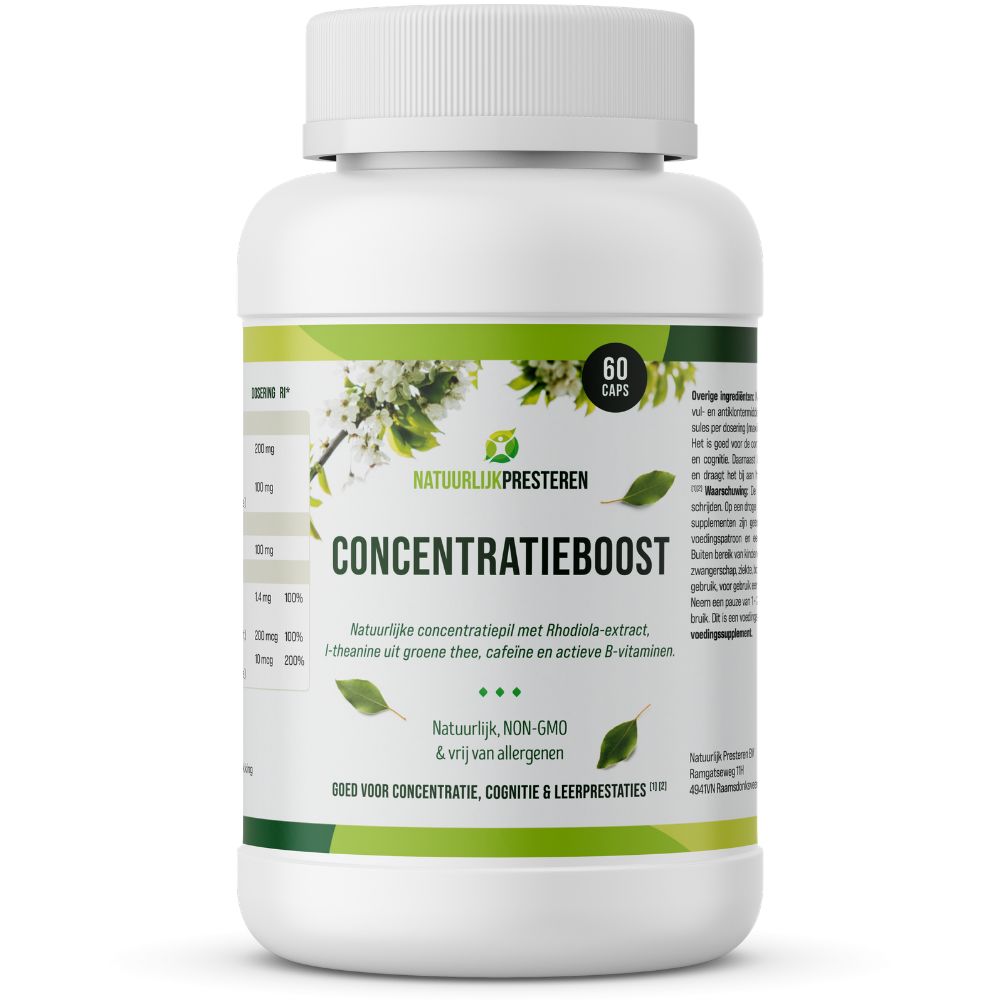
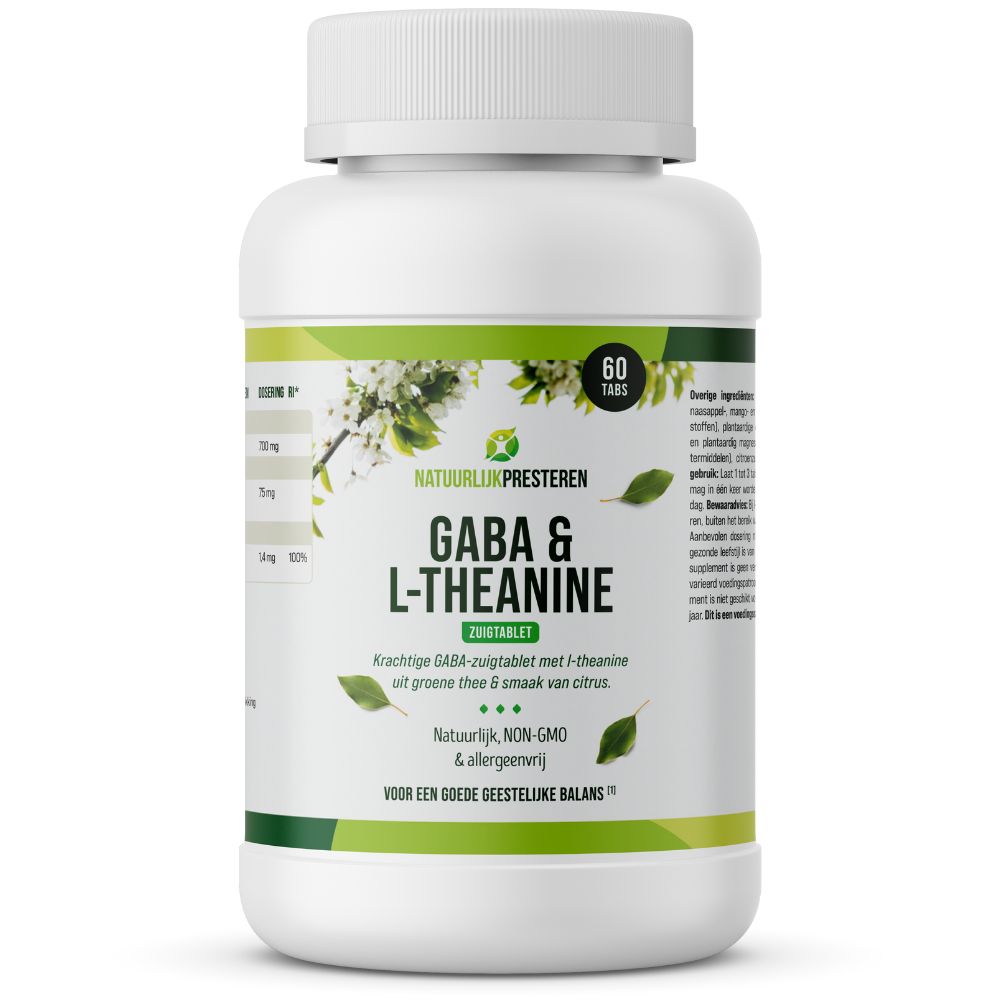
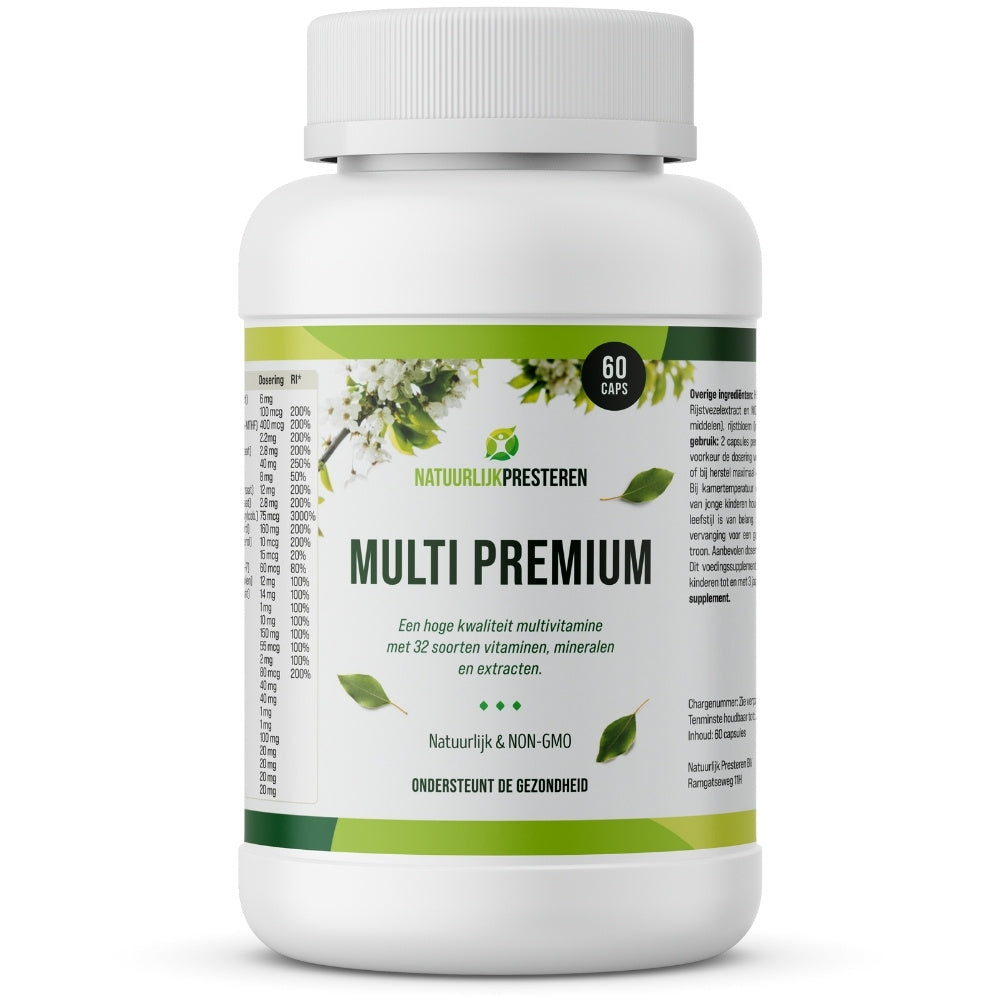
What are allergen-free supplements?
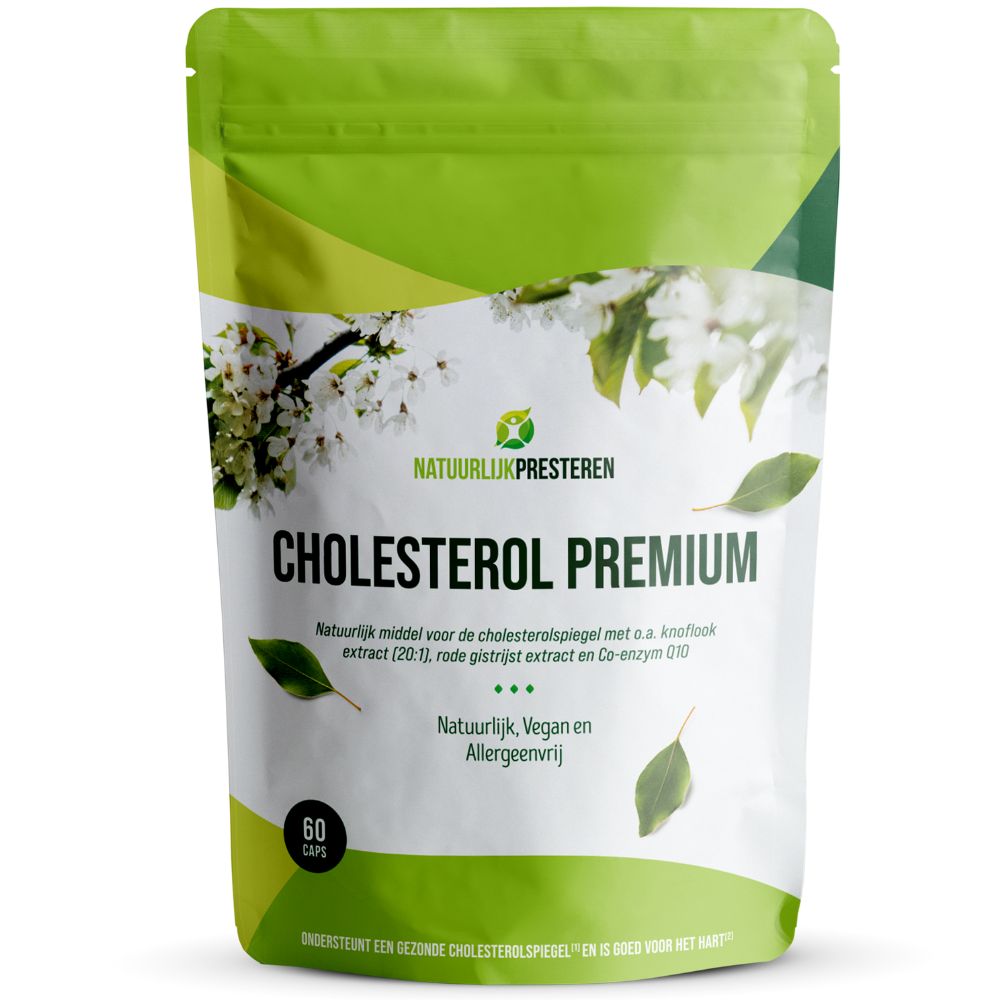
Allergen-free supplements are dietary supplements that do not contain allergens, making them safe for people with food allergies.
The most common allergens in supplements are gluten and lactose.
What are allergens?
Allergens are substances that can cause allergic reactions in sensitive people. When someone is allergic, their immune system recognizes these substances as dangerous and responds by producing antibodies.
When exposed to the allergen, the body may react with symptoms such as itching, swelling, rash, breathing problems or gastrointestinal complaints.
Intolerance
Are you not allergic but do you experience a reaction to certain allergens? Then you may have a food intolerance, caused, for example, by a deficiency of one or more enzymes. This makes it harder for your body to break down the substance (allergen).
What allergens are there?
According to European legislation, 14 substances are classified as allergens:
- Gluten (wheat, rye, barley, oats, spelt, Khorasan wheat)
- Crustaceans
- Eggs
- Fish
- Peanut
- Soy
- Milk (including lactose)
- Nuts (almonds, hazelnuts, walnuts, cashews, pecans, Brazil nuts, pistachios, macadamia nuts)
- Celery
- Mustard
- Sesame seeds
- Sulphur dioxide and sulphite (at concentrations exceeding 10 mg SO2 per kilo or litre)
- Lupine
- Molluscs
Gluten-free supplements
People with celiac disease can use gluten-free supplements without any problems.
Celiac disease , often incorrectly labeled as a gluten allergy, is not an allergy but an autoimmune disease . In celiac disease, the immune system attacks gluten and damages the body's own intestinal tissues. This then leads to inflammation of the intestinal lining and symptoms such as persistent diarrhea, abdominal pain, and decreased appetite.
Gluten intolerance or sensitivity , on the other hand, can cause similar symptoms, but there is no autoimmune reaction and intestinal damage as in celiac disease.(1)
Lactose-free supplements
Lactose-free supplements do not contain milk sugar (lactose), making them easily tolerated by people with lactose intolerance.
Lactose intolerance is a condition in which the body has difficulty digesting lactose. This occurs because the enzyme lactase, which is needed to break down lactose into glucose and galactose, is insufficient.
Typical symptoms include abdominal pain, bloating, diarrhea and flatulence after eating dairy products. (2)
Sources Used
- Posner, E.B., & Haseeb, M. (2023, August 8). Celiac disease . StatPearls - NCBI Bookshelf. https://www.ncbi.nlm.nih.gov/books/NBK441900/
- Malik, T. F., & Panuganti, K. K. (2023, April 17). Lactose intolerance . StatPearls - NCBI Bookshelf. https://www.ncbi.nlm.nih.gov/books/NBK532285/
Gerelateerde blogartikelen

Buying the best multivitamin? Here's what to look for.
A multivitamin can be a convenient way to supplement your daily diet. But how do you choose the best one? Not every multivitamin is the same. As a nutritionist, I certainly have an opinion on this. Want to know what I look for? In this guide, I share five key points that will help you choose the best multivitamin from the vast selection available. And to make it even easier for you, I'll also give you my top 3 products. Choose a multivitamin with active vitamins (5-MTHF, P5P, methylcobalamin) and organic minerals such as iron and magnesium bisglycinate for optimal daily nutritional replenishment and absorption. Pay attention to a well-considered dosage and unique additives such as antioxidant-rich coenzyme Q10, lutein and curcumin, so that you get just the right amount without the risk of overdose. My top 3 products (Multi Premium, Multi Pure Superior and Nutribites) offer complete, vegan-friendly plant-based formulas tailored to different target groups and life stages. Table of contents What should you look for when buying the best multivitamin? 1. Vitamins in active form 2. Minerals in organic form 3. Unique additives 4. Carefully dosed 3. User-friendly 4. Rapidly absorbed 5. Safe for daily use Top 3 best multivitamins 1. Multi Premium - Natural Performance 2. Multi Pure Superior - Proviform 3. Multivitamin - Nutribites What makes the best multivitamin for men different from other multivitamins? What should you look for when choosing the best multivitamin for women? What makes a multivitamin suitable for people over 70? Are there multivitamins specifically for children? What should you look for when buying the best multivitamin? There are so many multi-formulas on the market and I understand all too well how difficult it can be to make a good selection. These are the 5 criteria I look at: 1. Vitamins in active form A good multivitamin contains active forms of all vitamins, which your body can use directly without conversion . This way, you can be sure your multivitamin is working effectively. These are just a few examples: Folate - Choose 5-MTHF (active form) instead of folic acid, which must be converted first. 5-MTHF is more easily absorbed, especially with an MTHFR mutation. (1) Vitamin B6 - Go for pyridoxal-5-phosphate (P5P) , the active form, instead of pyridoxine, which is less directly useful. (2) Vitamin B12 - Choose methylcobalamin (active form) over cyanocobalamin for better absorption, especially on plant-based diets. (3) 2. Minerals in organic form Minerals such as iron, magnesium or zinc are better absorbed in organic forms , such as Ferrochel® iron bisglycinate or magnesium bisglycinate. (4) (5) These chelate forms are gentle on your stomach and are better absorbed than inorganic forms such as magnesium oxide. 3. Unique additions Good multivitamins go beyond just vitamins and minerals. They contain extras like coenzyme Q10, lutein, zeaxanthin, resveratrol, and curcumin, which have antioxidant properties.* (6) (7) These substances are often added to multivitamins to support a healthy lifestyle. Also “ half vitamins ” such as choline or inositol are often added to supplement your diet. Good to know : It's sometimes difficult to determine which ingredients are truly important to you. You can read more about this in my other articles. My tip? Take a good look at the label and consider what might help you. Above all, choose what suits your lifestyle best. 4. Well-balanced dosage A smart and well-considered dosage is important. You don't want a supplement with excessive amounts. And conversely, it must be sufficient to be effective. That's why you're looking for: Higher doses for substances that you often need more of , such as vitamin B12 (especially if you eat a plant-based diet) or vitamin D in winter. Substances that can accumulate, such as vitamin A or B6, should be dosed at a lower level to remain safe. (8) (9) Good to know : It's sometimes difficult to determine which ingredients are truly important to you. You can read more about this in my other articles. My tip? Take a good look at the label and consider what might help you. Above all, choose what suits your lifestyle best. 3. User-friendly Solugel® collagen has a neutral taste and dissolves easily in both hot and cold drinks, without creating annoying lumps. This makes it easy to take daily. 4. Gets absorbed quickly Hydrolyzed collagen peptides like those in Solugel® are small enough to be quickly absorbed by the body. Research shows that these peptides are present in the blood plasma within 15 to 60 minutes of ingestion . (4) This rapid absorption means that your body can quickly access the building blocks that are important for maintaining collagen-rich tissues such as skin, bones and joints. In short : Check the Recommended Daily Allowance (RDA) on the label: Not too much, not too little. A smart mix ensures you get exactly what you need, without overdoing it. 5. Safe for daily use Not all multivitamins are suitable for long-term use. Synthetic vitamins , such as synthetic vitamin B6, can accumulate in high doses and cause side effects . Therefore, choose natural or active forms that your body can process better, such as pyridoxal-5-phosphate (active B6), for daily convenience and safety. (8) In short: The best multivitamin has active vitamins like 5-MTHF, organic minerals, smart additives like antioxidants, a well-balanced dosage, and is safe for daily use. This way, you can be sure you're choosing a supplement that's right for you. Good to know Claims marked with a (*) are still pending approval by the European Commission. Top 3 best multivitamins As promised, here are my 3 favorite multivitamin products that meet all 5 of the criteria mentioned above: 1. Multi Premium - Natural Performance Natuurlijk Presteren's improved Multi Premium formula contains no fewer than 32 active ingredients. This multivitamin contains only the most absorbable forms in safe and effective doses. In short, a complete and high-quality multivitamin with only the very best ingredients. 2. Multi Pure Superior - Proviform Proviform Multi Pure Superior is another high-dose multivitamin with a balanced mix of biologically active ingredients, perfect for those looking for a complete supplement. The benefits: Active ingredients such as 5-MTHF folate, methylcobalamin (B12), and pyridoxal-5-phosphate (B6) Organic minerals such as iron and magnesium bisglycinate Stomach-friendly Ester-C® (vitamin C) and stable K2Vital Delta® (vitamin K2) 100% natural excipients and pullulan capsules, gluten-free, lactose-free Suitable for vegetarians, with safe dosages for daily use The disadvantages: Higher doses (e.g. B12: 4000% RDA, D3: 1000% RDA) may be too much for some users Not suitable for children under 10 years and when using anticoagulants (due to K2) More information I think Multi Puur Superior is a great multivitamin because of the pure and easily absorbable ingredients: Ideal for those looking for a complete and reliable daily supplement. 3. Multivitamin - Nutribites Everyone is unique, which is why Nutribites offers multivitamins specially developed for men, (pregnant) women, and women in menopause, tailored to your needs. The benefits: High-quality formulas with active vitamins (such as 5-MTHF folate) Organic minerals Unique herbal and plant extracts suitable for the target group 100% plant-based and suitable for vegans Free from unnecessary additives, gluten-free, and lactose-free The disadvantages: No Coenzyme Q10 Available at bol.com In my opinion, Nutribites absolutely deserves a spot in this top 3, especially because of the high purity of its products and the high-quality ingredients. The dosages are carefully selected, and the active ingredients are perfectly tailored to the needs of the target group. What makes the best multivitamin for men different from other multivitamins? For the best multivitamin for men, I look for herbs like saw palmetto, ginseng, and maca root, which you won't find in standard multivitamins. Make sure these herbs and plant extracts are standardized for consistent quality. There is also more attention to minerals such as zinc and magnesium in supplements aimed at men, so pay extra attention to the form: What you want are organic minerals such as zinc bisglycinate. What to look for when choosing the best multivitamin for women? Women have different needs depending on their life stage, such as pregnancy , menopause , or being over 50. For example, pregnancy requires additional 5-MTHF folate and iron bisglycinate, while calcium and vitamin D are often more important during menopause. Herbs such as black cohosh and cranberry extract are typical additions to feminine formulas and should be standardized for reliable quality. Always check the RDA to adjust the dosage to your stage, for example a higher folate dosage during pregnancy. What makes a multivitamin suitable for people over 70? For those over 70, I often choose multivitamins with mild herbs such as rosemary extract or curcumin, which are not standard in regular formulas. Active forms of vitamins , such as methylcobalamin (B12), are important because absorption decreases with age. Organic minerals like magnesium bisglycinate are also a good choice because they are gentler on the stomach, which is beneficial for many older adults. Many multivitamin formulas for seniors also contain ingredients that focus on bones , collagen, and joints . This can be beneficial, as it provides a comprehensive nutritional supplement tailored to the needs of your age group. Are there multivitamins specifically for children? Yes, multivitamins for children usually have a lower dosage , tailored to their age and weight. They are often in liquid form, drops, or chewable tablets, which makes taking them easier and more enjoyable. Key ingredients include vitamin D, C, B vitamins, omega-3 (especially DHA) and pre- and probiotics. As a mother I would like to share some tips: Choose supplements with natural sweeteners like stevia or fruit juices, without added sugar or artificial colors. Gummies or chewable tablets without synthetic sweeteners are ideal. If your children are a bit older and swallow easily, tablets or capsules are also fine. I taught my children to swallow pills by making balls from the soft part of a roll with milk or water. This is a fun and easy way to learn to swallow tablets , especially since the selection of chewable tablets for children is smaller. Always consult a doctor before giving supplements to children under 4 years of age . Ebrina van der Bijl Ebrina is a nutritionist with a deep commitment to healthy eating and a sustainable lifestyle, based in beautiful Portugal. Her passion for natural and organic products is at the heart of her work. With a background in Nutrition & Dietetics and experience in product development and writing, she translates complex scientific information into practical advice for a balanced lifestyle. Read more Sources used Servy, EJ, et al. (2018). MTHFR isoform carriers. 5-MTHF (5-methyltetrahydrofolate) vs folic acid: a key to pregnancy outcome: a systematic review. Journal of Maternal-Fetal & Neonatal Medicine, 31(20), 2723–2730. https://doi.org/10.1080/14767058.2017.1347922 Ghavanini, A. A., & Kimpinski, K. (2014). Small-fiber neuropathy associated with pyridoxine toxicity: a systematic review. Canadian Journal of Neurological Sciences, 41(6), 756–762. https://doi.org/10.1017/cjn.2014.108 Obeid, R., et al. (2015). Vitamin B12 bioavailability from different sources: a systematic review. Nutrients, 7(10), 8255–8268. https://doi.org/10.3390/nu7105405 Milman, N. (2012). Iron bisglycinate chelate and polymaltose iron for the treatment of iron deficiency anemia: a review. Therapeutics and Clinical Risk Management, 8, 577–586. https://doi.org/10.2147/TCRM.S35621 Blancquaert, L., et al. (2021). Bioavailability of Magnesium Food Supplements: A Systematic Review. Journal of Functional Foods, 84, 104403. https://doi.org/10.1016/j.jff.2021.104403 Dehzad, MJ, et al. (2023). Antioxidant and anti-inflammatory effects of curcumin/turmeric supplementation in adults: A GRADE-assessed systematic review and dose-response meta-analysis of randomized controlled trials. Cytokine, 164, 156144. https://doi.org/10.1016/j.cyto.2023.156144 Akbari, A., Mobini, G. R., Agah, S., Morvaridzadeh, M., Omidi, A., Potter, E., Fazelian, S., Ardehali, S. H., Daneshzad, E., & Dehghani, S. (2020). Coenzyme Q10 supplementation and oxidative stress parameters: a systematic review and meta-analysis of clinical trials. European Journal Of Clinical Pharmacology, 76(11), 1483–1499. https://doi.org/10.1007/s00228-020-02919-8 Muhamad, R., Akrivaki, A., Papagiannopoulou, G., Zavridis, P., & Zis, P. (2023). The Role of Vitamin B6 in Peripheral Neuropathy: A Systematic Review. Nutrients, 15(13), 2823. https://doi.org/10.3390/nu15132823 Olson, J.M., Ameer, M.A., & Goyal, A. (2023, September 2). Vitamin A toxicity. StatPearls - NCBI Bookshelf. https://www.ncbi.nlm.nih.gov/books/NBK532916/
Lees meer bloggle
Magnesium: Everything you need to know!
Magnesium is an essential mineral with many different functions in the body. It contributes to the nervous system and muscle function, for example. A magnesium deficiency therefore has several consequences for the body. This article covers everything about magnesium. You'll learn about the types of magnesium, its benefits, its sources, and more. Magnesium supports muscles, nerves, energy production and mental health and is found in foods such as nuts, chocolate and vegetables. A deficiency can lead to fatigue, muscle cramps, concentration problems and heart problems, made worse by stress, caffeine and poor diet. The best forms of magnesium are organically bound variants such as bisglycinate and citrate, which are better absorbed and work more effectively. Table of contents What is magnesium? What types of magnesium are there? Organically bound magnesium Inorganically bound magnesium How much magnesium do you need per day? What are the benefits of magnesium? What are the symptoms of a magnesium deficiency? Causes of a magnesium deficiency Insufficient dietary intake Chronic stress Gut problems (Irritable Bowel Syndrome or Leaky Gut Syndrome) Too much alcohol Too high estrogen Insulin resistance Too much caffeine Use of antacids Elite sports or sauna Where does magnesium come in? What are the side effects of too much magnesium? What is the best magnesium? What is magnesium? Magnesium is a mineral the body needs for a wide range of functions. Most people are familiar with magnesium for its effects on rest and muscle recovery, but it also influences other bodily processes. For example, it also affects energy and mental health. Magnesium is found in chocolate, vegetables, and nuts, among other things. A deficiency or excess is rare, but when it does occur, it can cause quite unpleasant symptoms. Your body absorbs magnesium through the small intestine. Magnesium absorption can vary significantly depending on the supplement and the type of food. You can read more about this later in the article. What types of magnesium are there? Magnesium is available in various forms. These variants have different properties and are not all equally absorbable. Magnesium types can actually be divided into two types: organically bound and inorganically bound. Organically bound magnesium Organic magnesium is a form of magnesium in which magnesium is bound to an organic molecule. These forms are absorbed the best. Magnesium bisglycinate - This form is known for its relaxing effect on the nervous system and muscles. It is a combination of magnesium and the amino acid glycine. Magnesium citrate - This form of magnesium is combined with citric acid and is better absorbed. It is often used for people suffering from constipation. Magnesium malate - This form of magnesium is also combined with another substance, in this case malic acid. This is often recommended for people who want muscle support or suffer from fatigue. Magnesium Taurate - This is another form of magnesium known for its relaxing effects and cardiovascular benefits. It's a combination of magnesium and the amino acid taurine. Inorganically bound magnesium Inorganic magnesium is a form of magnesium in which magnesium is bonded to an inorganic molecule or atom. Magnesium oxide - These forms are widely used against heartburn and constipation. Magnesium hydroxide - is also used against heartburn and constipation. Magnesium chloride - This form is primarily used for nerves and muscles. It's known for its relaxing effect. It's often used in flakes for topical use. Magnesium sulfate - This form is also called Epsom salt and is known for its strong laxative effect. How much magnesium do you need per day? The amount of magnesium you need varies by age and specific needs. The table below provides guidelines for daily intake. Age / needs Amount of magnesium per day Infants (0-6 months) 30 mg Infants (7-12 months) 75 mg Children (1-3 years) 80 mg Children (4-8 years) 130 mg Children (9-13 years) 240 mg boy 280 mg girls Teenagers (14-18 years) 410 mg boys 360 mg girls Adult men (18+) 400 – 420 mg Adult women (18+) 310 – 320 mg Pregnant women 350 – 360 mg Women who are breastfeeding 310 – 320 mg It's important to know that these are general recommendations and that needs can vary from person to person. It's wise to consult a medical professional before starting supplements, especially if you have an underlying health condition. What are the benefits of magnesium? Magnesium has positive effects on both the body and the mind. The benefits of magnesium are listed below. Helps against fatigue and for a healthy energy level - Magnesium is essential for the production of ATP, which is a substance our body uses to create energy. It also plays a role in regulating electrolyte balance and nerve function, which also helps prevent fatigue. Good for a good night's sleep - Magnesium helps you relax during stressful times because it has a calming effect on the nervous system. It also plays a role in the production of 5-HTP and serotonin, which converts to melatonin. It's also linked to GABA, a calming neurotransmitter in the brain [1]. Supports electrolyte balance - Magnesium is one of the electrolytes important for proper fluid balance, nerve function, and muscle contraction. It also plays a role in the balance of other important electrolytes, such as potassium, calcium, and sodium. Supports the nervous system - The nervous system is like electrical wiring that transmits signals between the brain and the rest of the body. Magnesium supports this system by ensuring that nerve cells don't become overactive and thus remain "calm." Is good for the muscles - Magnesium helps conduct signals between nerves and muscles. It also helps maintain the balance between muscle contraction and relaxation. Contributes to normal protein synthesis - Protein synthesis is the process of building new proteins. This requires the assembly of amino acids. Magnesium supports this process. Supports cognition - Magnesium supports various psychological functions. It's involved in signal transmission between brain cells and regulating neurotransmitters. Helps keep bones and teeth healthy - Magnesium helps form healthy bone and tooth structures. It works together with calcium to achieve this. Supports cell division - Cell division involves many steps and magnesium acts as a kind of 'director' in carrying out these steps, making it work more efficiently. Good for concentration - Magnesium plays a role in neurological processes, such as the transmission of signals between the brain and nerve cells. This is important for clear thinking, focus, and concentration. Magnesium is also involved in the function of neurotransmitters, which are related to alertness, attention, and concentration. Magnesium is essential for a wide range of functions in the body and mind. When you don't get enough magnesium from food, various symptoms can occur. A magnesium deficiency is more common than you might think. Approximately 20 to 30 percent of adults don't get enough magnesium. What are the symptoms of a magnesium deficiency? As you read above, magnesium is essential for a wide range of functions in the body and mind. When you don't get enough magnesium from food, various symptoms can occur. A magnesium deficiency is more common than you might think. Approximately 20 to 30 percent of adults don't get enough magnesium. The symptoms of a magnesium deficiency[2][3]: Loss of appetite Nausea Concentration problems Gloom Fatigue Muscle problems Heart problems Nerve problems Numbness Tingling The causes of a magnesium deficiency A magnesium deficiency can therefore significantly impact your physical and mental health. There are also circumstances that may increase your magnesium needs, or cause it to be absorbed less effectively. In these cases, pay extra attention to your intake or take a supplement. Insufficient dietary intake Many foods are processed before they're eaten. Think of grinding, heating, or refining. Magnesium is lost with every processing step. Furthermore, magnesium is often present in the skin, or it evaporates into the cooking water if you overcook food. Food from bags, packets, or cans also contains few nutrients, including magnesium. Chronic stress When you're stressed, your body uses more magnesium[4]. As mentioned earlier, magnesium plays an important role in relaxation and the production of neurotransmitters, which are responsible for feelings of happiness. Chronic stress can therefore cause a magnesium deficiency, but a magnesium deficiency can also cause stress. Then you end up in a vicious cycle. Bowel problems (Irritable Bowel Syndrome or Leaky Gut Syndrome) With intestinal problems like Irritable Bowel Syndrome or Leaky Gut Syndrome, a vicious cycle can also develop. The intestinal problems can lead to reduced absorption. But reduced magnesium absorption can also lead to reduced intestinal muscle function. Too much alcohol Alcohol stimulates the kidneys to excrete more magnesium. It also reduces the efficiency of digestion and can cause a vitamin D deficiency. Vitamin D is necessary for proper magnesium absorption[5]. Too much estrogen In some cases, estrogen levels can be too high in women. This is called estrogen dominance. To eliminate estrogen, the body needs magnesium. Estrogen dominance therefore requires more magnesium. If there is too little magnesium, estrogen levels can rise even further. This is another vicious cycle. Insulin resistance Magnesium is involved in releasing energy from carbohydrates. Insulin resistance makes the body insensitive to insulin. Blood sugar levels then rise. This results in higher blood sugar levels and increased magnesium consumption, meaning you need more of it. Magnesium is also less well absorbed with insulin resistance. Too much caffeine Magnesium is processed by the kidneys. They filter it and ensure that any excess is excreted. Caffeine affects kidney function. It acts as a diuretic, which encourages your kidneys to excrete more urine. This can lead to excess magnesium loss because it leaves your body through urine and isn't absorbed[6]. Caffeine is found in, among other things: Coffee Tea Cola Chocolate Use of antacids Antacids reduce the stomach's acidity. If there's too little stomach acid, the body can absorb fewer nutrients. This can lead to a mineral deficiency, such as magnesium. Your body can't digest food, and the magnesium is excreted undigested. Top sport or sauna You also have an increased risk of a magnesium deficiency if you participate in elite sports or frequent saunas. This is because sweating causes the loss of various minerals, including magnesium. The body then simply needs more magnesium to stay healthy. What does magnesium contain? Below are 20 food sources that are high in magnesium. Food Amount per 100 grams Seaweed 770 mg Pumpkin seeds 535 mg Chia seeds 335 mg Dark chocolate 327 mg Sunflower seeds 325 mg Cashew nuts 292 mg Almonds 268 mg Quinoa 197 mg Brown rice 143 mg Wheat germ 138 mg Spinach 79 mg Soybeans 70 mg Black beans 60 mg Tofu 53 mg Kale 47 mg Lentils 36 mg Salmon 30 mg Avocado 29 mg Bananas 27 mg What are the side effects of too much magnesium? Too much magnesium can cause a number of symptoms. For example, some forms of magnesium (particularly the inorganic forms) are used as laxatives for a reason. This laxative effect can also be a drawback. Below are all the side effects of too much magnesium. Diarrhea Nausea Fatigue Muscle weaknesses Palpitations Low blood pressure To reduce the adverse effects of magnesium, if you do require a higher dose, it can help to minimize its impact on the gastrointestinal system. This can be done by taking it after meals or spreading the dose throughout the day. What is the best magnesium? With all the different types of magnesium available, it can be difficult to determine which form is best. For optimal results, it's best to combine different forms of organically bound magnesium. Organically bound magnesium is more easily absorbed. For example, combine magnesium citrate and magnesium bisglycinate for the most complete effect. Magnesium bisglycinate is better absorbed by the brain and benefits psychological functions, while magnesium citrate is better absorbed by muscles and thus has an effect on the muscles and nervous system. For example, we sell the Magnesium & Taurine supplement in our webshop. This also contains vitamin D and vitamin B6. Magnesium works closely with vitamin D3 . In addition, taurine and the active form of B6 (P5P) help improve magnesium absorption into cells. This allows the body to utilize this magnesium more quickly. Lauressa Lauressa studied Nutrition & Dietetics and also works as an editor. She enjoys delving deeply into topics related to healthy eating, mental well-being, and hormone balance. When she's not pursuing her passion for health, she enjoys being creative. Read more Sources https://www.ncbi.nlm.nih.gov/pmc/articles/PMC5452159/ https://pubmed.ncbi.nlm.nih.gov/29387426/ https://pubmed.ncbi.nlm.nih.gov/22087052/ https://www.ncbi.nlm.nih.gov/books/NBK507250/ https://pubmed.ncbi.nlm.nih.gov/7836619/ https://www.researchgate.net/publication/279923885
Lees meer bloggle
Vitamin D, D2, or D3: What's the Difference and Which Is the Best?
There are different forms of vitamin D. For example, there's vitamin D3 and vitamin D2. But what's the difference between these types? In this article, I explain the difference between vitamin D, D2, and D3, which one is best for your health, and why it's important to make the right choice. I also provide a handy overview of where you can find vitamin D in your diet. Vitamin D3 is more effective and better absorbed than D2, which is important for a healthy vitamin D status. Sunlight and animal foods (oily fish, eggs, organ meats) provide the most effective source of vitamin D3. D2 from mushrooms is less effective, so supplementation with D3 is often essential, especially during periods with little sun. Table of contents What is vitamin D? What's the difference between vitamin D2 and vitamin D3? Where is vitamin D found? (D2 or D3) Vitamin D3 is found in... Vitamin D2 is found in... What is vitamin D? Vitamin D is a collective name for a group of fat-soluble vitamins that play an important role in your health. When we talk about vitamin D deficiency, we mean that the concentration of vitamin D in your blood is too low. In the Netherlands, a large number of people have a vitamin D deficiency, mainly because we are not sufficiently exposed to sunlight and the sun's rays in our country are often not strong enough during the autumn and winter months to produce sufficient vitamin D. That is why it is important to maintain your vitamin D level with vitamin D-rich food and/or a vitamin D supplement. What is the difference between vitamin D2 and vitamin D3? In nature, vitamin D occurs in two forms: D2 and D3. The main difference between vitamin D2 and D3 is their effectiveness . Vitamin D3 is much better absorbed and more effective at increasing your vitamin D levels than D2. This is because D3 is converted into the active form of vitamin D in your body more quickly and efficiently, while D2 is converted less well. (1) (2) There's also a difference in origin . Vitamin D2 comes primarily from plant sources, such as mushrooms, while D3 is found primarily in animal foods, such as oily fish, organ meats, and eggs. Vitamin D2 (ergocalciferol) Primarily from plant sources - Such as mushrooms exposed to UV light Is less well absorbed and stored by your body than D3 - This makes it less suitable for increasing your vitamin D level Vitamin D3 (cholecalciferol) The most effective form of vitamin D - Most commonly found in animal products, such as oily fish, eggs, and liver. The form your body produces through the sun Optimally absorbed and stored by your body - Making it the most effective choice for replenishing your vitamin D supply What foods contain vitamin D? (D2 or D3) The difference in vitamin D therefore lies in the source of the vitamin. The best source is sunlight, followed by animal foods and supplements (D3). Lastly, vitamin D comes from plant sources (D2). This is where you can find vitamin D2 and D3: Vitamin D3 is found in... Vitamin D3 is mainly found in animal products, but also in certain types of algae. Diet - D3 is mainly found in oily fish, eggs, organ meats and red meat. Supplements - D3 for nutritional supplements is often extracted from sheep's wool fat or from algae (vegan). Body - The body produces vitamin D3 itself with the help of UVB radiation (found in sunlight). Vitamin D2 is found in... Vitamin D2 is mainly found in plants and mushrooms, but its absorption is less efficient than D3 and the amounts are usually not significant enough to replenish a deficiency. Food - D2 can be found in mushrooms and yeasts. Supplements - D2 for supplements is often extracted from mushrooms. However, vegan D3 from algae is a better option. Body - the body doesn't produce D2 itself. But it can convert it into the active form of vitamin D. Ebrina van der Bijl Ebrina is a nutritionist with a deep commitment to healthy eating and a sustainable lifestyle, based in beautiful Portugal. Her passion for natural and organic products is at the heart of her work. With a background in Nutrition & Dietetics and experience in product development and writing, she translates complex scientific information into practical advice for a balanced lifestyle. Read more Sources used Tripkovic, L., Lambert, H., Hart, K., Smith, C.P., Bucca, G., Penson, S., Chope, G., Hyppönen, E., Berry, J., Vieth, R., & Lanham-New, S. (2012). Comparison of vitamin D2 and vitamin D3 supplementation in raising serum 25-hydroxyvitamin D status: a systematic review and meta-analysis. American Journal Of Clinical Nutrition, 95(6), 1357–1364. https://doi.org/10.3945/ajcn.111.031070 Balachandar, R., Pullakhandam, R., Kulkarni, B., & Sachdev, H. S. (2021). Relative Efficacy of Vitamin D2 and Vitamin D3 in Improving Vitamin D Status: Systematic Review and Meta-Analysis. Nutrients, 13(10), 3328. https://doi.org/10.3390/nu13103328
Lees meer