Natural sleep aids
Natural sleep aids are nutritional supplements that can help you fall asleep faster and more easily. This is due to their relaxing and/or sleep-inducing effects.
How do natural sleep aids work?
If you have trouble falling asleep, there are generally two reasons. First, you might not produce enough of the sleep hormone melatonin. This can be due to various reasons, such as diet, lifestyle, or a reduced level of serotonin, the happiness hormone, in your body. Natural sleep aids help with melatonin production.
Secondly, not being relaxed before bed can be a reason you don't fall asleep well. This can be due to stress, anxiety, working late, or doing active activities late at night. Natural sleep aids help you relax before bed.
Supplements to fall asleep faster
Supplements that help you fall asleep faster are often based on the sleep hormone melatonin. Consider, for example, the following substances:
Melatonin: This is the sleep hormone, which also occurs naturally in the body. It can help shorten the time it takes to fall asleep.
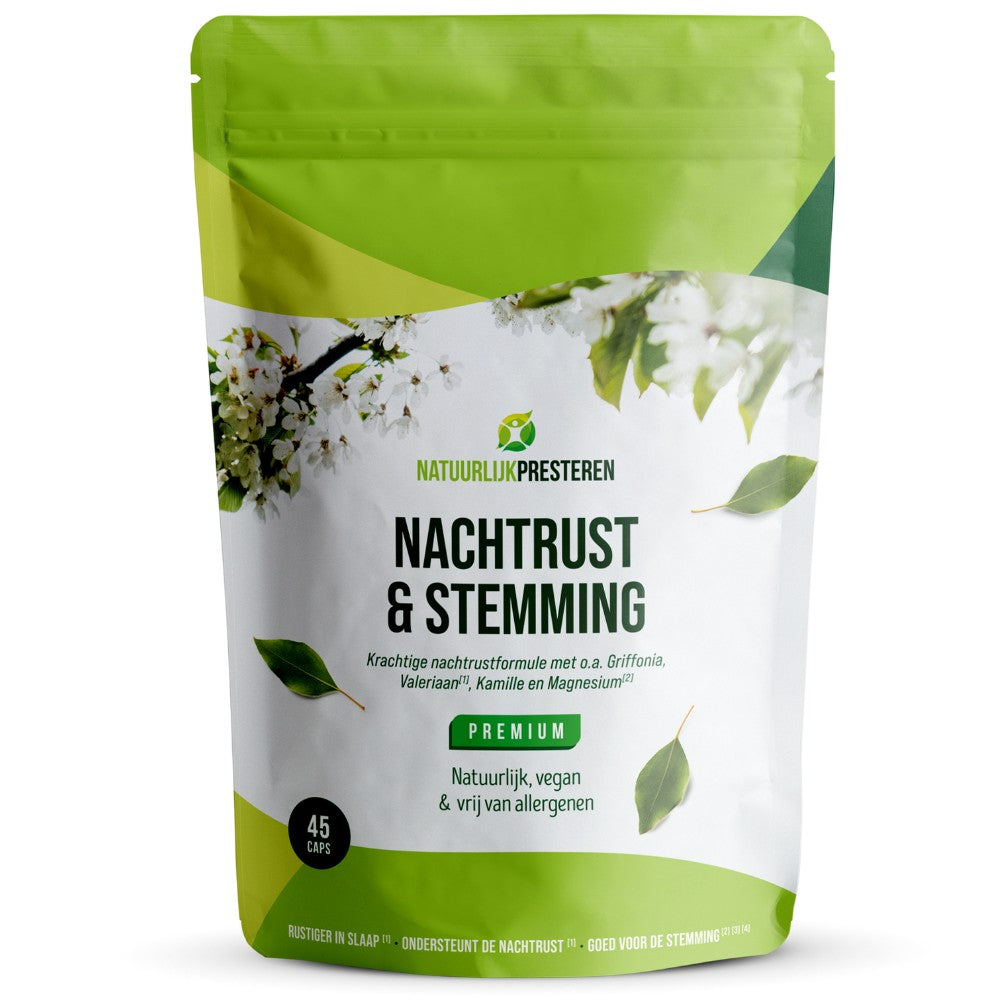
- Griffonia extract: This extract contains 5-HTP, which is the building block for serotonin. This, in turn, is the building block for melatonin, the sleep hormone.
- Vitamins and minerals , such as zinc, magnesium, vitamin B3, vitamin B6 and vitamin B12, which help in the production of melatonin.
Supplements that help you relax
Several herbs help you relax naturally. These include valerian, passionflower, and chamomile, all of which are calming plant extracts. Rhodiola rosea is also an adaptogenic herb, used for centuries for mental balance and stress reduction.
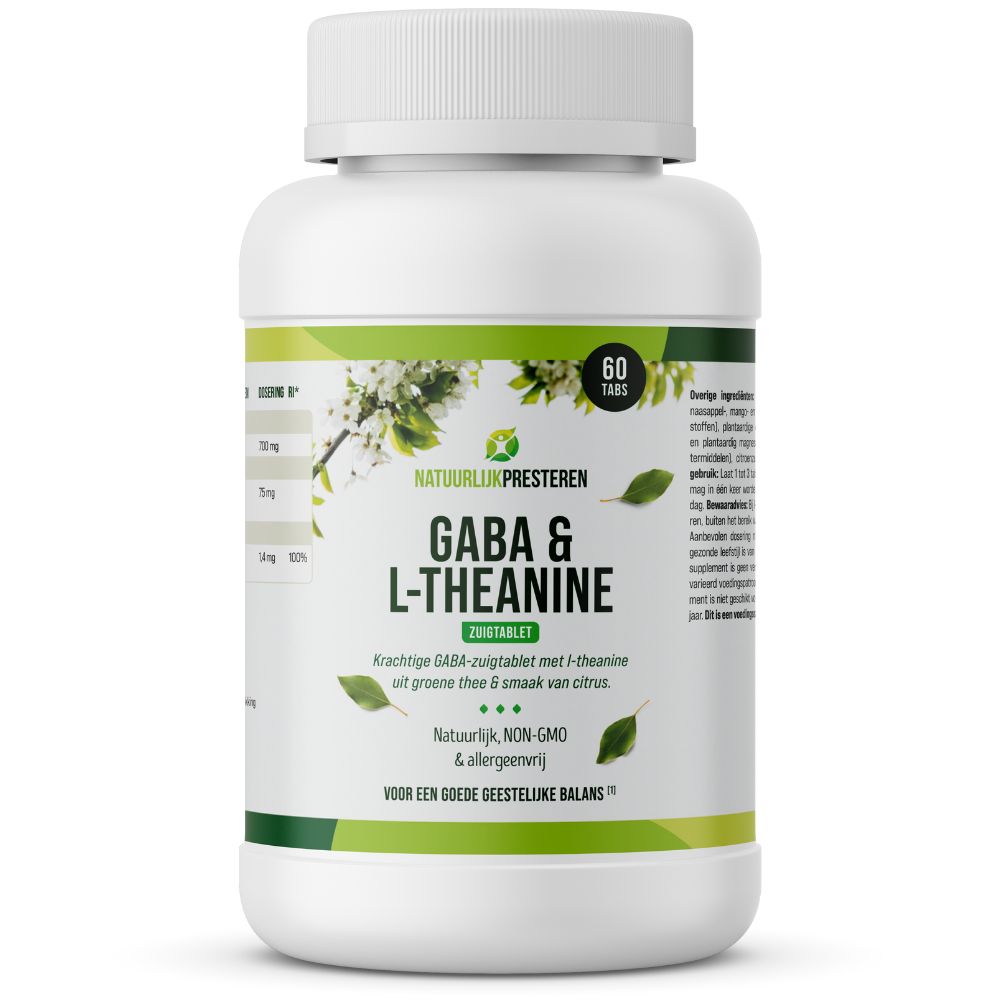
There are also supplements based on the presence of GABA. This is a neurotransmitter found in our bodies that helps us slow down and relax. A supplement containing it is natural and non-addictive, unlike medications that stimulate GABA production.
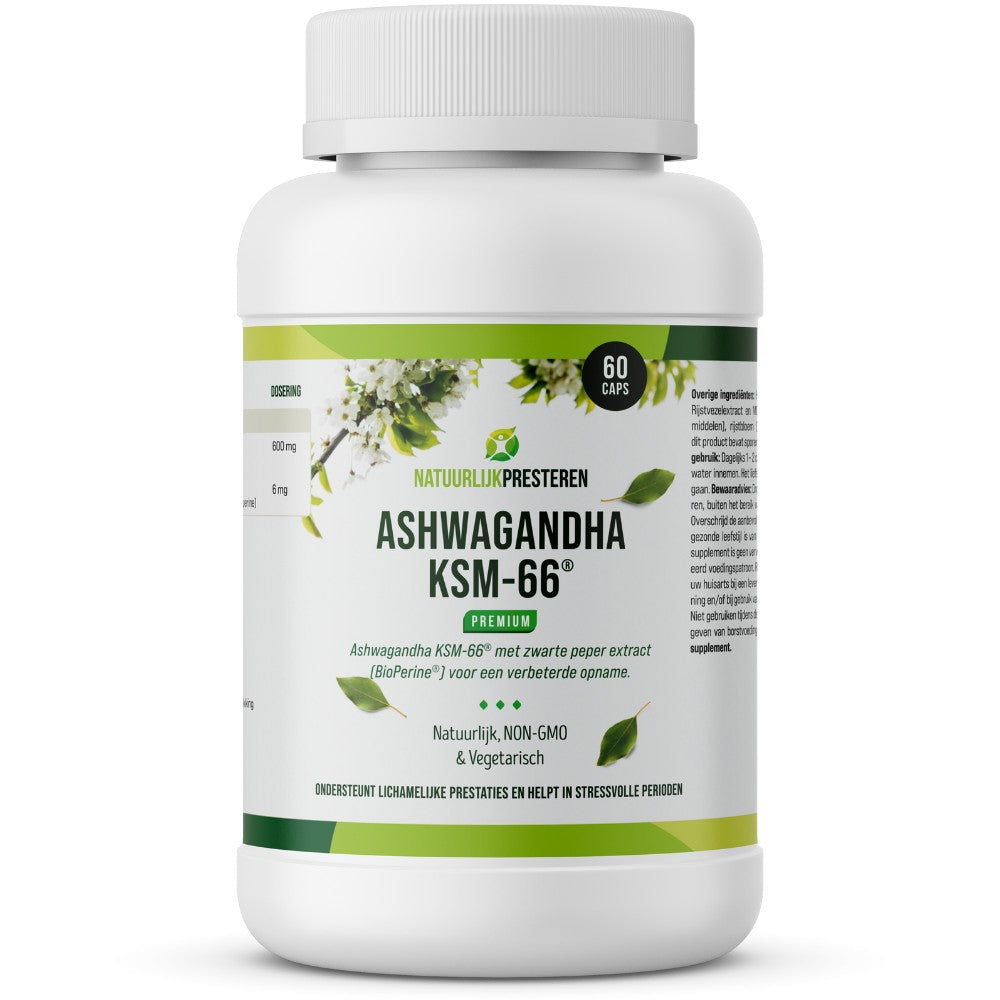
Ashwagandha is also a unique supplement because of its versatile and adaptogenic effects. It's not only beneficial for sleep and relaxation, but also for energy, cognition, and mood, among other things.
Best natural sleep aid
Our natural sleep aid, Night Rest and Mood Premium, is the most popular supplement for sleep. It contains Griffonia, valerian, chamomile, melatonin, and various vitamins and minerals to help you fall asleep faster.
We would also like to give you a few tips to fall asleep faster:
- Don't eat anything for three hours before bedtime. This lowers your body temperature, which helps you fall asleep faster.
- Wind down the day gently. For example, do something relaxing an hour before bed, such as taking a bath, reading, meditating, or taking a warm shower.
- Do not drink caffeine after 12 noon.
Gerelateerde blogartikelen
Taking magnesium before bed? Here are the 5 benefits for your sleep.
Could taking magnesium before bed be beneficial for you? Many people have trouble sleeping, which can leave them feeling tired and irritable during the day. Poor sleep can have a major impact on your health, but luckily, magnesium can help. This mineral is involved in the production of the substances you need for a good night's sleep and also has a positive effect on your nervous system. In this blog post, we explain why taking magnesium before bed can help you get a good night's sleep. Magnesium deficiency can be caused by processed foods, stress, gut problems and excessive alcohol or caffeine consumption, which hinder absorption and can cause sleep problems. Magnesium is often chosen as part of an evening routine focused on relaxation and rest. It's a popular mineral in products used for restless legs or irregular sleep patterns. Magnesium citrate and bisglycinate are known for their good absorption and are often combined with substances such as taurine, vitamin B6 and D3 for a widely applicable formula. Table of contents The causes of a magnesium deficiency Benefits of magnesium for sleep 1. Support during stress 2. Less tired during the day 3. Necessary for the production of melatonin 4. Support of the sleep rhythm 5. Magnesium for restless legs Forms of magnesium for bedtime The causes of magnesium deficiency If you regularly have trouble sleeping, it could be due to a magnesium deficiency. A deficiency of this mineral can arise from various causes. Nowadays, we eat a lot of processed foods. The more processed food is, the more magnesium is lost. Compared to the past, we therefore consume much less magnesium. In addition, stress causes your body to use more magnesium. The mineral is necessary for the production of neurotransmitters and helps you relax. Gut problems can also be the cause of a magnesium deficiency. If you suffer from IBS or leaky gut syndrome, your body may have difficulty absorbing nutrients (including magnesium). Furthermore, alcohol and caffeine consumption can cause a magnesium deficiency. Benefits of magnesium for sleep Magnesium plays an important role in relaxation and sleep. These are the benefits of magnesium for a good night's sleep. 1. Support for stress To fall asleep and sleep well, you need to be able to relax. When you're stressed, you can feel both physically and mentally tense, which can make sleeping difficult. Magnesium is important in the relaxation process. It activates the parasympathetic nervous system, which produces relaxation and calmness [1] . It does this by regulating the release of neurotransmitters, which send signals throughout the nervous system and into the brain. In addition, magnesium binds to GABA receptors. GABA is a neurotransmitter that reduces nerve activity, making you feel calmer and fall asleep faster. Did you know? Sleeping pills work on the same GABA receptors as magnesium, which is what makes them so effective. Magnesium has the same effect, only in a natural way. 2. Less tired during the day A magnesium deficiency can create a vicious cycle of fatigue. Poor sleep makes you feel overtired during the day, but you sleep poorly again, making you feel even more tired. Supplementing with magnesium can break this cycle. A good night's sleep helps you feel more refreshed during the day. You can do more, like exercising, which will help you feel healthy and tired at the end of the day. And that will make it easier to fall asleep quickly and sleep soundly. 3. Necessary for the production of melatonin Your body produces various substances to help you sleep well. Melatonin is one of them. It's produced by the pineal gland in response to light. When it gets dark, melatonin production increases, making you feel drowsy. Melatonin is therefore essential for falling asleep and staying asleep. Magnesium is also important here; it's a cofactor needed to produce melatonin. If you have a magnesium deficiency, melatonin production is also disrupted, which can lead to sleep problems. 4. Support of the sleep rhythm As mentioned, magnesium is important for melatonin production. The body's own melatonin ensures a regular sleep pattern. This is your biological clock, which ensures you get sleepy in the evening and wake up feeling refreshed in the morning. This biological clock responds to the light and dark signals you receive, prompting your body to produce the right hormones, including melatonin. This sleep-wake rhythm is therefore crucial for sleeping well. 5. Magnesium for restless legs Those who suffer from restless legs syndrome (RLS) may also benefit from magnesium. Restless legs syndrome is a condition in which you feel an irresistible urge to keep moving your legs. This can make it difficult to fall asleep at night. Research suggests that a magnesium deficiency plays a role in this. The link between magnesium and RLS has not yet been sufficiently demonstrated in people without other symptoms. However, there does seem to be evidence that magnesium deficiency plays a role in people who develop restless legs syndrome during pregnancy or while receiving dialysis. Forms of magnesium before bed Are you planning to use magnesium before bed? There are different forms of this mineral, and not all are absorbed equally well by the body. Forms of magnesium that are best avoided are magnesium oxide, magnesium hydroxide, and magnesium chloride. These are difficult for the body to absorb. They can also cause diarrhea. Therefore, they are officially registered as laxatives. The best forms of magnesium are magnesium citrate and magnesium bisglycinate. These are organically bound forms of magnesium, making them easily absorbed and utilized by the body. Our magnesium supplement contains a combination of these forms of magnesium plus additional taurine, vitamin B6 and vitamin D3. Combining magnesium with taurine and active vitamins B6 and D3 further enhances the absorption of this mineral. Your body therefore has access to it even faster. We've also added magnesium to our natural sleep aid. This sleep aid has been voted the best natural sleep aid by sites like slaapbalans.nl and slaapwijsheid.nl. Miriam Mirjam felt a connection with nature from a young age. This has led to a deep passion for health, natural remedies, and healthy eating. She also loves reading, yoga, and writing. When the weather is nice, she enjoys exploring new hiking trails. Read more
Lees meer
These 4 types of food will help you fall asleep better and sleep longer.
There are four types of food that can help you fall asleep and stay asleep. Everything you eat affects your body and your sleep pattern. So it's no wonder that what you eat throughout the day matters, especially what you eat right before bed. Some foods actually help you relax. If you have trouble sleeping, you should eat foods that have a positive effect on sleep. That's why in this blog post, I'll explain which foods are good to eat and why they promote sleep. Omega-3 and unprocessed fats help stabilize blood sugar and support the brain in falling asleep. Fiber-rich foods and nuts (B vitamins, magnesium, tryptophan) help optimize hormones and contribute to relaxation, which supports sleeping through the night. Raw honey contains enzymes and antioxidants, stimulates melatonin production and contributes to a good night's sleep by supporting falling asleep and sleeping through the night. Table of contents My 4 Favorite Foods for Better Sleep 1 - Omega-3 and Unprocessed Fats 2 - Fiber-Rich Foods 3 - Nuts for Healthy Sleep B Vitamins Tryptophan Magnesium 4 - Raw Honey My 4 Favorite Foods for a Better Night's Sleep In this article, I'll share my four favorite foods for a good night's sleep. These foods contain calming substances, essential minerals, and are a source of energy for both body and mind. So try to get enough of these types of food every day for an optimal night's sleep. 1 - Omega-3 and unprocessed fats Eating foods rich in omega-3 fatty acids can help you fall asleep and sleep through the night. Omega-3 fatty acids are essential, meaning your body cannot produce them on its own. These healthy fats are a source of energy for your brain. During sleep, your body is busy repairing itself. Your brain also needs energy to manage all its processes and process all the day's impressions. If you don't have enough of these omega-3 fatty acids, you may have more difficulty falling asleep and may sleep more restlessly. Did you know? Your brain is made up of 60% fat, so it needs fat to function. Fats help keep blood sugar levels stable and can therefore have a positive effect on sleep. A lack of omega-3, especially DHA, is linked to lower melatonin levels [1] . Omega-3 fatty acids are found primarily in oily fish (eel, herring, salmon) and also in various types of nuts. However, the omega-3 in nuts (ALA) is less effective than the EPA and DHA from oily fish. Monounsaturated fats are also pure gold for your health. Want to eat more of these healthy fats? They're found in extra virgin olive oil, eggs, almonds, and avocado. It's recommended to choose organic meat from grass-fed cows. The healthier the cows live, the healthier (and more nutrient-rich) their meat will be. 2 - Fiber-rich diet If you want to fall asleep more easily and sleep through the night better, it's recommended to eat more fiber-rich foods. Fiber (which can be water-soluble or insoluble) is mainly found in plant products. It's a carbohydrate, but it can't be digested, or only partially so. When you eat fiber, it enters the stomach and intestines. Only a portion is then fermented, or broken down, by bacteria. Fiber isn't essentially a source of energy for humans, but it is important as a food source for the beneficial bacteria in your intestines. How can fiber contribute to a good night's sleep? Research from 2016 shows a link between fiber consumption and deep sleep. It turned out that those who ate a lot of fiber fell asleep faster and slept more deeply than people who ate a lot of sugar and saturated fats. Their sleep was often restless and lighter, which meant they were less rested [2] . It's recommended to eat at least 30 to 40 grams of fiber every day. Most people don't get that amount, so try to eat fresh vegetables every day. If you enjoy pasta or rice, choose the whole-wheat variety, which is higher in fiber. 3 - Nuts for a healthy sleep Nuts are also a great aid for a restful night's sleep. They contain several important substances that support sleep, such as B vitamins, tryptophan, and magnesium. B vitamins There are eight different B vitamins, almost all of which play a role in the body's energy metabolism and proper nerve function. They help convert food into energy. Getting enough B vitamins makes you more resilient to stress and helps you feel more mentally balanced. In this way, a diet rich in B vitamins can significantly contribute to falling asleep faster and sleeping well through the night. Many of the B vitamins are also important in the production of the substances needed for good sleep [3] . Tryptophan Another substance that indirectly plays a role in sleep is tryptophan. This is an essential amino acid that your body cannot produce on its own. You must therefore obtain what you need from your diet. Tryptophan is converted into 5-HTP in the liver, a building block for serotonin. This neurotransmitter is important for a good mood. Serotonin is then converted into melatonin, the hormone that plays a role in the sleep-wake cycle [4] . Nuts and seeds are a good source of tryptophan and can therefore contribute to falling asleep more easily and sleeping through the night. Recommended options include pumpkin seeds, cashews, sesame seeds, and almonds. Enjoy a handful in the evening as a snack or sprinkle pumpkin seeds on your salad. Magnesium Magnesium is also a mineral important for sleep. Like tryptophan, it's involved in the production of the substances needed to fall asleep and stay asleep, such as melatonin and serotonin. Magnesium is also an important mineral for your nerves; you need it to relax properly. Getting enough magnesium often helps you sleep more deeply and soundly. Research shows that magnesium can help with insomnia and can also provide relief if you have restless legs. If you want to get more magnesium, you can try eating nuts more often. Almost all nuts are a good source, but cashews, Brazil nuts, and almonds are definitely a good choice. A 30-gram handful of cashews contains 82 mg of magnesium, which is already 20% of the RDI. 4 - Raw honey The final food that can contribute to better sleep onset and sleep quality is raw honey. Raw honey is unprocessed: the beekeeper extracts the honey directly from the comb (by spinning it) and it is not heated. However, supermarket honey is still processed, and as a result, many nutrients are lost. Raw honey contains about 30 bioactive plant compounds, such as enzymes, vitamins, and polyphenols. All of these compounds can support your health and sleep. Did you know? Research also shows that raw honey is more nutritious than regular honey. It contains over 4.3 times as many antioxidants![5] The compounds in raw honey can help you relax better and fall asleep faster. It's no wonder the old saying goes: drink a cup of warm milk with honey before bed. Research also shows that this works. In 2018, 68 people were hospitalized for heart problems. They participated in a sleep study, in which they were given milk and honey twice a day. It turned out that after three days, the group that was given this tasty drink slept better than those who did not [6] . So you can safely take a tablespoon of raw honey before going to bed or add some honey to a cup of (chamomile) tea. Eating the right foods can promote healthy sleep patterns. However, there are also foods that can significantly disrupt your sleep pattern. Think of alcohol, caffeine, and tyramine, for example. By paying a little more attention to what you eat and drink, you can prevent many sleep problems. Frequently Asked Questions Which foods help you fall asleep better and sleep longer? A diet rich in omega-3 and other healthy fats, fiber-rich foods, nuts, and a small amount of raw honey in the evening can all support a pleasant sleep pattern. They provide energy for the brain, support more stable blood sugar levels, and promote relaxation. What are good sources of omega-3 for better sleep? Good sources of omega-3 are oily fish like salmon, herring, and eel, and to a lesser extent, nuts and seeds. In addition, foods like extra virgin olive oil, eggs, and avocado provide valuable fats that support stable energy throughout the night. How does a high-fiber diet help you sleep better? Fiber-rich foods like vegetables, fruit, legumes, and whole grains nourish gut bacteria and are linked to deeper, more restful sleep. Try to get about 30 to 40 grams of fiber per day by adding some vegetables or whole grains to each meal. Which nuts are suitable to eat in the evening if I want to sleep better? Nuts like almonds, cashews, Brazil nuts, and pumpkin seeds provide B vitamins, magnesium, and tryptophan, among other nutrients. A small handful of nuts in the evening can easily be incorporated into a diet that supports relaxation and a good night's sleep. Is raw honey better for sleep than regular honey from the supermarket? Raw honey is less processed and usually contains more natural ingredients like enzymes and antioxidants than standard honey. A teaspoon of raw honey in herbal tea, for example, is a natural part of a relaxing evening ritual for many people. What is best to eat in the evening if I often wake up during the night? In the evening, choose a meal with plenty of fiber, healthy fats, and some protein, such as vegetables with whole grains and oily fish or legumes. Avoid very sugary and highly processed foods, as these can cause fluctuations in energy and disturb sleep. Which foods can actually disrupt my sleep? Foods and drinks high in caffeine, alcohol, sugar, or substances like tyramine are often cited as disruptive to sleep. Especially late at night, they can cause restlessness, waking, and less deep sleep. When is the best time to take raw honey if I want to sleep better? Many people take a small amount of raw honey one to two hours before bedtime, for example, in lukewarm milk or herbal tea. It's important to consider it part of a relaxing evening routine and not the only solution. Besides a healthy diet, do I also need nutritional supplements to sleep better? For many people, improving the foundation with nutrition, exercise, and sleep hygiene is the most important first step. If you're considering a nutritional supplement, consult a doctor or health professional and view supplements as a complement to, not a replacement for, a healthy diet. Miriam Mirjam felt a connection with nature from a young age. This has led to a deep passion for health, natural remedies, and healthy eating. She also loves reading, yoga, and writing. When the weather is nice, she enjoys exploring new hiking trails. Read more
Lees meer
The 3-2-1 Method to Better Sleep: What Is It and What Are the Benefits?
The 3-2-1 method is a way to fall asleep faster and also improve the quality of your sleep. Falling asleep faster and improving the quality of your sleep means you have more energy during the day, feel better about yourself, and are also much better for your health. Simple sleep routine: 3 hours no food, 2 hours no drinks, 1 hour no screen use before sleep. Improves sleep quality, prevents nighttime waking, promotes melatonin production and reduces stress hormones. Plan meals ahead of time, set a screen-free alarm clock and use relaxation techniques such as meditation or breathing exercises. Table of contents What the 3-2-1 method entails Step 1 - Do not eat anything 3 hours before bedtime Step 2 - Do not drink anything 2 hours before bedtime Step 3 - No screens 1 hour before bedtime Practical tips Conclusion What the 3-2-1 method entails The 3-2-1 method is a guideline for eating, drinking, and using screens. This method works very well for most people. Read on to find out why! Step 1 - Do not eat anything for 3 hours before bedtime Digesting food requires a lot of energy and causes your body temperature to rise. It also affects your blood sugar levels. Both factors can disrupt your sleep, making it harder to sleep deeply and/or fall asleep. Avoiding food for three hours before bedtime can prevent this. This is also why some anti-aging experts sometimes recommend not eating anything for eight hours before bedtime. This isn't very realistic for most people. Eating nothing for three hours before bedtime is doable for (almost) everyone. Step 2 - Do not drink anything for 2 hours before going to bed Just like with food, it's important to give your body time to process fluids. If you drink a lot right before bed, your bladder can fill up and you might wake up to go to the bathroom. Getting out of bed at night disrupts your sleep and the need to pee during your sleep can lead to increased alertness and increased production of stress hormones. Therefore, try not to drink anything two hours before bedtime. If your mouth is dry, you can still take a small sip of water. Step 3 - No screens 1 hour before bedtime The blue light from screens (such as phones, tablets, computers, and televisions) can disrupt the production of melatonin (the sleep hormone). Therefore, it's recommended to avoid screens for at least an hour before bed. Instead, you can read a book, write, or meditate. I can also recommend purchasing blue light filter glasses. These glasses block the blue light from a screen or lamp from reaching your eyes. This limits the impact of blue light on your sleep. Practical tips To apply the 3-2-1 method, you can follow some practical tips: Plan your meals well so that you eat and drink enough during the day. Set an alarm to stop using screens 1 hour before bedtime Find relaxation exercises that work for you, such as meditation, yoga, or breathing exercises. Conclusion The 3-2-1 method is a simple and effective way to sleep better. By not eating anything for three hours before bed, not drinking anything for two hours before bed, and not using screens for one hour before bed, you can give your body time to prepare for a good night's sleep. Applying the method requires some discipline, but it can be worth it to improve your sleep and feel better during the day. Frequently Asked Questions What is the 3 2 1 method to sleep better? The 3-2-1 method is a simple sleep routine that involves not eating anything for three hours before bedtime, not drinking anything for two hours before bedtime, and avoiding screens for the last hour before bed. This gives your body and brain time to unwind. How do I apply the 3 2 1 method in my evening routine? Choose a fixed bedtime and count back three hours from that time for your last meal, two hours for your last drink, and one hour for turning off screens. If necessary, set reminders on your phone to make it easier to maintain the new habits. Why is it recommended not to eat three hours before going to bed? Digesting food requires energy and can cause fluctuations in your body temperature and blood sugar. Stopping eating three hours before bedtime gives your body more time to relax, making it easier to fall asleep. Why is it better not to drink anything two hours before going to bed? If you drink a lot right before bed, you'll have to get up more quickly to go to the bathroom, interrupting your sleep. Stopping drinking two hours before bed reduces the chance of waking up with a full bladder. Why does a one-hour screen break before bed help you sleep better? Screens emit a lot of blue light, which can disrupt your natural sleep pattern. Spending the last hour before bedtime screen-free, for example, by reading or doing relaxation exercises, will help your body transition more easily into sleep mode. Does the 3 2 1 method work the same way for everyone? The method is a general guideline that can work well for many people, but everyone reacts differently. Think of it as a foundation that you can adjust to your lifestyle, for example, by eating a little earlier or later, as long as your body has sufficient recovery time. What if I'm still hungry or thirsty right before going to bed? If you regularly get hungry or thirsty in the evening, check if you're eating and drinking enough during the day and plan your last meal more carefully. If absolutely necessary, you can take a small sip of water or choose a light snack, but try to avoid large portions and excessive fluid intake. How long does it take before I notice an effect of the 3 2 1 method on my sleep? Some people notice they fall asleep more peacefully within a few days, while for others it takes a few weeks for it to become a regular habit. Give yourself at least two to four weeks to practice consistently and pay attention to changes in how quickly you fall asleep and how refreshed you wake up. Can I combine the 3 2 1 method with other sleep tips? Yes, the method aligns well with other healthy habits like a consistent bedtime, a cool, dark bedroom, and relaxation exercises in the evening. By stacking several small improvements, you increase your chances of a restful night's sleep. Hein van Kuijck Hein has a deep interest in the effects of nutrition, lifestyle, and nutritional supplements on the human body. He conducts extensive research on this topic and enjoys sharing his knowledge with others. Read more
Lees meer